 00:58
00:58
High Current PCB
High current PCBs are specialized printed circuit boards engineered to handle substantial electrical loads, often exceeding 10 amps per trace, without compromising performance or safety. These boards are essential in applications where power delivery is critical, such as in power supplies, motor controllers, electric vehicle chargers, and industrial automation systems. For engineers and designers searching for information on high current PCB design, this tag serves as a comprehensive resource, offering insights into optimizing layouts for minimal resistance, enhanced thermal dissipation, and reliable operation under demanding conditions. Key considerations in high current PCB development include selecting appropriate copper thicknesses, typically 2 oz or higher, and calculating trace widths using tools like the IPC-2221 standard to prevent overheating and voltage drops. Practical applications often involve multilayer boards with dedicated power planes to distribute current evenly, reducing electromagnetic interference and improving signal integrity. Best practices emphasize incorporating thermal vias, heat sinks, and solder mask openings for better heat management, while avoiding common pitfalls like insufficient clearance between high current paths and sensitive components. By addressing these elements, designers can achieve robust boards that meet regulatory standards and extend product lifespan. This tag aggregates articles that delve into real world examples, simulation techniques, and case studies, providing actionable guidance for both novice and experienced professionals. Whether you are troubleshooting a high power prototype or scaling up for production, the content here equips you with the knowledge to implement effective solutions tailored to your project's requirements.
Video Guide

Technical Articles
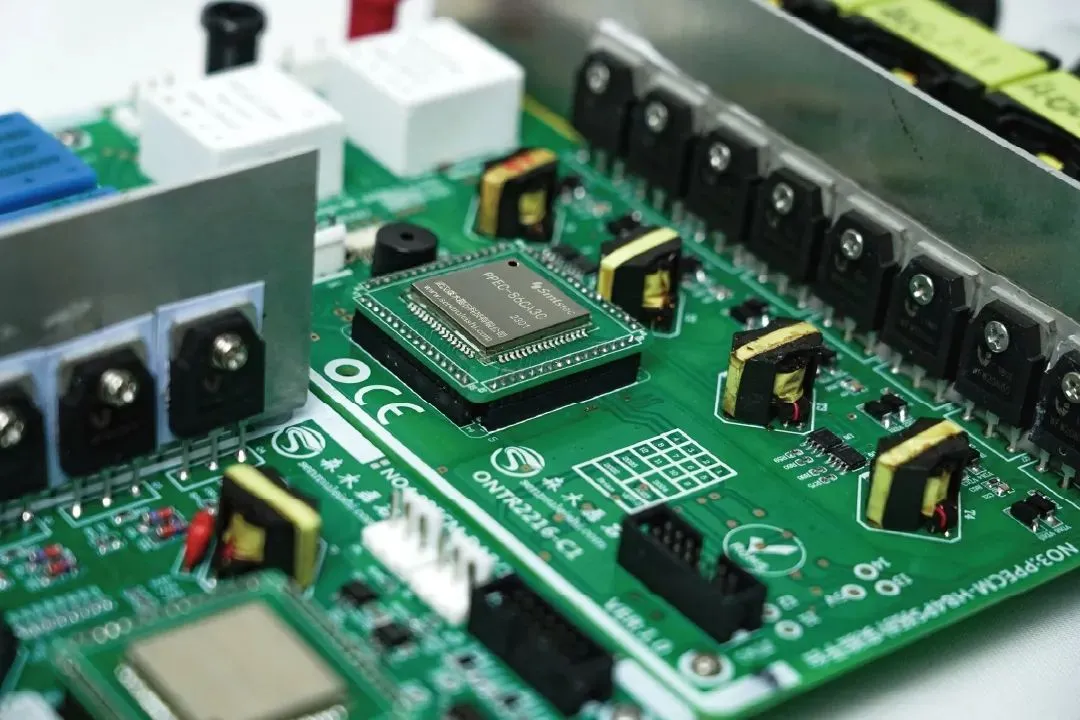
Power Electronics PCBA: Ensuring Reliability in High Stress Applications
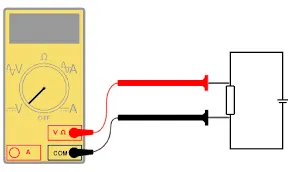
Power Integrity Testing in PCB Manufacturing: Current, Ripple, and Resistance Measurement Techniques
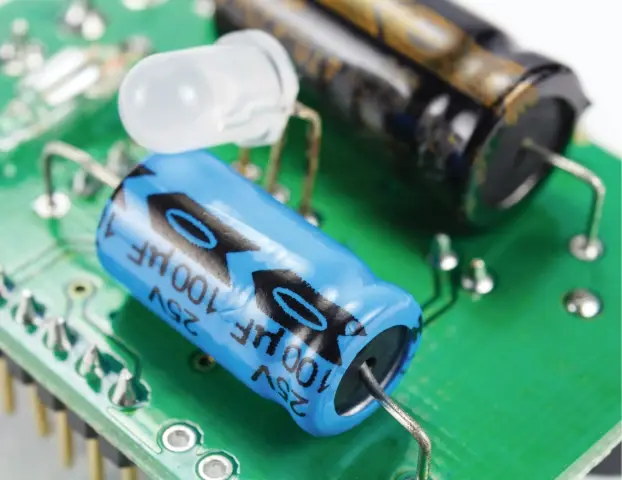
Through Hole Components: A Comprehensive Guide to Types and Applications
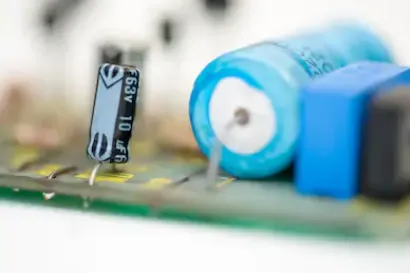
Through Hole Design for High Power Applications: Optimizing Performance and Reliability
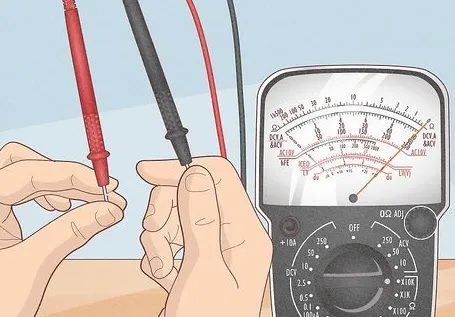
Multimeter Usage Mnemonics
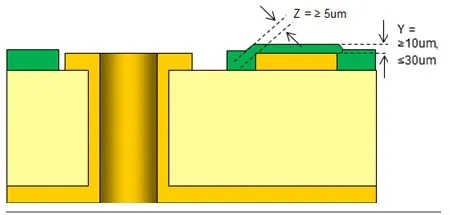
The Ultimate Copper Thickness (Mils) Conversion Chart for PCB Design
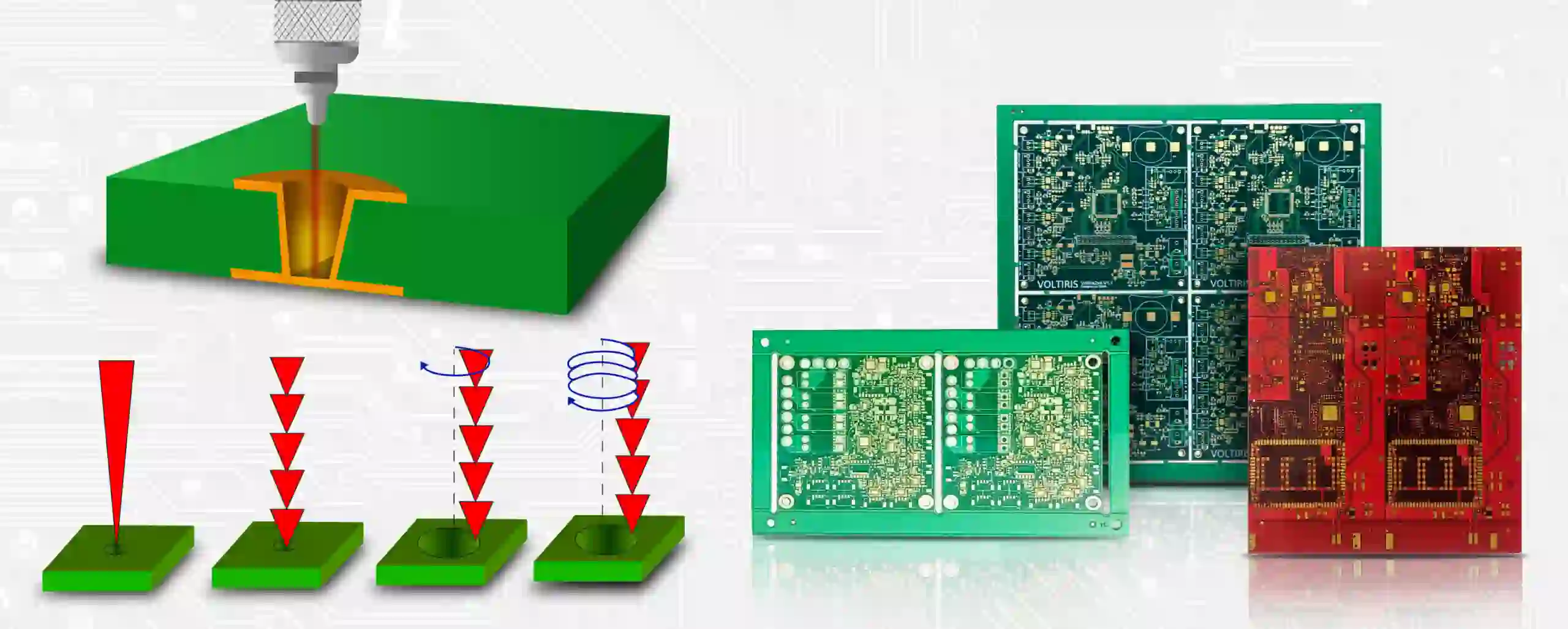
Manufacturing Heavy Copper PCBs: A Step by Step Guide
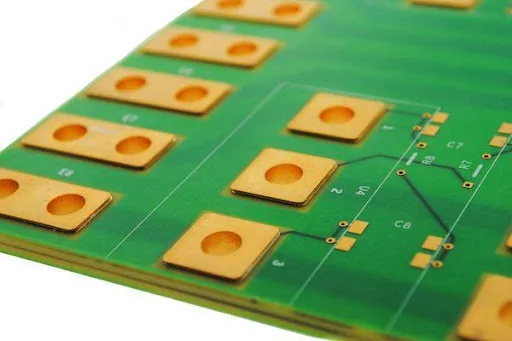
Manufacturing Challenges and Solutions for 3 oz Copper PCBs
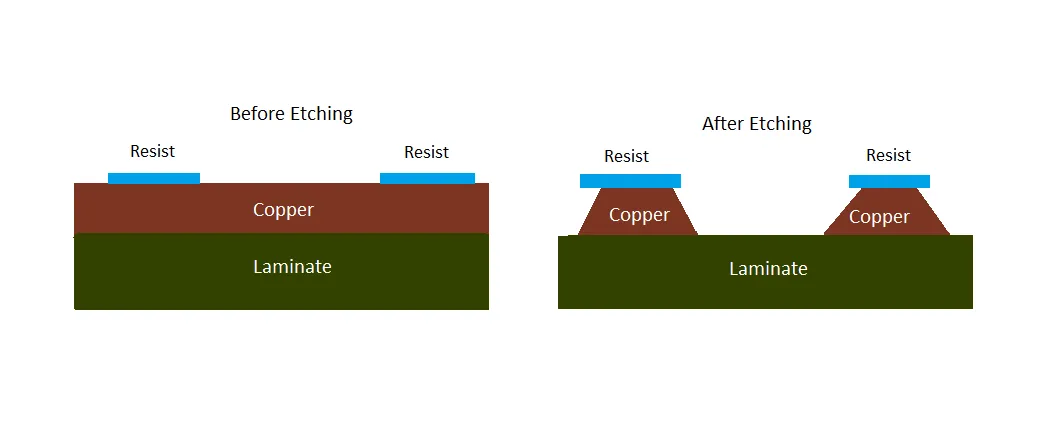
2oz Copper PCB Cost Analysis: Is the Performance Worth the Premium?
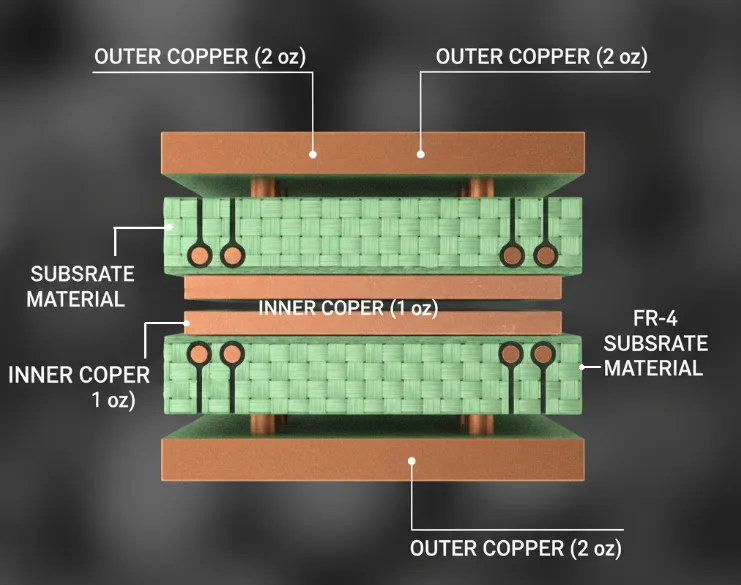
Automotive Electronics Reliability: Why 2oz Copper PCBs are Essential
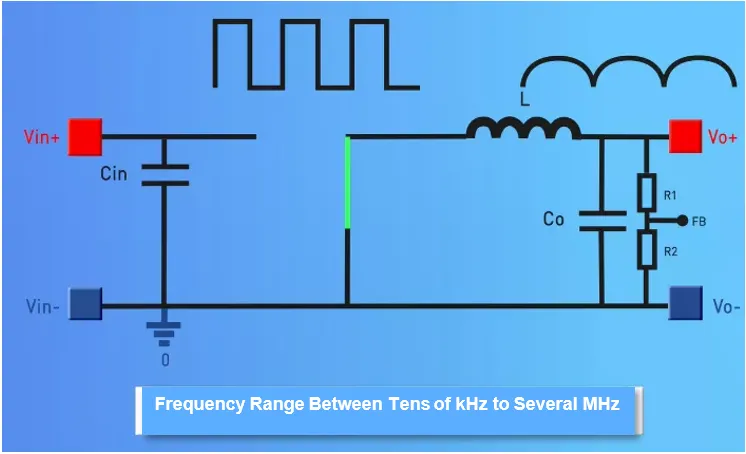
Ripple Voltage Measurement Methods
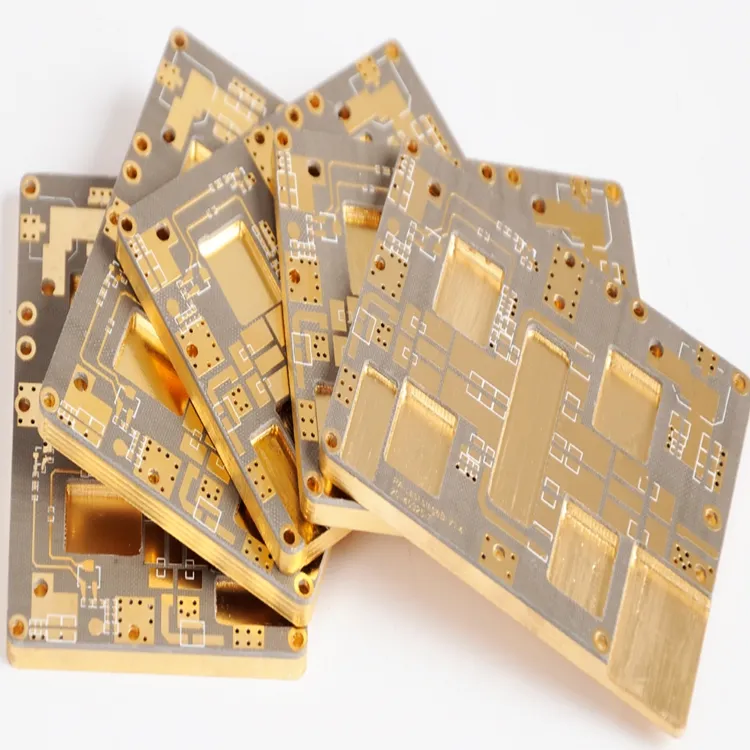
Boosting Reliability: The Benefits of Heavy Copper PCBs
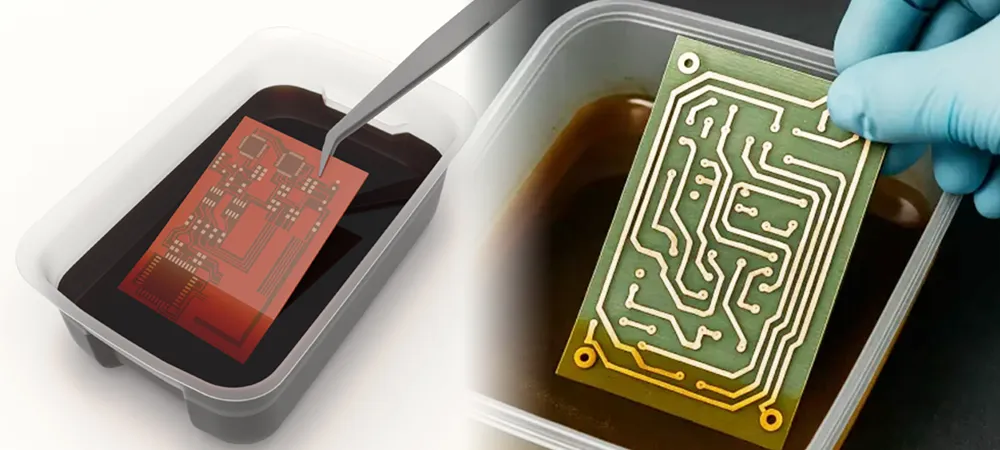
Heavy Copper vs. Standard PCB: Choosing the Right Board
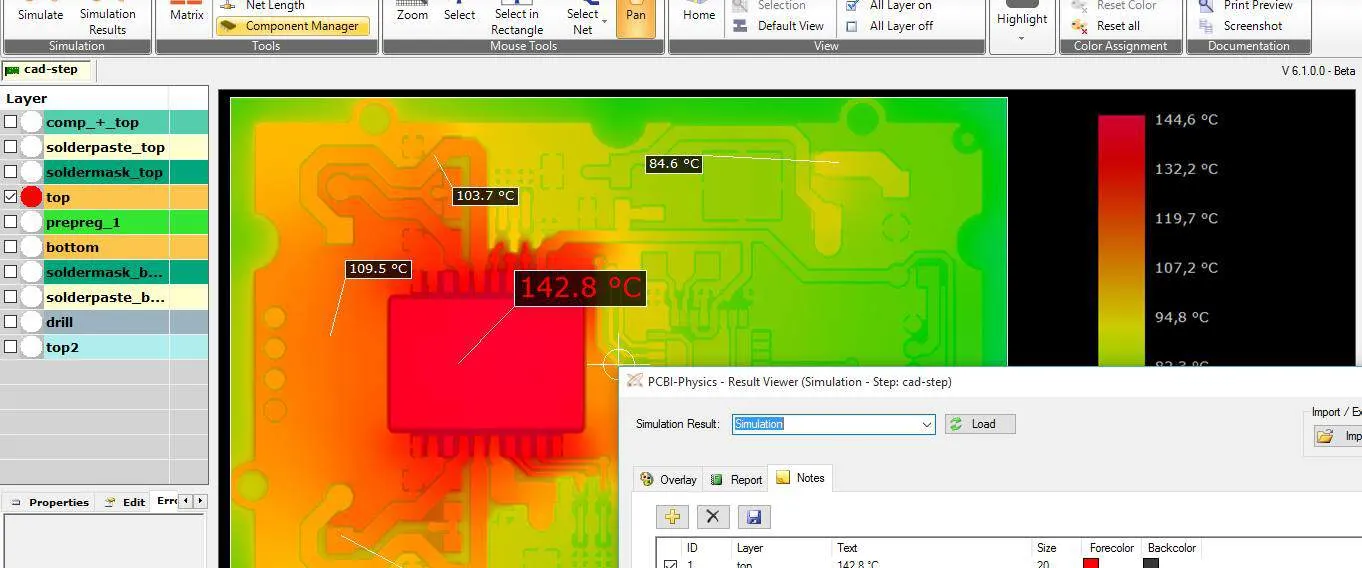
Design Considerations for Aluminum PCBs in Power Electronics
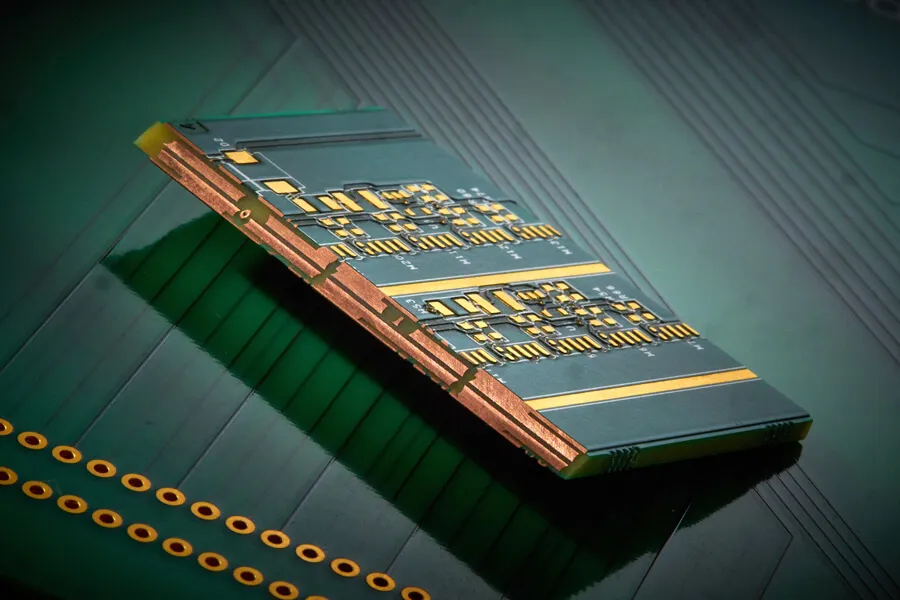
Beyond Standard: Exploring High Outer Layer Copper Thickness PCBs for High Power Applications

Practical Tips to Extend Smartphone Battery Life
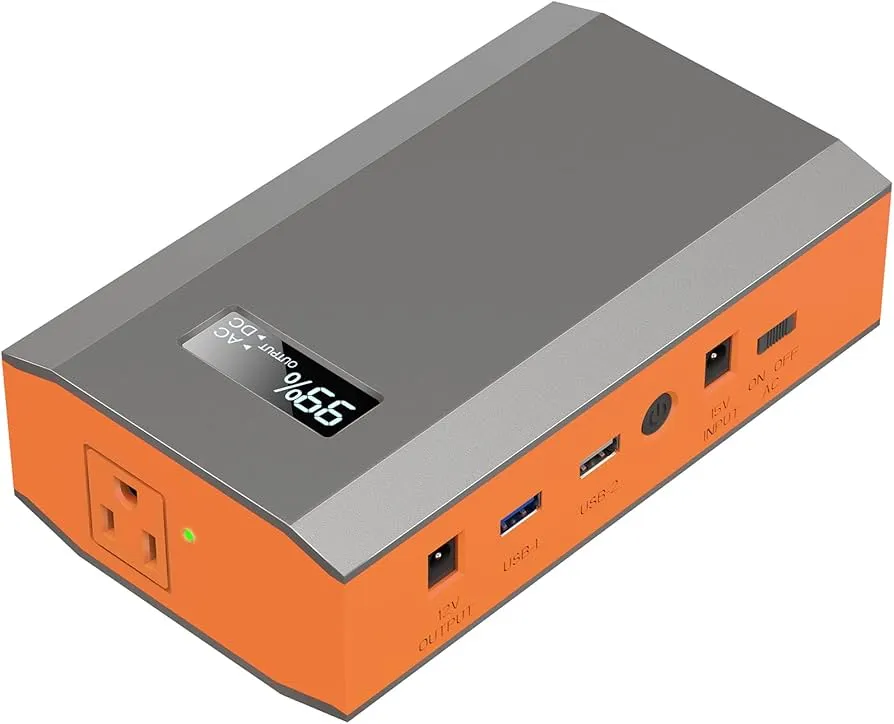
Power Bank Circuit with Outdoor Alarm Function

First Phones with Snapdragon 8 Gen3
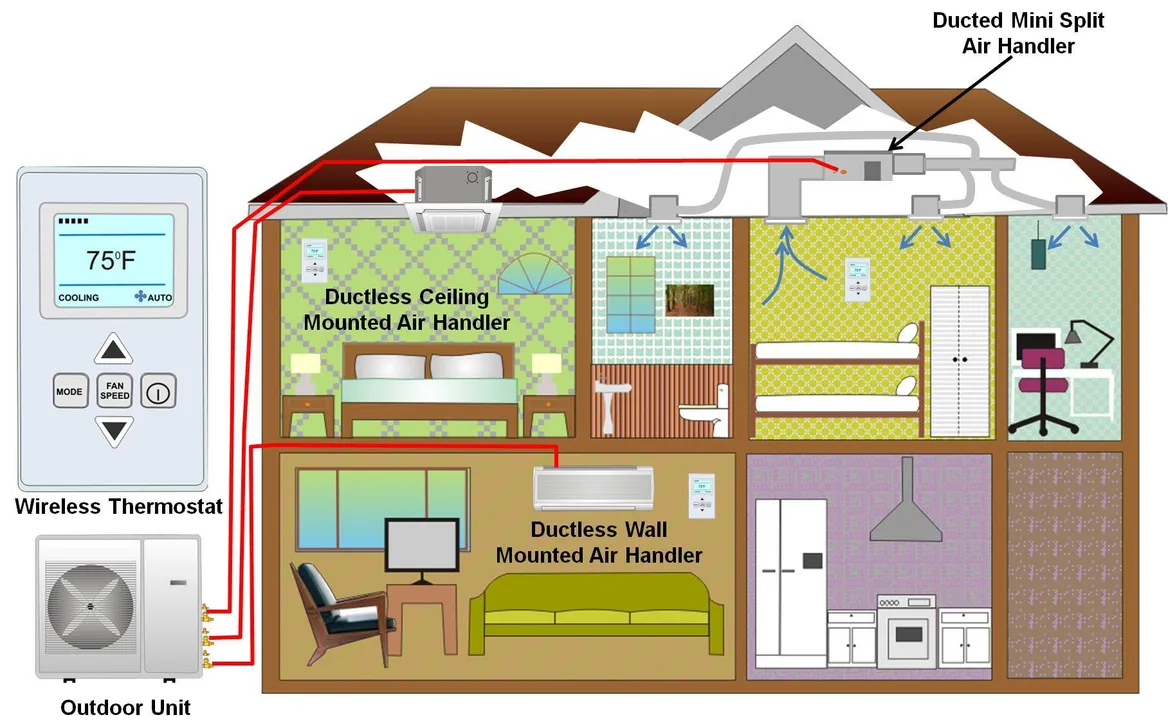
Thermal Management Systems in Electric Vehicles: PCB Design for Heat Pump HVAC, Energy Recovery, and High-Efficiency Control