




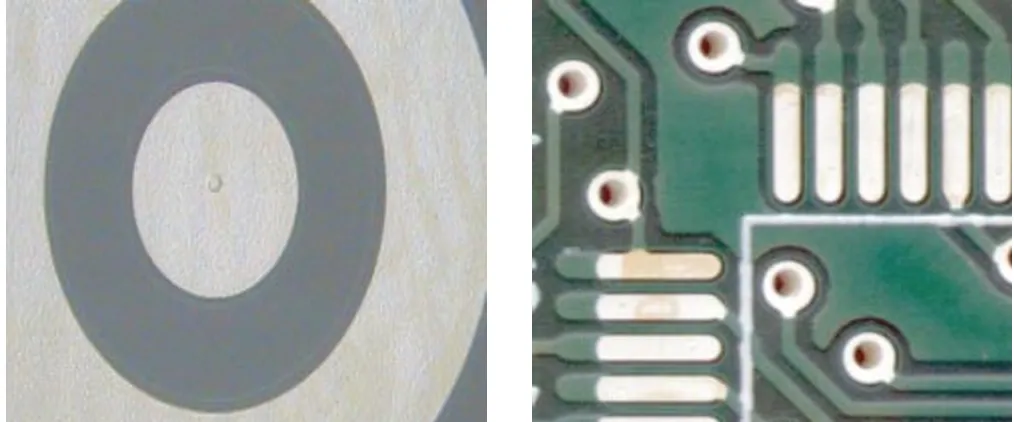
Immersion Silver
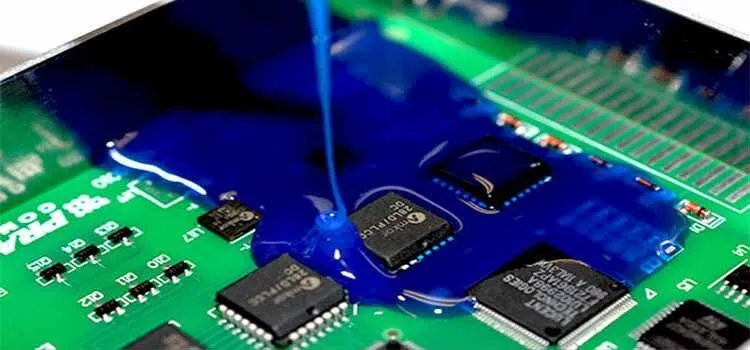
Immersion Silver serves as a popular surface finish in printed circuit board (PCB) manufacturing, offering a thin layer of silver deposited onto exposed copper traces through a chemical displacement process. This finish protects against oxidation while providing excellent solderability, making it a go-to choice for high-reliability applications in electronics assembly. For engineers, designers, and hobbyists searching for information on Immersion Silver, this tag compiles resources that delve into its technical specifications, advantages, and potential drawbacks, helping you make informed decisions for your projects. One key benefit of Immersion Silver is its flat topography, which facilitates precise component placement and reduces defects during soldering, especially in surface-mount technology (SMT) processes. It is often selected for its cost-effectiveness compared to alternatives like Immersion Gold, while supporting lead-free soldering requirements under RoHS compliance. However, users should be aware of its limited shelf life, typically 6 to 12 months, due to susceptibility to tarnishing in humid environments. To mitigate this, best practices include storing PCBs in moisture-barrier bags with desiccants and conducting visual inspections before assembly. In practical terms, Immersion Silver excels in consumer electronics, telecommunications, and automotive sectors where signal integrity and thermal performance are critical. For those optimizing PCB designs, articles under this tag offer actionable insights such as compatibility with various flux types, thickness measurement techniques, and comparisons with other finishes like HASL or OSP. By reviewing these materials, you can refine your manufacturing strategies, troubleshoot common issues like silver migration, and ensure long-term reliability in your electronic products. This collection of content equips you with the knowledge to integrate Immersion Silver effectively into your workflow.
Technical Articles

Root Cause Analysis and Control of the Galvanic Effect in PCB Immersion Silver
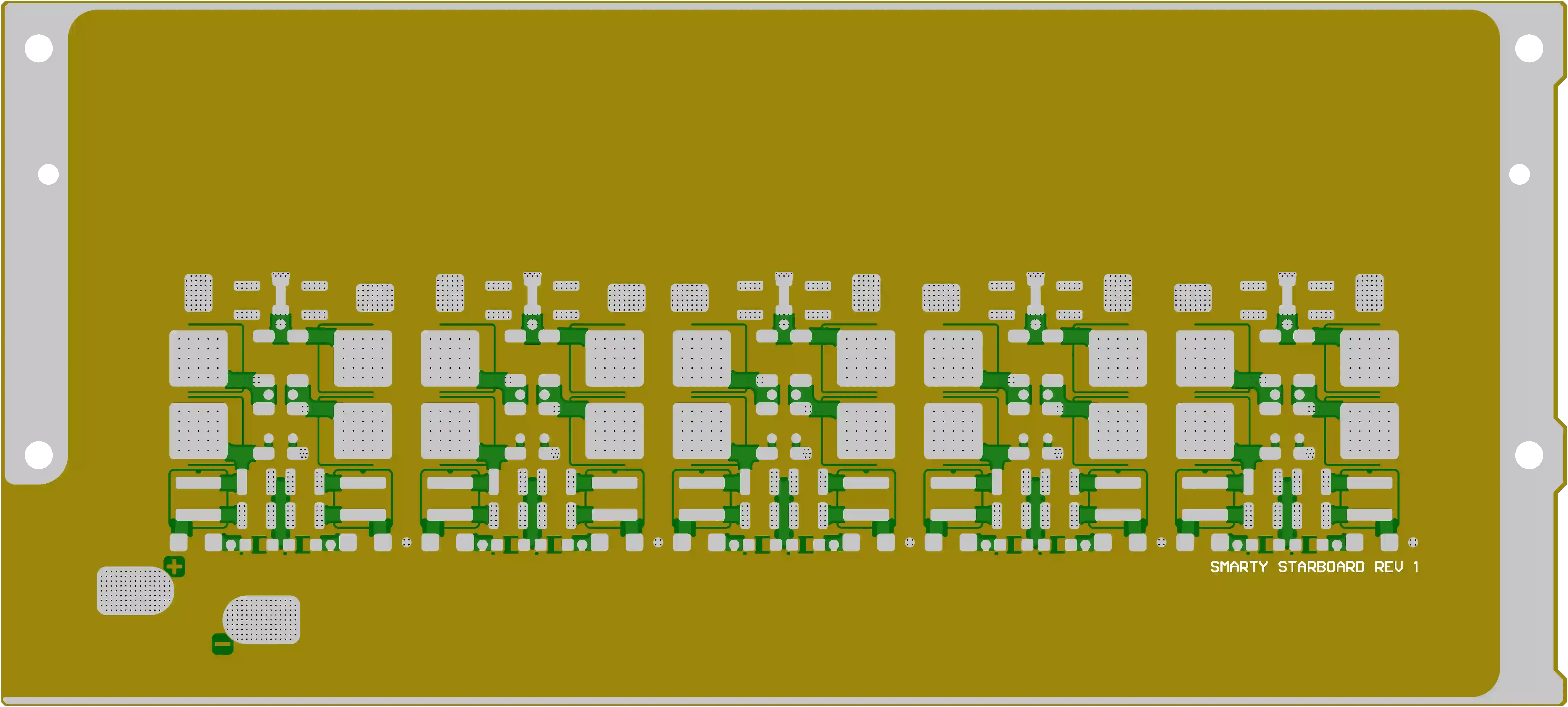
0.15mm Hole & Countersink Depth Control in 4-Layer HDI PCB
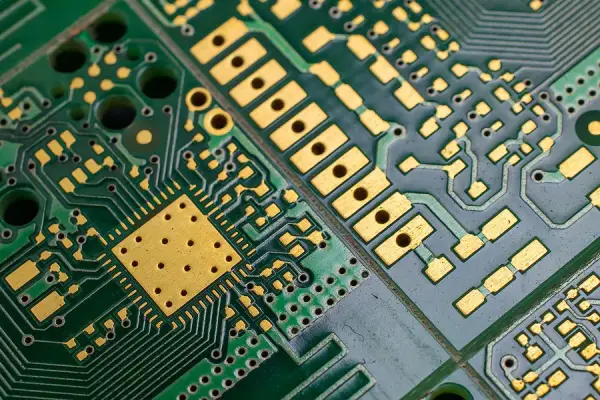
The Impact of Surface Finish on Thick PCB Reliability and Solderability

A Step by Step Guide to the Immersion Silver Plating Process: From Preparation to Finish
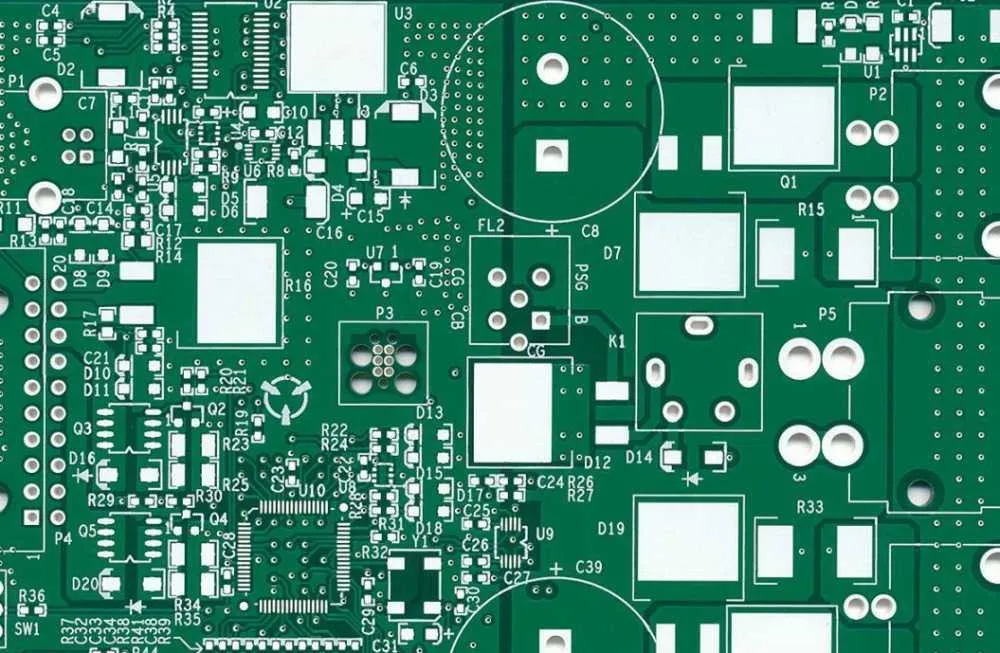
Troubleshooting and Repairing Common PCB Surface Finish Defects
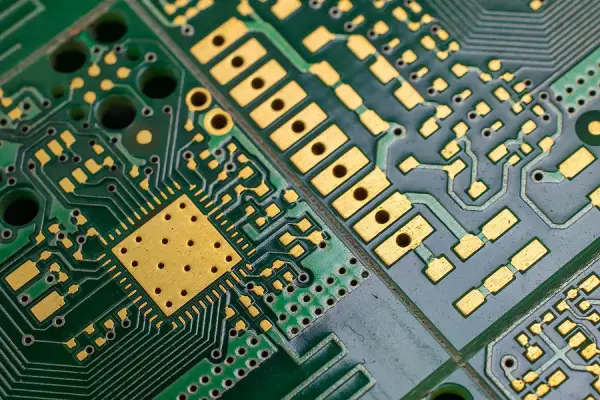
The Impact of PCB Surface Finish on Railway Electronics Reliability
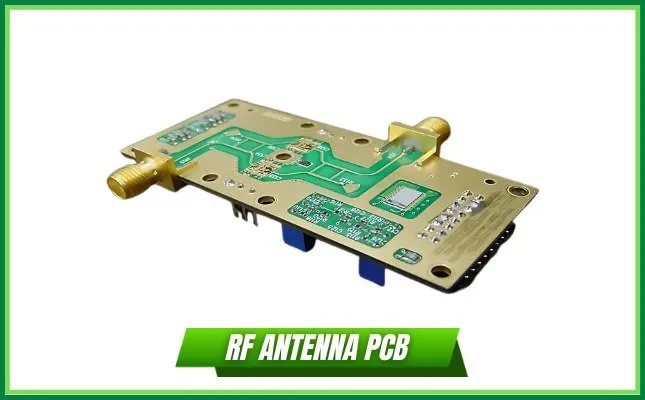
Optimizing RF PCB Performance: The Crucial Role of Surface Finish Selection
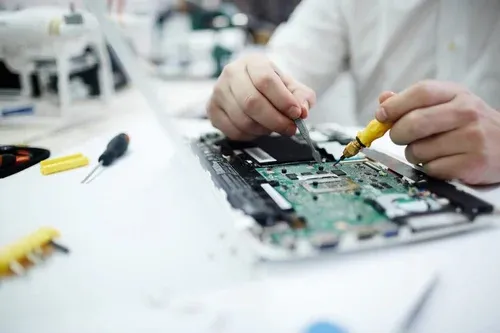
Troubleshooting & Repairing Common PCB Surface Finish Defects
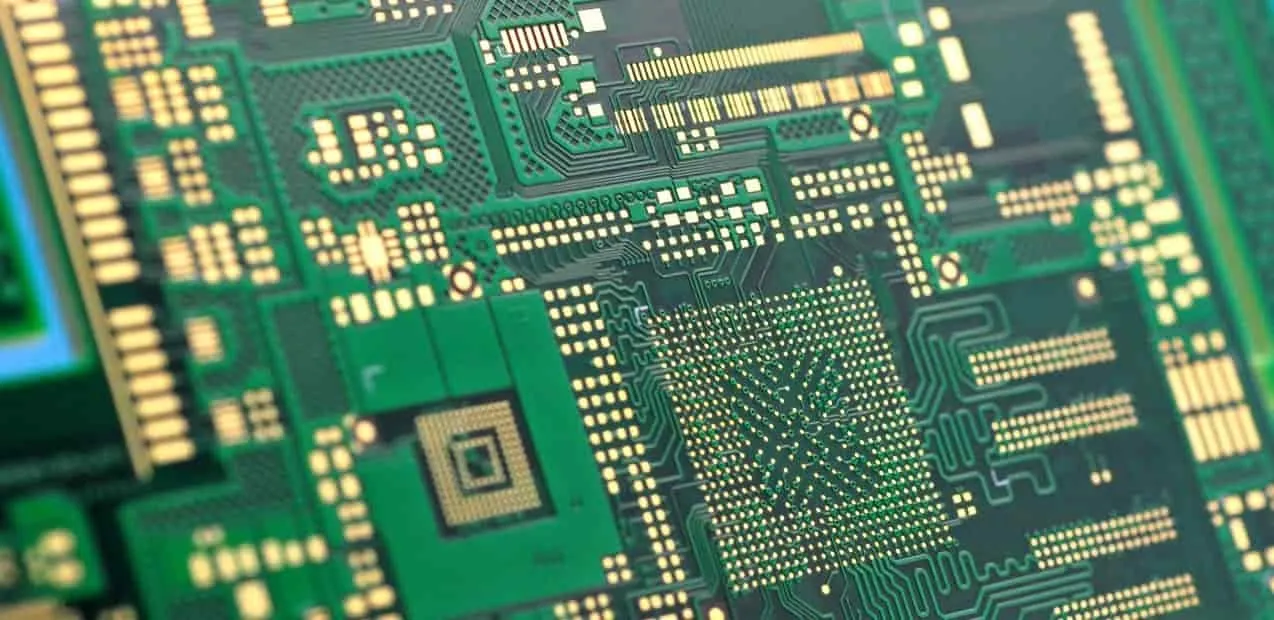
Advanced Surface Finishes: Choosing the Right Option for PCB Mass Production
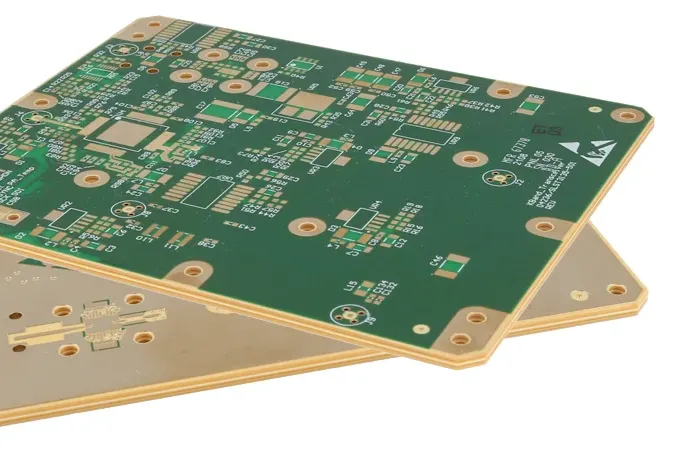
The Complete Guide to FR-4 Material Finishes for Optimal Performance
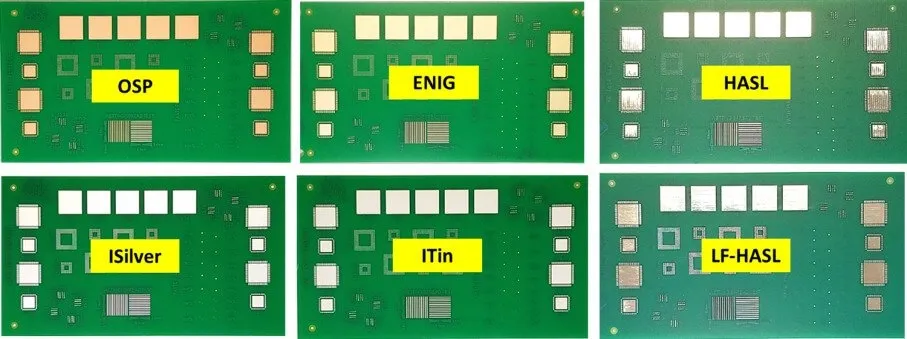
Exploring Different Finishes for FR 4 PCBs: HASL, ENIG, and More
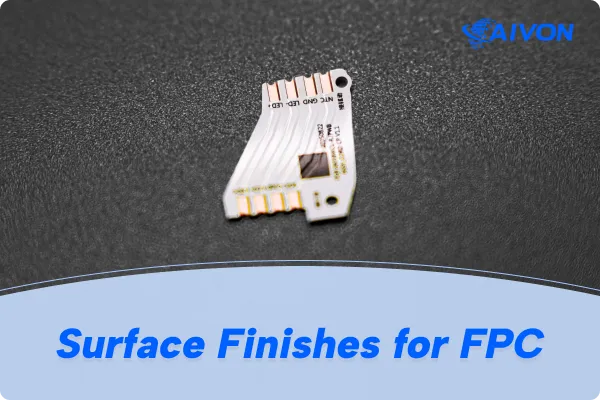
FPC Surface Finish: Types, Selection, and Design Considerations
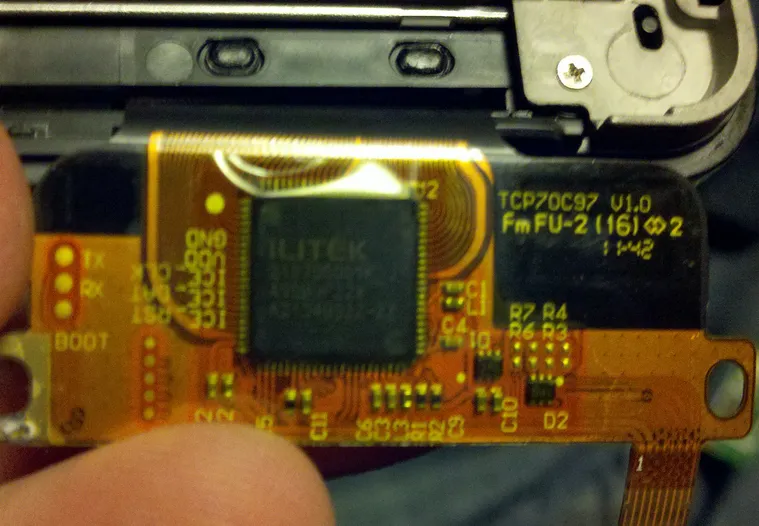
Can Flexible PCB Be Used in Moisture or Humid Environments?
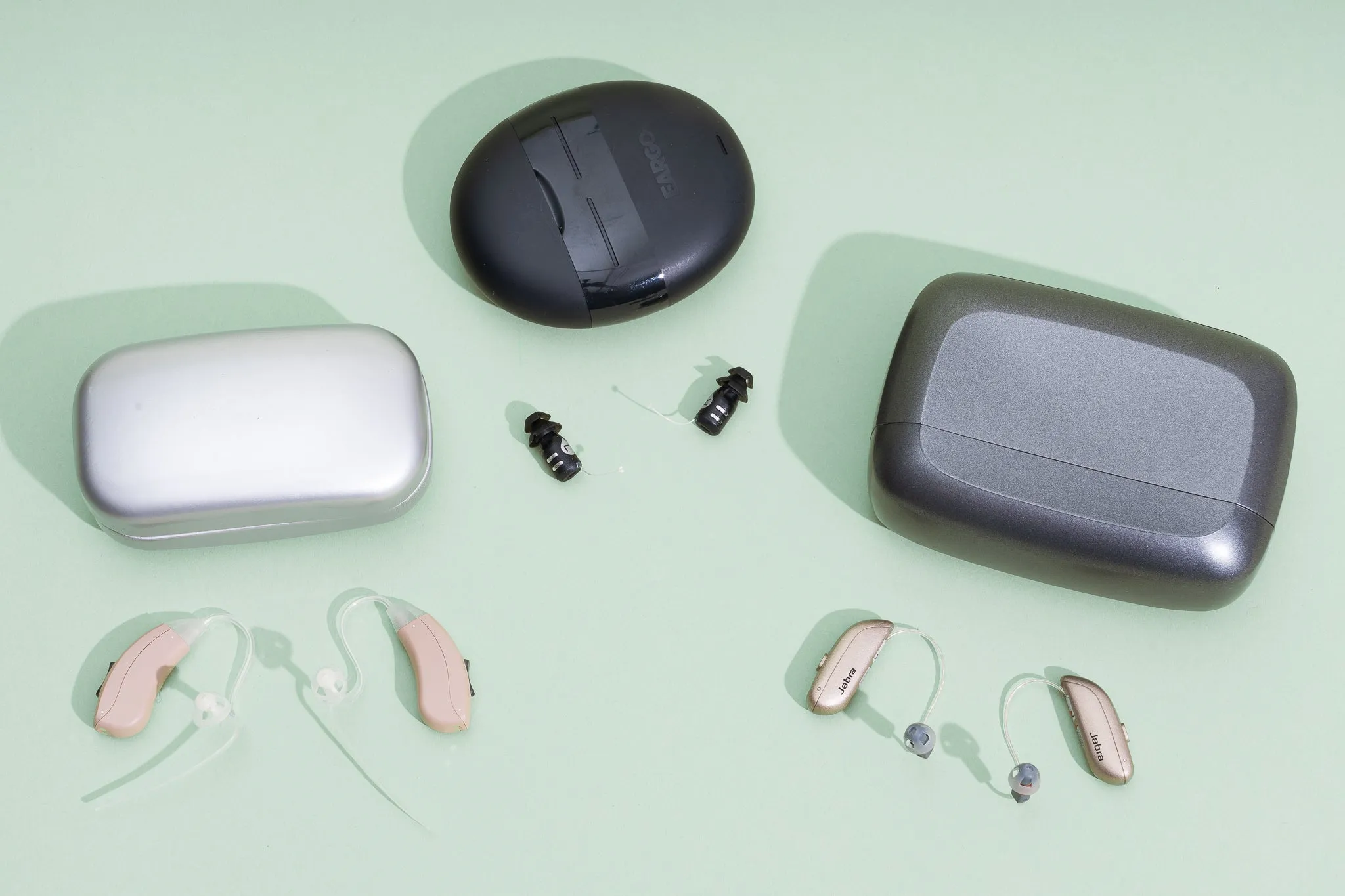
China Customized Immersion Tin Hearing Aids Multilayer Rigid flex PCB with Impedance control