PCB Substrate
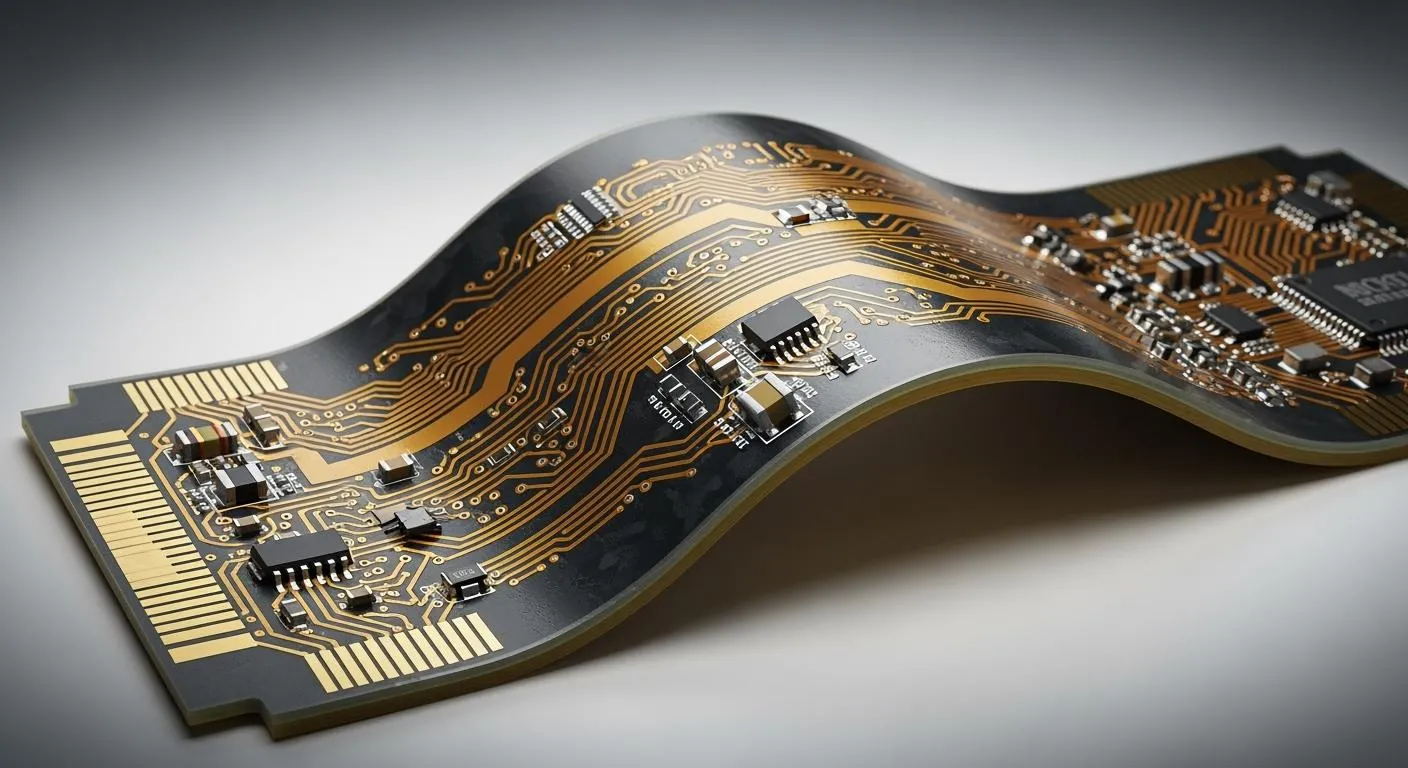
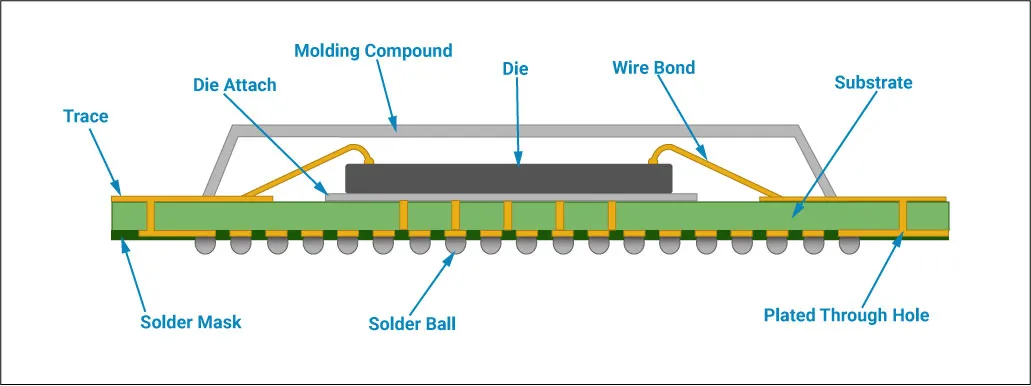
PCB substrates form the foundational layer of printed circuit boards, serving as the insulating base that supports conductive traces, components, and overall circuit integrity. In electronics design and manufacturing, selecting the right PCB substrate is critical for ensuring performance, reliability, and compliance with application-specific demands. This tag, PCB Substrate, gathers in-depth articles that explore various materials, their properties, and their roles in different industries, helping engineers, hobbyists, and professionals make informed decisions. Common PCB substrate materials include FR-4, a fiberglass-reinforced epoxy laminate known for its balance of cost, mechanical strength, and thermal resistance, as well as advanced options like polyimide for high-temperature environments or ceramic substrates for superior heat dissipation in power electronics. Understanding key characteristics such as dielectric constant, thermal conductivity, and coefficient of thermal expansion allows designers to mitigate issues like signal loss, warping, or failure under stress. For instance, in high-frequency applications like RF circuits, low-loss substrates can significantly improve signal integrity, while flexible substrates enable innovative designs in wearables and automotive systems. Practical applications extend to best practices in substrate selection, such as evaluating environmental factors, budget constraints, and manufacturing processes. Engineers often prioritize substrates that support multilayer designs for complex circuitry or those compatible with lead-free soldering to meet regulatory standards. By delving into these topics, readers can apply actionable insights to optimize board layouts, reduce prototyping iterations, and enhance product longevity. For further guidance on specific substrate types or integration techniques, the articles linked under this tag provide detailed case studies and technical comparisons to support your projects.
Technical Articles
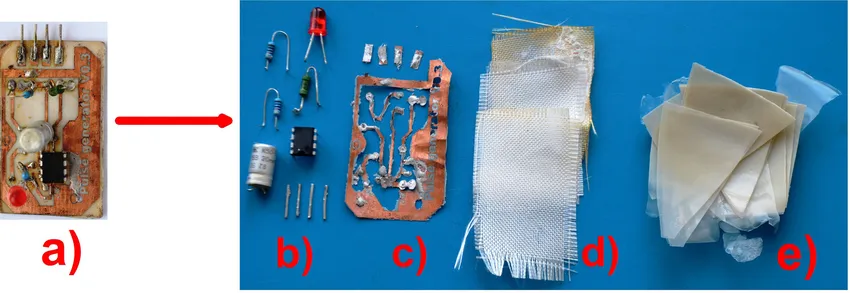
The Future of PCBs: Exploring Polylactic Acid (PLA) as a Sustainable Substrate
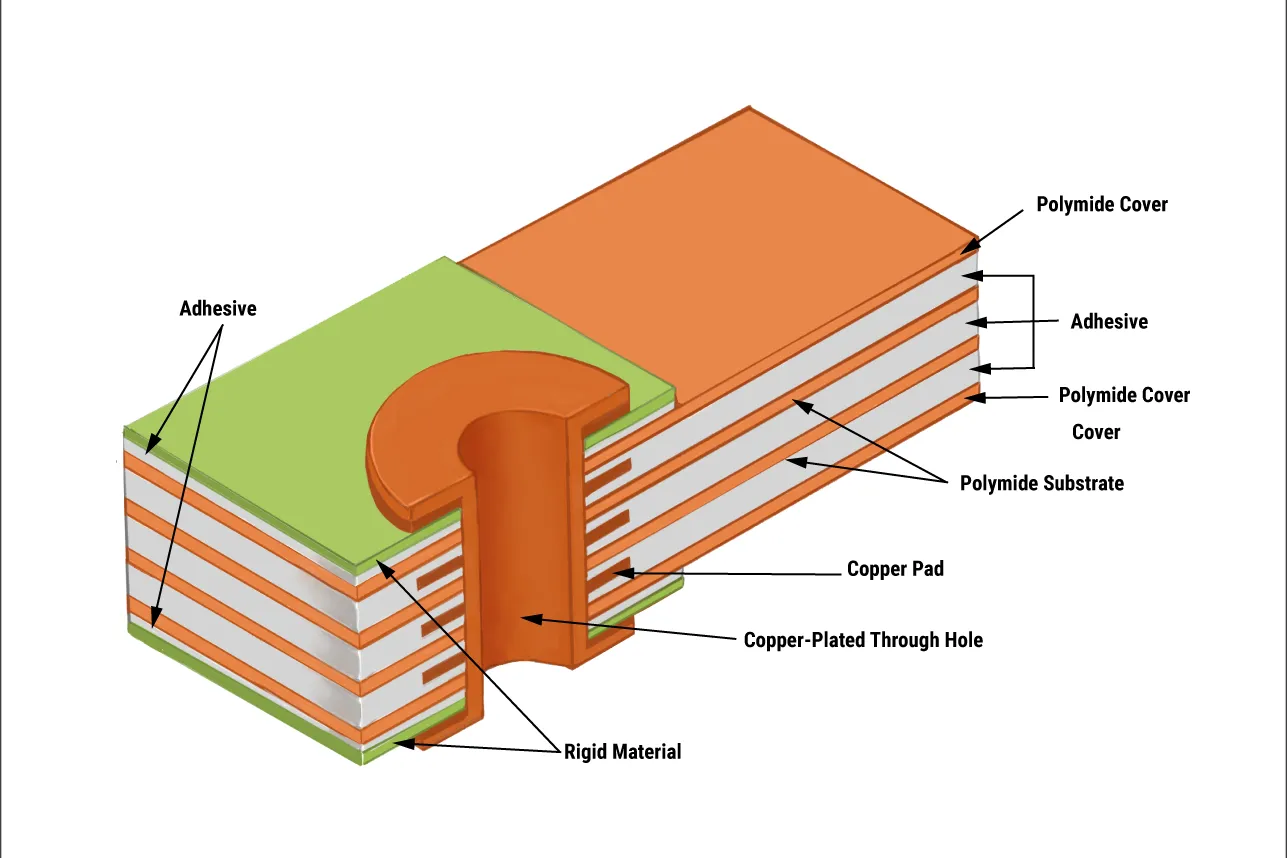
Beyond FR 4: Exploring Advanced Substrates for Rigid Flex PCB Assembly
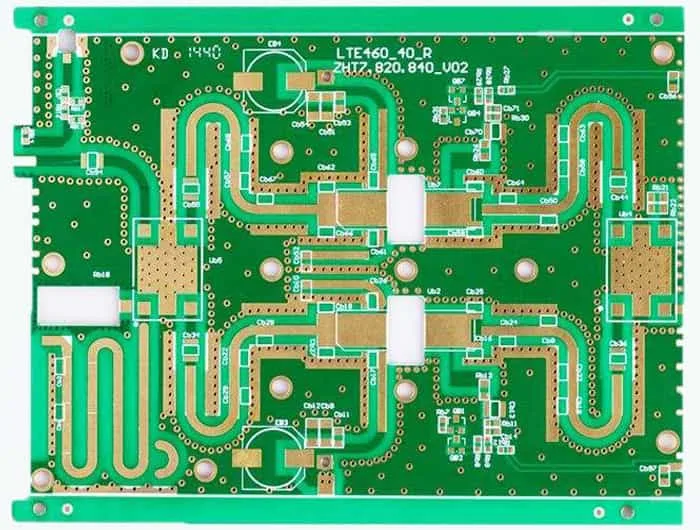
Beyond FR 4: Selecting the Right Substrate for Your Embedded Component PCB
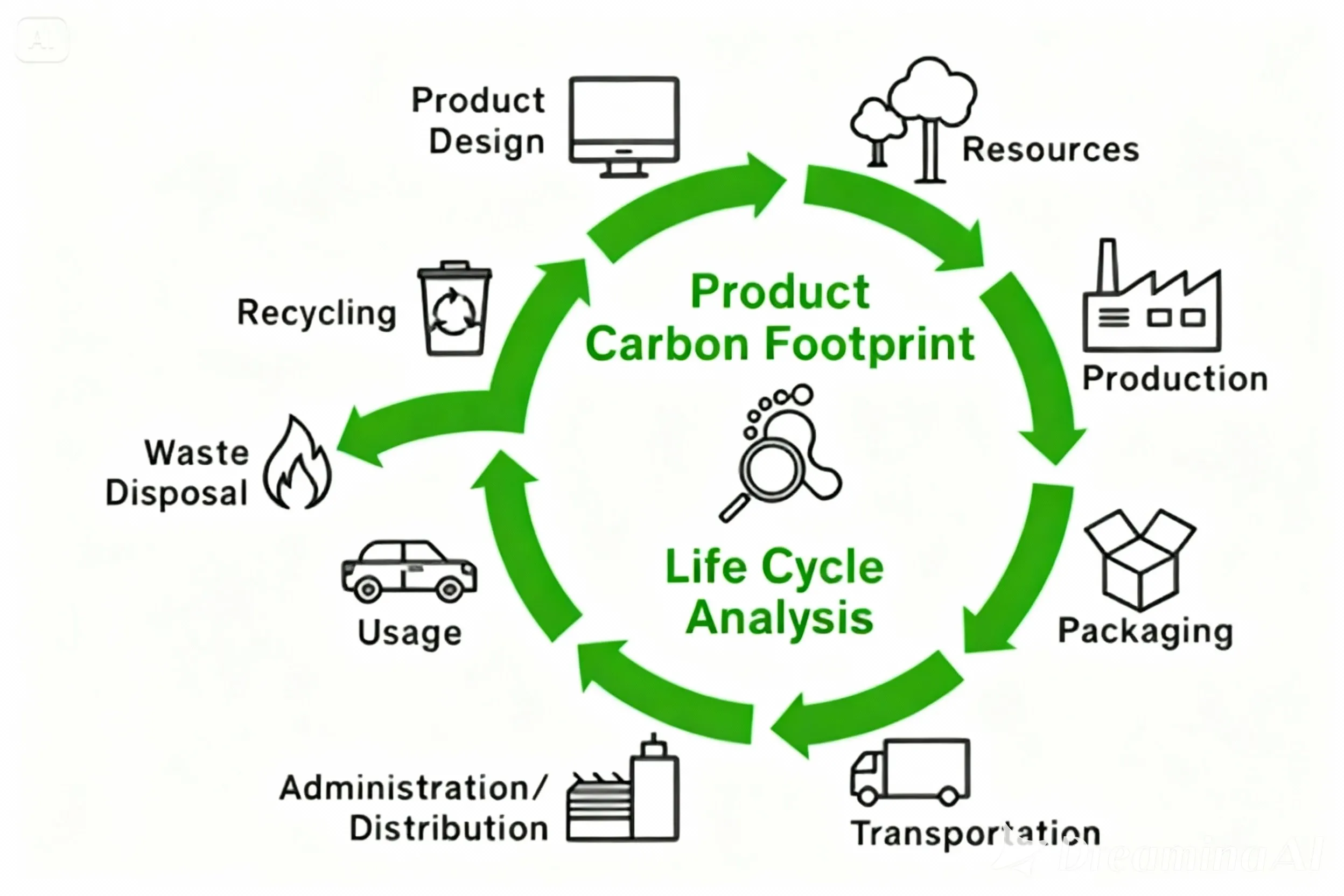
Reducing PCB Carbon Footprint: The Role of Sustainable Materials

Sustainable Flexible Circuits: The Rise of Bio-Based Flexible PCBs
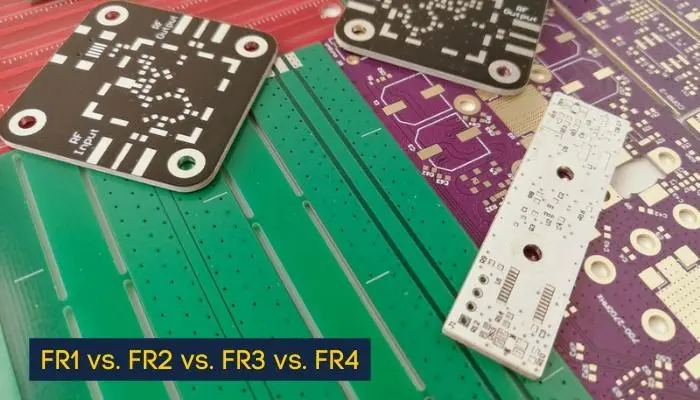
FR1 vs FR2 vs FR3 vs FR4: How to Choose the Right PCB Material
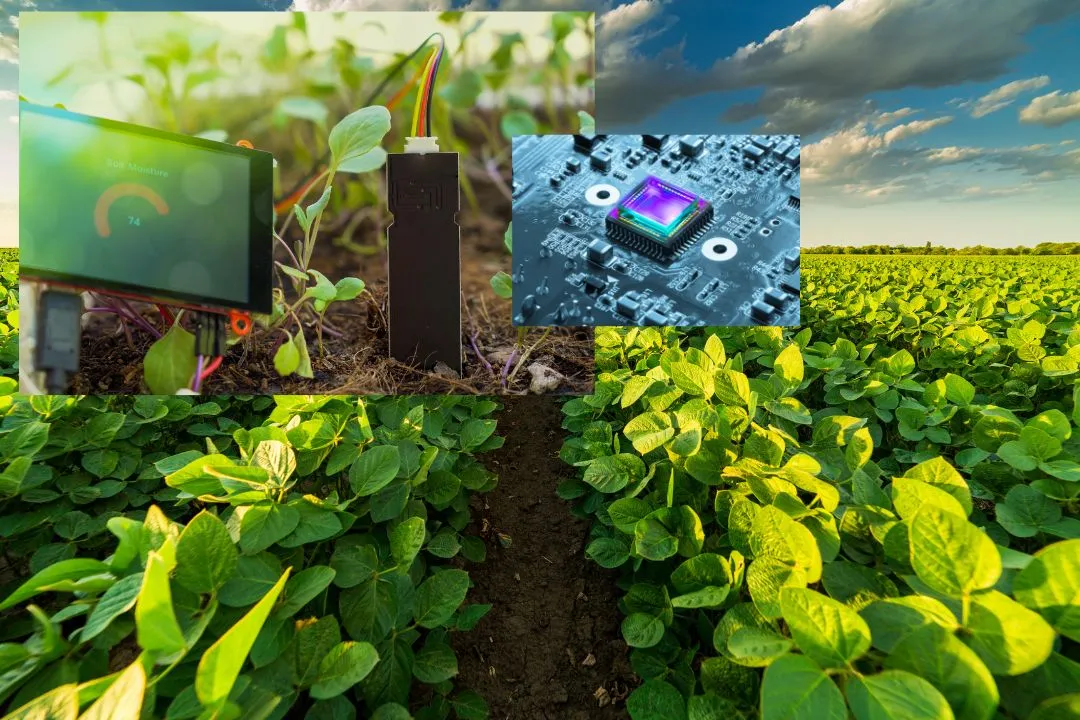
Smart Irrigation: PCB Based Soil Moisture Sensors for Water Conservation
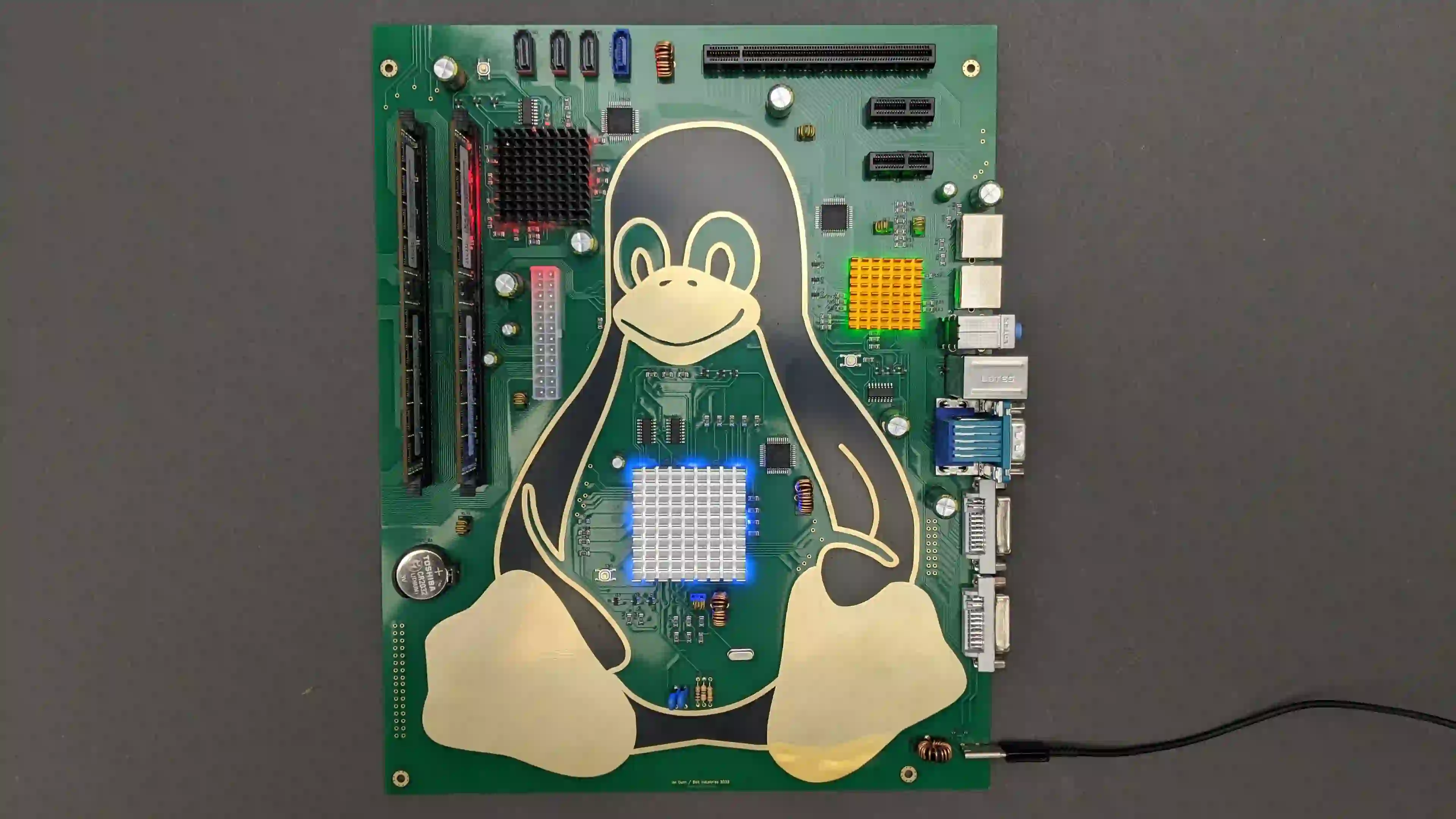
DIY Projects with Organic Substrate PCBs: Unleashing Your Creativity