Thermal Vias
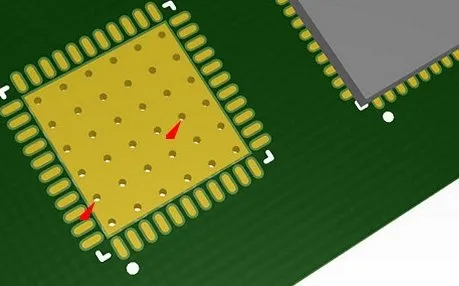
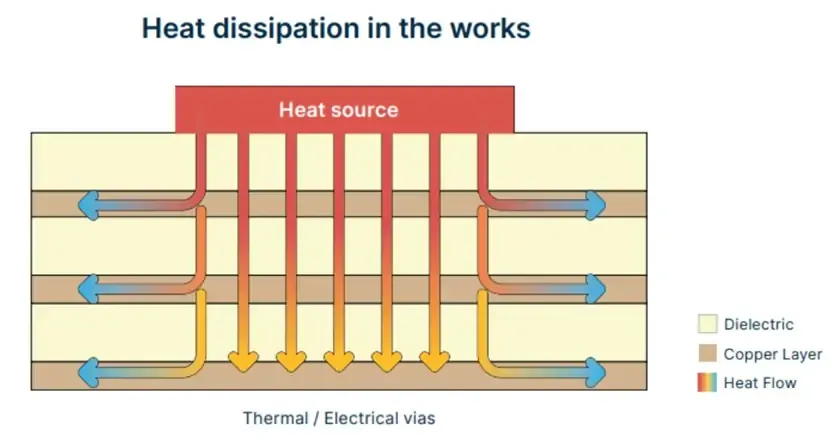
Thermal vias play a crucial role in printed circuit board (PCB) design, serving as specialized pathways that enhance heat dissipation from high-power components. These vias, essentially plated holes connecting different layers of a PCB, facilitate the transfer of thermal energy away from heat-generating elements like processors, power transistors, or LEDs, preventing overheating and ensuring reliable performance. For engineers and designers searching for information on thermal vias, this tag aggregates in-depth resources that explain their implementation, from basic concepts to advanced techniques, helping you optimize thermal management in your projects. Understanding thermal vias begins with their construction: they are typically filled or plated with conductive materials such as copper to maximize heat conduction. In practical applications, incorporating thermal vias under surface-mount devices or around heat sinks can significantly reduce junction temperatures, extending component lifespan and improving overall system efficiency. For instance, in power electronics or automotive PCBs, arrays of thermal vias are often arranged in grids to create effective thermal paths, sometimes combined with thermal pads for even better results. Best practices include calculating the optimal via density based on thermal resistance models, ensuring proper spacing to avoid signal integrity issues, and using simulation tools like ANSYS or Altium Designer to validate designs before fabrication. If you're troubleshooting thermal issues in multilayer boards or seeking ways to comply with industry standards like IPC-2152 for current-carrying capacity, the articles linked under this tag offer actionable guidance. Delve into case studies on via stitching for ground planes or comparisons with alternative cooling methods to refine your approach. By exploring these topics, you'll gain the knowledge needed to implement thermal vias effectively, whether for prototypes or production-scale electronics.
Technical Articles
Understanding Thermal Resistance in PCBs: A Key Metric for Effective Cooling

Advanced Thermal Management Techniques for MCPCBs: Improving Heat Dissipation
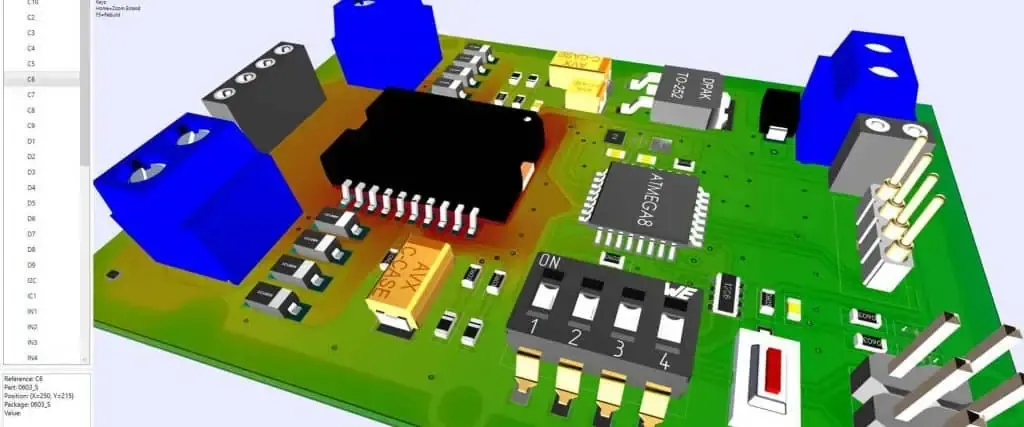
Optimizing Performance: Thermal Management in Industrial Automation Controller PCBs
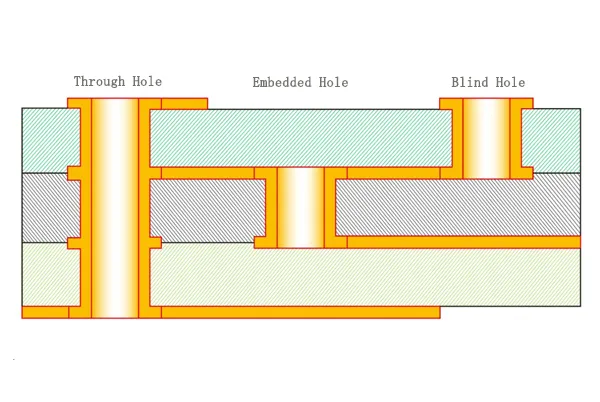
Optimizing Via Design in Rigid Flex PCBs: Enhancing Electrical and Mechanical Performance
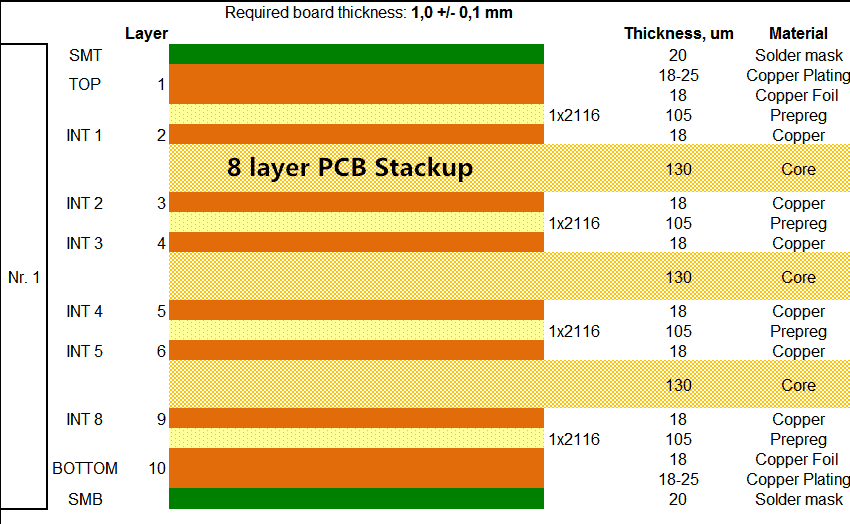
Cost Effective PCB Stackup Solutions for Thermal Management: Balancing Performance and Budget
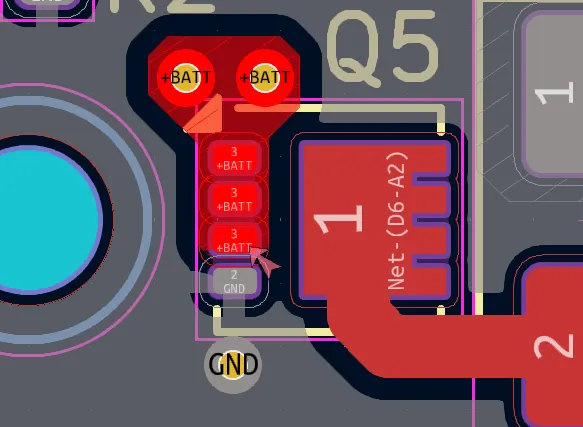
Optimizing Thermal Pad Design for High Power PCB Components: A Comprehensive Guide
Mastering Thermal Management: A Comprehensive Guide to LED Lighting PCB Design
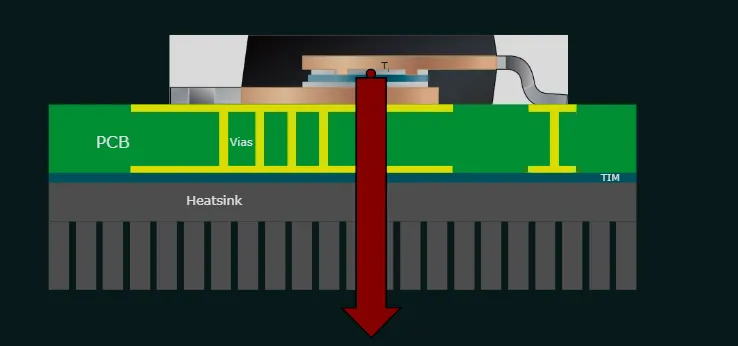
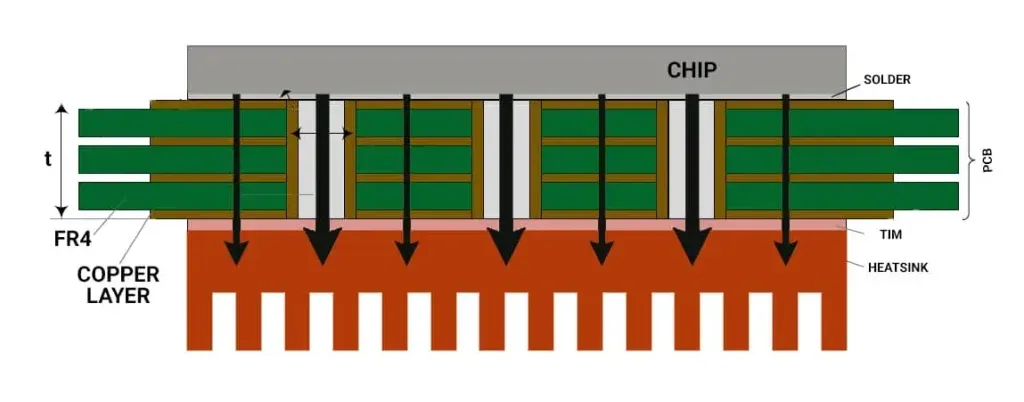
Thermal vias: how to use it properly and improve cooling performance.
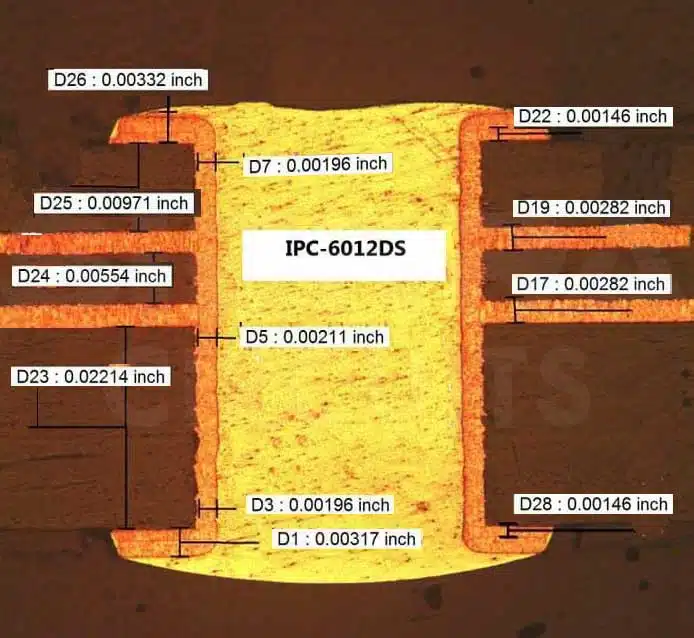
Minimum Drill Size for High Current PCBs: Thermal Management Strategies
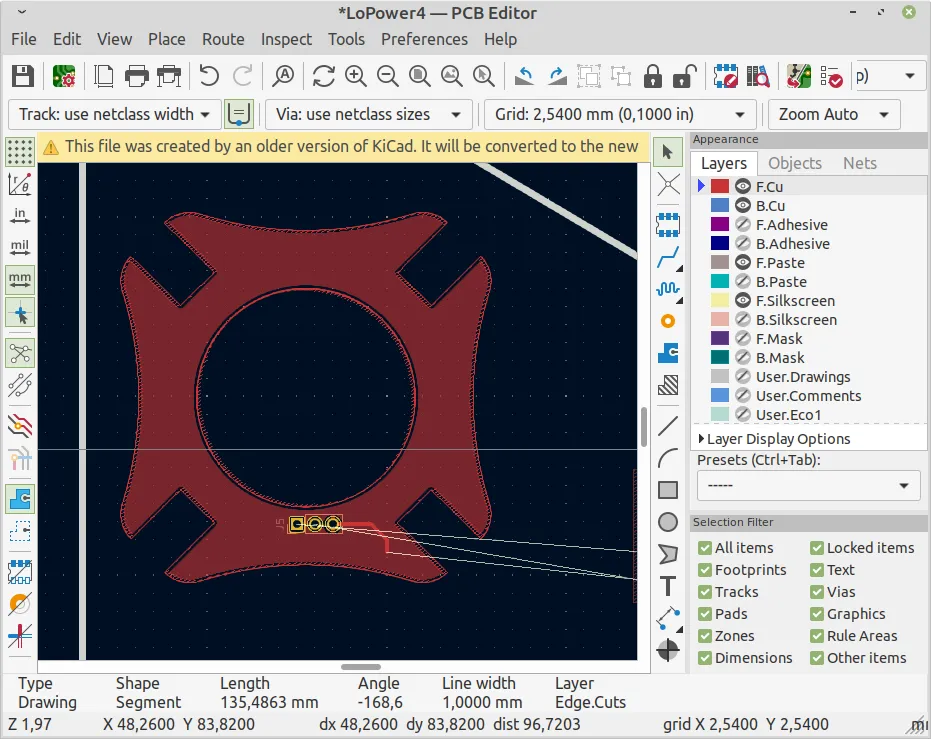
Thermal Relief in KiCad: Best Practices for Effective Heat Dissipation
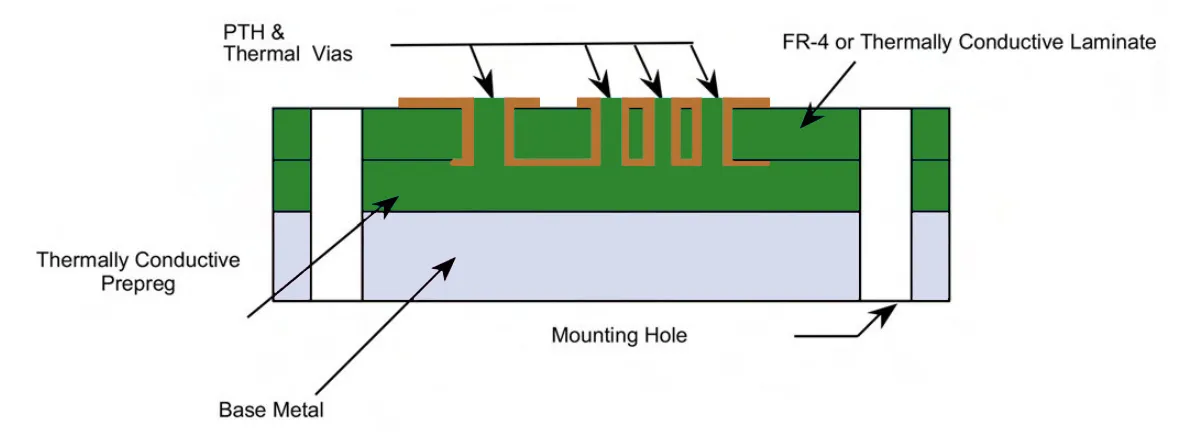
Thermal Vias and PCB Thermal Relief: A Synergistic Approach to Heat Management
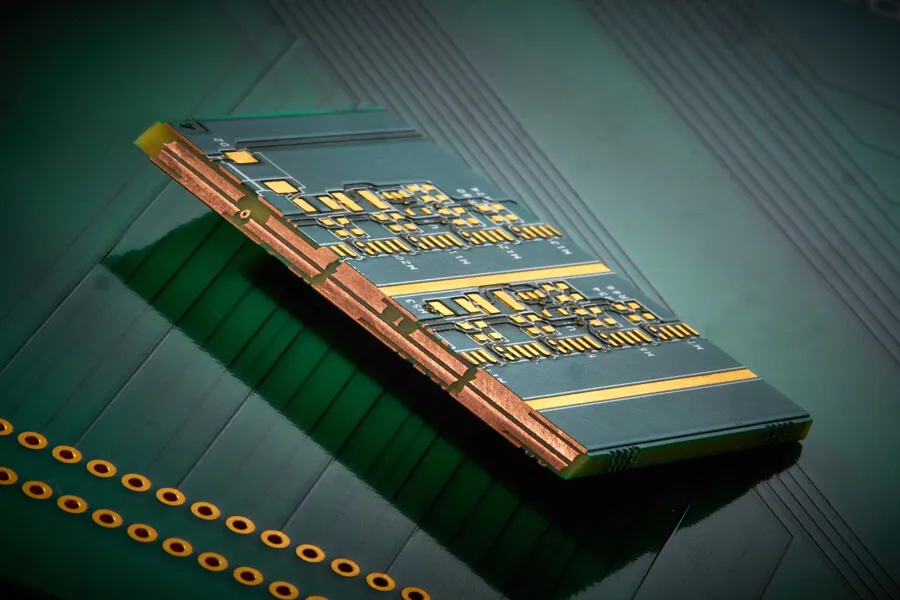
Thermal Management in High Power Electronics: The Role of 3 oz Copper PCBs
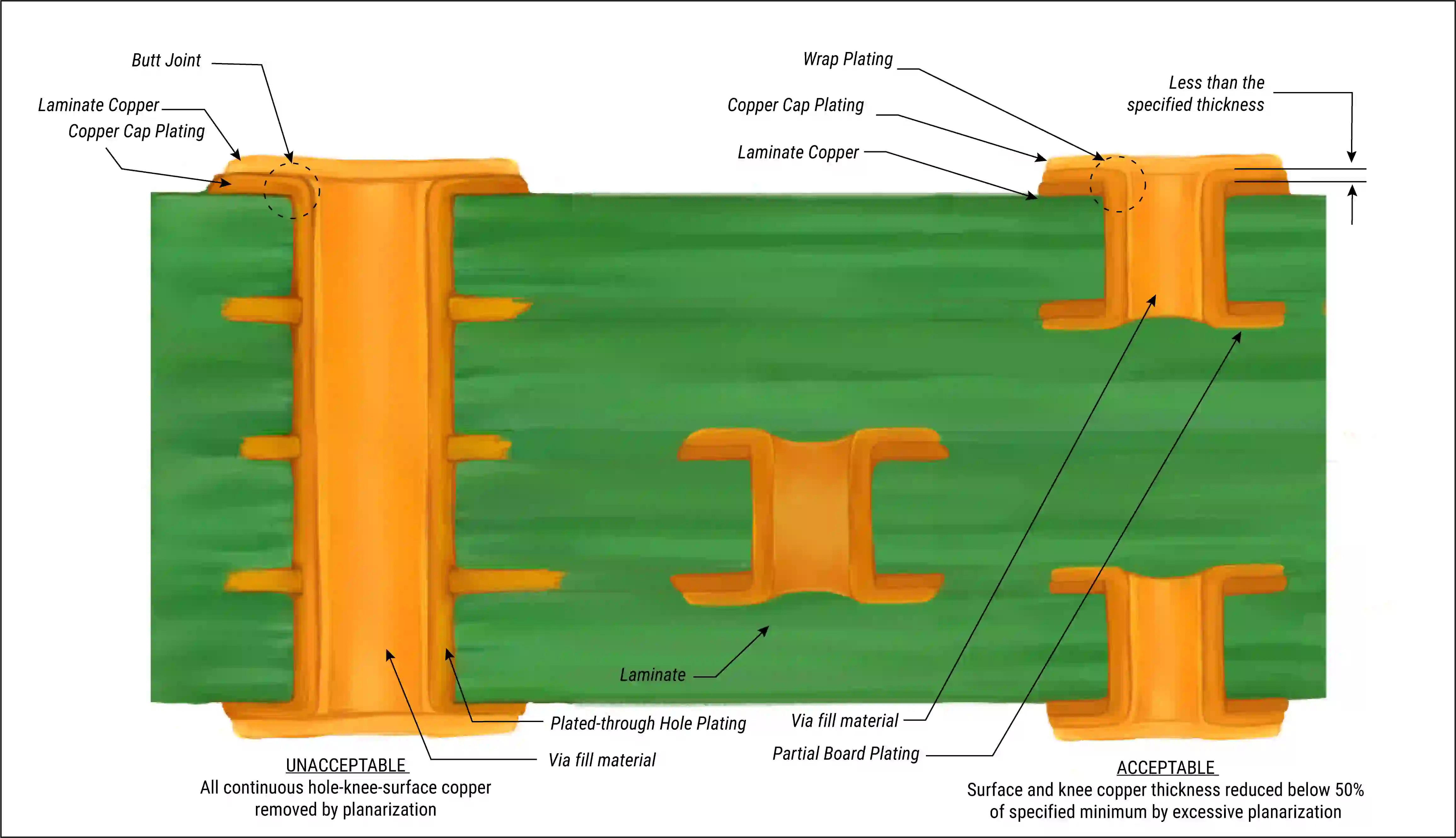
Outer Layer Copper Thickness and Via Design: Best Practices for Reliable PCB Interconnects
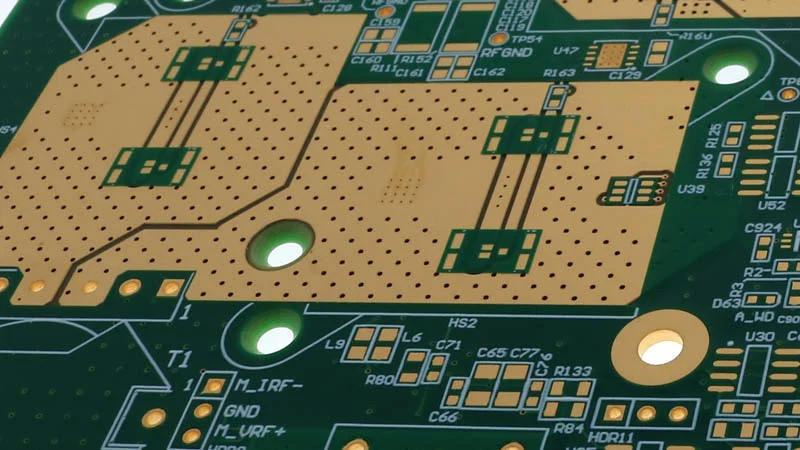
Thermal Management in PCBs: How Copper Pour Layout Enhances Heat Dissipation
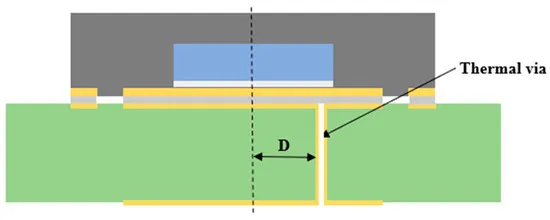
Thick Copper PCBs: The Secret to Efficient Heat Dissipation in LED Lighting
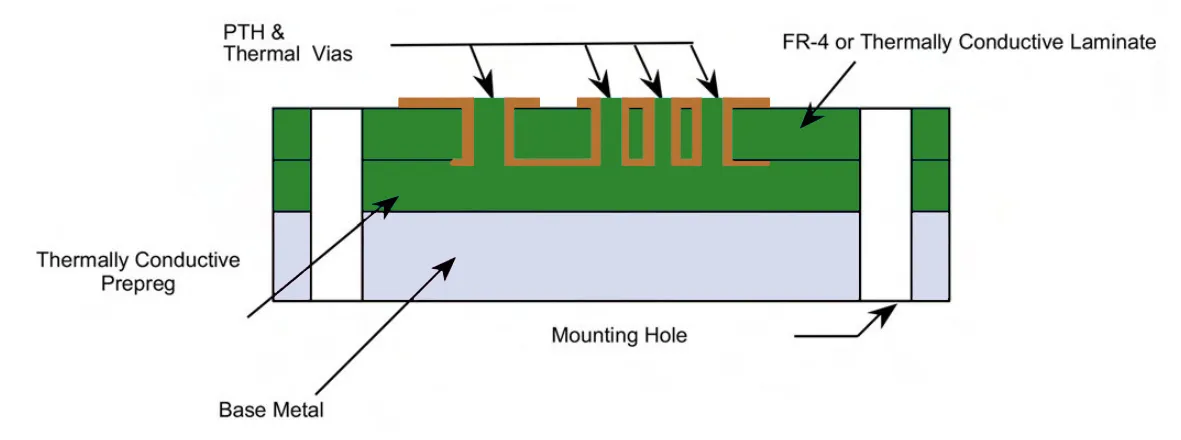
Aluminum PCB Thermal Vias: Design Rules and Best Practices
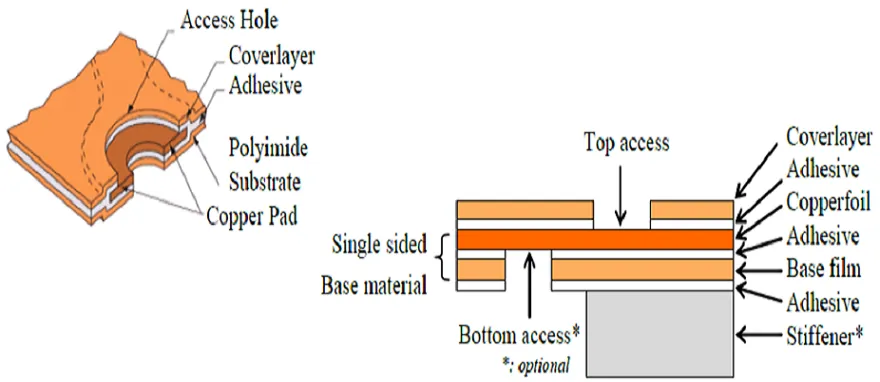
Polyimide PCB Thermal Vias: Enhancing Heat Dissipation in Flexible Designs
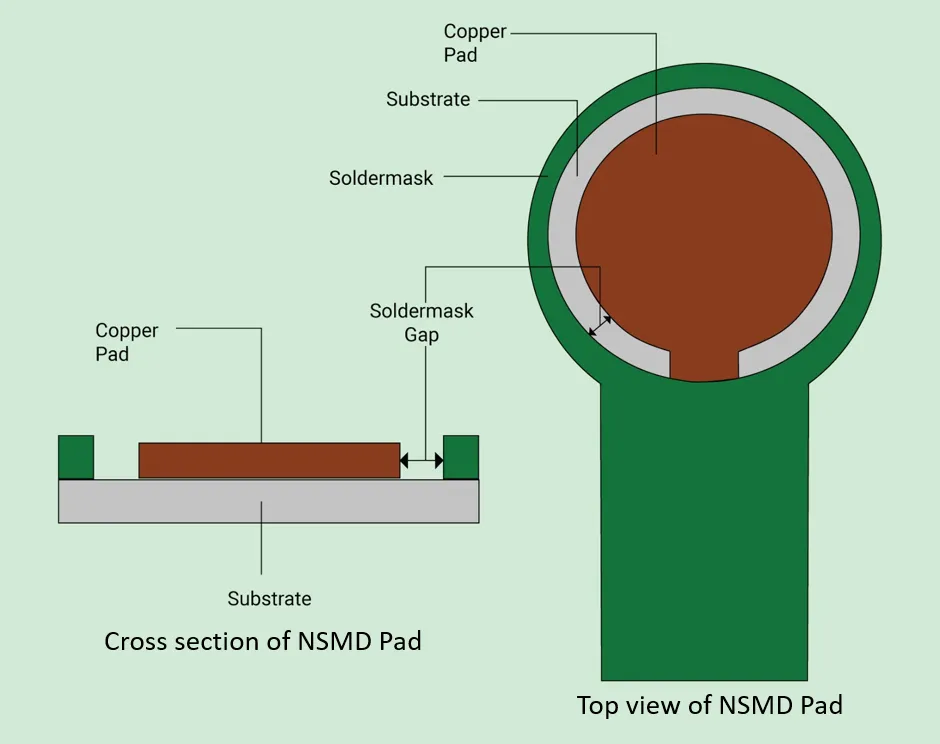
The Impact of Pad to Pad Spacing on PCB Thermal Performance: A Deep Dive