


PCB Manufacturing
Printed Circuit Boards (PCBs) form the backbone of modern electronics, serving as the essential platform where components connect to create functional devices. In the PCB Manufacturing category, readers gain access to a comprehensive collection of resources designed to demystify the intricate processes involved in producing these critical elements. From initial design considerations to final assembly and testing, this category covers every stage, providing valuable insights for engineers, hobbyists, and industry professionals alike. Understanding PCB manufacturing is crucial for anyone involved in electronics development. This field encompasses a wide range of topics, including material selection, such as FR-4 substrates and advanced laminates, as well as fabrication techniques like etching, drilling, and soldering. Articles here delve into best practices for optimizing layouts to minimize signal interference, ensuring reliability in high-stakes applications. Tutorials guide users through prototyping methods, while in-depth analyses explore emerging trends like flexible PCBs and additive manufacturing, which are revolutionizing industries from consumer gadgets to aerospace systems. The practical value of mastering PCB manufacturing extends to real-world scenarios, where efficient production can reduce costs, enhance performance, and accelerate time-to-market. For instance, insights on multilayer board construction help in designing compact devices for IoT applications, and discussions on quality control standards prevent common pitfalls in mass production. By engaging with the diverse guides and expert perspectives in this category, readers can build a solid foundation in PCB technologies, apply proven strategies to their projects, and stay ahead in an ever-evolving field. Whether troubleshooting assembly issues or exploring sustainable manufacturing practices, the knowledge shared here empowers informed decision-making and innovation in electronics.
Latest Blogs
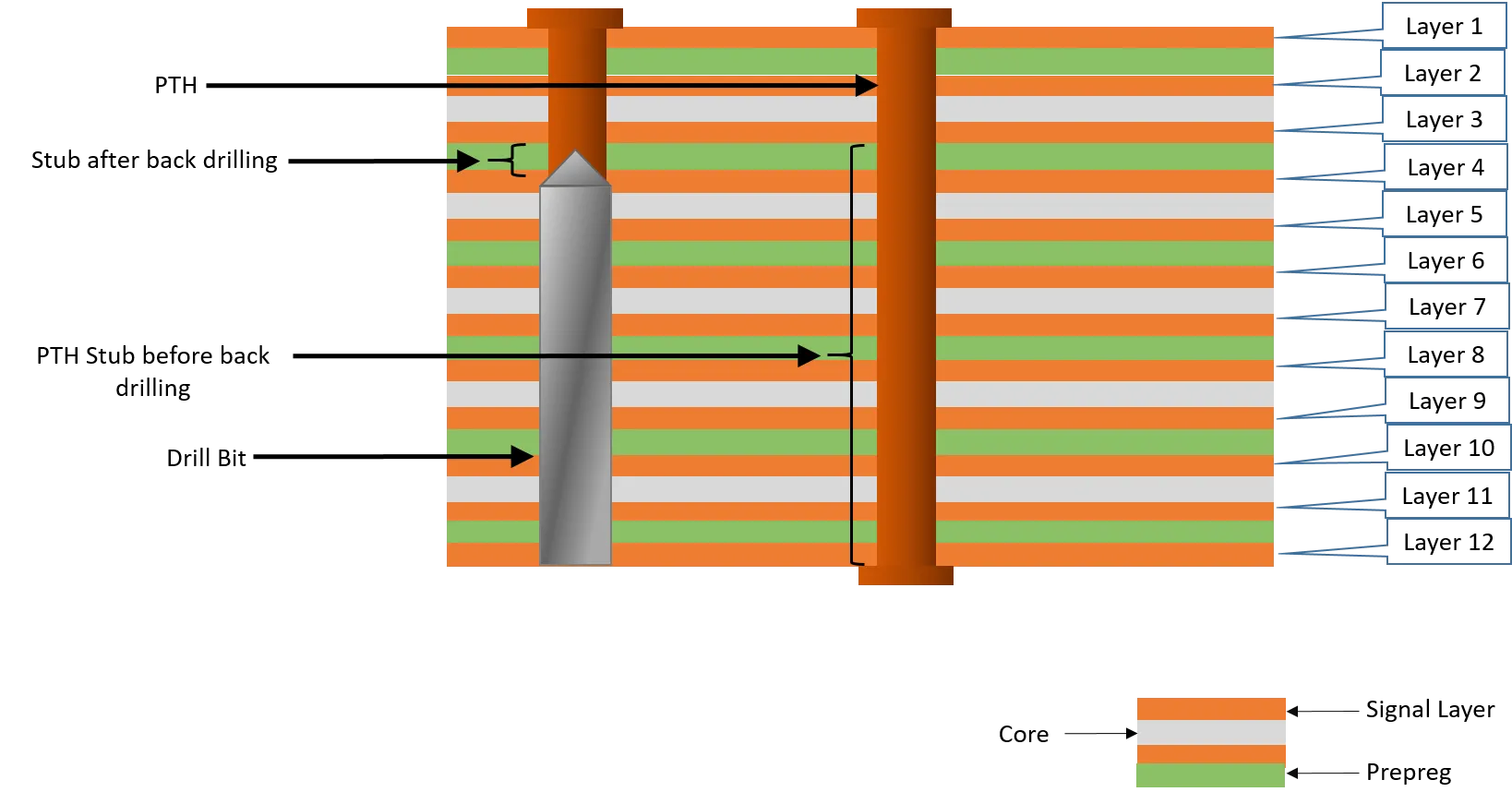
The Role of Controlled Depth Drilling in RF PCB Design
In RF PCB design, controlled depth drilling removes via stubs to preserve signal integrity at high frequencies. It enables impedance matching in RF, reduces noise in RF circuits, and follows IPC standards. Practical steps and troubleshooting ensure reliable performance for engineers working on wireless systems. (198 characters)
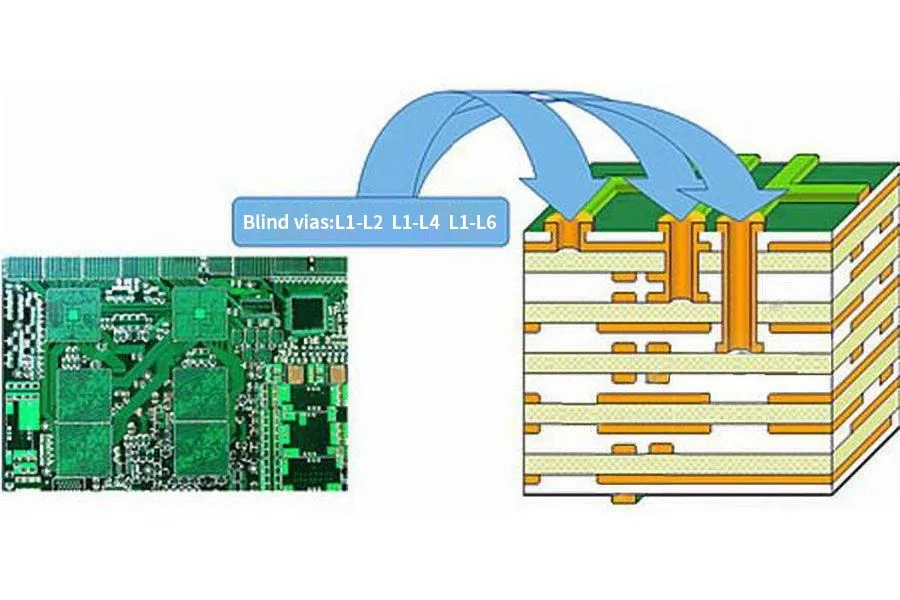
Cost Effective Sequential Build Up PCB Design: Strategies for Reducing Manufacturing Expenses
Achieve sequential buildup PCB cost optimization through material selection, layer count control, and manufacturing process improvements. Practical strategies reduce expenses for high-density boards while meeting reliability standards. Essential guidance for electric engineers designing cost-effective SBU PCBs.
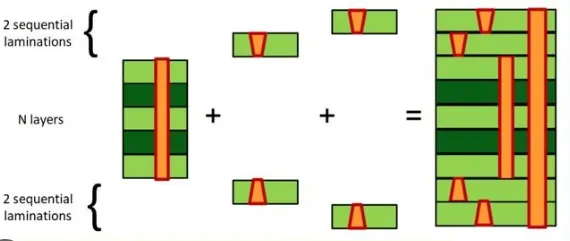
Troubleshooting Challenges in Sequential Build Up PCB Manufacturing: A Practical Guide
Troubleshoot sequential build-up PCB delamination, via failures, warpage, and manufacturing defects in this guide for electric engineers. Covers root causes like adhesion loss and CTE mismatch, inspection methods such as acoustic microscopy and profilometry, and fixes including plasma treatment and symmetric stackups to raise yields and reliability.
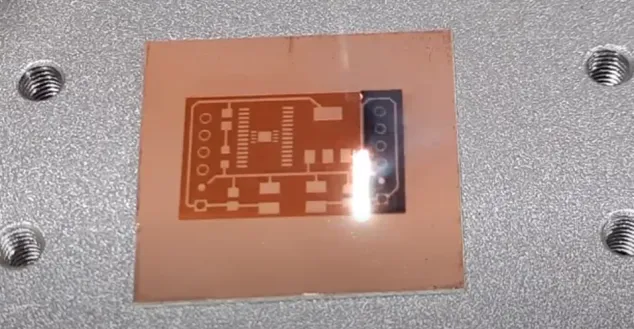
Laser PCB Etching at Home: A Complete Guide for Beginners
Step by step guide to laser PCB etching at home for beginners. Covers laser PCB etching machine setup, safety per IEC standards, paint mask application, chemical etching process, troubleshooting, and quality inspection for hobby projects. Get reliable custom boards fast.

Thermal Relief: Optimizing Pad Connections for Soldering and Heat Dissipation
Thermal relief design rules guide connecting pads to planes for reliable soldering and heat dissipation. Prevent tombstoning, improve solder joint reliability with optimal spoke widths. Practical insights help electric engineers design robust PCBs and avoid common assembly defects. (178 characters)

Metal Core PCBs (MCPCBs): The Ultimate Solution for High Thermal Conductivity
Metal Core PCBs offer superior thermal conductivity over FR4 for power electronics and LEDs. This guide details metal core PCB advantages, aluminum PCB vs FR4 comparisons, MCPCB applications, manufacturing process, and insulated metal substrate insights for electric engineers building reliable systems.
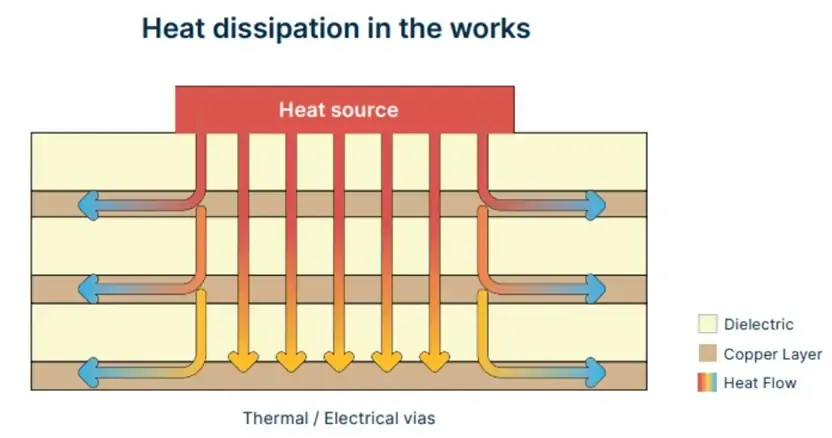
Understanding Thermal Resistance in PCBs: A Key Metric for Effective Cooling
Discover PCB thermal resistance — the critical metric for effective cooling in high-power designs. Learn calculation methods, thermal resistance of vias and materials, junction-to-ambient values, and proven strategies to reduce thermal resistance in PCBs. Optimize your board reliability today.
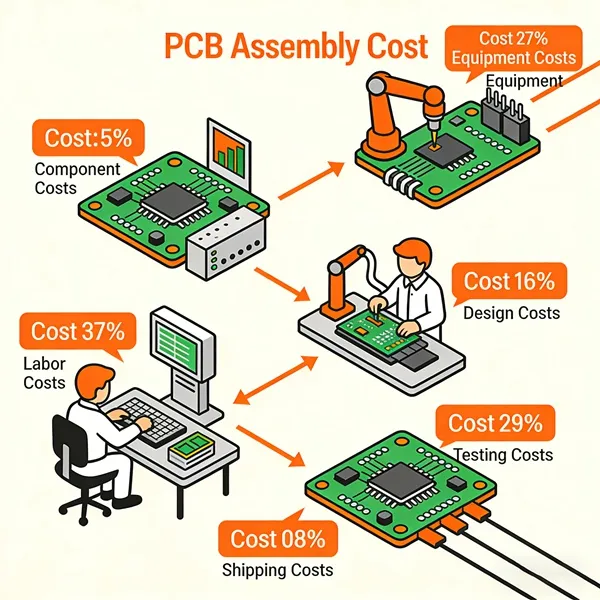
The Ultimate Guide to Reducing PCB Assembly Costs in 2025
Reduce PCB assembly costs in 2025 with practical strategies for electric engineers. Optimize PCB component cost, SMT assembly cost, through-hole assembly cost, and assembly process cost through design tips, troubleshooting, and best practices for reliable production and savings.
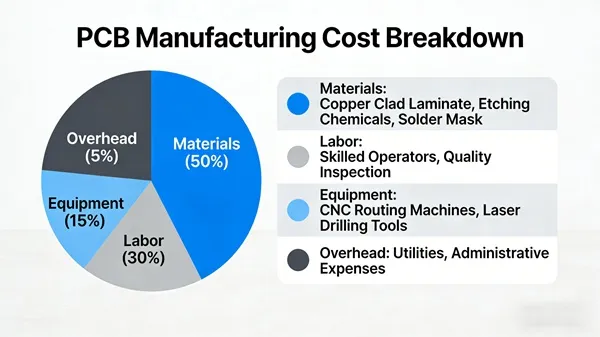
Design for Cost: Smart PCB Layout Techniques to Minimize Manufacturing Expenses
Electric engineers can lower PCB design cost through smart layout techniques like panelization, symmetric placement, efficient routing, and via optimization. This guide details DFM practices for cost-effective PCB design, reducing manufacturing expenses while adhering to IPC standards for reliable boards.
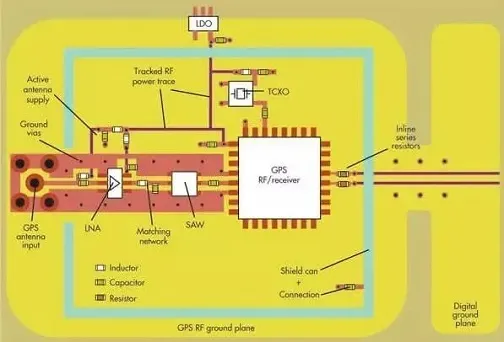
How to Design an Efficient PCB Grounding System
Create reliable PCB grounding systems with PCB ground planes, star grounding, multi-point grounding, noise reduction, and shielding techniques. Follow engineering principles and best practices to improve signal integrity, minimize EMI, and ensure performance in high-speed designs.
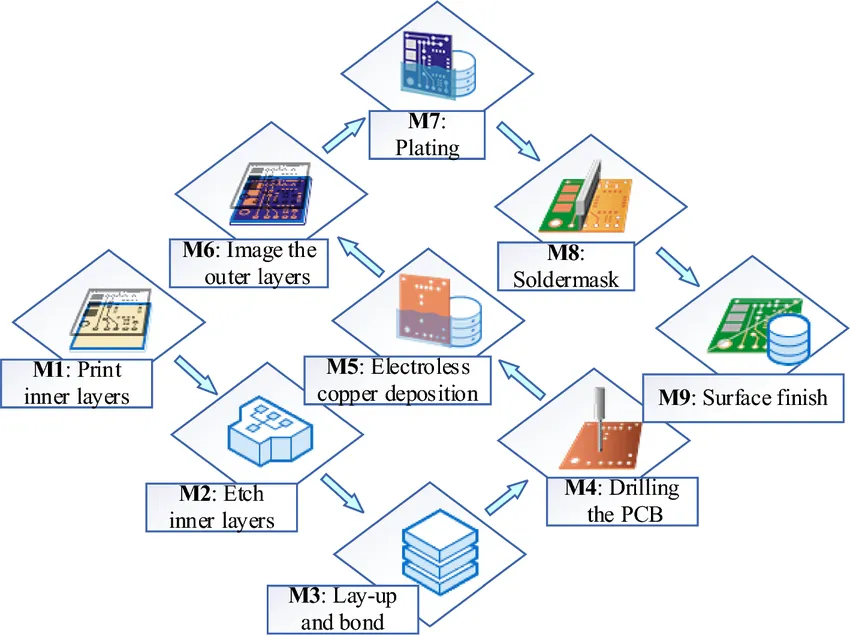
Cut Costs and Speed Up Production: The Financial Benefits of On Demand PCB Manufacturing
On demand PCB manufacturing cuts PCB production costs by skipping minimum orders and tooling fees. Electrical engineers speed up prototypes with quick quotes, panel efficiency, IPC quality, and clear ROI calculations for small runs and iterations.
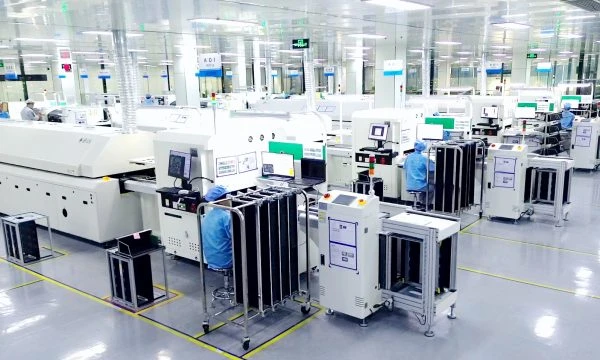
The Ultimate Guide to On Demand PCB Manufacturing: Choosing the Right Service for Your Needs
Compare on demand PCB manufacturers using this guide for electrical engineers. Evaluate capabilities, IPC standards compliance, turnaround times, costs, DFM feedback, and quality controls. Follow checklists and best practices in this PCB manufacturing services review for reliable supplier selection.


