PCB Alignment
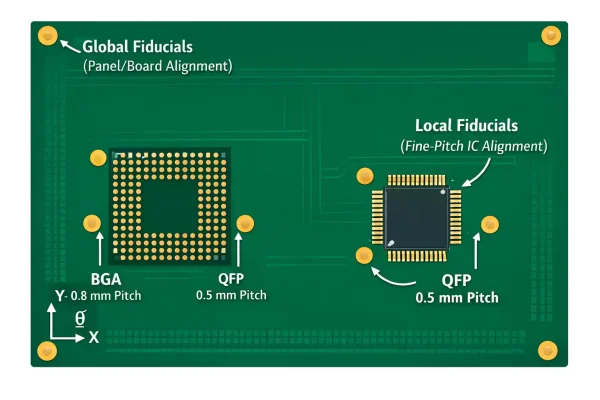
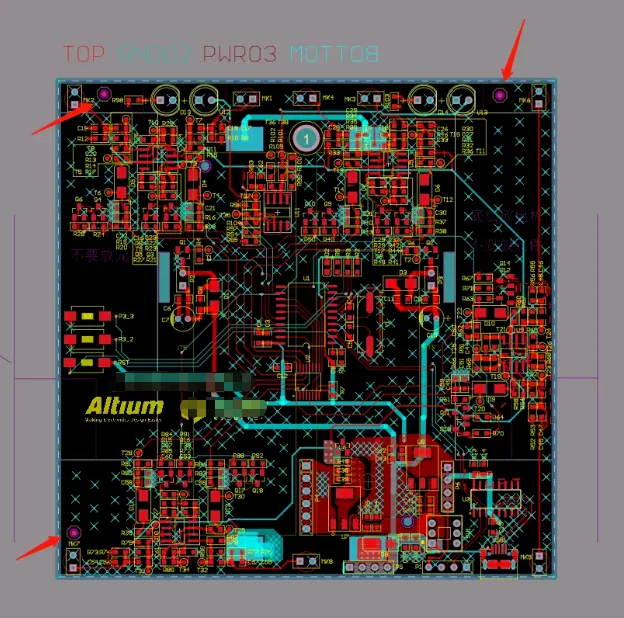
PCB alignment plays a critical role in the design, manufacturing, and assembly of printed circuit boards, ensuring precise positioning of components, layers, and features to achieve optimal functionality and reliability. When searching for PCB Alignment, users often seek solutions to common challenges such as misalignment in multi-layer boards, component placement errors during surface-mount technology processes, or registration issues in prototyping. Proper alignment minimizes defects like short circuits, signal interference, and mechanical failures, which can lead to costly rework or product failures. By focusing on this tag, you gain access to resources that address these issues head-on, helping engineers and hobbyists alike produce high-quality PCBs that meet industry standards. In practical terms, effective PCB alignment involves techniques such as using fiducial markers for automated assembly, employing optical inspection systems to verify layer registration, and incorporating alignment pins or jigs in manual processes. For instance, in high-volume production, vision-based alignment systems can detect and correct deviations in real time, improving yield rates and reducing waste. Best practices include calibrating equipment regularly, selecting appropriate tolerances based on board complexity, and integrating alignment checks into the design phase using software tools like Altium or Eagle. These methods not only enhance accuracy but also support scalability from small-scale prototypes to large manufacturing runs. Articles under the PCB Alignment tag provide in-depth explorations of these topics, offering step-by-step guides, case studies, and troubleshooting tips tailored to various applications in consumer electronics, automotive systems, and medical devices. Whether you are refining your PCB layout skills or optimizing assembly lines, the insights here equip you with the knowledge to tackle alignment challenges effectively and elevate your projects.
Technical Articles
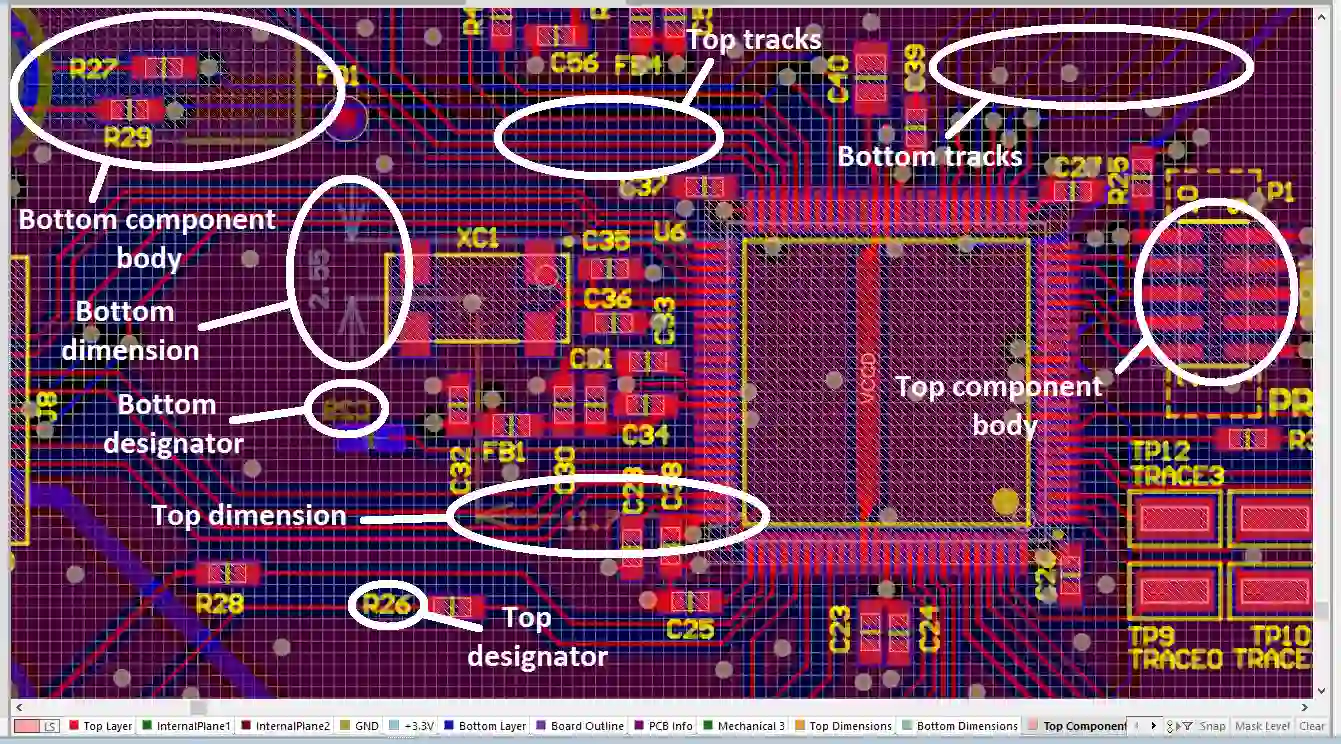
Fast Component Alignment in Altium Designer for Cleaner PCB Layouts
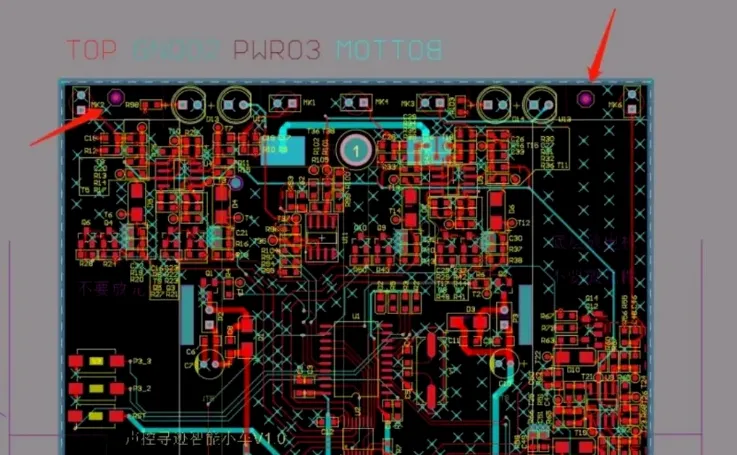
PCB Fiducials: Small Marks That Impact Production

Preventing Solder Paste Printing Defects in SMT: Practical Process Control from Stencil to SPI
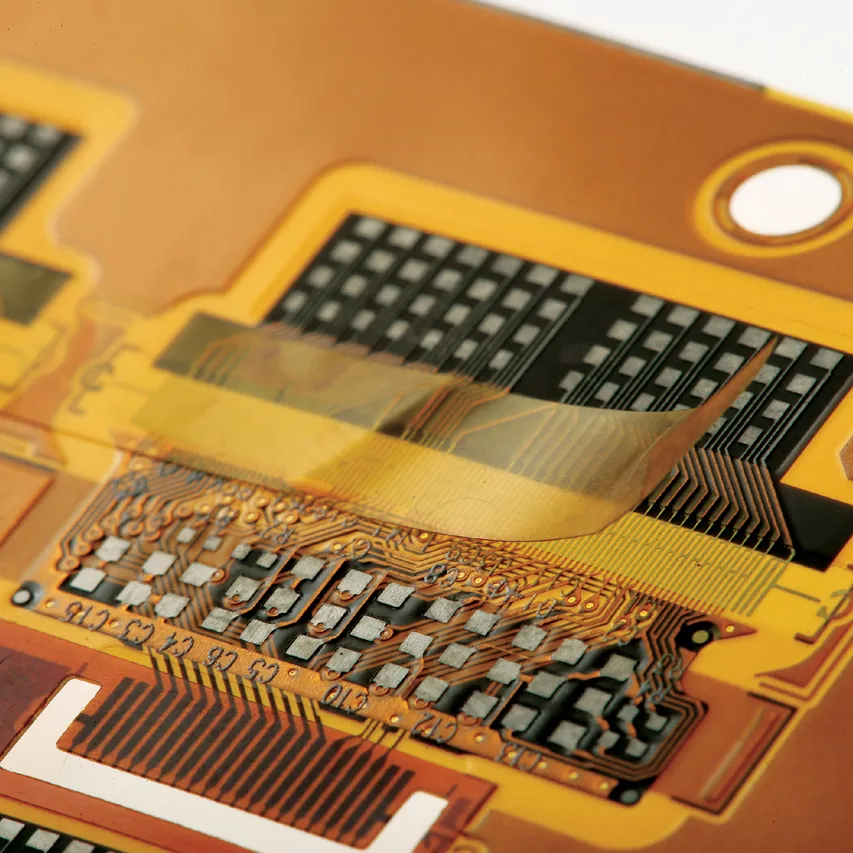
FPC Tape: Why Flush Edges Cause Adhesive Overflow
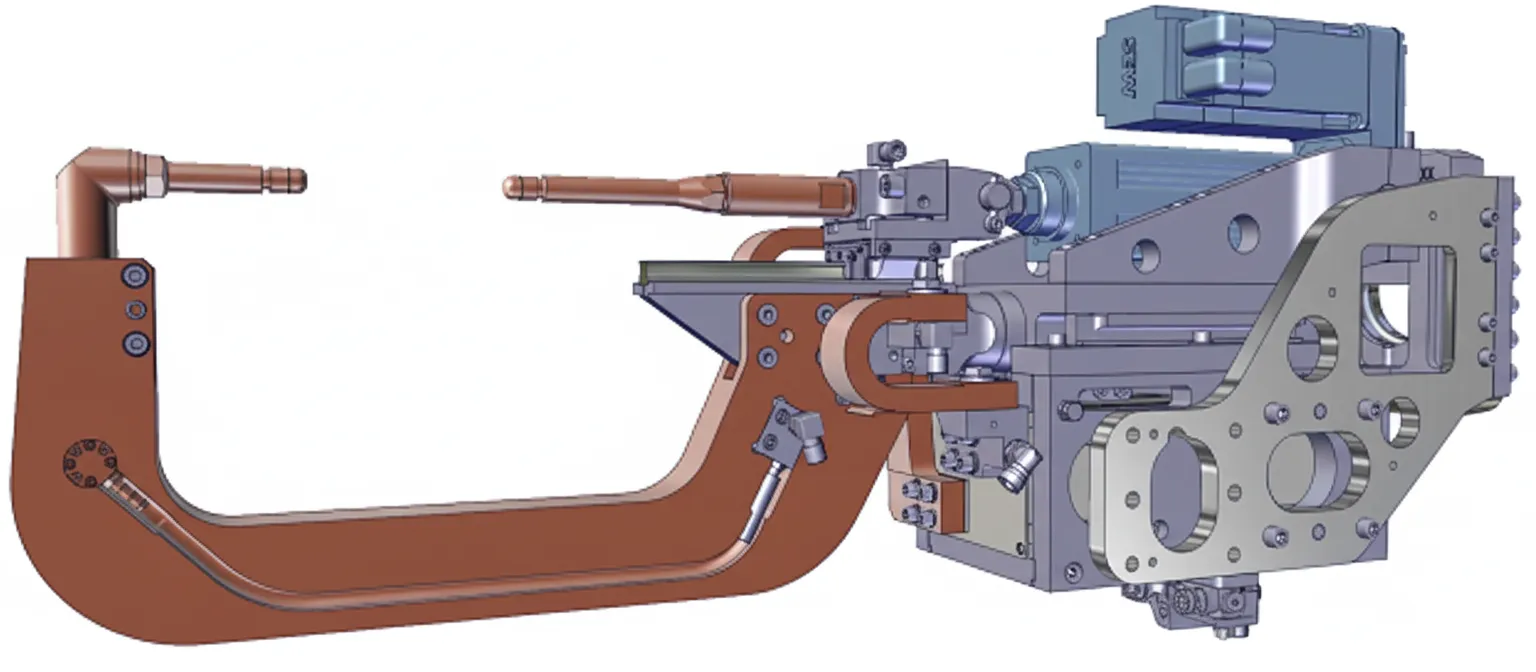
Robot Electrode Arm Alignment: Preparation Steps for Precision Robotic Spot Welding
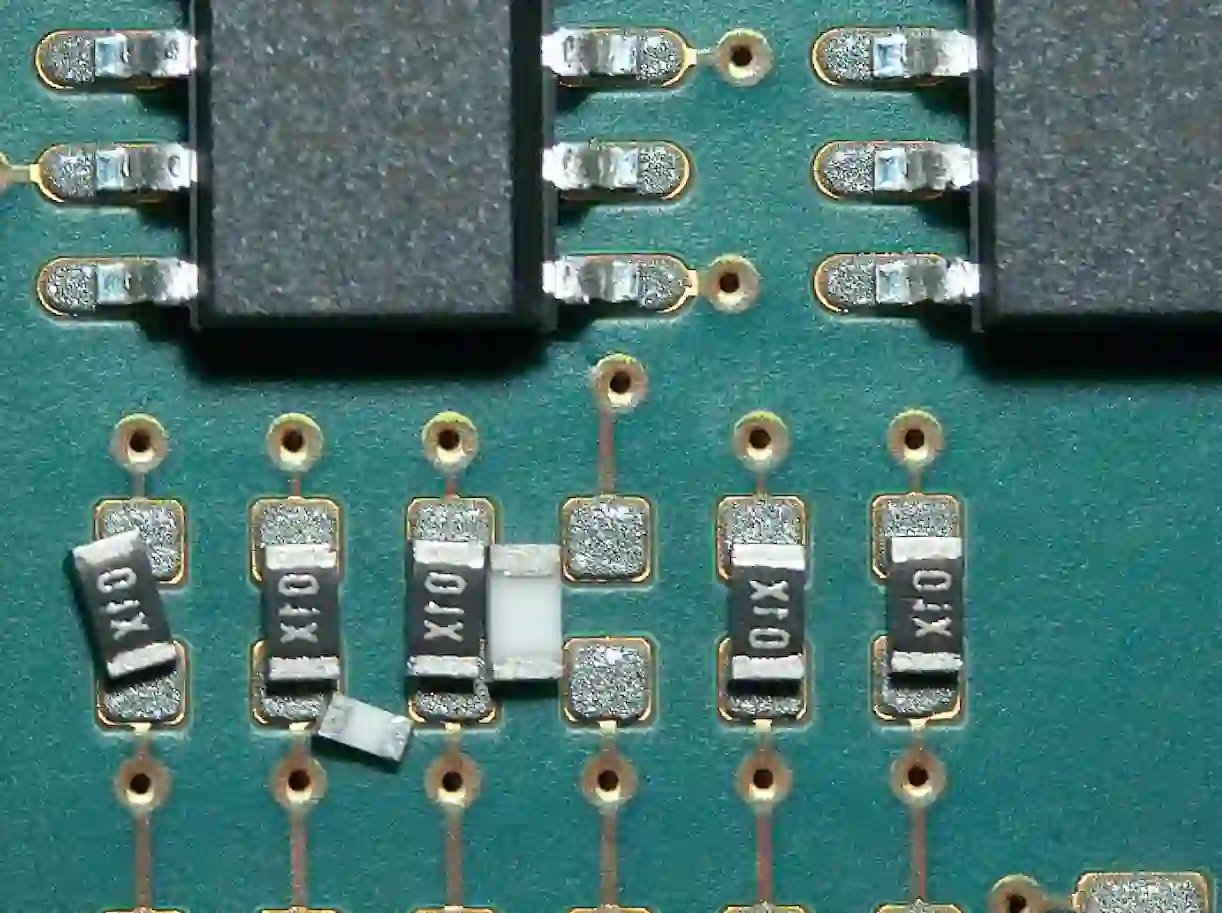
Component Alignment: A Beginner's Guide to Precision PCB Assembly