 00:46
00:46
PCB Copper Weight
Understanding PCB copper weight is essential for engineers, designers, and manufacturers involved in printed circuit board development. PCB copper weight refers to the thickness of the copper foil used in the board's layers, typically measured in ounces per square foot (oz/ft²). This metric directly influences the board's electrical performance, thermal management, and overall durability. For instance, standard weights like 1 oz/ft² suit many general-purpose applications, while heavier options such as 2 oz/ft² or more are ideal for high-current circuits where enhanced conductivity and heat dissipation are critical. When selecting the appropriate PCB copper weight, consider factors such as current carrying capacity, voltage drop, and signal integrity. Thicker copper reduces resistance and minimizes voltage losses in power distribution networks, making it a key choice for automotive, aerospace, and industrial electronics. Practical applications include calculating trace widths to prevent overheating—using tools like IPC-2221 standards to determine minimum requirements based on amperage and temperature rise. Best practices recommend starting with simulations in design software to model thermal behavior, ensuring the chosen weight aligns with the project's environmental conditions and reliability goals. This tag on PCB Copper Weight gathers in-depth articles that explore these concepts, from beginner guides on measurement techniques to advanced discussions on multilayer board optimizations. Readers can find valuable insights into cost implications, as heavier copper increases material expenses but enhances longevity, and tips for prototyping to validate designs. By delving into these resources, you can make informed decisions that improve PCB efficiency and reduce failure risks in real-world implementations.
Video Guide
-
00:46
Technical Articles
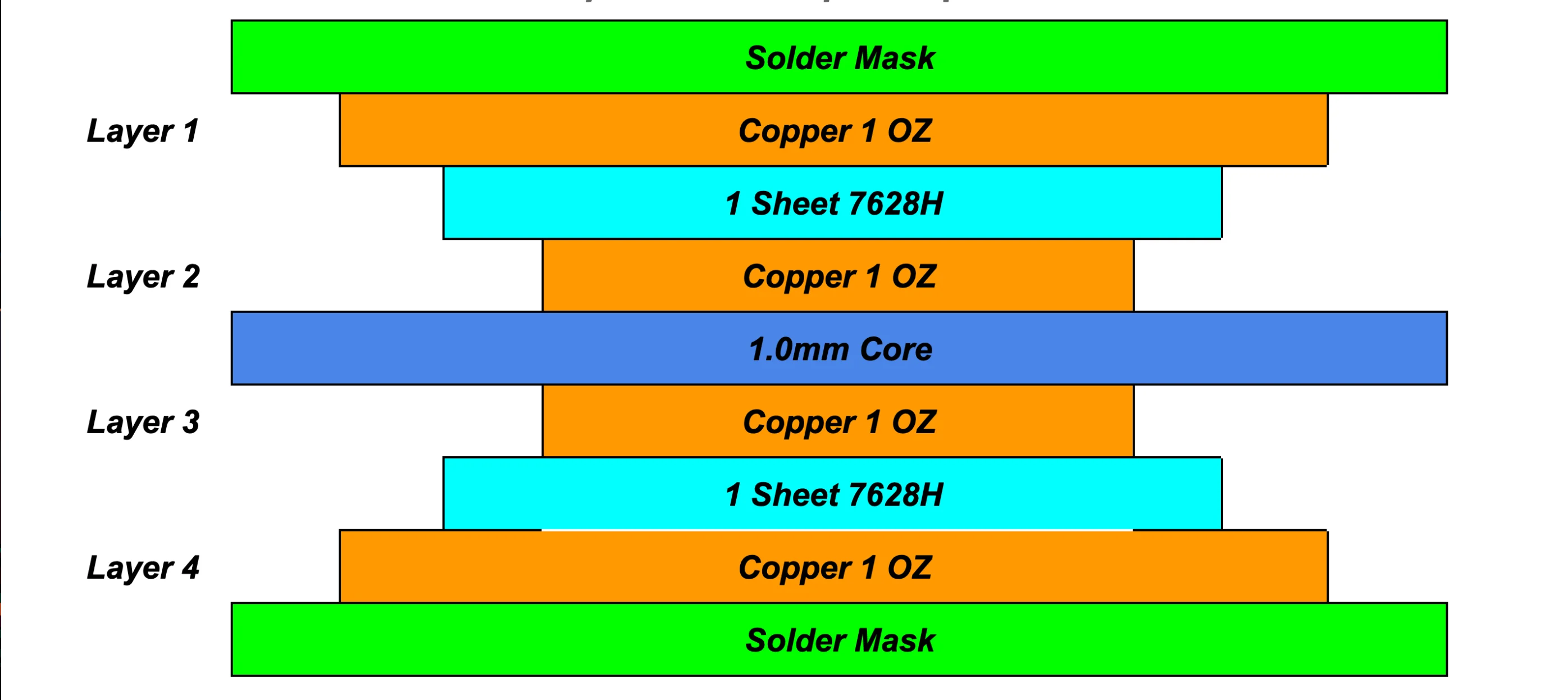
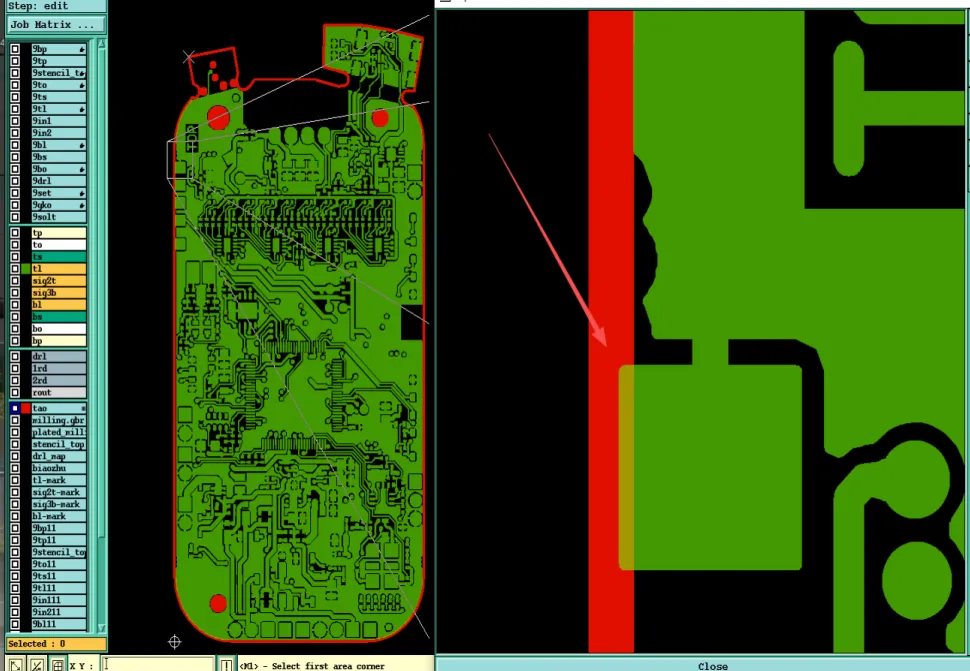
PCB CAM Review to Overcome Complex Stackup and Lamination Challenges
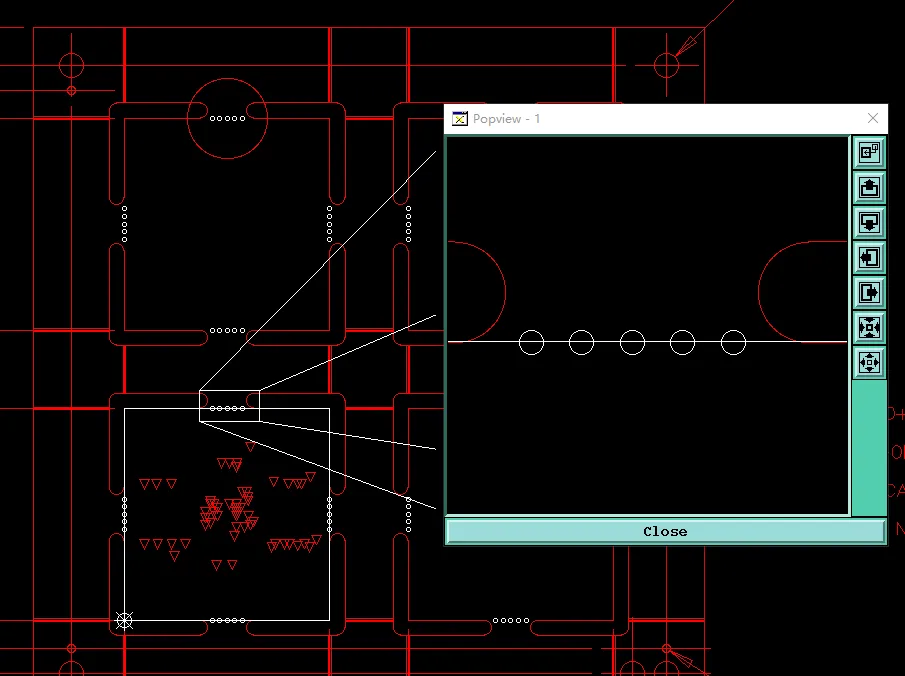
Common PCB V-Cut Issues Found During PCB CAM Review
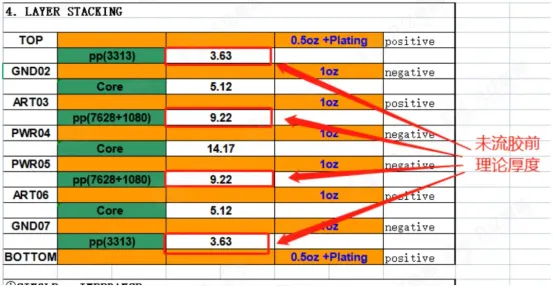
How PCB Copper Thickness Affects Current, Heat, and Strength
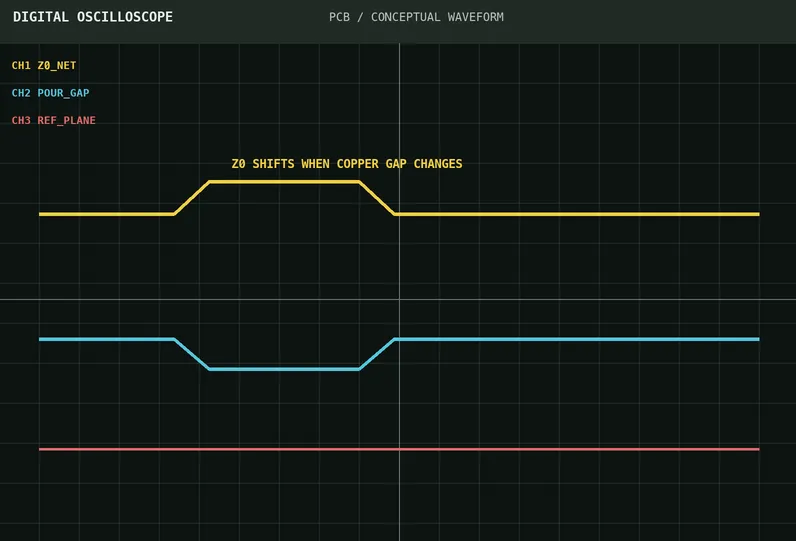
Why Impedance Changes After Adjacent Copper Pour Even When Trace Width Does Not
Choosing PCB Copper Weight: 1oz vs. 2oz for Optimal Performance
How We Fixed Solder Mask Bridges, Copper Density & Via Issues in Thin 6-Layer HDI PCB
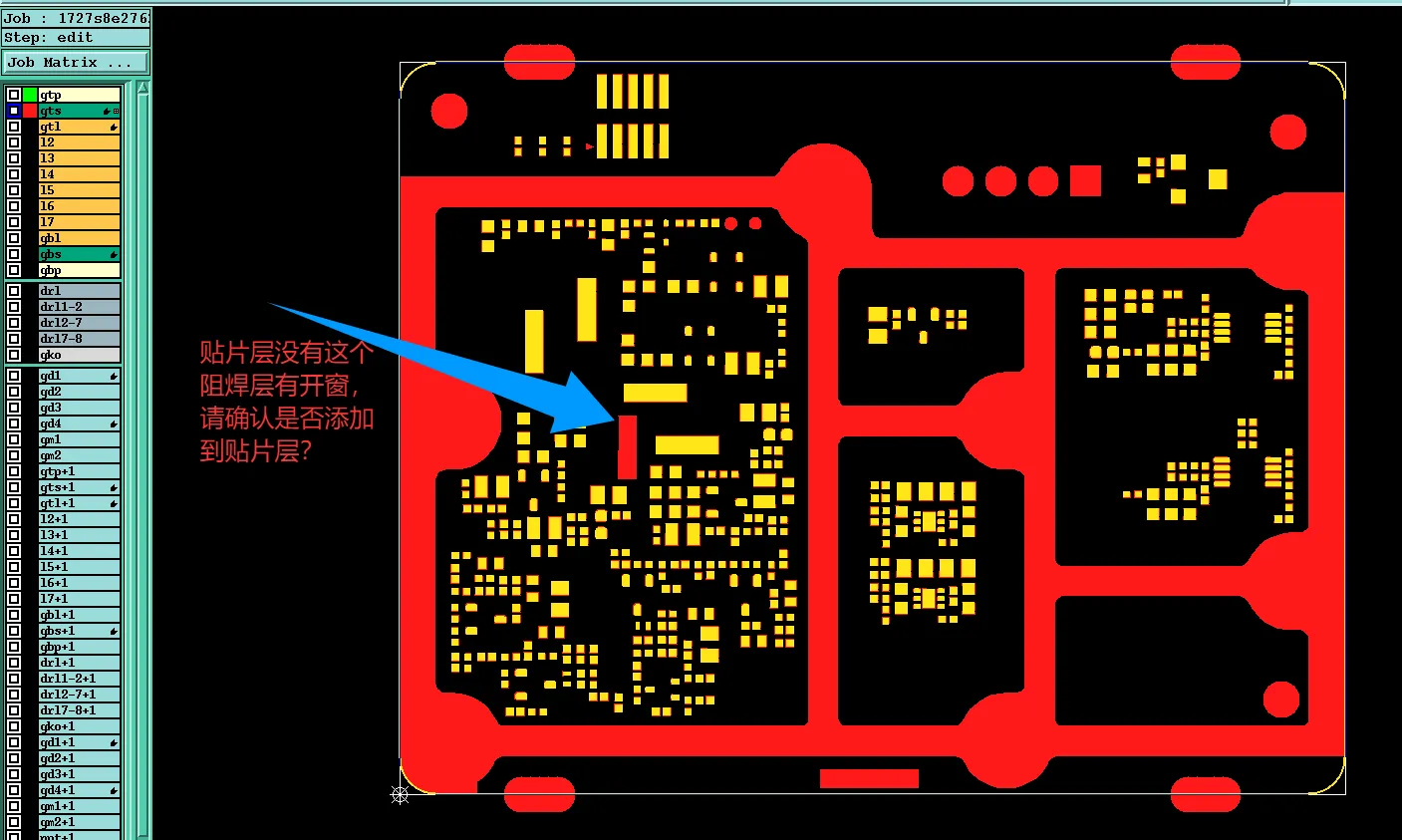
How to Prevent Buried Via Plating and Stackup Mismatch Issues in 8-Layer TG170 PCB
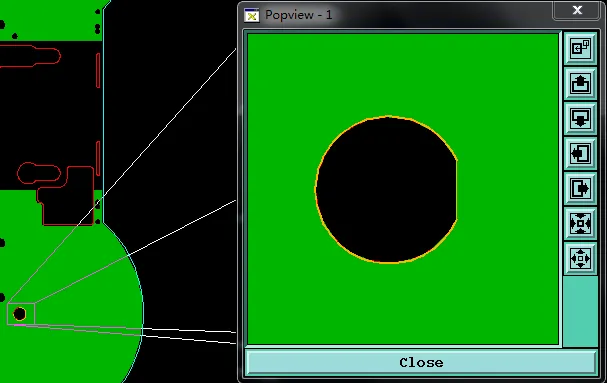
How to Avoid Countersink & Copper Issues in 3mm Thick FR4 PCB Manufacturing
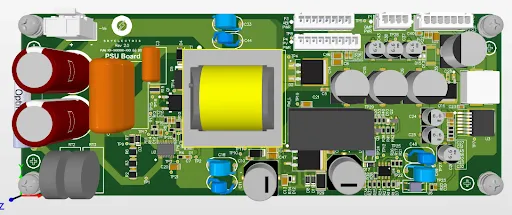
Thick Copper PCBs: Enabling Compact and Efficient DC DC Converters
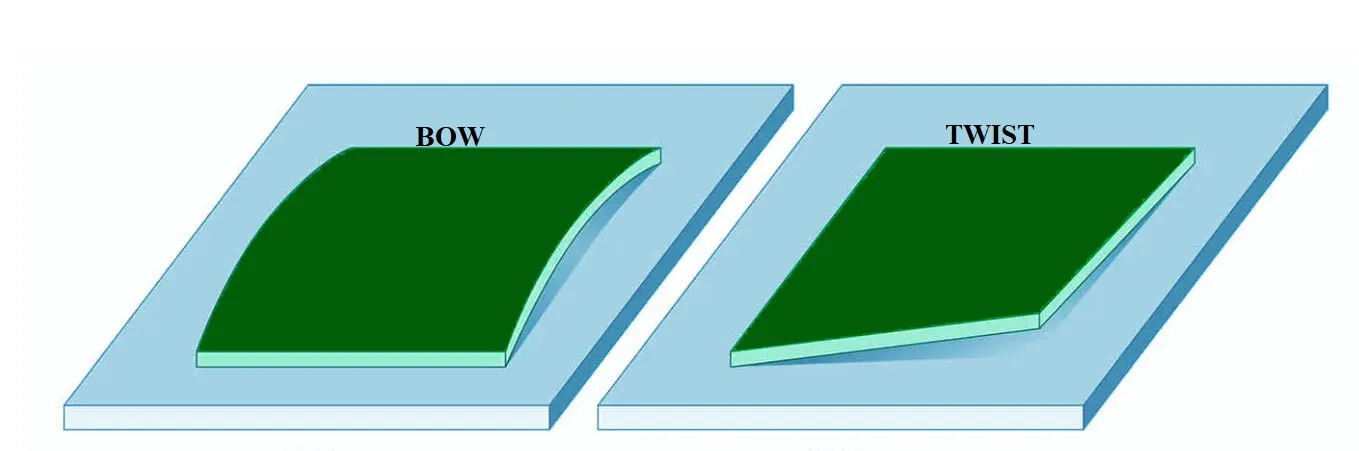
What Role Does PCB Copper Balance Play in PCB Fabrication?
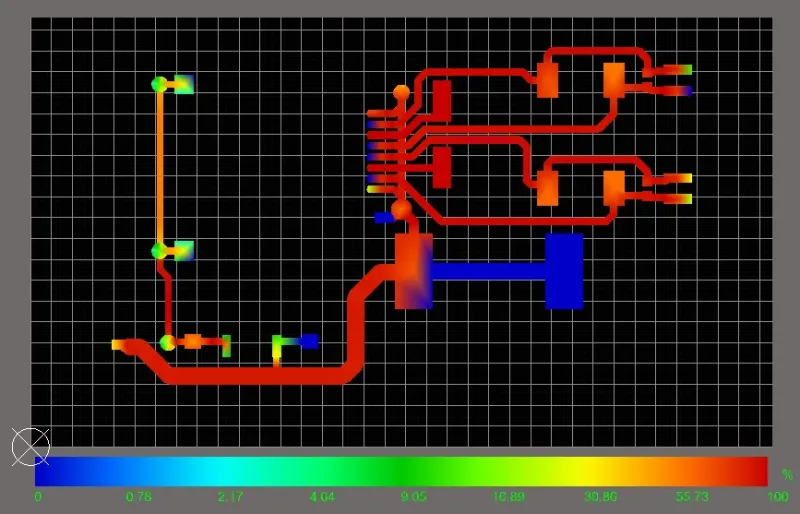
Layer Thickness Matters: Optimizing Your PCB for Current Capacity and Thermal Management
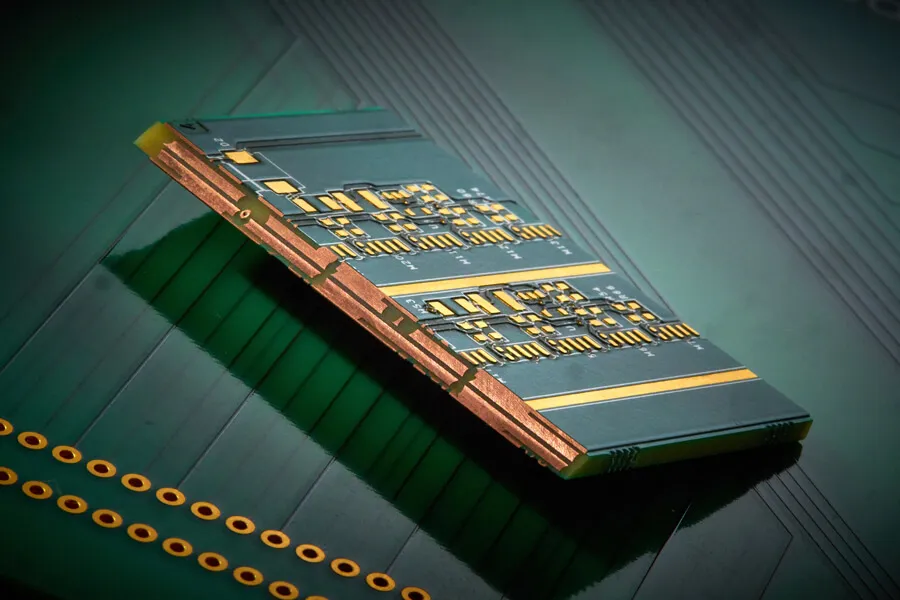
DIY Power Supply? Why a Thick PCB is Your Best Friend
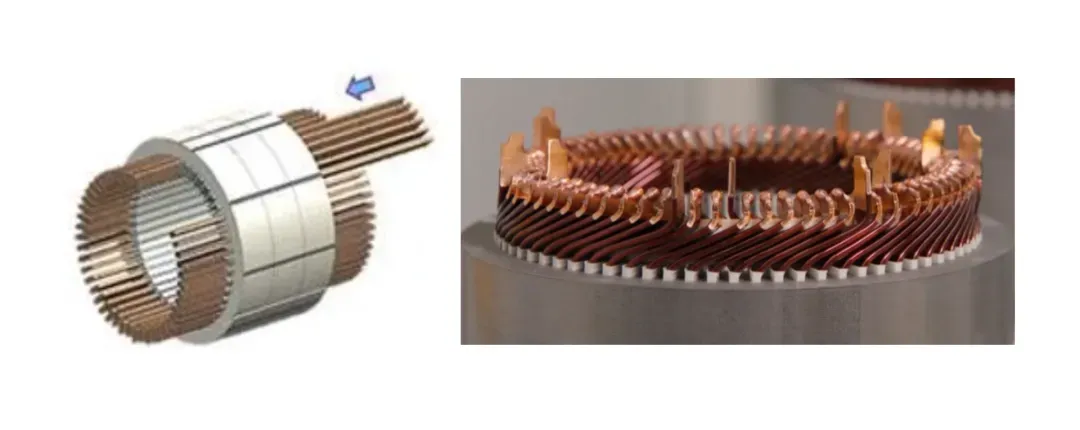
Common Flat-Wire Motor Windings for Automotive Drives
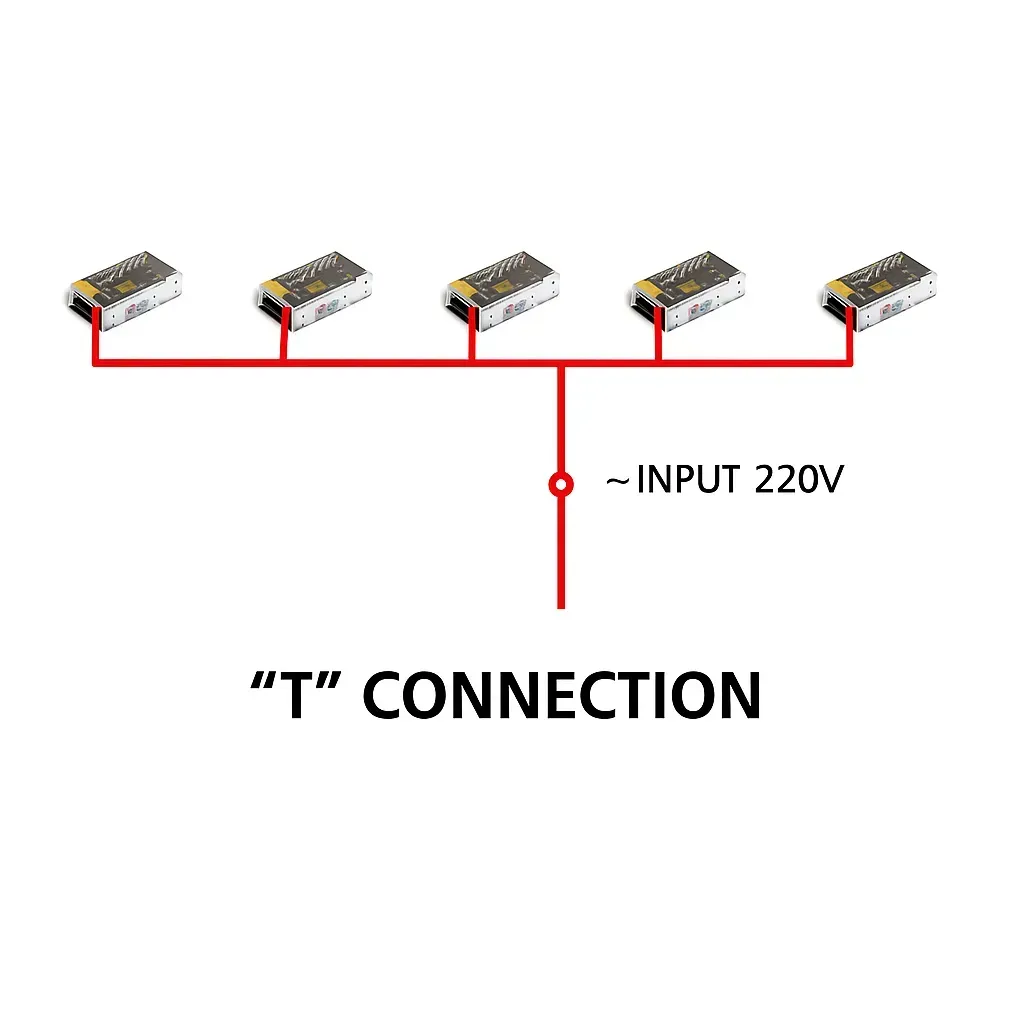
LED Display 220V Power Cable: Straight vs T Wiring

Choosing the right Copper Foil Thickness for SMT assembly
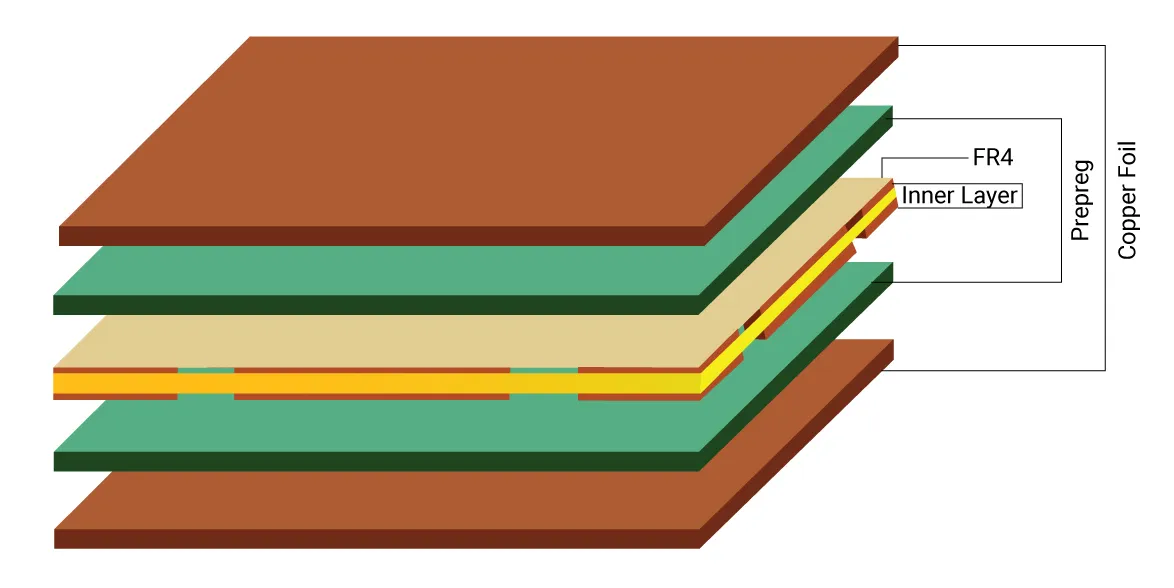
Copper Foil Thickness: What Every Electronic Hobbyist Needs to Know
How to Calculate the Ideal Copper Foil Thickness for Your PCB Project
Understanding Copper Weight in PCB Stack Up: A Detailed Guide
Copper Weight in PCB Manufacturing: Understanding Its Impact on Performance