 00:46
00:46
PCB Copper Weight
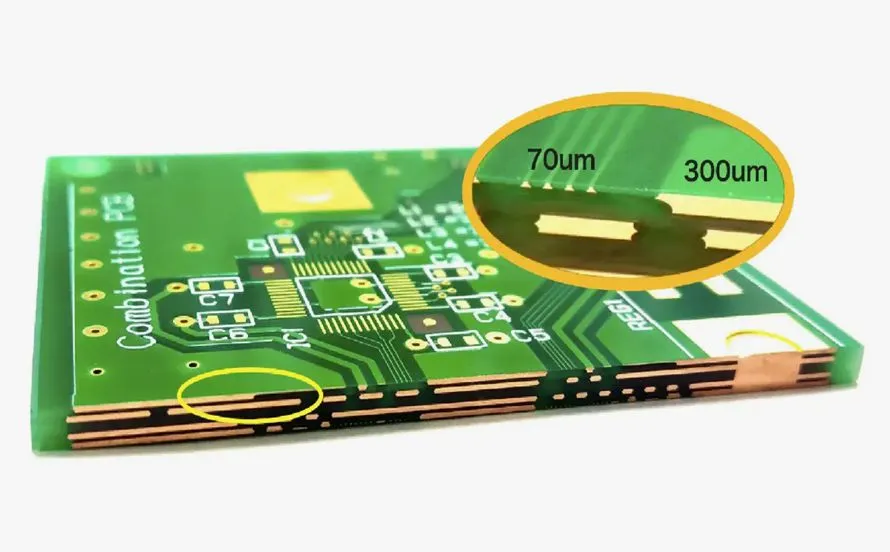
Understanding PCB copper weight is essential for engineers, designers, and manufacturers involved in printed circuit board development. PCB copper weight refers to the thickness of the copper foil used in the board's layers, typically measured in ounces per square foot (oz/ft²). This metric directly influences the board's electrical performance, thermal management, and overall durability. For instance, standard weights like 1 oz/ft² suit many general-purpose applications, while heavier options such as 2 oz/ft² or more are ideal for high-current circuits where enhanced conductivity and heat dissipation are critical. When selecting the appropriate PCB copper weight, consider factors such as current carrying capacity, voltage drop, and signal integrity. Thicker copper reduces resistance and minimizes voltage losses in power distribution networks, making it a key choice for automotive, aerospace, and industrial electronics. Practical applications include calculating trace widths to prevent overheating—using tools like IPC-2221 standards to determine minimum requirements based on amperage and temperature rise. Best practices recommend starting with simulations in design software to model thermal behavior, ensuring the chosen weight aligns with the project's environmental conditions and reliability goals. This tag on PCB Copper Weight gathers in-depth articles that explore these concepts, from beginner guides on measurement techniques to advanced discussions on multilayer board optimizations. Readers can find valuable insights into cost implications, as heavier copper increases material expenses but enhances longevity, and tips for prototyping to validate designs. By delving into these resources, you can make informed decisions that improve PCB efficiency and reduce failure risks in real-world implementations.
Video Guide
-
00:46
Technical Articles
How PCB CAM Review Resolves Copper Weight and Panelization EQs on 8-Layer HDI Boards
How to Fix Hole-to-Line Clearance and Panelization EQs on 6-Layer PCBs
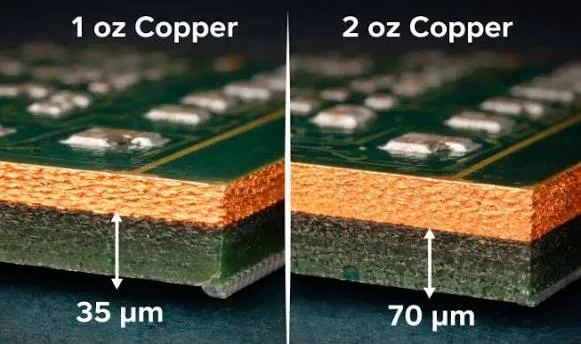
1oz vs 2oz Copper Thickness for HDI PCB: Which One Should You Choose?
Why HDI PCB Copper Thickness Requirements Need Engineering Review
3 oz Heavy Copper PCB Production Solving Slot and V Cut Design Issues
Why HDI PCB Manufacturers Add Dummy Copper
HDI Copper Balance Mistakes That Cause Warpage and Delamination
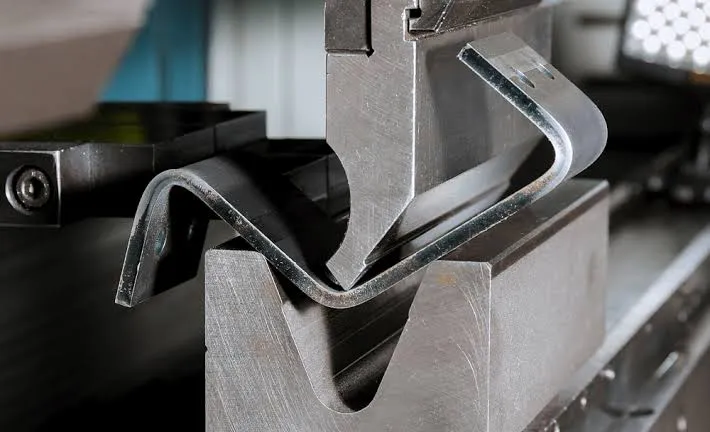
Sheet Metal Prototype Manufacturing Process Explained
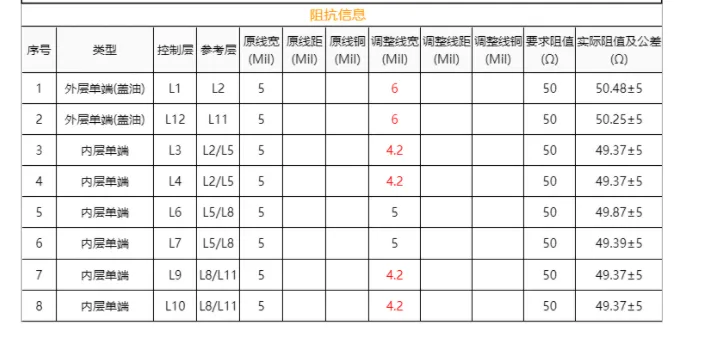
Resolving 12 layer FR4 PCB Copper Thickness and Impedance Conflicts
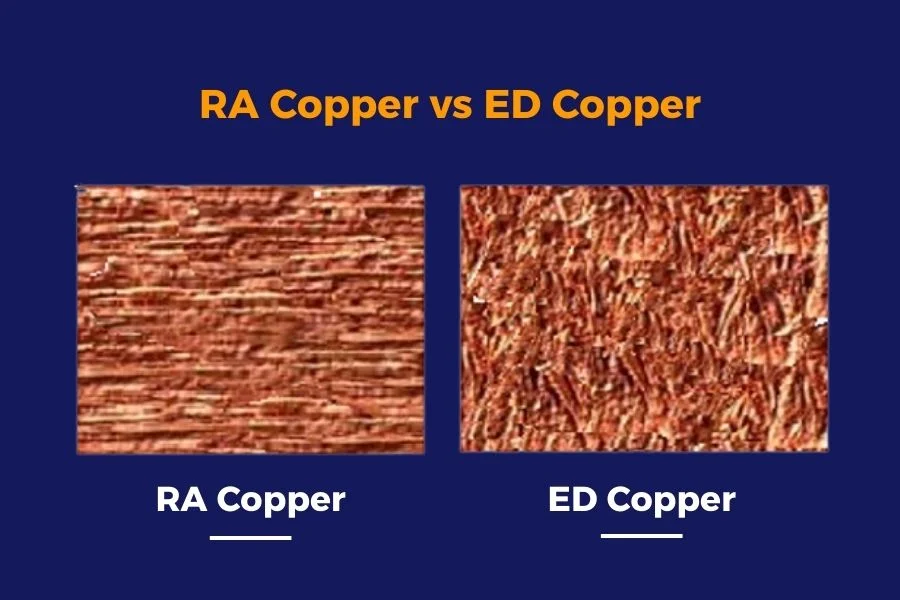
RA Copper vs ED Copper for Flexible PCB
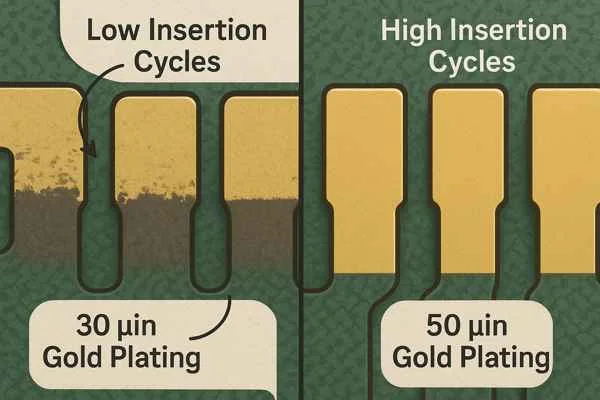
What Total Thickness Should You Control for FPC Insertion Finger Area?
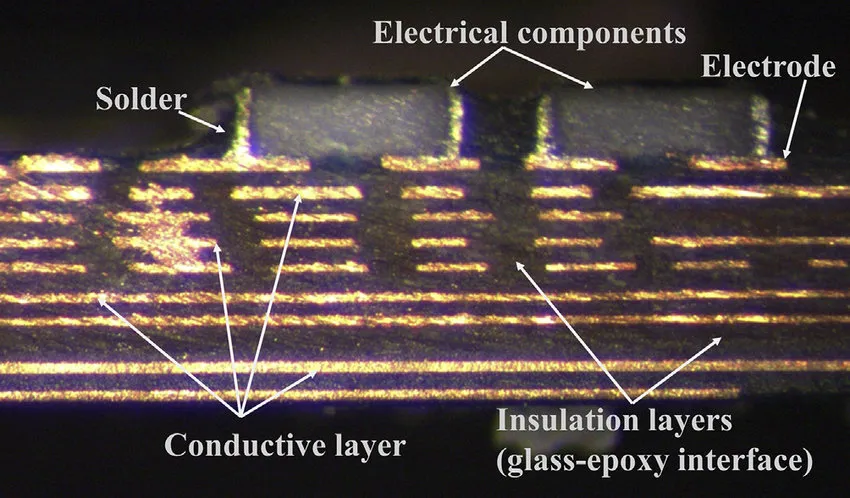
What Electrical Engineers need to know about Copper in Microns
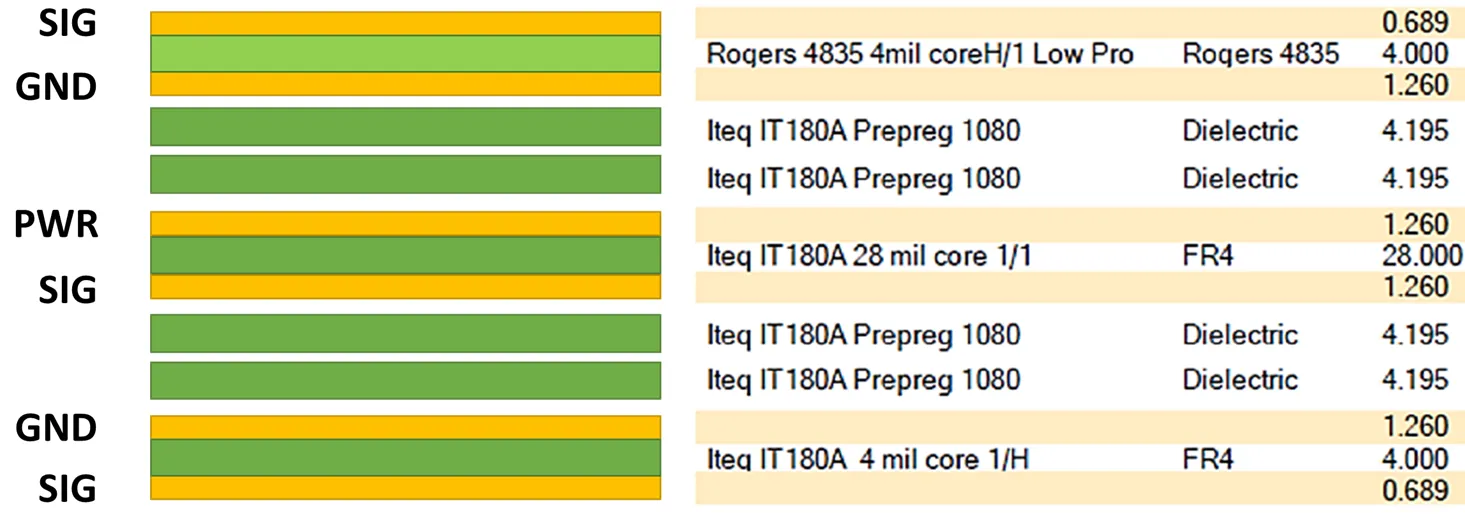
Exploring PCB Materials for Optimal Copper Thickness in RF Applications
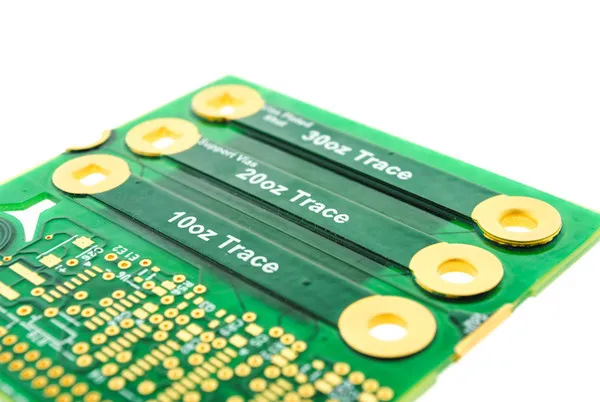
A Practical guide for hobbyist on Copper Thickness in PCB
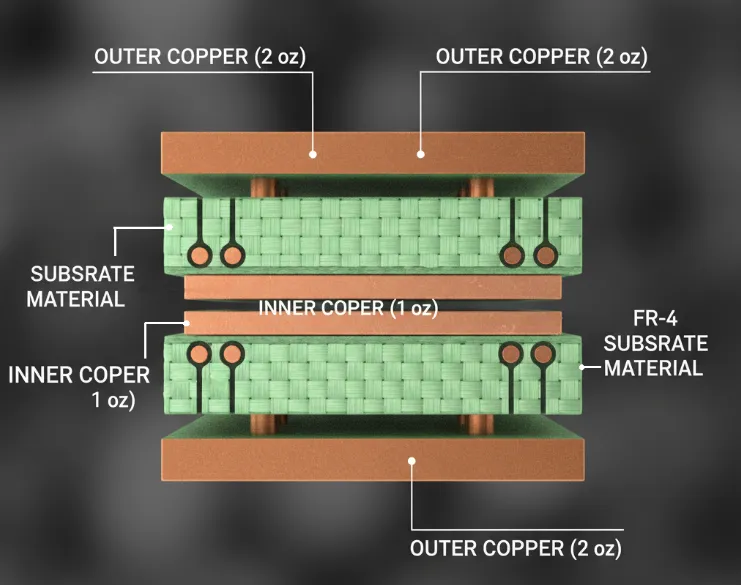
The Ultimate Guide to 2oz Copper PCB Design for Beginners
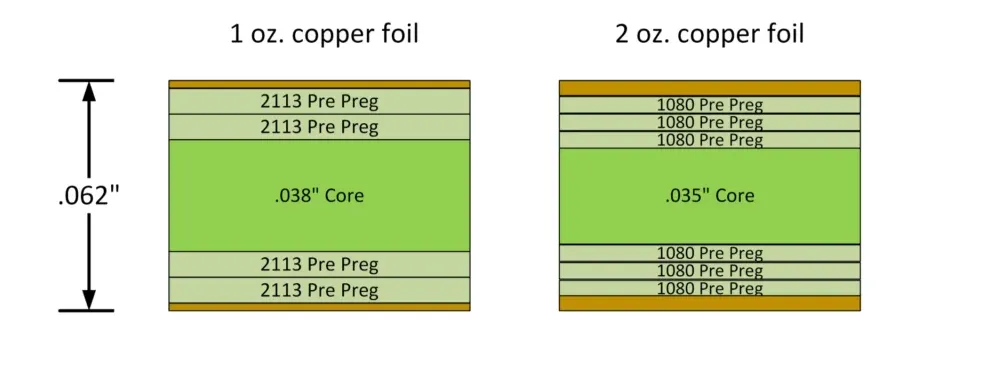
How to Choose Between 1oz and 2oz Copper PCBs For Your Project
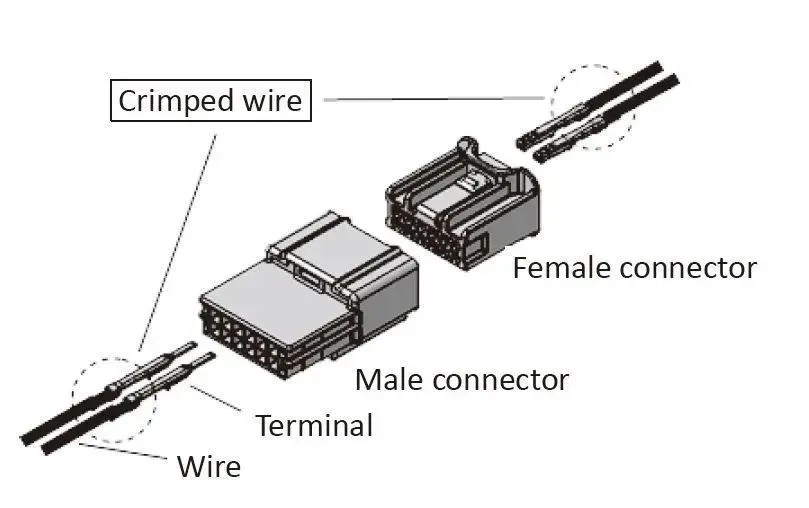
Small-Gauge Aluminum Conductors in Automotive Wiring Harnesses

Demystifying Copper Foil Thickness: A Beginner's Guide for PCB Hobbyists
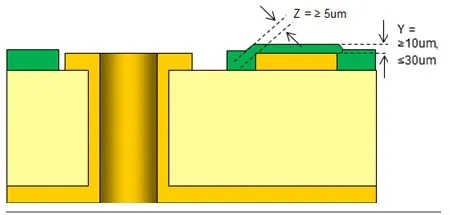
The Ultimate Copper Thickness (Mils) Conversion Chart for PCB Design