 00:56
00:56
PCB Materials
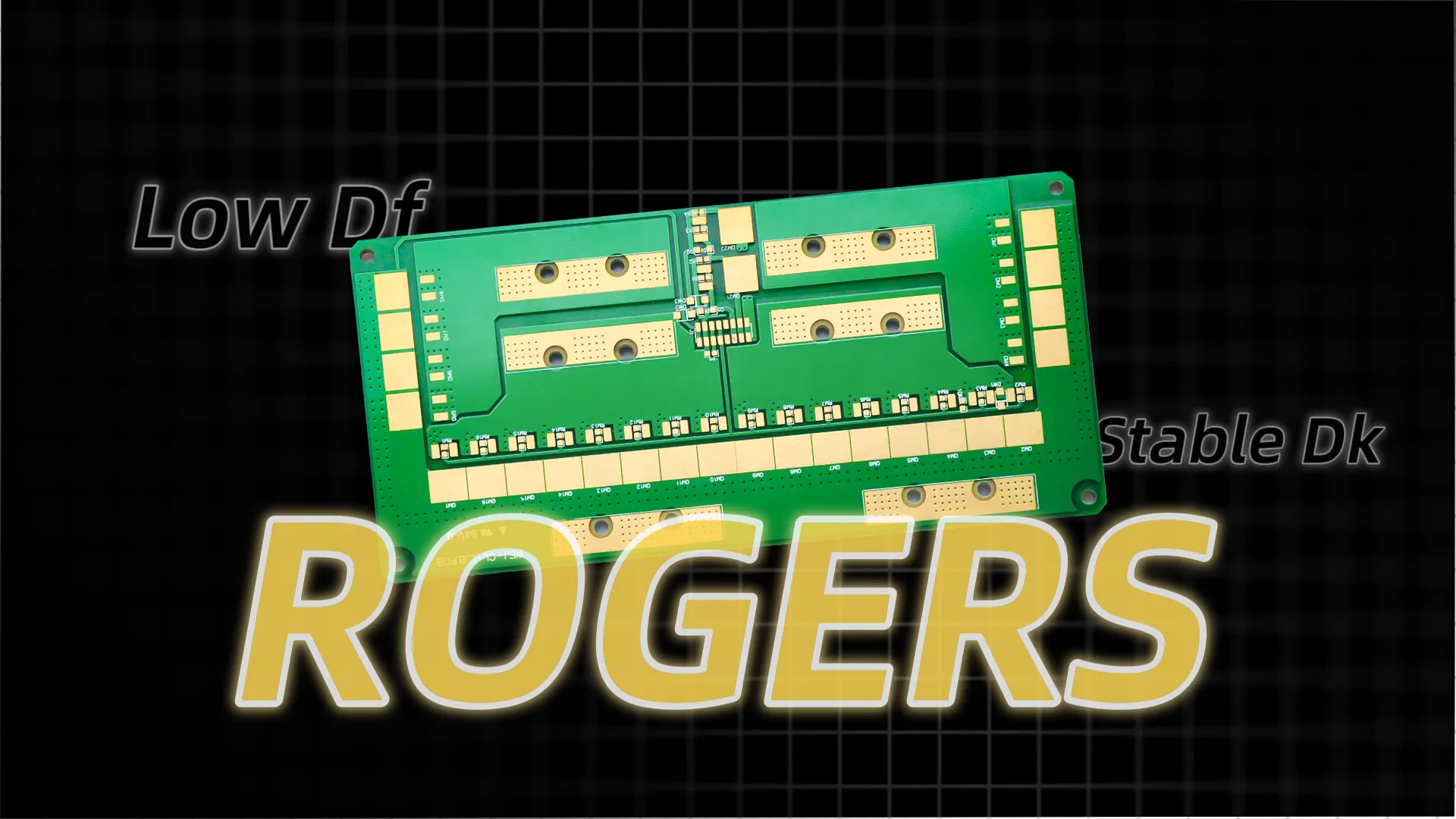
Printed circuit boards (PCBs) form the backbone of modern electronics, and the choice of materials directly influences performance, reliability, and cost. The PCB Materials tag on this blog gathers in-depth resources that explore the various substrates, laminates, and coatings essential for PCB design and manufacturing. Whether you are an engineer optimizing for high-frequency applications or a hobbyist building prototypes, understanding these materials helps ensure your projects meet thermal, mechanical, and electrical requirements. From FR-4 as a standard fiberglass-reinforced epoxy to advanced options like polyimide for flexible circuits, selecting the right material can prevent issues such as signal loss, warping, or failure under extreme conditions. Key considerations in PCB materials include dielectric constant, thermal conductivity, and moisture absorption, which affect signal integrity and longevity. For instance, high-speed designs often benefit from low-loss materials like Rogers laminates, while budget-conscious projects might stick with phenolic resins. Practical applications range from consumer gadgets to aerospace systems, where materials must withstand vibration, heat, and environmental stressors. Best practices involve matching material properties to your PCB's operating environment, such as using halogen-free options for eco-friendly compliance or ceramic-filled substrates for enhanced heat dissipation. Testing for compatibility with soldering processes and ensuring RoHS adherence are also critical steps to avoid manufacturing defects. By delving into the articles linked under this tag, you can gain actionable insights on material selection, comparison charts, and case studies that apply to real-world scenarios. This collection serves as a valuable reference for refining your designs and staying updated on industry advancements in PCB technology.
Video Guide
Technical Articles
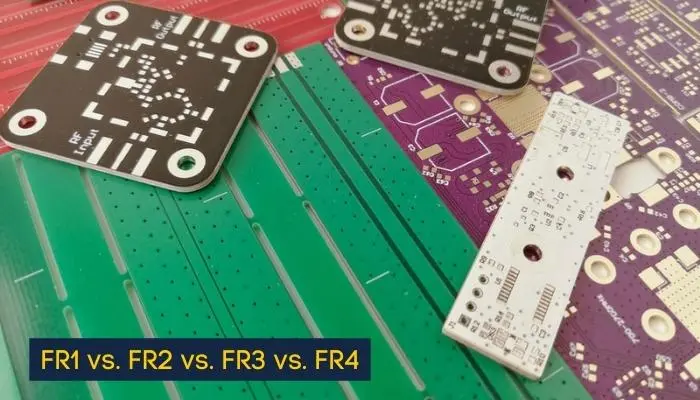
FR1 vs FR2 vs FR3 vs FR4: How to Choose the Right PCB Material
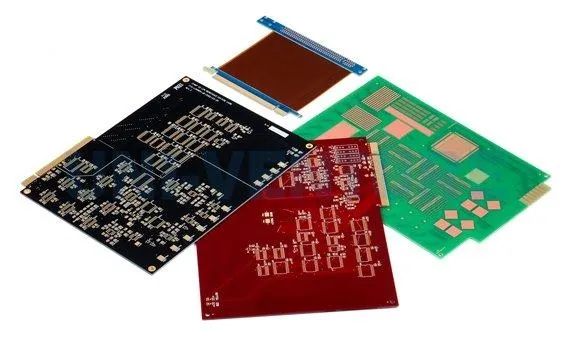
What are the Key Differences of FR1 vs. FR2 vs. FR3 vs. FR4?
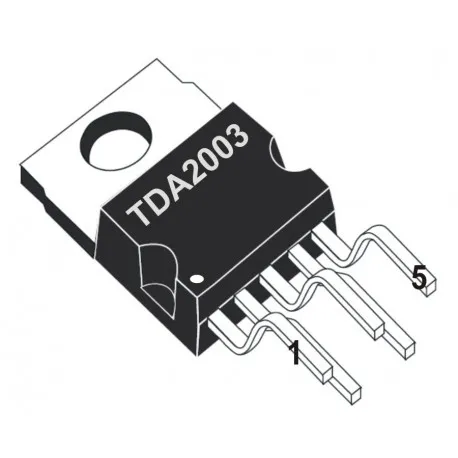
What Is an IC Amplifier and Its Effect on Dynamic Range
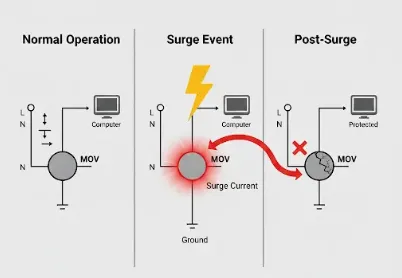
Varistor Failure Symptoms and Overvoltage Protection Circuit
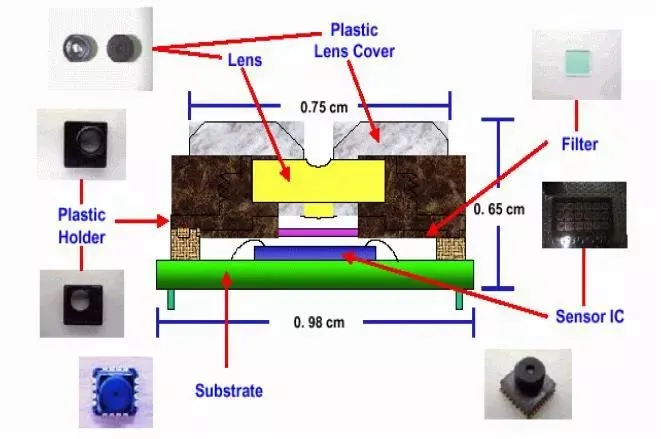
Mobile Camera Structure and Imaging Principles
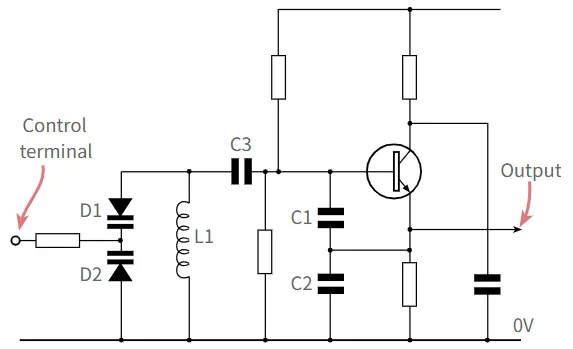
Varactor Diode Drive in Typical VCO Circuits: Engineering Principles and PCB Design Considerations
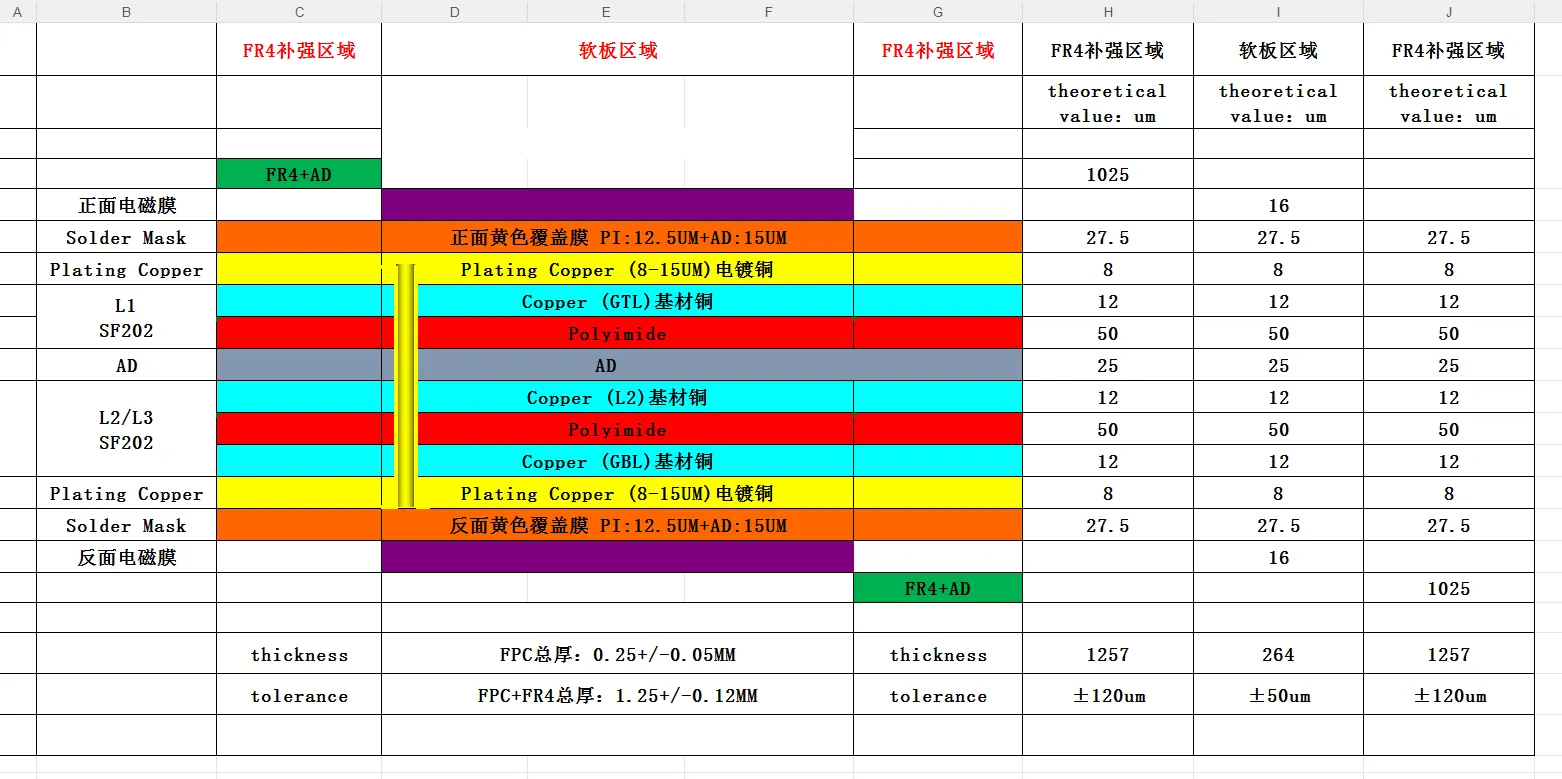
PCB Stackup, Impedance and Thickness Issues in CAM Review
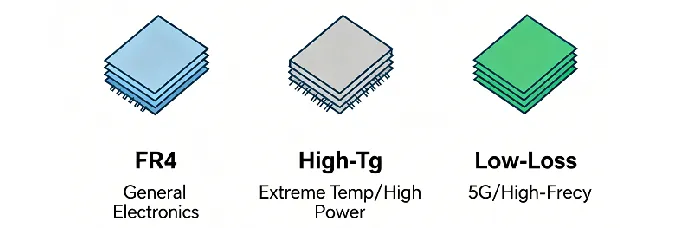
FR4 vs High-Speed PCB Materials: Which Is Better for High-Frequency Designs?
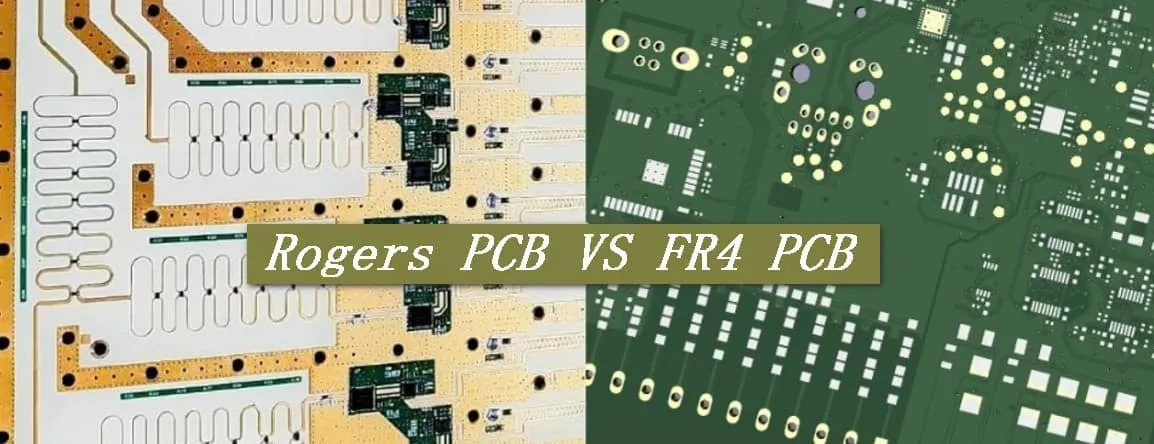
FR4 vs Rogers: Key Differences in PCB Performance and Cost
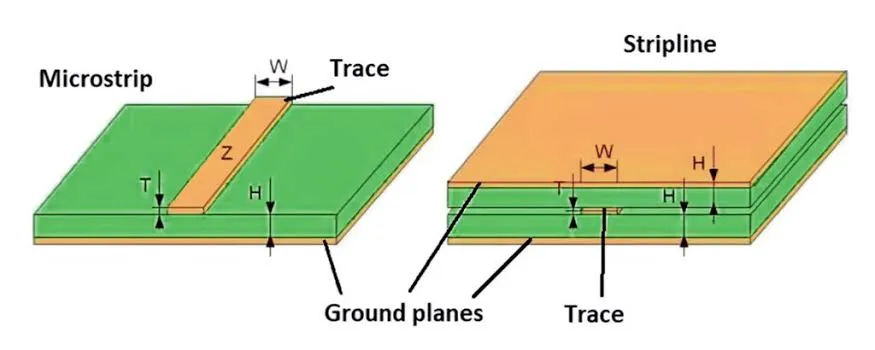
FR4 PCB Length Matching: When It Matters and How to Design It
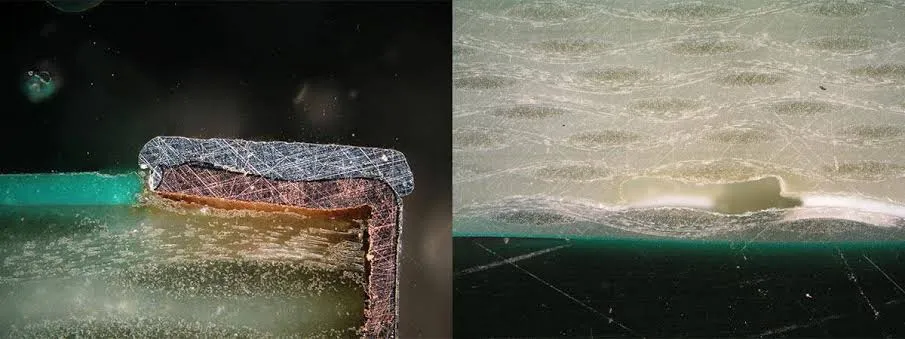
FR4 PCB Resin Void: Causes and Manufacturing Prevention
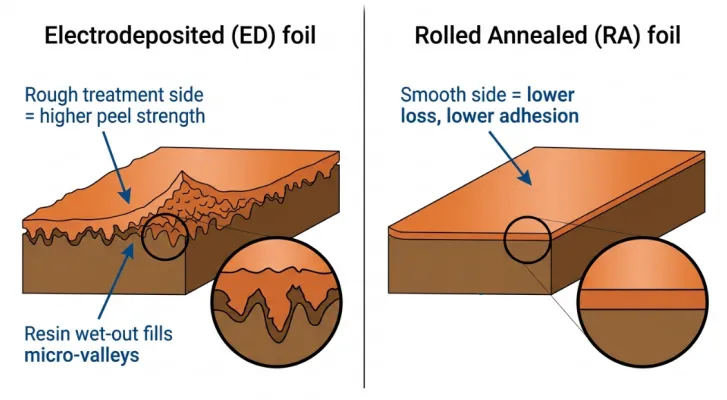
FR4 PCB Copper Foil Peeling: Causes and Prevention
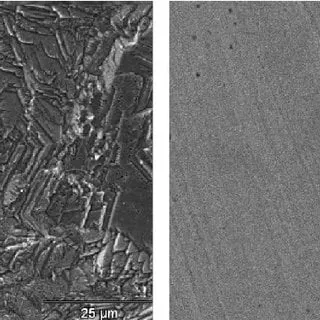
FR4 PCB Surface Preparation Before Lamination
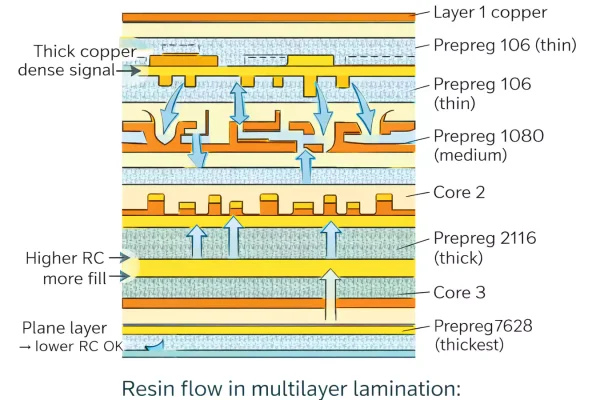
FR4 PCB Resin Flow: Effects on Multilayer Manufacturing
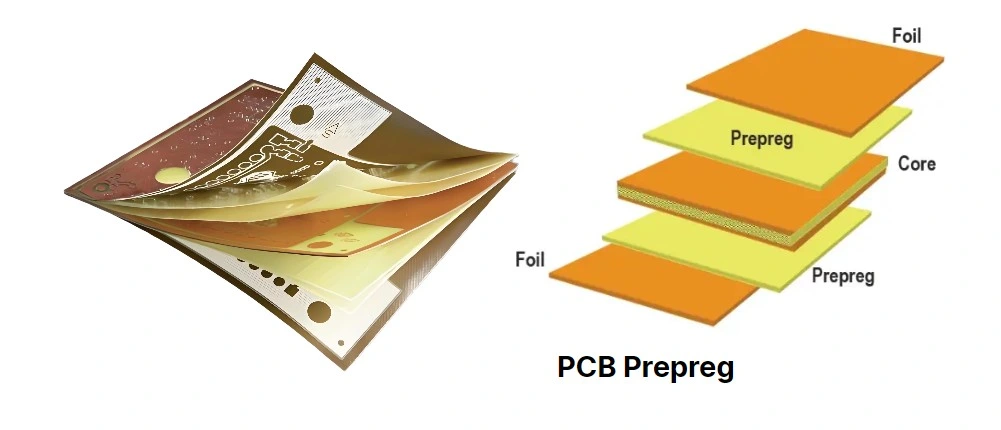
FR4 PCB Prepreg Selection: Resin Content and Thickness Considerations
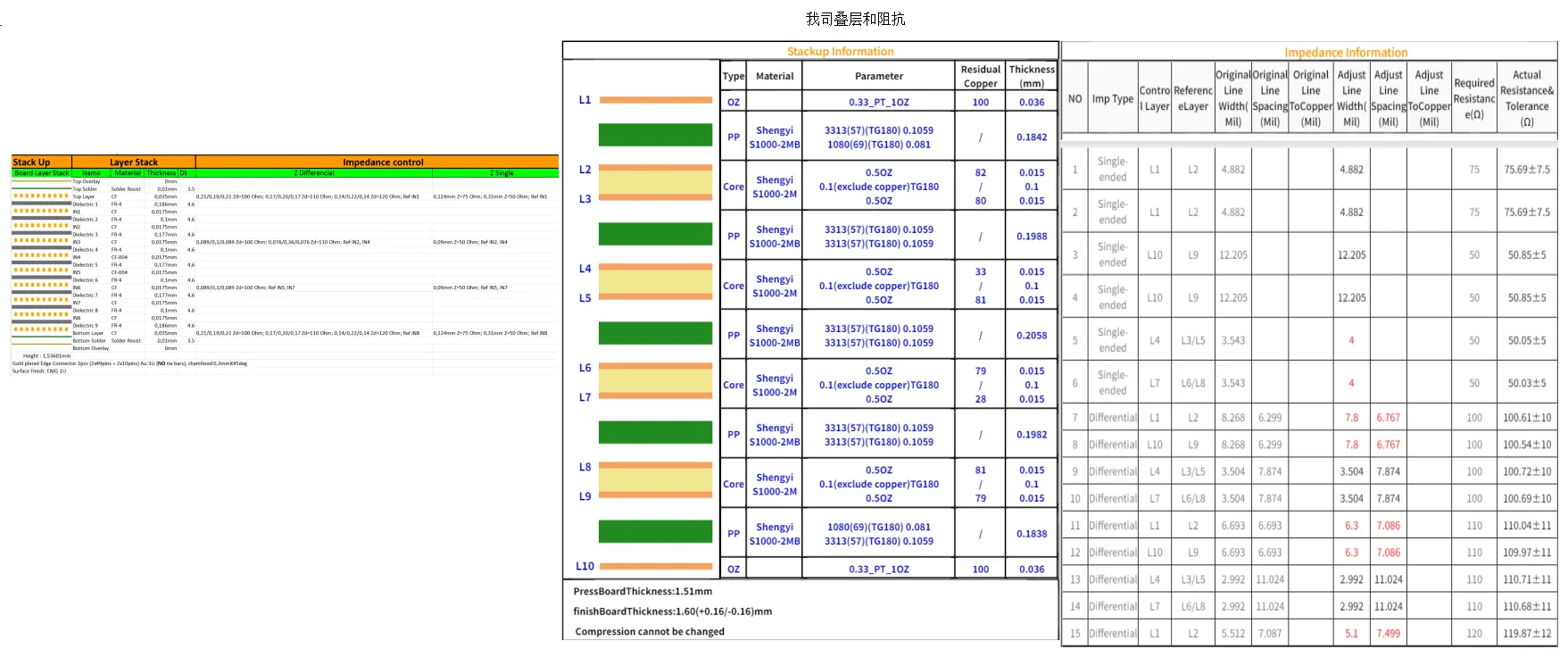
How We Fixed Impedance Line Conflicts on 10-Layer PCB
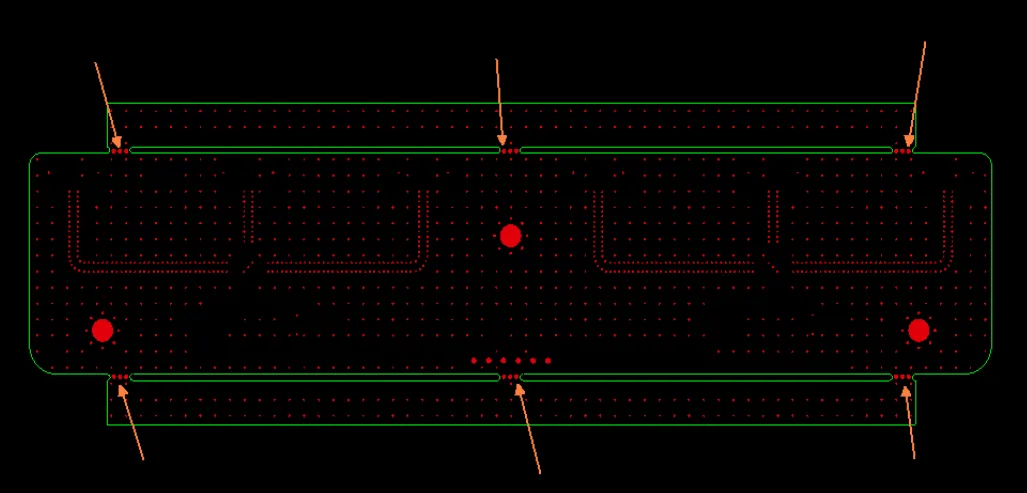
Why 0.267 mm Stamp-Hole Spacing Failed on Rogers RO4350B PTH Boards
FPC Copper Thinning: FPC Thickness Selection, Techniques and Design Guidelines
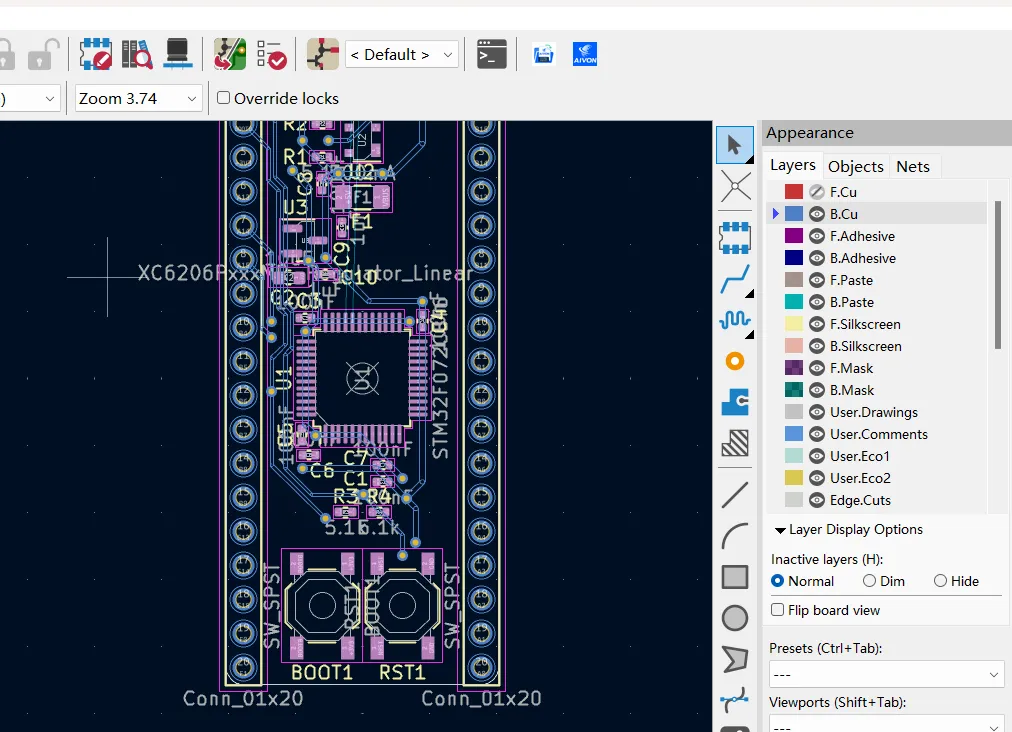
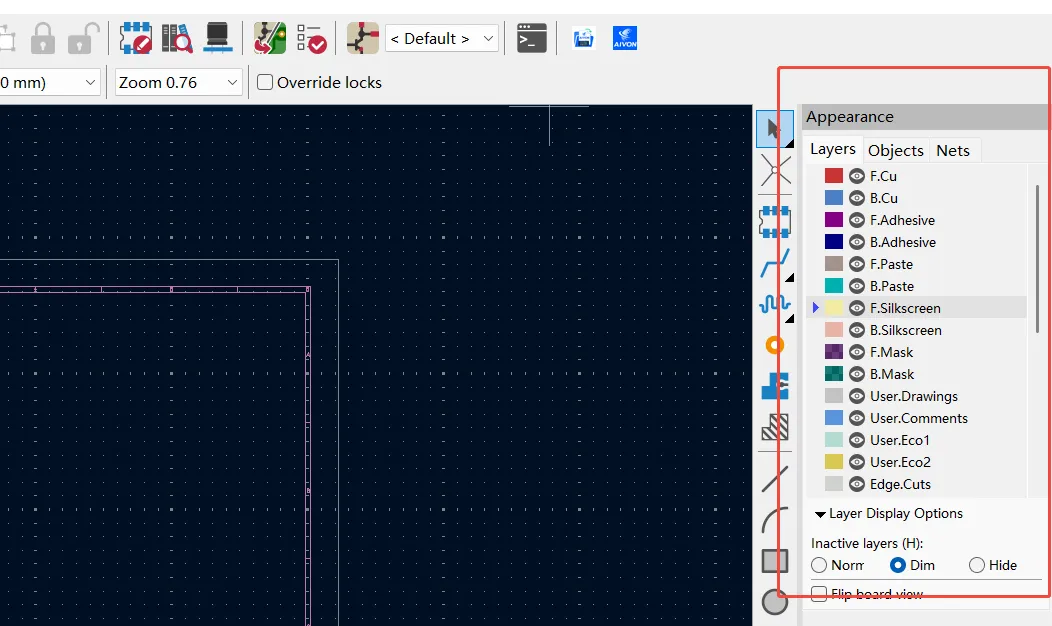
Designing PCB Stackups in KiCad for Manufacturing: Layer Planning Guide