 00:56
00:56
PCB Materials
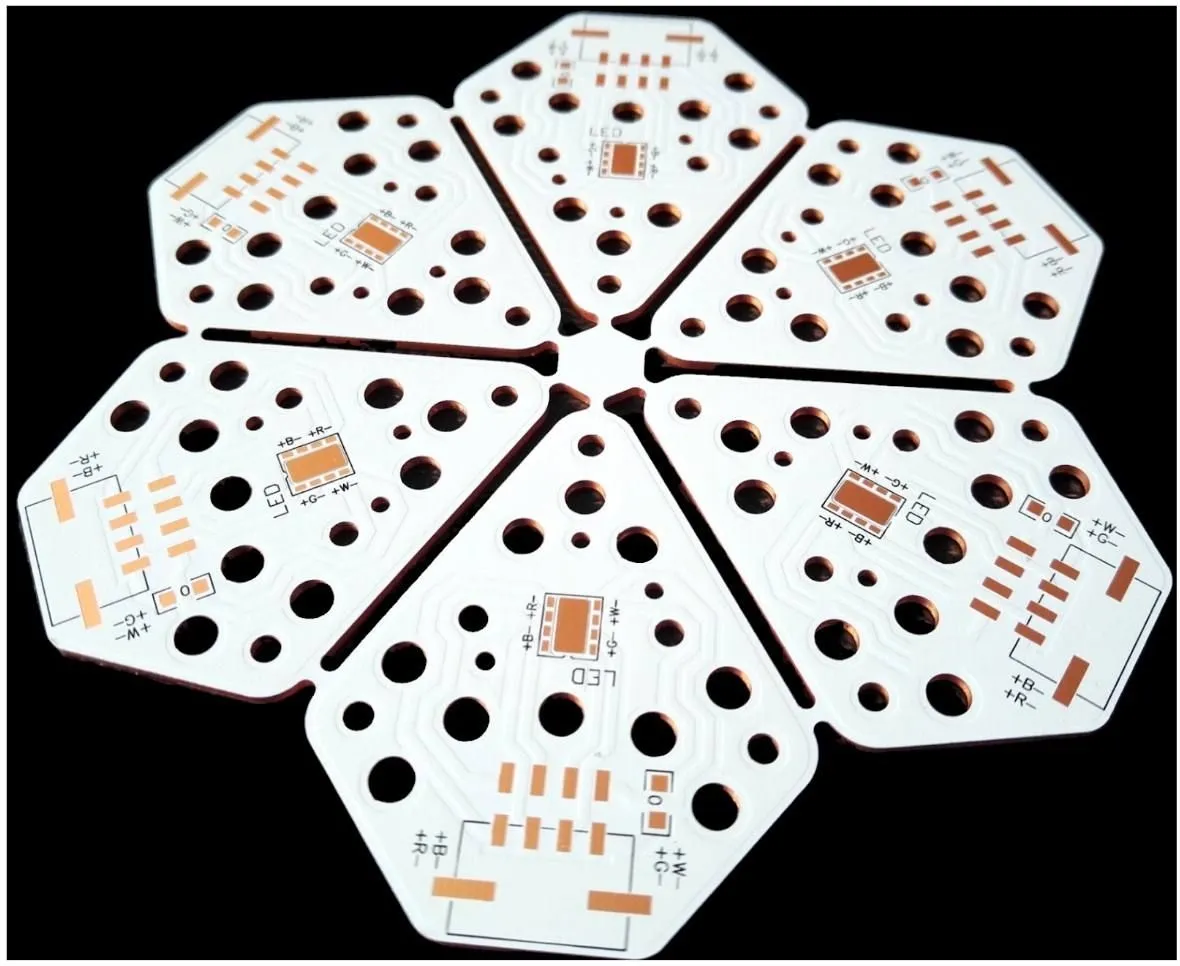
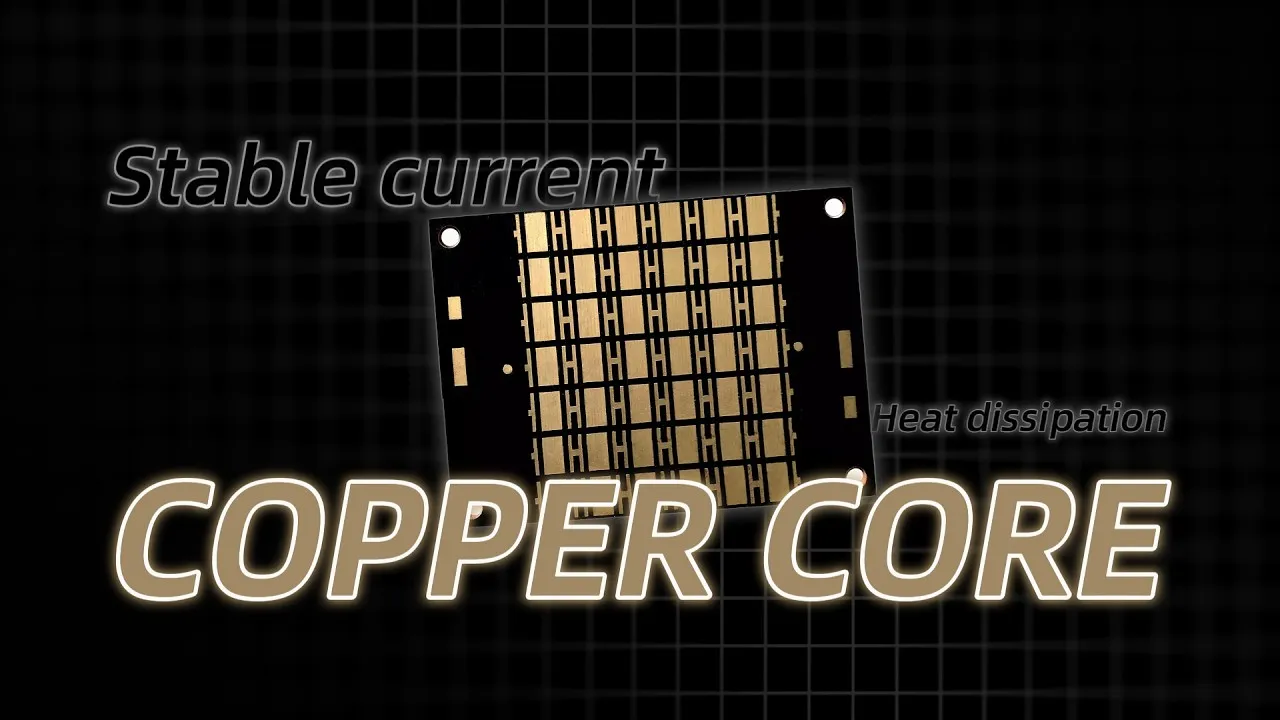
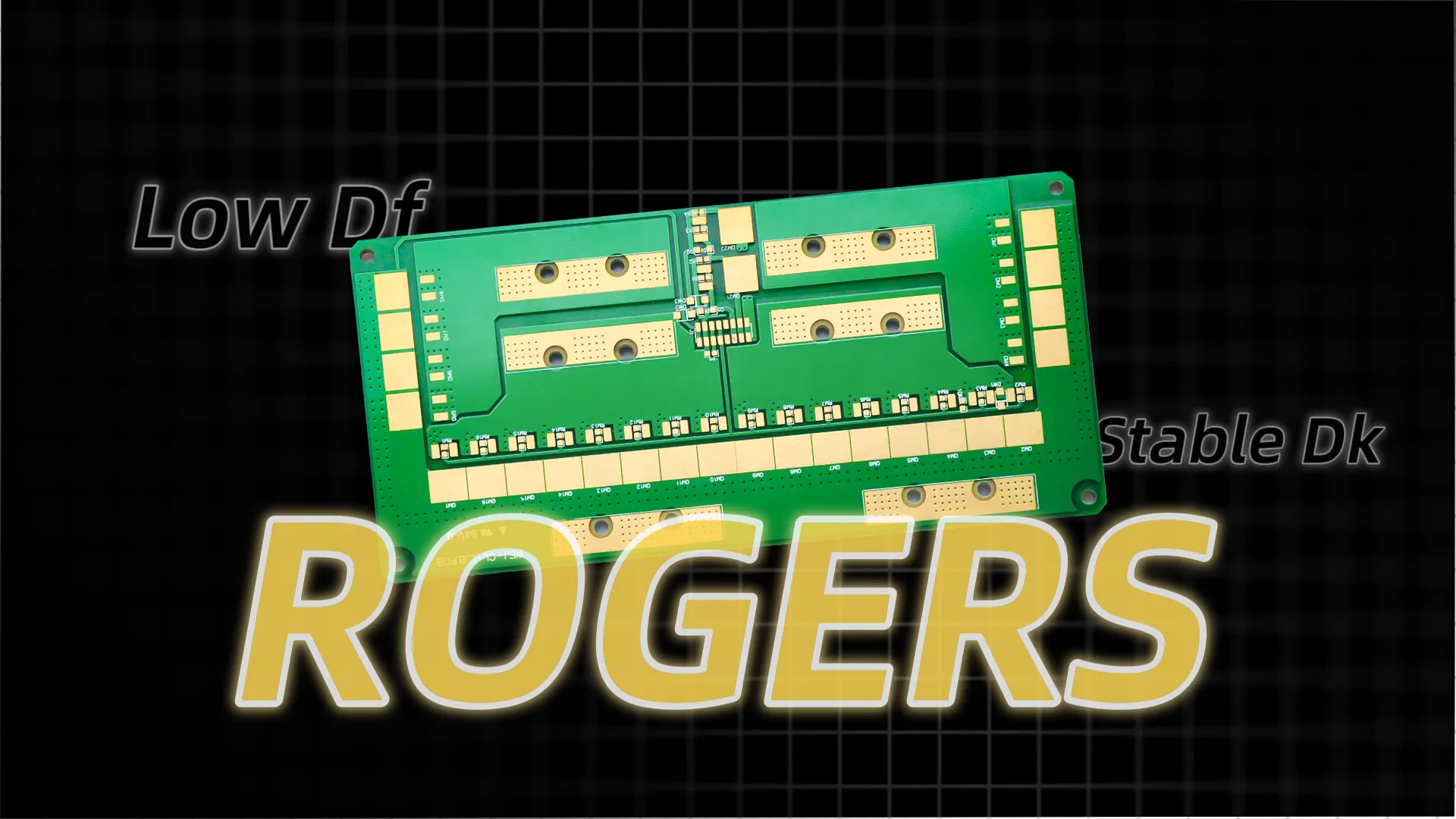
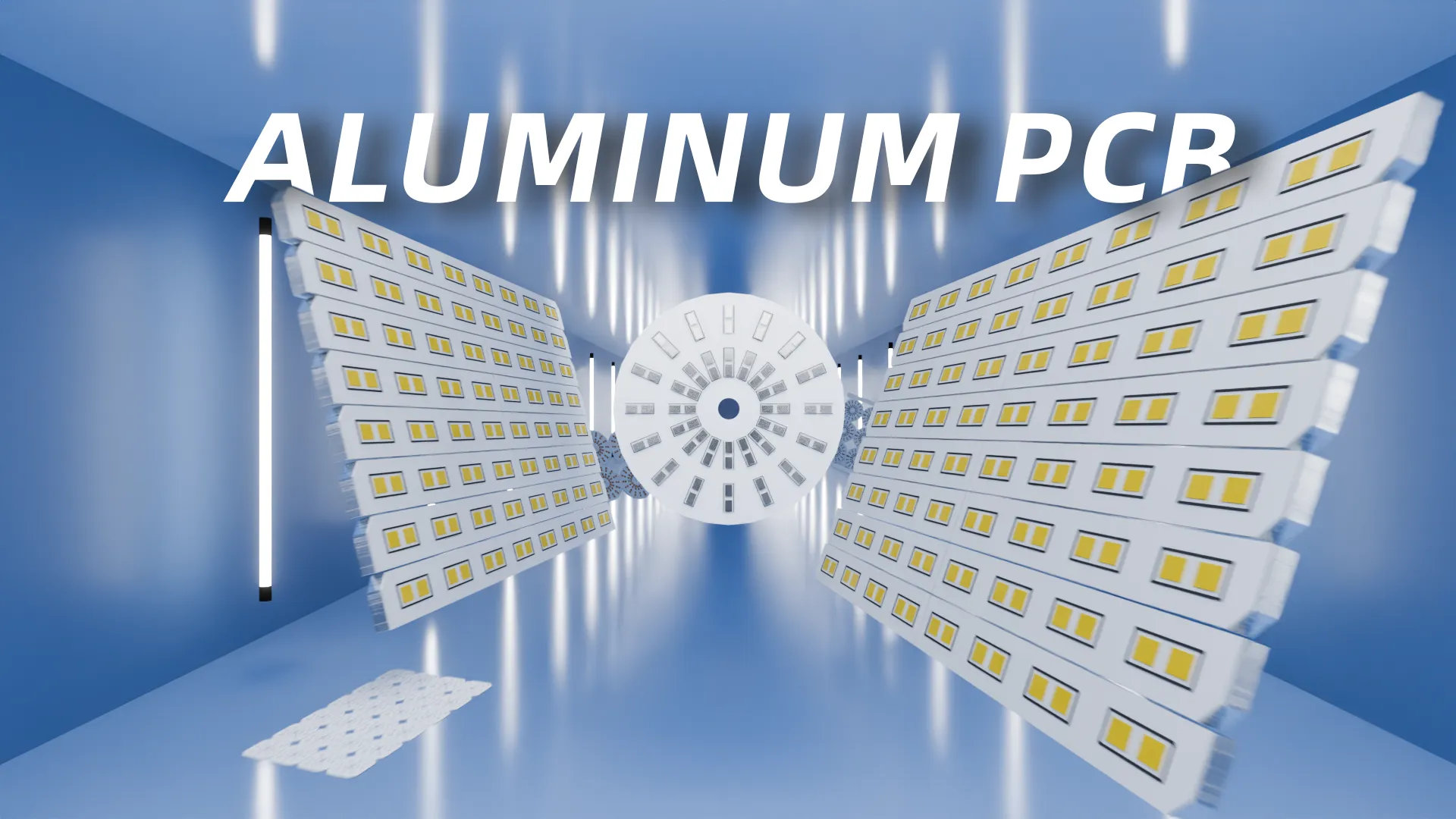
Printed circuit boards (PCBs) form the backbone of modern electronics, and the choice of materials directly influences performance, reliability, and cost. The PCB Materials tag on this blog gathers in-depth resources that explore the various substrates, laminates, and coatings essential for PCB design and manufacturing. Whether you are an engineer optimizing for high-frequency applications or a hobbyist building prototypes, understanding these materials helps ensure your projects meet thermal, mechanical, and electrical requirements. From FR-4 as a standard fiberglass-reinforced epoxy to advanced options like polyimide for flexible circuits, selecting the right material can prevent issues such as signal loss, warping, or failure under extreme conditions. Key considerations in PCB materials include dielectric constant, thermal conductivity, and moisture absorption, which affect signal integrity and longevity. For instance, high-speed designs often benefit from low-loss materials like Rogers laminates, while budget-conscious projects might stick with phenolic resins. Practical applications range from consumer gadgets to aerospace systems, where materials must withstand vibration, heat, and environmental stressors. Best practices involve matching material properties to your PCB's operating environment, such as using halogen-free options for eco-friendly compliance or ceramic-filled substrates for enhanced heat dissipation. Testing for compatibility with soldering processes and ensuring RoHS adherence are also critical steps to avoid manufacturing defects. By delving into the articles linked under this tag, you can gain actionable insights on material selection, comparison charts, and case studies that apply to real-world scenarios. This collection serves as a valuable reference for refining your designs and staying updated on industry advancements in PCB technology.
Video Guide
Technical Articles
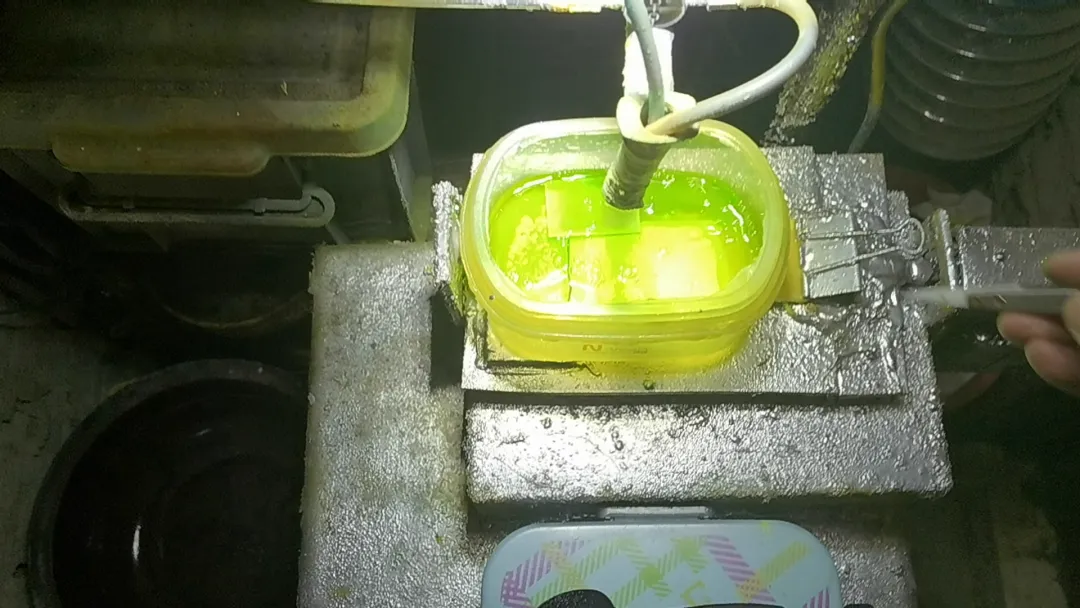
Using a Glass Fiber Mesh to Improve PCB Etching Speed and Uniformity
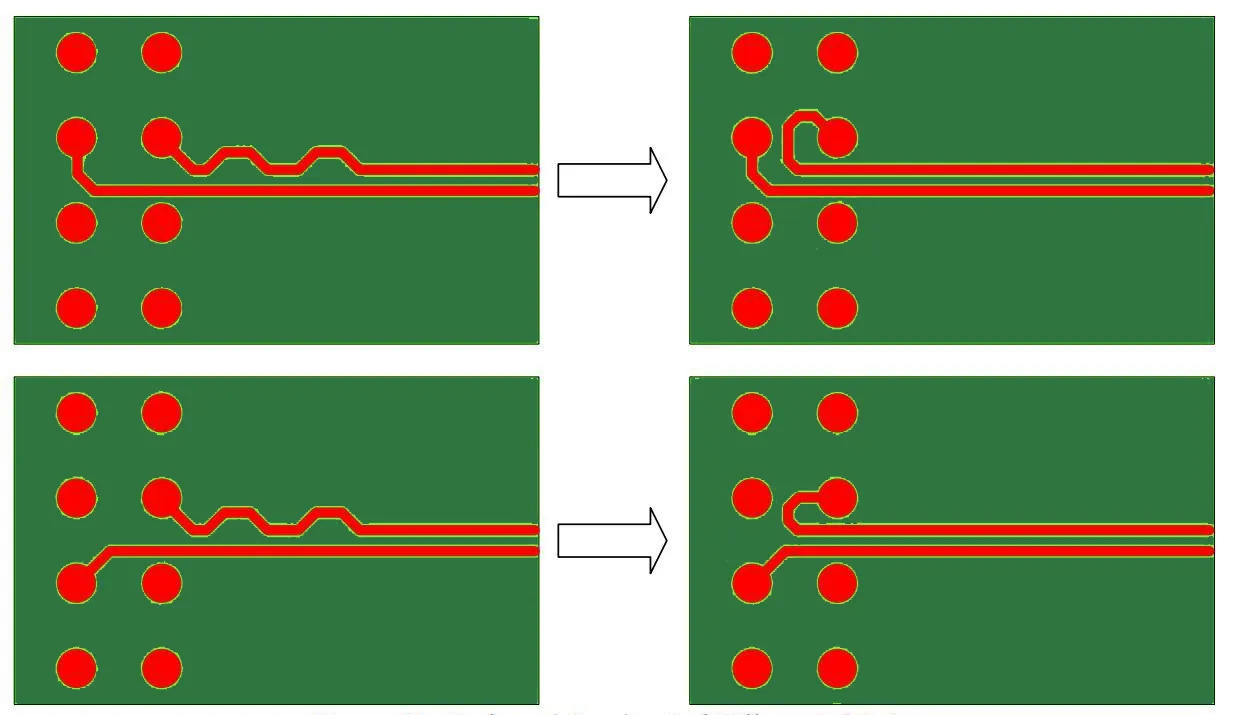
11 Best Practices for High-Speed PCB Routing (Part 1)
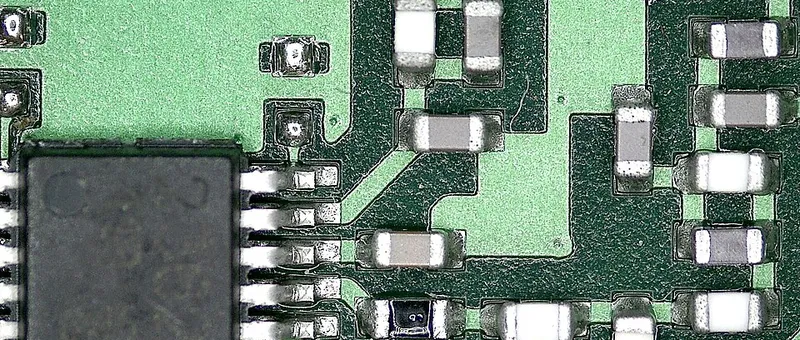
Handing a PCB to the Fabricator Is More Than a Gerber File
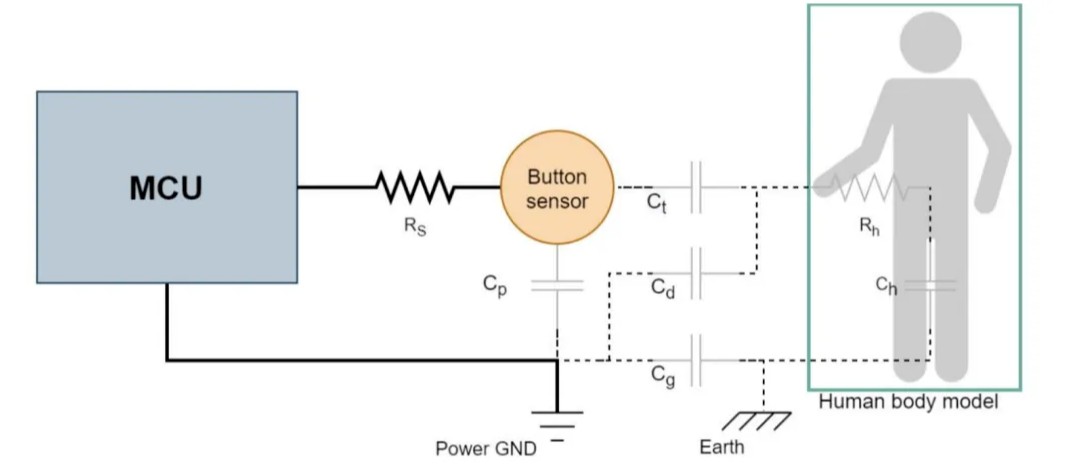
Fundamentals and Principles of Capacitive Touch
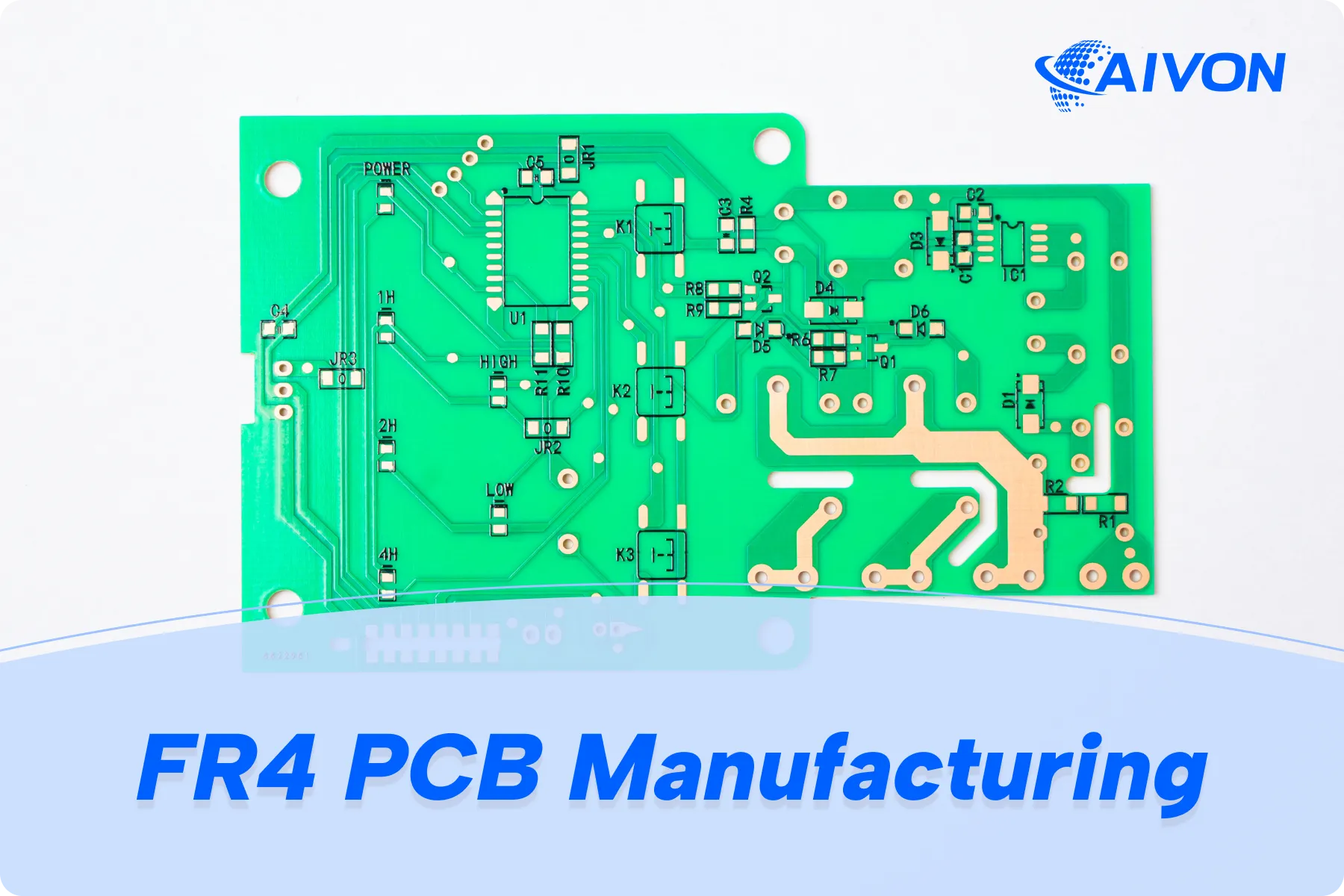
FR4 PCB Manufacturing: Materials, Process, and Fabrication Guide
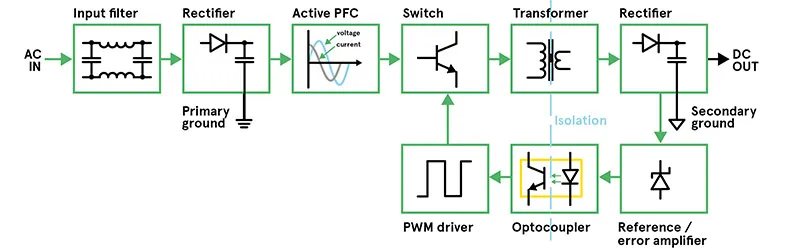
Twelve Switching Power Supply Topologies and How to Calculate Them
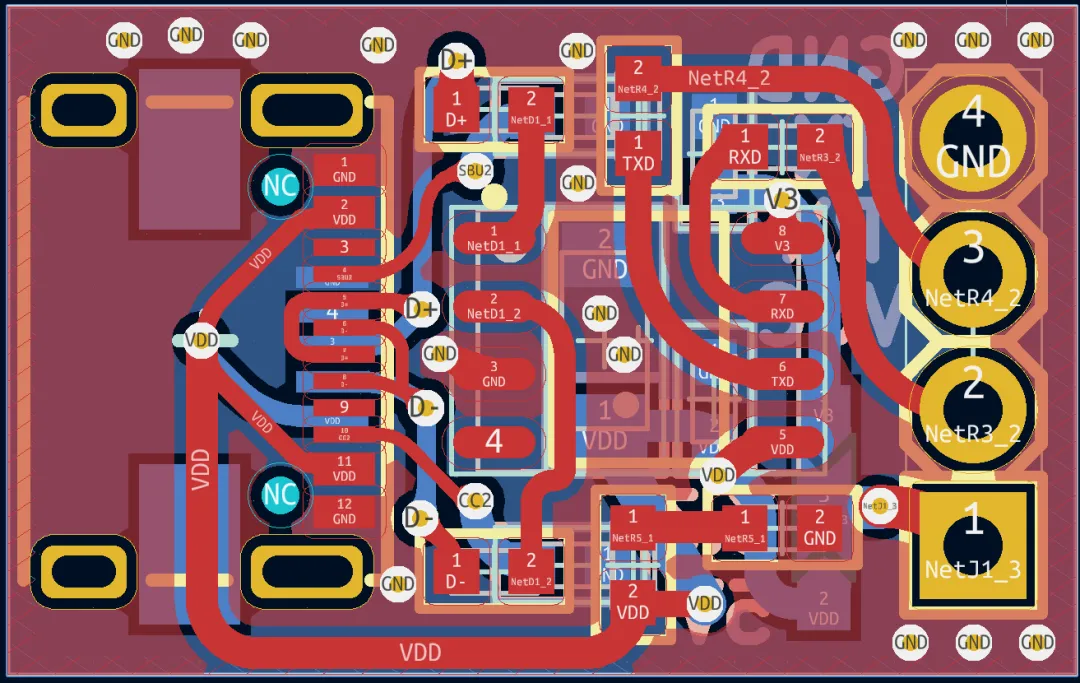
Why Do PCBs Warp and What Are the Consequences?
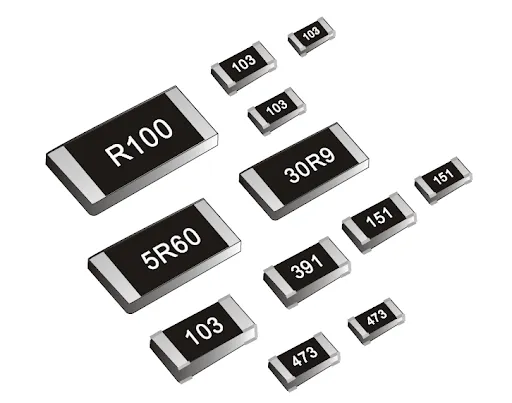
SMD Resistor Codes and Resistance Value Calculations
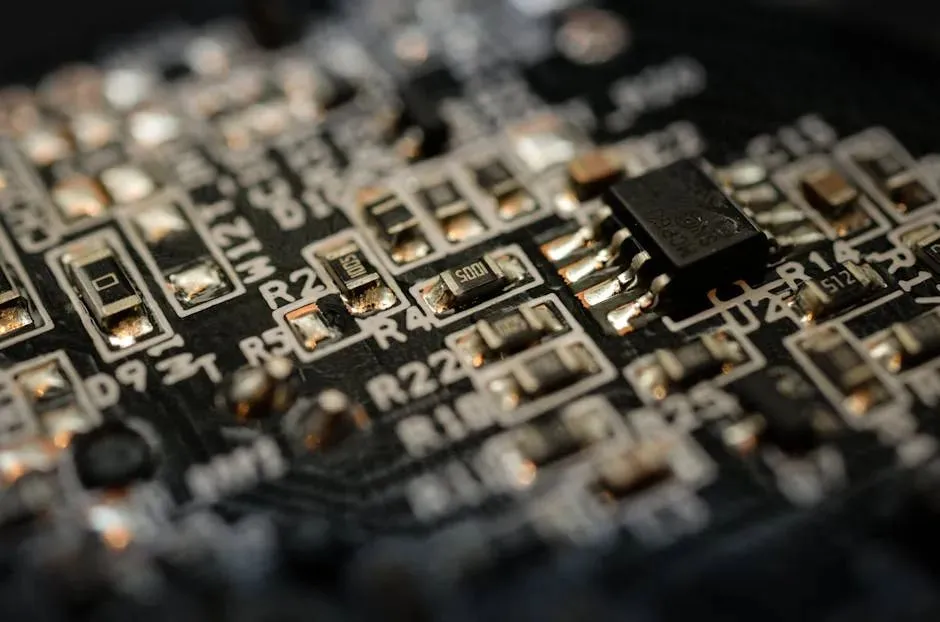
Are PCB Layout and Routing the Same for Industrial-Grade and Consumer-Grade Chips?
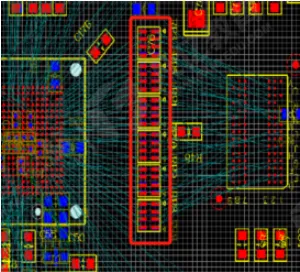
How a Series Resistor on a PCB Improves Signal Integrity
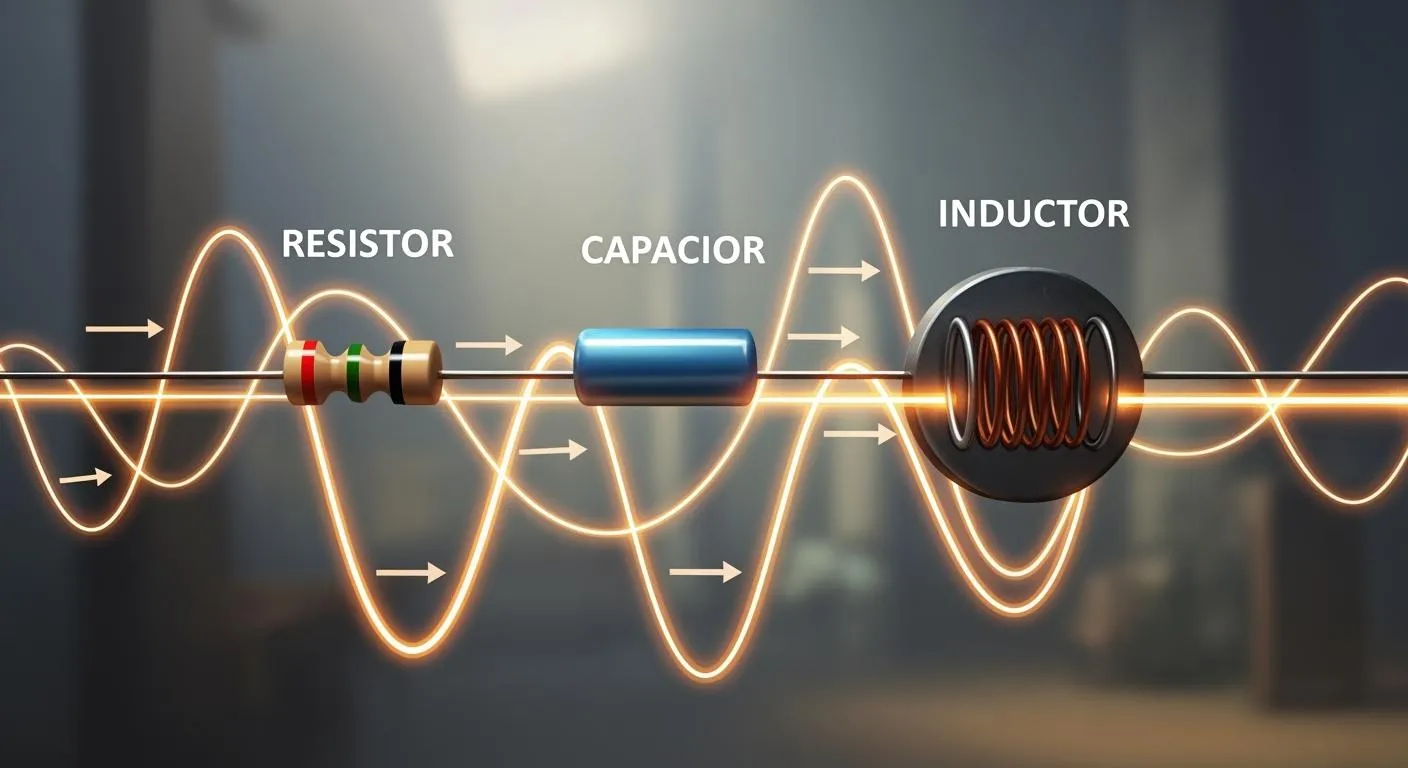
Why Capacitor Voltage and Inductor Current Cannot Change Instantly
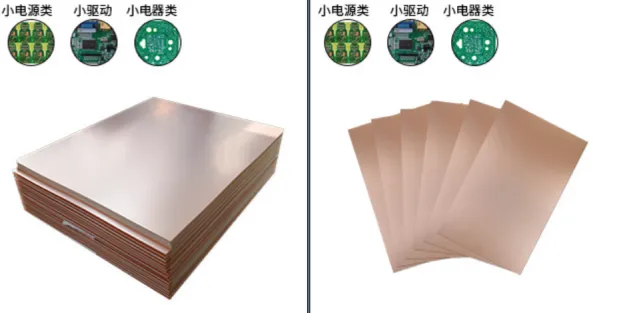
Basic PCB Concepts Needed to Start a Design
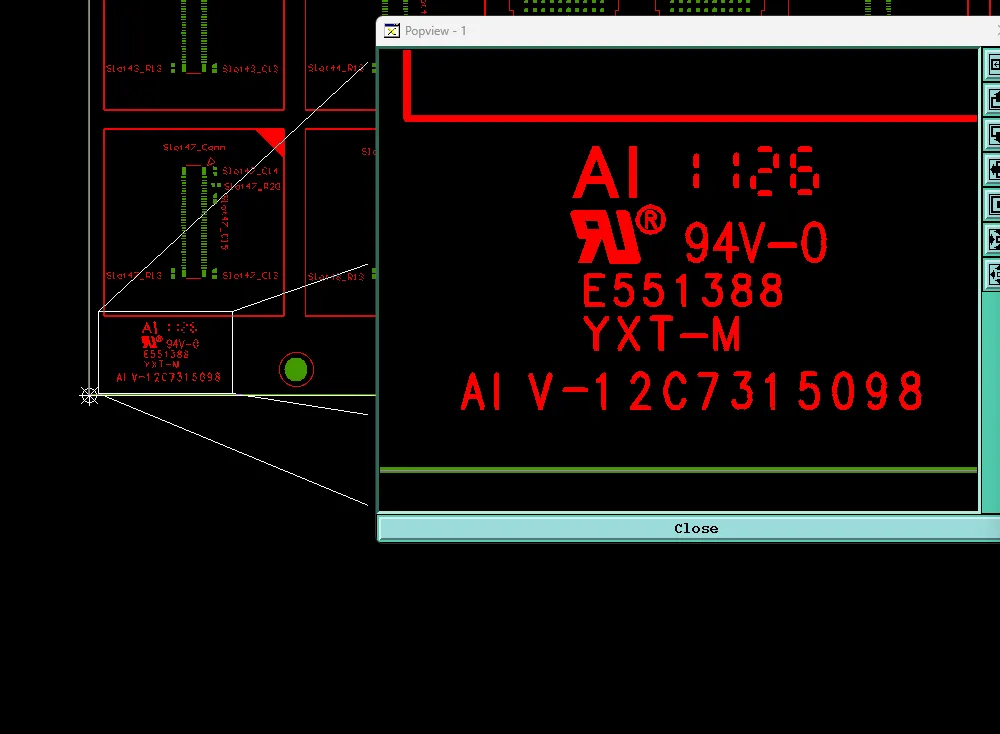
PCB UL Marking: What CAM Needs to Confirm Before Production
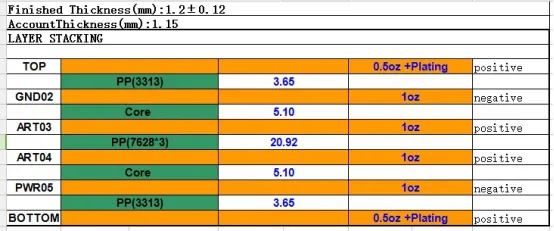
PCB Impedance Calculation for Signal Integrity
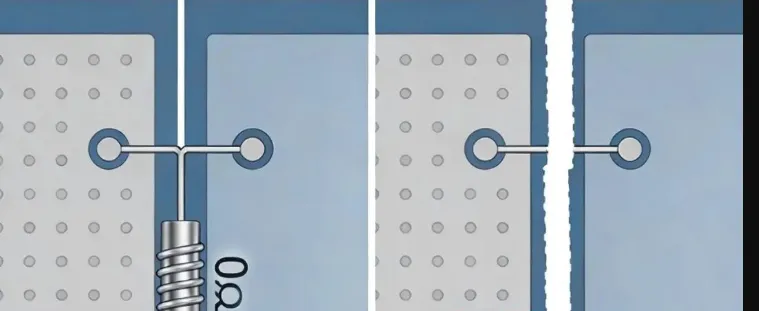
After Designing 10 PCBs: If the Layers Are Wrong, the Board Is Wasted
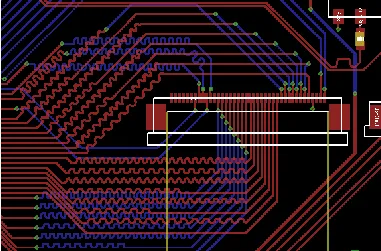
FR4 PCB Differential Pair Routing: Spacing and Length Matching
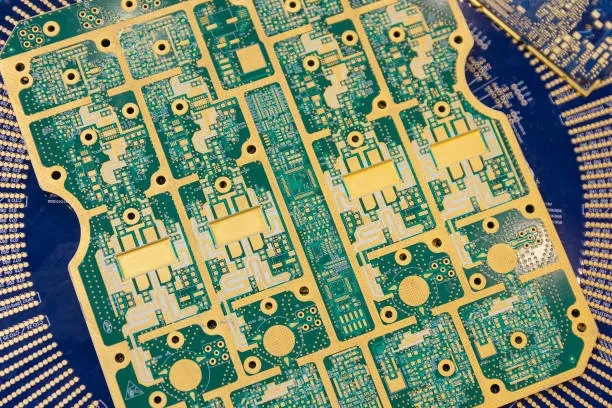
Troubleshooting Common Manufacturing Challenges with Rogers PCBs
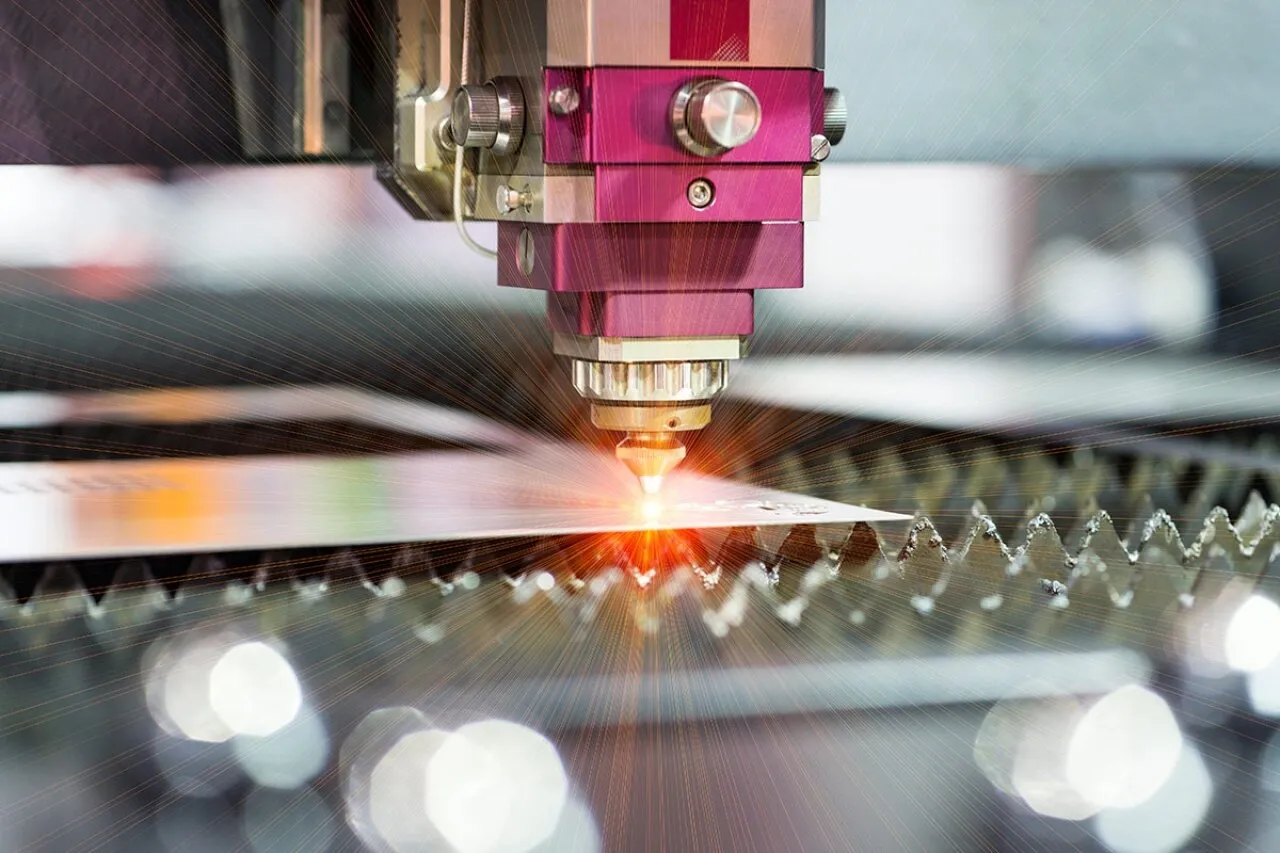
Optimizing Laser Drilling for Diverse PCB Materials: A Detailed Guide
Navigating REACH for PCBs: A Guide for Electronics Engineers