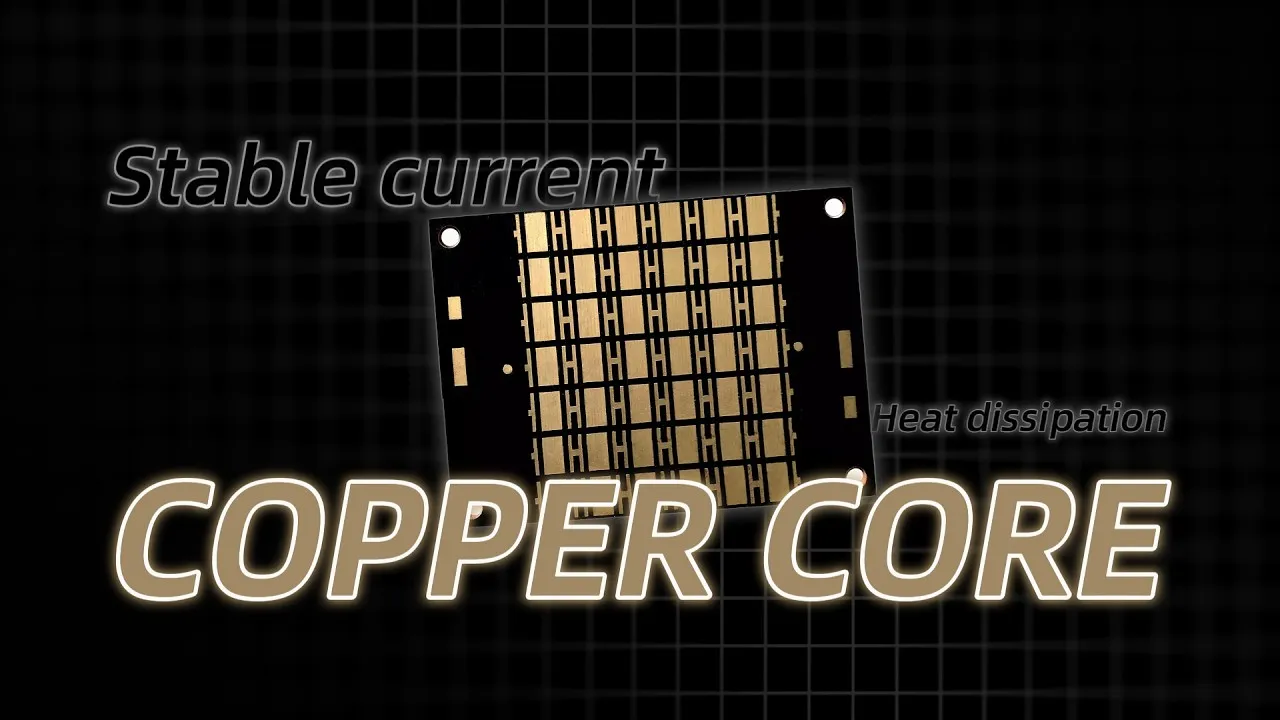
 00:56
00:56
PCB Materials
Printed circuit boards (PCBs) form the backbone of modern electronics, and the choice of materials directly influences performance, reliability, and cost. The PCB Materials tag on this blog gathers in-depth resources that explore the various substrates, laminates, and coatings essential for PCB design and manufacturing. Whether you are an engineer optimizing for high-frequency applications or a hobbyist building prototypes, understanding these materials helps ensure your projects meet thermal, mechanical, and electrical requirements. From FR-4 as a standard fiberglass-reinforced epoxy to advanced options like polyimide for flexible circuits, selecting the right material can prevent issues such as signal loss, warping, or failure under extreme conditions. Key considerations in PCB materials include dielectric constant, thermal conductivity, and moisture absorption, which affect signal integrity and longevity. For instance, high-speed designs often benefit from low-loss materials like Rogers laminates, while budget-conscious projects might stick with phenolic resins. Practical applications range from consumer gadgets to aerospace systems, where materials must withstand vibration, heat, and environmental stressors. Best practices involve matching material properties to your PCB's operating environment, such as using halogen-free options for eco-friendly compliance or ceramic-filled substrates for enhanced heat dissipation. Testing for compatibility with soldering processes and ensuring RoHS adherence are also critical steps to avoid manufacturing defects. By delving into the articles linked under this tag, you can gain actionable insights on material selection, comparison charts, and case studies that apply to real-world scenarios. This collection serves as a valuable reference for refining your designs and staying updated on industry advancements in PCB technology.
Video Guide
Technical Articles
Flexible PCB Material Selection Guide: PI vs PET vs Adhesiveless Base Materials
FPC Manufacturing Process Flow: Step-by-Step
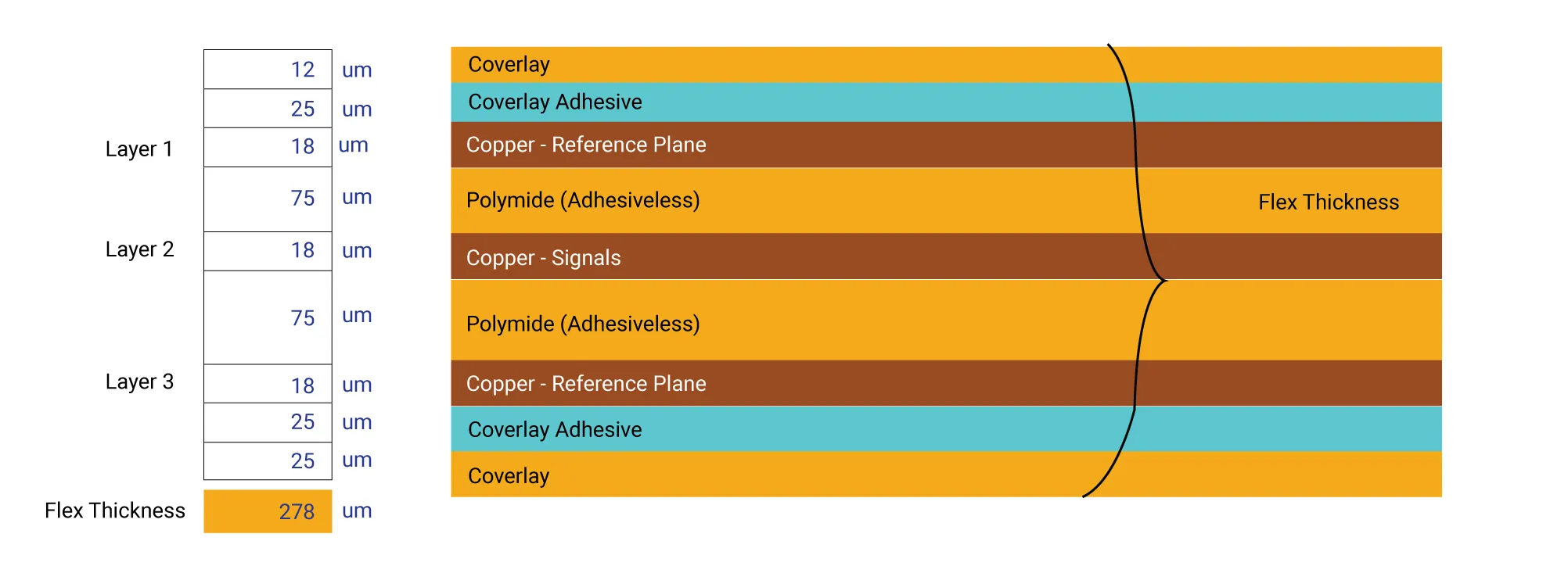
Why Does FPC Impedance Control Fail During Manufacturing?
How Laser Cutting Quality Is Controlled in Sheet Metal Fabrication
Rigid PCB Failure Analysis: Identifying Root Causes and Preventing Future Issues
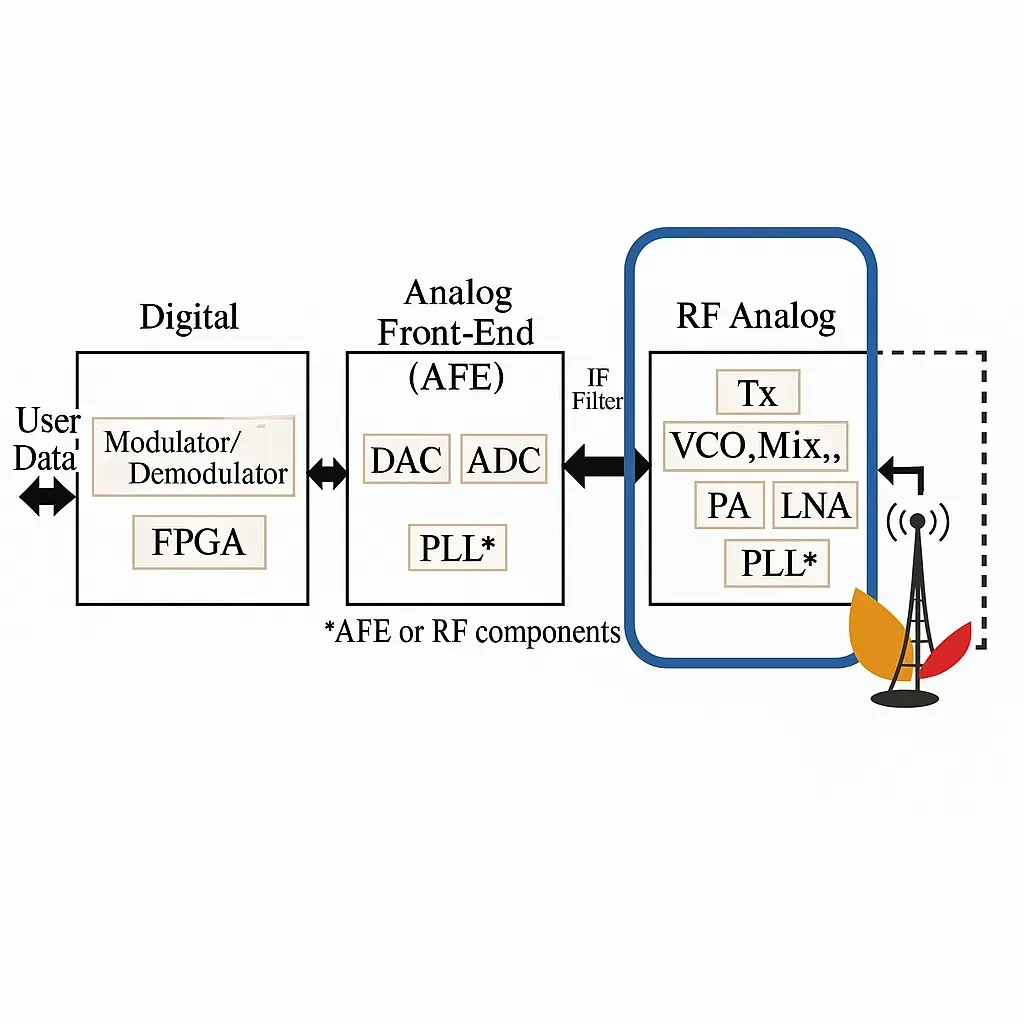
Millimeter-wave Beamforming Systems for Mobile Communications
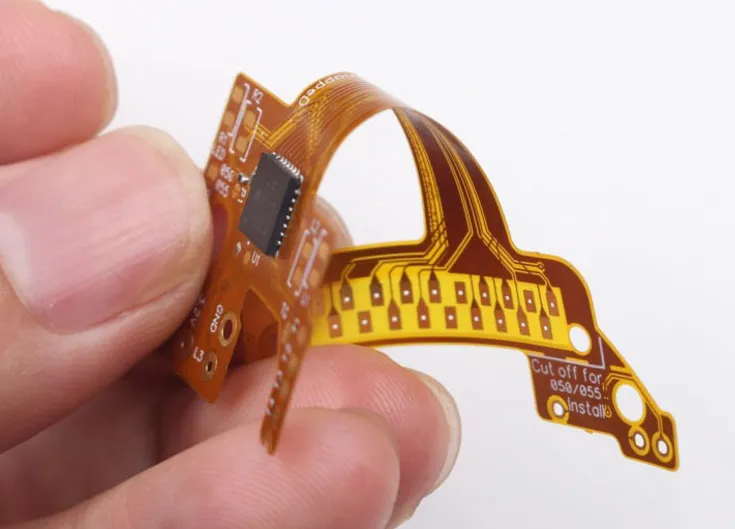
DIY Flexible PCBs: A Hobbyist's Guide to Creating Bendable Circuits at Home
Magnetic Circuit Types in Permanent-Magnet Motors

Contour Lighting in Machine Vision: Methods and Implementation
Multilayer PCBs in Automotive Electronics: Meeting the Demands of Modern Vehicles
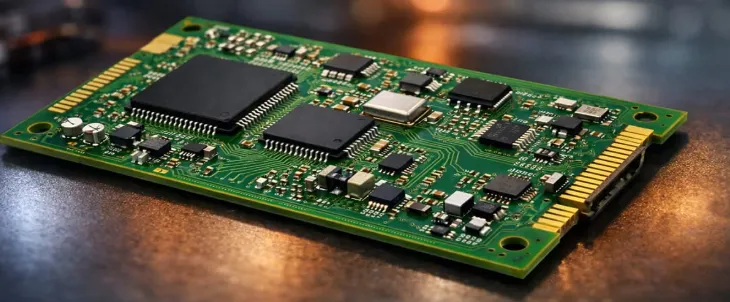
Rigid PCB Industry Trends: What's New in Materials, Technology, and Applications?

The Impact of PCB Materials on the Reliability of Marine Navigation Electronics
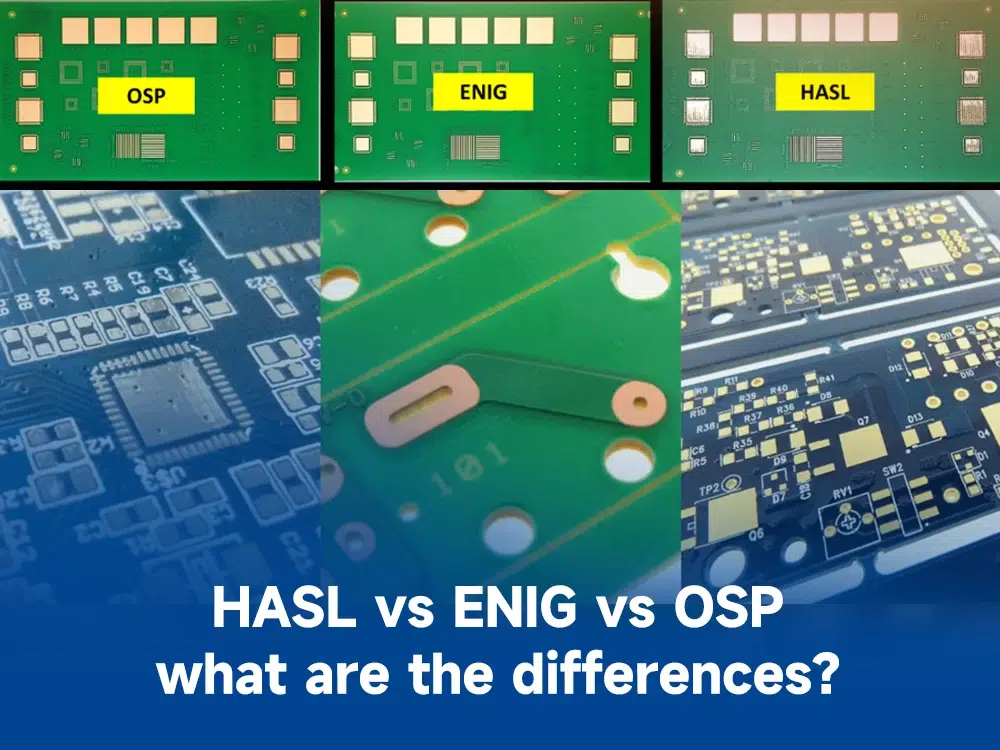
FR4 PCB Surface Finish Guide: ENIG vs HASL vs OSP DFM Issues and Engineering Queries
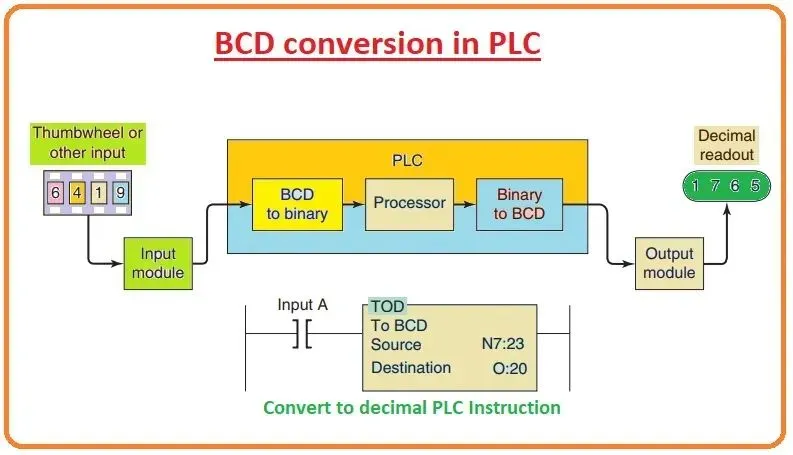
BCD in PLCs: Meaning and Uses
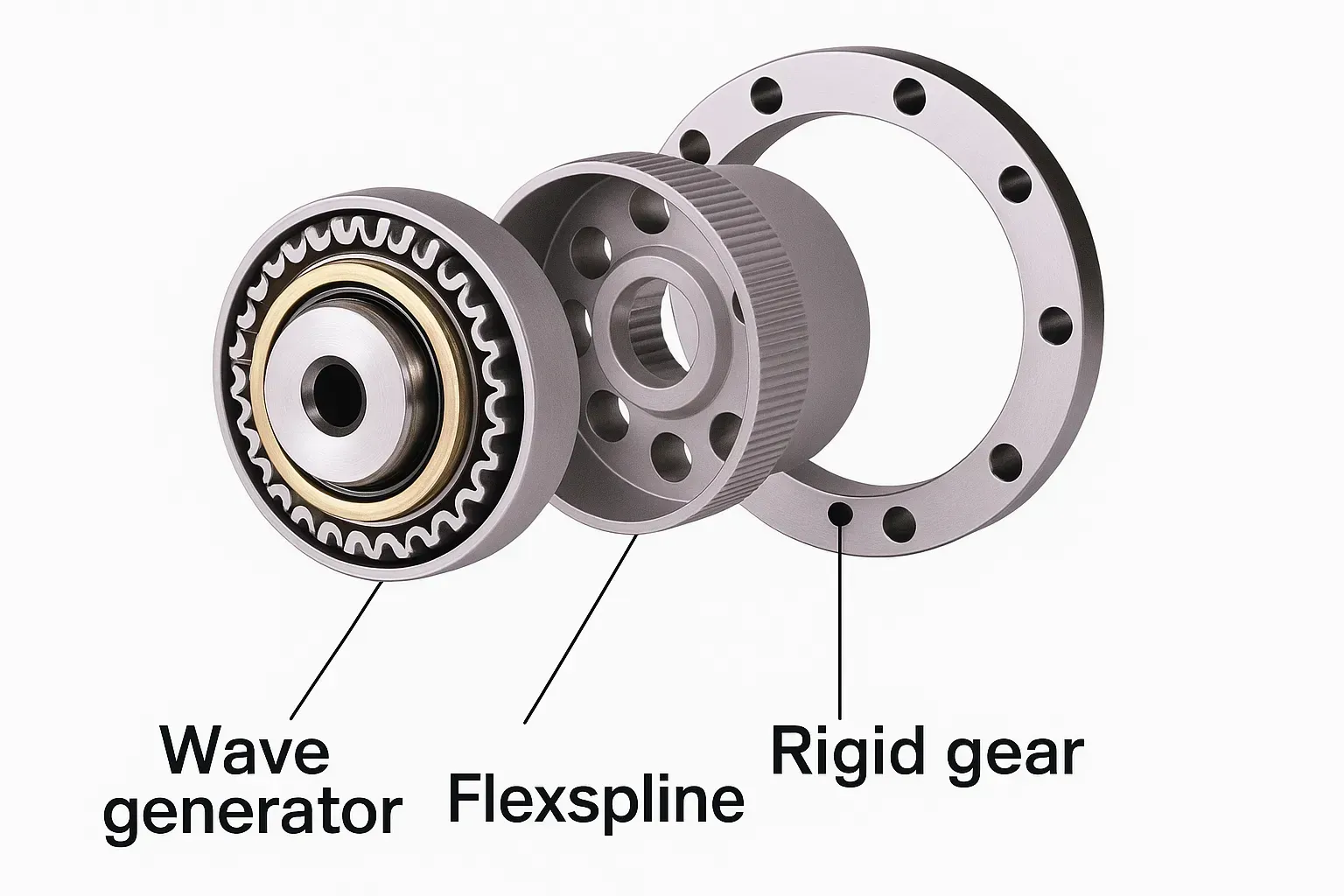
How Robot Arm Joints Are Connected
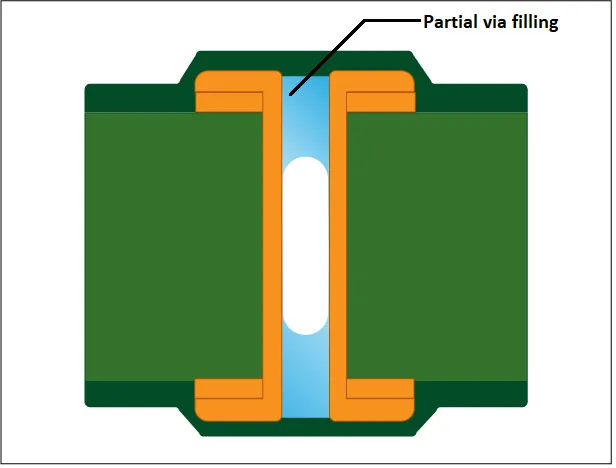
High Tg FR4 PCB Engineering Queries Common Issues and Best Practices in Manufacturing
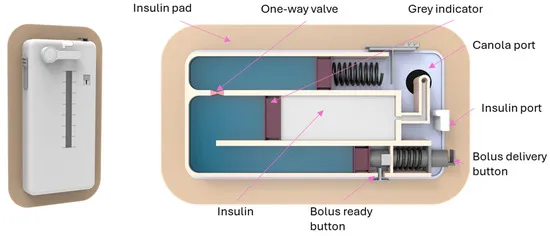
Material Matters: Selecting the Right PCB Materials for Reliable Insulin Pumps
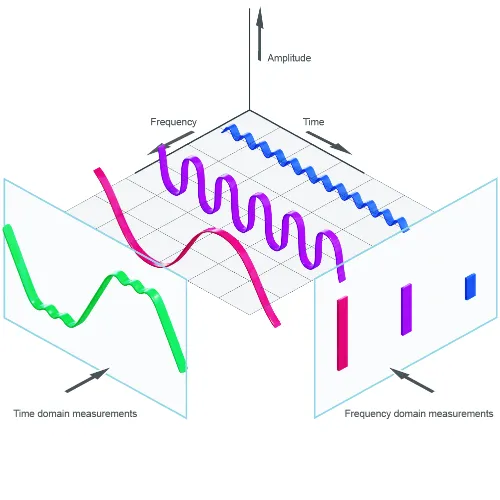
Relationship Between Frequency and Time Domains

Role of OFDM Waveforms in 5G