



PCB Thermal Design
Effective thermal management is a critical aspect of printed circuit board (PCB) design, ensuring that electronic components operate within safe temperature ranges to prevent failures, extend lifespan, and maintain performance. In the realm of PCB Thermal Design, engineers and designers focus on strategies to dissipate heat generated by high-power components, such as processors, power amplifiers, and LEDs. This involves selecting appropriate materials with high thermal conductivity, optimizing board layout for airflow, and incorporating features like thermal vias, heat sinks, and copper pours to enhance heat transfer. For those searching for PCB Thermal Design resources, this tag serves as a comprehensive hub for practical guidance tailored to real-world challenges. Whether you are troubleshooting overheating issues in consumer electronics, automotive systems, or industrial equipment, the content here delves into best practices that can be directly applied to your projects. Key topics include thermal simulation techniques using software tools like ANSYS or Altium, guidelines for multilayer board configurations to minimize thermal resistance, and case studies demonstrating how effective design choices have resolved common problems such as hot spots and thermal runaway. Understanding these principles not only helps in complying with industry standards like IPC-2152 for current-carrying capacity but also empowers you to innovate in designs that demand higher efficiency and reliability. By exploring the articles grouped under this tag, you can gain actionable insights into advanced methods, such as integrating phase-change materials or active cooling solutions, and learn from expert analyses of thermal modeling errors to avoid. This collection equips you with the knowledge to refine your PCB designs, ultimately leading to more robust and efficient electronic products.
Technical Articles

Types of Network Monitoring Systems and Required Devices
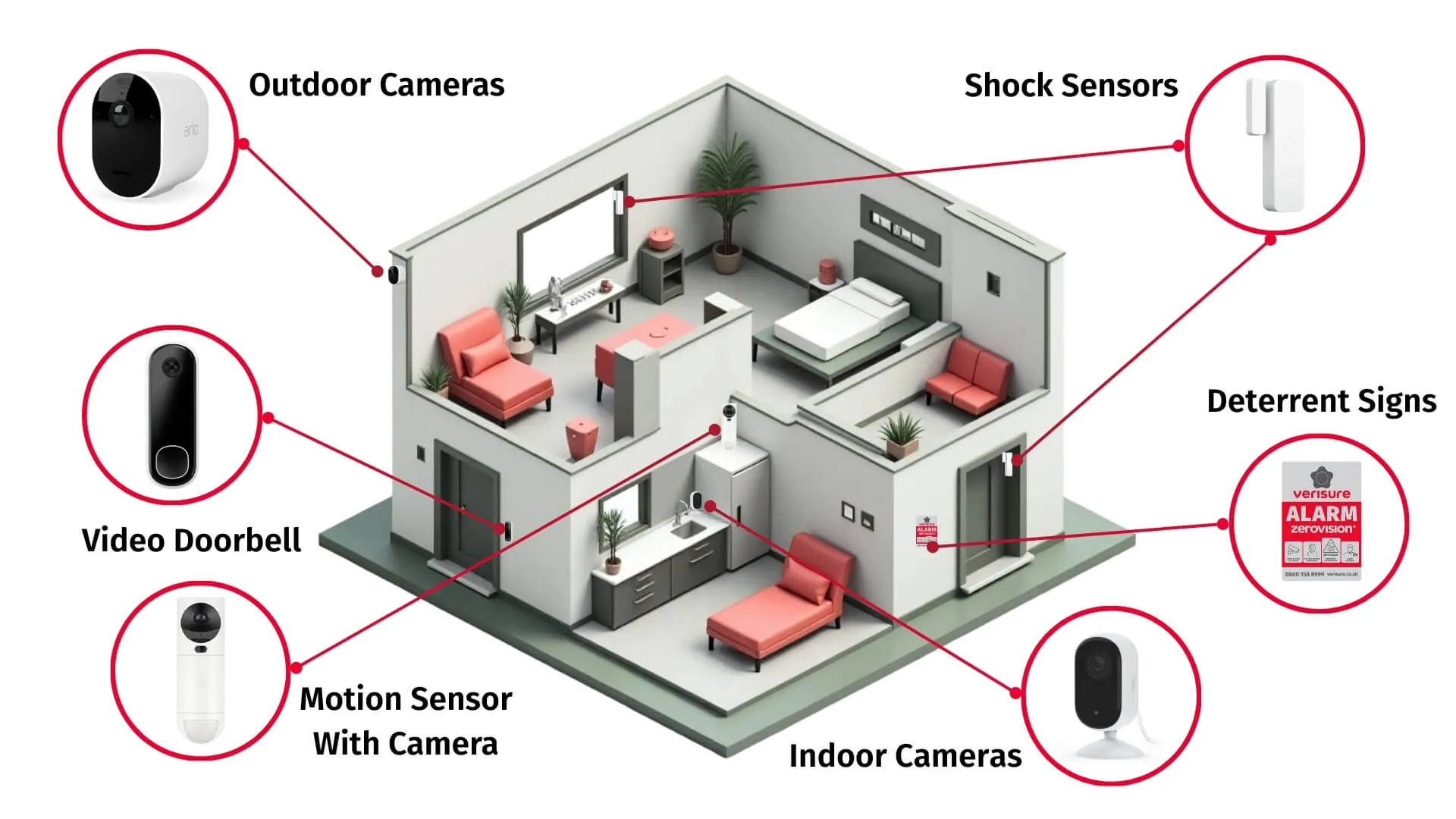
Security System Components and Functions

Why Attackers Target IoT Devices: PCB Technologies for Enhanced IoT Security

Analysis of Automotive Cybersecurity Technical Requirements: PCB Design Strategies for Secure Vehicle Electronics

Firewall PCB Manufacturing for High Speed Network Security Hardware
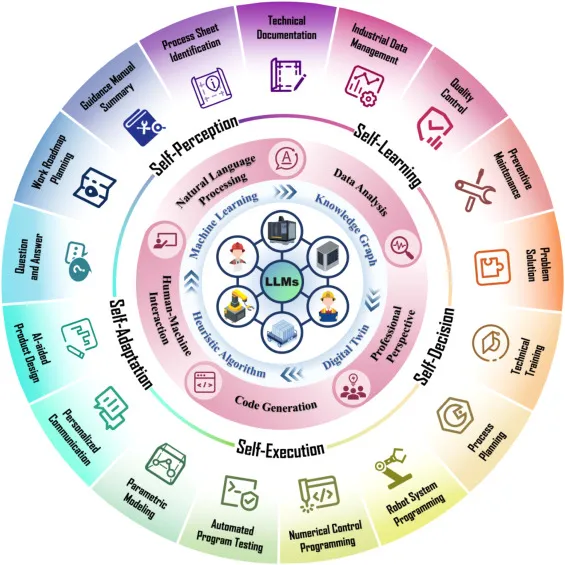
Five Fundamental Issues of Industrial Large Models

Eight Video Surveillance Technology Trends
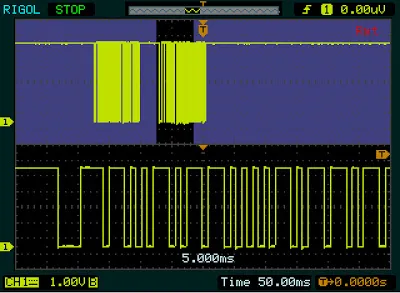
100 Oscilloscope Basics Q&A
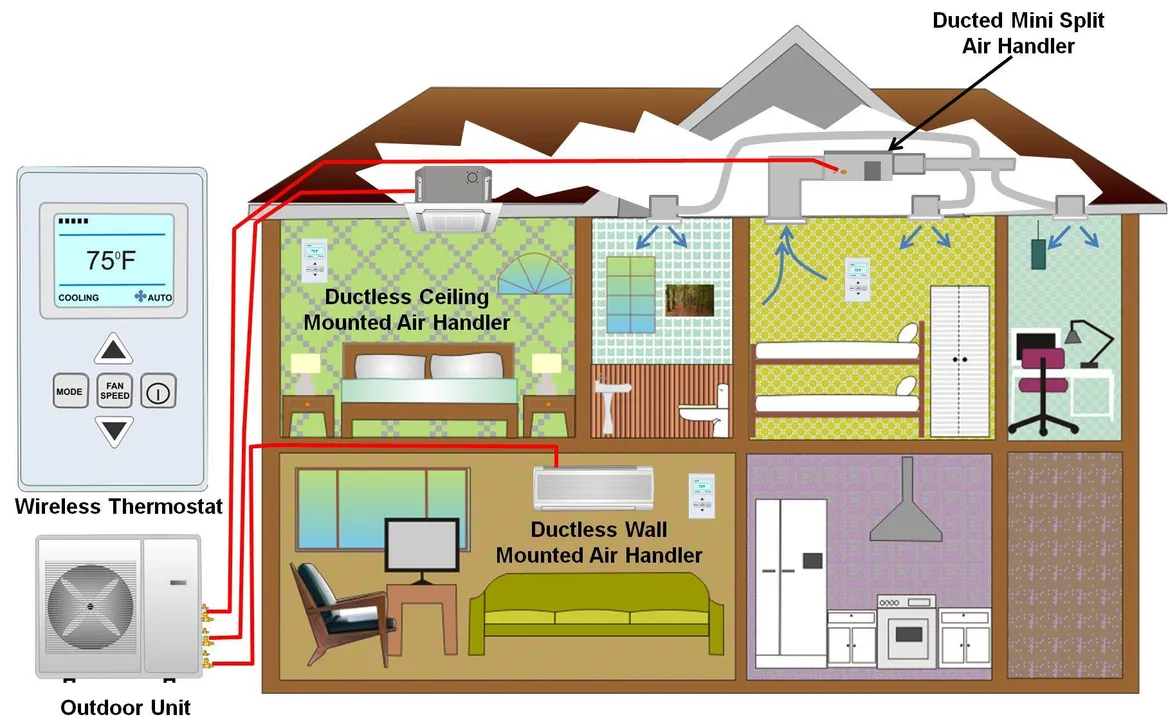
Thermal Management Systems in Electric Vehicles: PCB Design for Heat Pump HVAC, Energy Recovery, and High-Efficiency Control
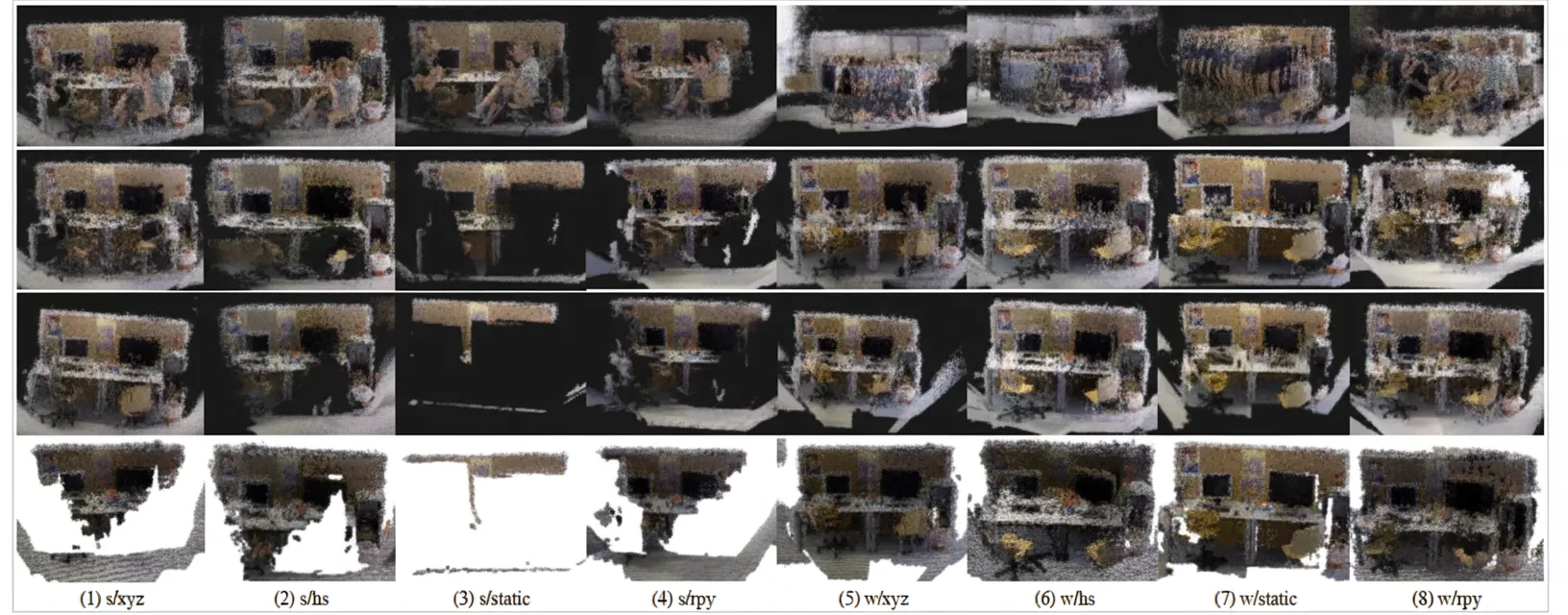
Multi-Level Map Construction for Dynamic Scenes

Key Technologies in Robotic Vacuum Cleaners: Sensors, Navigation, and PCB Integration

Relationship Between Industrial Robots, PLCs and Automation

Cellular Mobile Technology: PCB Design and Manufacturing for 4G/5G Networks

Relationship Between Engine Displacement and Horsepower

Diagnosing Daikin Air Conditioner F3 Fault Code: Discharge Temperature and PCB Issues

Is Lower Engine Temperature Better?
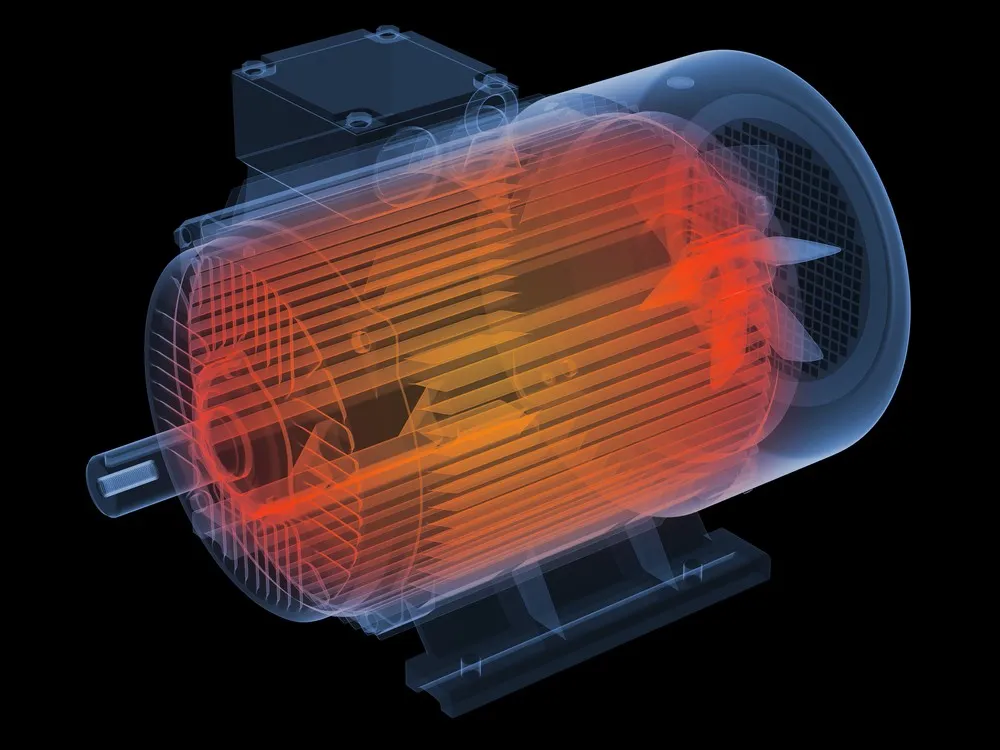
Motor Temperature Limits: Insulation Classes, Temperature Rise, and Overheating Prevention
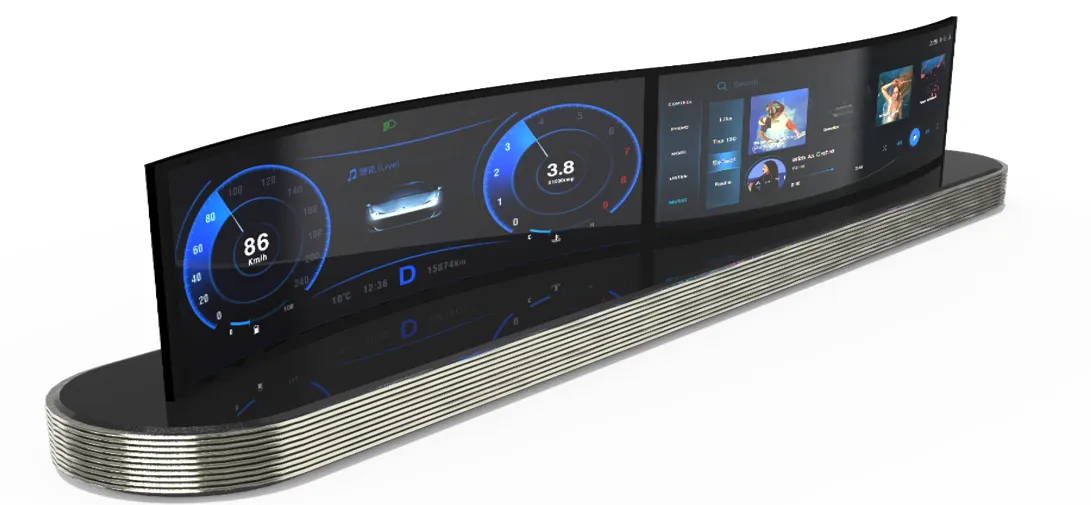
Flexible OLEDs for Automotive Applications: Design Considerations and Reliability Challenges


