


 00:53
Power Integrity
Power Integrity is a critical aspect of PCB design and electronics engineering, focusing on the stable delivery of power to integrated circuits and components within a system. It encompasses techniques to minimize noise, voltage fluctuations, and signal interference that can degrade performance or cause failures in high-speed and high-density boards. For engineers and designers searching for insights on Power Integrity, this tag serves as a comprehensive resource, covering fundamental concepts like power distribution network (PDN) analysis, impedance control, and decoupling strategies. Understanding these elements is essential for ensuring reliable operation in applications ranging from consumer electronics to automotive systems and data centers, where even minor power anomalies can lead to costly redesigns or product recalls. In practice, maintaining Power Integrity involves best practices such as optimizing layer stackups, selecting appropriate capacitors for bypassing, and employing simulation tools to predict and mitigate issues like ground bounce or electromagnetic interference. Articles under this tag delve into real-world case studies, offering actionable guidance on tools like SPICE simulations or frequency-domain analysis to validate designs before prototyping. Whether you are troubleshooting voltage droop in a new PCB layout or seeking ways to enhance power efficiency in embedded systems, the content here provides step-by-step approaches to achieve robust power management. By exploring the articles linked to this tag, you can gain deeper knowledge on advanced topics such as thermal considerations in power planes or integration with signal integrity principles. This collection equips you with the expertise to tackle common challenges and implement effective solutions, ultimately improving the overall quality and longevity of your electronic designs.
Video Guide
-
00:53
Technical Articles
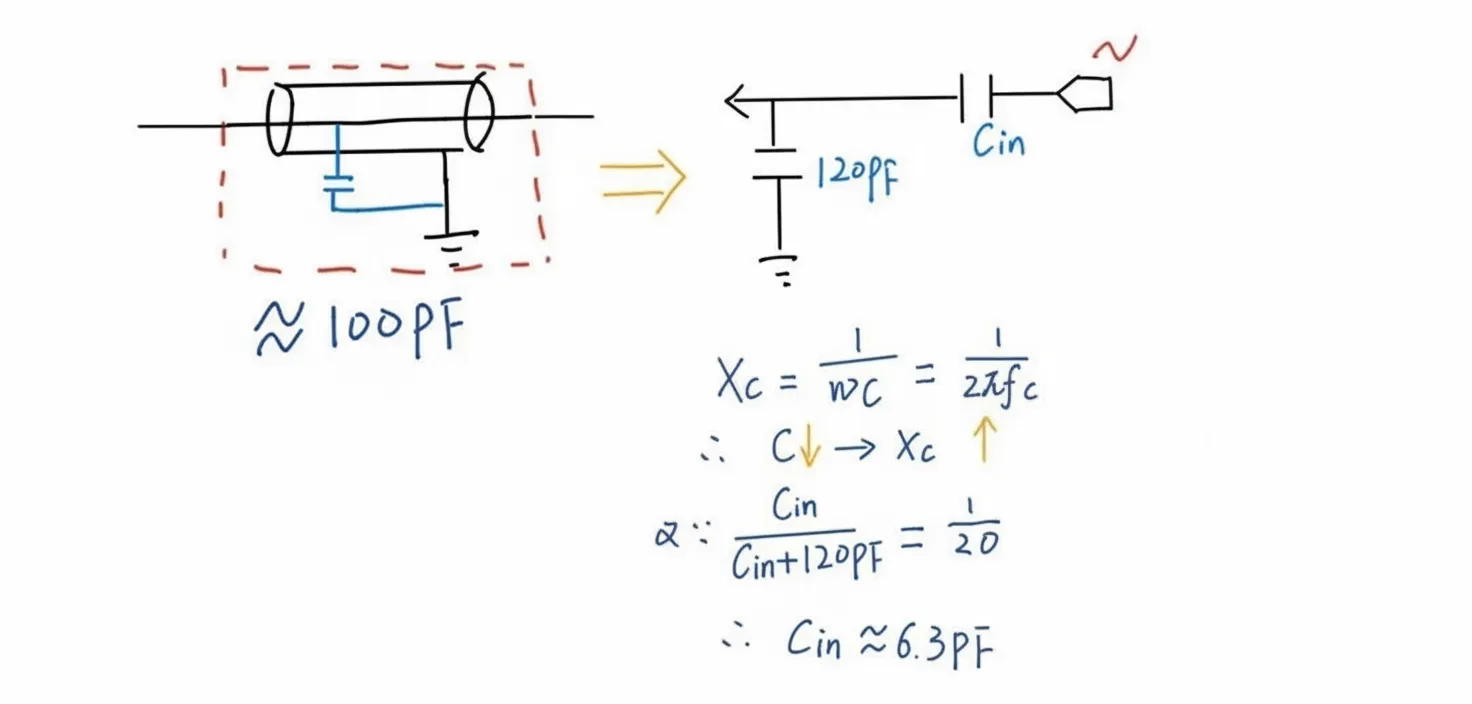
Oscilloscope Probes for PCB Signal Integrity: Passive vs Active Probes and Impedance Considerations
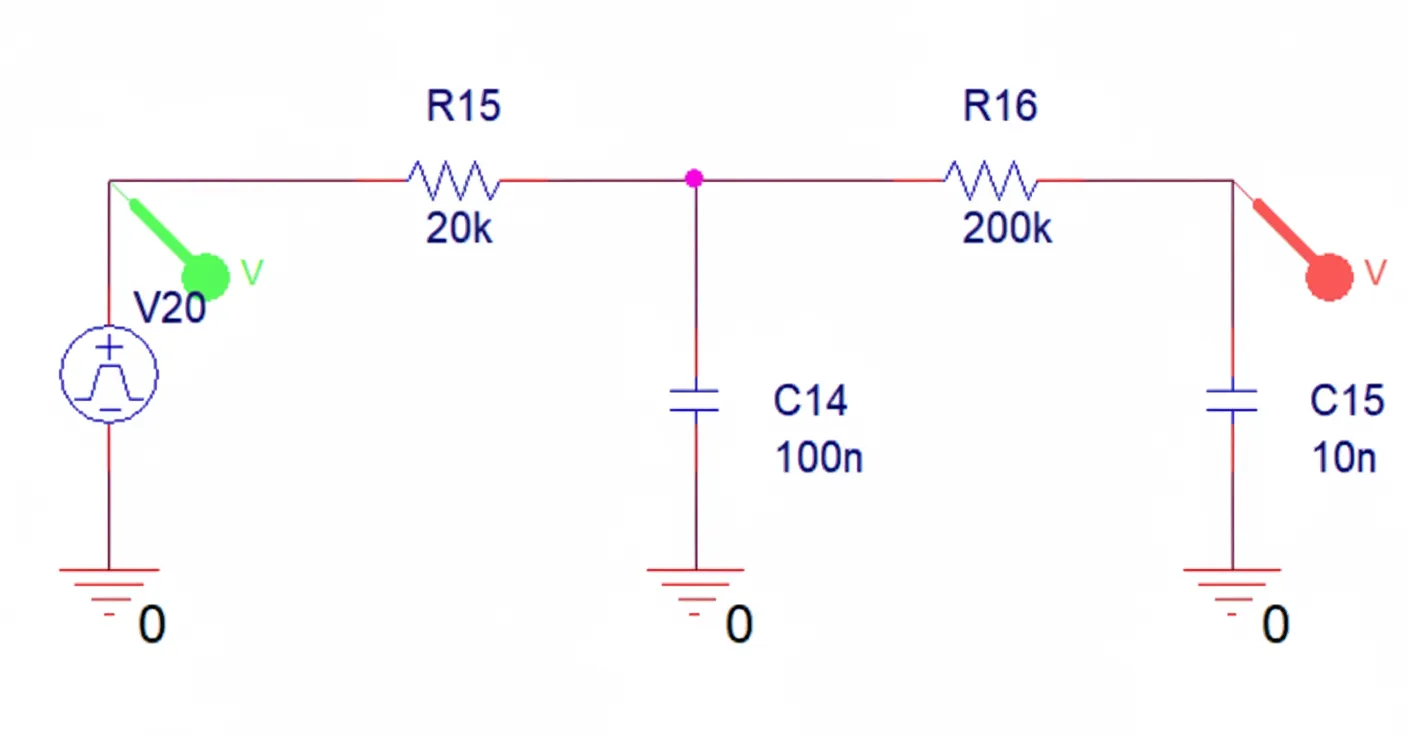
How Instrument Impedance Affects Voltage Measurements
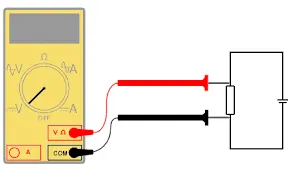
Power Integrity Testing in PCB Manufacturing: Current, Ripple, and Resistance Measurement Techniques

Will QLC All-Flash Replace Hybrid Storage?
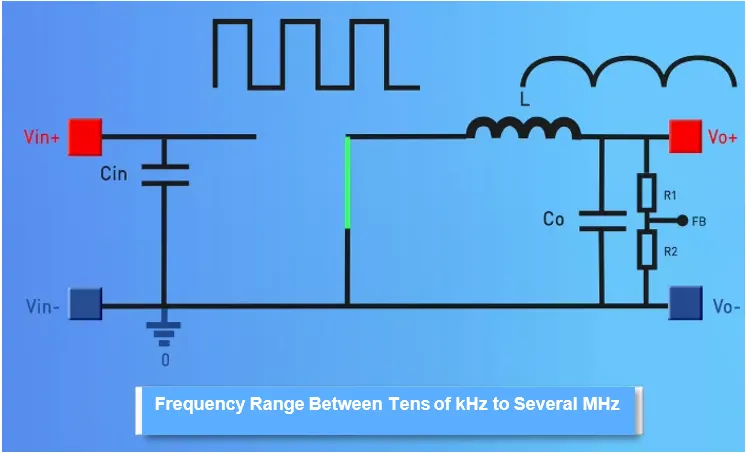
Ripple Voltage Measurement Methods
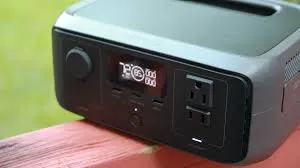
Three Core Technologies for Portable Power
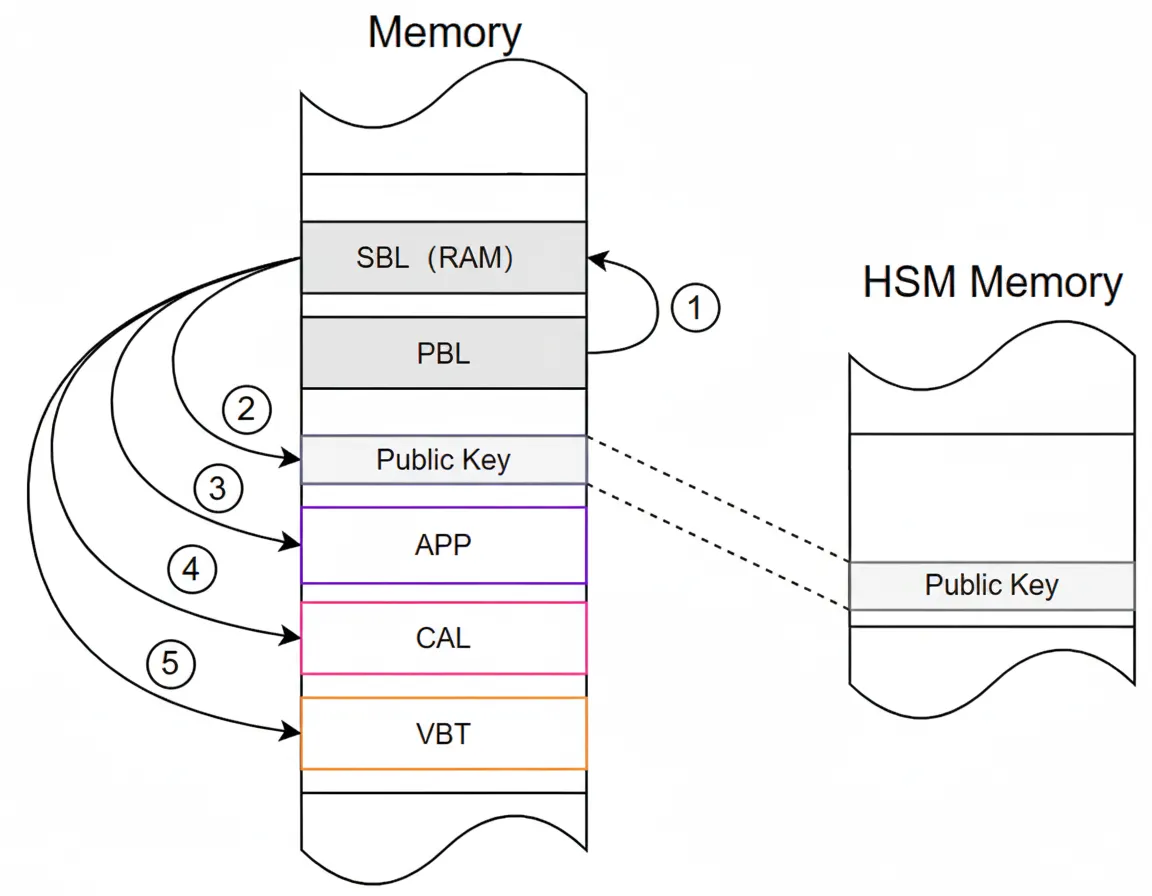
PCB Design and Manufacturing for Automotive Cybersecurity, Functional Safety, and Secure Boot Systems

Which Memory Is Fastest?
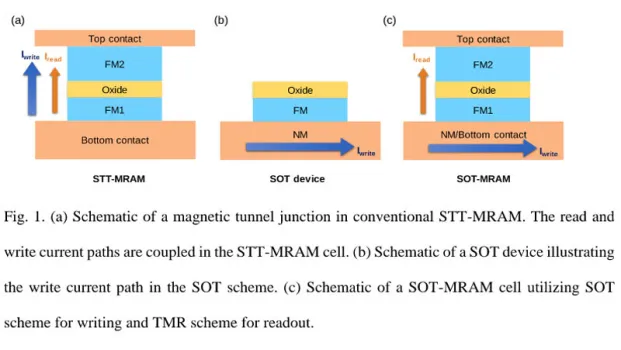
PCB Design Considerations for Advanced Memory Technologies: SOT-MRAM, eFuses, 3D Stacked DRAM, and Sub-Nanometer CMOS
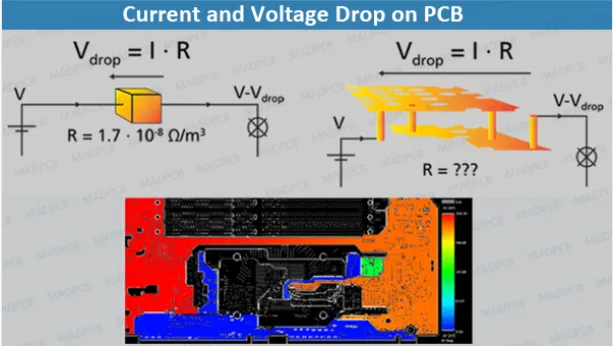
Power Integrity and PCB Trace Design: Minimizing Voltage Drop and Ensuring Stable Power Delivery

Overview of Network Security Devices: PCB Design, Manufacturing, and Reliability Considerations
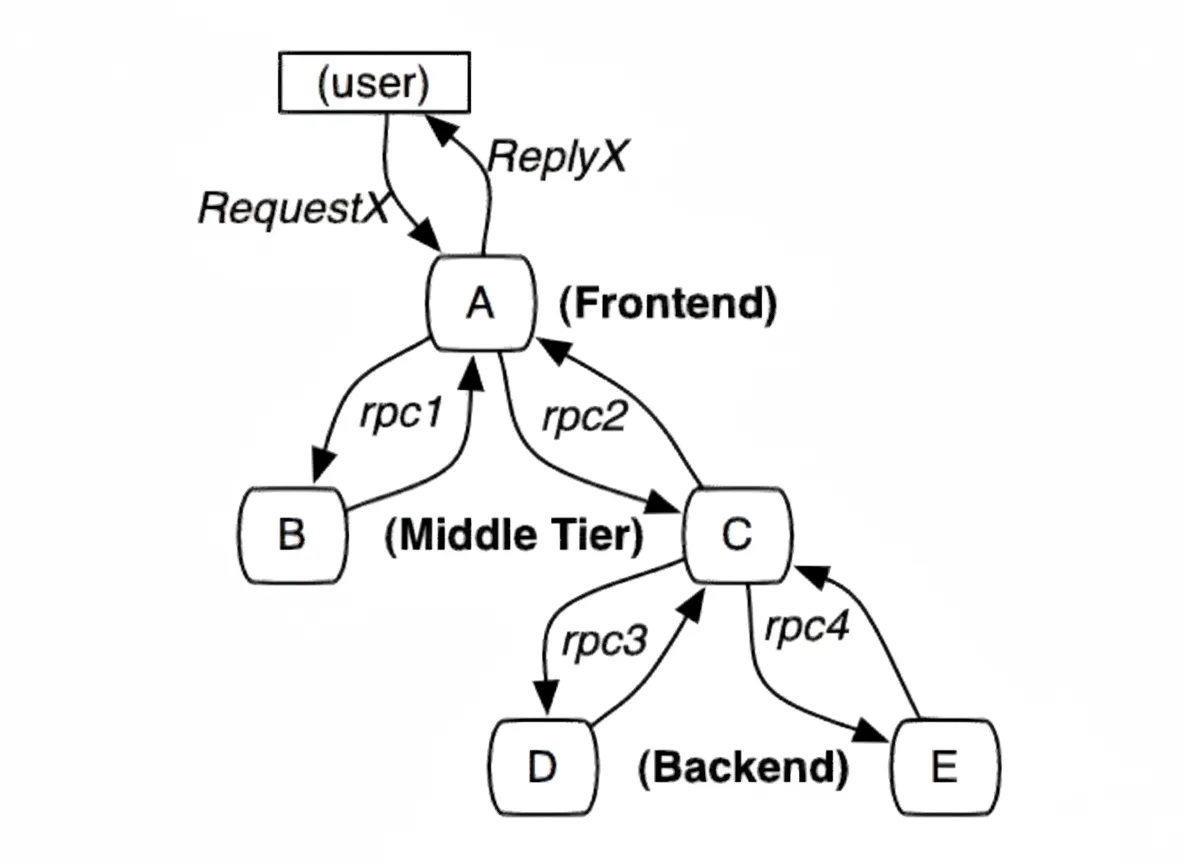
Practical Analysis of Full-Stack Tracing for Microservices
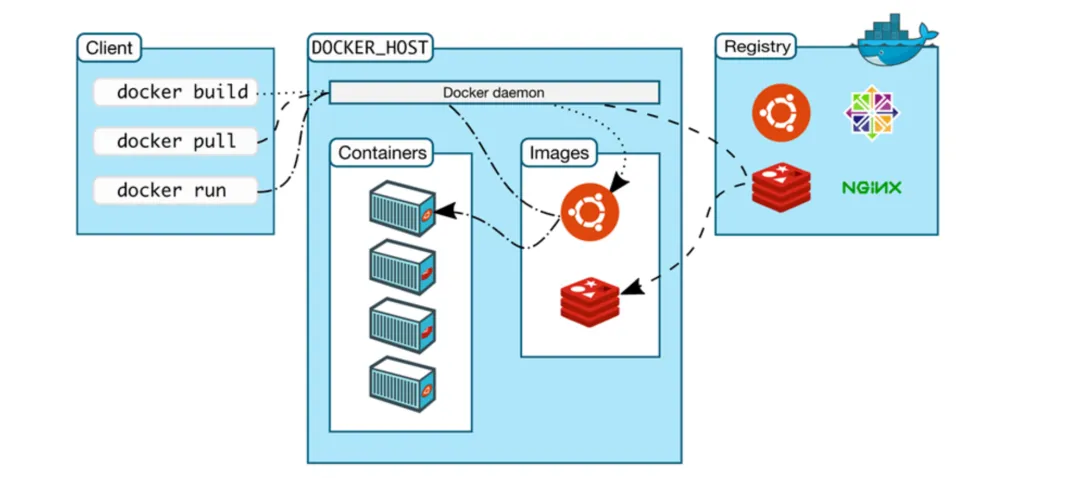
How Cloud Security Differs from Traditional Security

Why Attackers Target IoT Devices: PCB Technologies for Enhanced IoT Security

Seven Common Enterprise Firewall Solutions
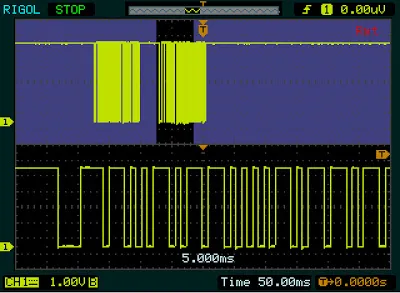
100 Oscilloscope Basics Q&A
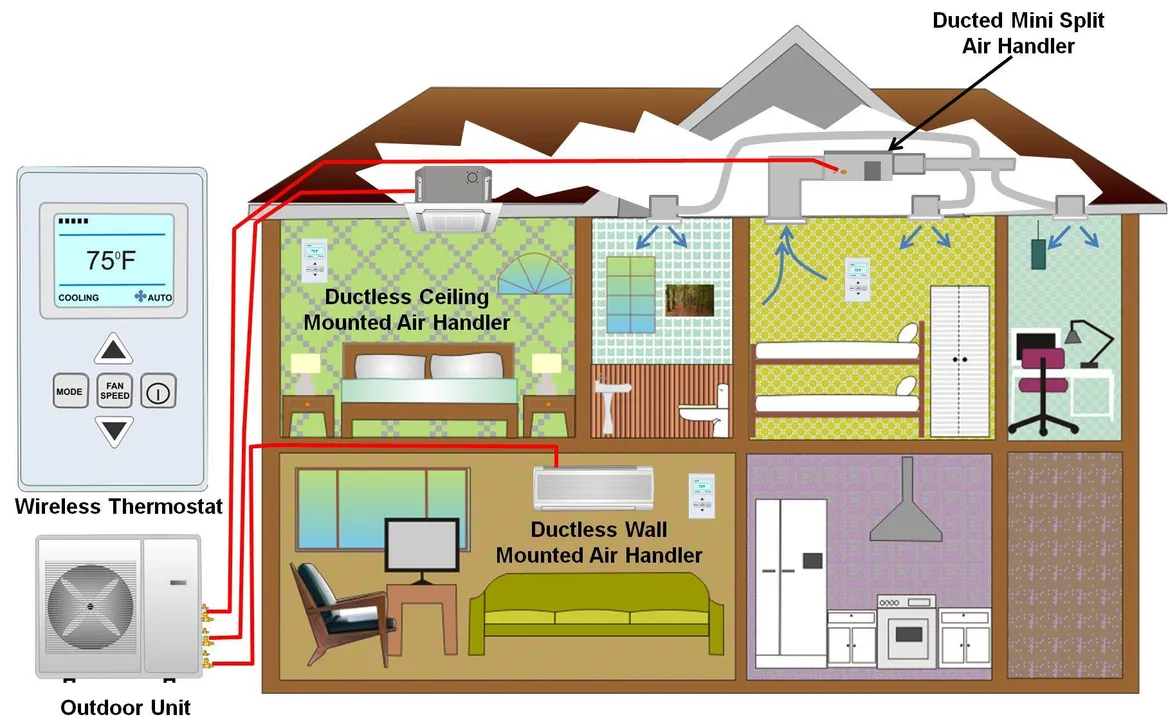
Thermal Management Systems in Electric Vehicles: PCB Design for Heat Pump HVAC, Energy Recovery, and High-Efficiency Control

Optimizing OLED Display Performance in Wearable Devices: Power Efficiency and Image Quality
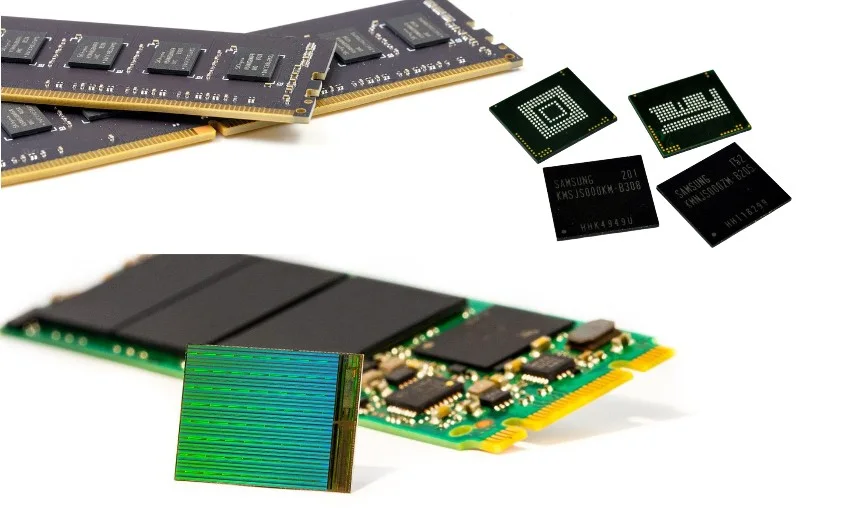
Selecting Memory Types for In-Memory Computing Chips


