 00:57
00:57
Power Planes
Power planes are essential components in printed circuit board (PCB) design, serving as dedicated layers that distribute power and ground signals across the board. In multilayer PCBs, these planes provide a low-impedance path for current, minimizing voltage drops and ensuring stable power delivery to components. For engineers and hobbyists searching for information on power planes, this tag aggregates articles that delve into their implementation, advantages, and common pitfalls, helping you optimize your designs for reliability and performance. Understanding power planes begins with their role in reducing electromagnetic interference (EMI) and improving signal integrity. By placing power and ground planes adjacent to signal layers, you create a controlled impedance environment that suppresses noise and crosstalk, which is particularly critical in high-speed digital circuits or analog systems. Practical applications include embedded systems, RF devices, and power electronics, where efficient heat dissipation and uniform power distribution can prevent failures like thermal hotspots or erratic behavior. To make the most of power planes, follow best practices such as incorporating sufficient vias for interconnections, using decoupling capacitors strategically near ICs to filter noise, and maintaining plane integrity by avoiding unnecessary splits. Simulations with tools like SPICE or PCB design software can help verify plane effectiveness before fabrication. Whether you're troubleshooting a noisy prototype or scaling up a complex board, the insights here offer actionable guidance to enhance your projects. Browse the articles under this Power Planes tag to find detailed tutorials, case studies, and expert tips that address specific design challenges and innovations in this area.
Video Guide
-
00:57
Technical Articles

PCB Design and Manufacturing for Artificial Intelligence Systems: Principles, Model Development, and Real-World Applications
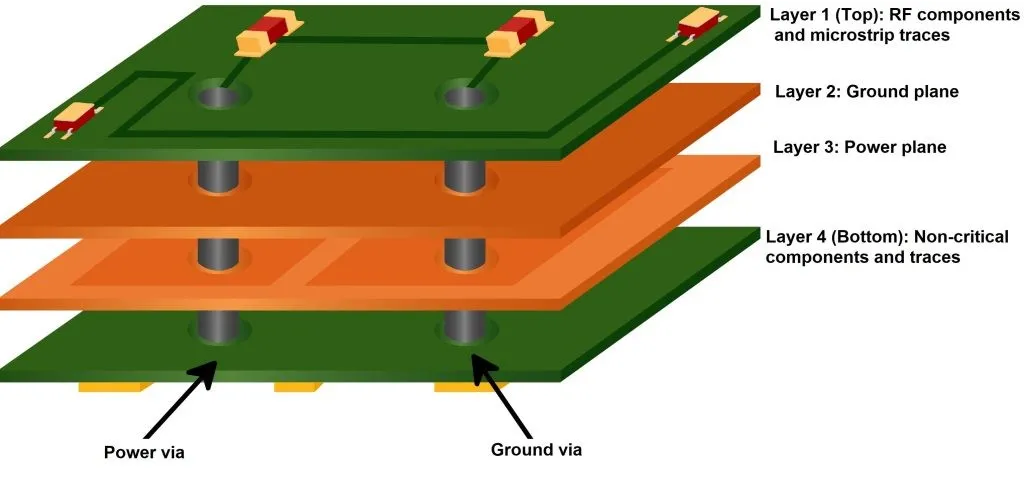
Impedance Control with Power Plane, design
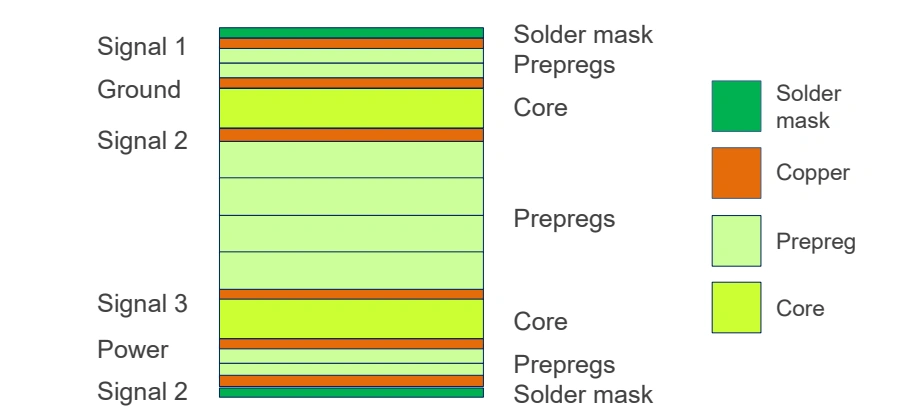
Power Plane and Capacitor Placement Strategy
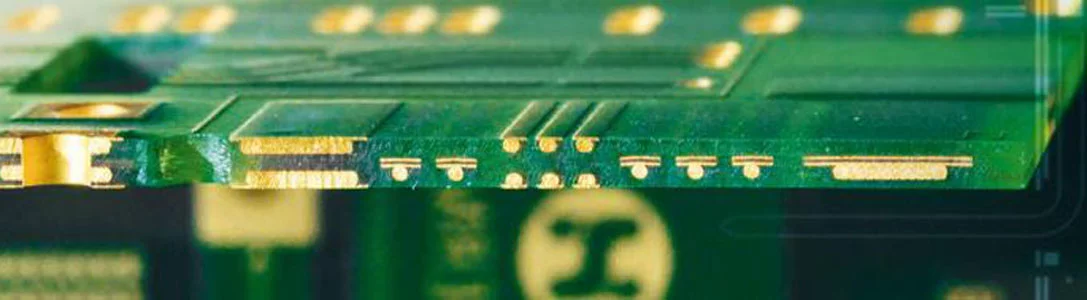
Building a High Current Power Supply with Thick Copper PCBs: A Step by Step Guide
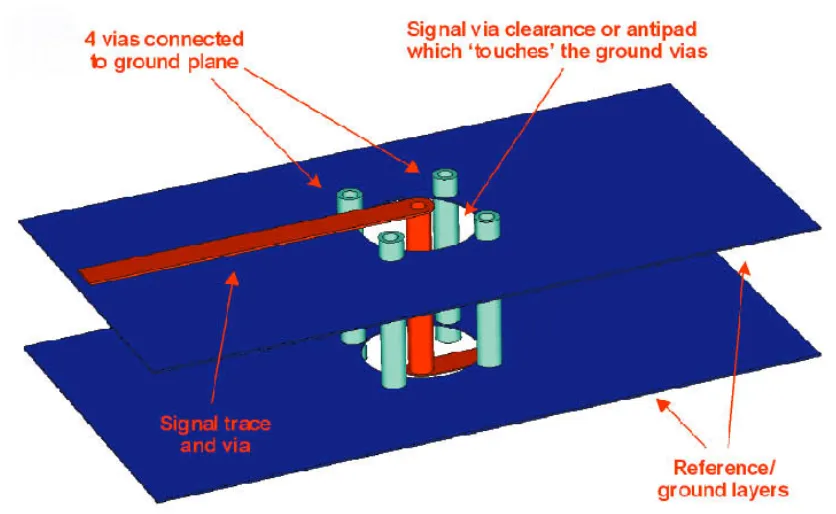
Understanding Power and Ground Planes in Multi Layer PCBs
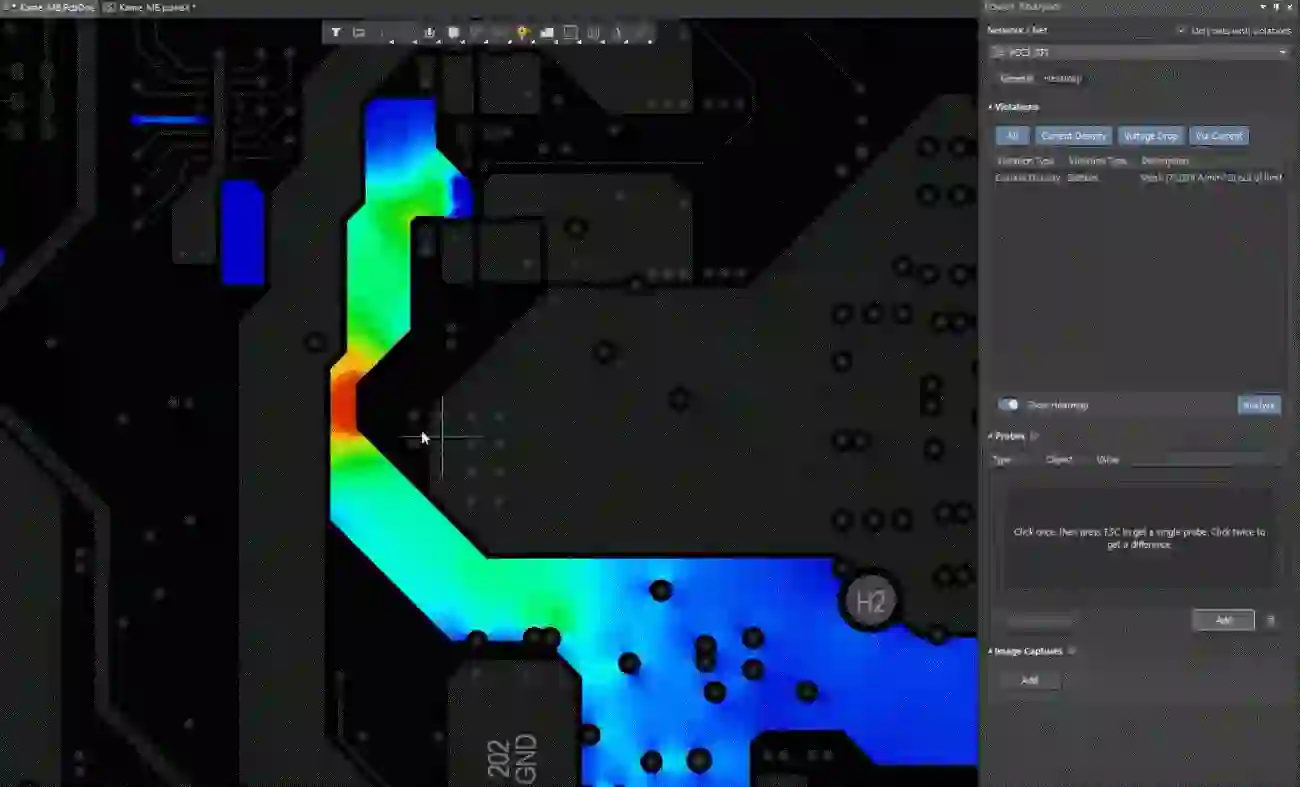
Designing with Power Integrity in Mind: Construction PCB Strategies
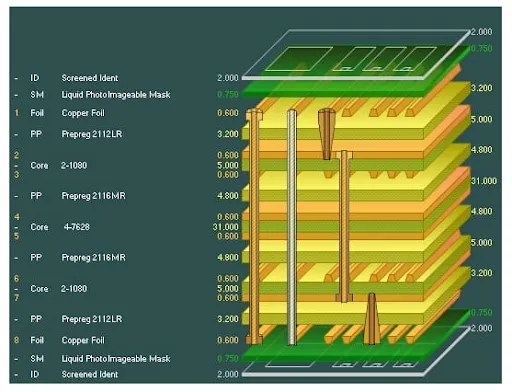
Ground and Power Structures and Routing on Multi Layer Boards

Tesla shifts vehicle low-voltage from 12V to 48V
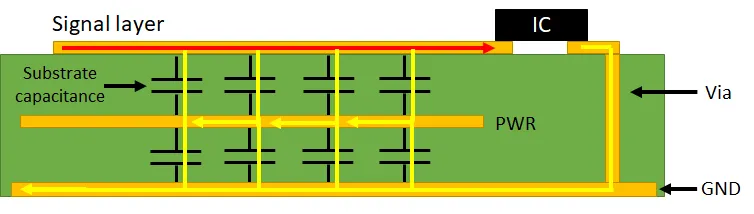
Optimizing Power and Ground Planes in Stackup for Better Circuit Performance
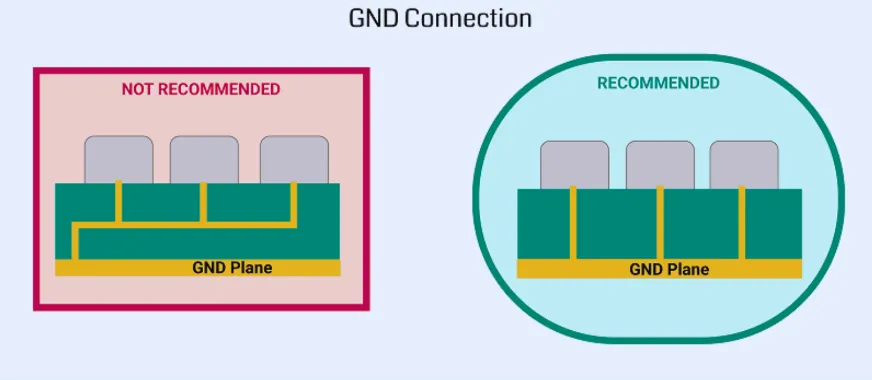
PCB Grounding Techniques: A Guide to Minimizing Noise and Ensuring Reliable Connections
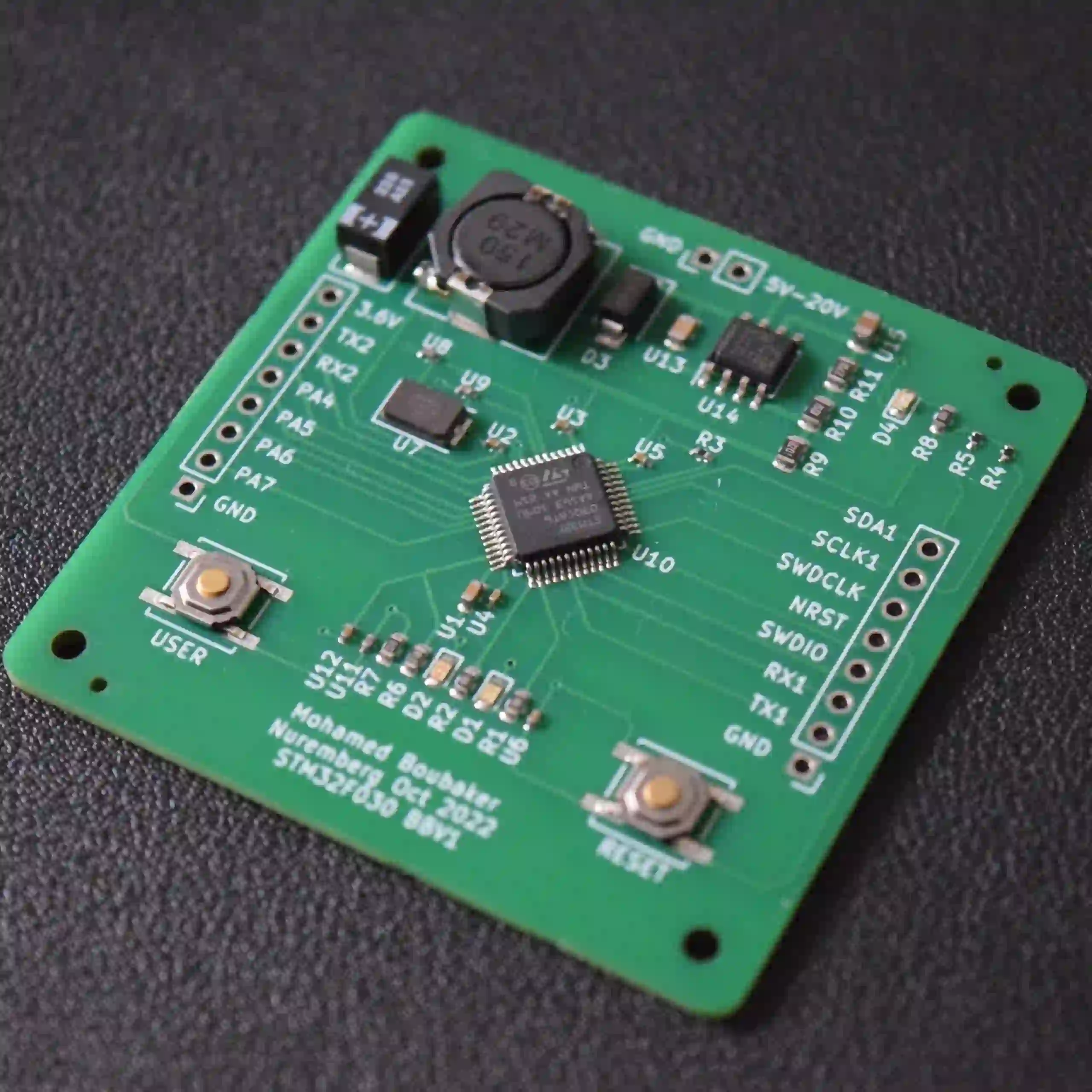
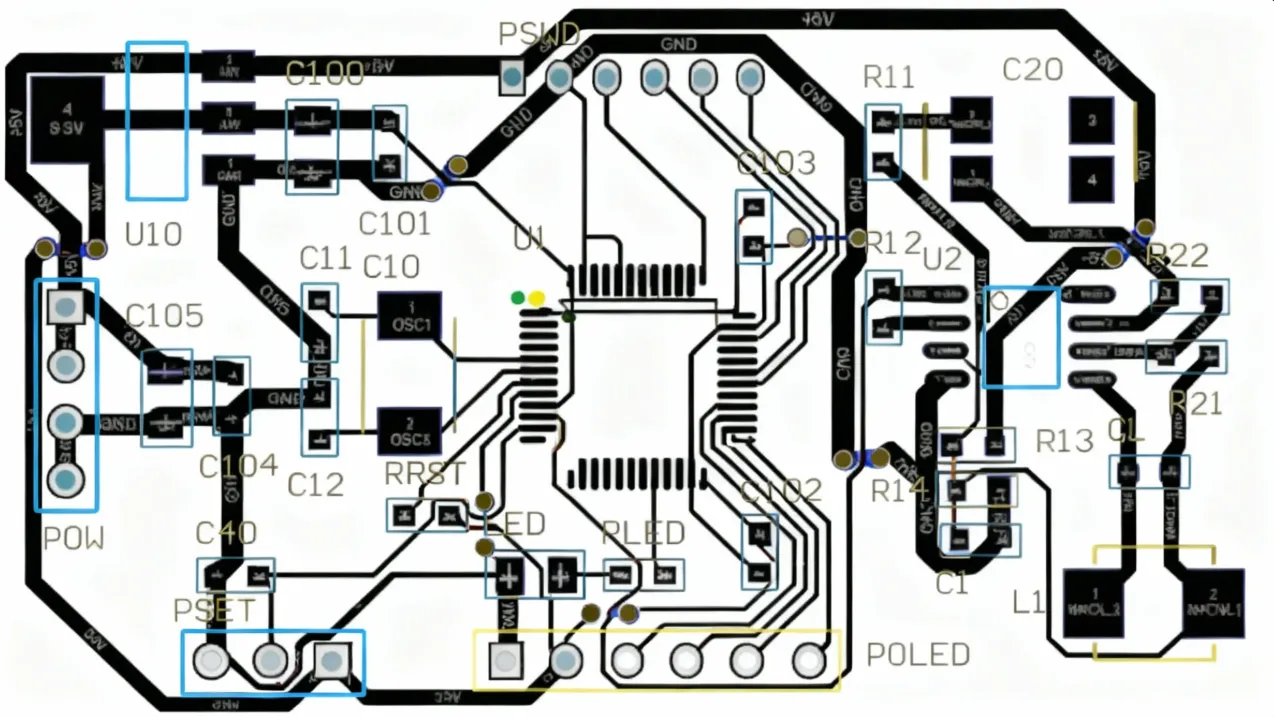
STM32 Minimal System Design Guide
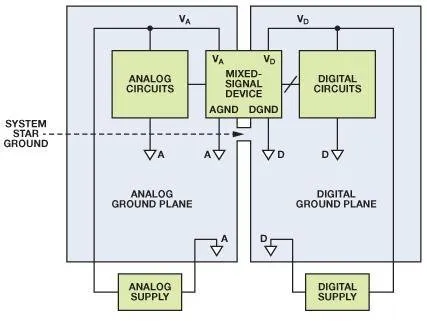
4 Layer PCB Ground Plane and Power Plane Design Guide

Infrared Thermal Imaging for PCB Thermal Management, Reliability Testing, and Manufacturing Quality Control
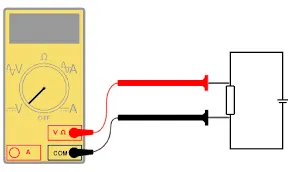
Power Integrity Testing in PCB Manufacturing: Current, Ripple, and Resistance Measurement Techniques
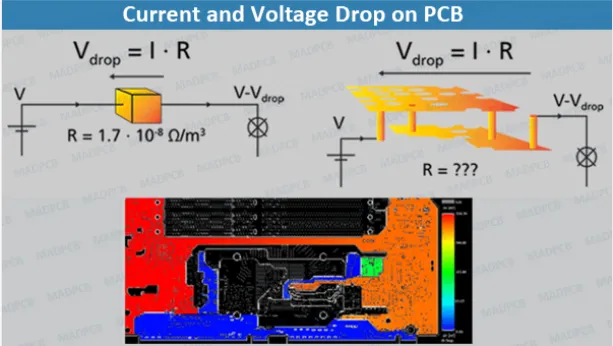
Power Integrity and PCB Trace Design: Minimizing Voltage Drop and Ensuring Stable Power Delivery

NAND vs NOR Flash Memory in PCB Design: Technical Comparison, Interface Selection, and Optimization Strategies
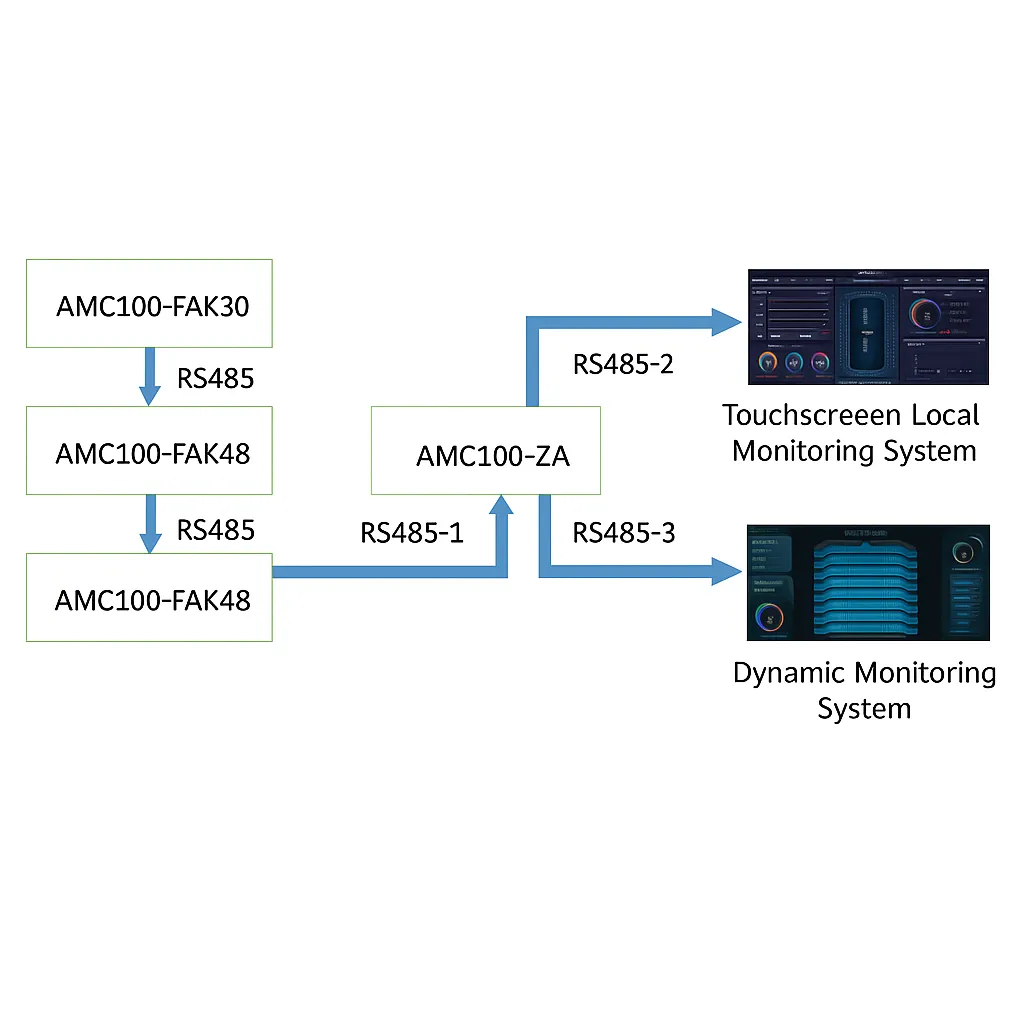
Acrel AMC100 Monitoring for Data Center Power Distribution

6-Layer PCB Power Distribution Networks: Design for Low Noise and High Efficiency
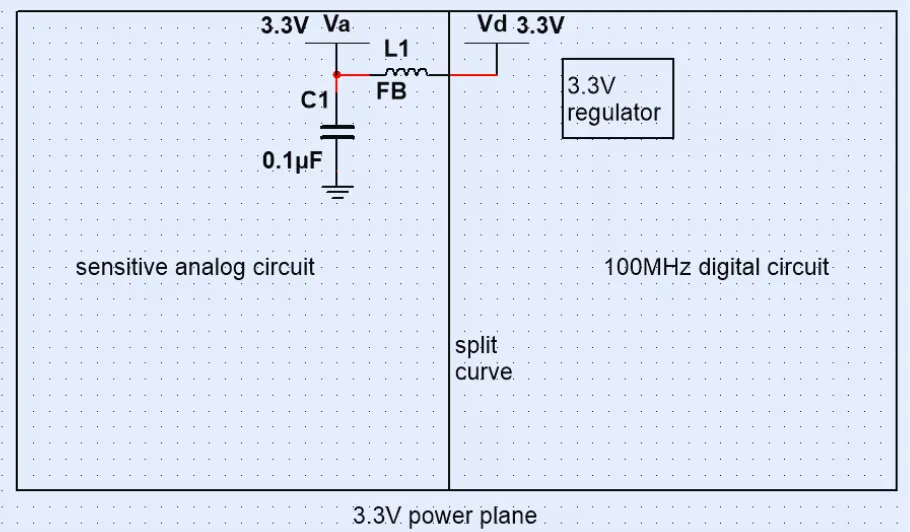
When and Why to Split Power Planes in PCB Design