Stencil Printing
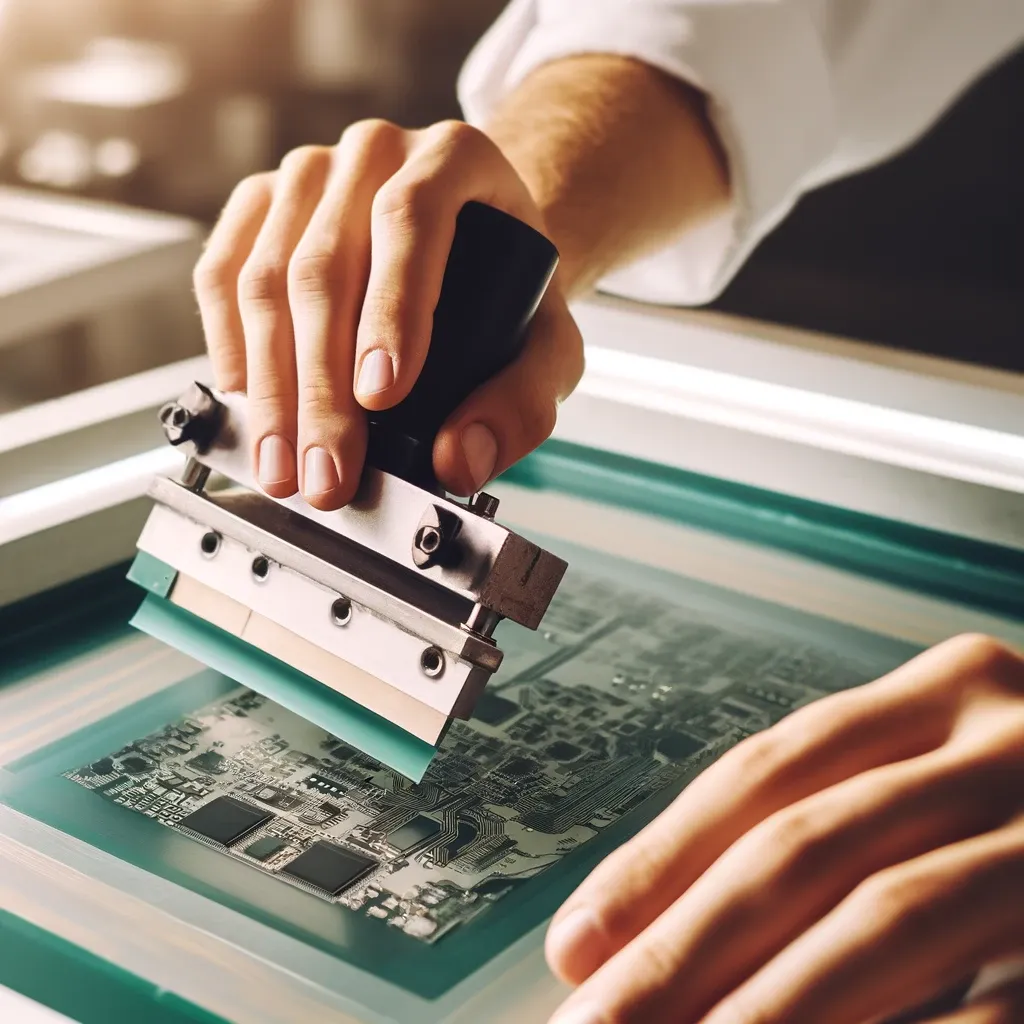
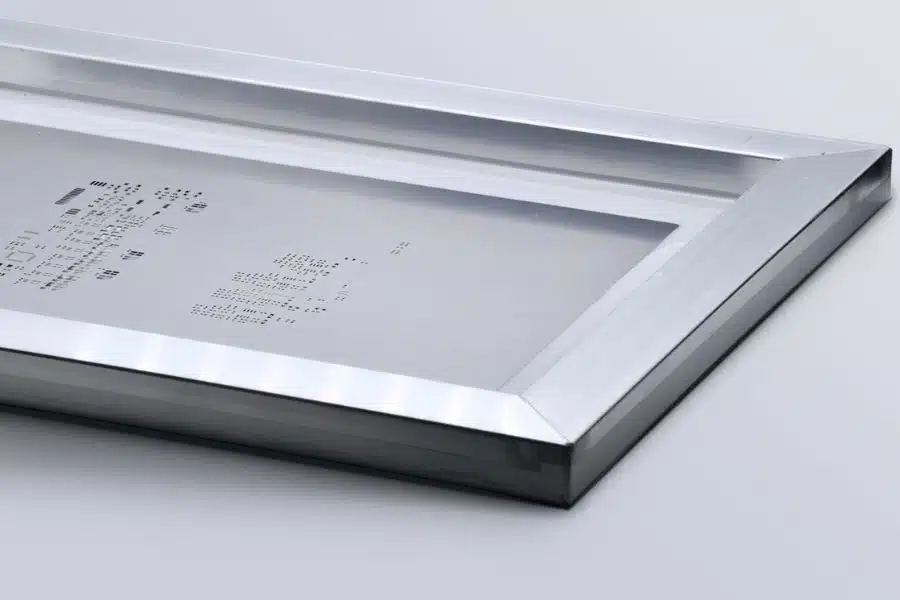
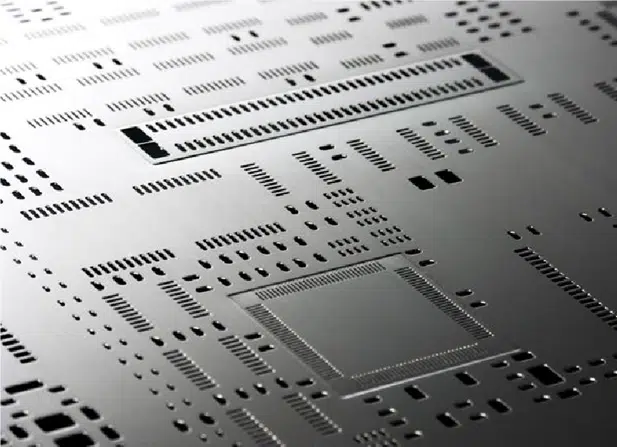
Stencil printing plays a crucial role in the PCB assembly process, serving as the foundational step for applying solder paste accurately onto circuit boards. This technique involves using a metal stencil with precise apertures to deposit solder paste onto the pads where components will be placed, ensuring reliable connections during reflow soldering. For engineers, hobbyists, and manufacturers searching for information on stencil printing, this tag gathers in-depth resources that address common challenges and optimize production workflows. Understanding the nuances of stencil design, such as aperture size, thickness, and material selection, can significantly reduce defects like bridging or insufficient paste volume, leading to higher yield rates in both prototype and high-volume runs. Practical applications of stencil printing extend from small-scale DIY projects to industrial SMT lines, where precision directly impacts the performance of electronic devices. Best practices include aligning the stencil properly with the PCB, maintaining consistent squeegee pressure, and inspecting for paste uniformity to avoid issues like tombstoning or solder balls. Users often seek guidance on selecting the right stencil type, whether laser-cut or chemically etched, and troubleshooting equipment like manual printers or automated systems. By mastering these elements, you can achieve finer pitch printing for advanced components, enhancing overall assembly efficiency. The articles under this stencil printing tag provide detailed insights into emerging trends, such as nano-coatings for improved release and software tools for stencil optimization. Whether you are refining your process for better repeatability or exploring cost-effective alternatives to traditional methods, these resources offer valuable knowledge to elevate your electronics projects. Readers can find step-by-step tutorials, case studies, and expert tips that align with real-world scenarios, helping to streamline your approach to PCB fabrication.
Technical Articles
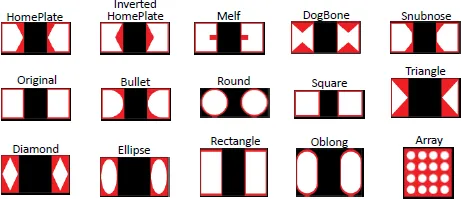
Optimizing SMT Stencil Usage for High Volume PCB Production
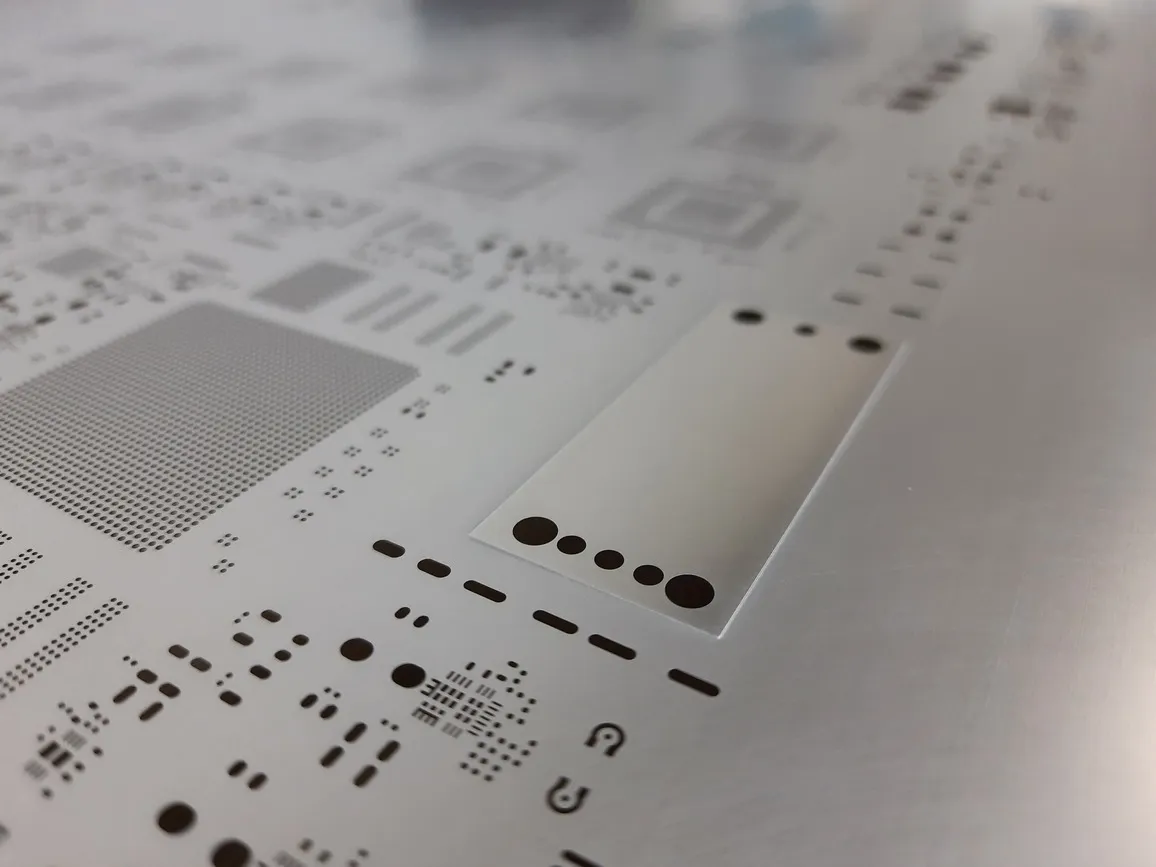
Step Stencils: Optimizing Solder Paste Deposition for Mixed-Component PCBs
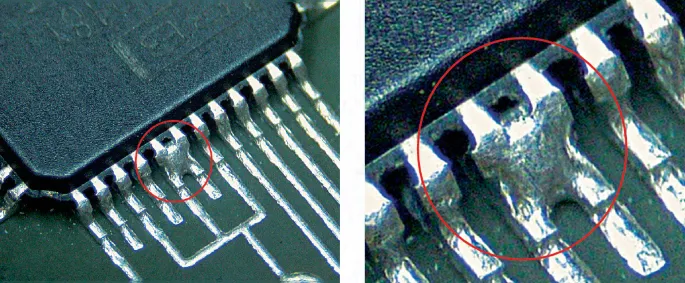
Troubleshooting Common Issues with Step Up Stencil Printing
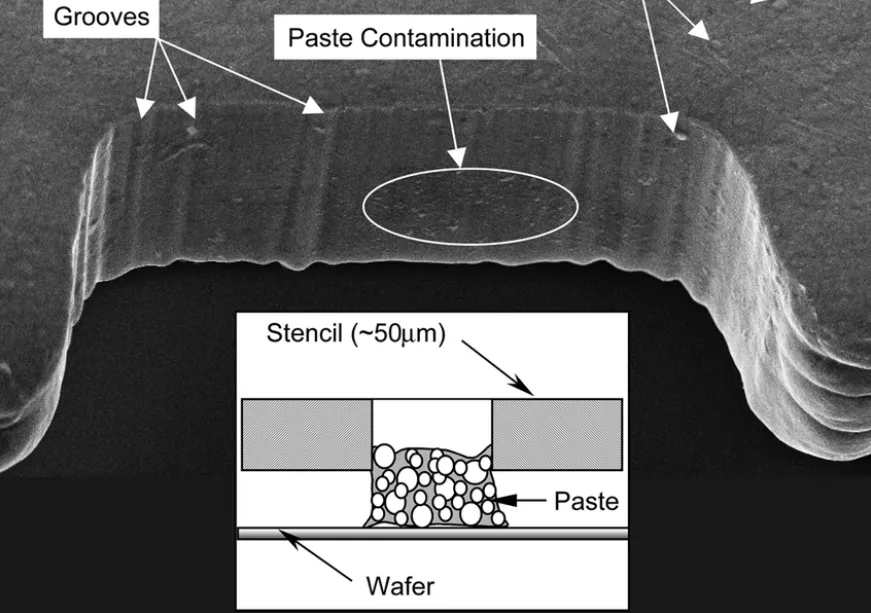
SMT Stencil Materials Face-Off: Stainless Steel vs. Nickel – Which Reigns Supreme?
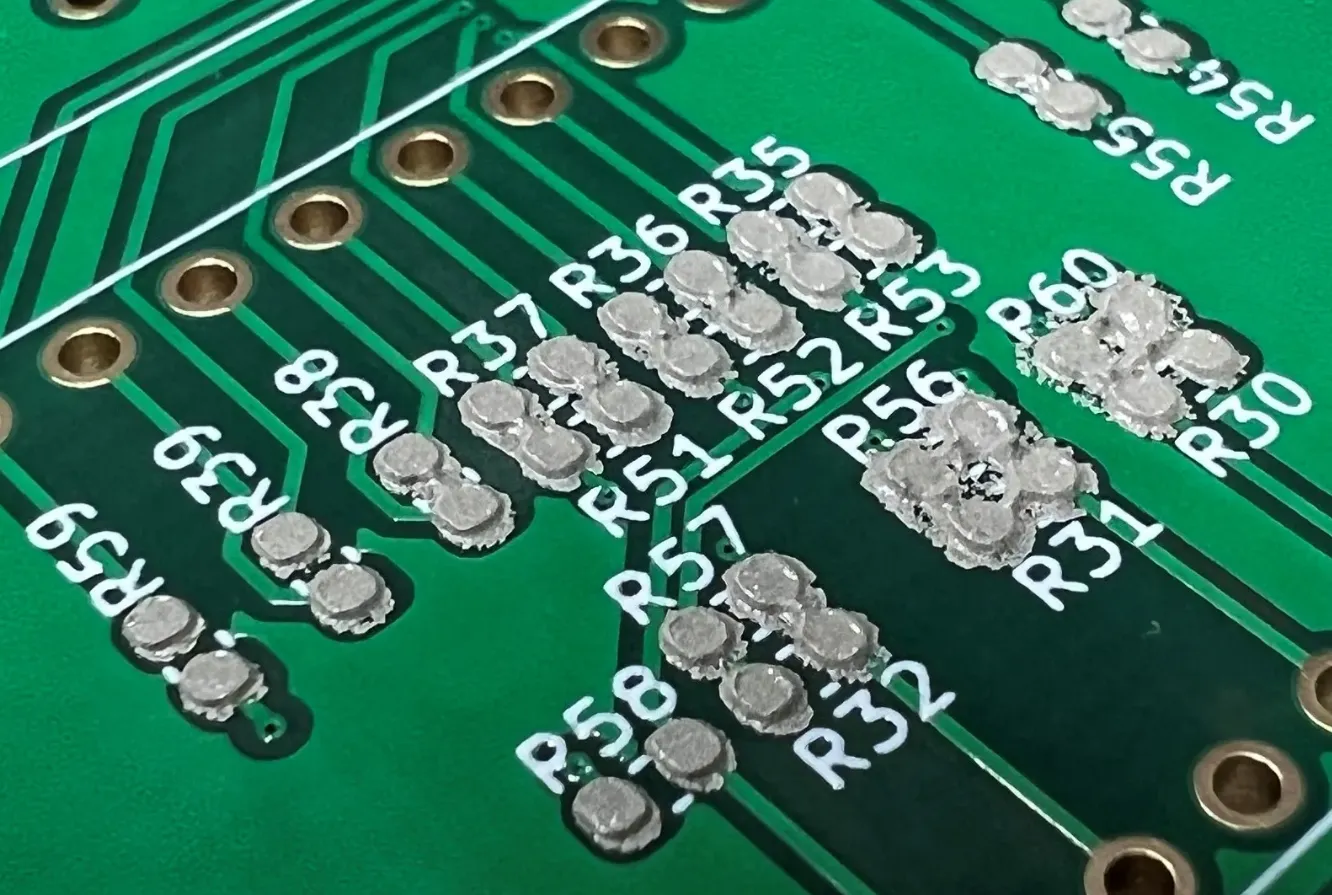
Optimizing Solder Paste Application with Step Up Stencils
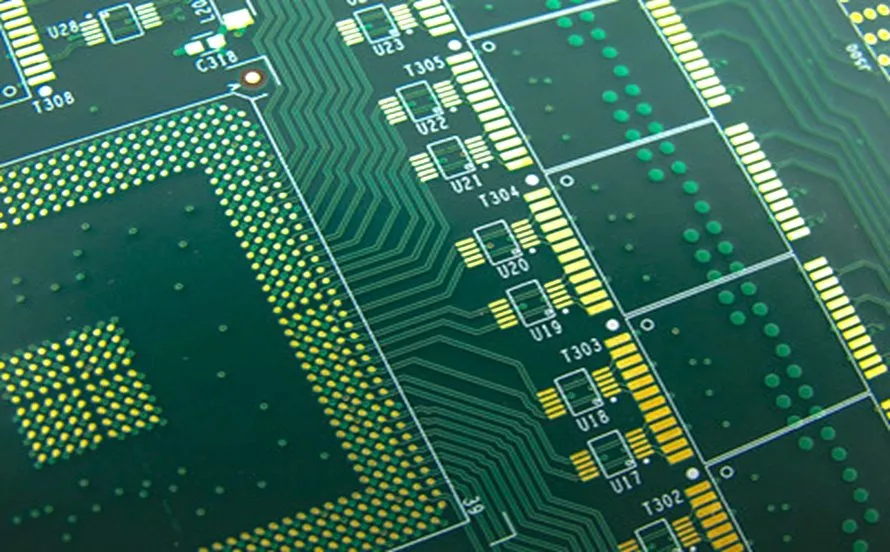
Fine-Pitch SMT Stencils: Achieving Precision in High-Density PCB Assembly
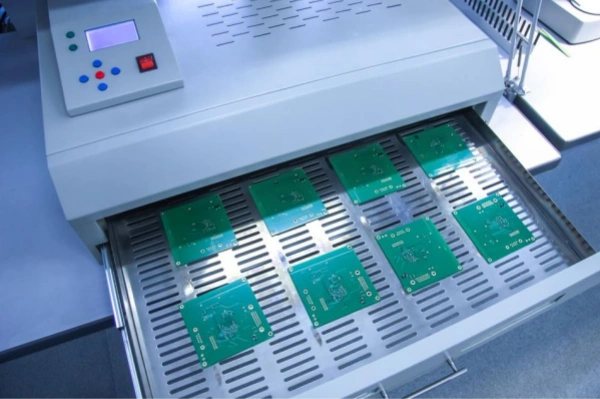
Reflow Techniques for Through Hole
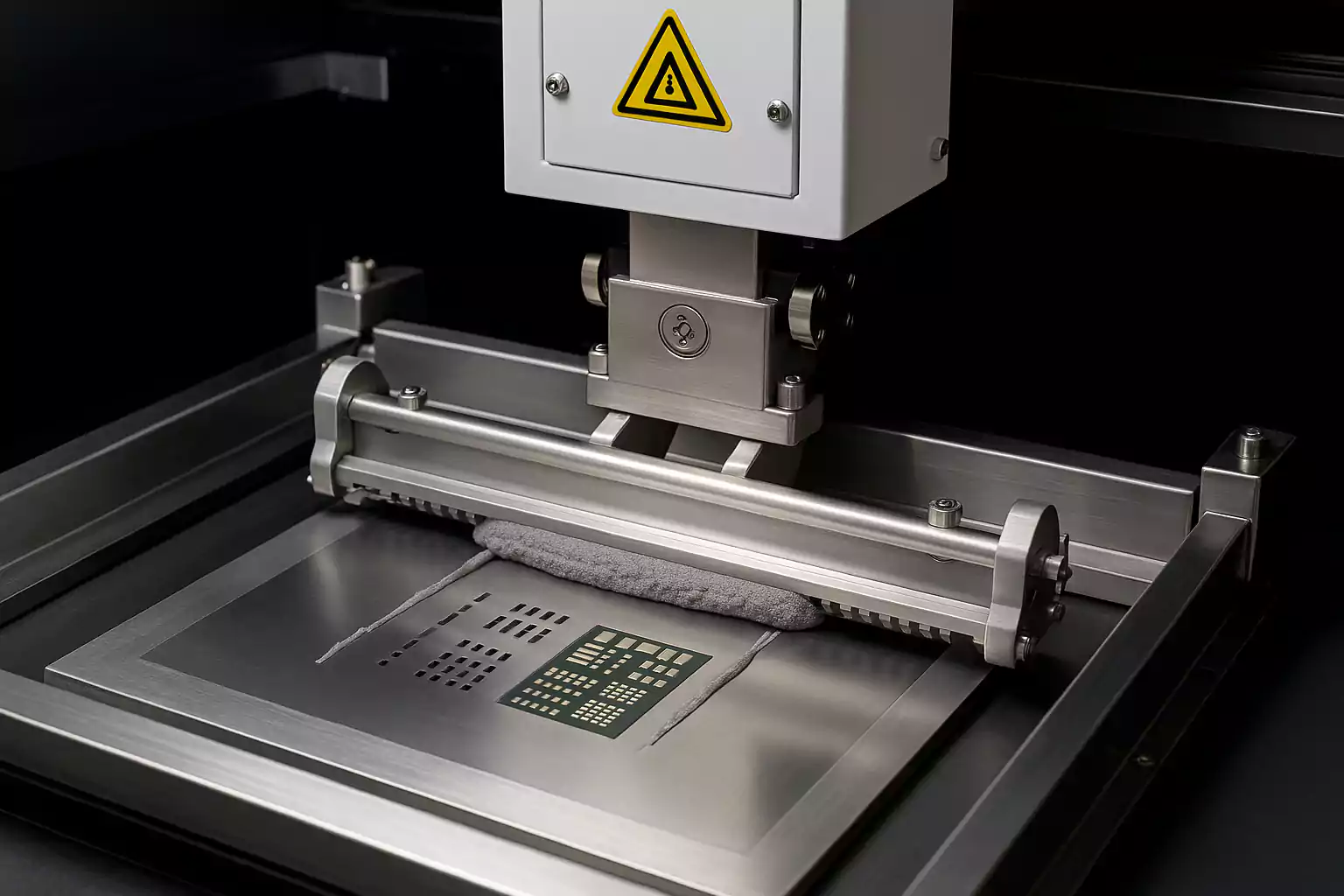
Stencil Printing with Lead Free Solder Paste: Best Practices for Reliable Assembly
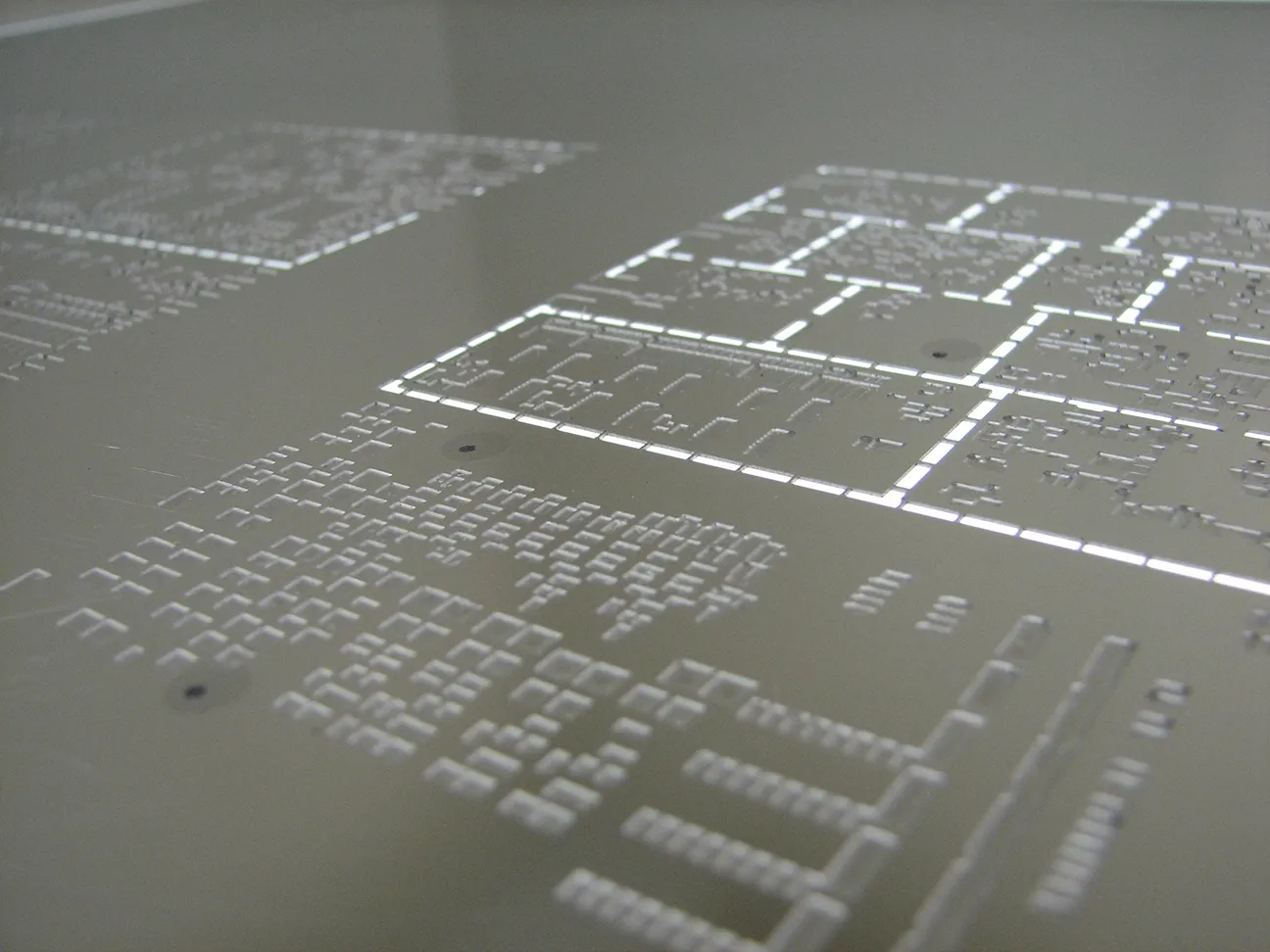
Step Down Stencil: The Impact on PCB Rework and Repair
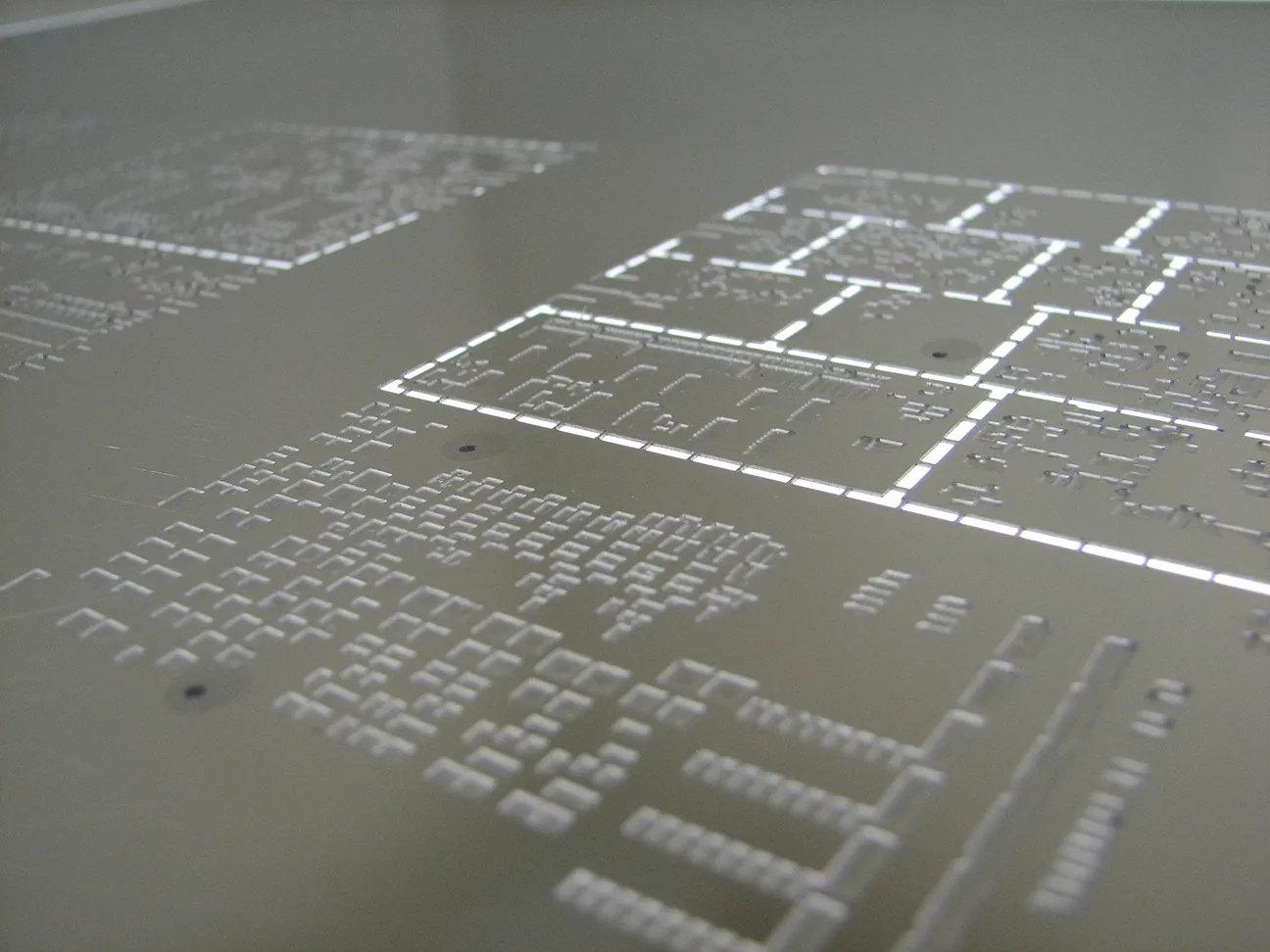
Step Down Stencil: A Guide to Using Frameless vs Frame Stencils
Step Down Stencils: Why Engineers are Moving Towards this Technology
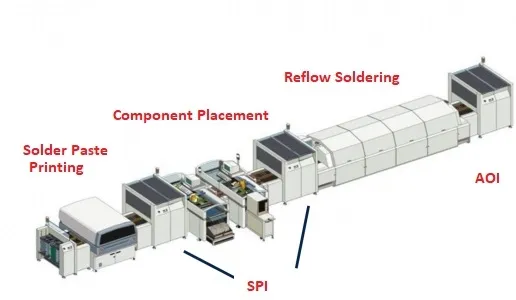
The Reflow Soldering Process: A Practical Guide for Electrical Engineer’s Guide