










MEMS & Sensor Technology
MEMS & Sensor Technology represents a cornerstone of modern electronics, blending microfabrication techniques with sensing capabilities to enable compact, efficient devices that interact with the physical world. This category delves into the intricate world of Micro-Electro-Mechanical Systems (MEMS) and advanced sensor technologies, covering everything from fundamental principles to cutting-edge innovations. Whether you are an engineer designing next-generation wearables or a researcher exploring environmental monitoring solutions, understanding these technologies is essential for driving progress in fields like IoT, automotive systems, and healthcare. At the heart of this category, you will find comprehensive guides that break down MEMS fabrication processes, including photolithography and etching methods, alongside tutorials on integrating sensors into PCB designs for optimal performance. Our articles offer practical insights into selecting the right sensors for specific applications, such as accelerometers for motion detection or pressure sensors for industrial automation. We also share best practices for calibration, signal processing, and overcoming common challenges like noise reduction and power efficiency, ensuring you can apply these concepts to real-world projects with confidence. The practical value of MEMS & Sensor Technology extends far beyond theory, powering everyday devices from smartphones with gesture recognition to autonomous vehicles equipped with LiDAR and radar systems. In medical applications, these technologies facilitate precise diagnostics through biosensors, while in environmental science, they enable accurate data collection for climate monitoring. By exploring the articles in this category, you gain access to a wealth of knowledge that highlights technical relevance and inspires innovative solutions. Stay informed on emerging trends, such as flexible sensors for wearable tech or AI-enhanced data interpretation, to remain at the forefront of this dynamic field.
Latest Blogs
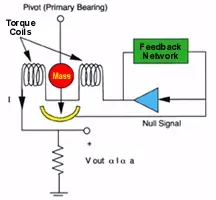
Principles of Servo Pressure Sensor Operation
Overview of servo accelerometer and servo pressure sensor operation, force-balance null detection, coil restoring force, low hysteresis, DC stability, and bandwidth limitations.
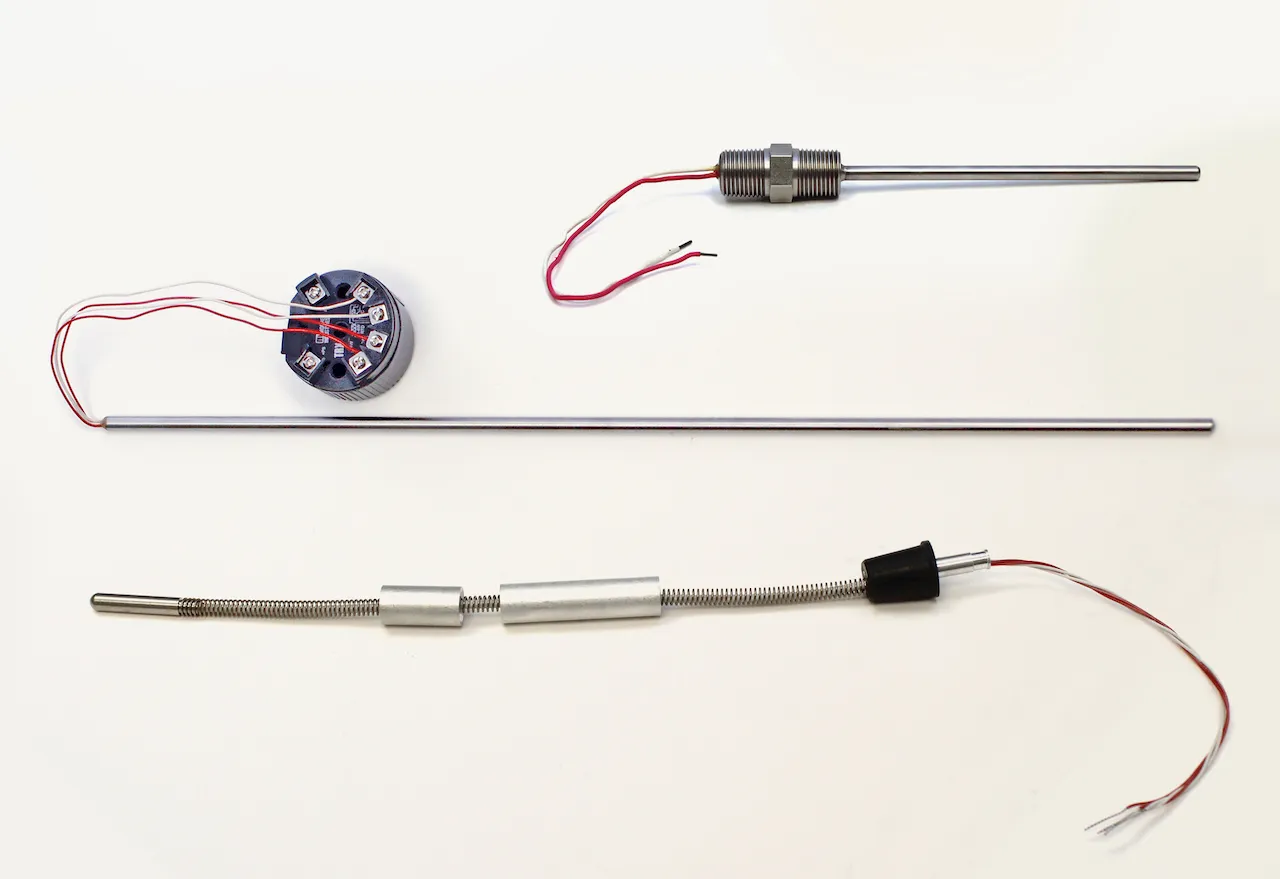
Differences Between RTDs and Thermocouples
Technical comparison of RTDs (resistance thermometers) and thermocouples: measurement principles, temperature range, accuracy, response time, stability, and applications.
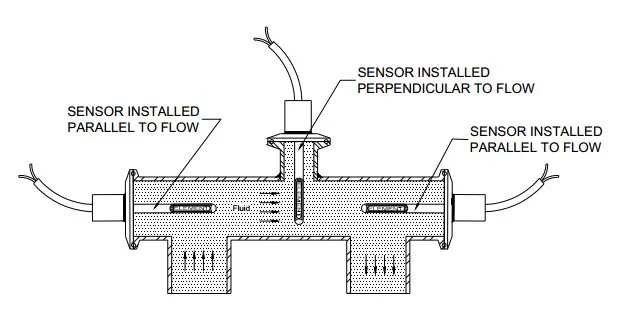
RTD Sensor Operation, Installation, and Precautions
Technical overview of RTD sensors, their resistance-based temperature measurement principle, installation steps, calibration and precautions for accurate readings.
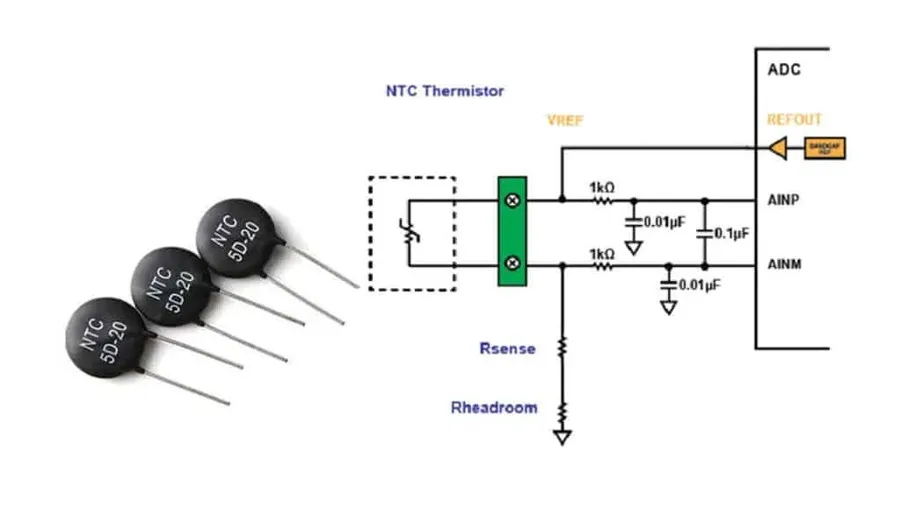
NTC Thermistor: Operation, Advantages, and Installation
NTC thermistor overview: principles, sensitivity, limitations, installation, calibration and applications for temperature measurement in appliances, medical and industrial systems.
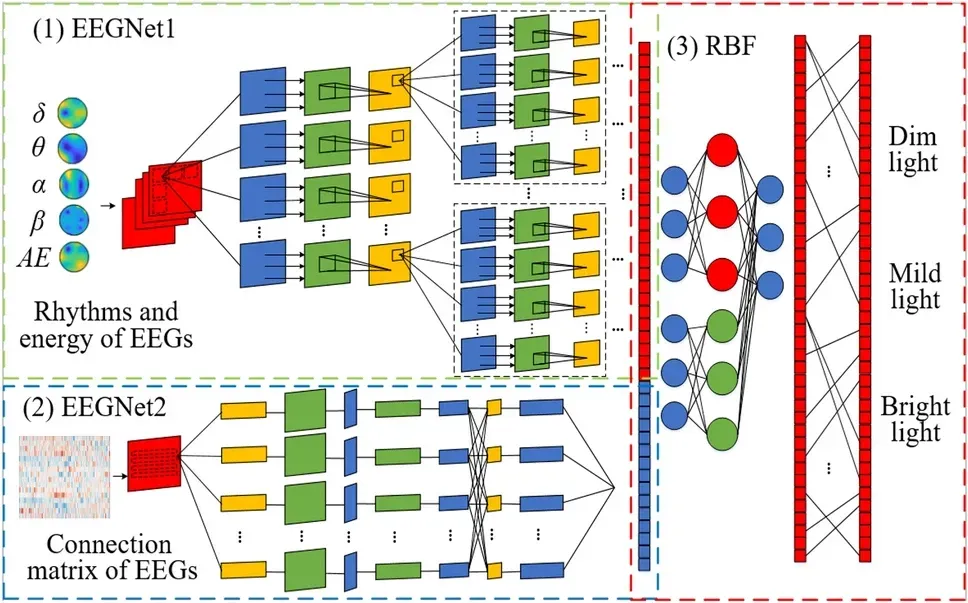
BCI Light-Perception Model for Human Visual Mechanisms
Presents a dedicated BCI and integrated EEGNet model for light-intensity sensing, extracting EEG rhythm energy, entropy and connectivity features to classify ambient illumination.
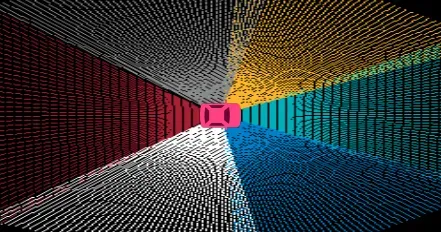
Multi-Sensor Fusion with Unified BEV Representation
BEVFusion combines camera and LiDAR into a unified BEV representation, using Camera-to-BEV transformation and optimized BEV pooling (40× speedup) to boost segmentation mIoU.
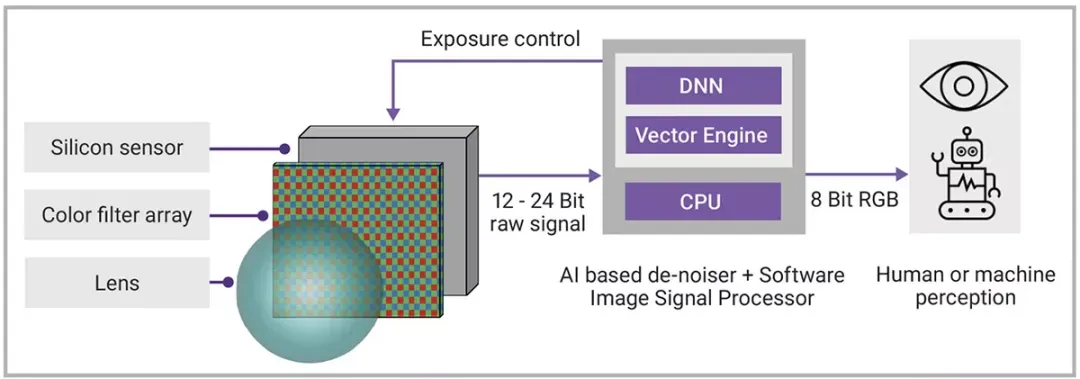
How Image Signal Processors Work
Software ISP and AI denoising for edge cameras: replaces hardware ISP to maximize noise reduction and SNR, enabling flexible tuning and deployment on ARC processors.
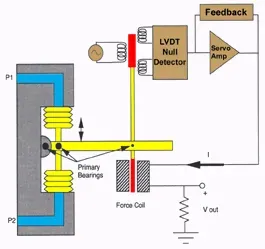
How Servo Sensors Work
Overview of servo accelerometer and servo pressure sensor operation, covering force-balance null detection, coil restoring force, resolution, bandwidth and recovery time.
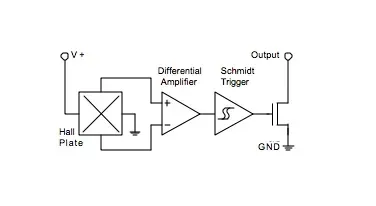
Magnetic Circuit Applications of Hall-Effect Sensors
Overview of Hall-effect sensors, magnetic fundamentals, CMOS Hall sensor advances and integration, and the benefits of programmable Hall ICs for sensing applications.
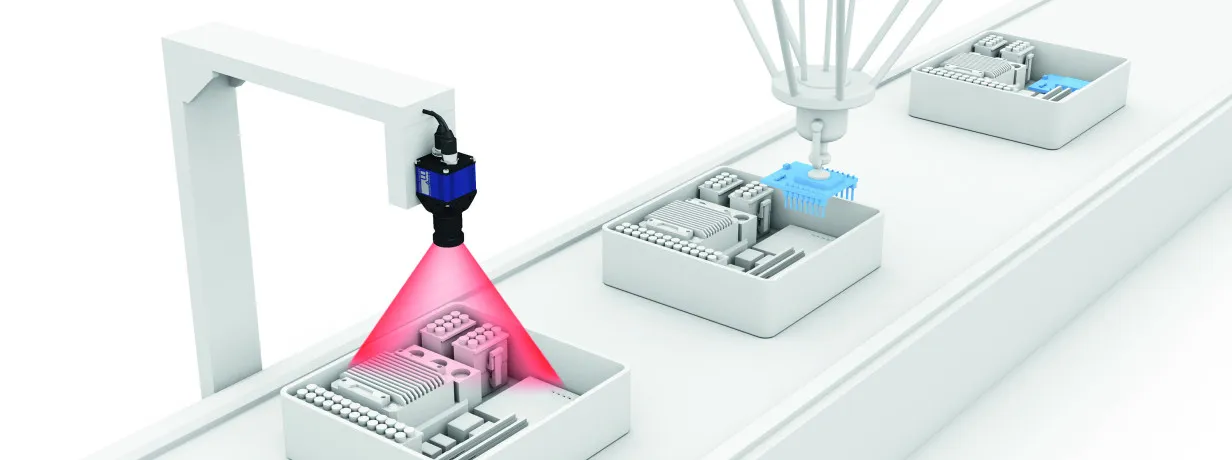
How to Choose Machine Vision Sensors
Guide to selecting machine vision sensors: evaluate dynamic range, speed, and responsivity, and match resolution, pixel pitch, and lens MTF to system needs.
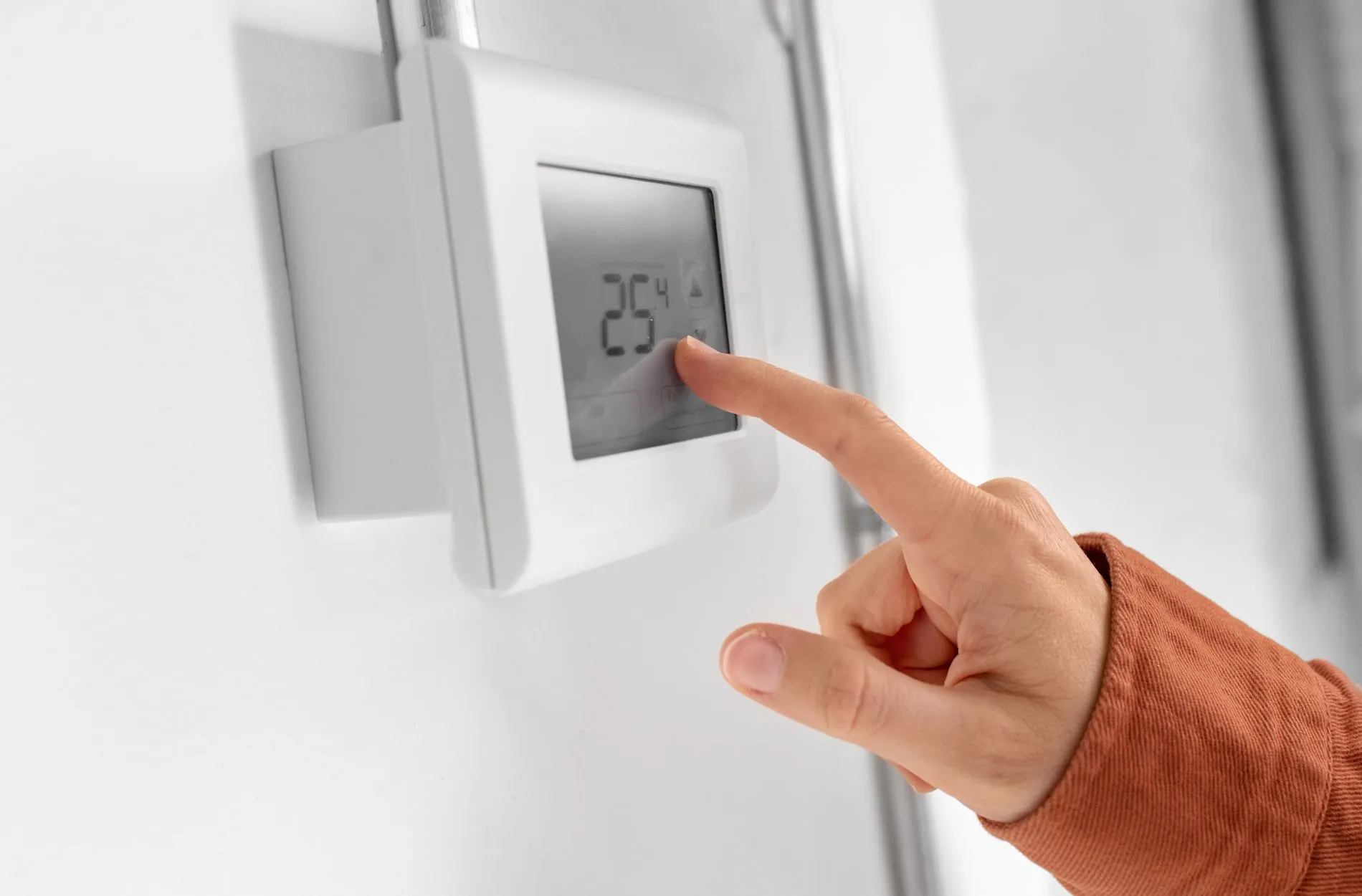
Why Temperature Sensors Give Inaccurate Readings
Diagnose and resolve temperature sensor inaccuracy: causes, calibration, installation, signal conditioning, environmental effects, aging, and troubleshooting steps.
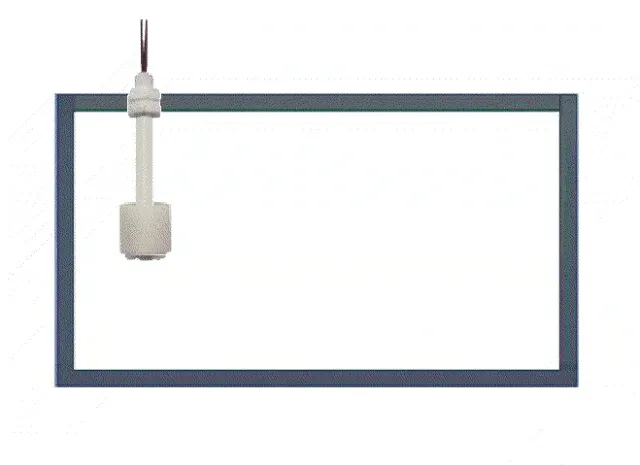
What to Do If a Float Level Sensor Sticks?
Explains why float sensors stick in dirty or viscous liquids, and compares non?contact alternatives like capacitive and optical level sensors plus selection criteria.


