 00:53
00:53
Aerospace PCB
Aerospace PCBs represent a critical component in the design and functionality of aviation and space systems, where reliability and performance under extreme conditions are paramount. These specialized printed circuit boards are engineered to withstand high altitudes, intense vibrations, temperature fluctuations, and radiation exposure encountered in aircraft, satellites, drones, and spacecraft. For engineers and designers searching for Aerospace PCB solutions, this tag serves as a comprehensive resource, offering insights into the unique challenges and innovations that define this field. Understanding these boards involves recognizing their role in ensuring mission-critical operations, from avionics systems that control flight navigation to embedded electronics in unmanned aerial vehicles. Key considerations in Aerospace PCB design include selecting materials with high thermal conductivity and low outgassing properties to prevent failures in vacuum environments. Best practices emphasize adherence to stringent standards such as IPC-6012 and AS9100, which govern qualification and performance requirements. Practical applications often involve multilayer boards with advanced features like blind vias for compact layouts and conformal coatings to protect against moisture and contaminants. By focusing on these elements, professionals can mitigate risks associated with electromagnetic interference and mechanical stress, leading to more robust and efficient systems. This collection of articles delves into real-world case studies, material selection guides, and testing methodologies that provide actionable strategies for optimizing Aerospace PCB implementations. Readers interested in enhancing their projects can find detailed discussions on emerging trends, such as the integration of flexible PCBs in wearable aerospace tech or the use of high-frequency laminates for satellite communications. Exploring these resources equips you with the knowledge to tackle complex design hurdles and achieve compliance in high-stakes environments.
Video Guide
-
00:53
Technical Articles
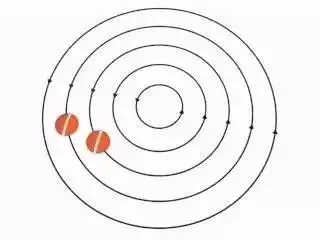
Causes of Ground Vortices Near Jet Engines
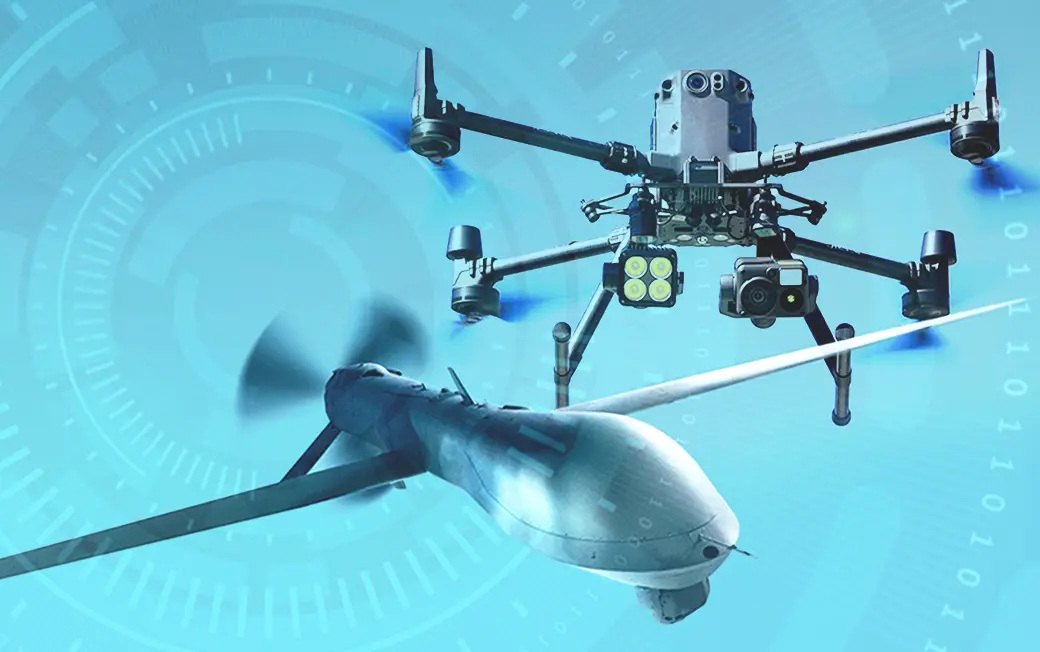
Overview of Unmanned Aerial System Technologies

Why Airplane Windows Are Small and Rounded
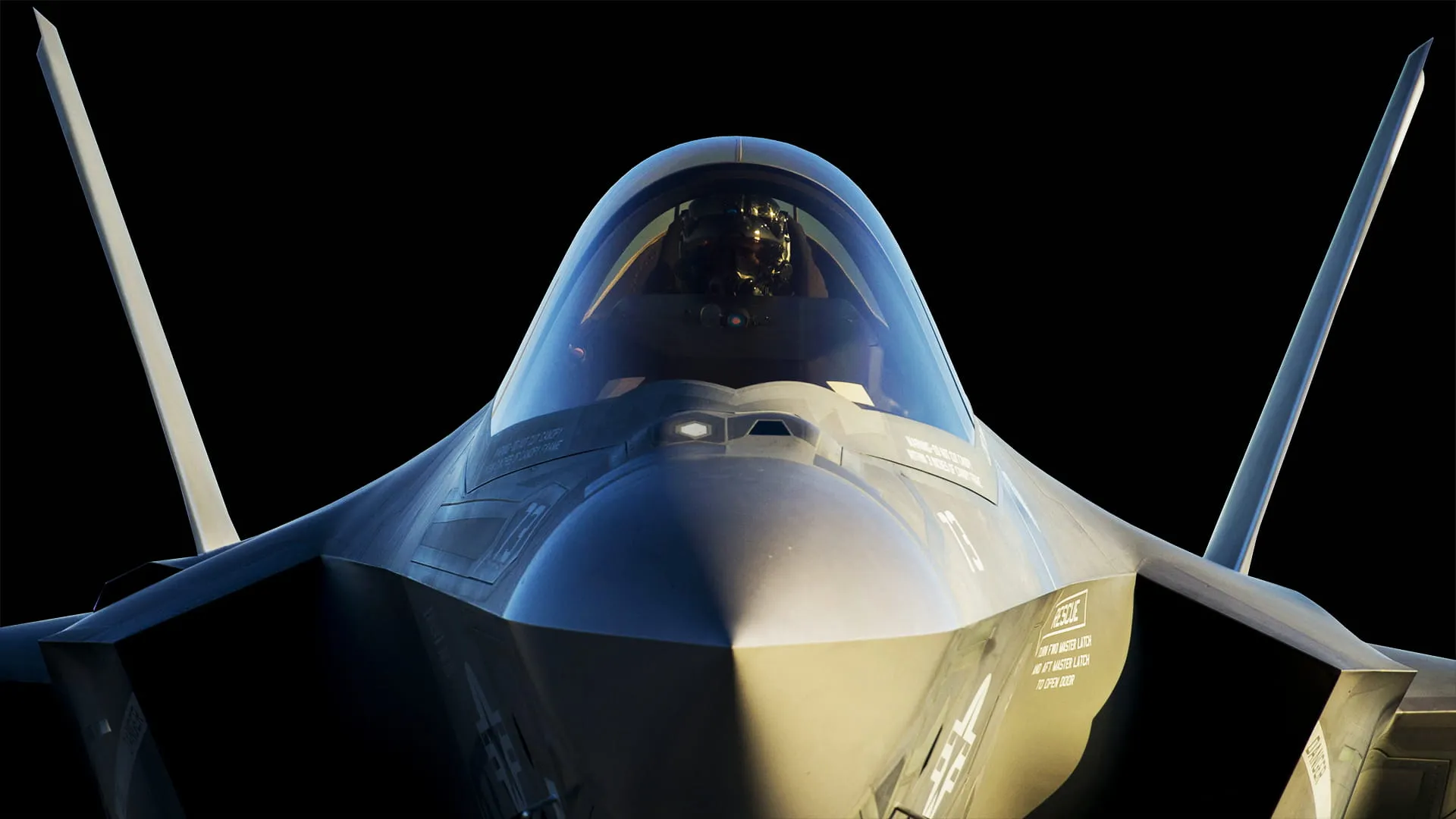
F-35 Multisensor Fusion and Avionics Overview
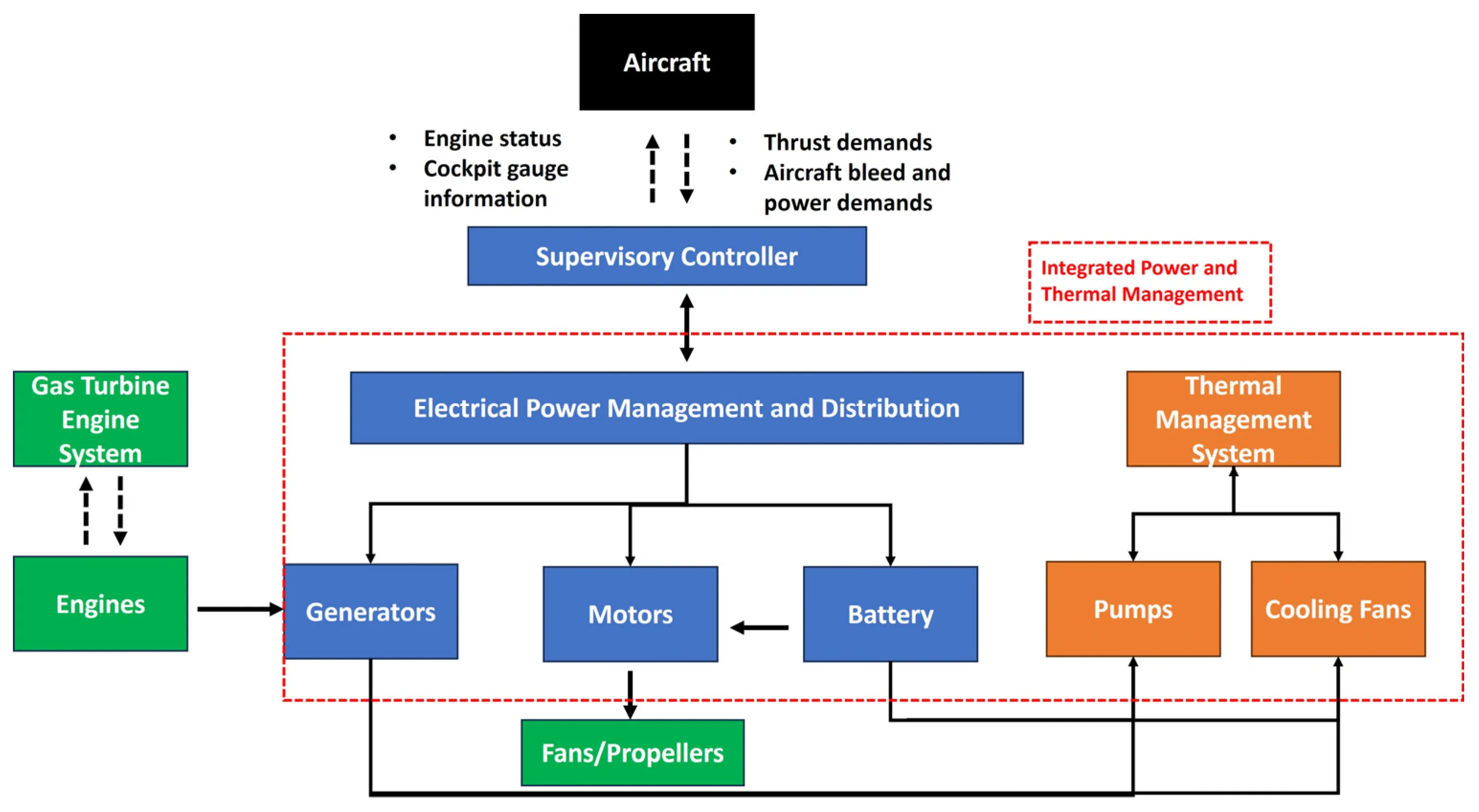
The Essential of power and thermal management systems
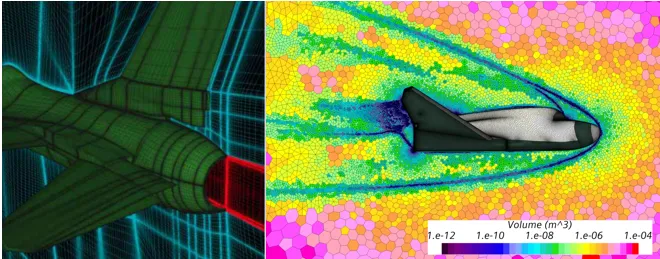
Aerodynamic Design and CFD in Aircraft Development: Engineering Insights and Electronics Relevance
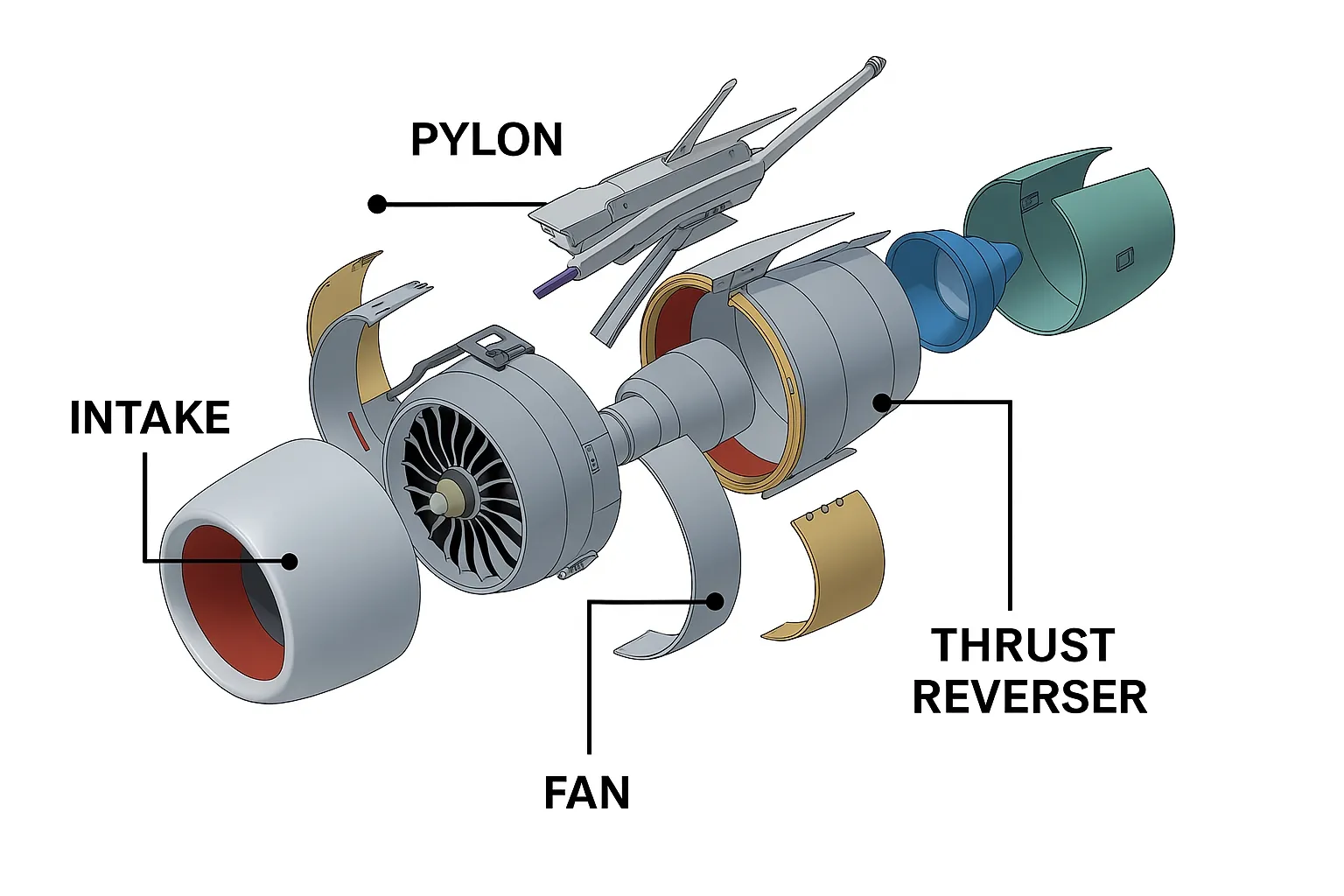
Thermoplastic Composites for Aircraft Engine Structures

How 5G Will Transform Drone Capabilities: Aerospace Electronics and PCB Perspectives
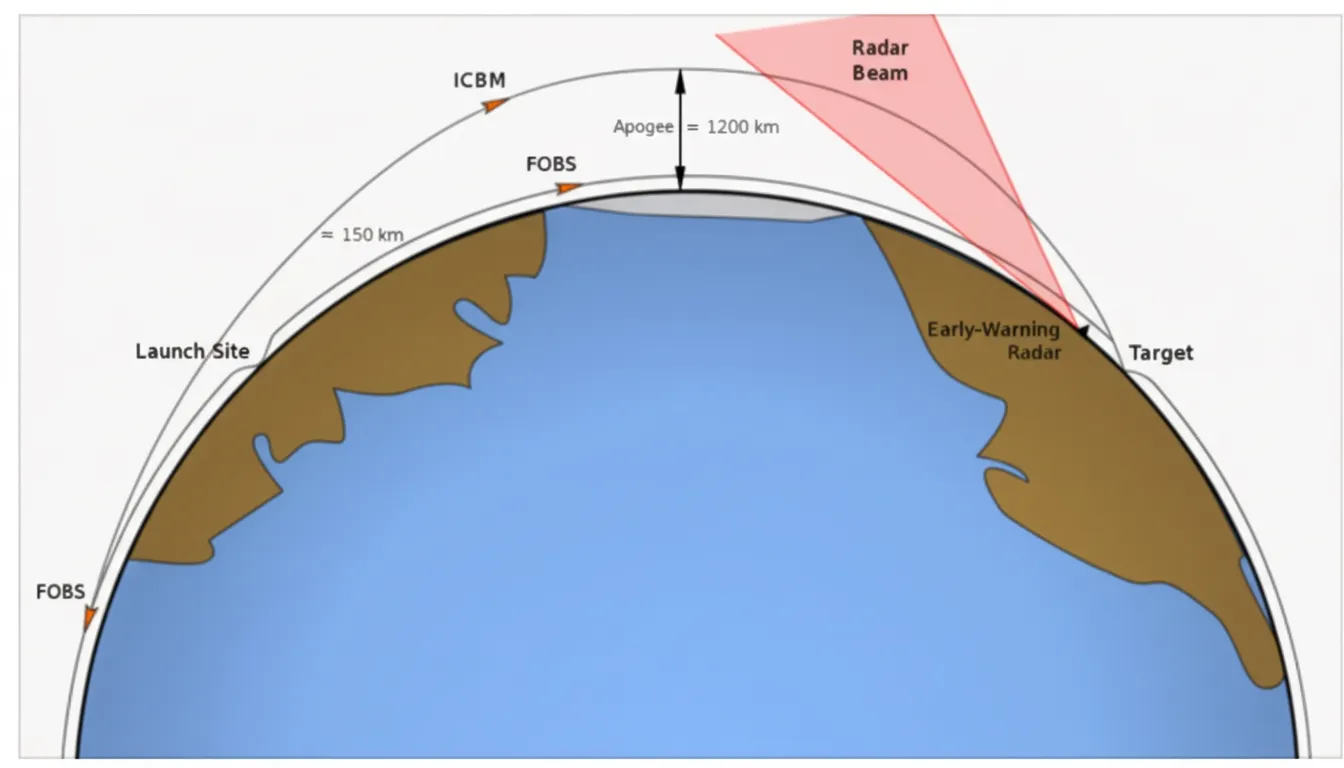
Space Weapon Systems: Key Technologies
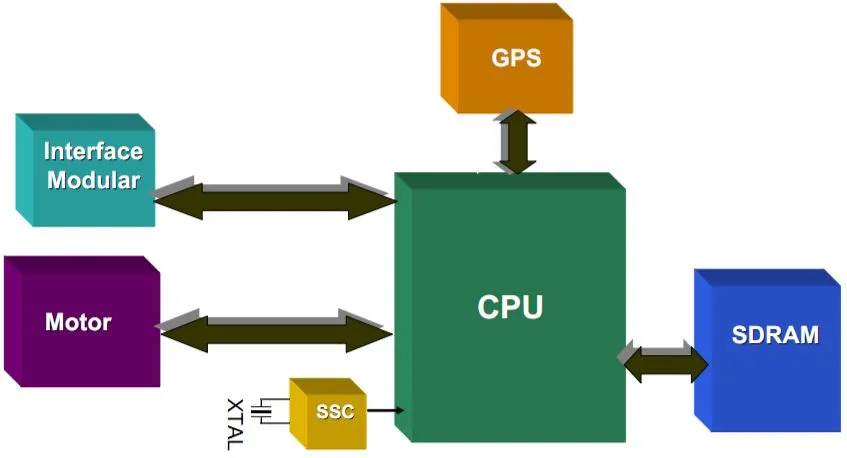
Near-Field EMI Testing for Drone Platforms: EMC Strategies and PCB Design Insights

Aircraft Engine PCB Manufacturing: High-Reliability Design for Jet Engine Sensors, Controls, and Extreme Environments
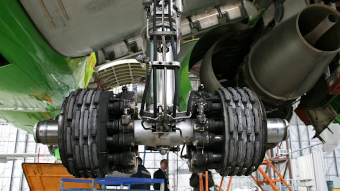
Aircraft Braking Principles
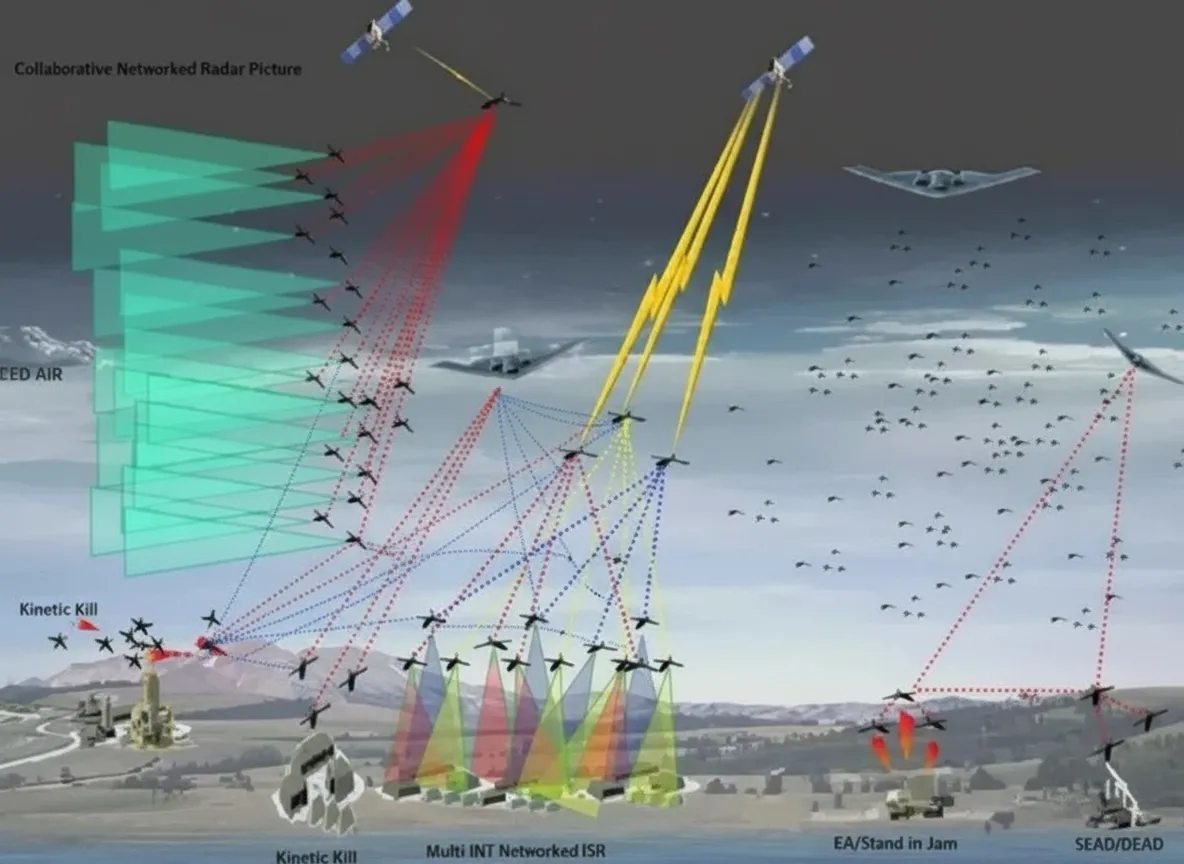
Drone Area and Airspace Denial Systems

Types of Jet Engine Thrust Reversers

DARPA DRACO Nuclear Rocket Systems: Propulsion Technology and Aerospace Electronics Challenges
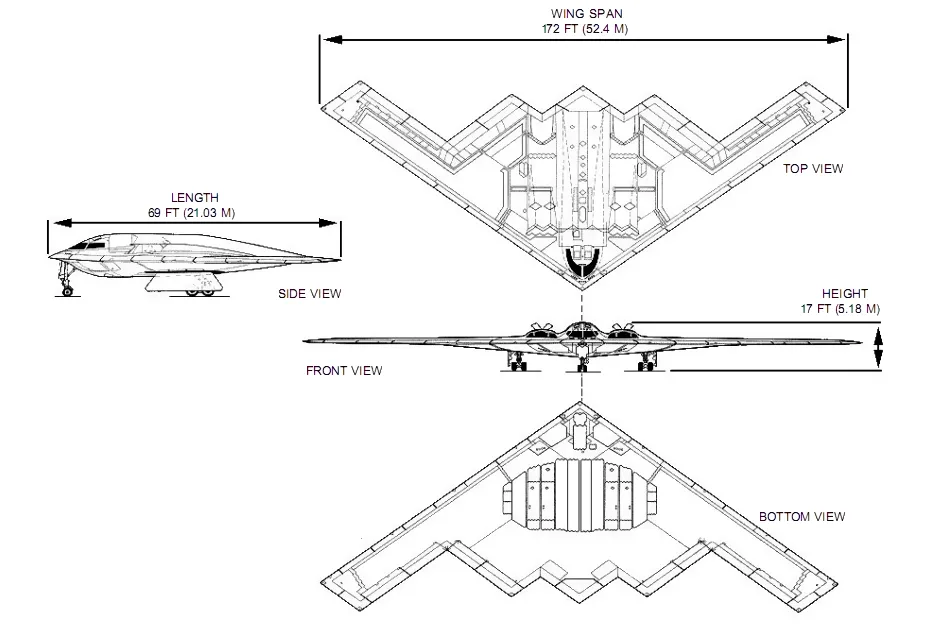
Ghatak UCAV: Technical Overview
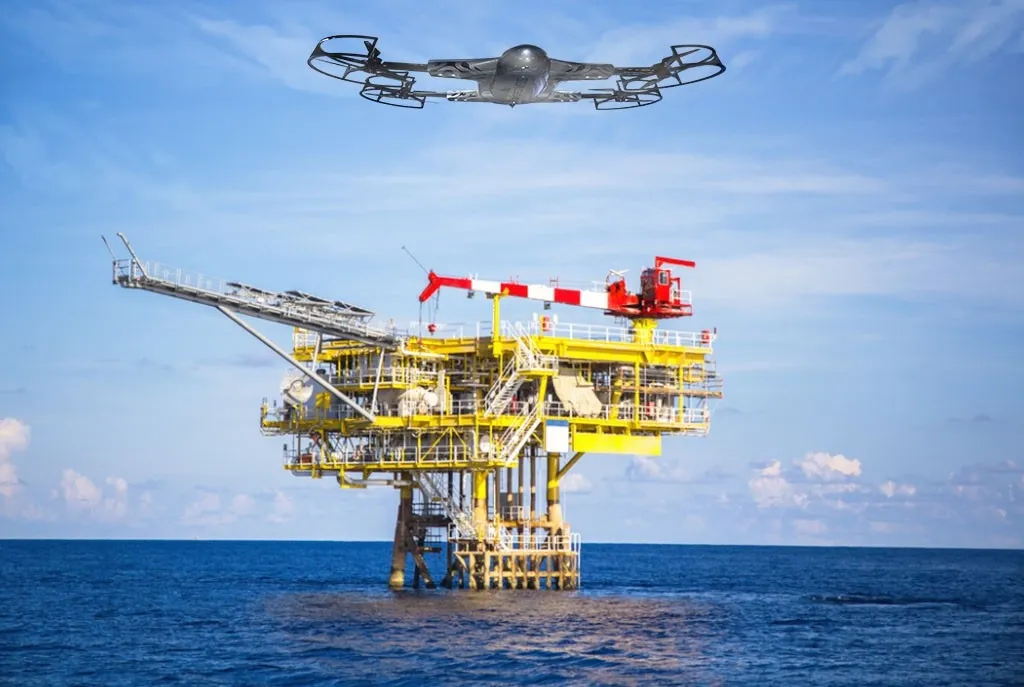
PCB Engineering for UAV Inspection, Remote Sensing, and Payload Optimization in Energy, Aerospace, and Emergency Applications
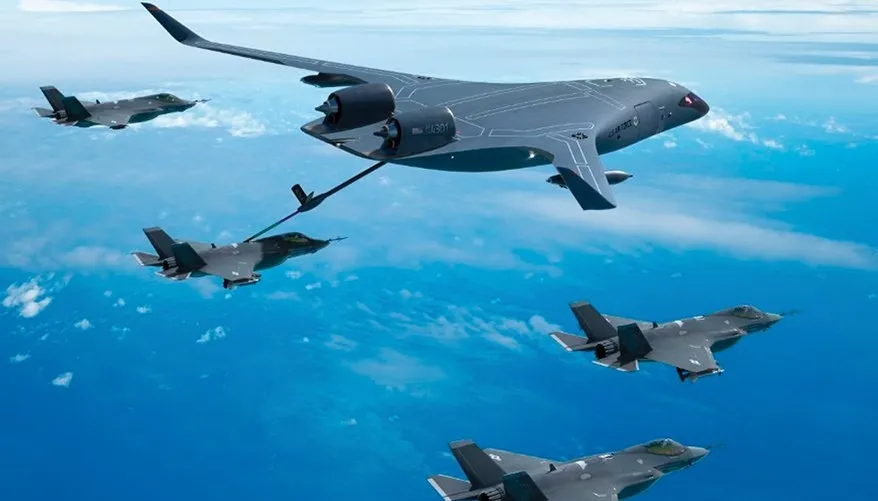
How Difficult Is Building an Aerial Refueling Tanker?
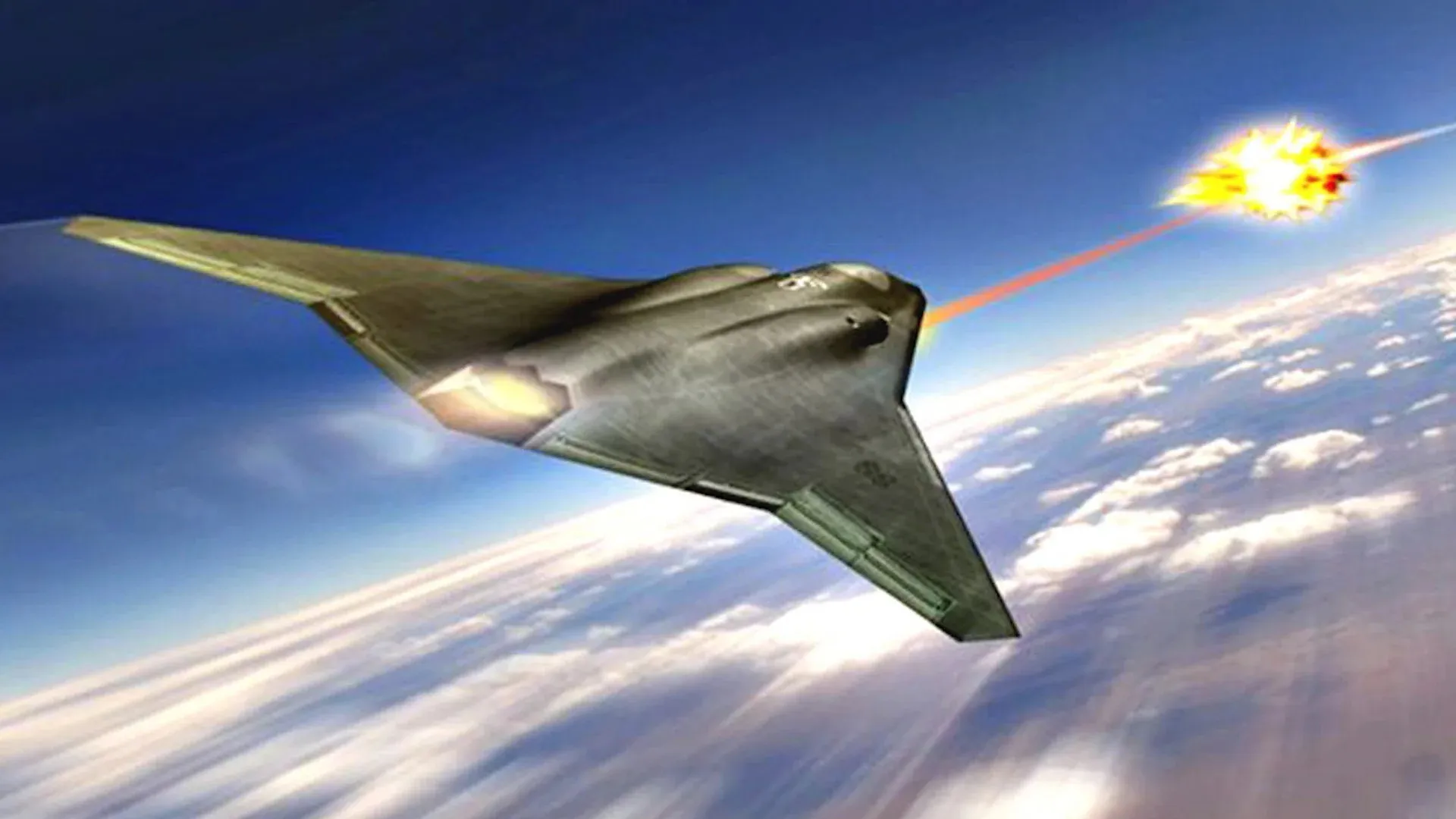
SHiELD: Laser Weapon Feasibility for 5th-Gen Fighters