 00:55
00:55
Decoupling Capacitors
Decoupling capacitors play a crucial role in modern electronic circuit design, particularly in printed circuit boards (PCBs) where stable power delivery is essential. These components act as local energy reservoirs, filtering out high-frequency noise and voltage fluctuations that can disrupt sensitive integrated circuits (ICs) and other elements. By placing them strategically between power and ground planes, engineers ensure smoother operation of digital and analog systems, reducing issues like electromagnetic interference (EMI) and signal integrity problems. For anyone searching for information on decoupling capacitors, this tag serves as a comprehensive resource, covering everything from fundamental principles to advanced implementation techniques. Understanding the proper selection and placement of decoupling capacitors can significantly enhance circuit performance. For instance, choosing the right capacitance value—typically ranging from 0.01 µF to 10 µF depending on the frequency range—and pairing them with low equivalent series resistance (ESR) types like ceramic capacitors helps minimize power supply ripple. In high-speed PCB layouts, best practices include positioning these capacitors as close as possible to the IC power pins to shorten trace lengths and reduce inductance. This approach is vital in applications such as microcontrollers, RF modules, and power amplifiers, where even minor noise can lead to data errors or system failures. Practical insights from our articles delve into real-world examples, including troubleshooting common pitfalls like insufficient bypassing in multi-layer boards. Whether you are a hobbyist designing your first prototype or a seasoned engineer optimizing complex systems, the content under the Decoupling Capacitors tag offers valuable guidance. Articles here explore topics like capacitor types, sizing calculations, and integration with voltage regulators, providing the tools needed to achieve reliable and efficient designs. Browsing these resources can help refine your skills and address specific challenges in your projects.
Video Guide

Technical Articles
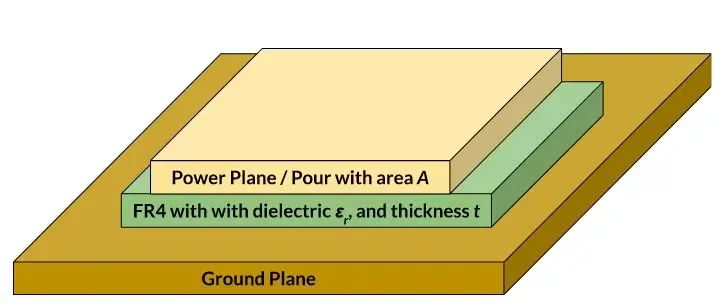
Effective Decoupling Techniques for Multi Layer PCBs: Reducing Noise
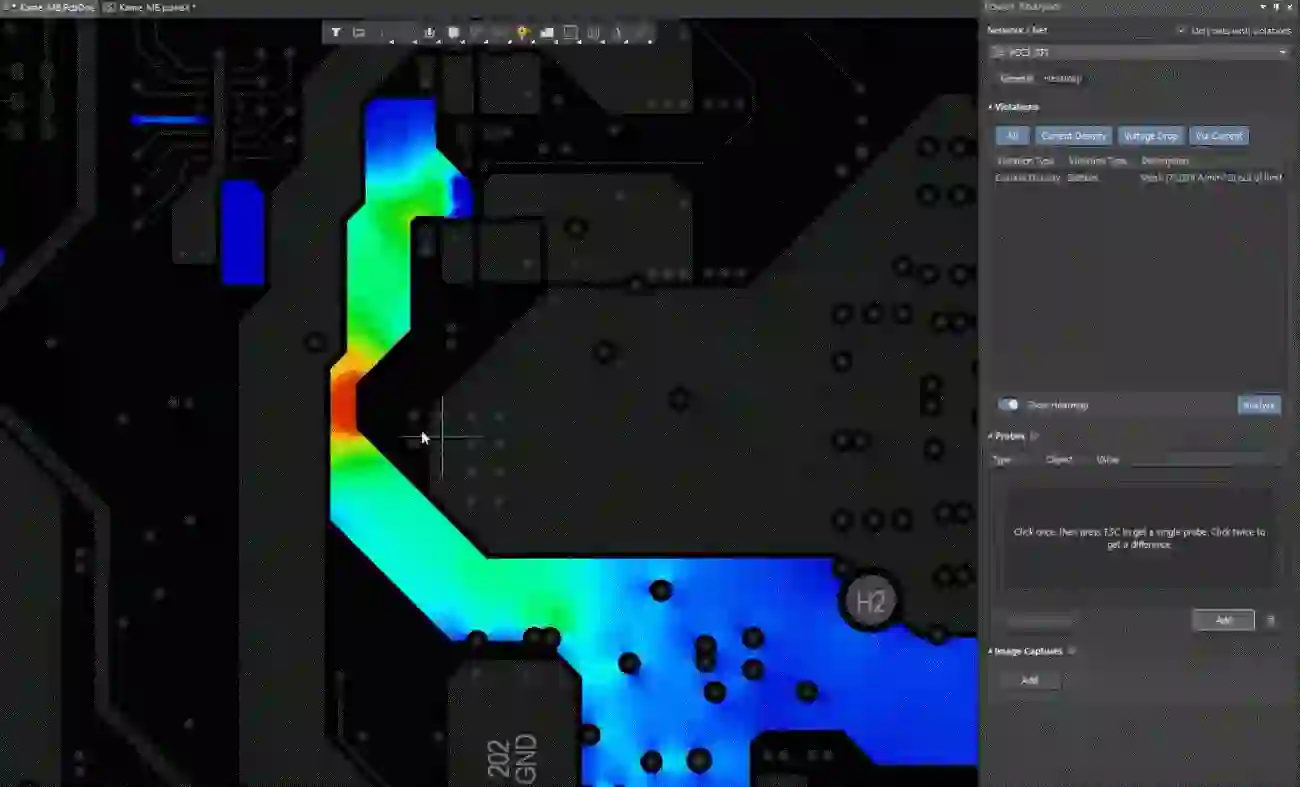
Designing with Power Integrity in Mind: Construction PCB Strategies
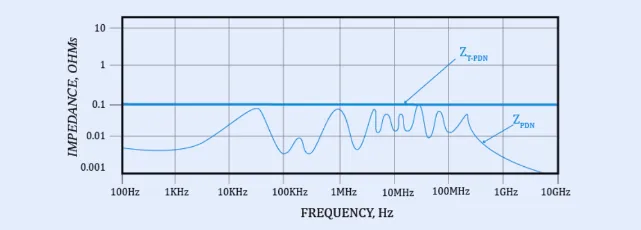
Mastering PDN Impedance: Key to Robust PCB Power Integrity
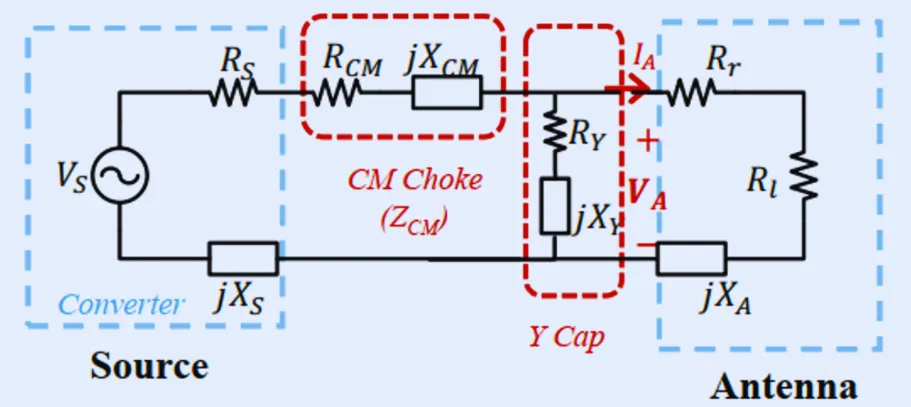
Capacitors in EMC Design: A Deep Dive into Filtering and Noise Suppression
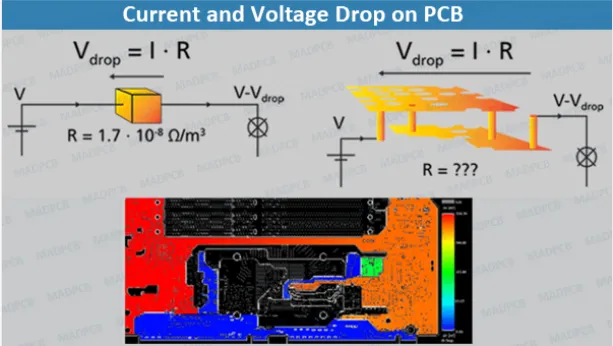
Power Integrity and PCB Trace Design: Minimizing Voltage Drop and Ensuring Stable Power Delivery
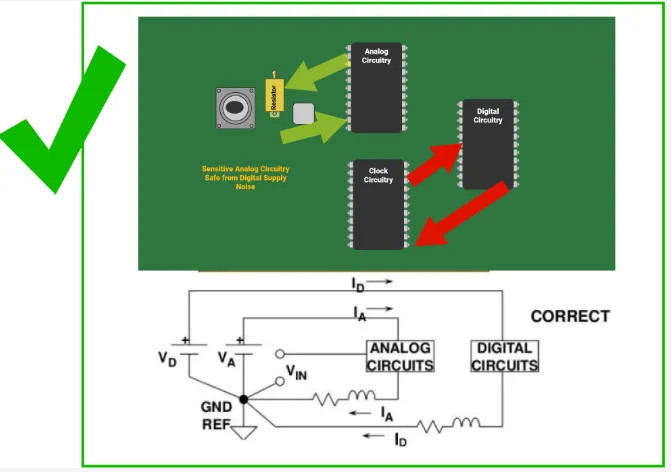
The Impact of Component Orientation on PCB Signal Integrity and Performance
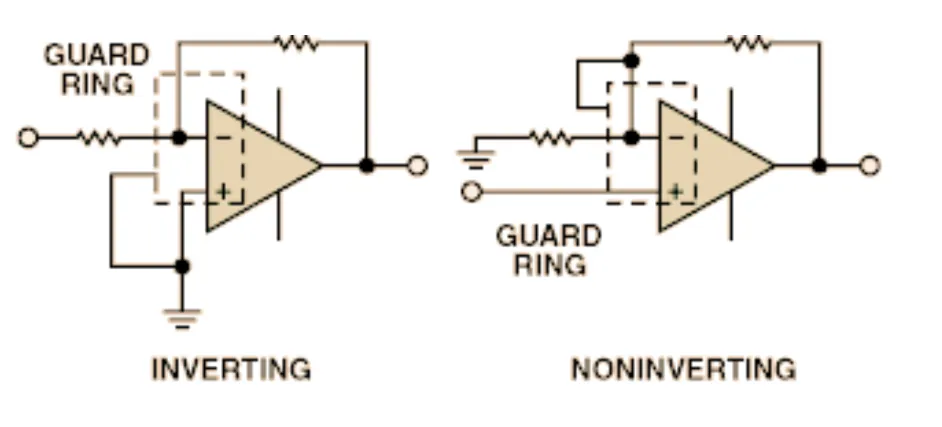
Mastering Op-Amp PCB Layout for Enhanced EMI Reduction
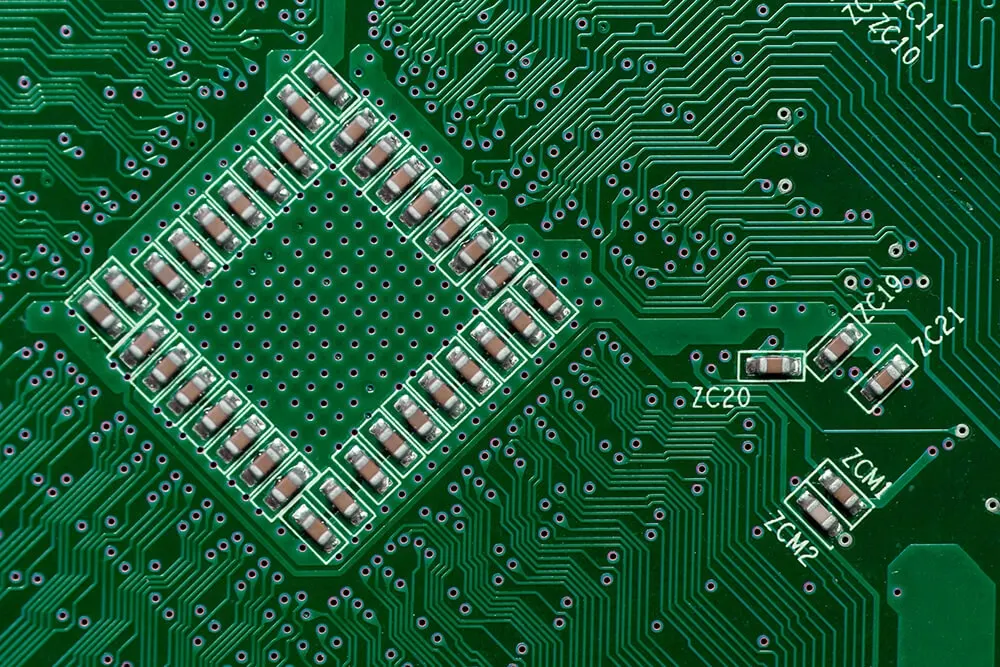
6-Layer PCB Power Distribution Networks: Design for Low Noise and High Efficiency
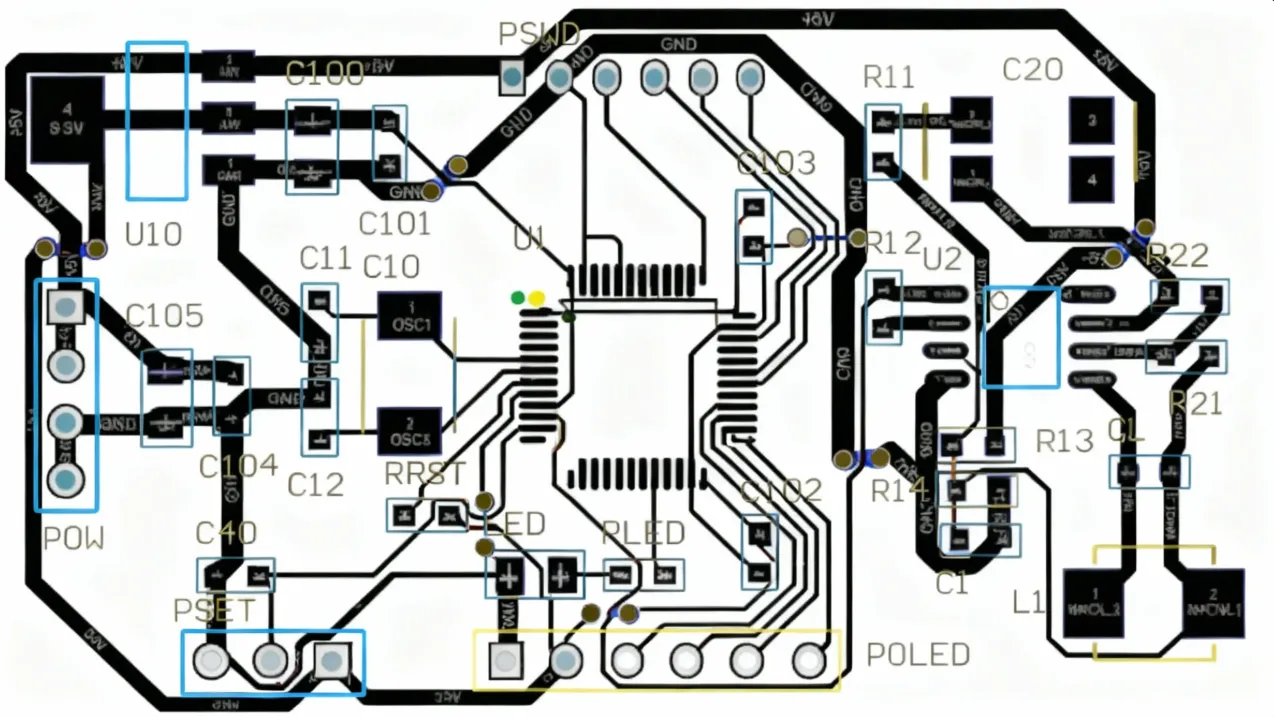
Power Plane Decoupling: A Comprehensive Guide to PCB Stability
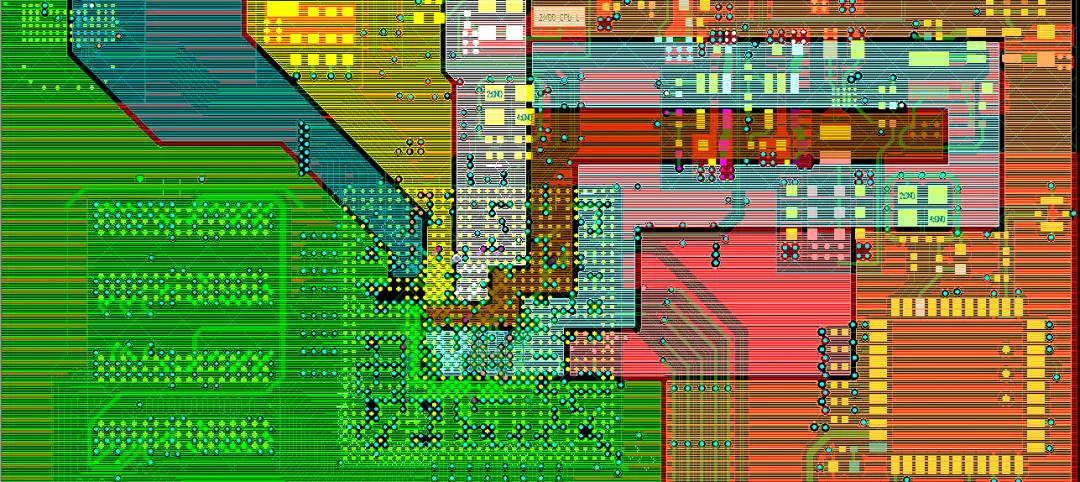
Three Key Areas of Power Integrity Design
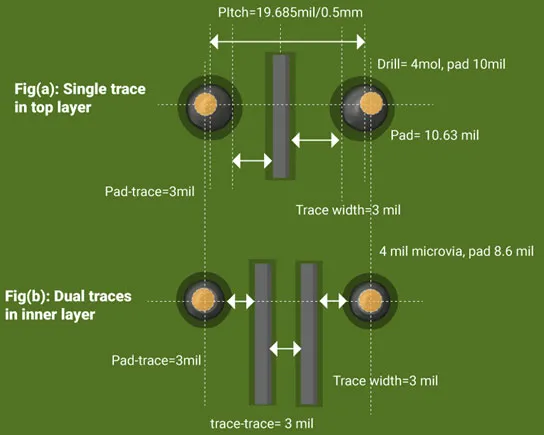
Component Placement Mistakes That Make HDI PCB Routing Harder