




 00:56
High Current Traces
High current traces are essential components in printed circuit board (PCB) design, engineered to safely carry substantial electrical loads without excessive heat buildup or voltage drops. In applications ranging from power electronics to automotive systems, these traces prevent failures by distributing current efficiently across the board. Designers often encounter challenges like thermal management and signal integrity when working with high current paths, making it crucial to understand the fundamentals of trace sizing, material selection, and layout optimization. When searching for information on high current traces, users typically seek practical guidance to enhance their PCB projects. Key considerations include calculating trace width based on current ratings, copper thickness, and ambient temperature using standards like IPC-2152. For instance, wider traces or multiple parallel paths can reduce resistance and improve performance in high-power scenarios, such as battery management systems or motor controllers. Best practices also involve incorporating thermal vias, heat sinks, and proper grounding to mitigate hotspots and ensure long-term reliability. By applying these techniques, engineers can avoid common pitfalls like trace burnout or electromagnetic interference, leading to more robust and efficient designs. Articles tagged under High Current Traces offer in-depth explorations of these topics, including step-by-step tutorials on simulation tools and real-world case studies. Whether you are troubleshooting an existing board or starting a new prototype, reviewing these resources can provide the insights needed to implement effective solutions. For related discussions on PCB thermal management or power distribution networks, the connected articles delve into complementary strategies that build on high current design principles.
Video Guide
-
00:56
Technical Articles
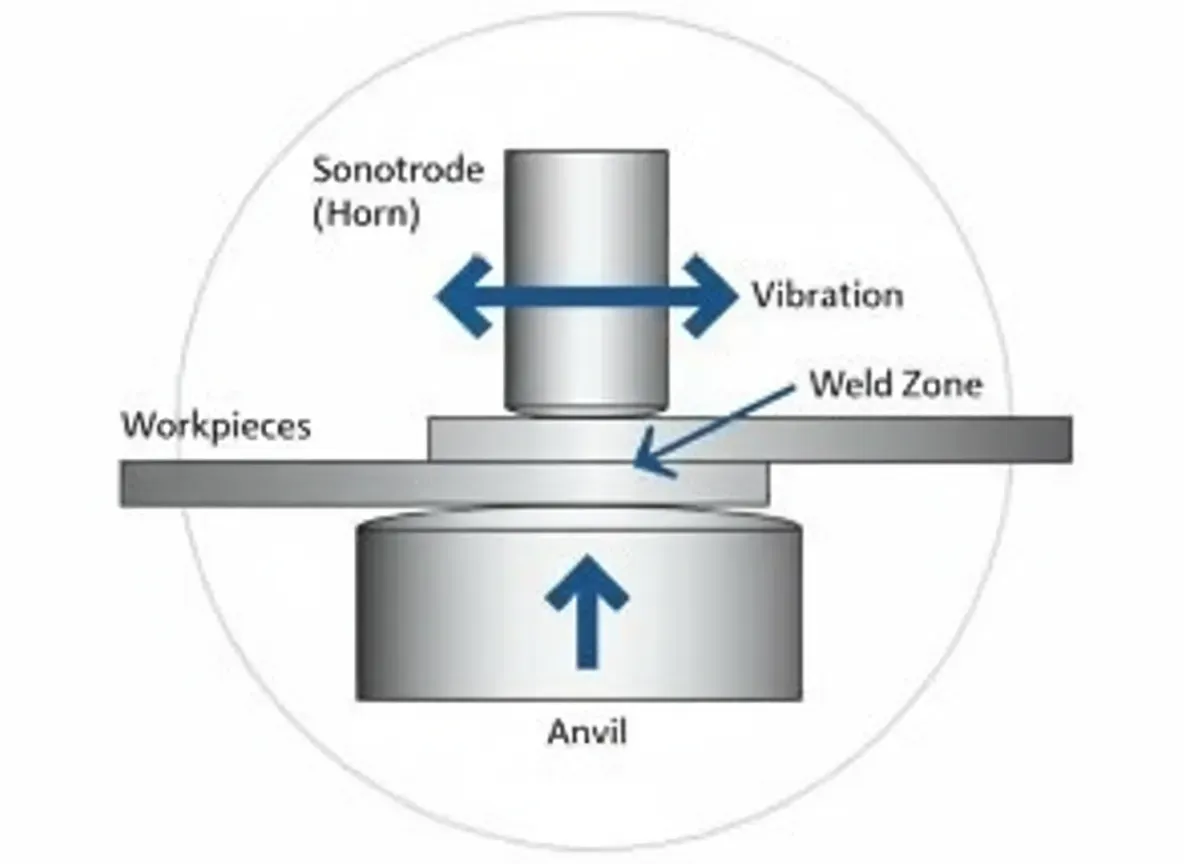
Ultrasonic Metal Welding for EV Battery Cables
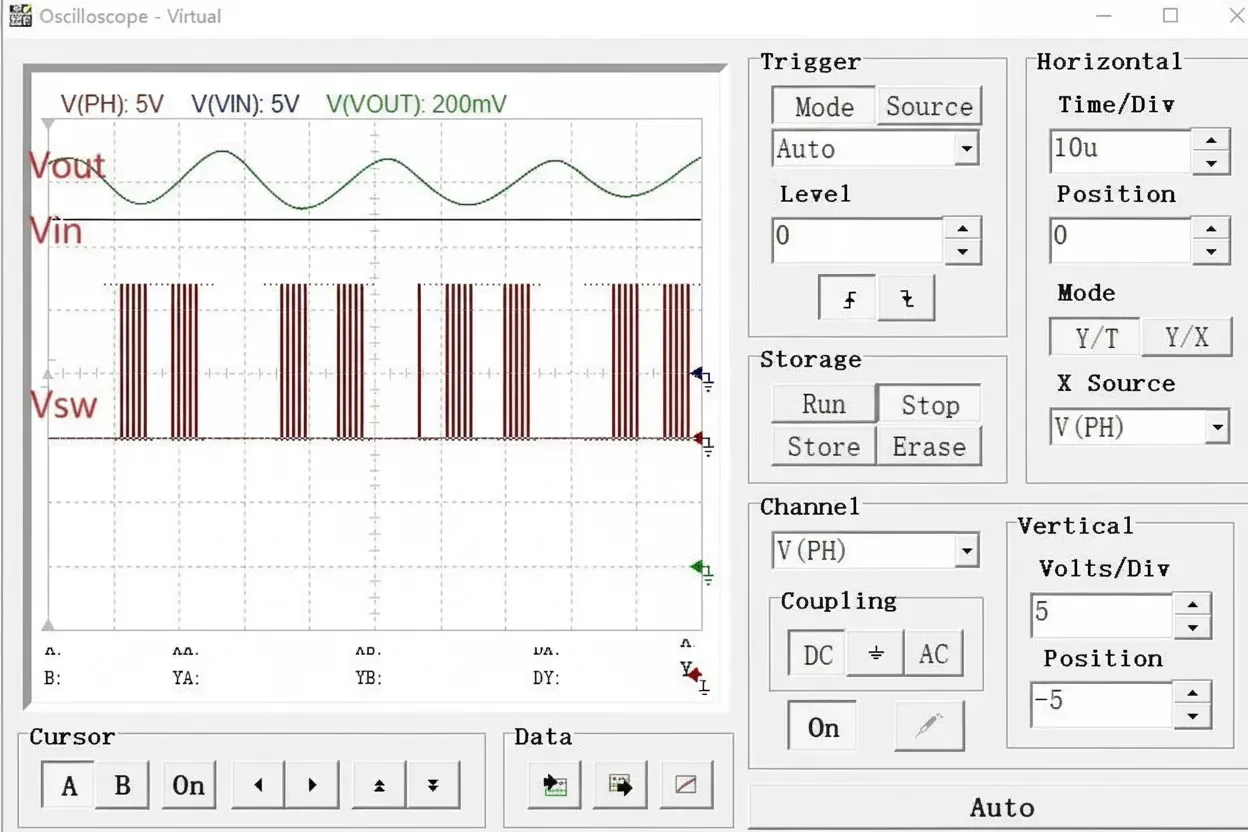
Buck Converter Using TI TPS5320
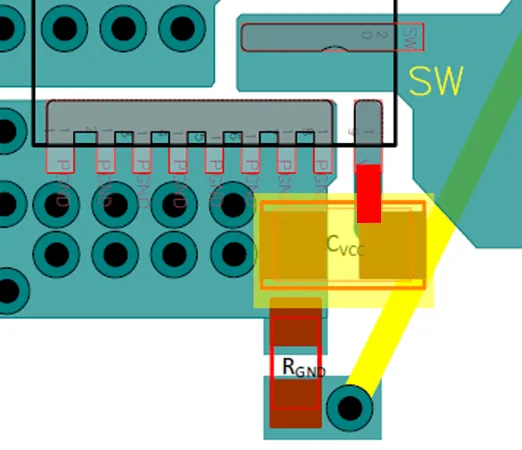
Key PCB Layout Guidelines for Buck Converters
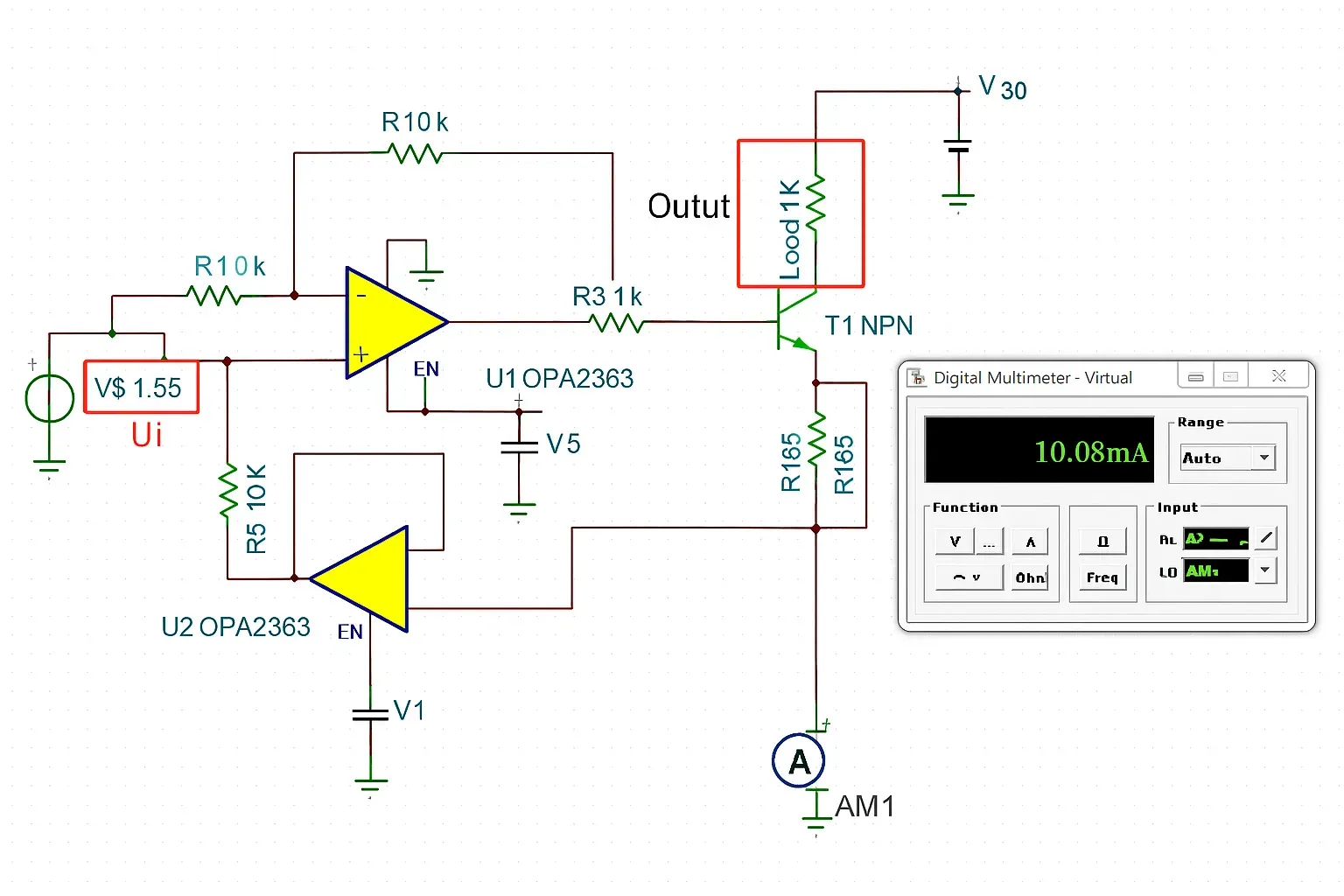
Voltage-to-Current Converter Circuits: Simulation Analysis
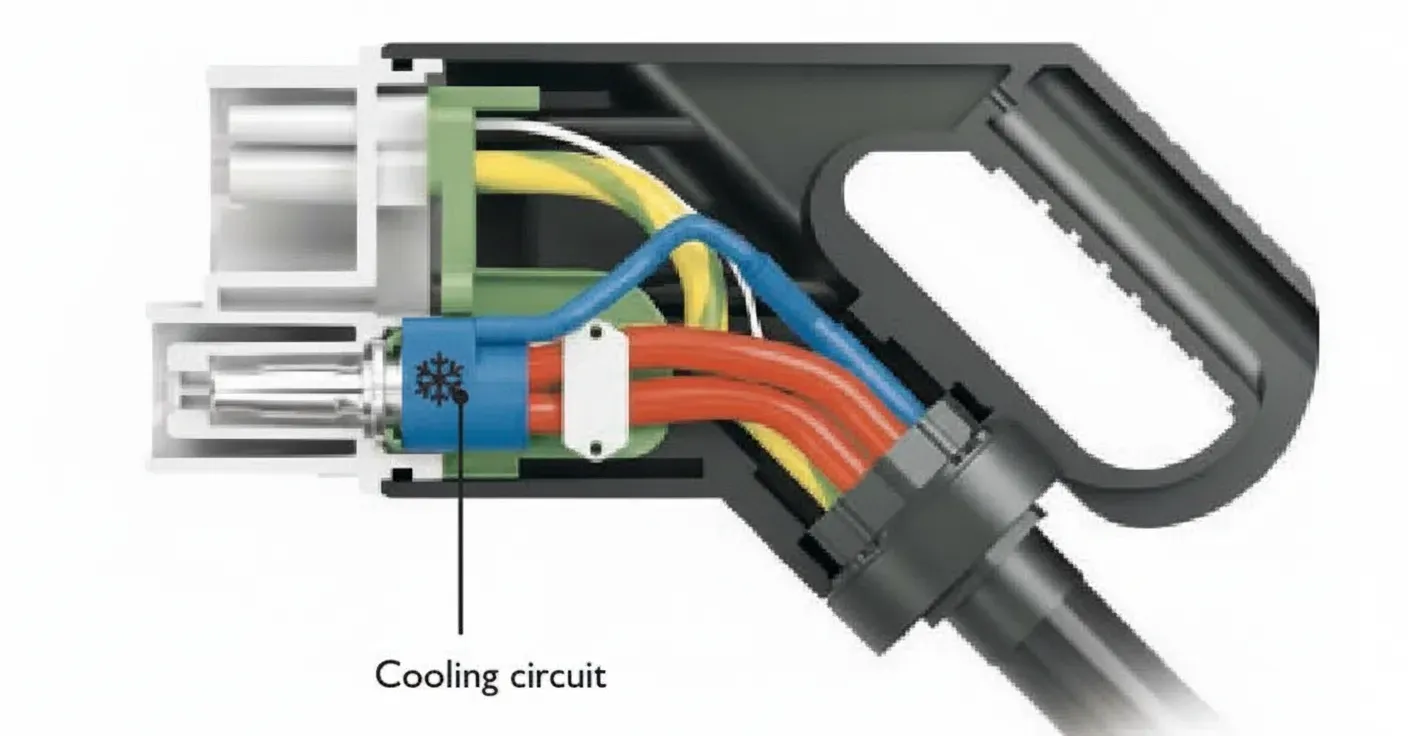
EV DC Charging Module: Functional Diagram, Power Electronics, and PCB Design Insights
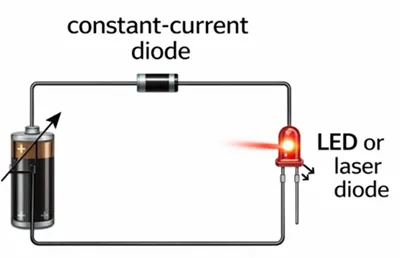
Current Limiter: Usage and Operating Principle

Three Charger Circuit Designs for Improved Performance
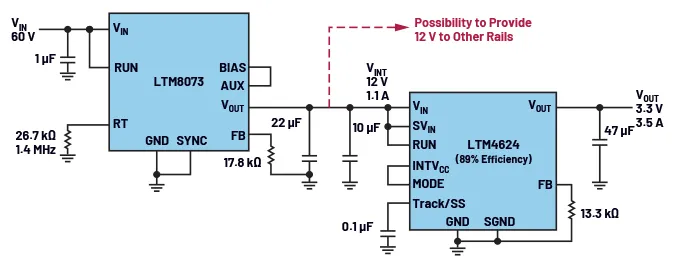
Three Compact Solutions for High Step-Down Converters
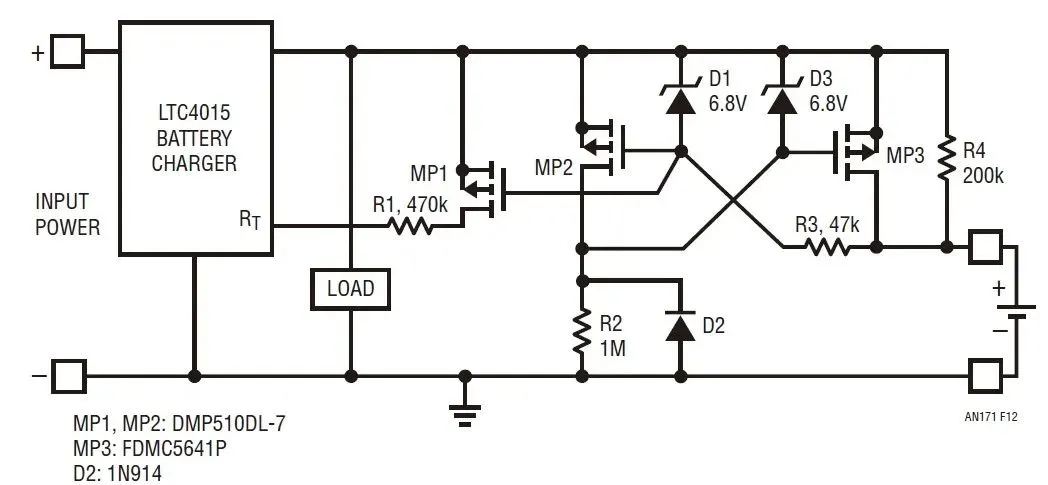
Reverse-Voltage Protection Options for Battery Chargers
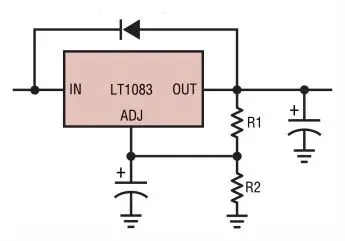
High-Current Linear Regulator Design
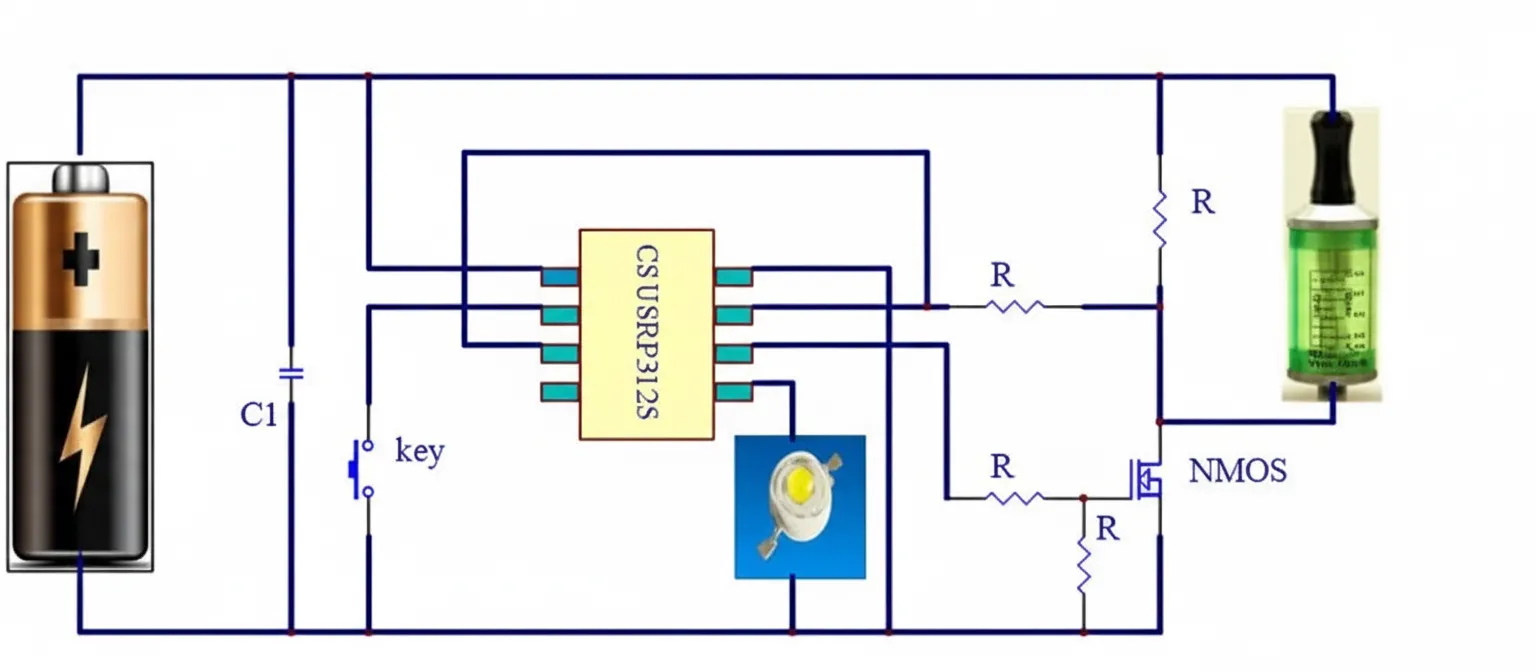
E-cigarette Structure and System Design
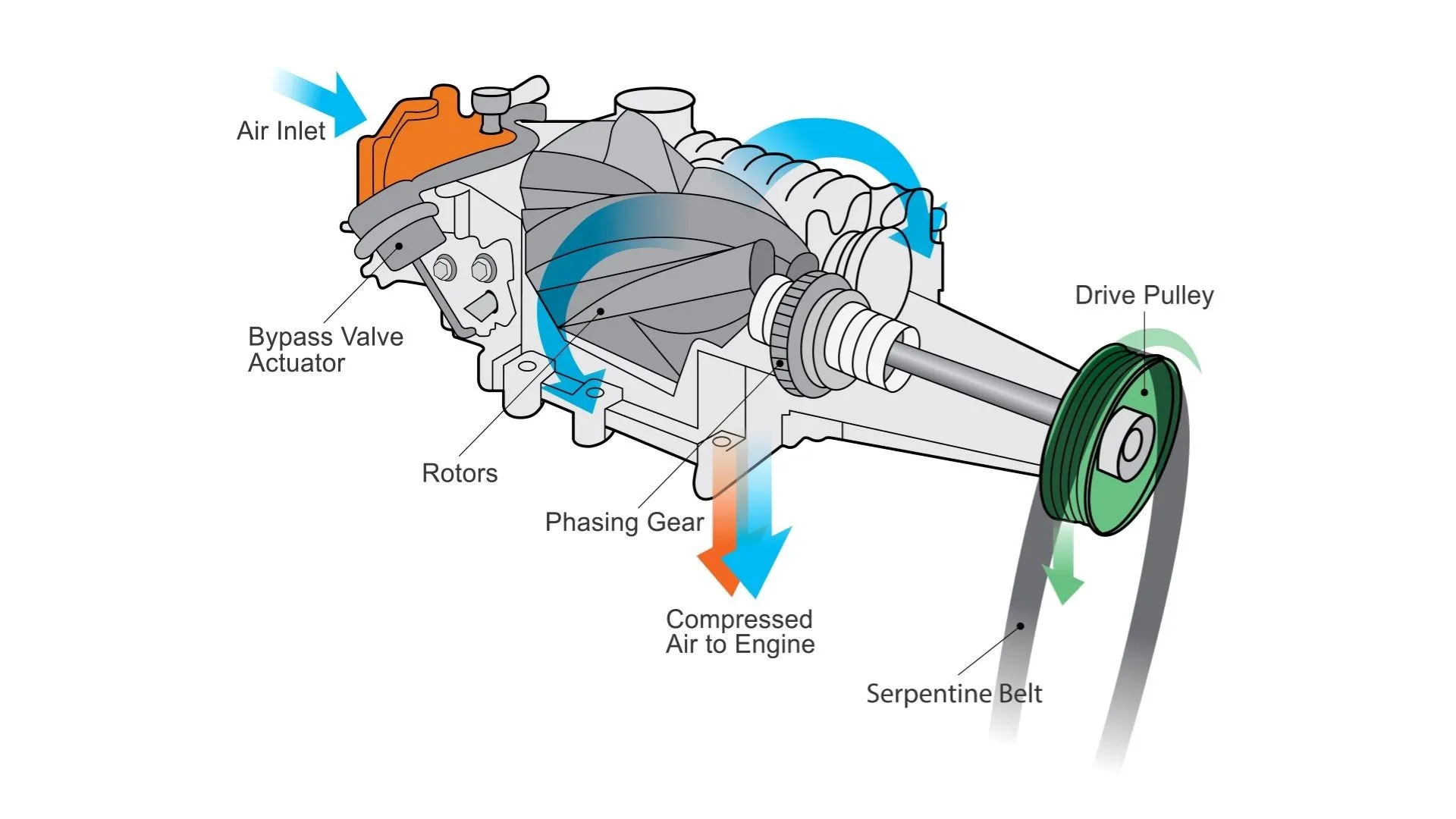
How Automotive Turbochargers and Superchargers Work
PCB Design for Electric Vehicle Drive Motors: Inverter Control, High-Power Integration, and Thermal Management Challenges
Tesla Cybertruck Parts Catalog
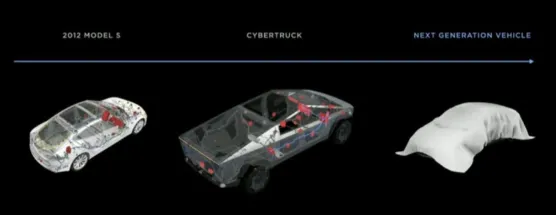
Tesla shifts vehicle low-voltage from 12V to 48V
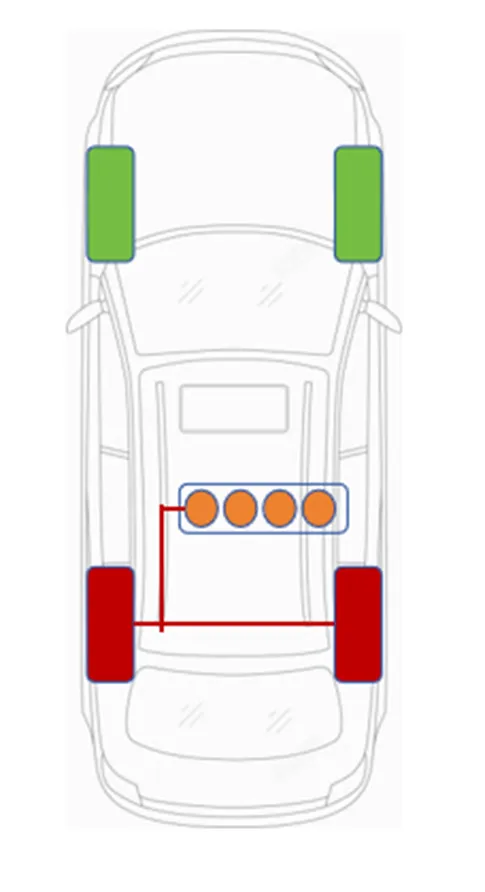
Design Approach for Hybrid Formula Student Cars
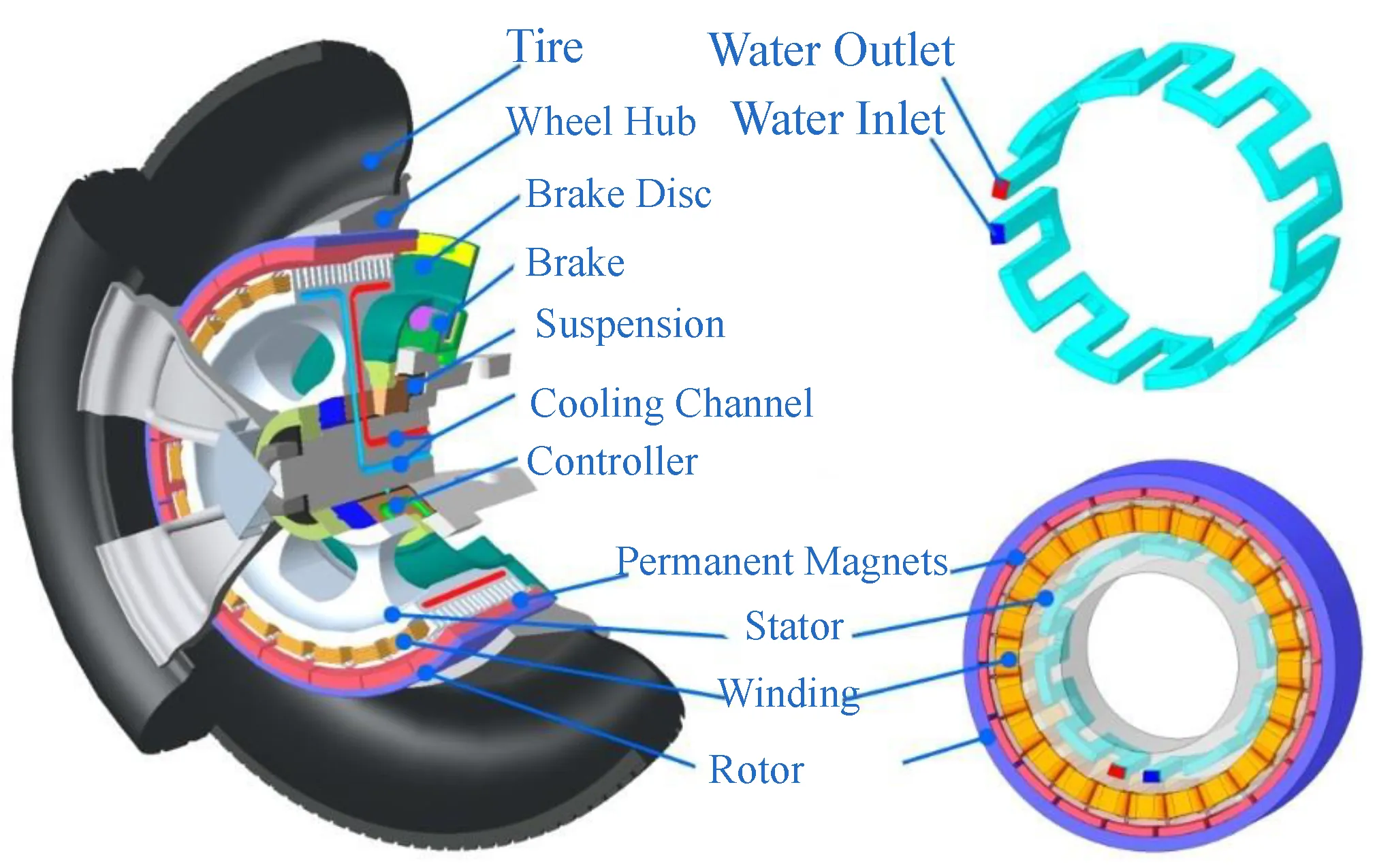
In-Wheel Motor Drive Systems for Electric Vehicles
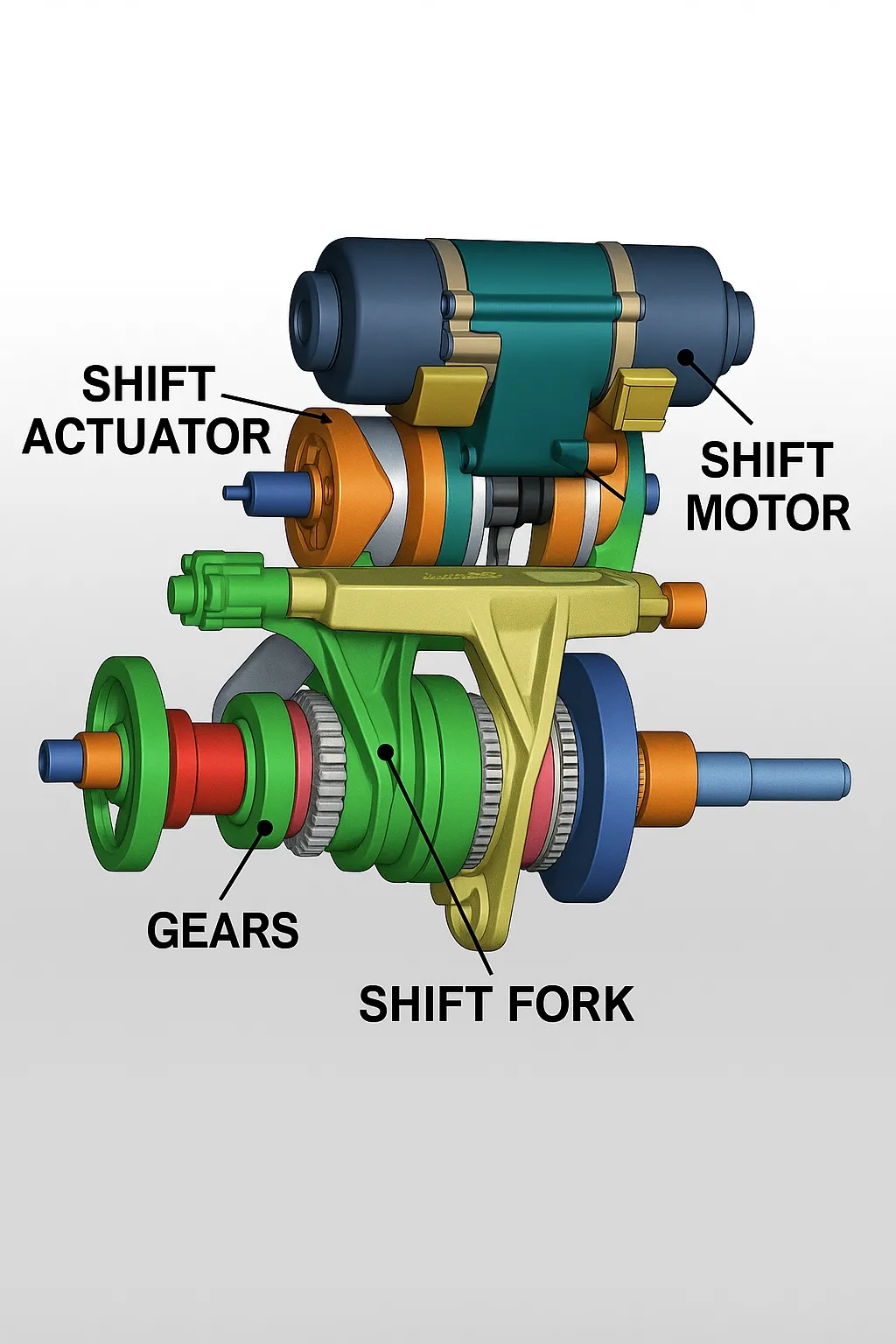
Multi-Gear Electric Drive Systems: Advantages and Limits
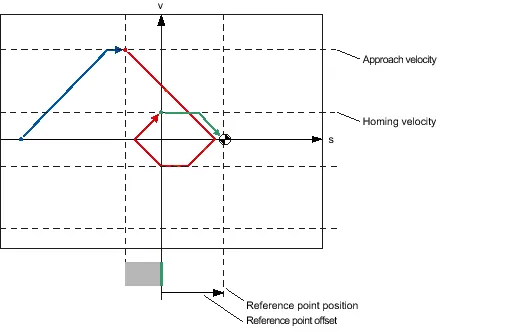
Using PLC Homing Commands for Servo Positioning