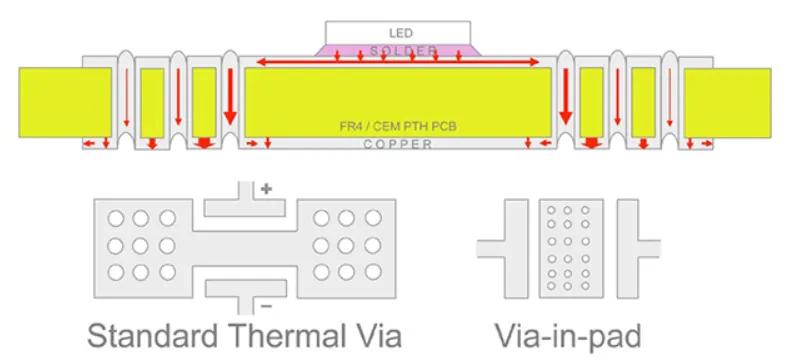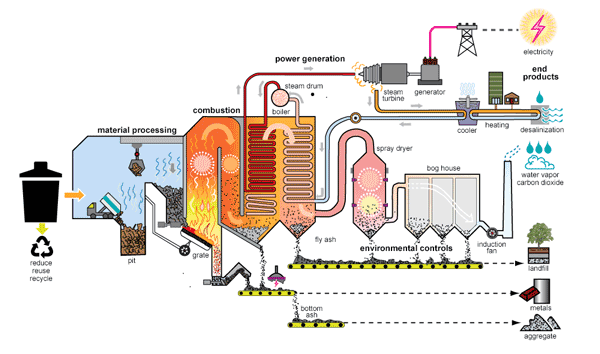
High Power PCB
High power PCBs are essential components in electronics systems that demand robust performance under elevated electrical loads, such as power supplies, motor drives, and renewable energy converters. These printed circuit boards are specifically engineered to handle high currents and voltages while minimizing risks like overheating, signal interference, and component failure. For engineers, designers, and hobbyists searching for information on high power PCB design, this tag serves as a comprehensive resource, offering insights into the unique challenges and solutions that ensure reliability and efficiency in demanding applications. Understanding the fundamentals of high power PCB construction begins with selecting appropriate materials, such as high-thermal-conductivity substrates like metal-core or FR-4 with enhanced copper thickness. Key best practices include optimizing trace widths to accommodate current density, incorporating thermal vias for heat dissipation, and implementing multilayer designs to separate power and signal planes. These techniques not only prevent thermal runaway but also enhance overall system longevity, which is critical in industries like automotive, aerospace, and industrial automation where downtime can be costly. Practical applications of high power PCBs extend to electric vehicle chargers, LED lighting systems, and high-frequency inverters, where efficient power management directly impacts performance. By focusing on simulation tools for thermal analysis and adherence to standards like IPC-2152 for current-carrying capacity, designers can achieve optimal layouts that balance power handling with compact form factors. The articles under this tag delve into real-world case studies, troubleshooting tips, and advanced fabrication methods, providing valuable guidance for both novice and experienced professionals looking to refine their projects. Whether you are prototyping a new power module or scaling up production, these resources equip you with the knowledge to tackle high power challenges effectively.
Technical Articles
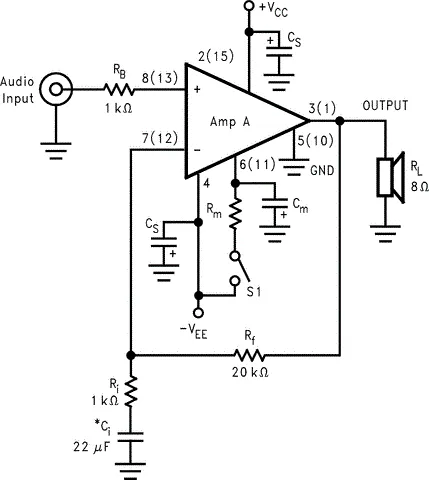
LM4766 Specifications and Applications
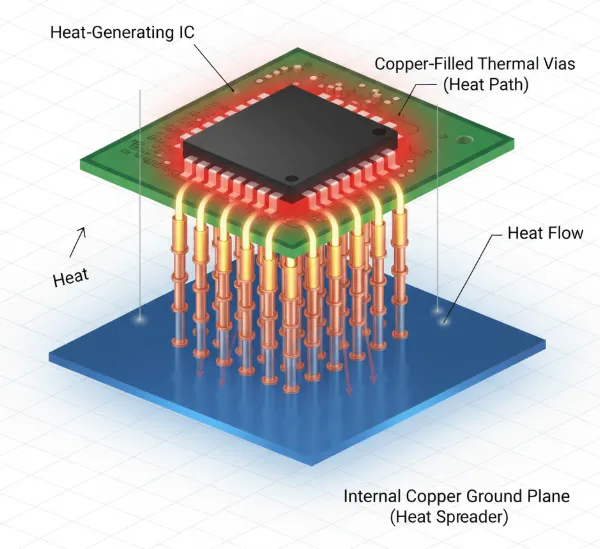
Enhancing PCB Reliability: A Guide to Thermal Vias for Heat Dissipation
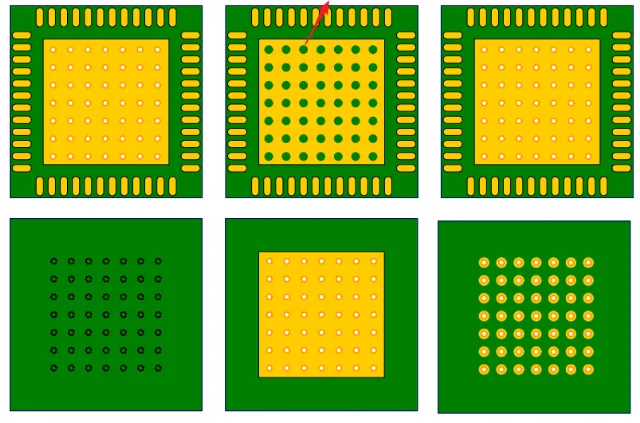
Mastering Thermal Vias: Essential Heat Management for High-Power PCBs
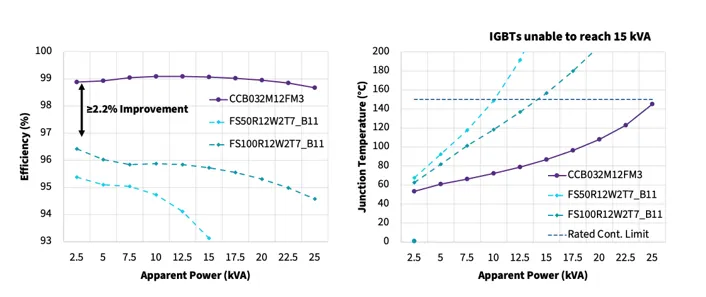
Wolfspeed Power Modules in Three-Phase Motor Drives
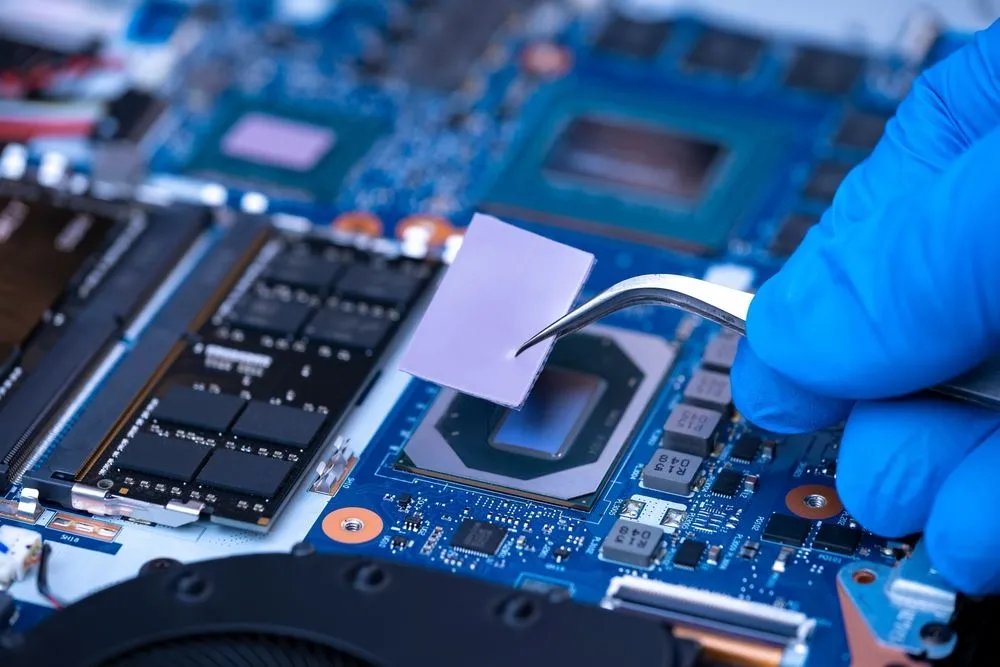
Thermal Pad Design for Power Supplies: Enhancing Efficiency and Reliability
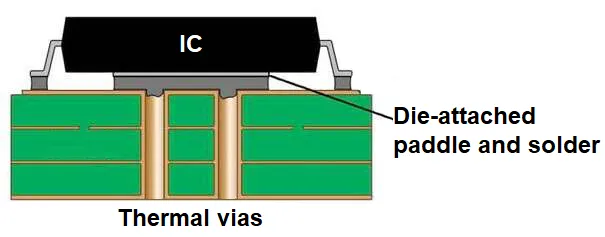
The Importance of Thermal Vias in High Power PCB Design: Dissipating Heat and Improving Reliability
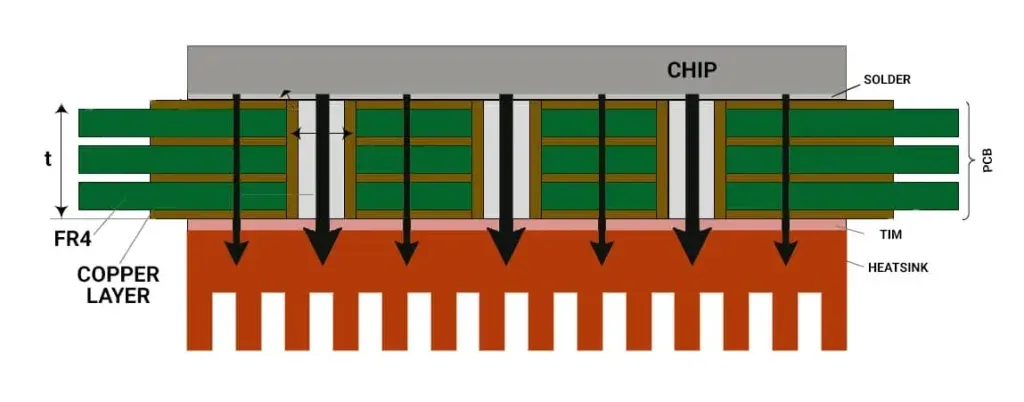
Inner Layer Copper Thickness: A Key to Effective PCB Heat Dissipation
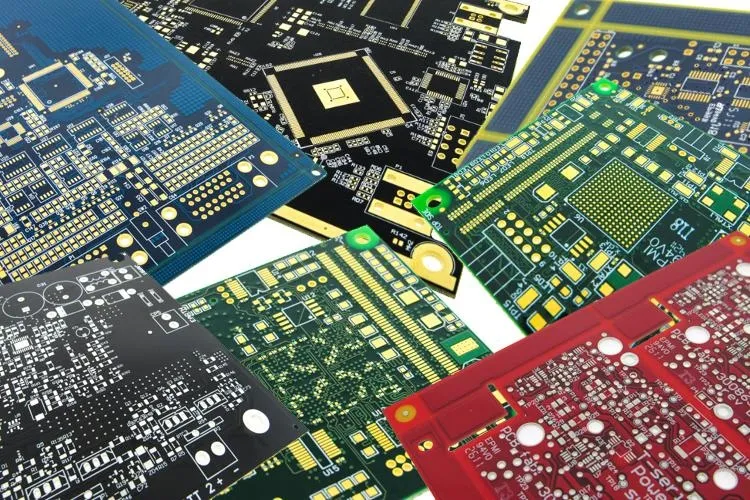
Solder Mask Color and Thermal Performance: An In-Depth Analysis
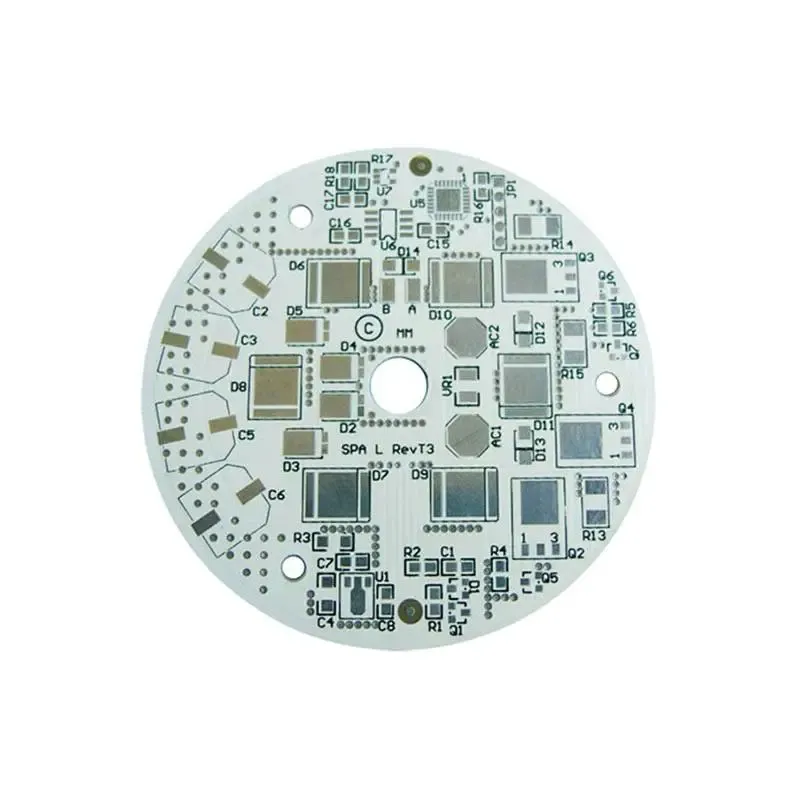
Soldering Aluminum PCBs: A Comprehensive Guide for Robust Connections
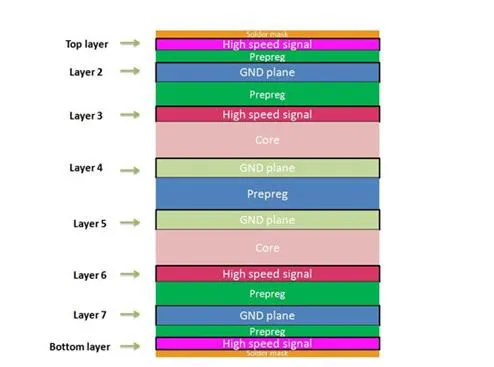
Designing 8-Layer PCBs for High-Current and High-Voltage Power Electronics
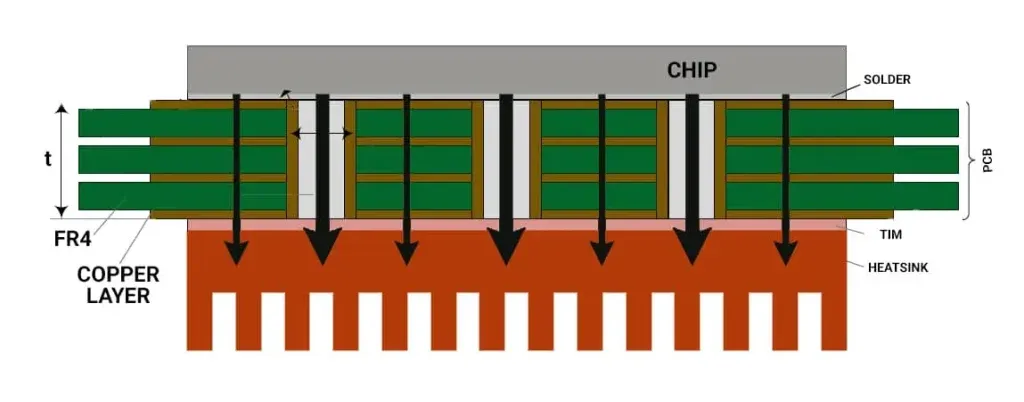
FR4 PCB Thermal Via Design for High-Power Components
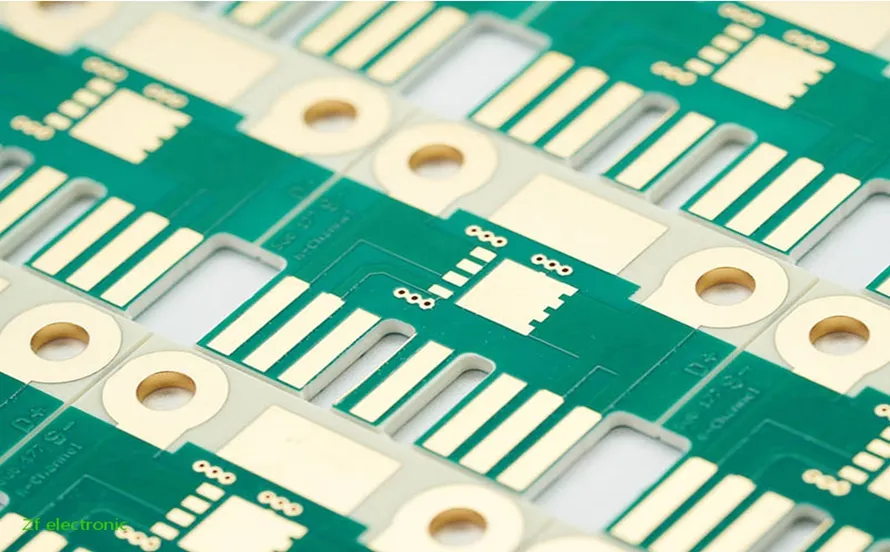
Rogers PCB: Maximizing Efficiency in High Frequency Power Amplifiers
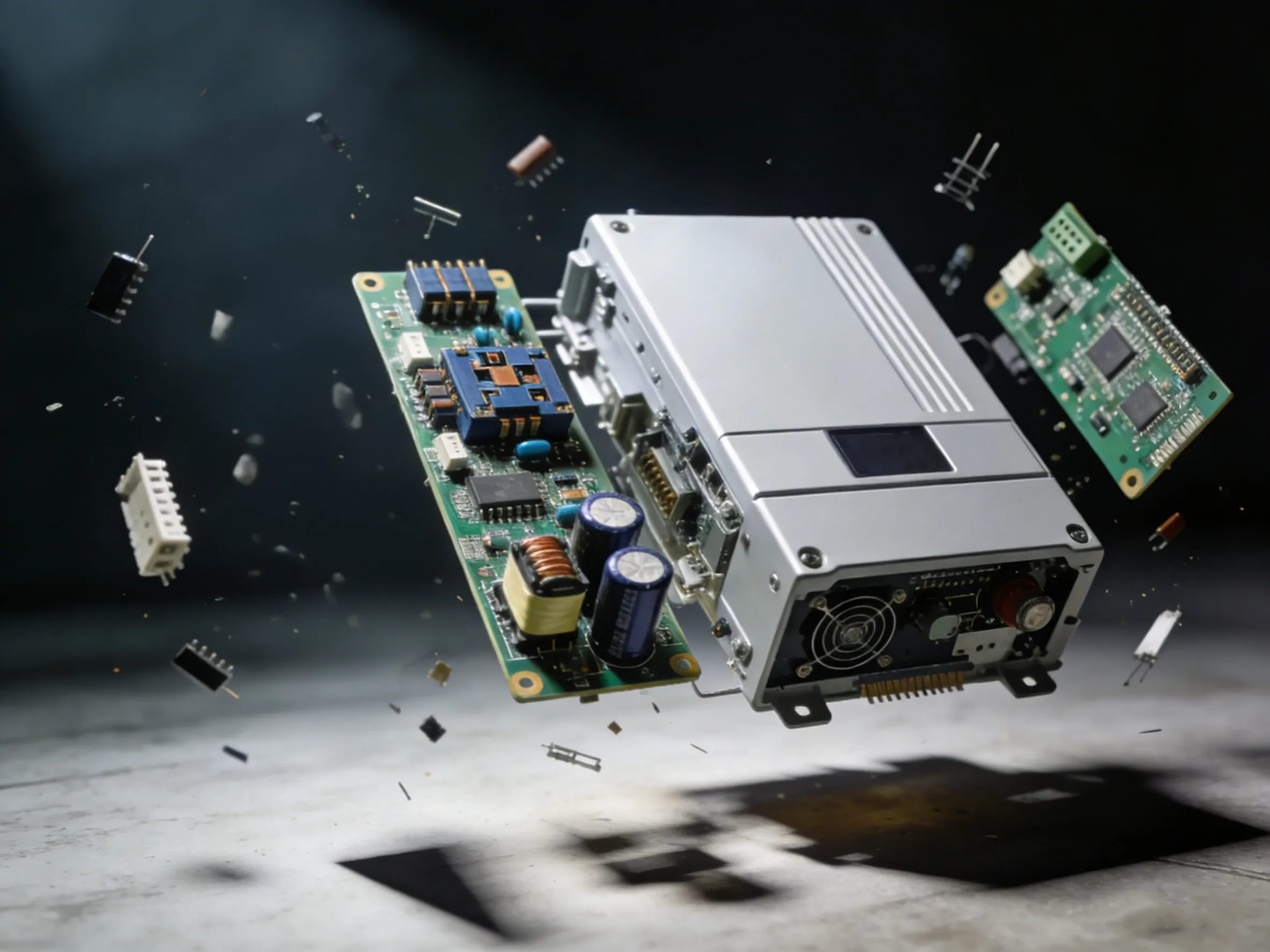
The Role of Thermal Management in Solar Inverter PCB Design: Ensuring Longevity and Reliability
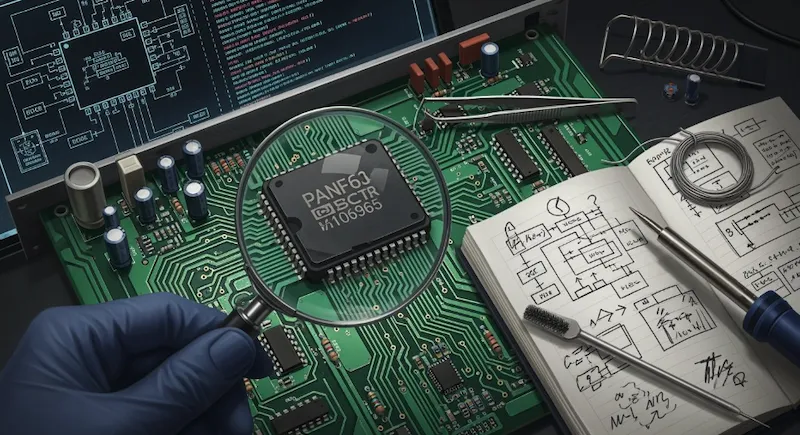
Unlocking PCB Secrets: Advanced Diagnostic Techniques for Complex Boards
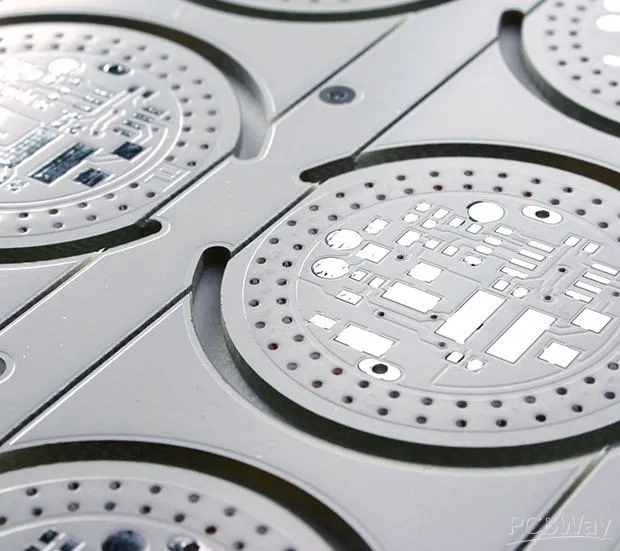
Comprehensive Guide to Aluminum PCB Design and Thermal Engineering
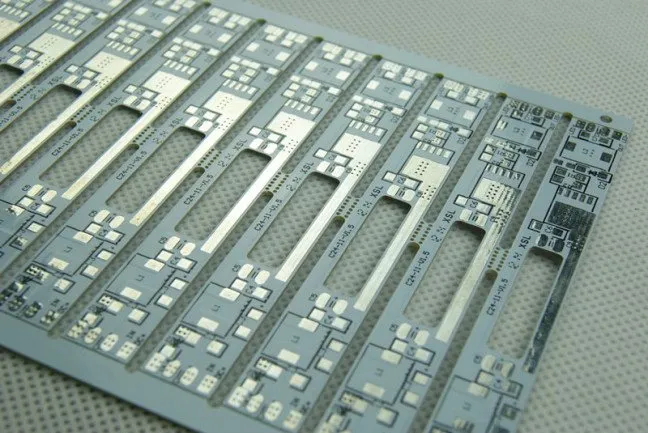
The Ultimate Guide to Aluminum PCB Application in Modern Electronics
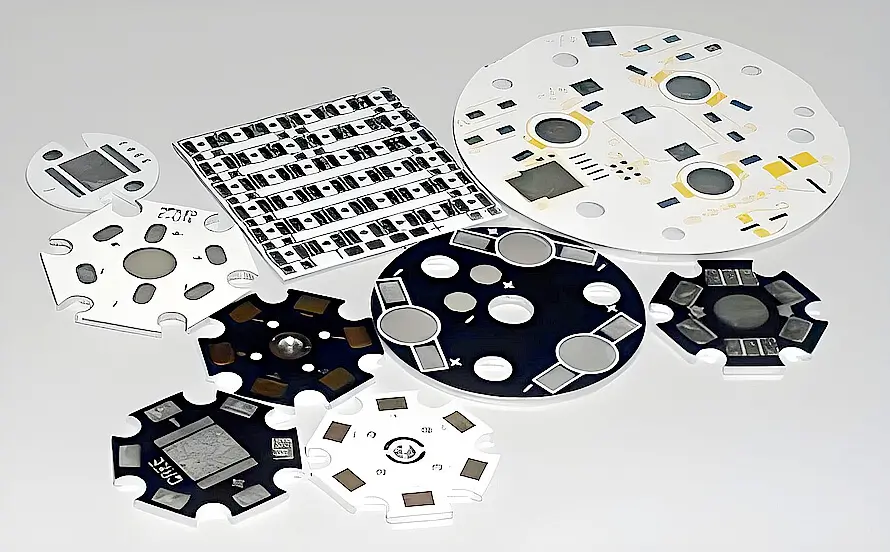
Engineering Guide to Aluminum PCB Materials and Thermal Substrates
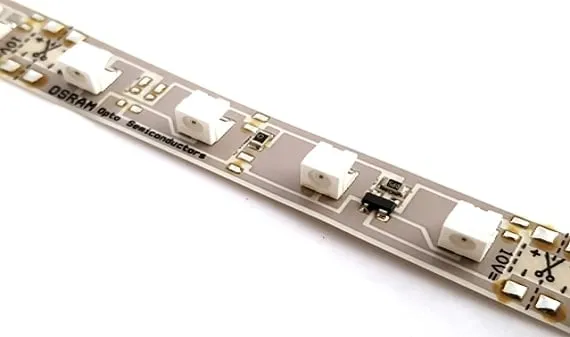
Step-by-Step Guide: Assembling Metal-Backed PCBs for Beginners