Impedance Control
Impedance control is a critical aspect of printed circuit board (PCB) design, ensuring that signal traces maintain consistent electrical characteristics to prevent distortions, reflections, and data loss in high-speed applications. This tag encompasses a range of topics related to managing characteristic impedance in PCBs, from fundamental concepts to advanced implementation strategies. For engineers and designers searching for impedance control solutions, understanding this principle is essential for optimizing performance in systems like telecommunications, computing, and automotive electronics, where signal integrity directly impacts reliability and efficiency. At its core, impedance control involves precise calculation and control of trace geometry, dielectric materials, and layer stackups to match the required impedance values, typically 50 ohms for RF signals or 100 ohms for differential pairs. Practical applications include high-speed interfaces such as USB, PCIe, and Ethernet, where mismatches can lead to electromagnetic interference or signal degradation. Best practices start with accurate simulations using tools like field solvers to predict impedance, followed by selecting appropriate trace widths, spacing, and via configurations. For instance, maintaining uniform trace routing and incorporating ground planes can minimize variations, while regular testing with time-domain reflectometry ensures compliance during prototyping. Professionals often encounter challenges like manufacturing tolerances or environmental factors affecting impedance, which this tag addresses through case studies and troubleshooting guides. By delving into these resources, you can gain actionable insights to refine your designs, such as integrating controlled impedance into multilayer boards or adapting to flexible PCBs. Exploring the articles under this tag provides in-depth discussions on these techniques, helping you apply proven methods to your projects and achieve robust, high-performance electronics.
Technical Articles
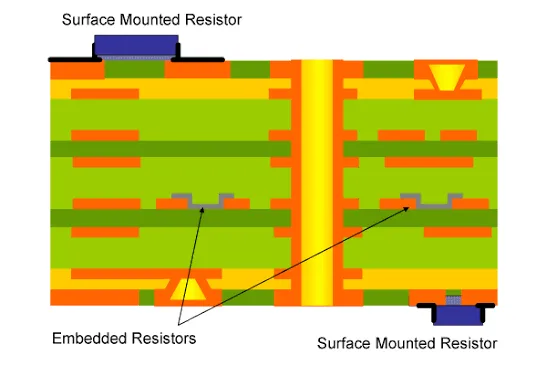
20-Layer Embedded-Resistor PCB: Process Flow and Core Manufacturing Challenges
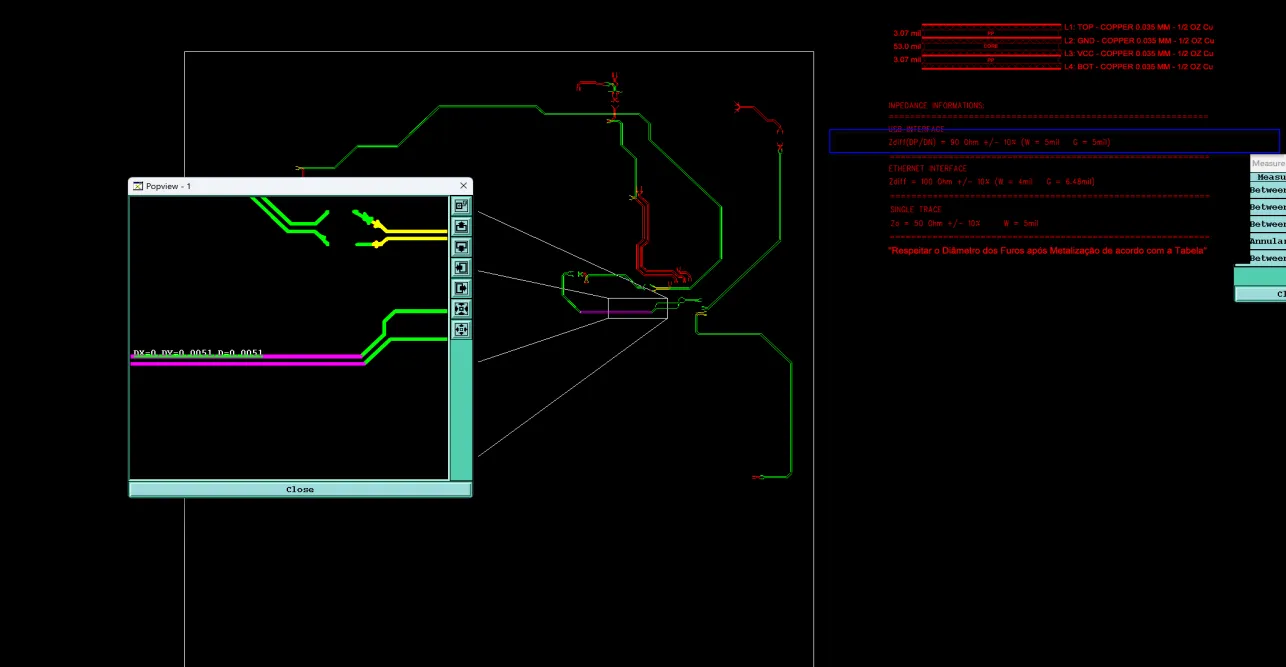
How PCB CAM Resolves Conflicting Impedance Control Requirements
Output Waveform Analysis of a PWM Current-Control Circuit
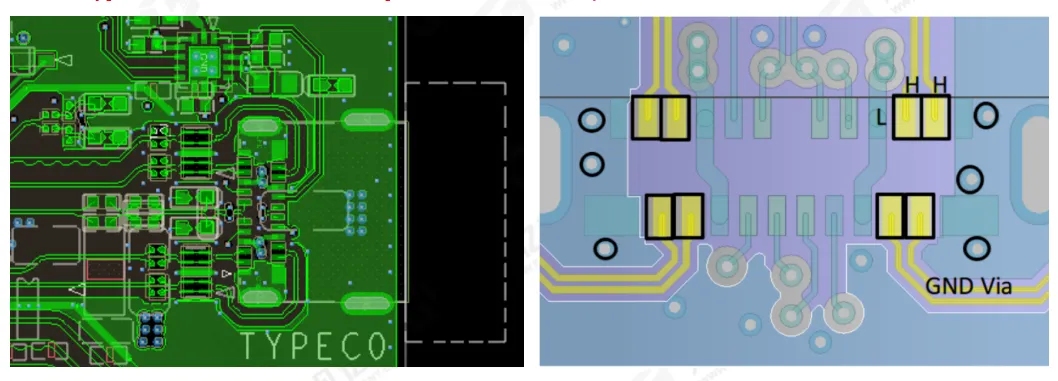
PCB Layout and Routing Requirements for USB 2.0, USB 3.0, and USB Type C Interfaces
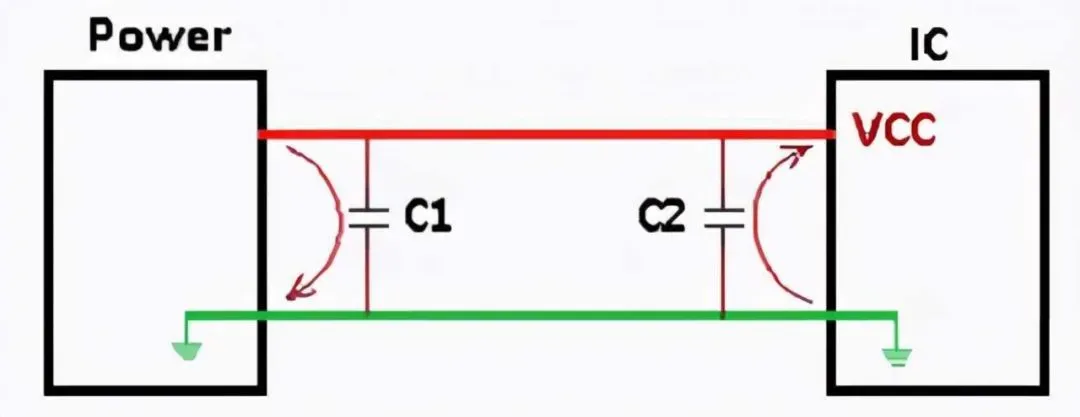
Why Two Capacitors? The Engineering Roles of 0.1 μF and 0.01 μF on the Power Rail
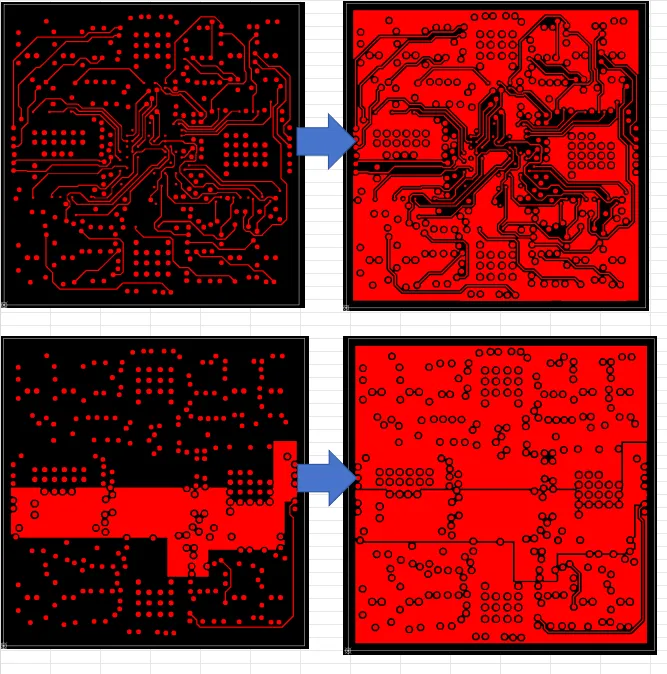
13 Common PCB Design Mistakes—and How to Avoid Them
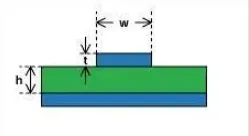
Classification and Differences of PCB Signal Traces: Microstrip and Stripline
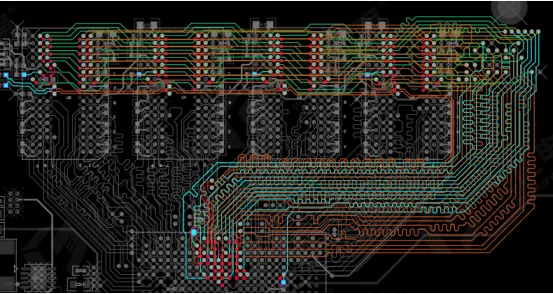
Detailed Analysis of DDR Topologies
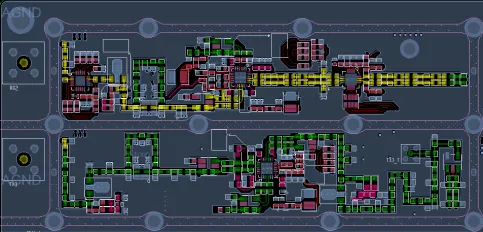
RF PCB Layout and Routing Essentials
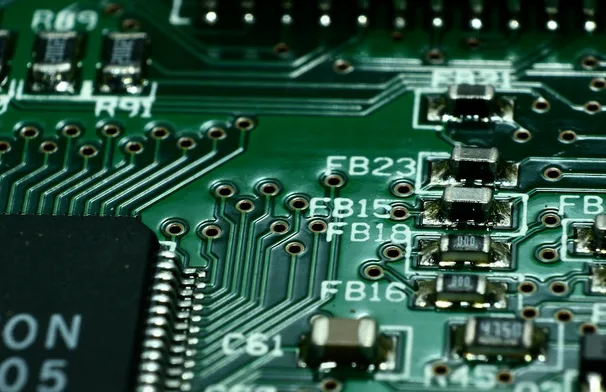
Maintaining PCB Signal Integrity in Harsh Environments: Challenges and Practical Guidelines
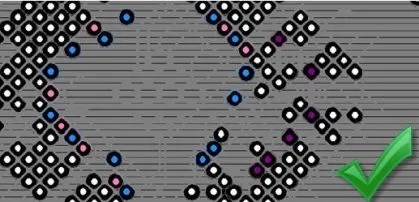
DDR Module PCB Design: Topologies, Routing Rules, and Skew Control
11 Best Practices for High-Speed PCB Routing (Part 1)
USB Interface PCB Design Guide: From Type-C to High-Speed Routing
Defining and Using Differential Pairs in KiCad
Revealing the "Pseudo Eight-Layer" Stackup: Can a Six-Layer PCB Deliver Eight-Layer Performance?
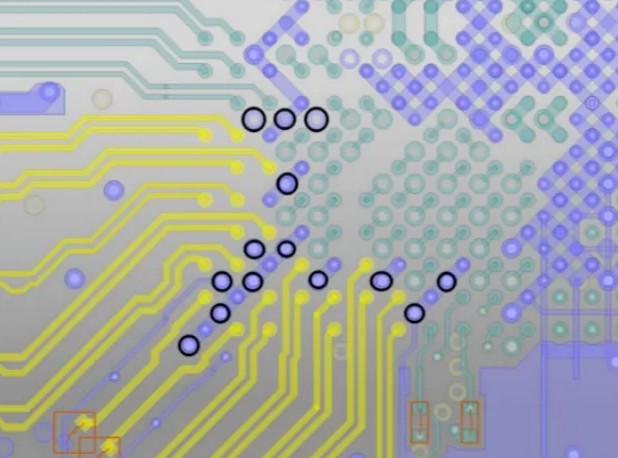
PCB Layout and Routing Requirements for PCIe Interfaces
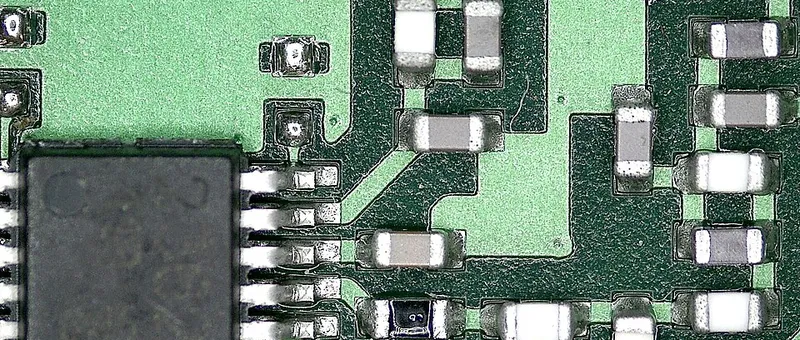
Handing a PCB to the Fabricator Is More Than a Gerber File
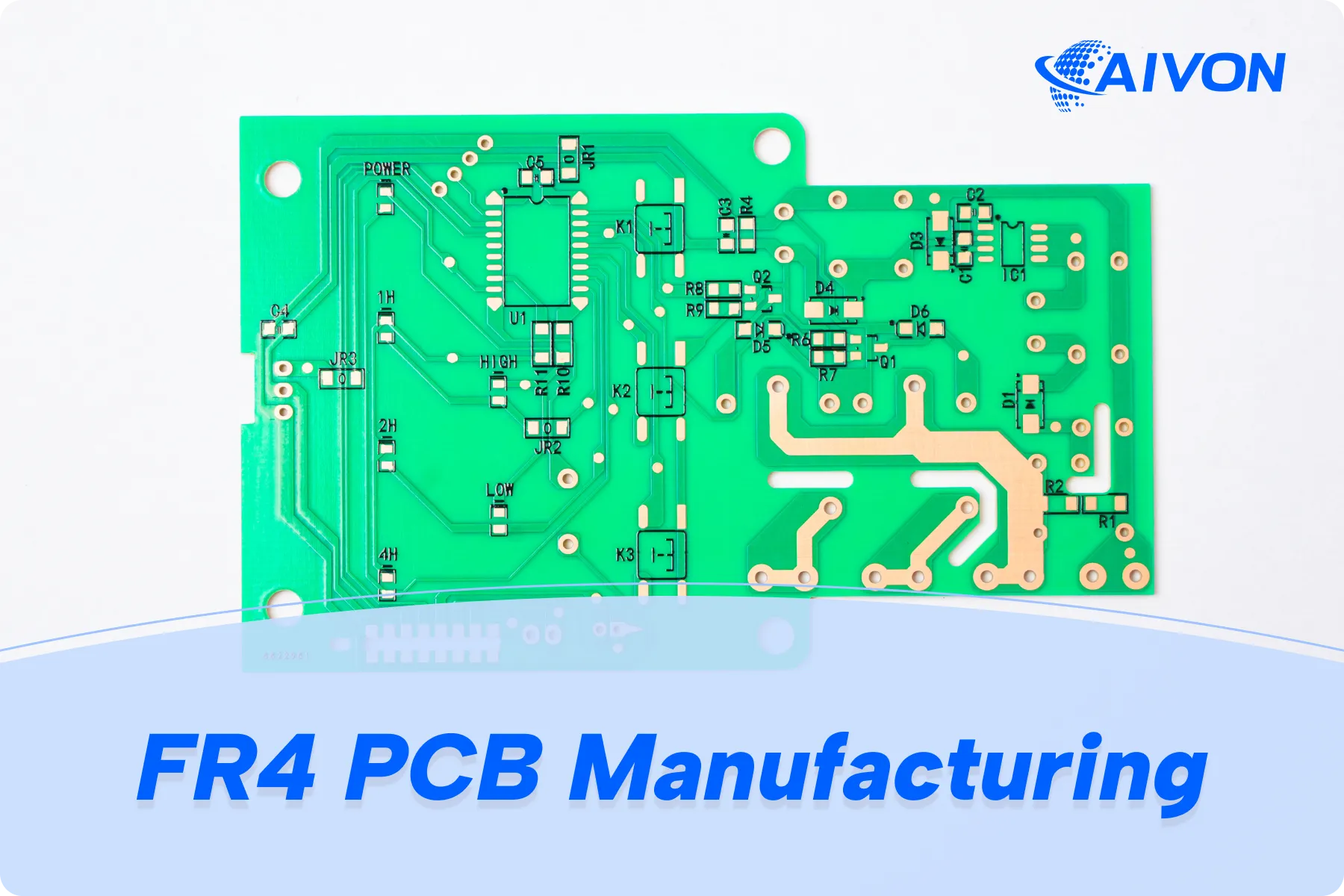
FR4 PCB Manufacturing: Materials, Process, and Fabrication Guide