








Medical Electronics Design
Medical electronics design plays a pivotal role in advancing healthcare technology, integrating electronic components with medical applications to create reliable, efficient, and safe devices. This field encompasses the development of everything from diagnostic tools and wearable health monitors to implantable devices and telemedicine systems. Professionals in this area must navigate complex challenges, including stringent regulatory requirements like FDA approvals, biocompatibility standards, and electromagnetic compatibility to ensure patient safety and device efficacy. Under the Medical Electronics Design tag, you will find a collection of articles that delve into essential topics such as circuit design for low-power consumption, sensor integration for accurate vital sign monitoring, and signal processing techniques for noise reduction in medical imaging equipment. These resources offer actionable insights into best practices, including selecting appropriate microcontrollers for real-time data processing and implementing robust cybersecurity measures to protect sensitive patient information. For instance, engineers can learn how to optimize battery life in portable defibrillators or design user-friendly interfaces for home health devices, drawing from real-world case studies and industry standards. Whether you are an electronics engineer entering the medical sector, a product developer seeking compliance strategies, or a researcher exploring innovative bioelectronics, these articles provide practical guidance to enhance your projects. By addressing common pitfalls like thermal management in high-density PCBs and scalability for mass production, the content equips you with the knowledge to innovate responsibly. Readers often find value in cross-referencing related pieces on topics like biomedical signal amplification or regulatory updates, which can further inform your design decisions and keep you abreast of emerging trends in this dynamic field.
Technical Articles
Overview of China’s Medical Device Industry
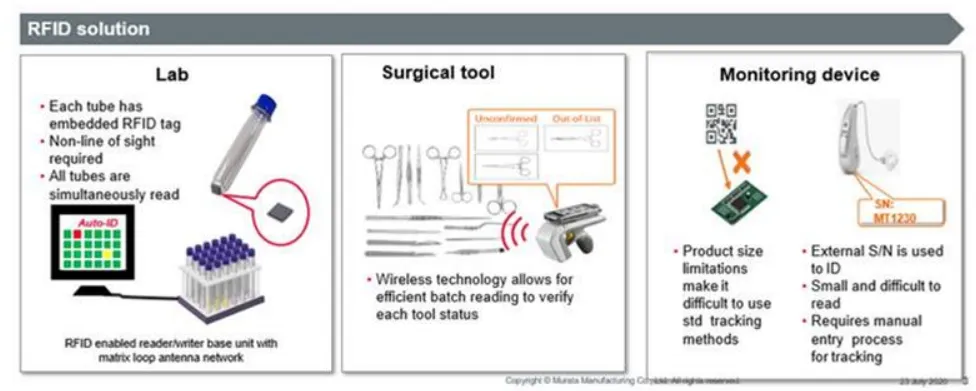
NTC Thermistors and RFID for Medical Applications

Designing Wearable PCBs with KiCad: A Step-by-Step Guide

Build Your Own Wearable Health Gadget: A Hobbyist’s PCB Guide
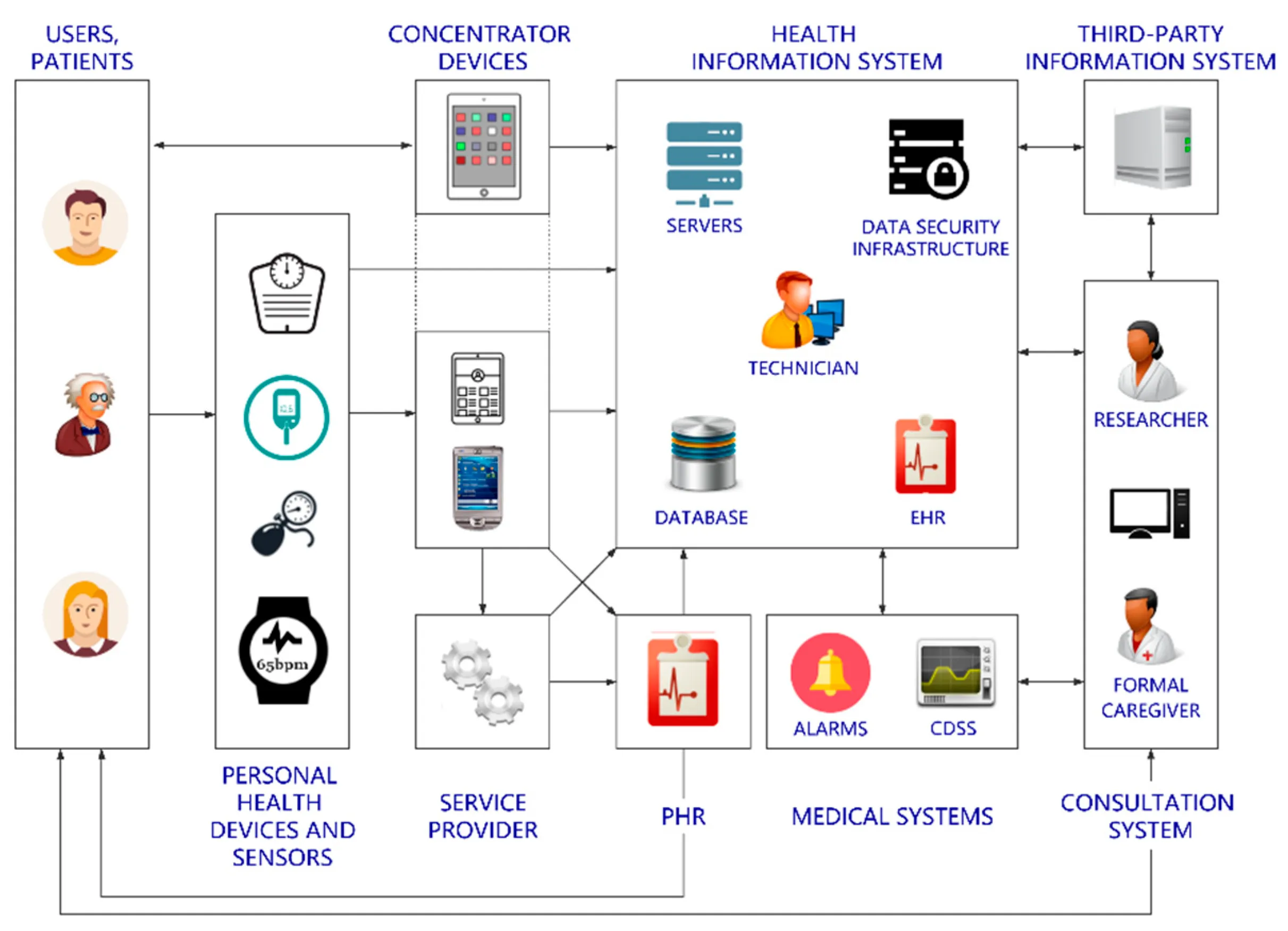
Designing a Mobile Medical System for Digital Management

FPGA-Based Visual and Auditory Evoked Potential

Choosing Pressure Sensor Types and Design Considerations

Fiber Sensor for Real-Time Amniotic Fluid Monitoring

Flexible PCB for Medical Wearable Devices: Design & Applications

ESP32 Fingerprint Voting Machine: The Custom Double-sided PCB That Changed Everything

Smartwatch Heart Rate Methods and Trade-offs
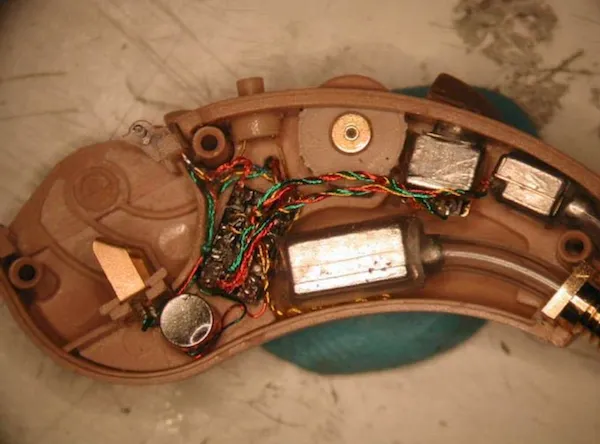
Power Management IC(PMIC) for Hearing Aids
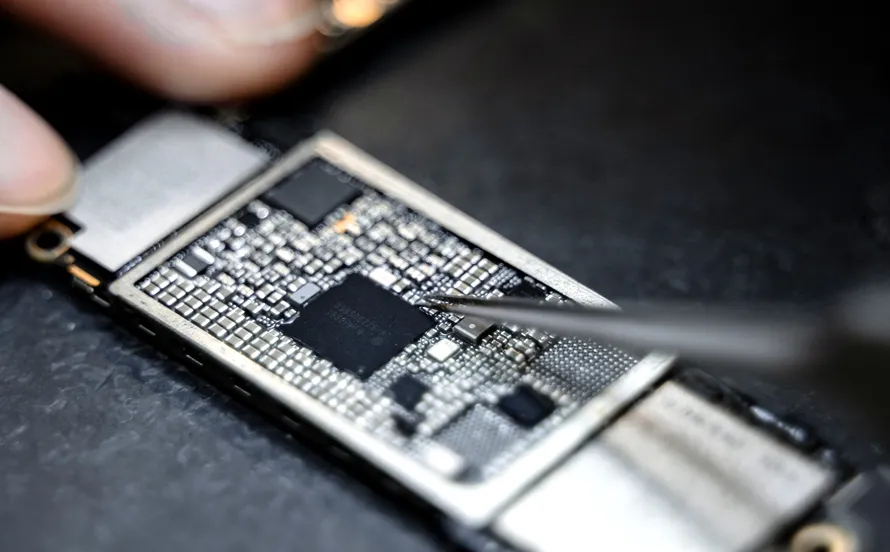
HDI PCB for Medical Devices: Manufacturing Capacity for Compact Designs
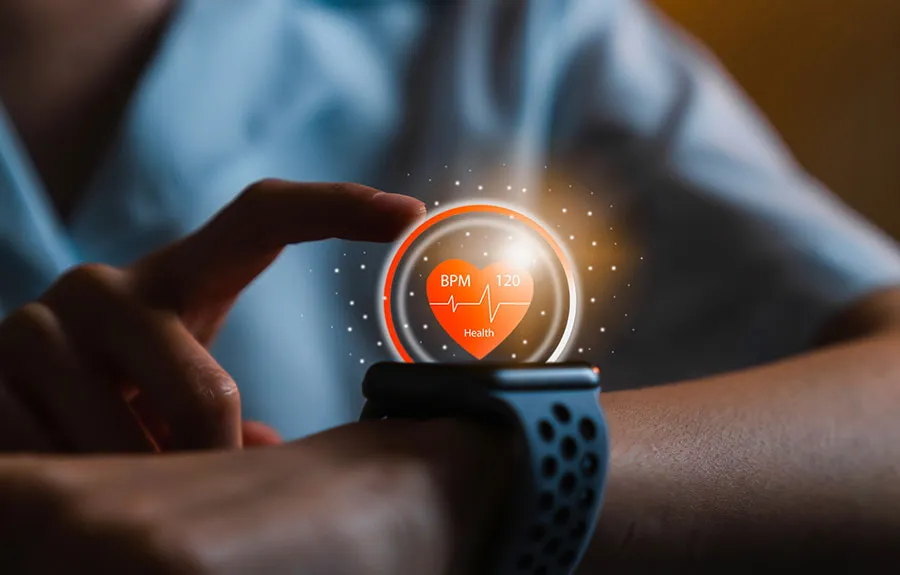
Heart Rate Sensor Technologies for Wearables

Wearable Medical Device Architectures and Design Challenges
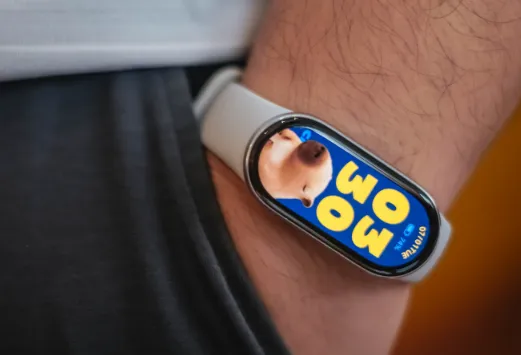
Why Smart Bands Often Feel Useless - Are They Worth Buying?
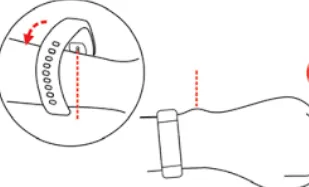
Smart Wristband Functions and Uses
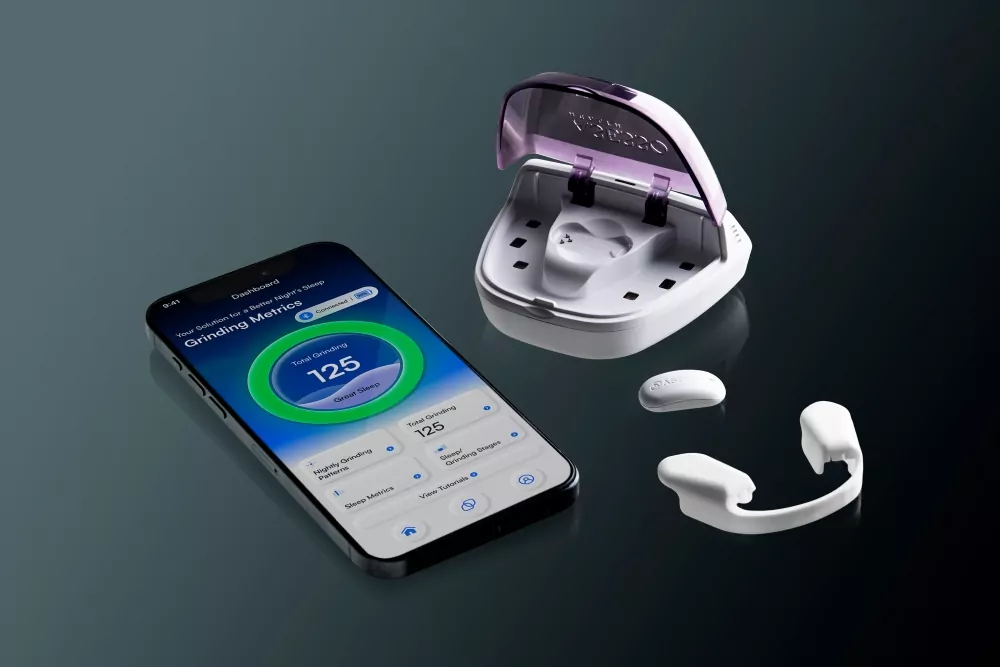
7 Interaction Technologies for More Practical Wearable Devices


