Medical Electronics Design
Medical electronics design plays a pivotal role in advancing healthcare technology, integrating electronic components with medical applications to create reliable, efficient, and safe devices. This field encompasses the development of everything from diagnostic tools and wearable health monitors to implantable devices and telemedicine systems. Professionals in this area must navigate complex challenges, including stringent regulatory requirements like FDA approvals, biocompatibility standards, and electromagnetic compatibility to ensure patient safety and device efficacy. Under the Medical Electronics Design tag, you will find a collection of articles that delve into essential topics such as circuit design for low-power consumption, sensor integration for accurate vital sign monitoring, and signal processing techniques for noise reduction in medical imaging equipment. These resources offer actionable insights into best practices, including selecting appropriate microcontrollers for real-time data processing and implementing robust cybersecurity measures to protect sensitive patient information. For instance, engineers can learn how to optimize battery life in portable defibrillators or design user-friendly interfaces for home health devices, drawing from real-world case studies and industry standards. Whether you are an electronics engineer entering the medical sector, a product developer seeking compliance strategies, or a researcher exploring innovative bioelectronics, these articles provide practical guidance to enhance your projects. By addressing common pitfalls like thermal management in high-density PCBs and scalability for mass production, the content equips you with the knowledge to innovate responsibly. Readers often find value in cross-referencing related pieces on topics like biomedical signal amplification or regulatory updates, which can further inform your design decisions and keep you abreast of emerging trends in this dynamic field.
Technical Articles
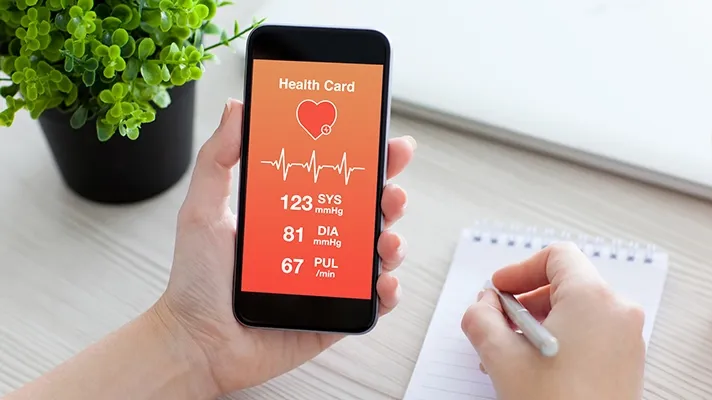
Mobile Health in Clinical Closed-Loop Management
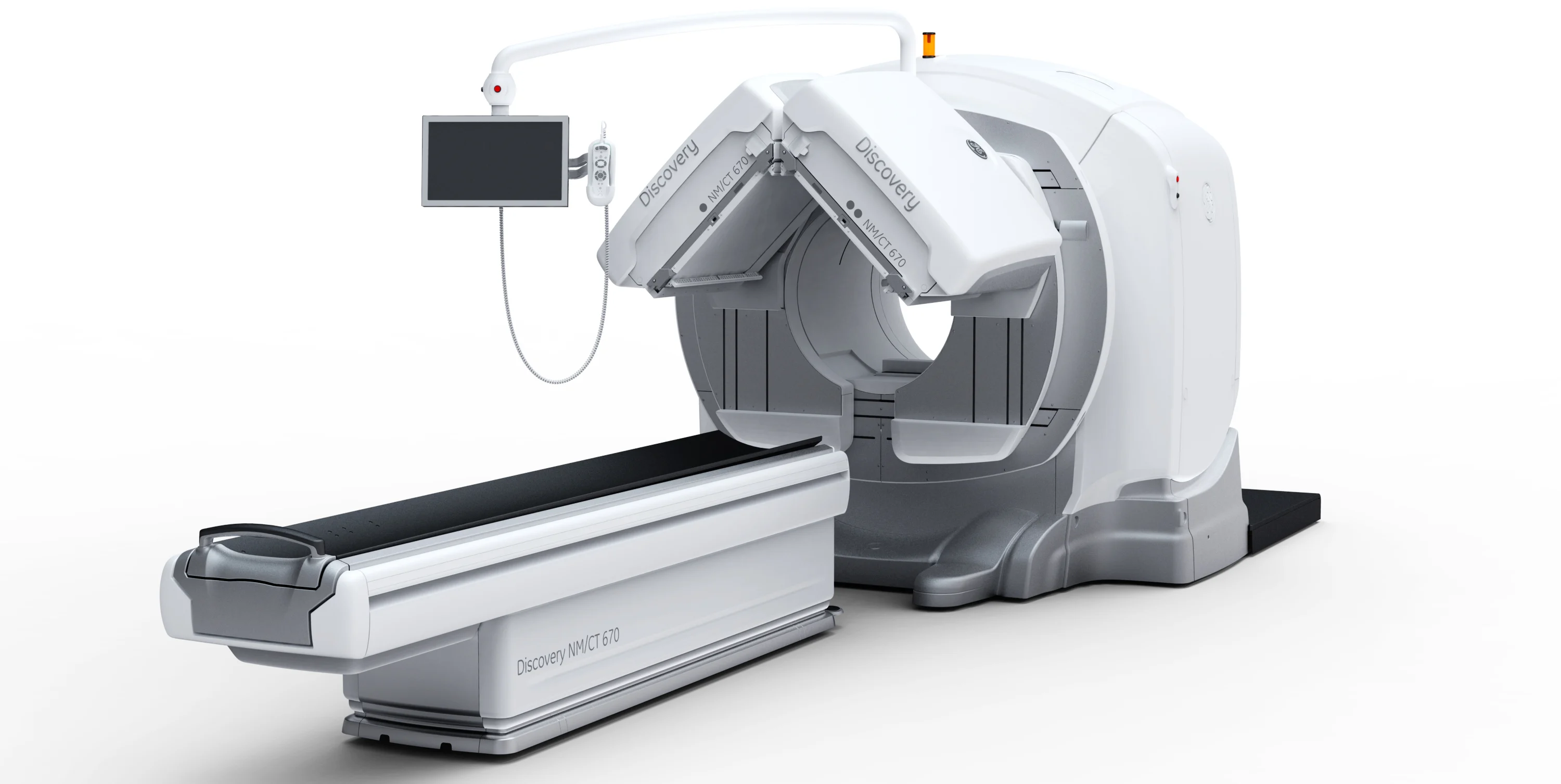
Nuclear Medicine Imaging Devices: Types, Features and Process
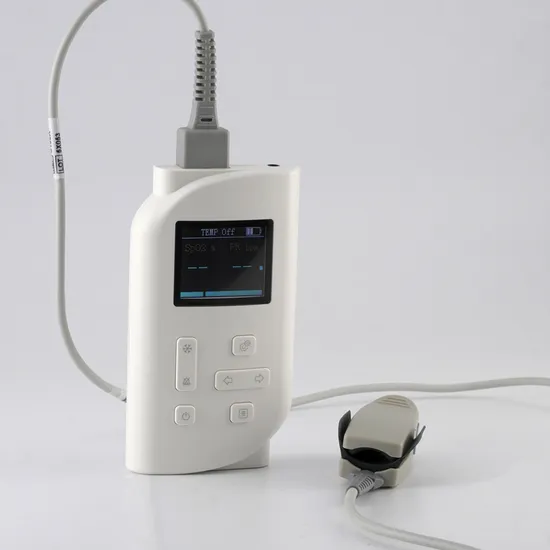
Simplifying Portable Medical Device Design with Analog ICs
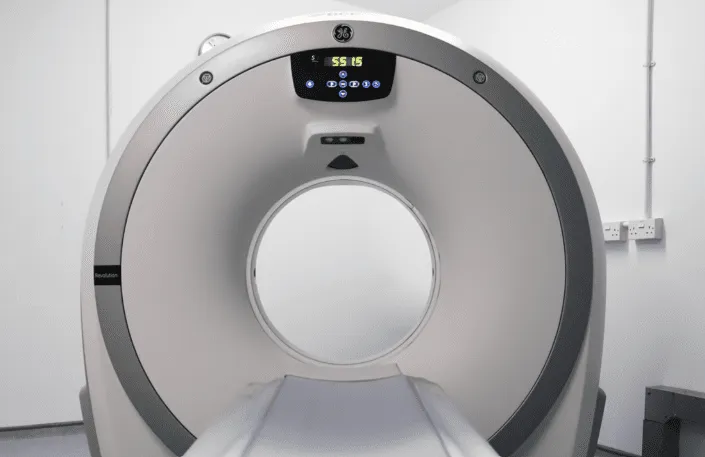
The Critical Role of Signal Conditioning in CT Scanner PCB Design
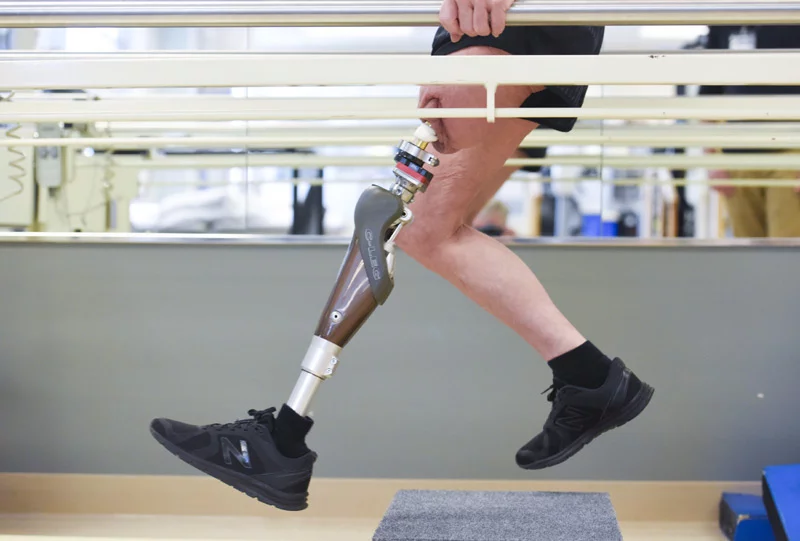
Textile Based Pressure Sensors for Prosthetic Socket Interfaces

Thin PCBs in Medical Devices: Ensuring Reliability in Critical Applications

Skin-Attachable Acoustic Sensor Design

Future Trends in Cameras, Processors, and Image Sensors
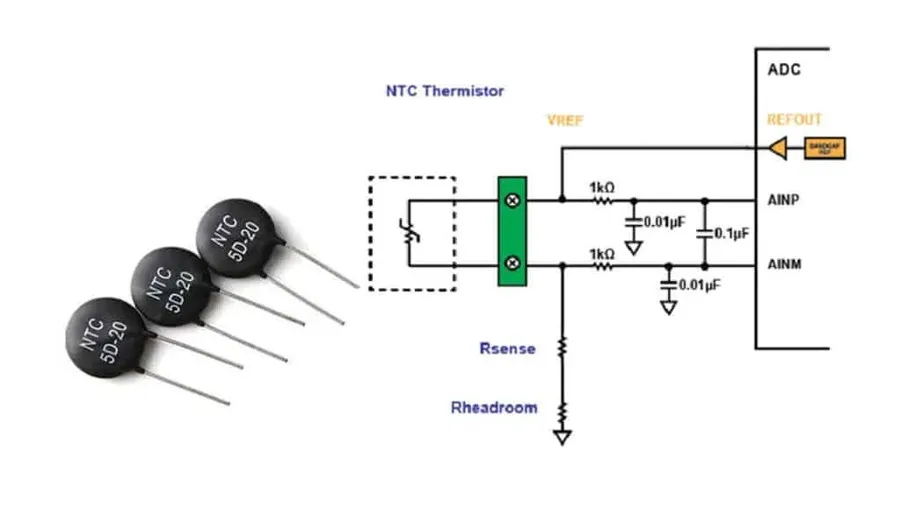
NTC Thermistor: Operation, Advantages, and Installation

UL Certification for Medical PCBs: Meeting Stringent Safety Requirements

Principles of Ghost Imaging

Vision-based Multimodal Tactile Sensing System
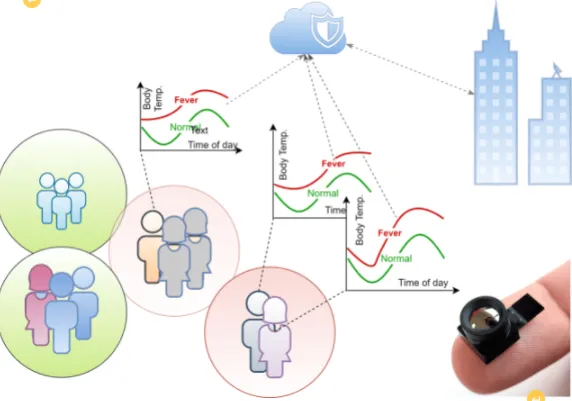
Is Thermal Imaging Becoming Mainstream?
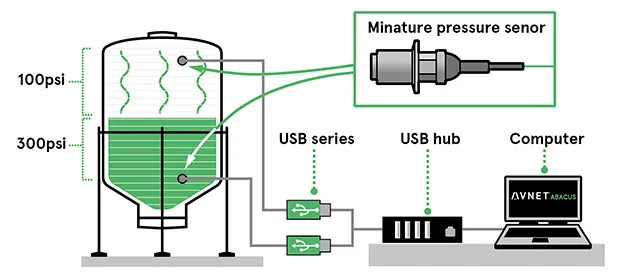
What Is a Differential Pressure Sensor and Failure Effects
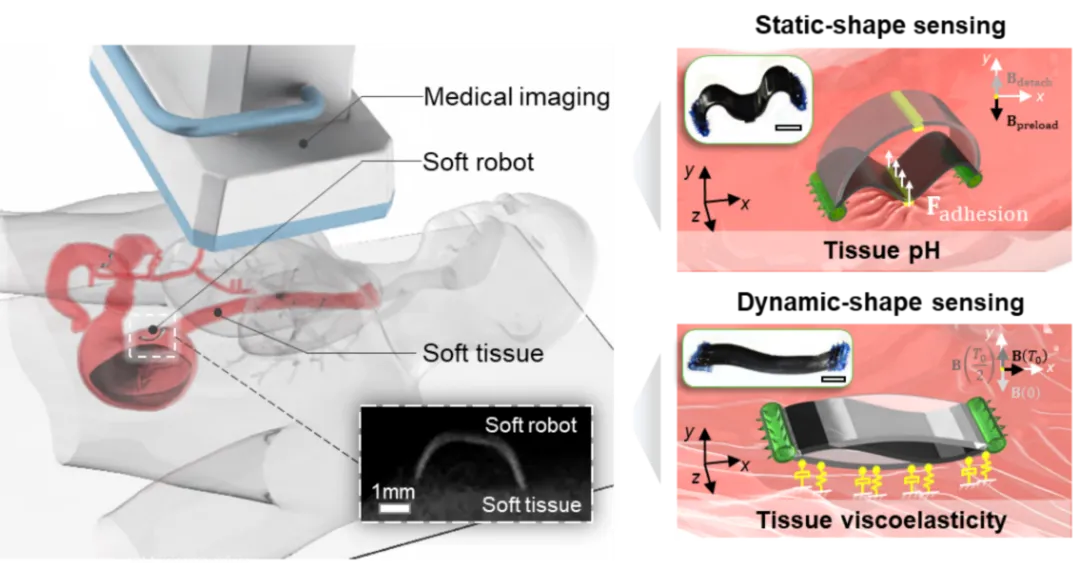
Magnetically Driven Mini Soft Robots: Tissue Sensing and Miniature Electronics Challenges
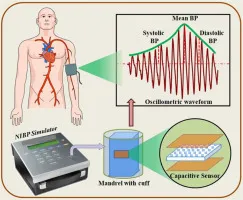
Oscillometric Bluetooth 4.0 Electronic Blood Pressure Monitor Design
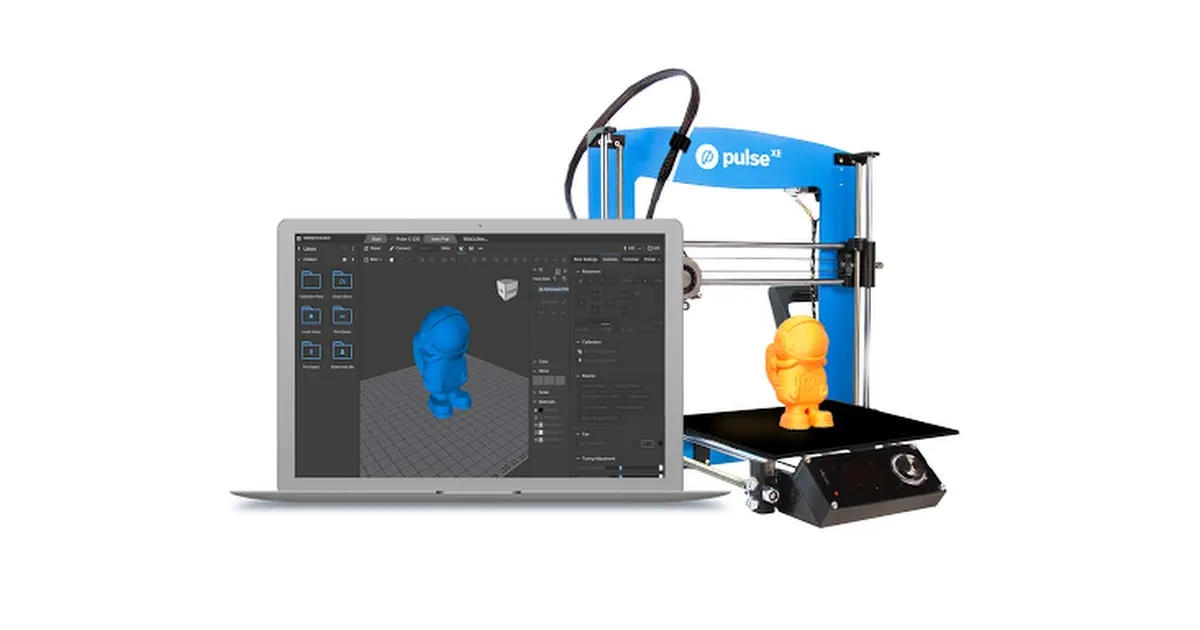
Image Control System Design Using 3D Printing
Infusion Controller Design Using Shenlianhua MCU