




 03:34
Multilayer PCB
Multilayer PCBs represent a cornerstone of modern electronics design, enabling the creation of compact, high-performance circuits that power everything from smartphones to industrial machinery. These boards consist of multiple layers of conductive copper separated by insulating materials, allowing for intricate routing of signals and power without the space constraints of single or double-layer alternatives. For engineers and designers searching for multilayer PCB solutions, this tag serves as a comprehensive resource, offering insights into their construction, advantages, and implementation strategies. One key benefit of multilayer PCBs is their ability to support higher component density, which is essential for devices requiring complex interconnections while minimizing electromagnetic interference. In practice, this means you can achieve better signal integrity and thermal management, crucial for applications in telecommunications, automotive systems, and medical equipment. When designing a multilayer PCB, focus on layer stackup planning to optimize impedance control and reduce crosstalk; for instance, alternating signal and ground planes can significantly enhance performance. Best practices also include using via structures like blind or buried vias to connect layers efficiently, avoiding common pitfalls such as uneven copper distribution that could lead to warping during fabrication. Professionals often turn to multilayer PCBs for their scalability in prototyping and mass production, where cost-effectiveness hinges on selecting appropriate materials like FR-4 or high-frequency laminates based on the project's demands. This tag compiles articles that delve into these topics, from step-by-step design tutorials to case studies on troubleshooting manufacturing issues. By reviewing the content here, you can gain practical knowledge to refine your projects, whether you're optimizing a new prototype or scaling up for commercial use.
Video Guide


Technical Articles
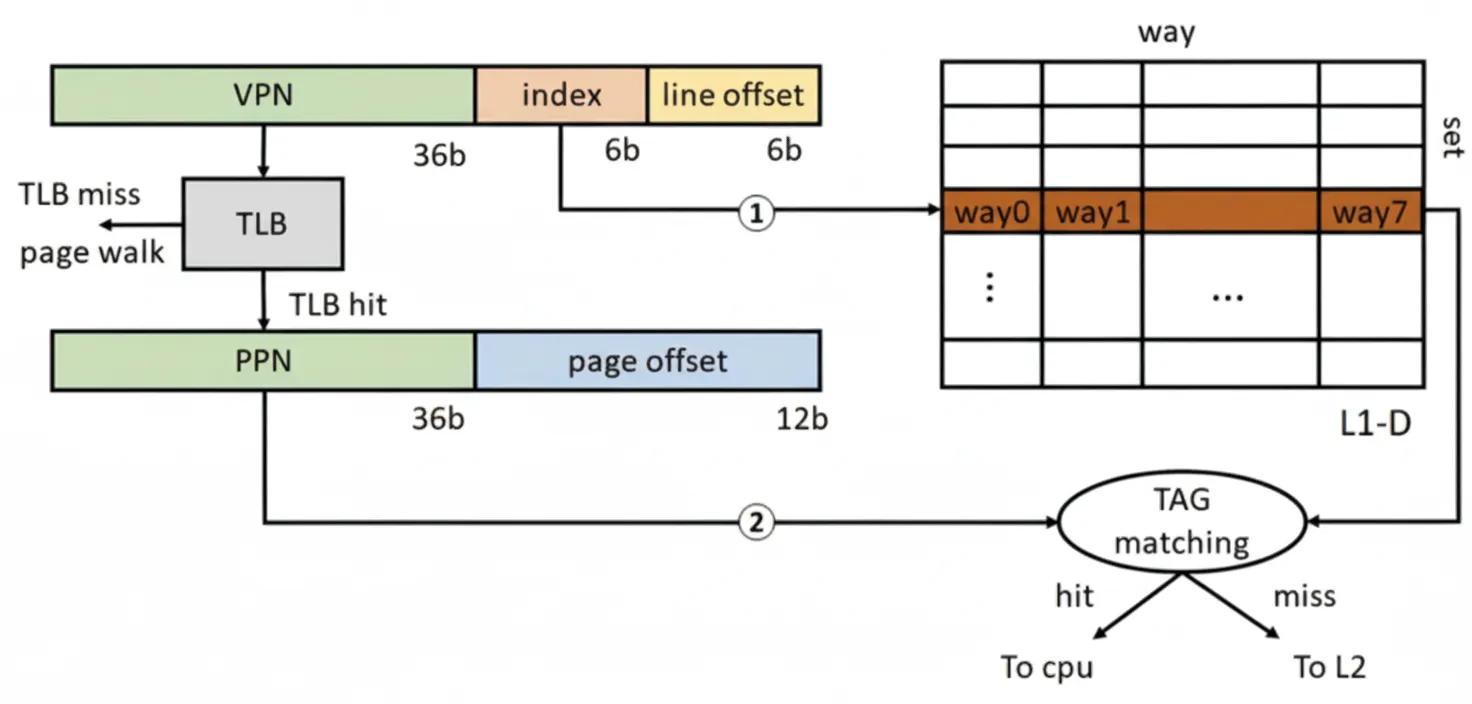
How Cache Size Affects CPU Performance
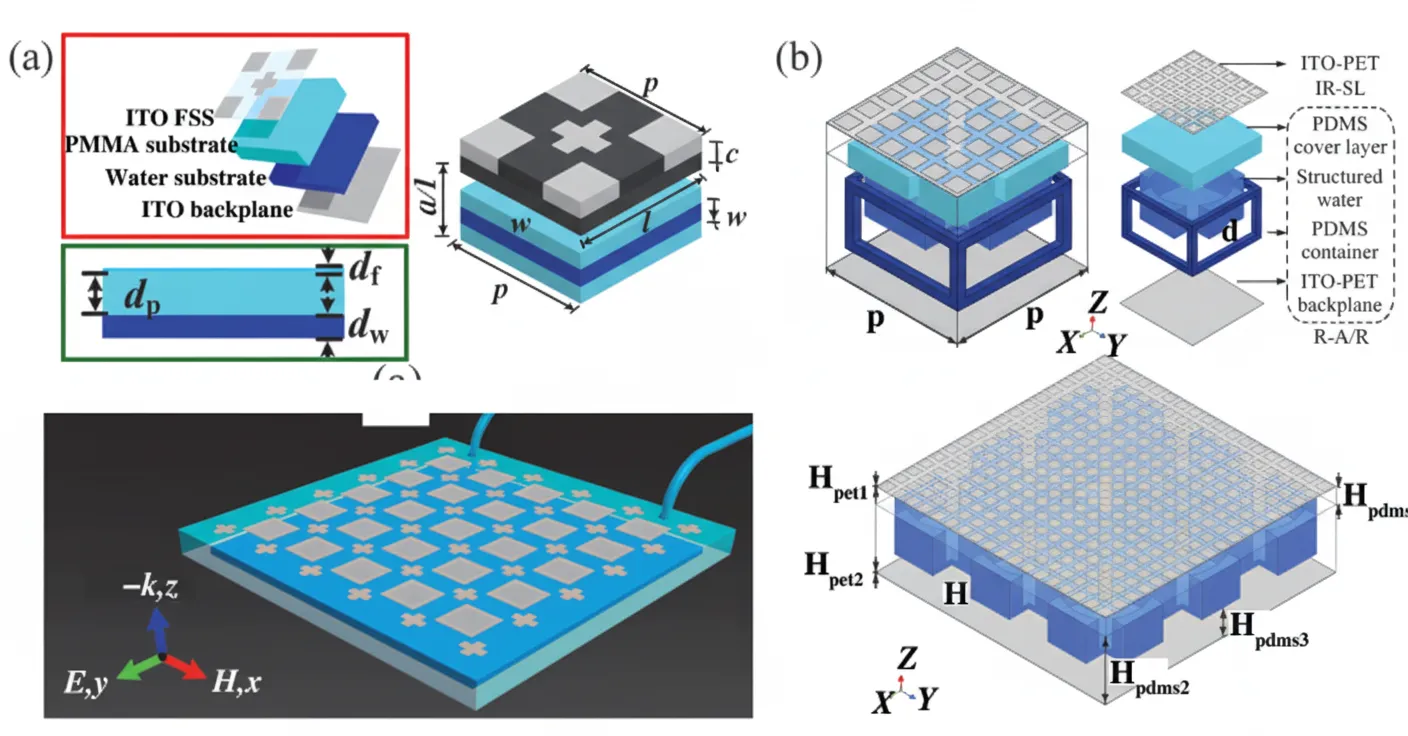
Metamaterial-Enhanced PCBs for RF Stealth, Infrared Compatibility, and Advanced High-Frequency Applications
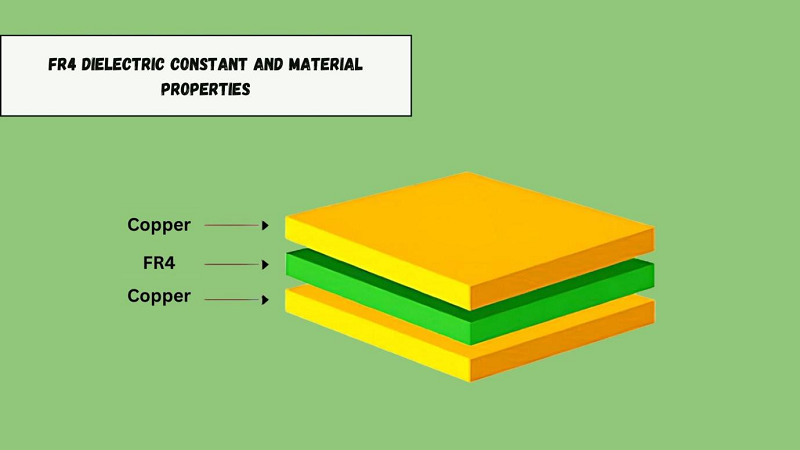
Demystifying FR 4 Manufacturing: A Step by Step Guide

What Is 5.5G and How It Differs from 5G and 6G
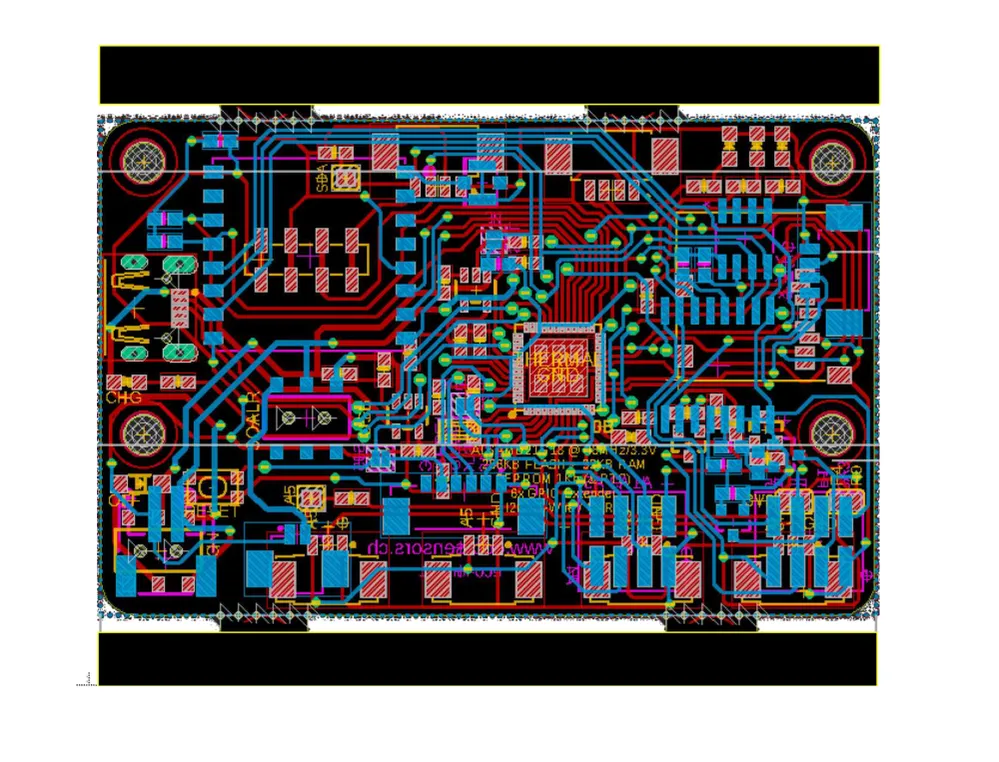
A Comprehensive Guide to Reverse Engineering Automotive ECU Circuit Boards
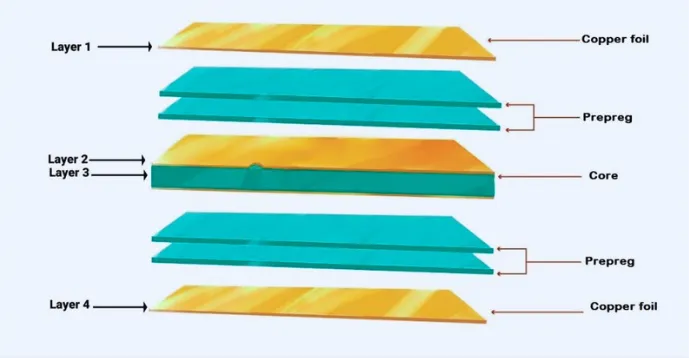
Symmetrical vs. Asymmetrical PCB Stackups: Which Design is Right for Your Project?
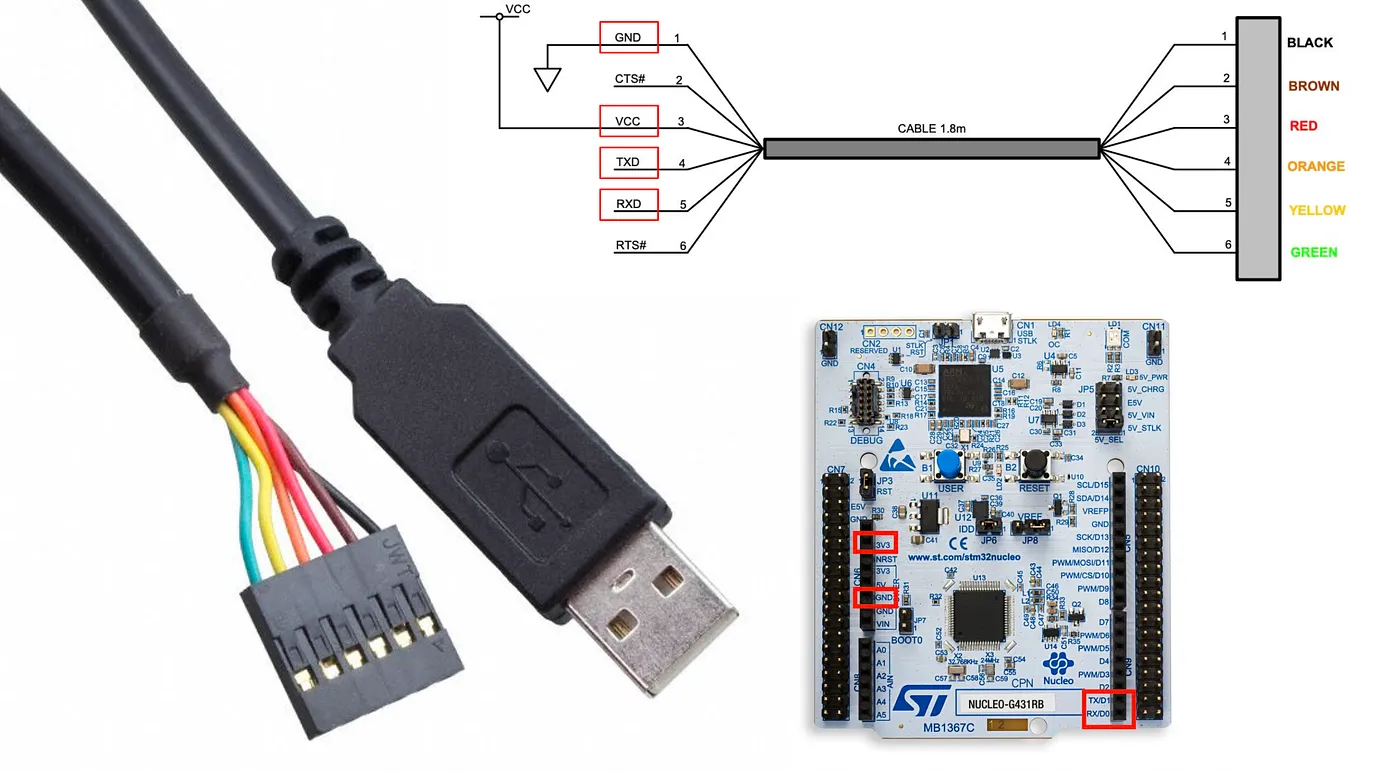
STM32 UART Communication: Principles, Implementation, and PCB Design Considerations
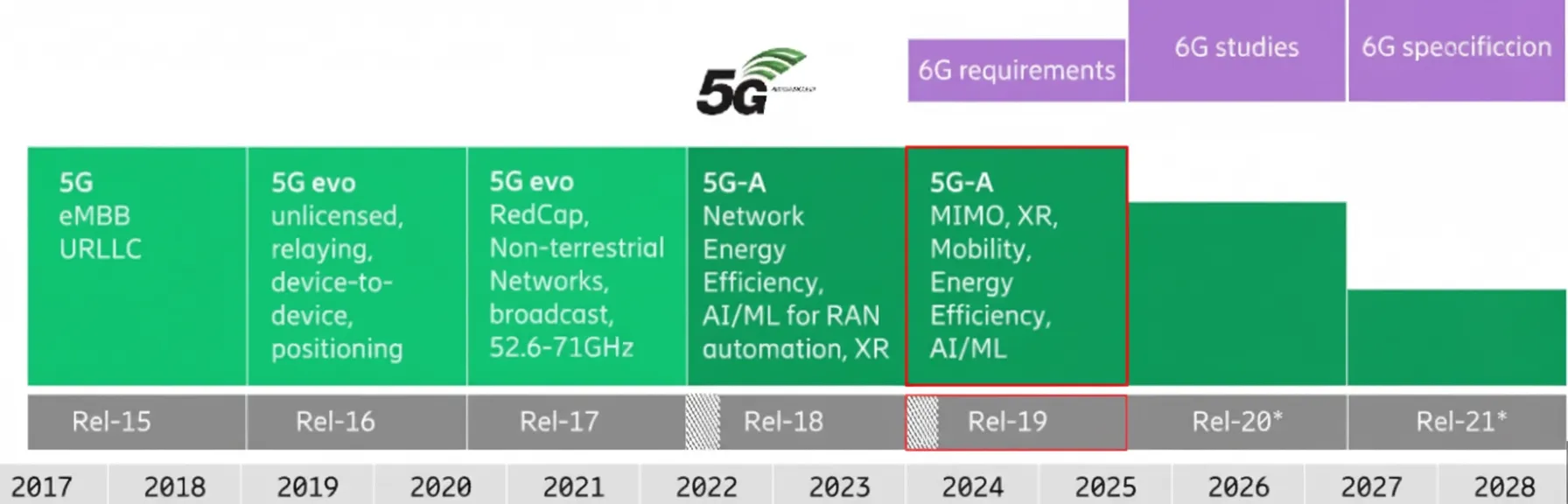
Ericsson on 3GPP Release 19
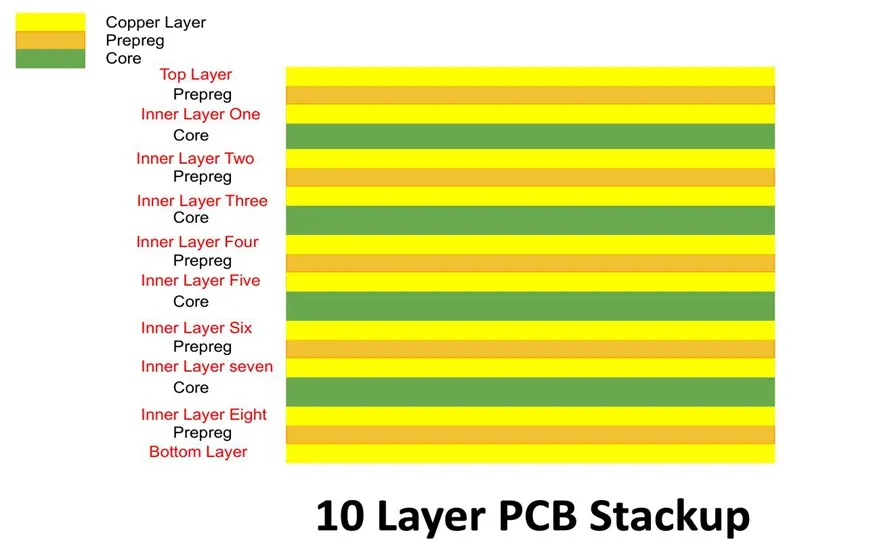
Mastering 10-Layer PCB Stackup: Essential for High-Speed Electronics
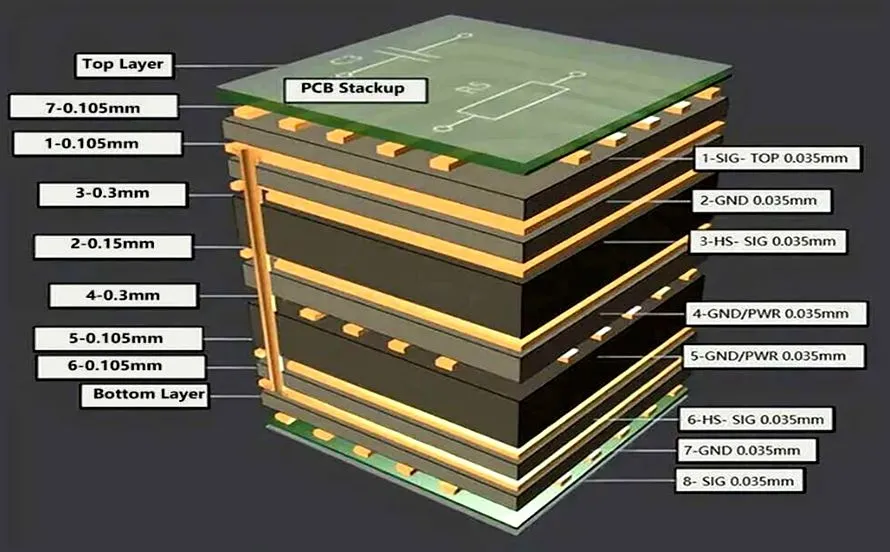
Unleashing PCB Performance: A Guide to Asymmetrical Stackup Design
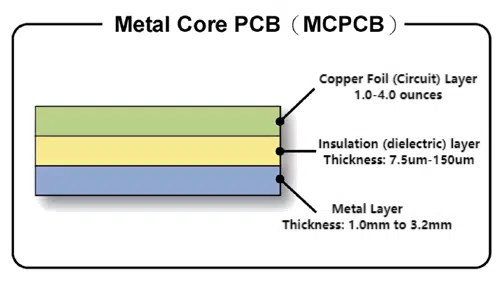
Overcoming Manufacturing Challenges in High Density MCPCB Designs
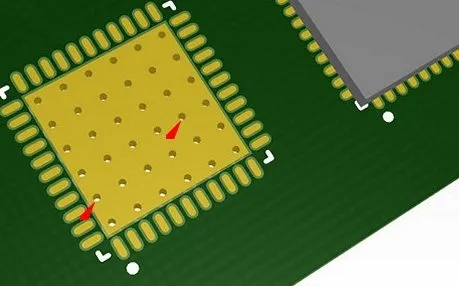
Managing Heat in High Power Multilayer PCB Designs
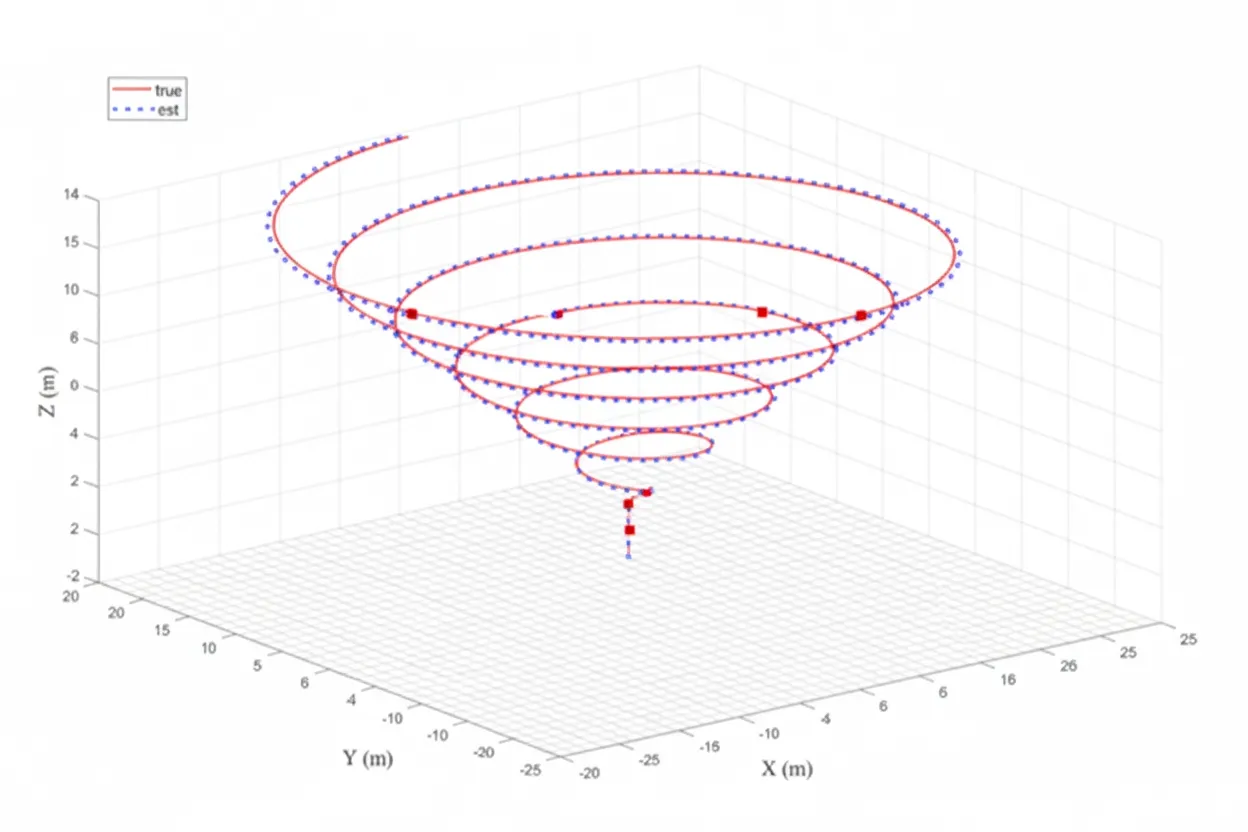
Nonlinear Adaptive Learning Controller for Quadcopter Obstacle Avoidance
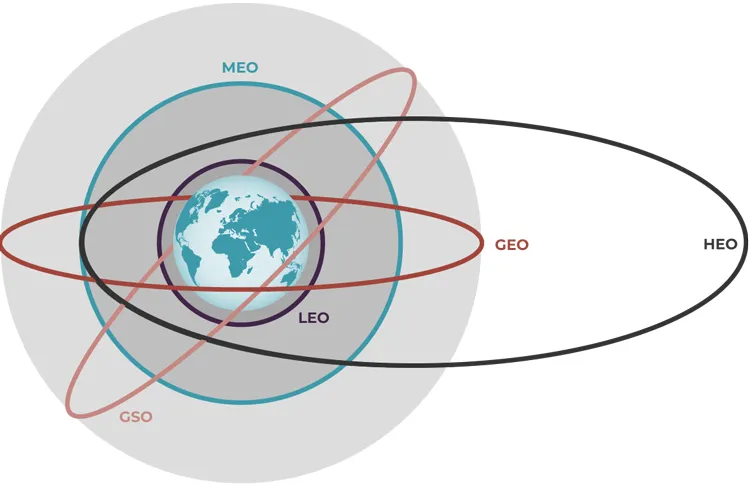
From Geosynchronous Orbits to Starlink Networks
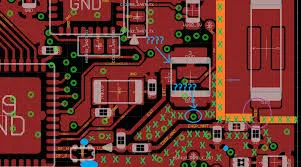
Through-Hole Vias: Essential Connections in Multilayer PCB Design
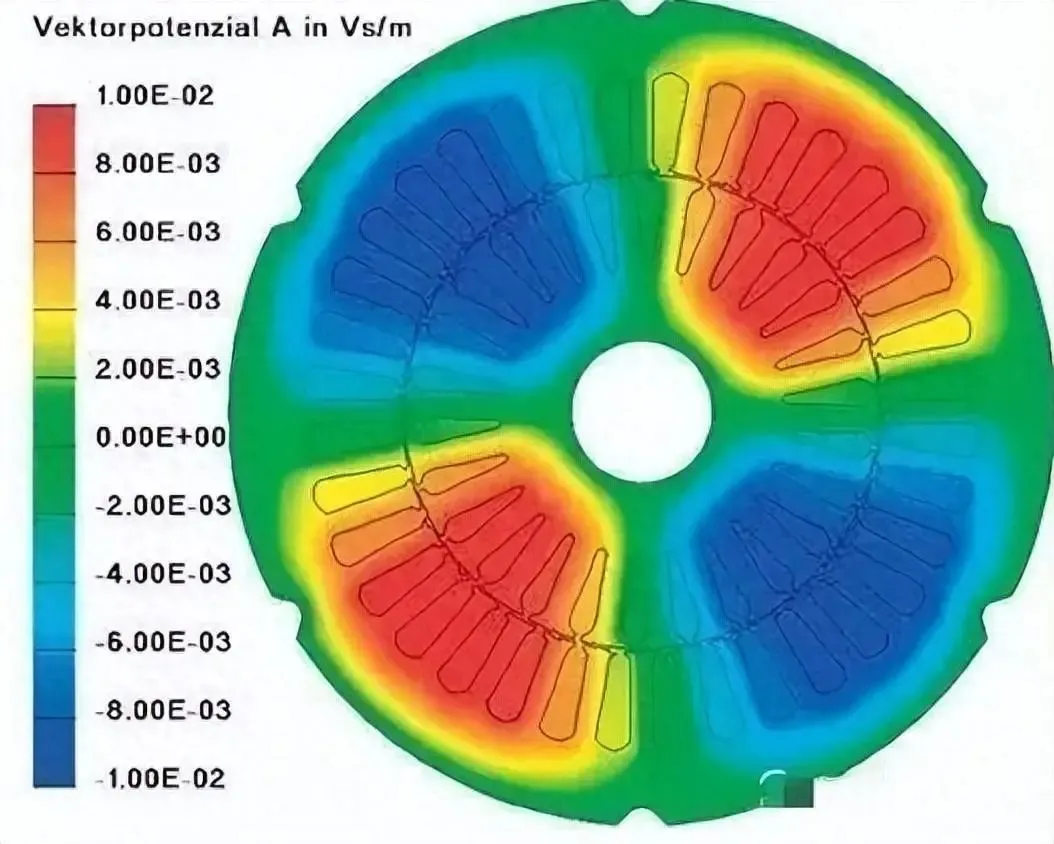
PCB Design Strategies for Permanent Magnet Synchronous Motors: Industrial Control and Automotive Systems

PCB Engineering Considerations for Speech Recognition and Voice-Controlled Electronic Products

Six Core Technologies for Drone Swarm Systems
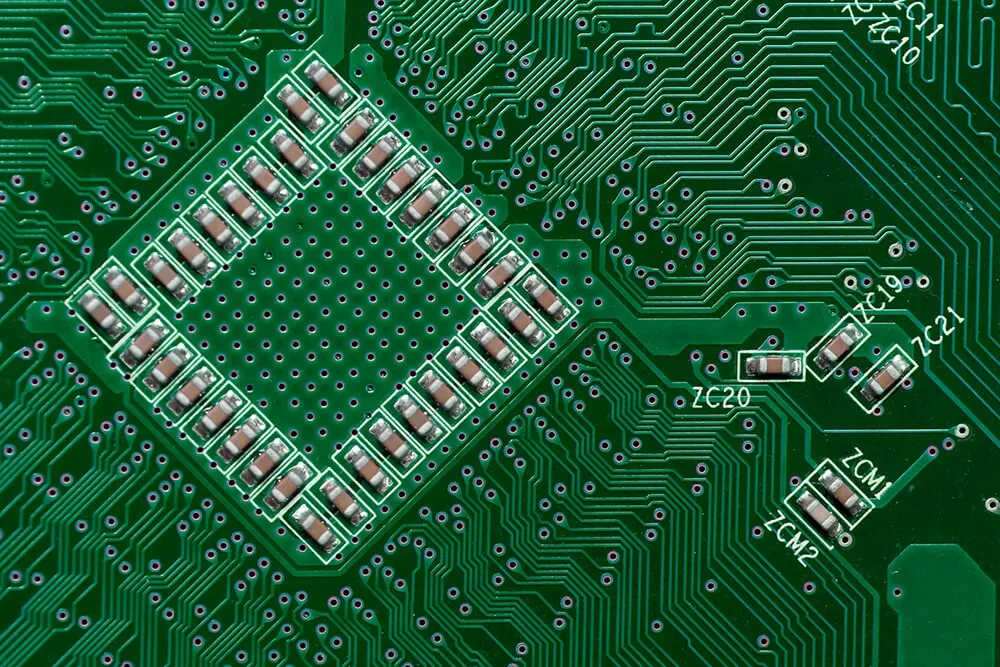
Exploring the World of Multilayer FR-4 PCBs: Design, Manufacturing, and Applications