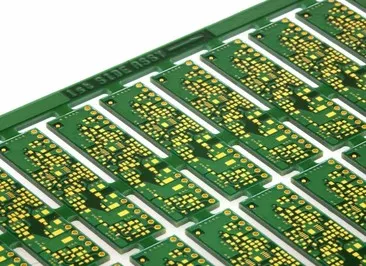
PCB Design Standards
PCB design standards form the backbone of reliable and efficient electronics development, ensuring that printed circuit boards meet industry requirements for performance, safety, and manufacturability. For engineers, hobbyists, and professionals searching for guidance on PCB Design Standards, this tag serves as a comprehensive resource that delves into established protocols such as IPC-7351 for land patterns, IPC-A-600 for acceptability criteria, and other global benchmarks like those from UL and RoHS. Understanding these standards is crucial to avoid common pitfalls like signal integrity issues, thermal management failures, or compliance violations that can lead to costly redesigns or product recalls. In practice, adhering to PCB design standards enables the creation of robust boards that withstand environmental stresses, electromagnetic interference, and high-volume production demands. For instance, best practices include optimizing trace widths for current carrying capacity, implementing proper grounding techniques to minimize noise, and selecting materials that comply with lead-free soldering regulations. These actionable insights help users streamline their design workflows, from schematic capture to final assembly, while reducing time-to-market and enhancing product longevity. Whether you are working on consumer electronics, automotive systems, or medical devices, applying these standards ensures interoperability and regulatory approval. The articles grouped under this tag offer detailed explanations, real-world examples, and step-by-step tutorials to apply these principles effectively. By reviewing them, you can gain practical knowledge on integrating standards into your projects, troubleshooting design flaws, and staying updated with evolving industry norms. This collection equips you with the tools to elevate your PCB designs from functional prototypes to production-ready solutions.
Technical Articles
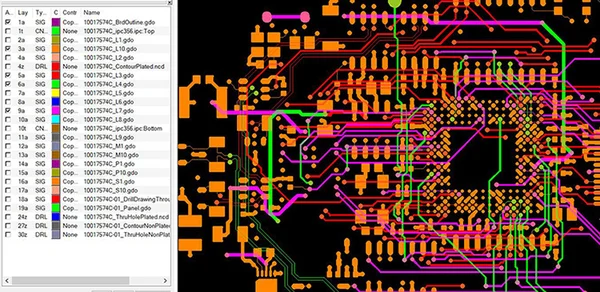
Gerber Files Unveiled: Understanding and Generating Gerber Files for PCB Manufacturing

Why Grounding Resistance Is Limited to 4 Ω
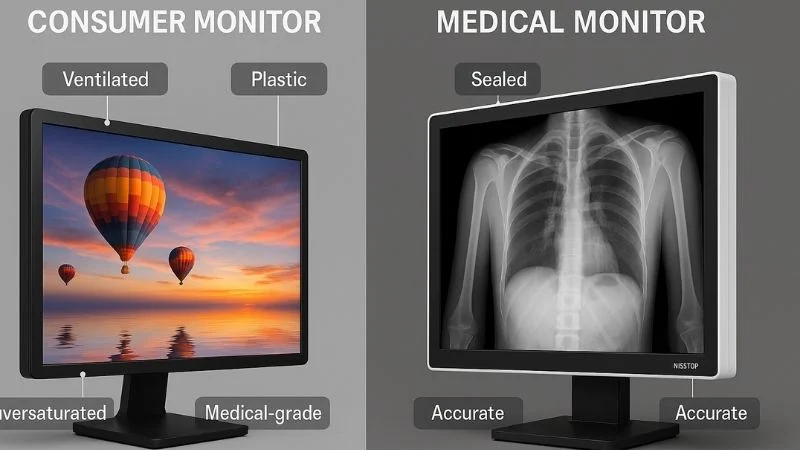
Differences Between Medical and Consumer Displays

Coordinating PCIe with Compute and Network Roadmaps

Evolution and Management of Pressure Gauge Calibration Requirements
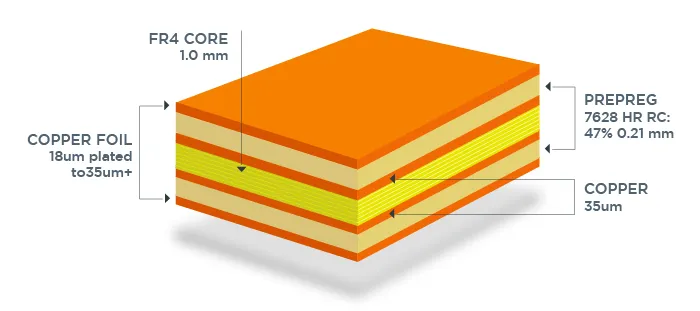
Copper Thickness in Mils: A Comparison of Different PCB Standards (IPC vs. Others)

Open-source Industrial PLM: Accessing DocDoku-PLM Source

Common Network Information Security Attributes

Mastering PCB Silkscreen Design for Clear and Efficient Boards

Mechanisms of Data Security Situation Awareness
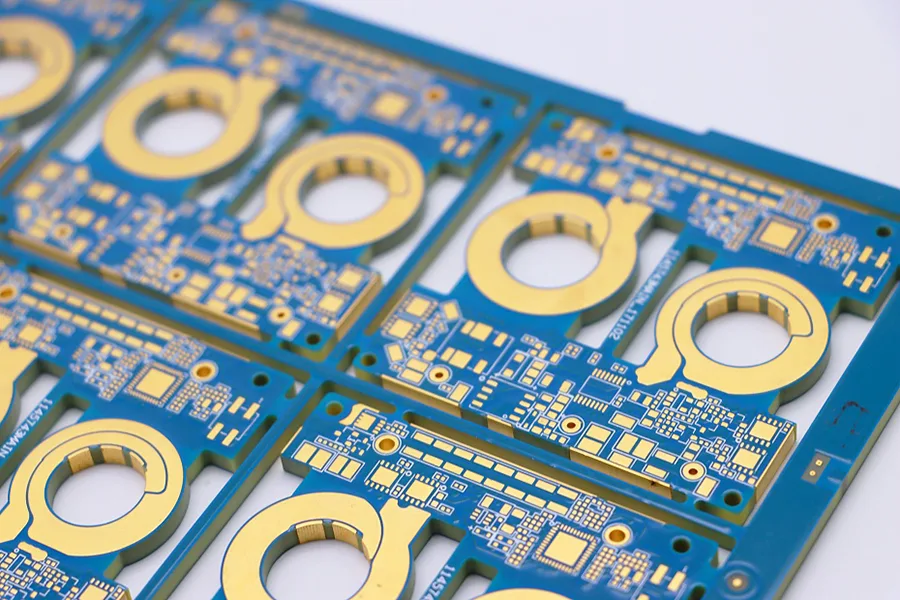
Heavy Copper PCBs: Advantages of Using Double-Sided Designs

5G Established, 6G Still Under Question