 01:09
01:09
Rigid-Flex PCB Assembly
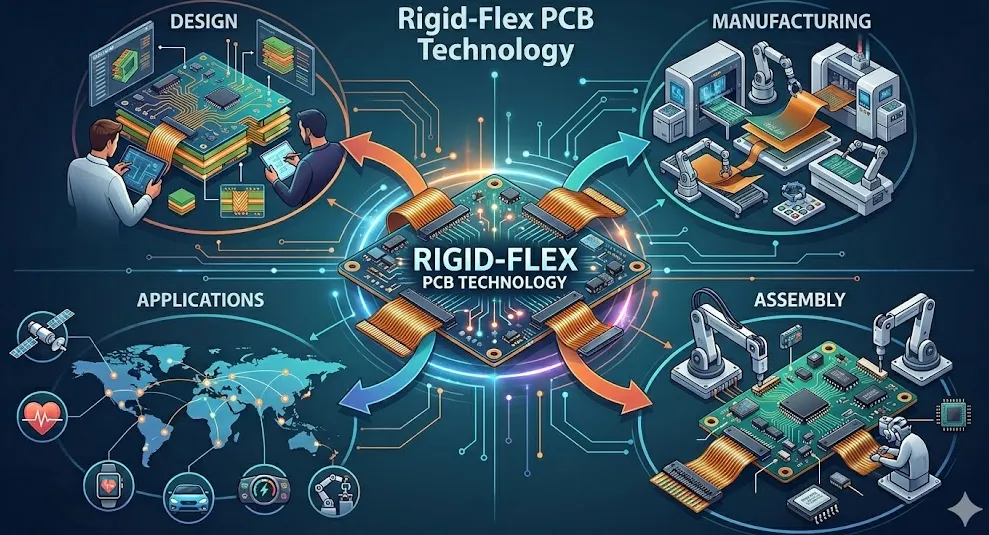
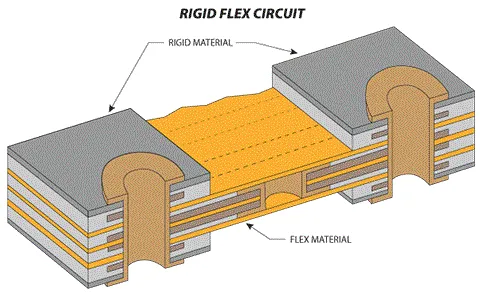
Rigid-flex PCB assembly represents a sophisticated integration of rigid and flexible printed circuit boards, enabling compact, durable designs that withstand mechanical stress and environmental challenges. This technology is essential for industries requiring high-reliability electronics, such as aerospace, medical devices, automotive systems, and consumer wearables, where space constraints and flexibility are critical. By combining the stability of rigid sections with the bendability of flexible ones, rigid-flex assemblies reduce the need for connectors and wiring, minimizing points of failure and enhancing overall performance. For engineers and manufacturers searching for rigid-flex PCB assembly guidance, this tag provides a comprehensive resource on key aspects including design principles, material selection, and fabrication techniques. Understanding the assembly process involves careful layer stacking, via placement, and soldering methods to ensure signal integrity and thermal management. Best practices emphasize early prototyping to identify flex areas prone to cracking, selecting appropriate adhesives for bonding rigid and flex layers, and conducting thorough testing for bend radius and fatigue resistance. These insights help avoid common issues like delamination or impedance mismatches, leading to more efficient production cycles and cost savings. Practical applications abound, from foldable smartphones that demand repeated flexing to implantable medical devices requiring biocompatibility and miniaturization. Professionals can apply these concepts to optimize designs for vibration-heavy environments or high-density interconnects. The articles grouped under this tag delve into real-world case studies, troubleshooting tips, and emerging trends like advanced laminates, offering valuable knowledge to refine your projects. Readers interested in specific facets, such as cost-effective assembly strategies or compliance with industry standards like IPC-6013, will find targeted content to support their technical needs.
Video Guide
-
01:09
Technical Articles

5G Applications for Unmanned Aerial Vehicles: Connectivity, Use Cases, and PCB Challenges

C919 Airliner: Development Challenges, Technical Route, and Avionics Electronics Insights
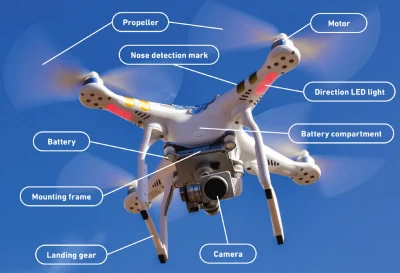
Key Functions and Core Components of Drones: Aerospace Electronics and PCB Insights

High-Performance PCB Assembly: Key Design Considerations 2026
Four Common Laptop Hinge Designs: Mechanical Engineering and Electronics Manufacturing Considerations
The Impact of Impedance Control on Signal Integrity in High Speed Rigid Flex PCB Assembly
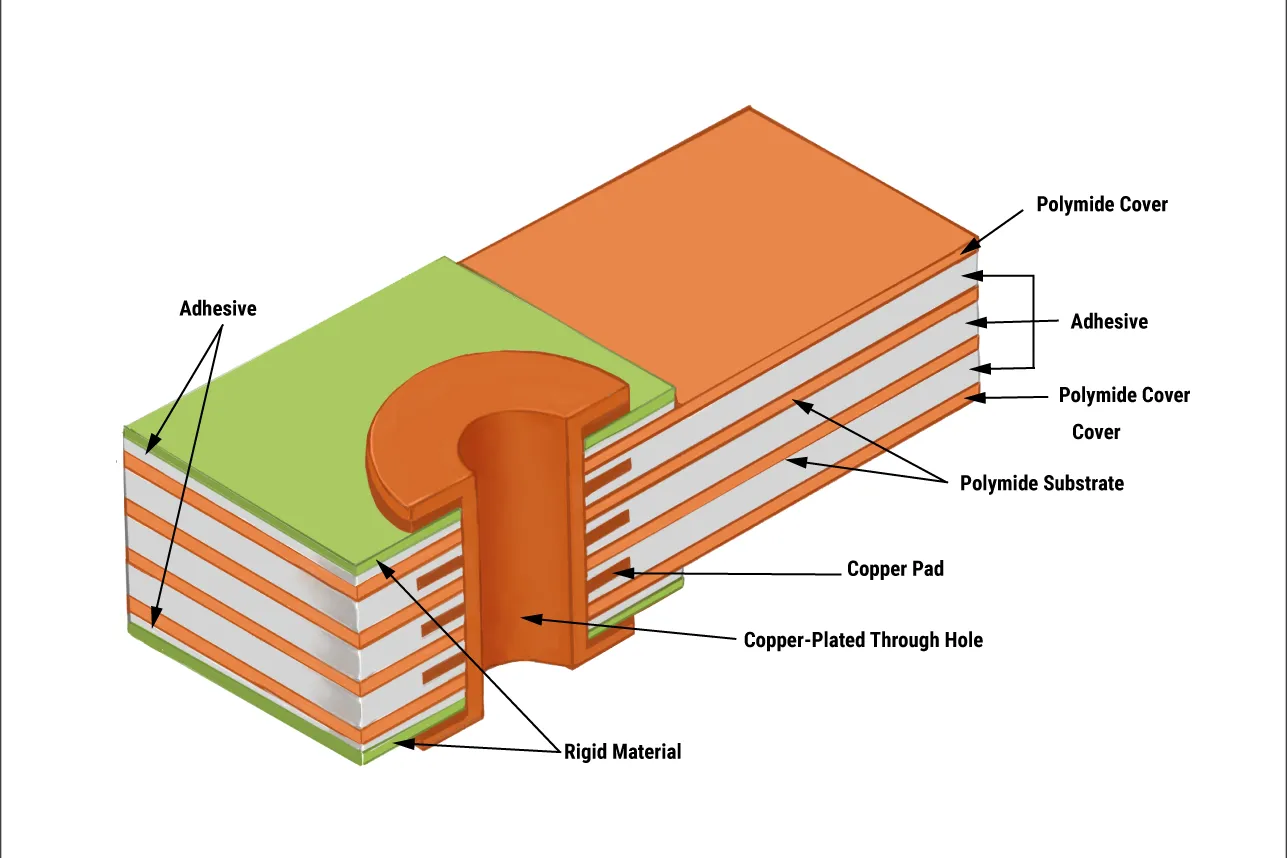
Beyond FR 4: Exploring Advanced Substrates for Rigid Flex PCB Assembly
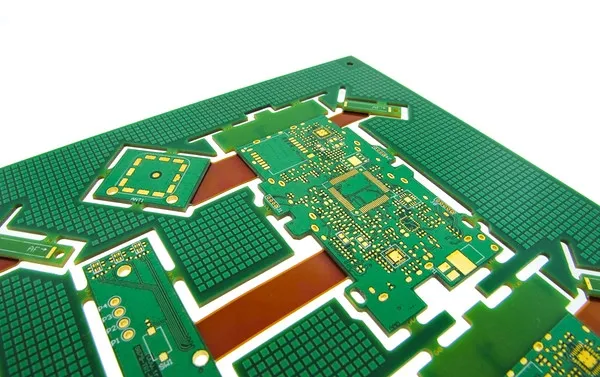
Design for Manufacturability (DFM) in Rigid Flex PCB Assembly: Ensuring a Smooth Production Process

Flexible PCBs for Smart Eyewear: Design, Materials, and Assembly
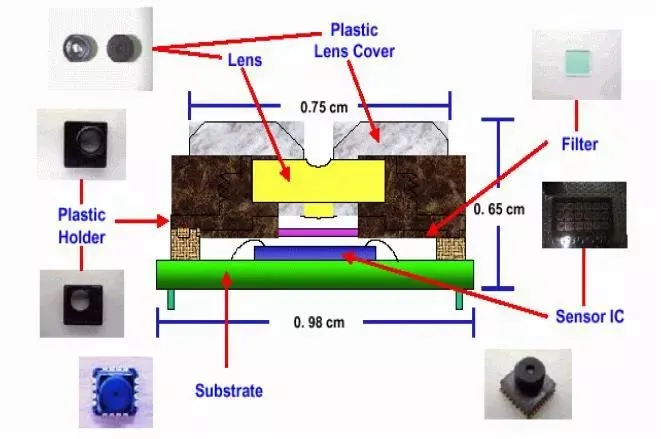
Mobile Camera Structure and Imaging Principles
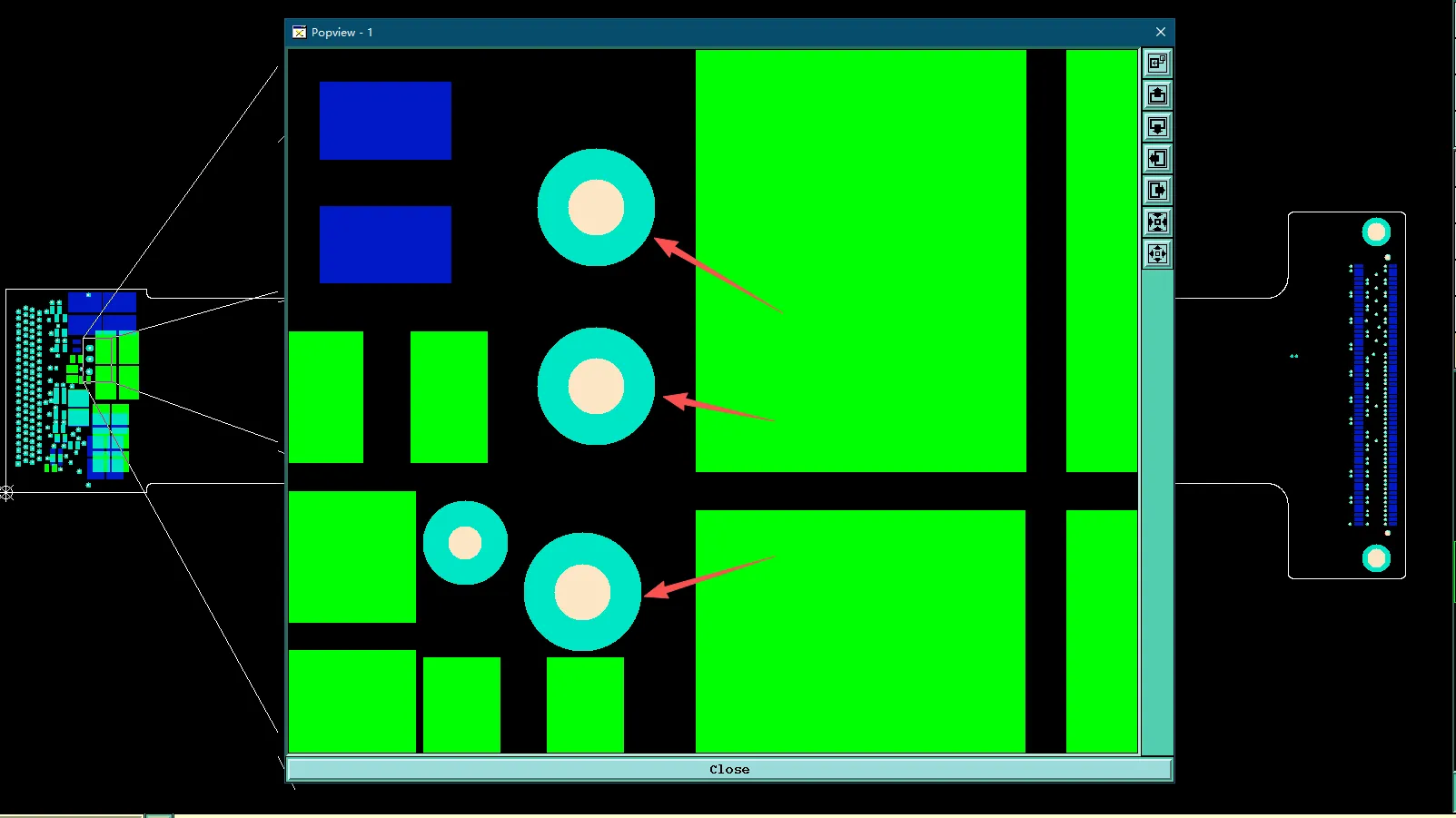
How CAM Review Fixed Stackup, Via Tenting & Outgassing Conflicts on a 7-Layer Rigid-Flex PCB
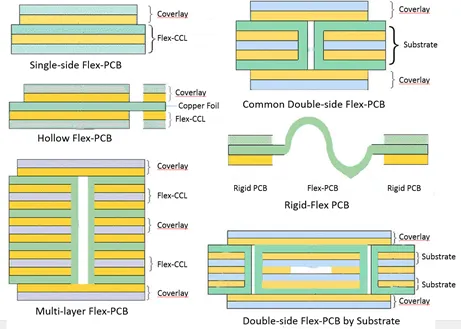
Sequential Lamination for Rigid-Flex PCBs: Design Considerations and Manufacturing Challenges