 00:54
00:54
Surface Mount Technology (SMT)
Surface Mount Technology (SMT) represents a cornerstone of modern electronics manufacturing, enabling the efficient assembly of compact, high-performance circuit boards. In this approach, electronic components are mounted directly onto the surface of printed circuit boards (PCBs) without the need for through-hole leads, which allows for automated production lines and denser component placement. For engineers, designers, and hobbyists searching for insights on SMT, this tag serves as a comprehensive resource, covering everything from fundamental principles to advanced implementation strategies. Understanding SMT is essential for optimizing PCB designs, as it supports smaller form factors, reduced material costs, and improved signal integrity in applications ranging from consumer gadgets to industrial automation systems. One of the key advantages of SMT lies in its practical applications, such as enabling high-speed pick-and-place machines for mass production or facilitating reflow soldering techniques that ensure reliable connections. If you are troubleshooting assembly issues or seeking best practices, articles under this tag delve into actionable steps like selecting appropriate solder pastes, managing thermal profiles during reflow, and avoiding common pitfalls such as tombstoning or bridging. For instance, incorporating design for manufacturability (DFM) guidelines early in the process can significantly enhance yield rates and product reliability, making SMT an ideal choice for projects requiring miniaturization without sacrificing functionality. Professionals in the field often turn to SMT for its scalability, whether prototyping a new IoT device or scaling up for automotive electronics. By exploring the curated content here, you can gain deeper knowledge on integrating SMT with emerging technologies like flexible PCBs or high-frequency designs, empowering you to make informed decisions in your next project. This collection of articles provides the technical depth needed to stay ahead in electronics innovation.
Video Guide
-
00:54
-
 00:56
00:56
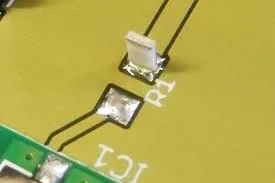
PCB Tombstoning: Causes and Prevention in SMT Assembly
-
 00:48
00:48
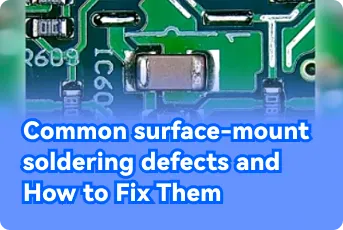
Common SMD Soldering Defects and Reliable Repair Methods for SMT Assemblies
-
 00:58
00:58
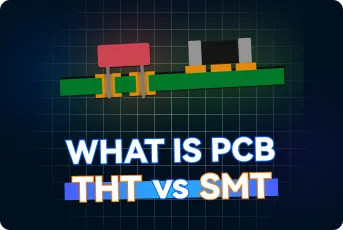
SMT vs THT PCB Assembly: Why Both Technologies Remain Essential
-
 02:13
02:13
PCB Prototype to Production Video: Seamless Transition from Design to Reliable Boards
-
 00:52
00:52
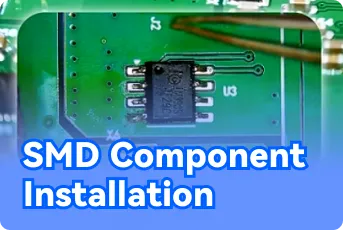
SMD Component Installation: Precision SMT Assembly for High-Reliability PCBs
Technical Articles
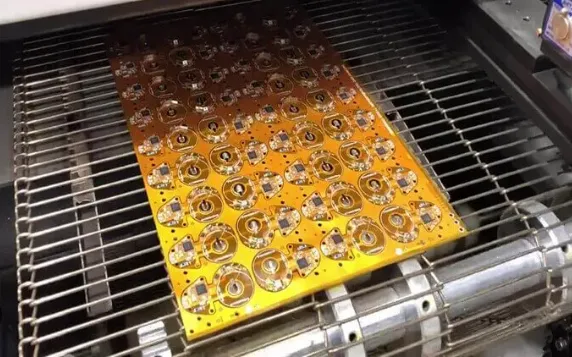
Flexible PCB Assembly Techniques: A Comprehensive Guide
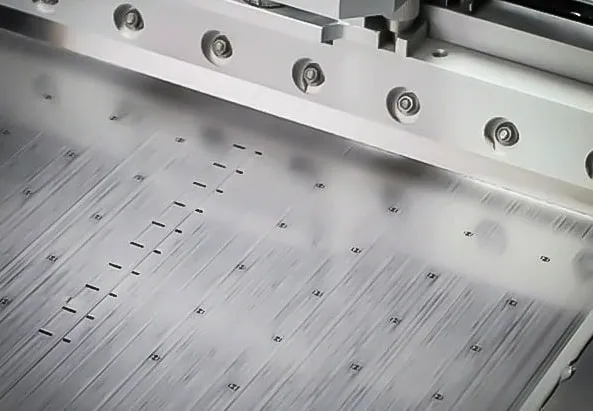
Solder Paste: Working With Fine Pitch Components and Their Application
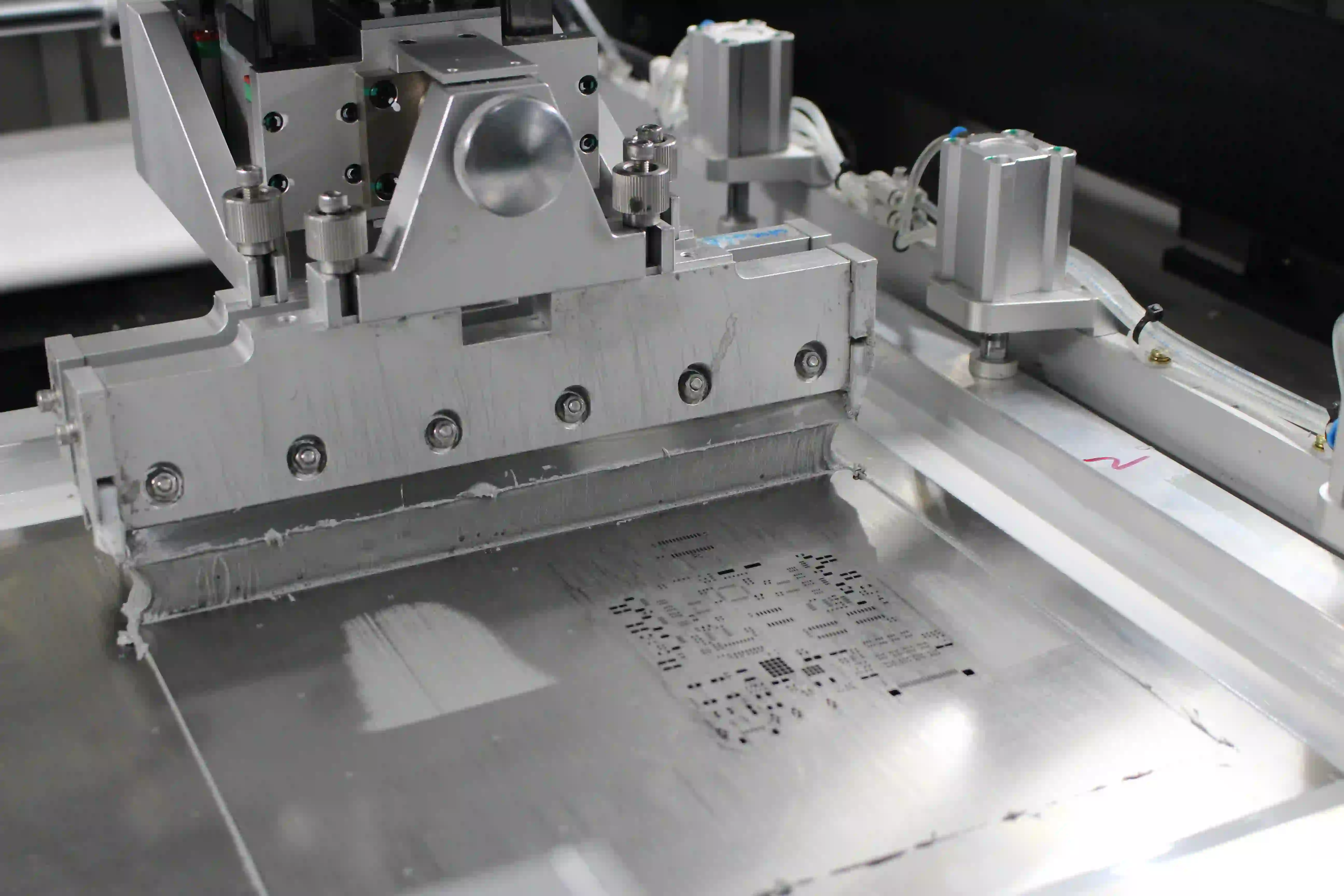
Solder Paste Printing Pressures & Techniques
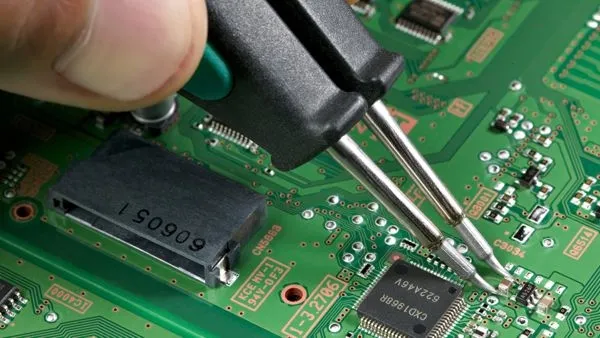
Manual Pick and Place Guide: Mastering SMT Assembly at Home
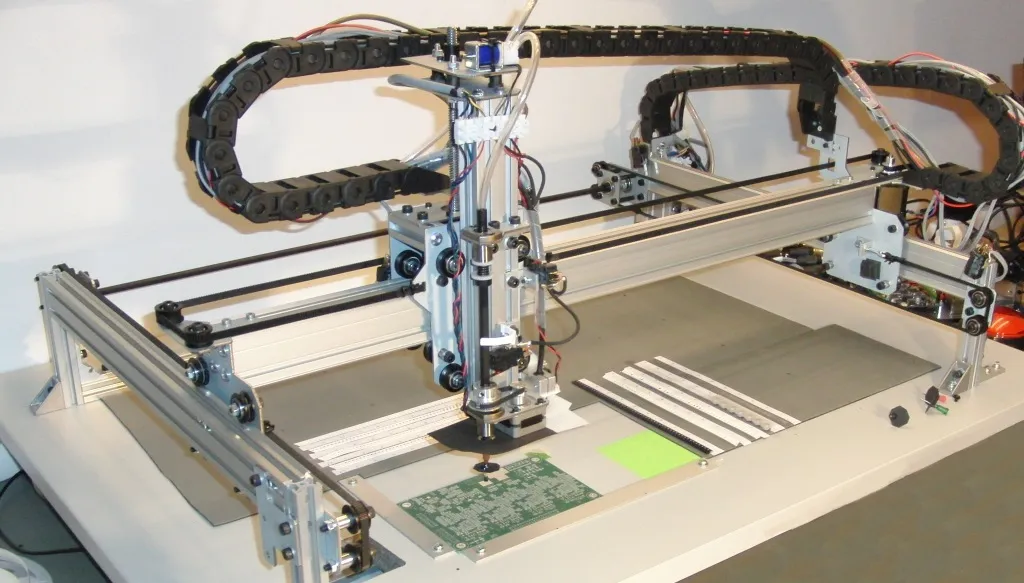
Building a Basic Pick and Place Machine with Arduino: A Step by Step Tutorial
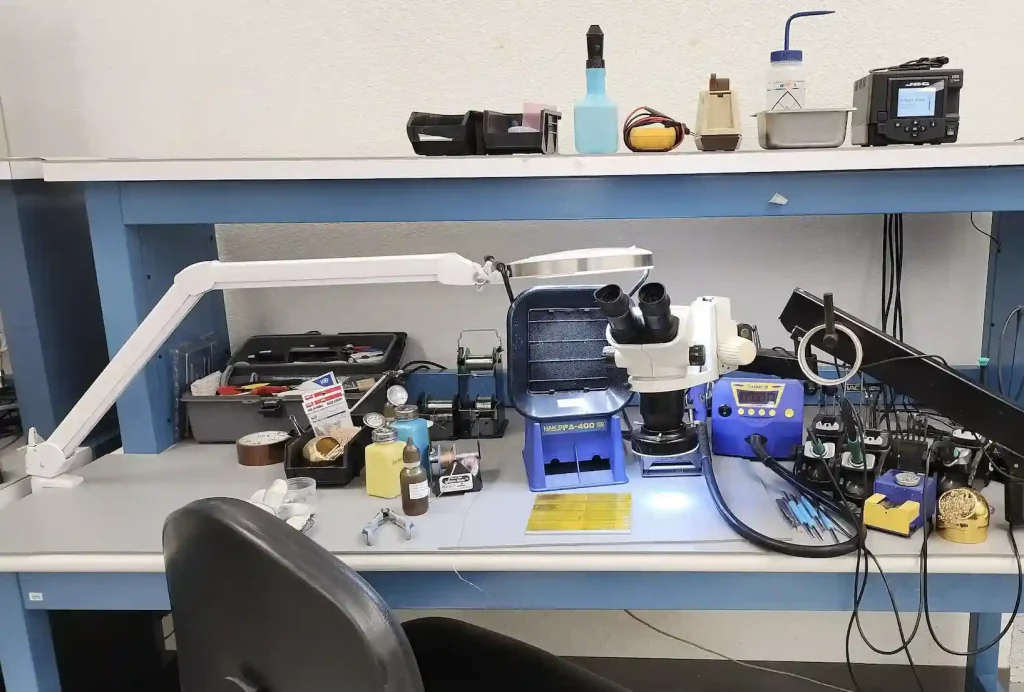
Top 5 Mistakes to Avoid When Using a Manual Pick and Place
Specialized Soldering Applications using Selective Solder
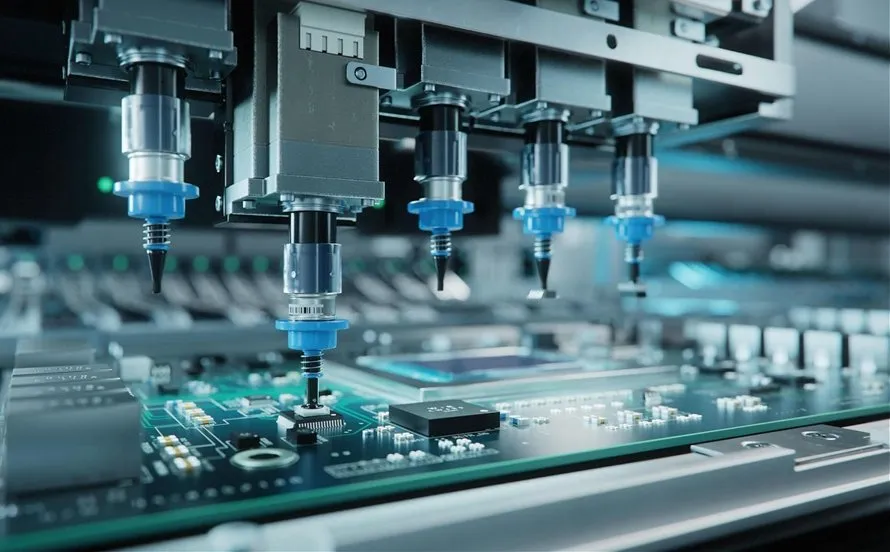
Mastering PCB Assembly: A Comprehensive Guide to Surface Mount Technology
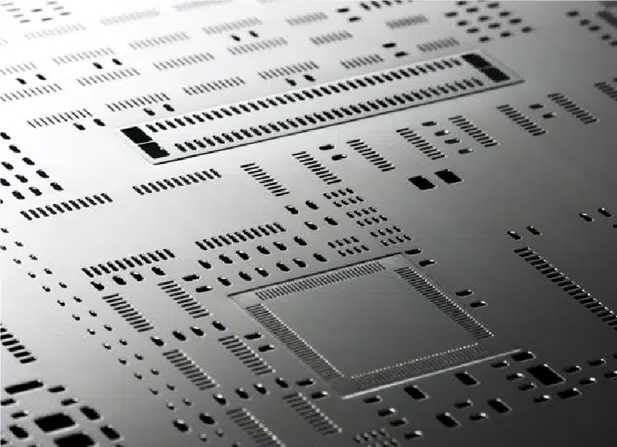
The Comprehensive Guide to SMT Stencil Engineering: From Design Optimization to Process Control
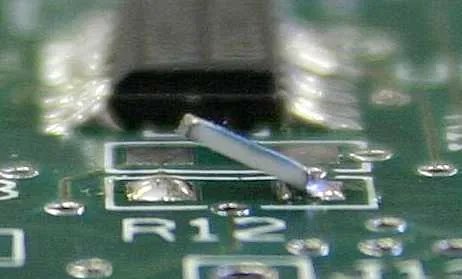
SMT Testing in SMT PCB Assembly Process
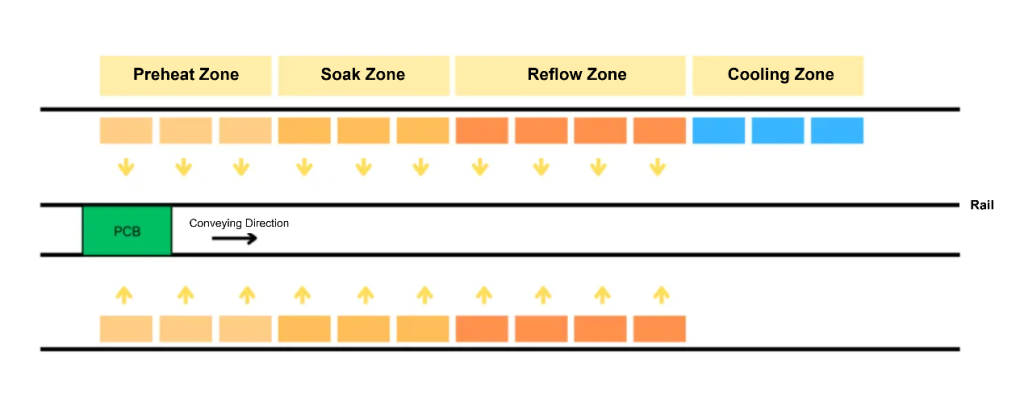
Simple guide to optimizing your PCB design for SMT assembly
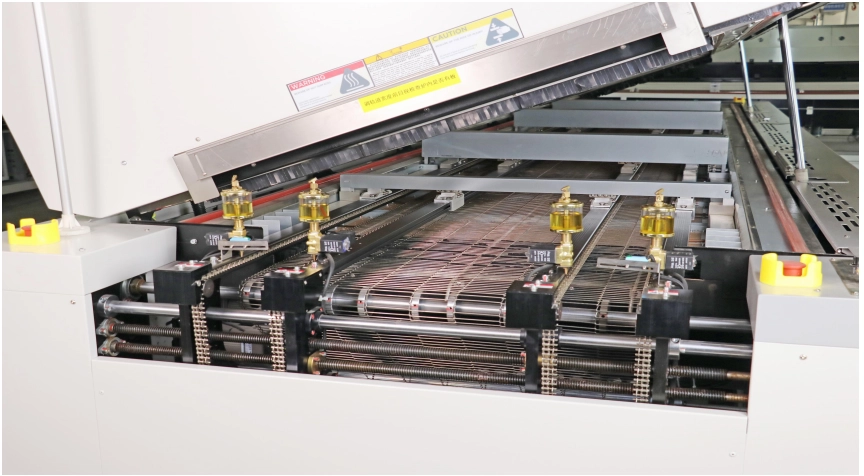
Advanced Soldering Techniques for Mixed Assembly: Ensuring Robust Connections
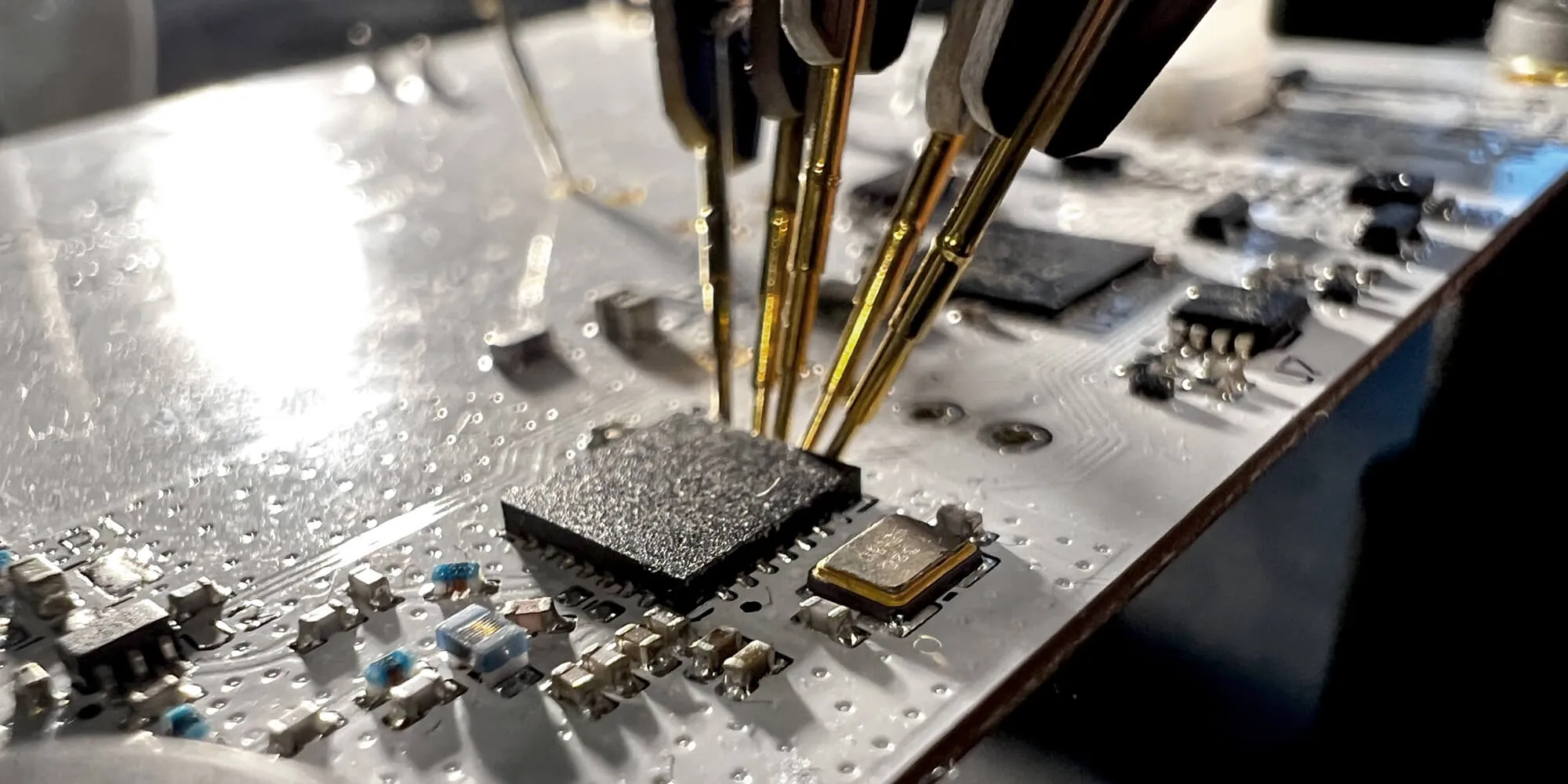
Selecting Test Probes for SMT PCBs: A Comprehensive Guide
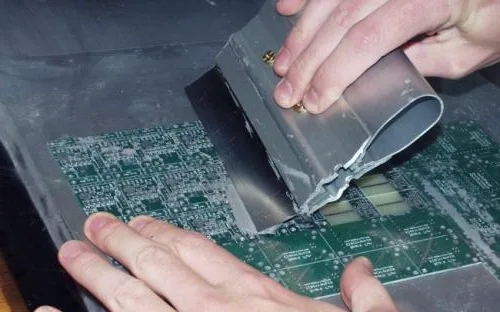
Step by Step: Reflowing SMT Components on Aluminum PCBs for Beginners
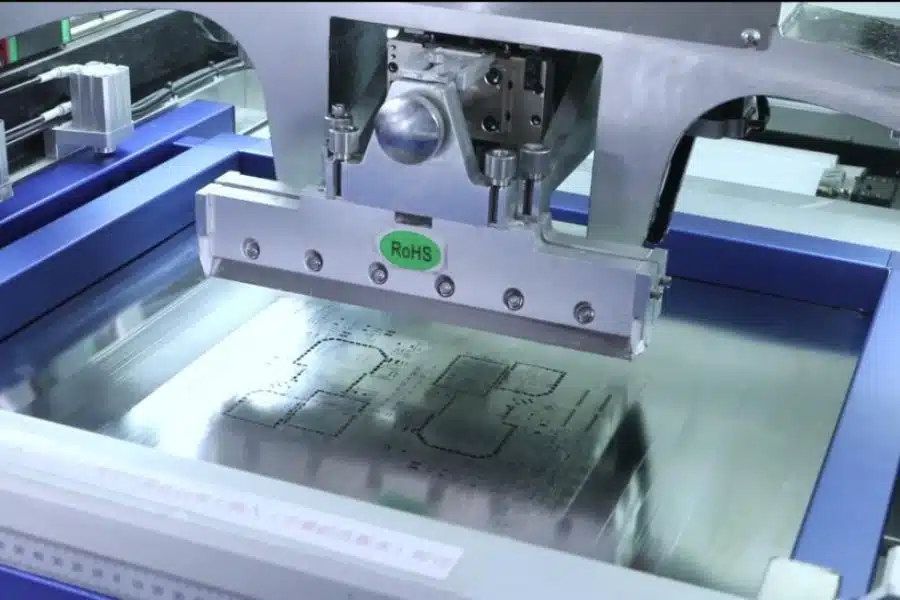
The Ultimate Guide to Stencil Printer Maintenance: Ensuring Consistent Solder Paste Deposition
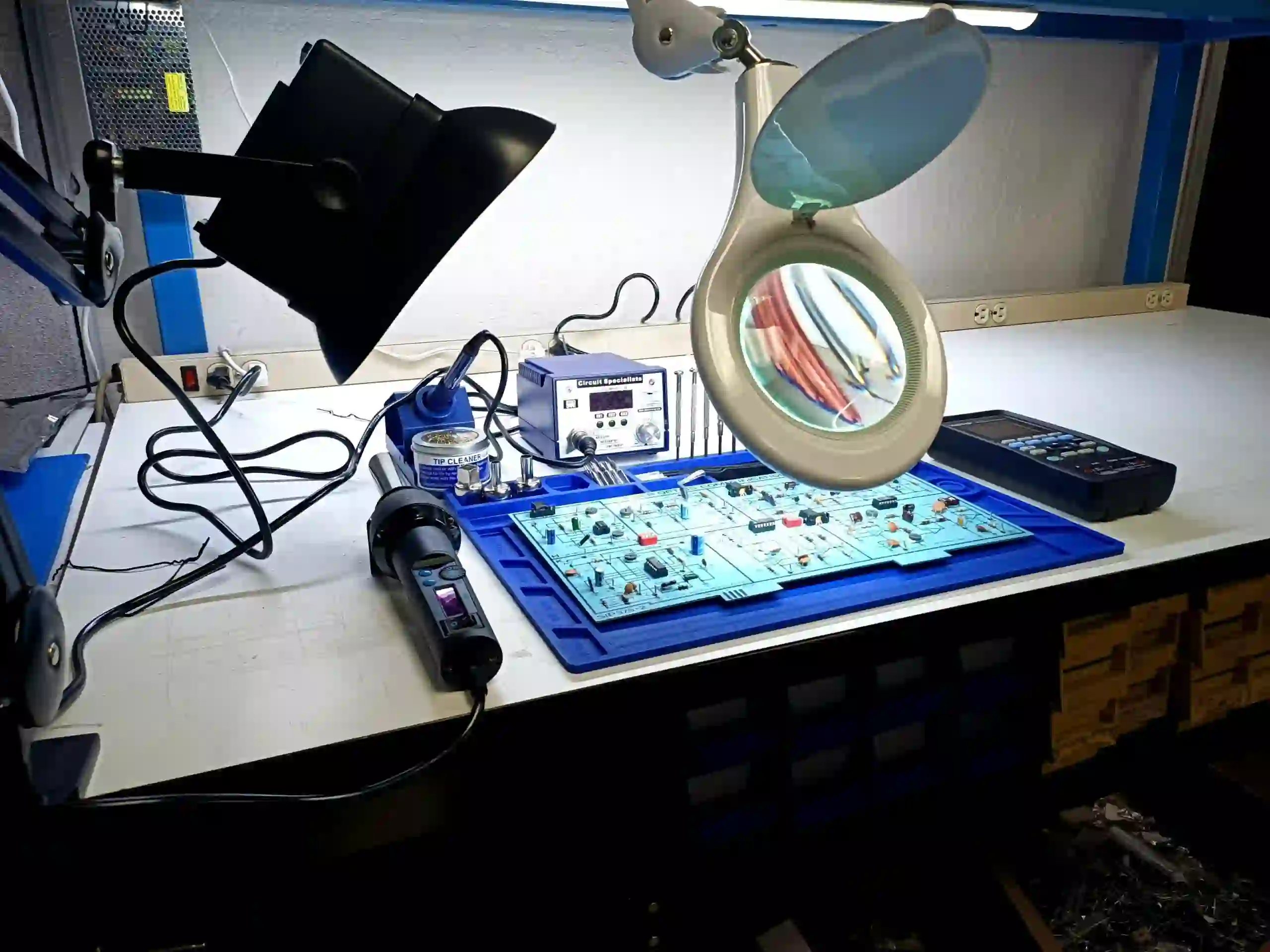
Simplify Your SMT Project: A Beginner's Guide to Surface Mount Soldering at Home
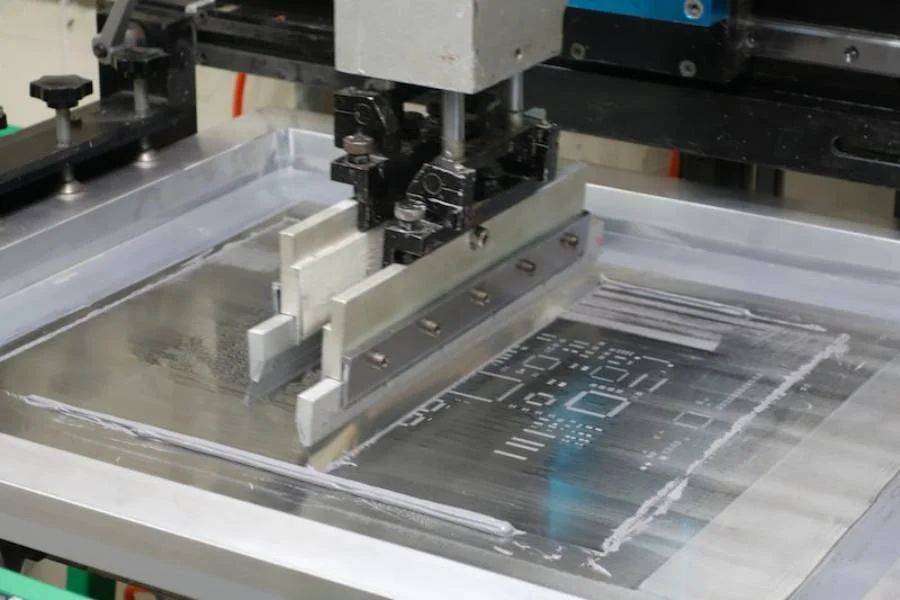
The Ultimate Checklist for PCB Stencil Design: Avoiding Costly Mistakes
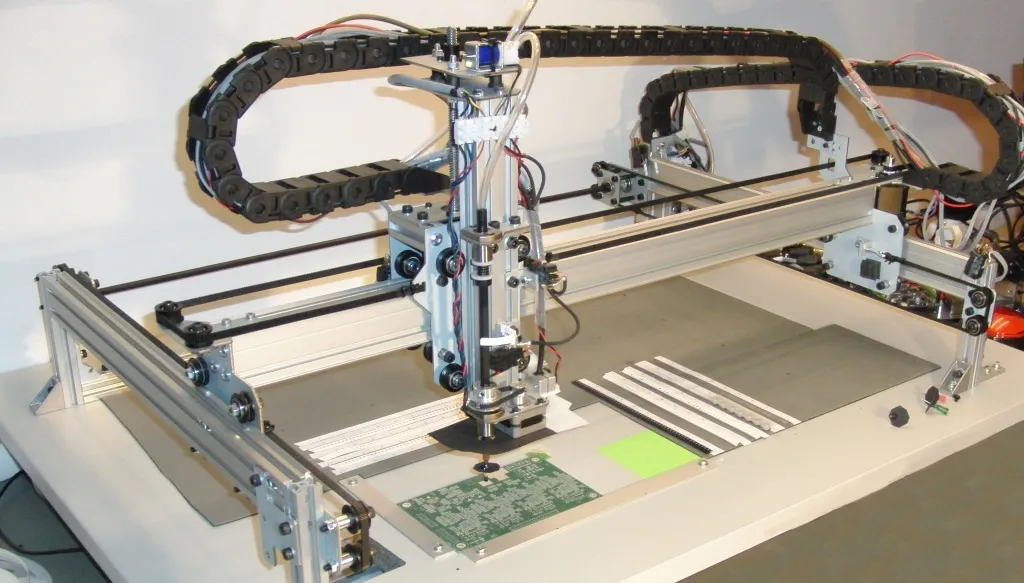
Building a mini pick and place machine for circuit boards
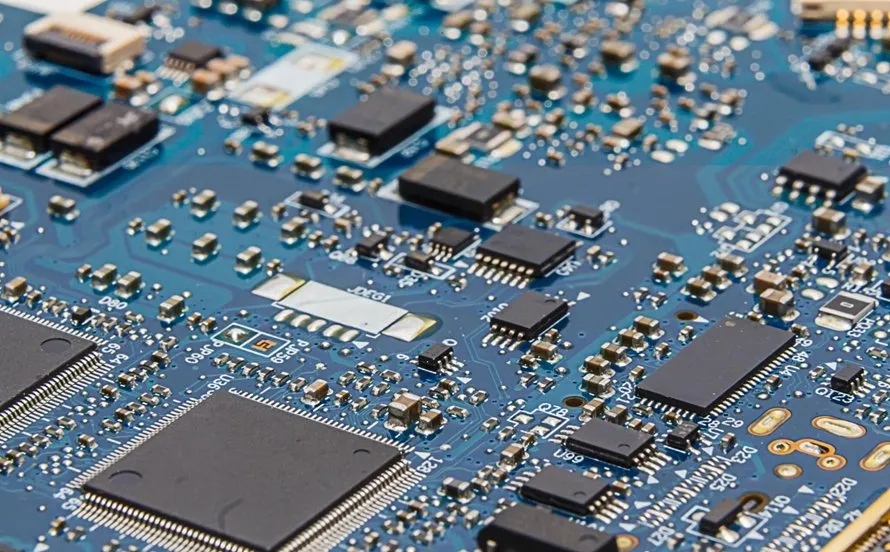
Mixed Assembly: How to Design a PCB for SMT, THT, BGA