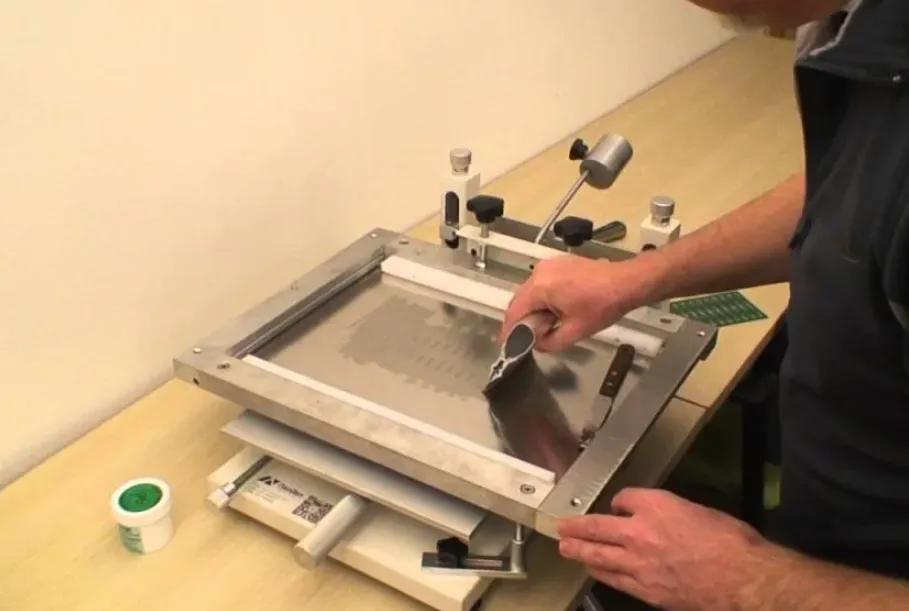
 00:54
00:54
Surface Mount Technology (SMT)
Surface Mount Technology (SMT) represents a cornerstone of modern electronics manufacturing, enabling the efficient assembly of compact, high-performance circuit boards. In this approach, electronic components are mounted directly onto the surface of printed circuit boards (PCBs) without the need for through-hole leads, which allows for automated production lines and denser component placement. For engineers, designers, and hobbyists searching for insights on SMT, this tag serves as a comprehensive resource, covering everything from fundamental principles to advanced implementation strategies. Understanding SMT is essential for optimizing PCB designs, as it supports smaller form factors, reduced material costs, and improved signal integrity in applications ranging from consumer gadgets to industrial automation systems. One of the key advantages of SMT lies in its practical applications, such as enabling high-speed pick-and-place machines for mass production or facilitating reflow soldering techniques that ensure reliable connections. If you are troubleshooting assembly issues or seeking best practices, articles under this tag delve into actionable steps like selecting appropriate solder pastes, managing thermal profiles during reflow, and avoiding common pitfalls such as tombstoning or bridging. For instance, incorporating design for manufacturability (DFM) guidelines early in the process can significantly enhance yield rates and product reliability, making SMT an ideal choice for projects requiring miniaturization without sacrificing functionality. Professionals in the field often turn to SMT for its scalability, whether prototyping a new IoT device or scaling up for automotive electronics. By exploring the curated content here, you can gain deeper knowledge on integrating SMT with emerging technologies like flexible PCBs or high-frequency designs, empowering you to make informed decisions in your next project. This collection of articles provides the technical depth needed to stay ahead in electronics innovation.
Video Guide
-
00:54
-
 00:56
00:56
PCB Tombstoning: Causes and Prevention in SMT Assembly
-
 00:48
00:48
Common SMD Soldering Defects and Reliable Repair Methods for SMT Assemblies
-
 00:58
00:58
SMT vs THT PCB Assembly: Why Both Technologies Remain Essential
-
 02:13
02:13
PCB Prototype to Production Video: Seamless Transition from Design to Reliable Boards
-
 00:52
00:52
SMD Component Installation: Precision SMT Assembly for High-Reliability PCBs
Technical Articles

Ionic Cleanliness Testing in SMT: Methods and Measurement Procedures
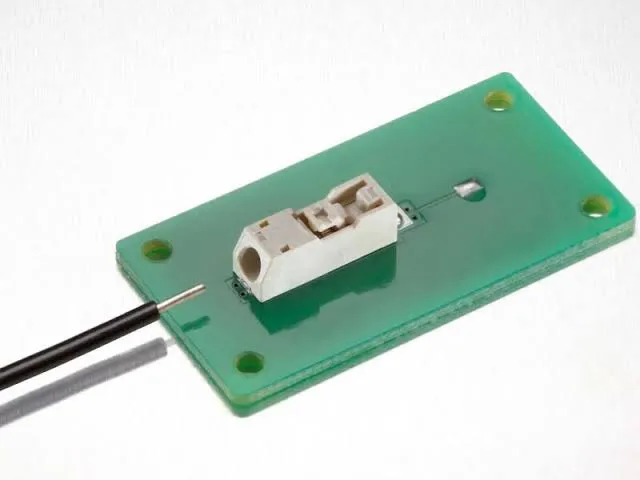
SMT Electronic Connectors: Structures, Materials, and Characteristics for Process Engineers
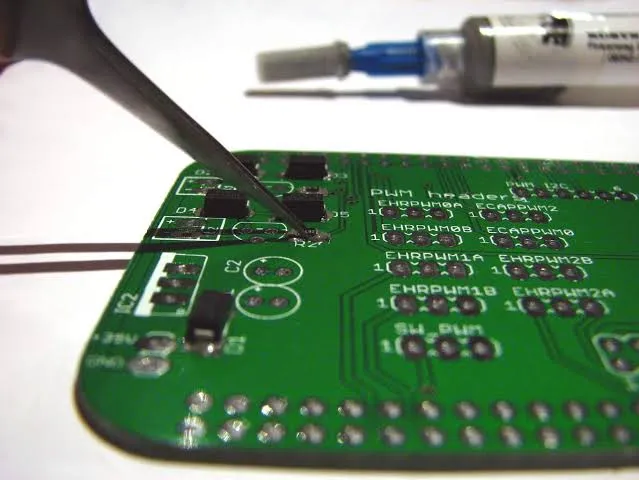
Understanding SMT Soldering Fundamentals: Surface Wetting and Solderability
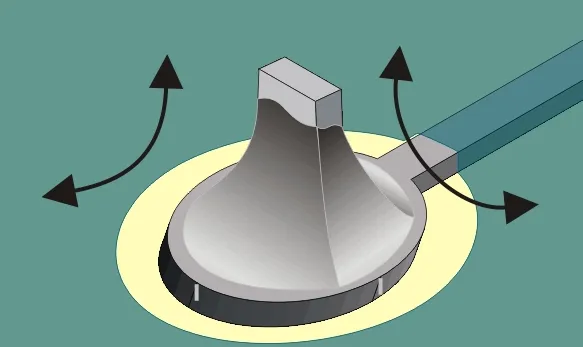
Fundamentals of Solder Joint Metallurgy in SMT: Concepts, Formation, and Performance
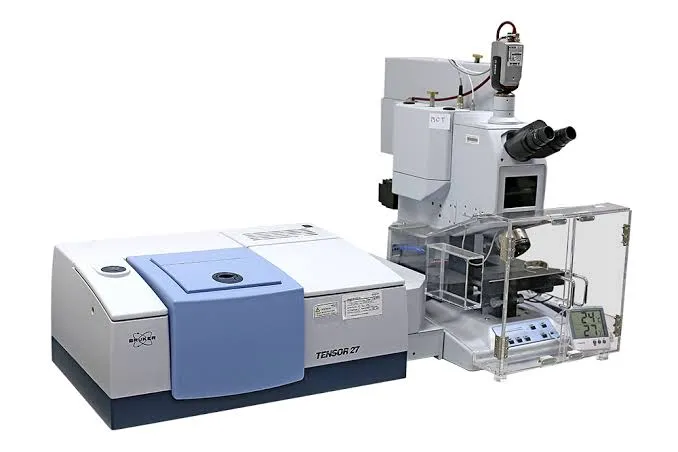
What Is FT-IR Spectroscopy and How Is It Applied in SMT Process Analysis?

What Are Adhesive Layers in KiCad PCB? A Practical Guide to Red Glue in SMT

Applying Fishbone Diagram Analysis to SMT Process Defects

Why SMT Lines Are Split into Long and Short Lines, and How to Improve SMT Production Efficiency

Why Must You Pass Through an Air Shower Before Entering an SMT Workshop?
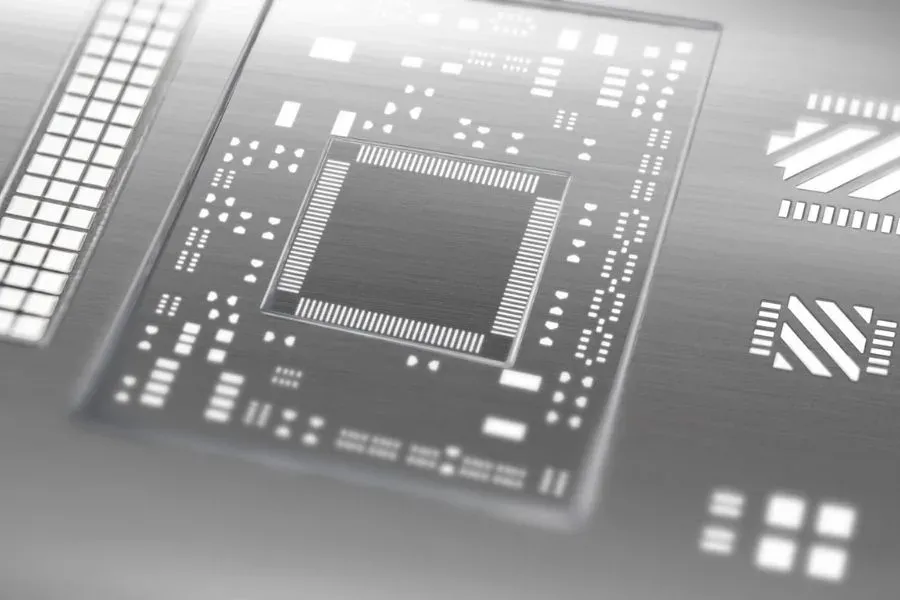
DIY SMT Stencils: A Hobbyist's Guide to At-Home PCB Assembly
Framed vs. Frameless Stencils: Optimizing SMT Assembly for Quality and Efficiency
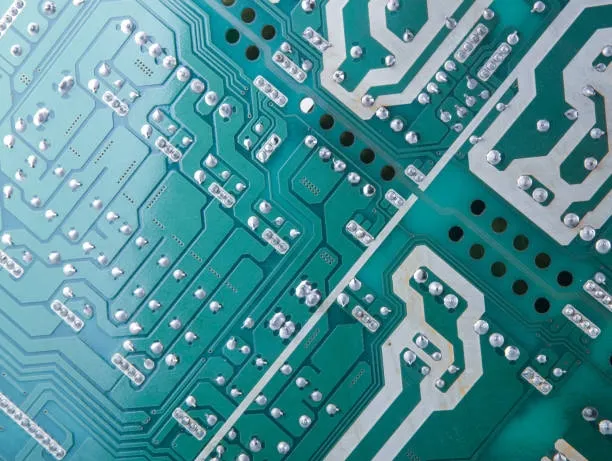
Solder Mask vs. Paste Mask: Essential Differences for PCB Design
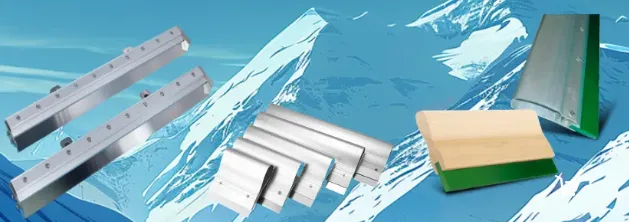
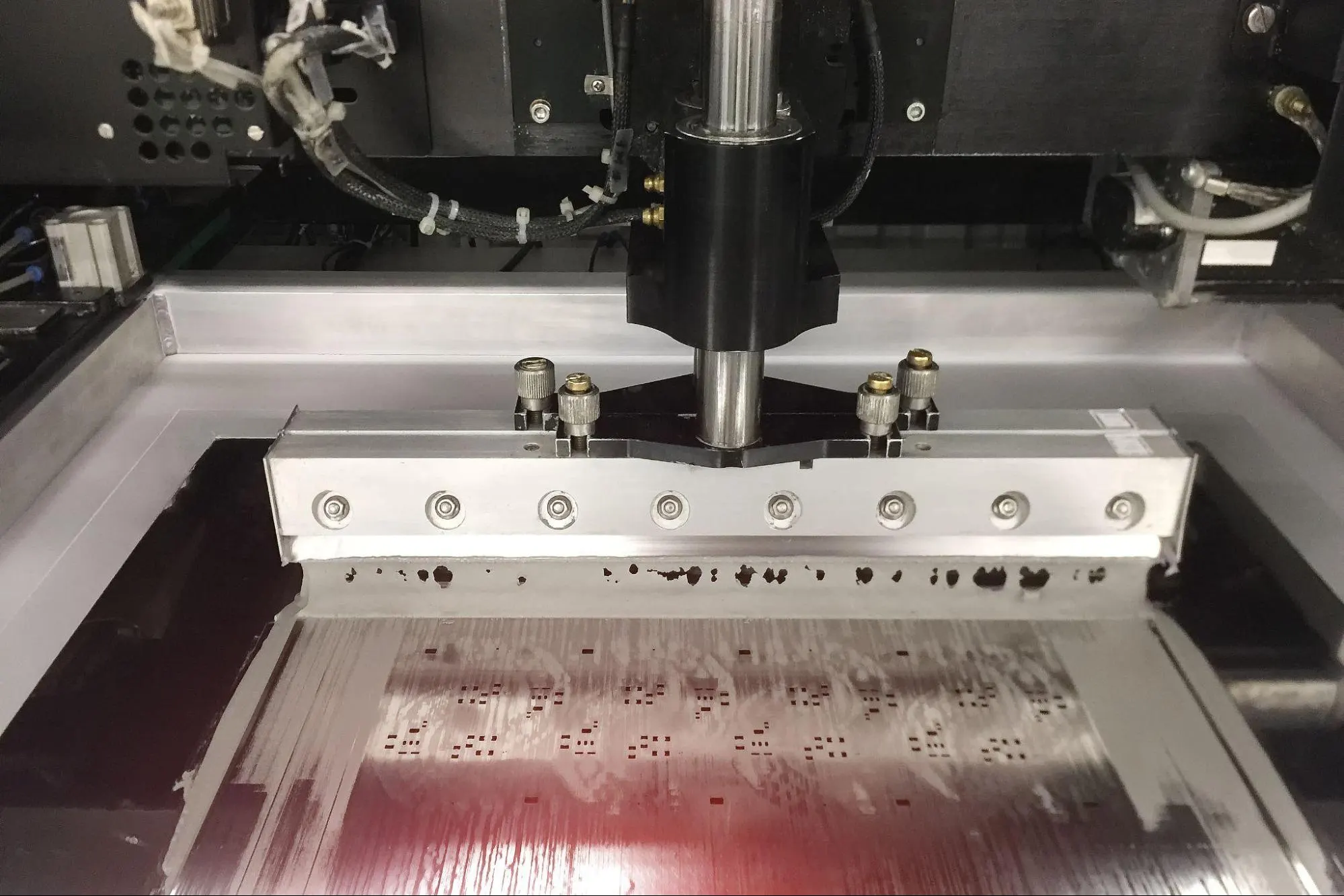
Mastering Squeegee Choices for Flawless Solder Paste Application in PCB Assembly
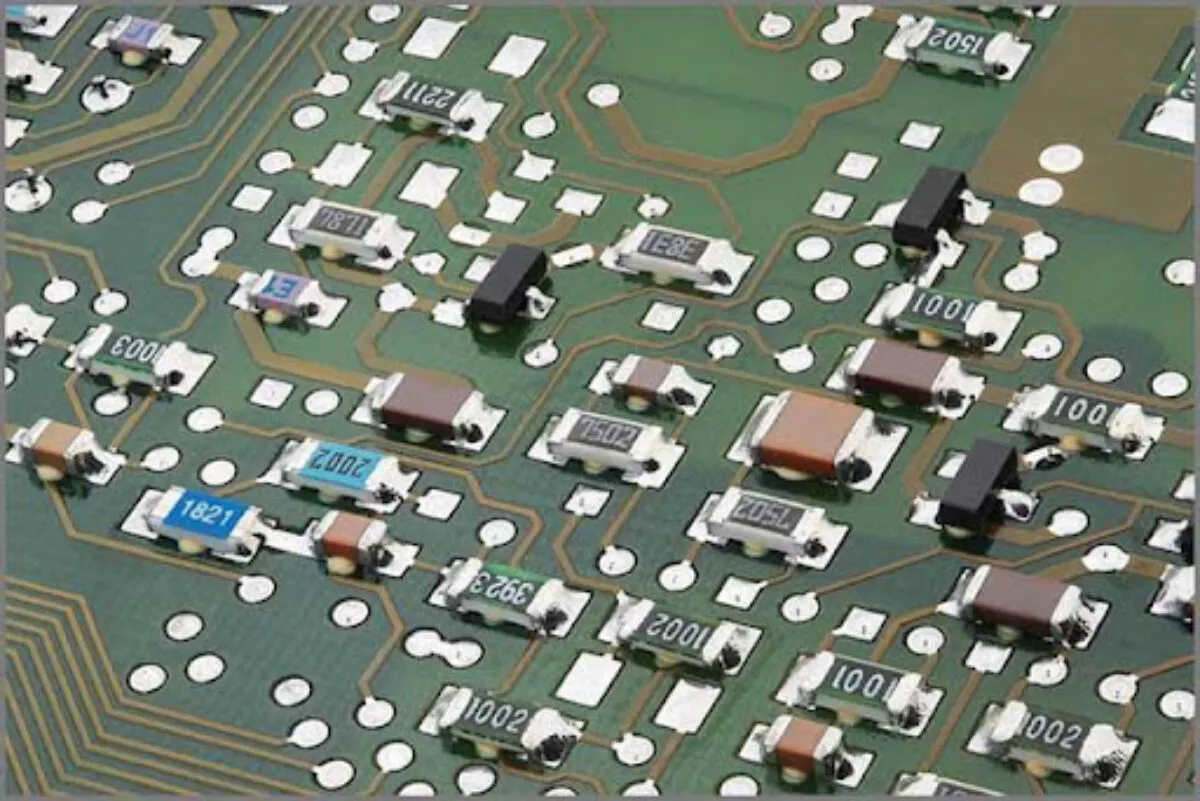
SMD Resistors Explained: Sizes, Markings, and Applications in Electronics
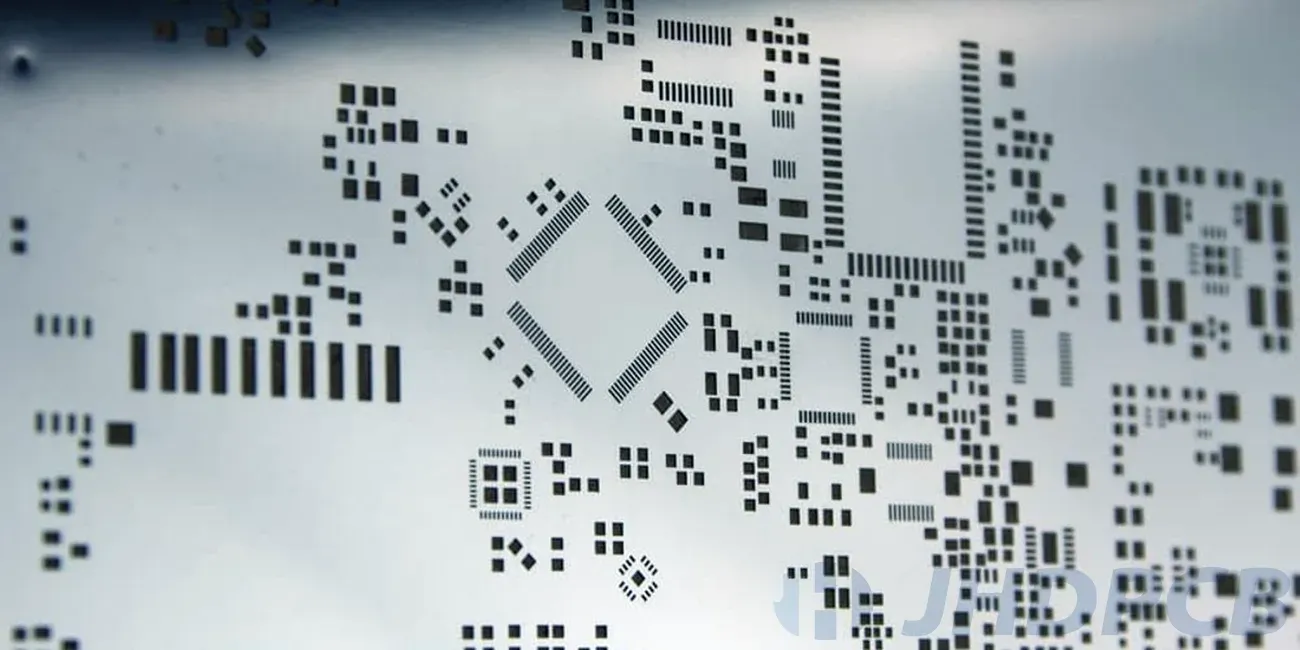
Optimizing Solder Paste Stencil Design for Flawless PCB Assembly
How Does Stencil Design Impact PCB Assembly Quality?
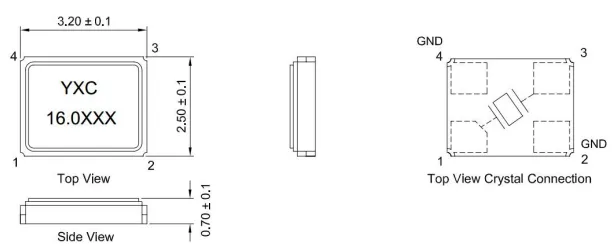
SMD Crystal Oscillators: A Comprehensive Guide to Surface Mount Technology
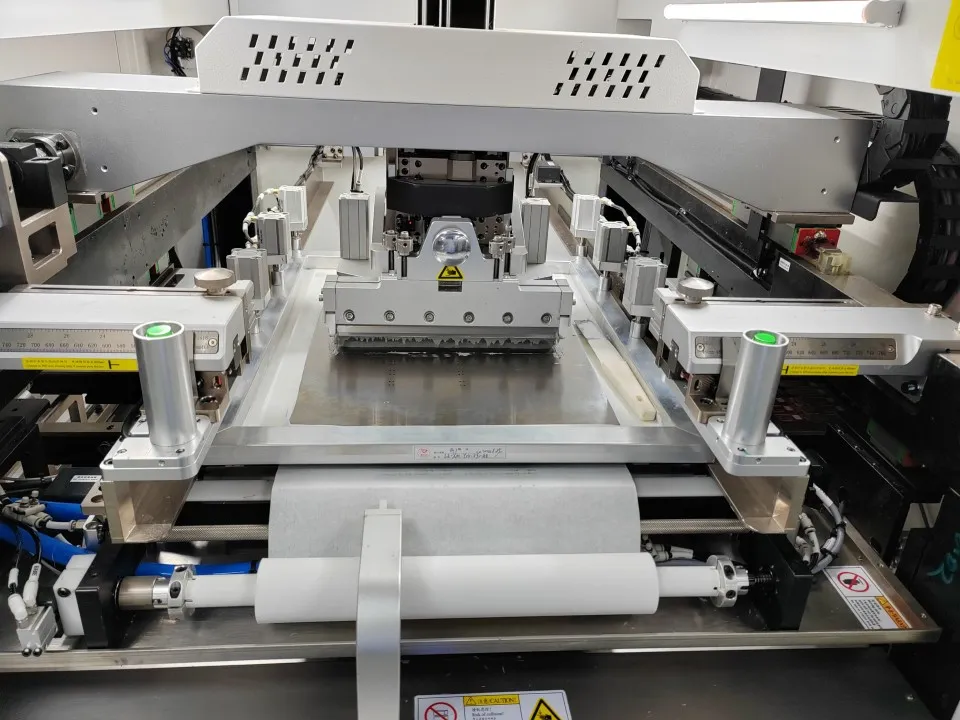
DIY Solder Paste Stencils: A Hobbyist's Guide to Low Cost PCB Assembly
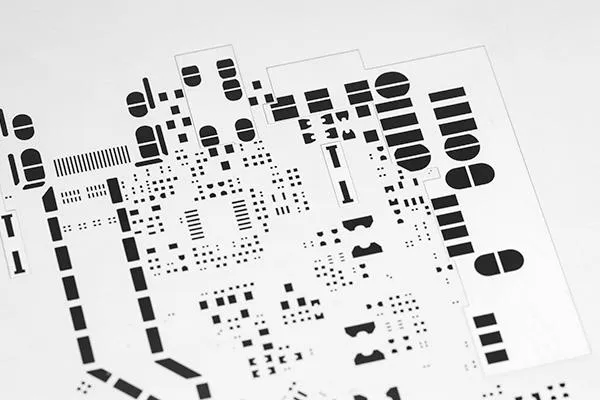
The Ultimate Guide to Surface Mount Stencils: From Design to Assembly