




 00:59
Thermal Management
Thermal management is a critical aspect of PCB design and electronics engineering, focusing on the strategies and techniques used to control heat generation and dissipation in electronic systems. Effective thermal management ensures that components operate within safe temperature ranges, preventing issues like reduced performance, premature failure, or complete system breakdowns. For engineers, hobbyists, and professionals searching for insights on this topic, understanding thermal management can lead to more reliable and efficient designs, whether you're working on high-power circuits, densely packed boards, or applications in harsh environments. At its core, thermal management involves analyzing heat sources such as processors, power transistors, and LEDs, then implementing solutions like heat sinks, thermal vias, fans, or advanced materials such as thermally conductive substrates. Best practices include conducting thermal simulations early in the design phase to predict hotspots and optimize layouts. For instance, incorporating copper pours or multi-layer PCBs can enhance heat spreading, while selecting components with appropriate thermal ratings minimizes risks. In practical applications, these techniques are essential for industries like automotive electronics, where vibration and extreme temperatures demand robust cooling, or consumer devices requiring compact, fanless designs. Professionals often turn to thermal management resources to address common challenges, such as balancing cost with performance or integrating passive versus active cooling methods. By applying these principles, you can extend device lifespan and improve energy efficiency. The articles grouped under this tag delve into specific case studies, design tutorials, and emerging trends, offering detailed guidance to help you implement effective strategies in your projects.
Video Guide
-
00:59
Technical Articles
Temperature Is a Major Threat to Reliability
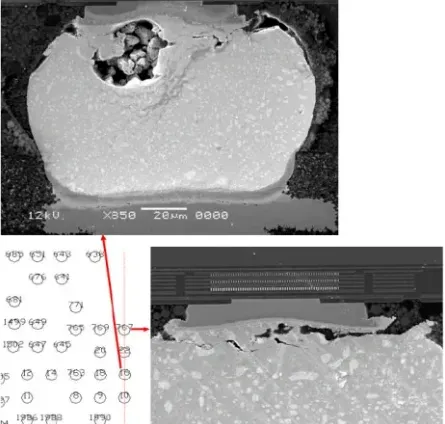
Failure Analysis of an Open-Circuit Multilayer Chip Ferrite Bead
From Hardware to Chips: Exploring the Underlying Logic of Hardware Engineering
Time-Interleaved Sampling: A Key Technology in High-End Oscilloscopes
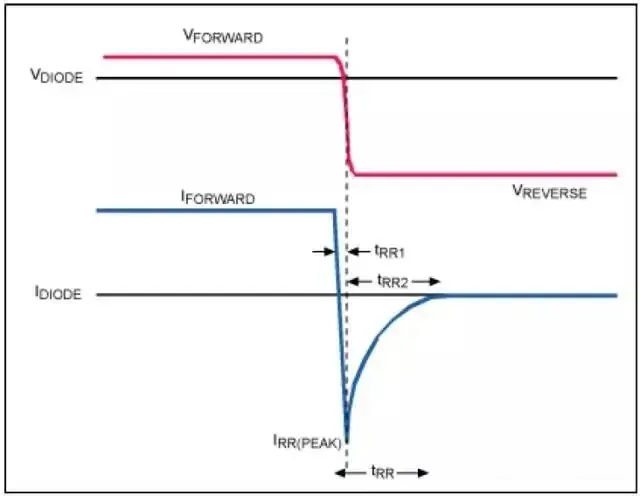
Why Your Switching Power Supply Efficiency Is Low: Loss Mechanisms and Optimization Methods
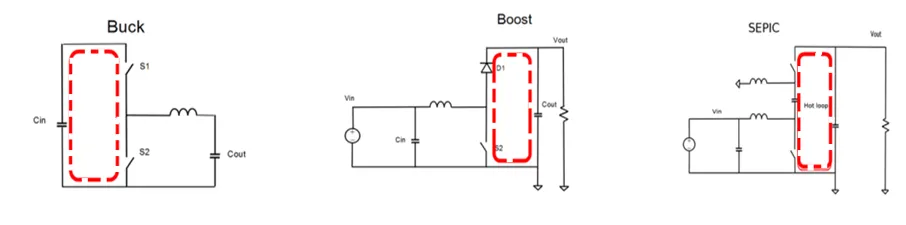
Understanding EMI in Switching Power Supplies: Why It Matters More Than PCB Rules Alone

Reverse-Polarity Protection for DC Inputs: Practical Circuits and MOSFET Implementations

Critical PCB Copper Pour Guidelines: When Copper Pour Can Do More Harm Than Good

8-Layer PCB Thermal Management: Layout and Heat Dissipation Strategies

MOSFET Failure Analysis: Intermittent DS Short Circuit Caused by Tin Dendrite Migration

PCB Design: A Sound Power Design Is Half the Battle

Four-Corner Testing: A Rigorous Method for Hardware Reliability Verification

Complete Guide to Power-Rail Ripple and Noise Testing: From Principles to Practice

Single-Layer vs Multilayer PCB: Key Differences in Design and Applications

PCBA Conformal Coating Application Process and Precautions

Causes, Hazards, and Mitigation of Kirkendall Voids in Solder Joints

SMT Soldering Evaluation of a Single-Sided Insulated Shielding Can

Technical Analysis of Two-Part Adhesive (AB Adhesive) Dispensing

Analysis of 20 Common Defects in Wave Soldering and Their Causes