Analog Grounding
Analog grounding plays a crucial role in the design of printed circuit boards (PCBs) and electronic systems, particularly in mixed-signal environments where analog and digital components coexist. This technique involves strategically separating and managing ground paths to minimize noise interference, ensuring clean signal transmission and optimal performance. For engineers, hobbyists, and designers searching for information on analog grounding, this tag serves as a comprehensive resource that delves into the principles, challenges, and solutions associated with effective grounding strategies. Understanding analog grounding begins with recognizing its impact on circuit reliability. In analog circuits, even minor ground loops or electromagnetic interference can distort signals, leading to inaccurate measurements or degraded audio quality in applications like amplifiers, sensors, and data acquisition systems. By implementing proper analog grounding techniques, such as using dedicated ground planes, star grounding configurations, or isolated returns, you can significantly reduce these issues. Practical applications include audio equipment, medical devices, and precision instrumentation, where maintaining signal integrity is paramount. Best practices emphasize careful layout planning during the PCB design phase, including the use of low-impedance paths and shielding to prevent crosstalk between analog and digital sections. This tag aggregates articles that provide actionable insights into analog grounding, from foundational concepts to advanced troubleshooting methods. Whether you are optimizing a new prototype or debugging an existing board, these resources offer step-by-step guidance on simulation tools, component placement, and compliance with industry standards like those from IPC. Readers often find value in case studies that illustrate real-world implementations, helping to apply these principles effectively in their projects. For those tackling specific design hurdles, browsing the related articles can reveal tailored strategies that enhance overall system performance and reliability.
Technical Articles
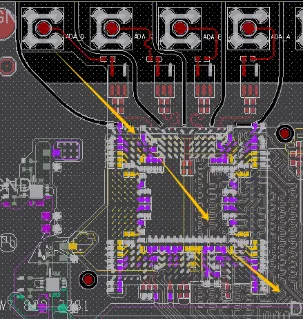
Mixed-Signal PCB Layout and Routing Design
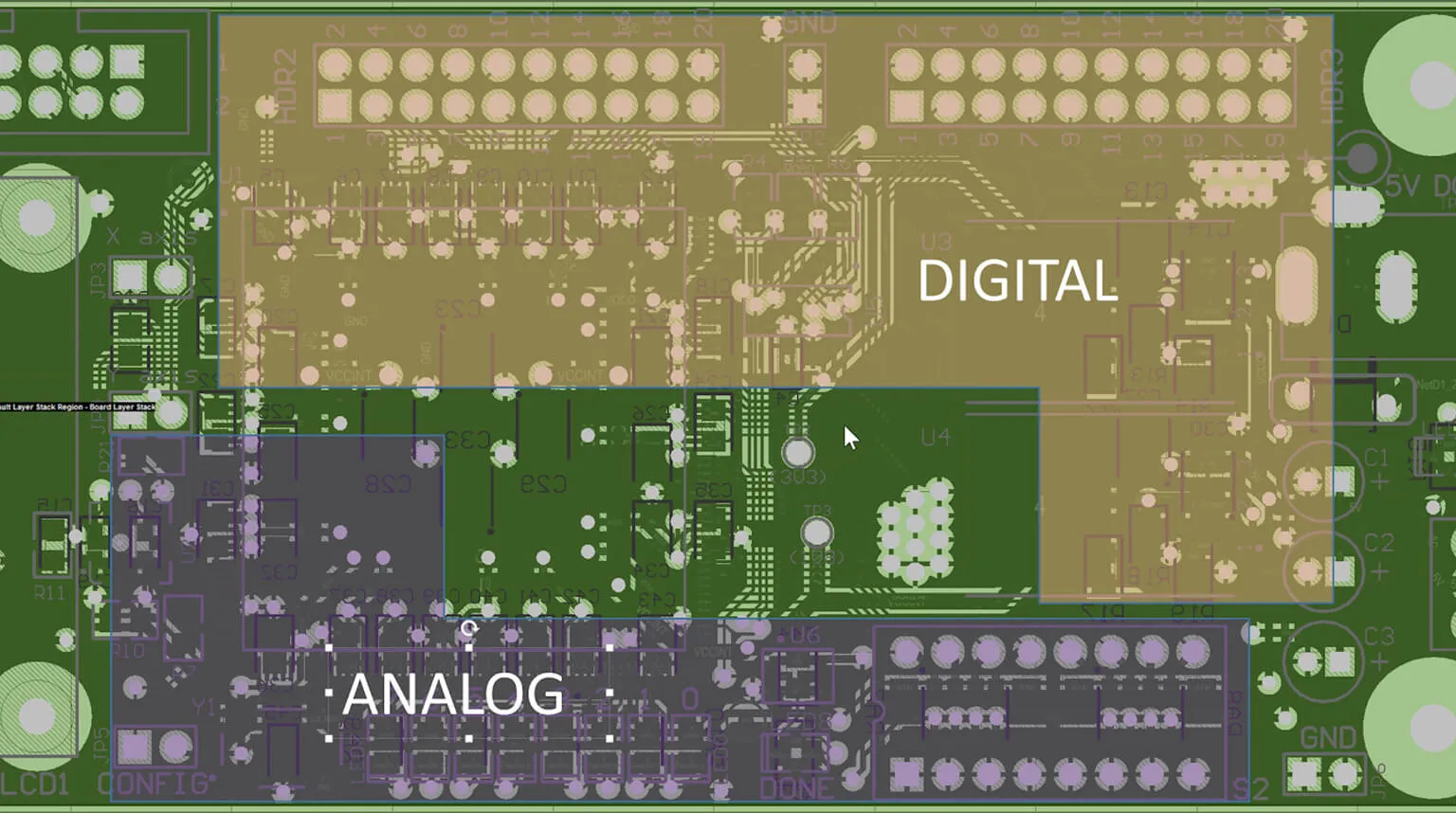
Analog Circuit Design Essentials for PCB Layout: A Comprehensive Guide
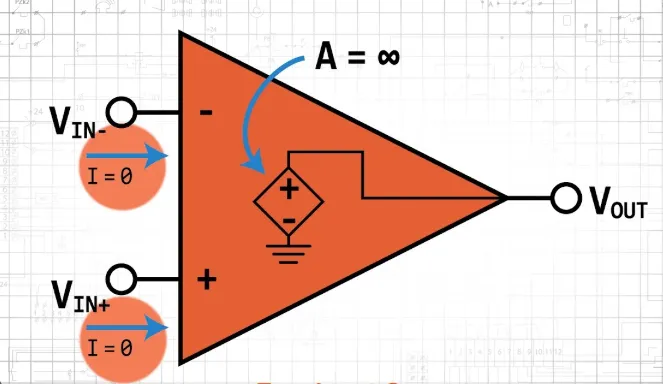
Common Op Amp Circuit Properties
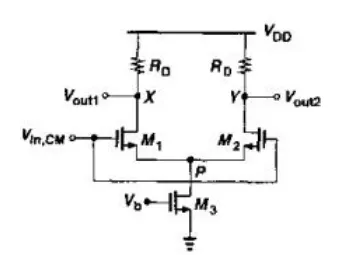
Differential Amplifier Advantages vs Single-Ended: Noise Rejection and PCB Design Insights
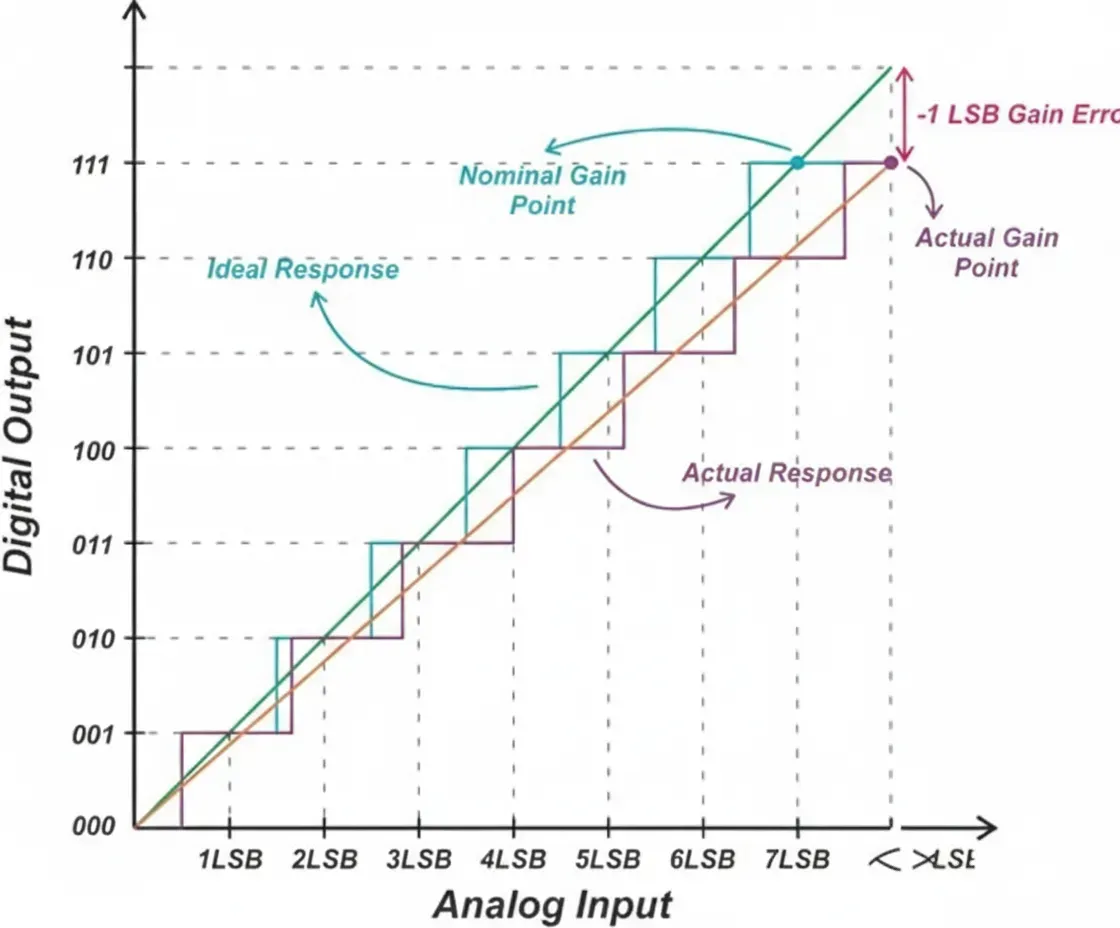
ADC Offset and Gain Error Specifications
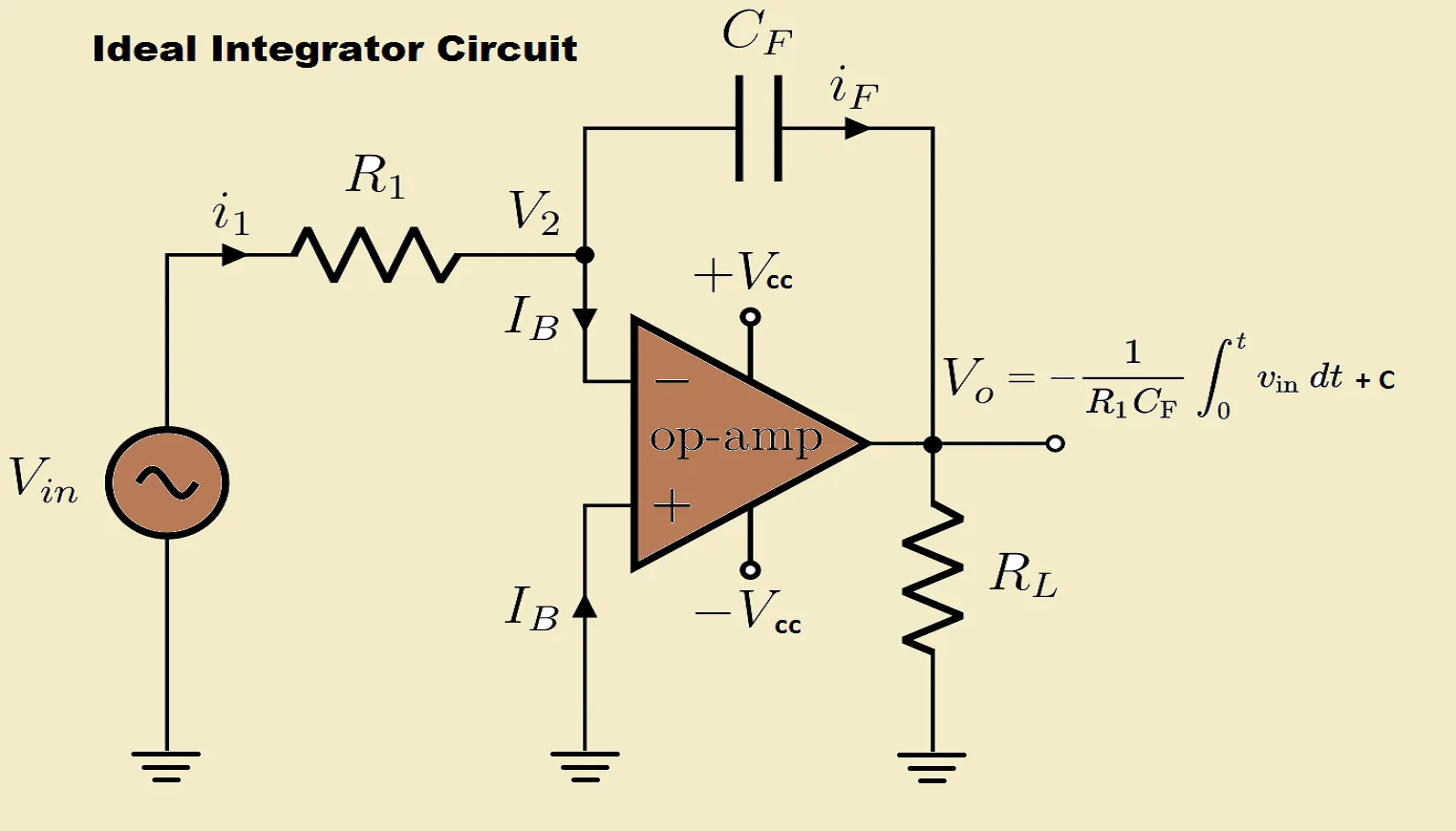
Basic Op-Amp Integrator Circuit Design

DIY Home Medical Kit: Front-end Amplifier and EMI
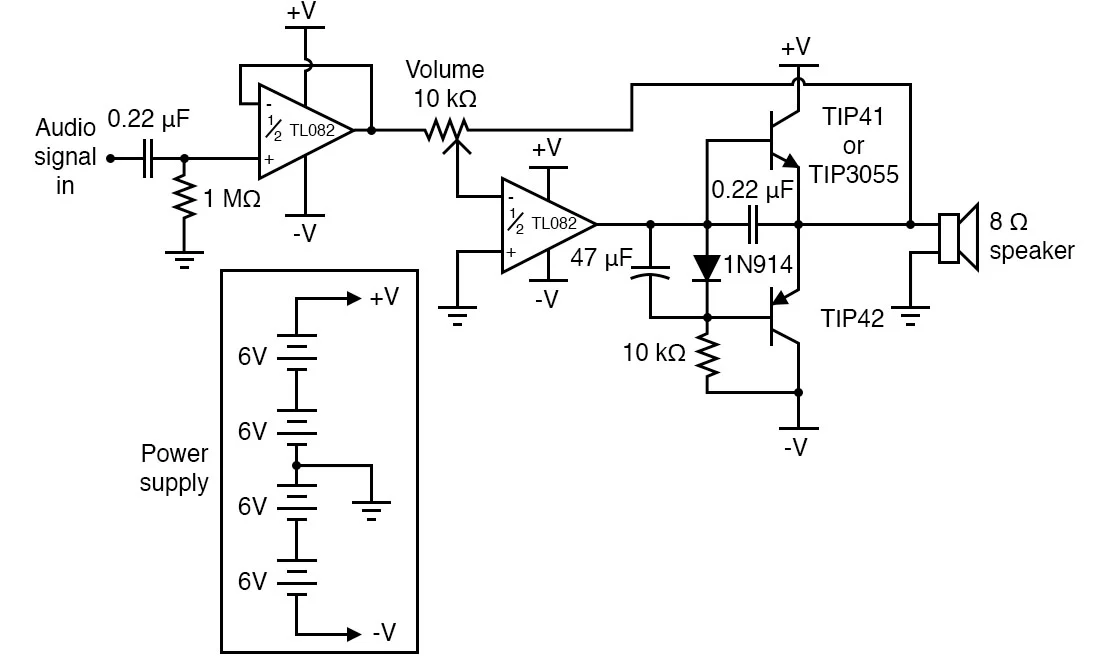
How to Understand Signals and Applications
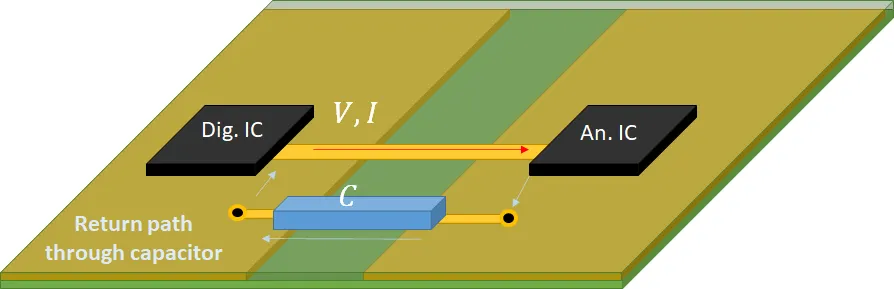
The Art of Grounding: PCB Ground Plane Techniques for Analog Circuits
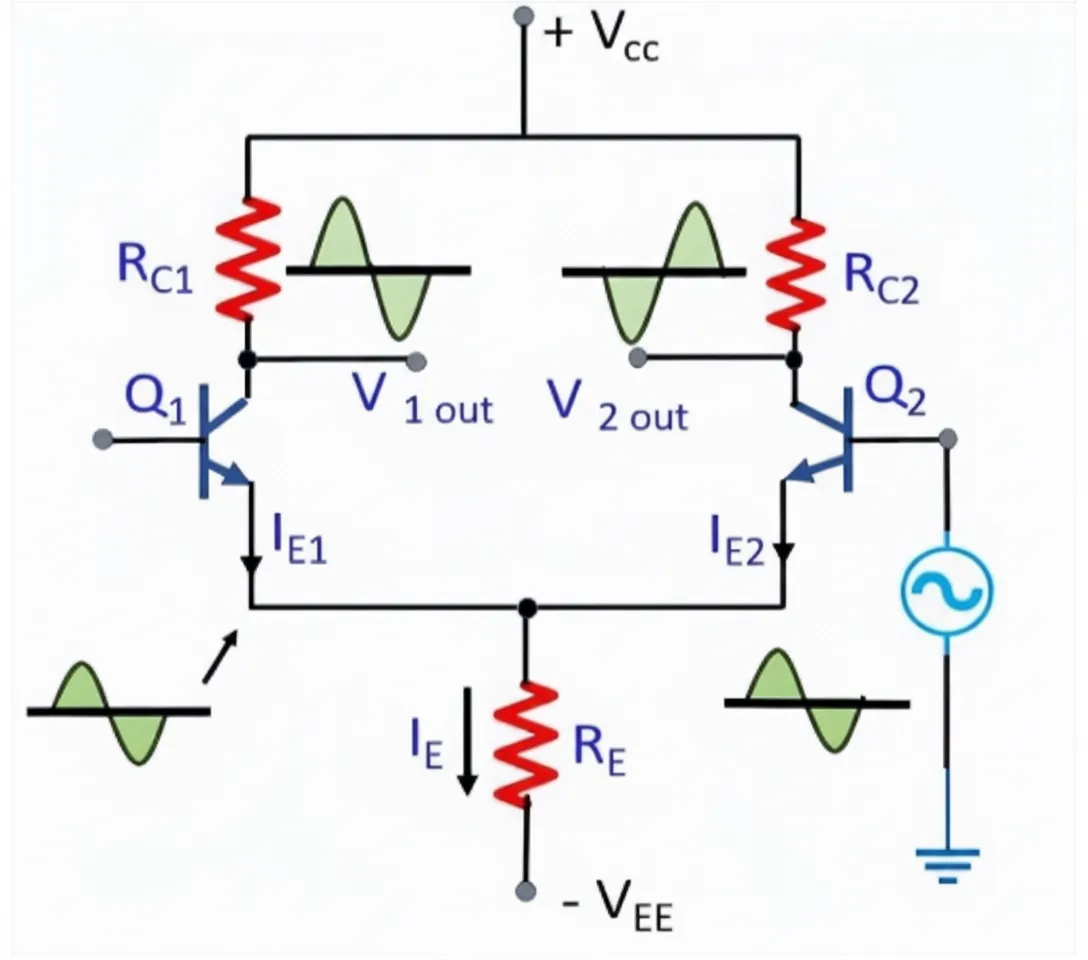
Differential Amplifier Basics: Principles, Formulas, Circuits, and PCB Design Insights

Instrumentation Amplifiers: Principles, Derivation, and PCB Design Considerations

Converting PLC 0-10V Analog to Digital Signals