00:38
PCB Components
Printed circuit boards (PCBs) form the backbone of modern electronics, and understanding PCB components is essential for anyone involved in design, assembly, or troubleshooting. This tag page aggregates in-depth articles on the various elements that populate PCBs, including passive components like resistors and capacitors, active devices such as transistors and integrated circuits, and connectors that facilitate interconnections. Whether you are a beginner hobbyist building your first prototype or a seasoned engineer optimizing a complex system, these resources provide practical guidance to enhance your projects. Selecting the right PCB components directly impacts performance, reliability, and cost efficiency. For instance, articles under this tag delve into best practices for choosing components based on factors like power ratings, tolerance levels, and environmental resilience. You will find actionable insights on sourcing high-quality parts from reliable suppliers, avoiding common pitfalls such as counterfeit components, and implementing effective inventory management to streamline production workflows. Practical applications extend to real-world scenarios, such as designing for high-frequency signals where component placement can minimize interference, or ensuring thermal management in power electronics to prevent failures. Beyond selection, the PCB Components tag covers assembly techniques, including surface-mount technology (SMT) versus through-hole mounting, and tips for soldering and desoldering without damaging boards. Troubleshooting guides address issues like component failure due to electrostatic discharge or improper handling, offering step-by-step diagnostics to restore functionality. By exploring the articles linked here, you can gain a deeper understanding of how these components integrate into broader circuit designs, empowering you to create more robust and innovative electronic solutions. This collection serves as a valuable reference for refining your skills and staying updated on emerging trends in component technology.
Video Guide
-
00:38
-
 01:07
Electronic Components Identification: Resistors, Capacitors, Diodes, LEDs, and Inductors
-
 00:52
Circuit Symbols Explained: Identify Electronic Components for PCB Design
-
 00:55
Capacitor Code Video: 104 Meaning Explained
-
 00:50
Resistor Color Codes: Read Them in Seconds
-
 00:45
Missing SMD Component Replacement: Step-by-Step Hot-Air PCB Repair
-
 00:55
PCB Capacitors Explained: Decoupling, Filtering and Power Stability in Multilayer Designs
-
 01:11
Remove Small SMD Components with Soldering Iron: Reliable Technique for PCB Rework
Technical Articles
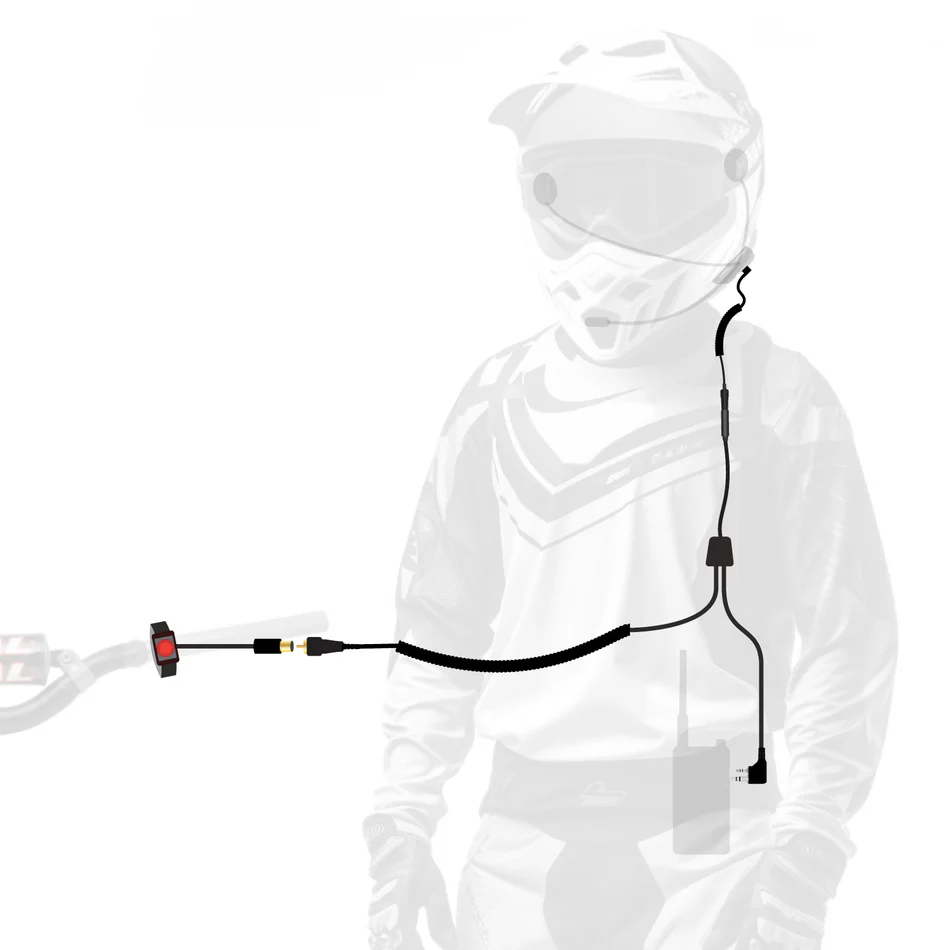
Bluetooth and Phone Compatibility with Handheld Radios
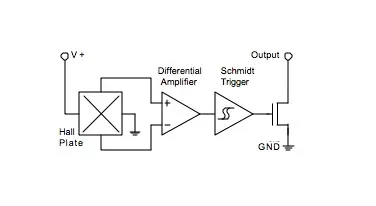
Magnetic Circuit Applications of Hall-Effect Sensors
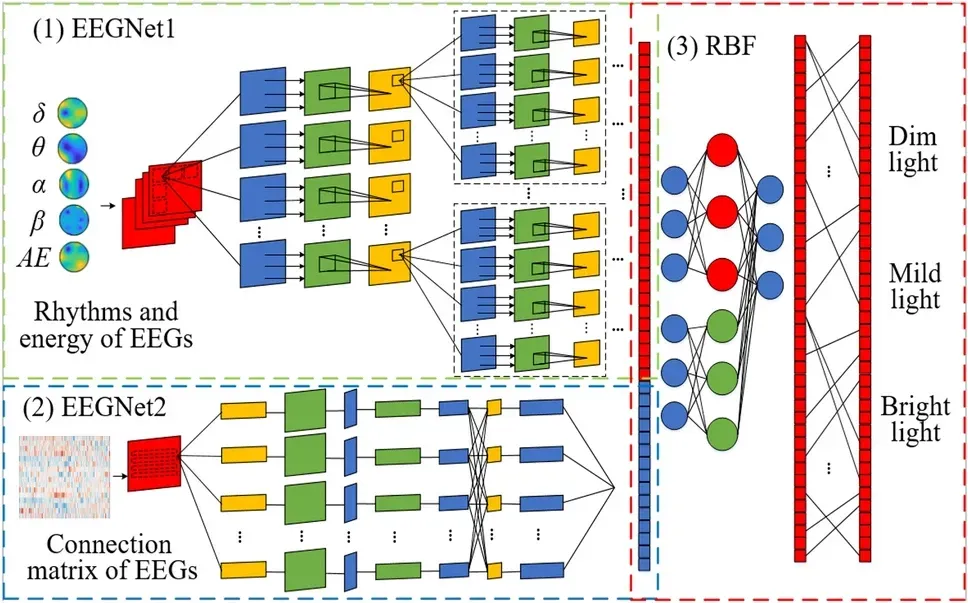
BCI Light-Perception Model for Human Visual Mechanisms
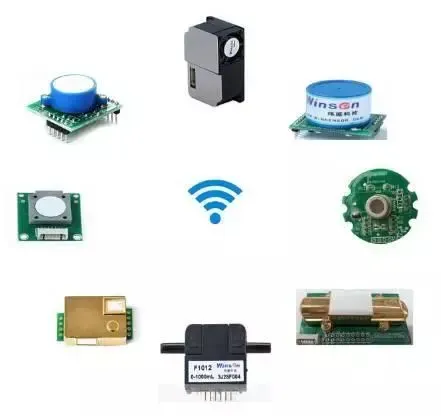
Cloud-based Data Synchronization for Wireless Sensor Networks
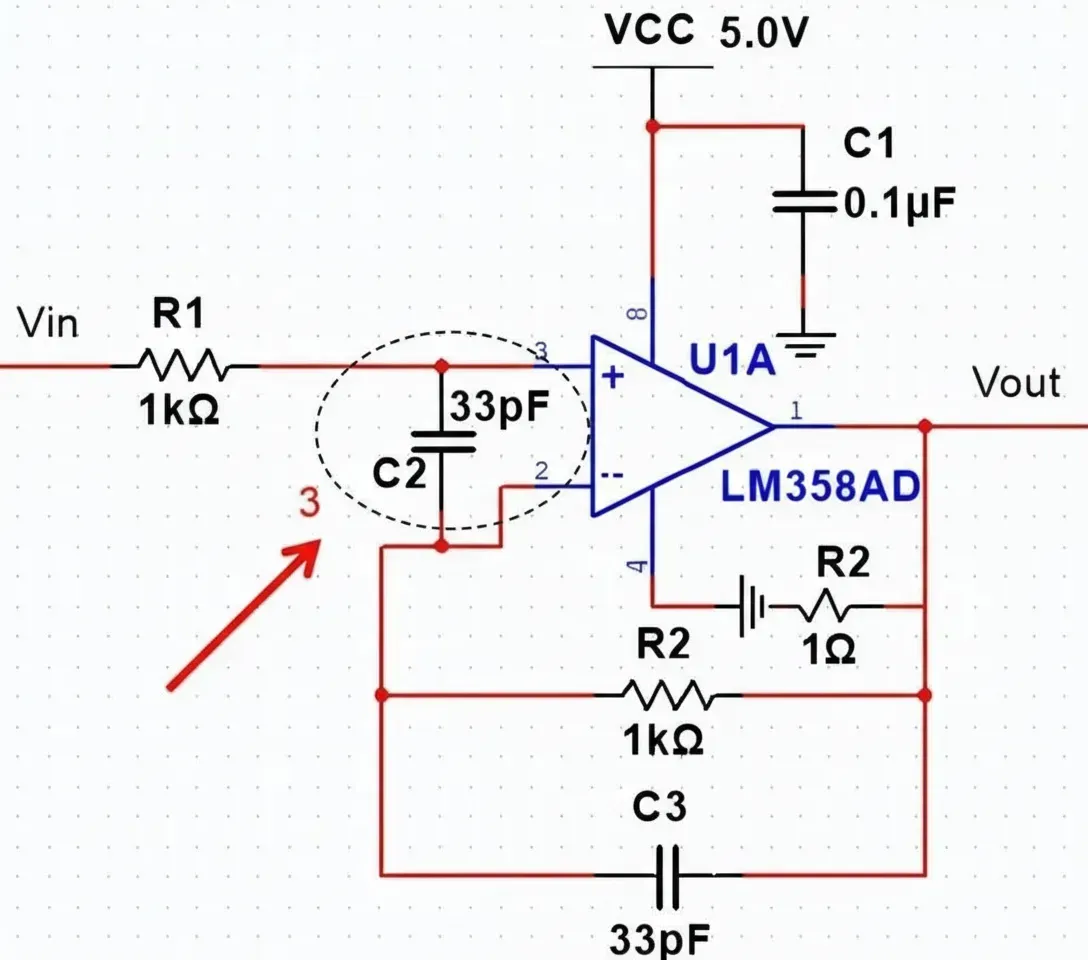
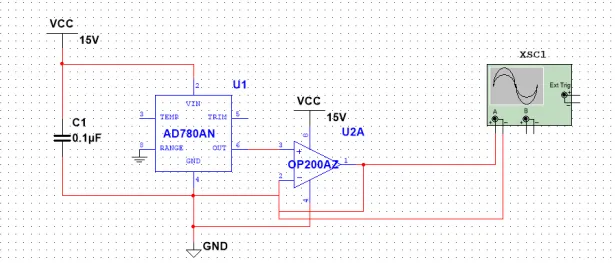
What do capacitors do in op amp circuits?
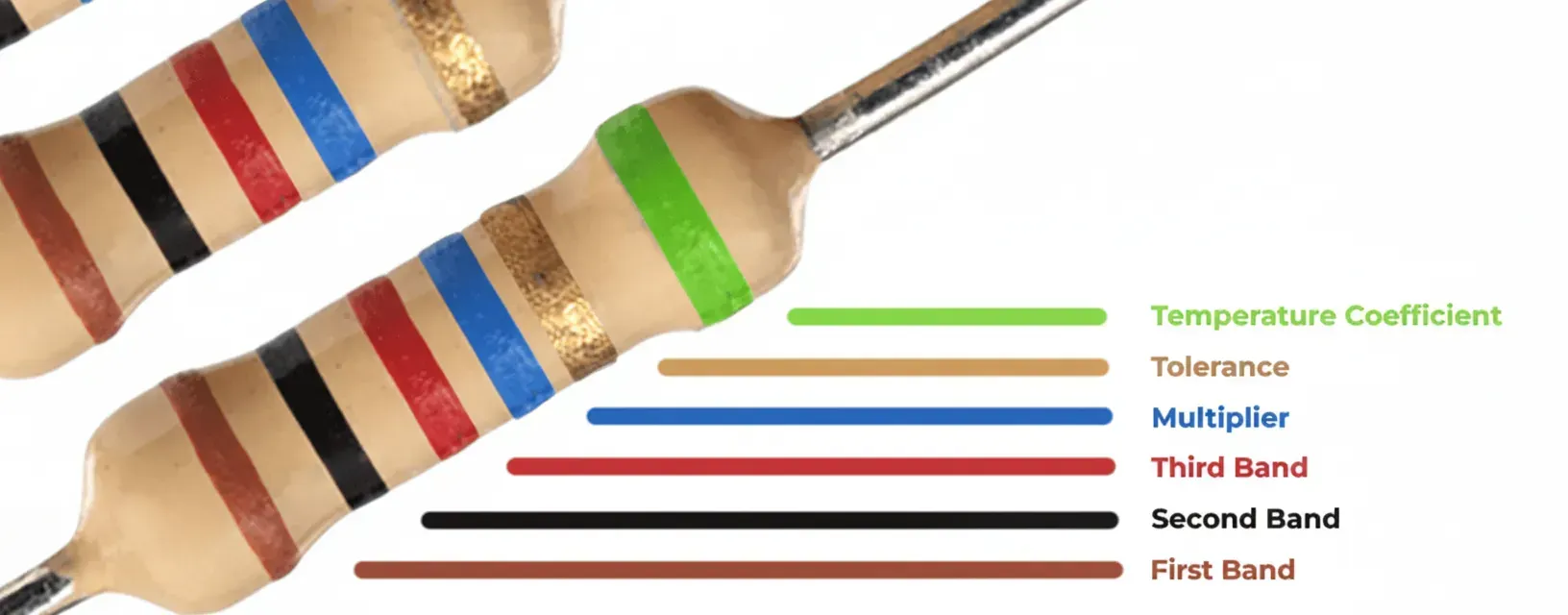
What Resistor Color Bands Mean
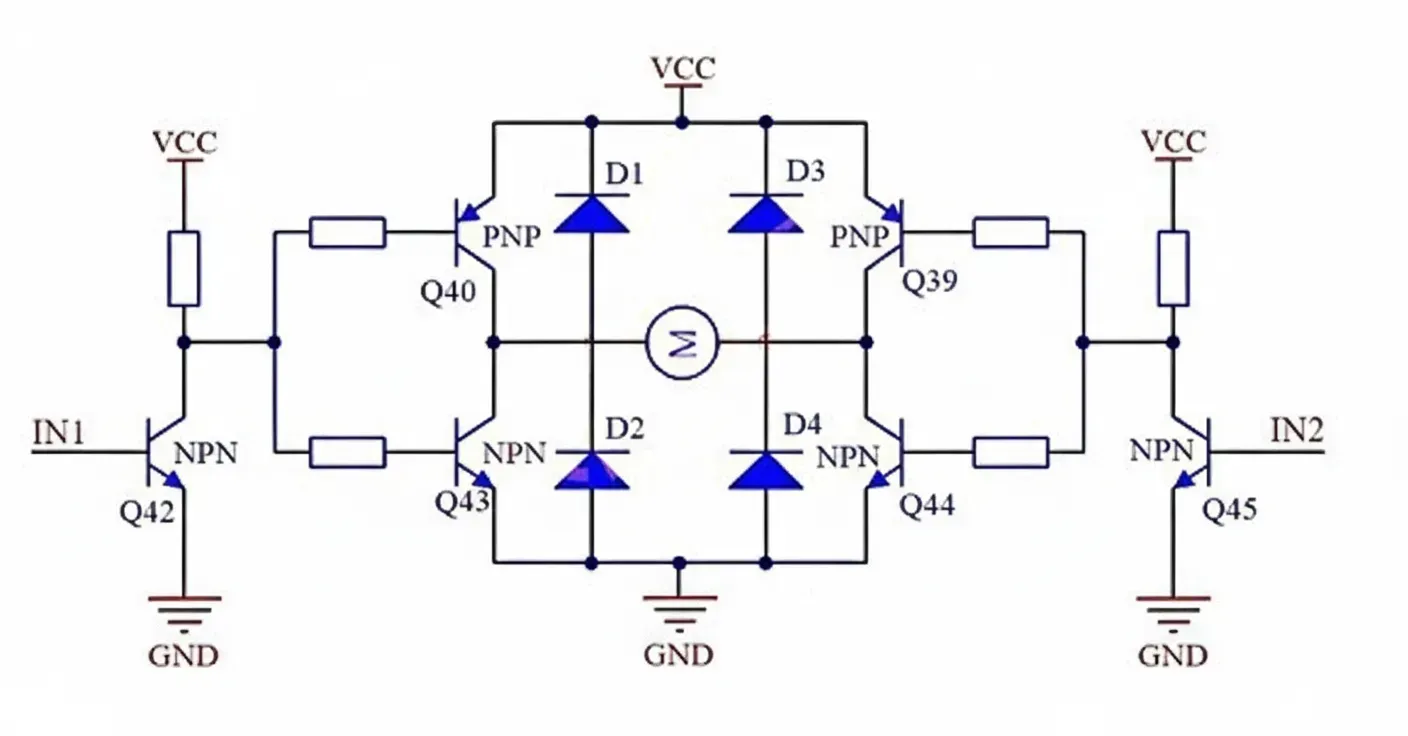
Why MOSFETs Fail in Low-Power BLDC Motors
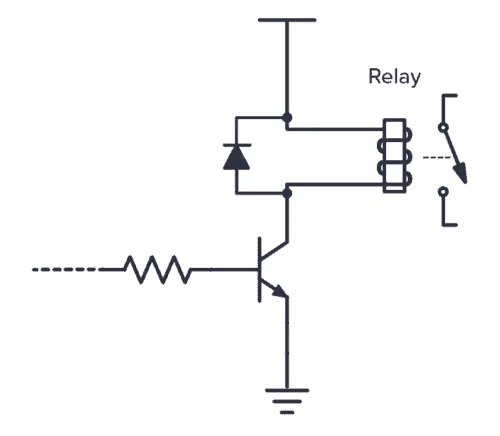
How Transistors Work: BJT and MOSFET Differences
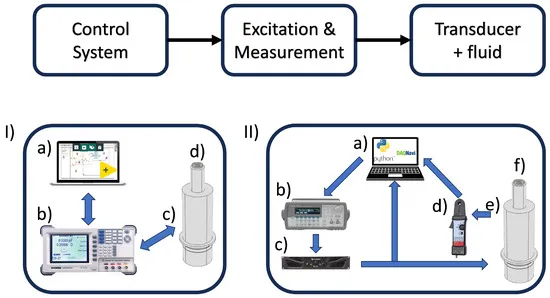
Self-excited and Externally-excited Ultrasonic Sensor Drivers
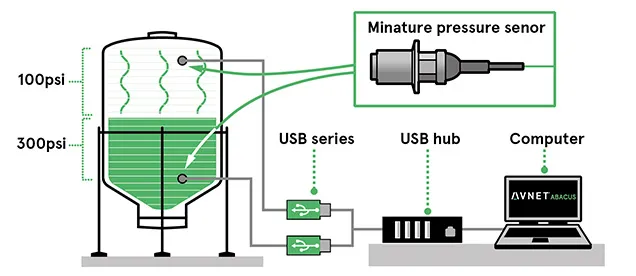
What Is a Differential Pressure Sensor and Failure Effects
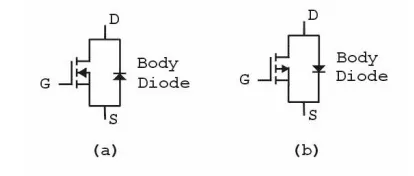
MOSFET Datasheet Parameters and Abbreviations Explained
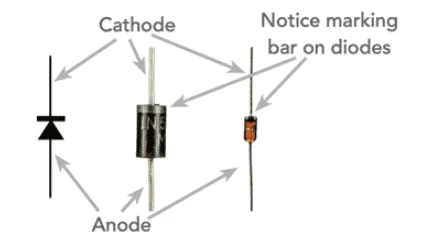
Diode Rectifier Circuit Fundamentals
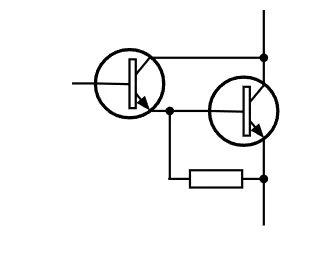
Darlington Transistor Circuit: Key Design Parameters
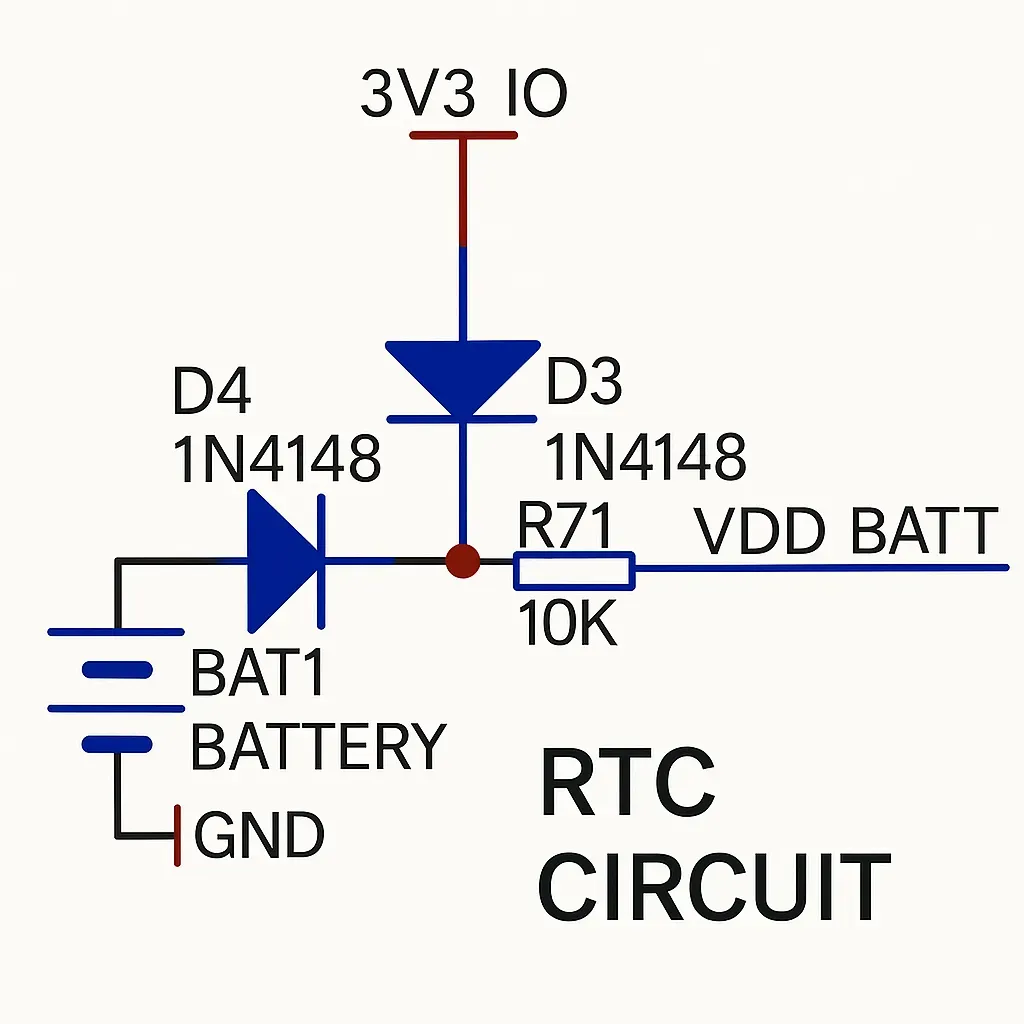
RTC Battery Life Evaluation Considerations
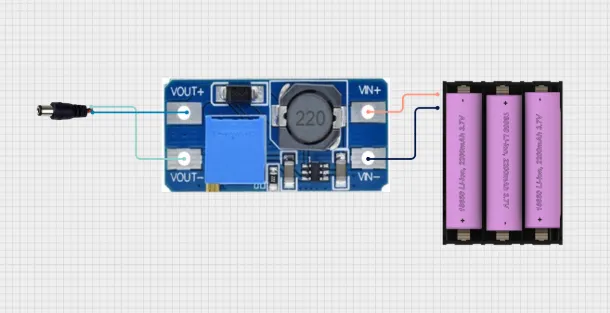
Single-Cell Li-ion Circuit for Stable 5V Output
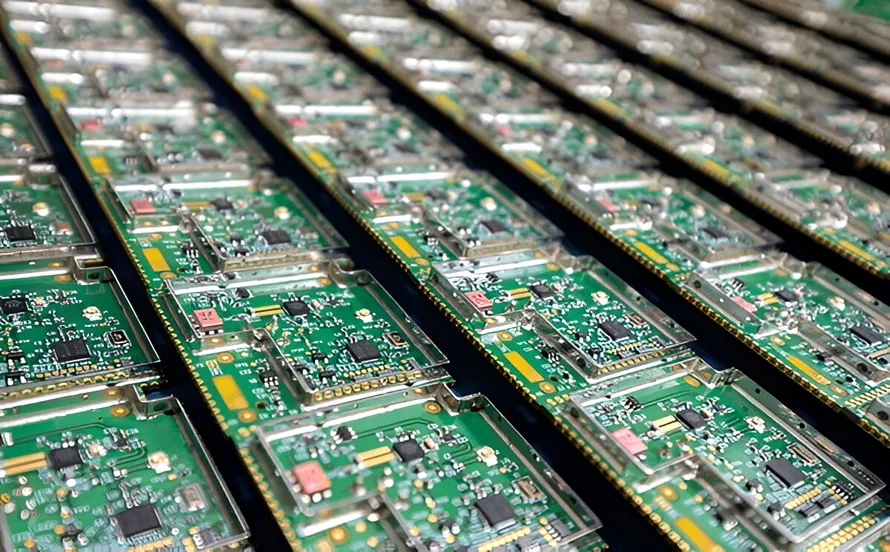
Component Selection Secrets: Choosing the Right Parts for Industrial Automation PCBs

Choosing the Right Embedded Components for Your DIY PCB Project
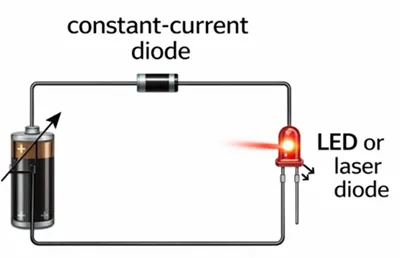
Current Limiter: Usage and Operating Principle
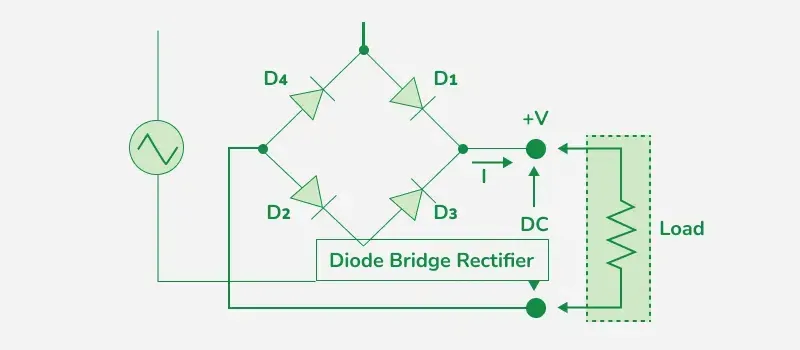
Effects of a Delta Bridge Rectifier Failure on a Circuit