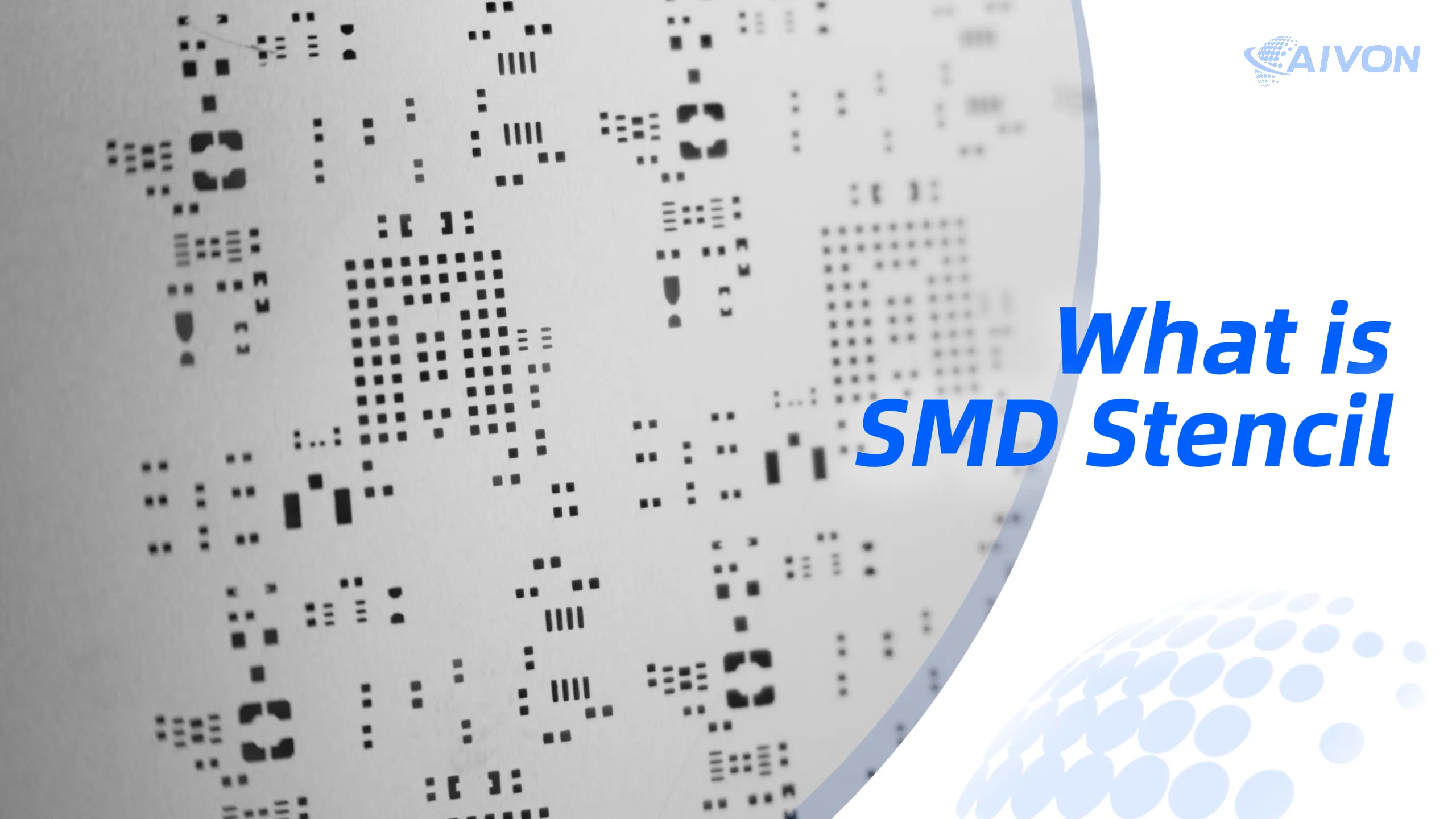
 01:23
01:23
SMT Stencil Design
SMT stencil design plays a crucial role in the surface mount technology assembly process, ensuring precise solder paste application for reliable PCB manufacturing. This tag encompasses a range of topics related to creating and optimizing stencils used in electronics production, from selecting aperture shapes and sizes to accounting for component densities and board layouts. For engineers, designers, and manufacturers searching for SMT Stencil Design, these resources provide essential guidance on achieving high-yield results while minimizing defects such as bridging or insufficient paste deposition. Understanding the fundamentals of SMT stencil design begins with material choices, like stainless steel or nickel, and thickness specifications that align with solder paste requirements. Practical applications include designing for fine-pitch components, where aperture ratios and wall angles directly impact paste release and print quality. Best practices emphasize iterative testing and simulation tools to refine designs, helping users avoid common pitfalls like misalignment or over-etching. By focusing on these elements, professionals can enhance production efficiency, reduce rework, and improve overall circuit board performance in applications ranging from consumer electronics to automotive systems. Articles under this tag delve into real-world case studies and step-by-step tutorials, offering actionable insights for both beginners and seasoned experts. Whether you are troubleshooting stencil-related issues in a prototype run or scaling up for mass production, the content here equips you with the knowledge to implement effective designs. Browsing through these pieces can help refine your approach and stay updated on industry advancements in stencil technology.
Video Guide
-
01:23
Technical Articles
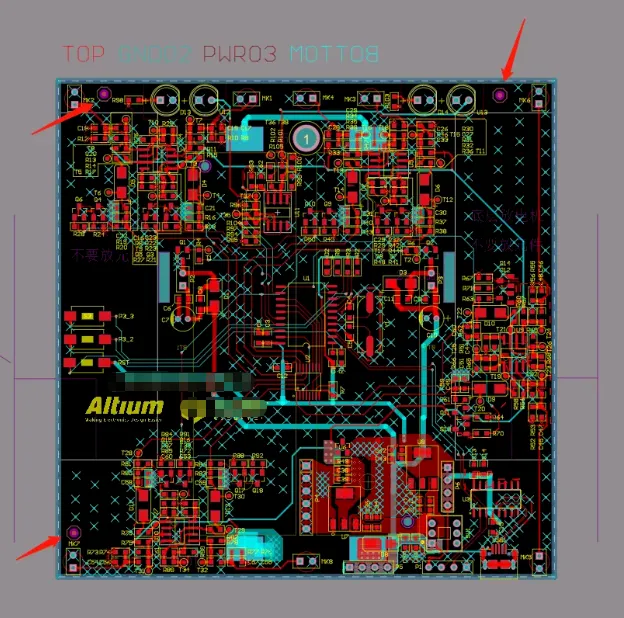
Why PCB Designs Include Fiducial Marks (Mark Points)
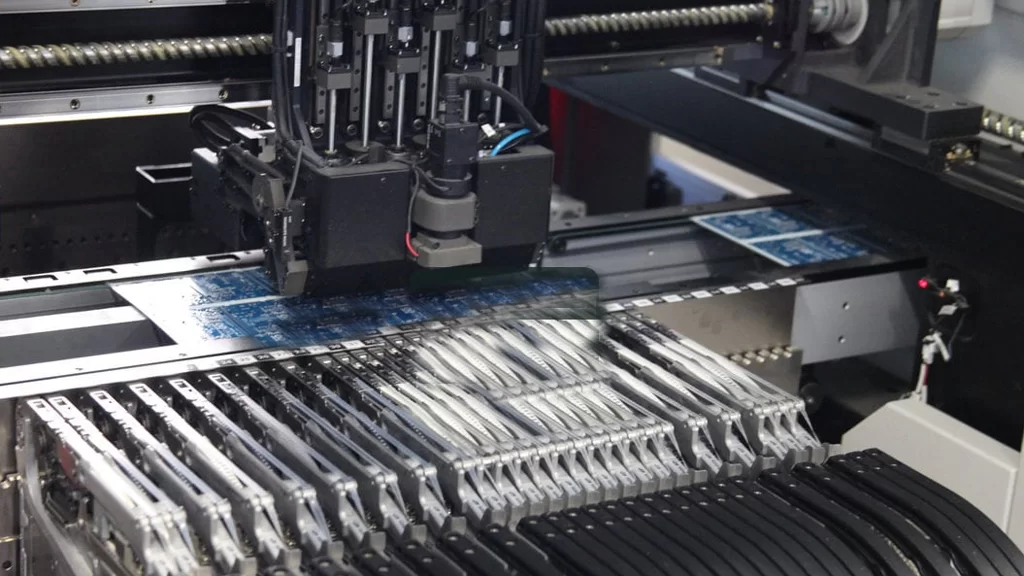
The Ultimate Guide to Design for Assembly (DFA) in Electronics Manufacturing
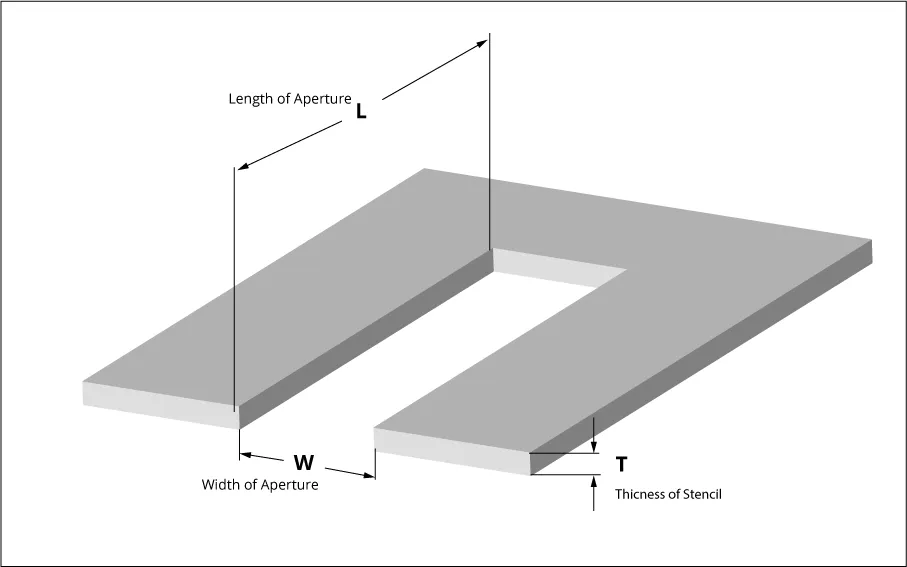
Mastering Stencil Aperture Design: A Comprehensive Guide for SMT Assembly
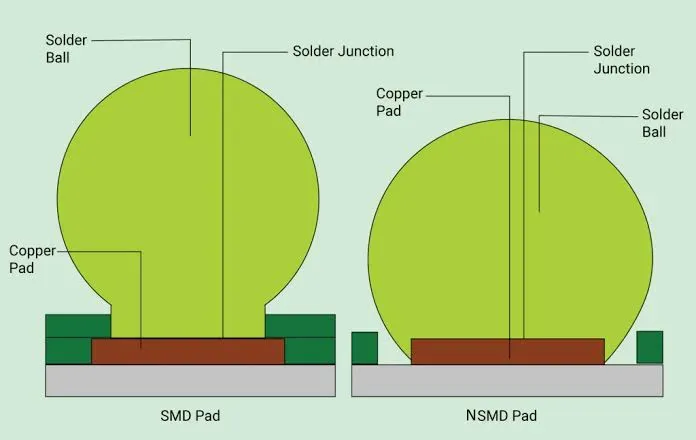
SMD Pad vs NSMD Pad for HDI BGA: Which Is Better?
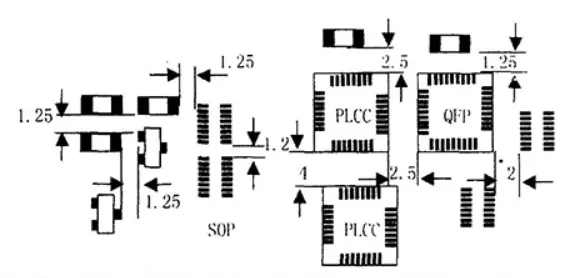
Designing for Automation: Key Principles for Efficient PCB Assembly Lines
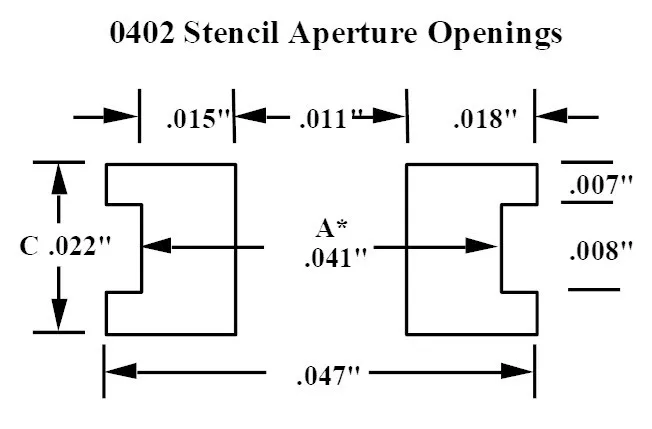
The Art of SMT Stencil Aperture Design: Minimizing Defects and Maximizing Yield