 03:18
03:18
Soldering Defects
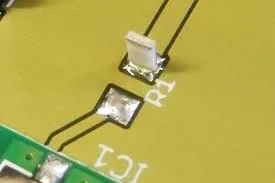
Soldering defects represent a critical challenge in electronics manufacturing and PCB assembly, often leading to failures in circuit performance, reliability issues, or complete device malfunctions. These imperfections arise during the soldering process, where components are joined to printed circuit boards using molten solder. Common examples include cold joints, which fail to form proper electrical connections due to insufficient heat; solder bridges that cause short circuits by unintentionally linking adjacent pads; and tombstoning, where components stand upright instead of lying flat. Understanding these defects is essential for engineers, technicians, and hobbyists aiming to produce high-quality electronic assemblies, as even minor flaws can result in costly rework, product recalls, or safety hazards in applications like medical devices or automotive systems. This tag on Soldering Defects gathers comprehensive resources to help you diagnose and address these issues effectively. Whether you are troubleshooting a prototype that refuses to function or optimizing a production line for higher yields, the articles here offer practical guidance on identification techniques, such as visual inspections and X-ray analysis, alongside root cause analysis to pinpoint problems like incorrect temperature profiles or contaminated materials. You will find best practices for prevention, including selecting the right soldering iron, flux, and reflow oven settings, as well as step-by-step fixes for common defects to minimize downtime and material waste. By exploring the content under this tag, you can gain actionable insights tailored to real-world scenarios, from DIY repairs to industrial-scale operations. For instance, detailed case studies illustrate how adjusting solder paste viscosity or improving stencil design can dramatically reduce defect rates. Delving into these articles equips you with the knowledge to enhance your soldering skills, ensuring robust and reliable electronic products.
Video Guide


Technical Articles
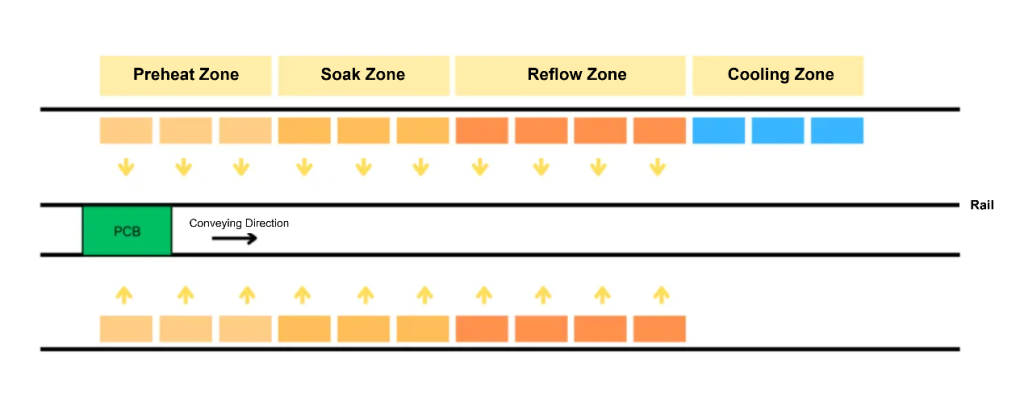
Simple guide to optimizing your PCB design for SMT assembly
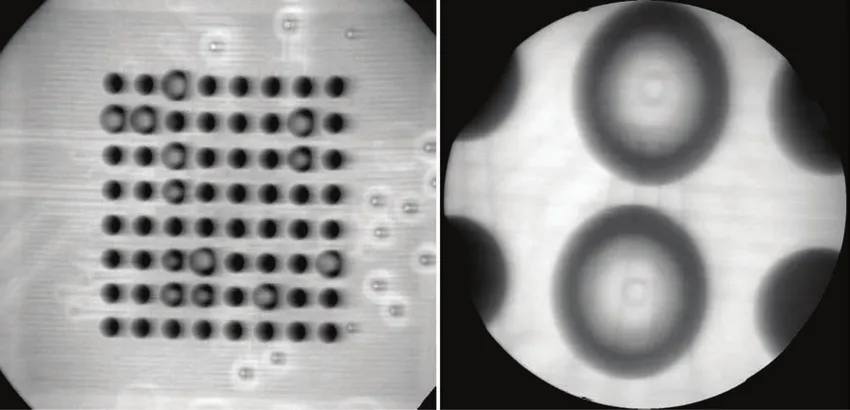
Common PCB Soldering Defects: Causes, Impacts, and Prevention for Reliable Assemblies
PCB Soldering Processes and Common Defects Explained
Prevent SMT Soldering Defects: Tips
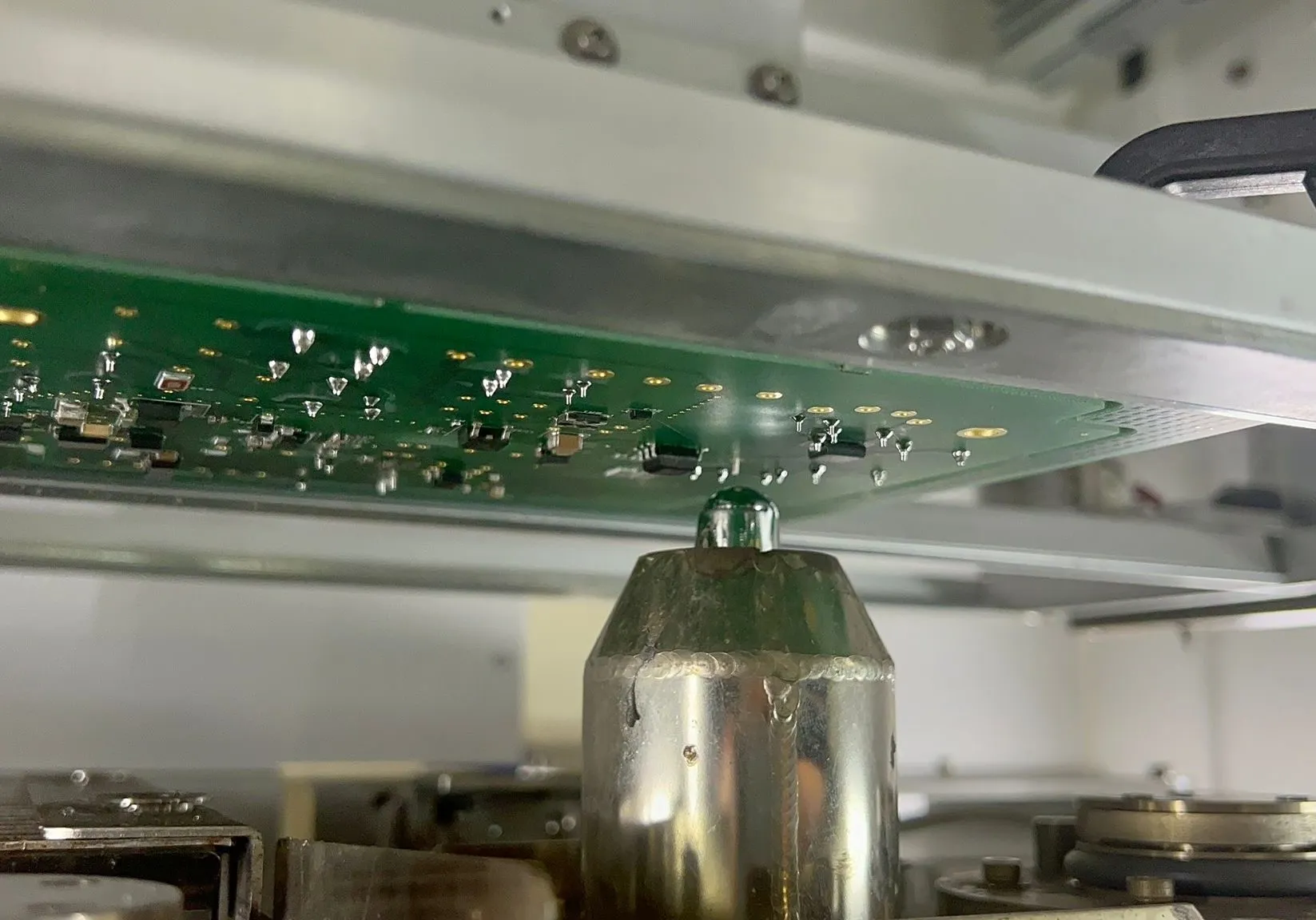
The Definitive Guide to PCB Soldering: Standards, Techniques, and Strategic Implementation
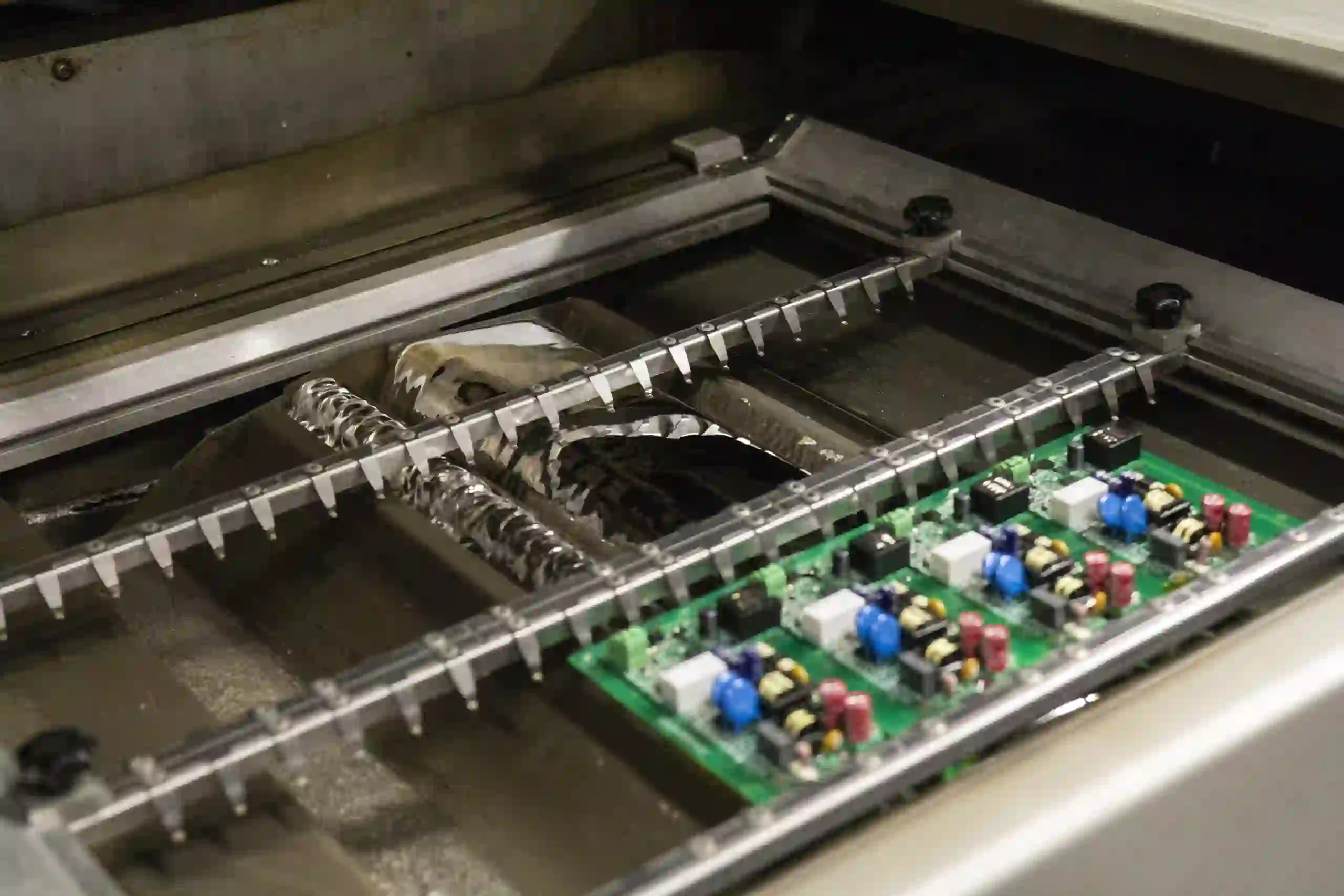
Advantages and Disadvantages of Wave Soldering Machines
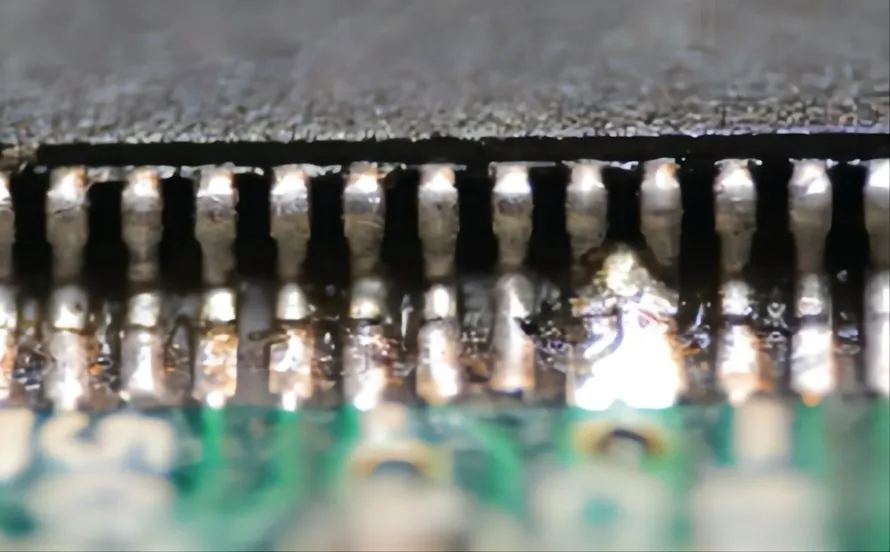
Solder Joint Defects: Diagnosing & Fixing Common Soldering Issues
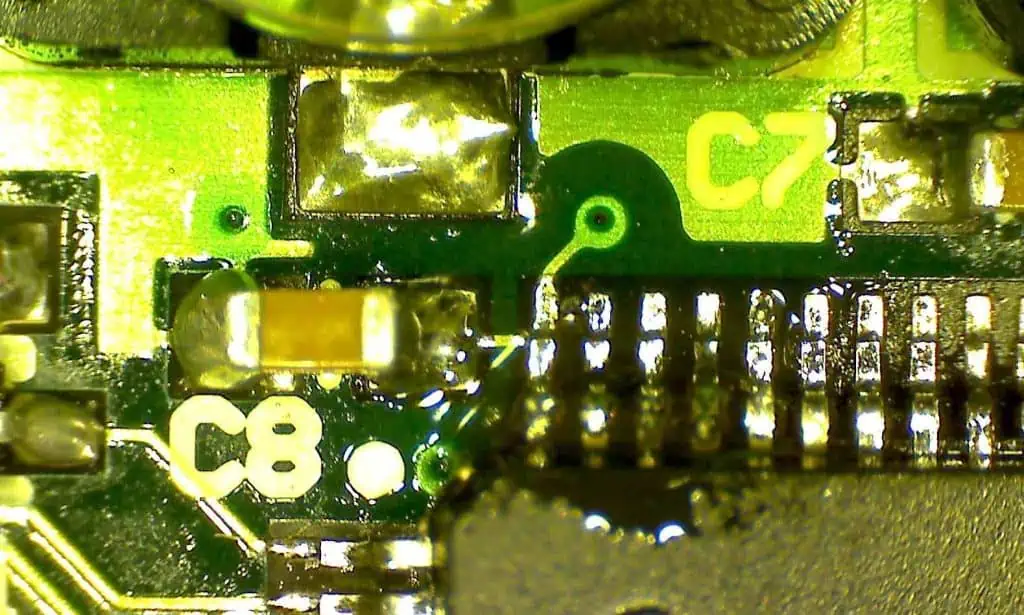
Common SMT PCB Assembly Defects

Understanding PCB Assembly Errors

Troubleshooting Automated Assembly Lines: Diagnosing and Fixing Common PCB Issues
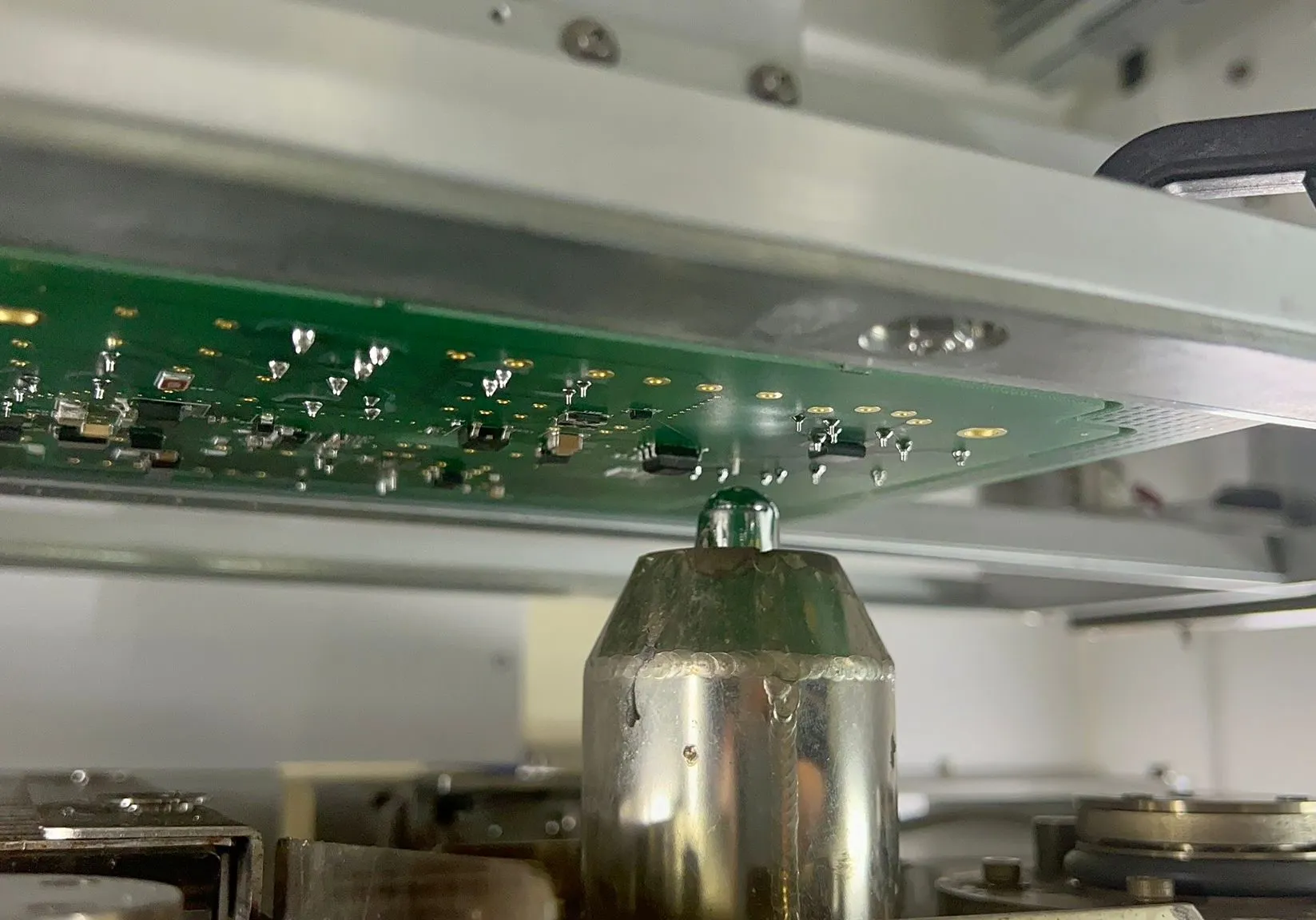
Nitrogen Purging in Selective Soldering: The Ultimate Guide for Zero Defect PCB Joints
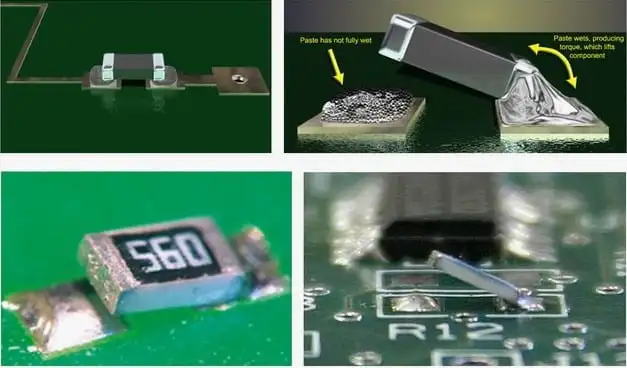
Troubleshooting Common Reflow Oven Problems: A Practical Guide for Electronics Manufacturers
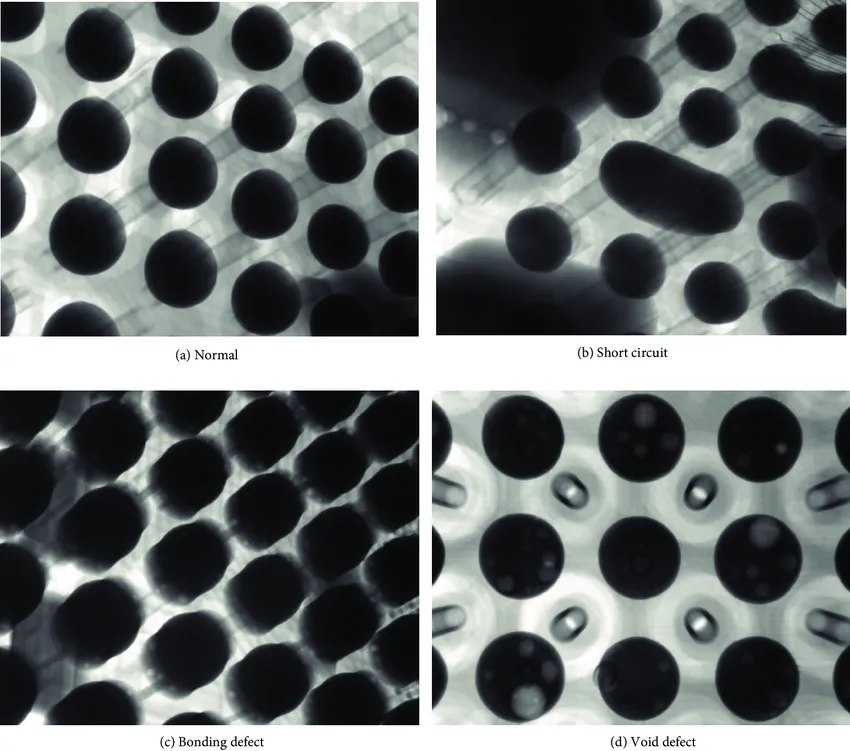
X Ray Inspection for SMT: Detecting Hidden Issues in Surface Mount Technology
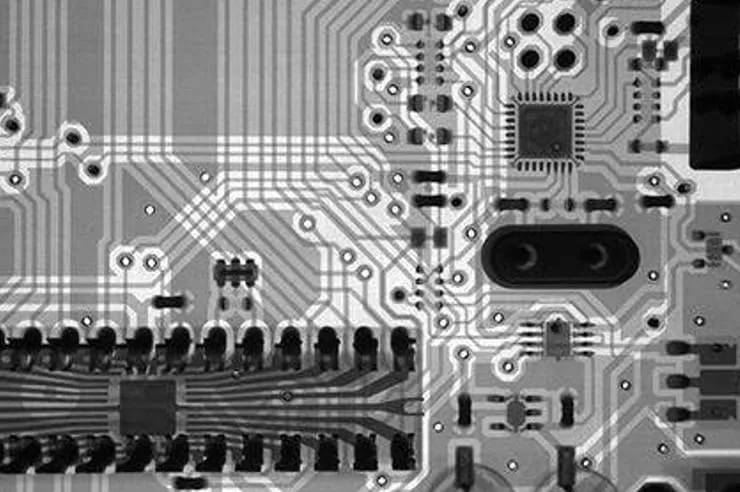
Solder Joint Quality: The Achilles' Heel of PCB Assembly
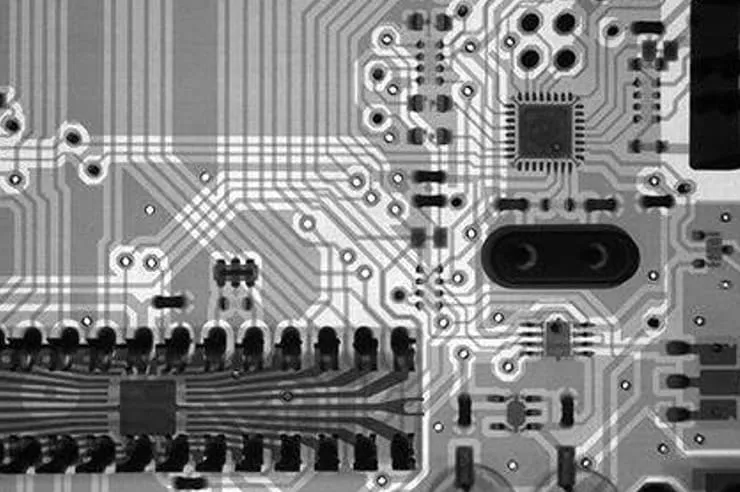
X Ray Inspection For Prototype PCB Rework
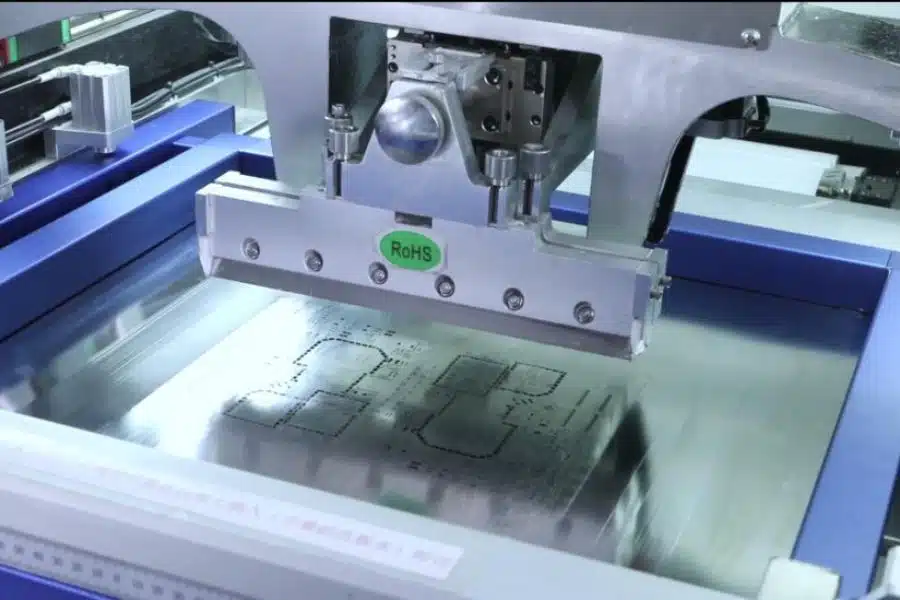
Troubleshooting Common Step Stencil Problems: A Practical Guide
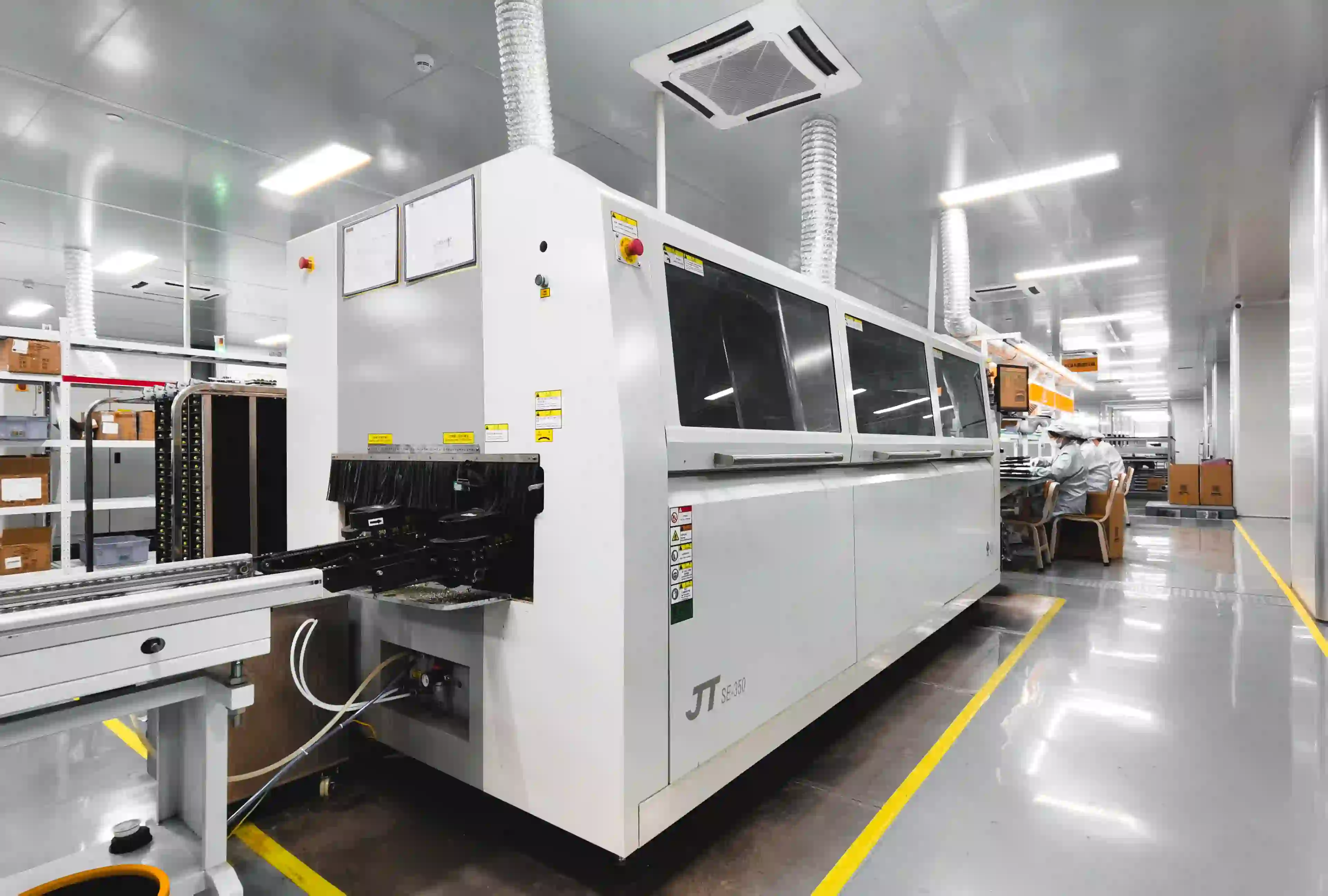
Troubleshooting Common Wave Soldering Defects: A Practical Guide
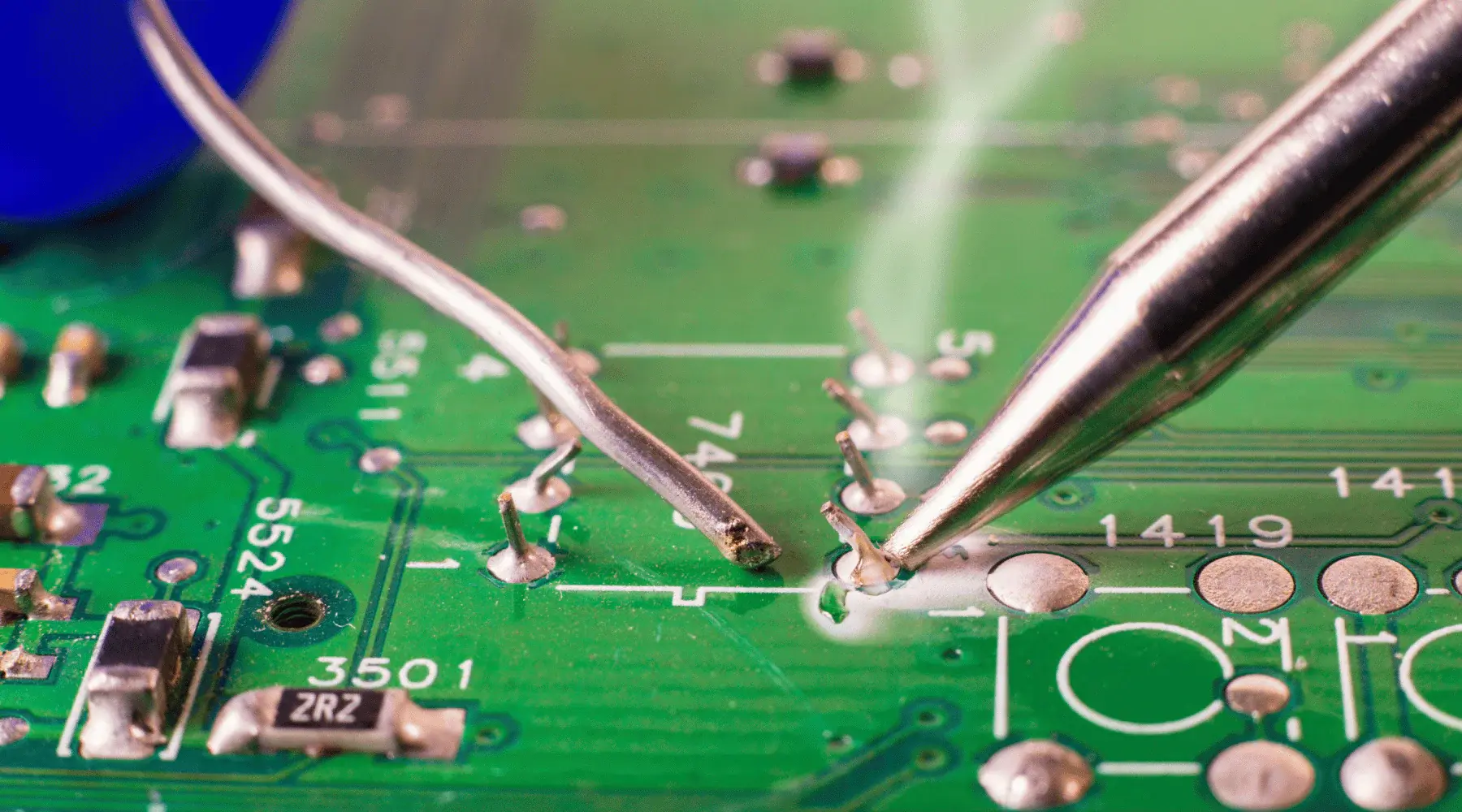
The Do's and Don'ts of Hand Soldering: Avoiding Common Pitfalls for Optimal Results
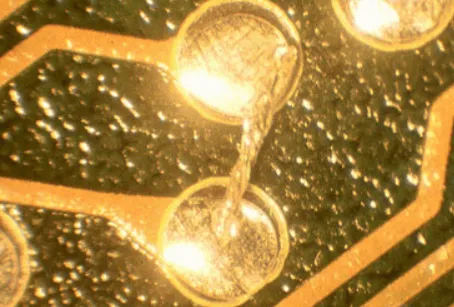
Solder Balling: Identifying Causes and Implementing Effective Prevention Methods