 00:55
00:55
Surface-Mount Device (SMD)
Surface-mount devices (SMDs) represent a cornerstone of modern electronics design, enabling compact, efficient, and high-performance circuit boards. Unlike traditional through-hole components that require drilling into the PCB, SMDs are soldered directly onto the board's surface, which facilitates automated assembly processes and reduces manufacturing costs. This tag encompasses a wide range of topics related to Surface-Mount Device (SMD) technology, including component types such as resistors, capacitors, LEDs, and integrated circuits, as well as their integration into printed circuit boards (PCBs). For engineers, hobbyists, and technicians searching for insights on SMDs, this collection of articles provides essential knowledge on why these devices have become the industry standard, particularly in applications demanding miniaturization like smartphones, wearables, and automotive electronics. Understanding SMDs is crucial for optimizing PCB layouts and ensuring reliable performance. Key advantages include higher component density, improved signal integrity due to shorter leads, and compatibility with reflow soldering techniques that enhance production speed. Practical applications often involve selecting the right SMD package sizes, such as 0402 or 0805 for passive components, to balance space constraints with ease of handling. Best practices highlighted in our tagged content include proper stencil design for solder paste application, thermal management to prevent overheating during reflow, and inspection methods like automated optical inspection (AOI) to detect defects early. For those troubleshooting issues, articles delve into common challenges like tombstoning or bridging, offering step-by-step solutions to achieve high-yield assemblies. Whether you are designing your first SMD-based prototype or scaling up production, the resources under this tag offer actionable guidance to refine your skills. Browsing through these pieces can help you apply proven strategies in real-world projects, from prototyping with hand soldering tools to implementing advanced pick-and-place machinery in manufacturing lines. This focused content ensures you stay informed on evolving SMD standards and innovations, supporting efficient and innovative electronics development.
Video Guide
-
00:55
-
 00:45
00:45
Missing SMD Component Replacement: Step-by-Step Hot-Air PCB Repair
-
 00:46
00:46
How to Repair an Upside-Down SMD Resistor on PCB
-
 00:52
00:52
PCB LED: What Is That Tiny Light on Your Circuit Board?
-
 00:51
00:51
What Does a Resistor Actually Do in PCBs? SMD vs Through-Hole Explained
-
 00:48
00:48
SMD Parts Removal with Soldering Iron: Reliable Techniques Without Hot Air
-
 00:45
00:45
SMD Component Removal: Professional PCB Rework and Repair Techniques
-
 00:53
00:53
SMD vs NSMD PCB Pads: Critical Differences for Reliable SMT Assembly
Technical Articles
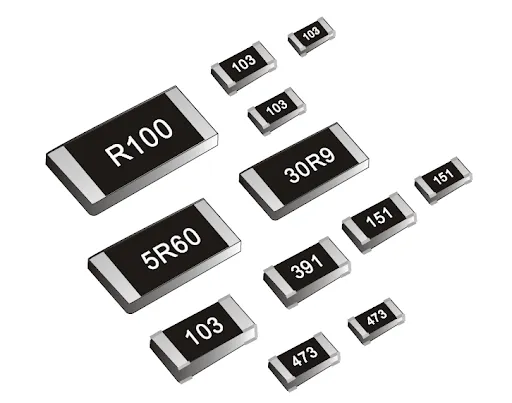
SMD Resistor Codes and Resistance Value Calculations
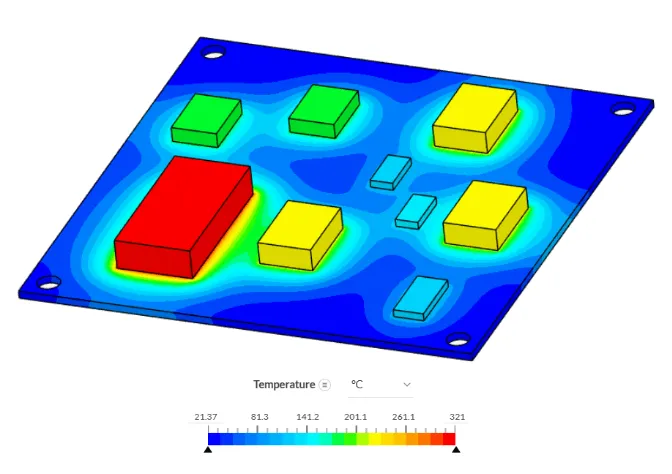
Preventing Tombstoning: A Guide to Flawless PCB Assembly
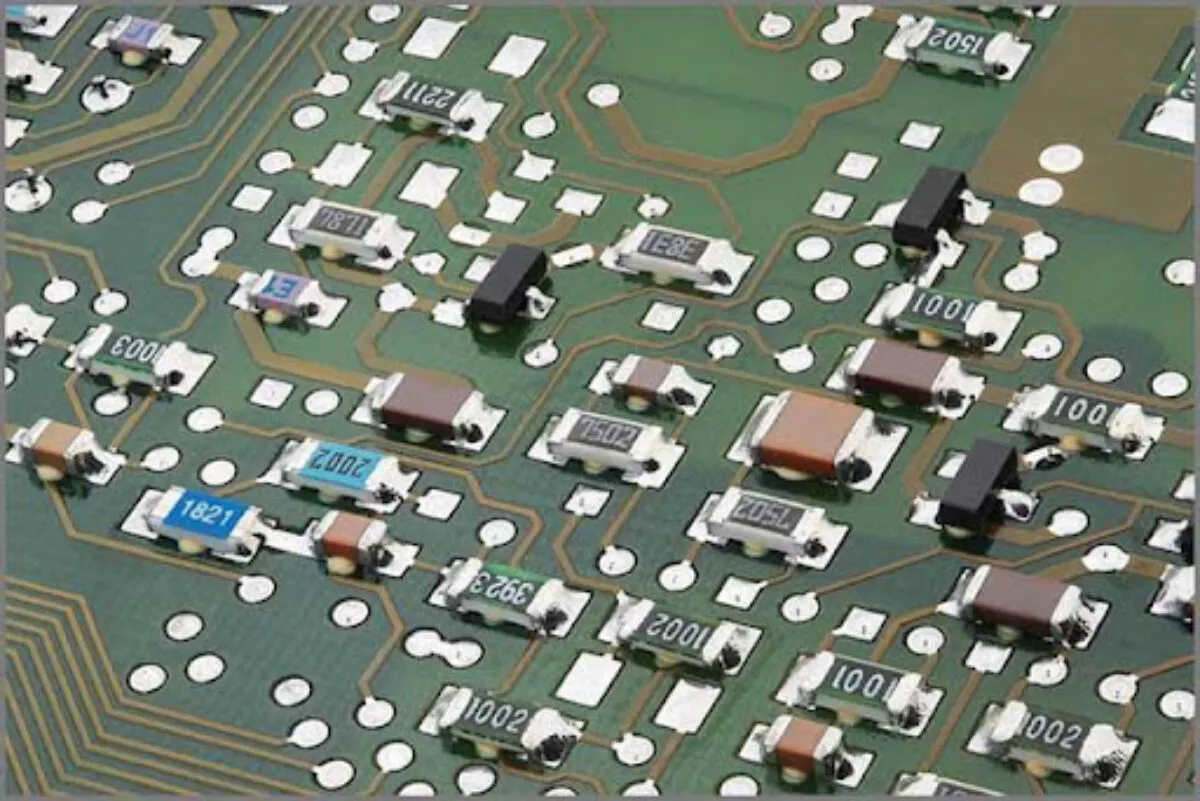
SMD Resistors Explained: Sizes, Markings, and Applications in Electronics

Choosing the Right PCB Fuse for Overcurrent Protection
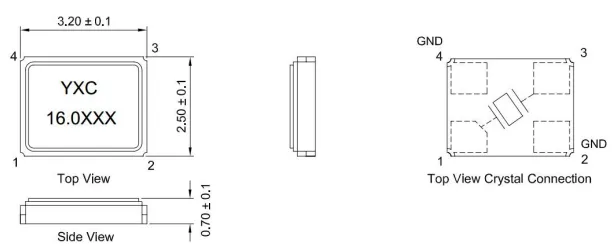
SMD Crystal Oscillators: A Comprehensive Guide to Surface Mount Technology
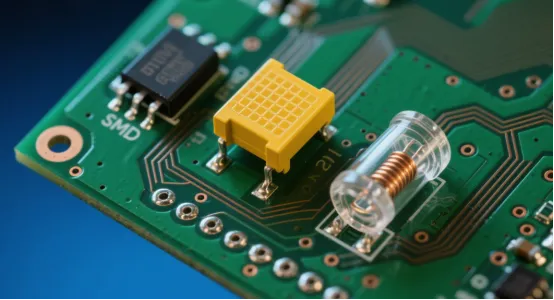
SMD Fuses: Compact Circuit Protection for High Density PCBs
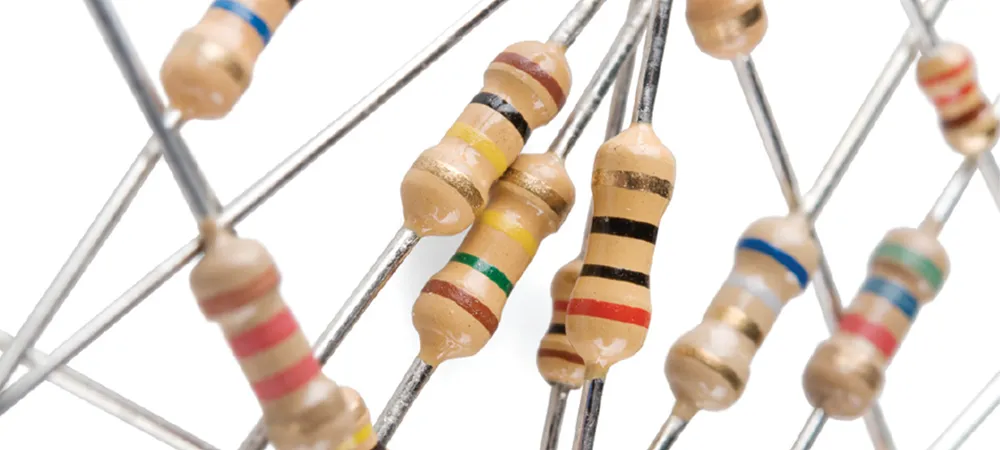
Common Resistor Types and Characteristics
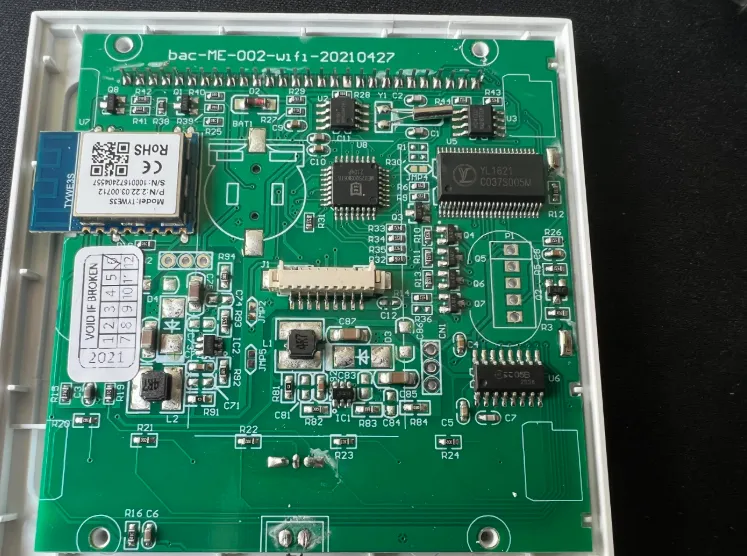
Surface Mount Current Sensors: Miniaturization Strategies for High Density PCB Assemblies

Self-excited and Externally-excited Ultrasonic Sensor Drivers
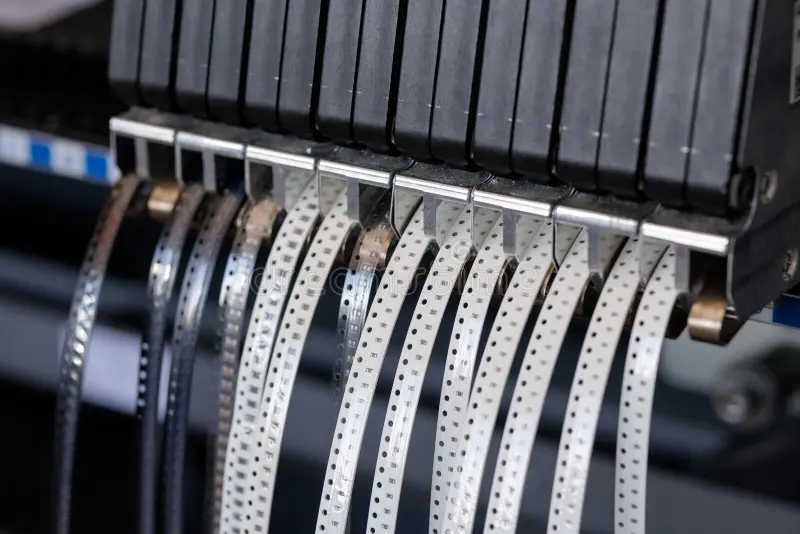
Component Selection for High-Frequency PCBs: A Comprehensive Overview
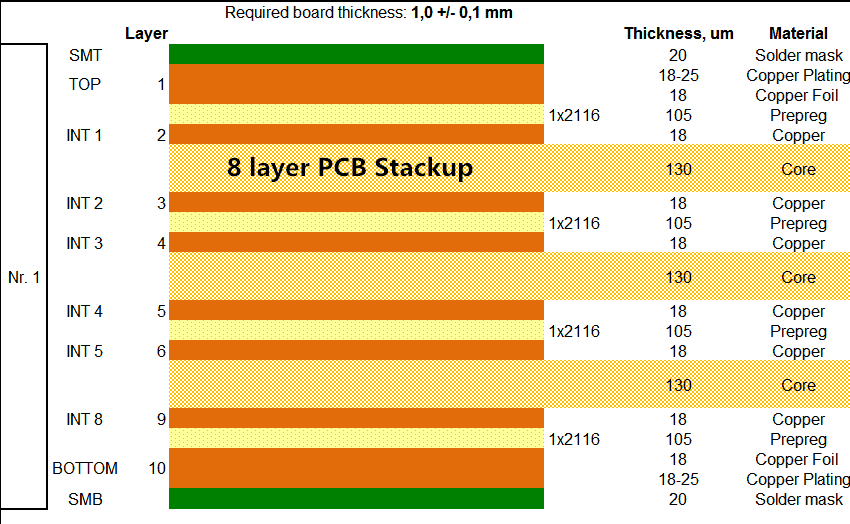
Choosing the Right Components for Your 8 Layer PCB Projects: A Beginner's Guide
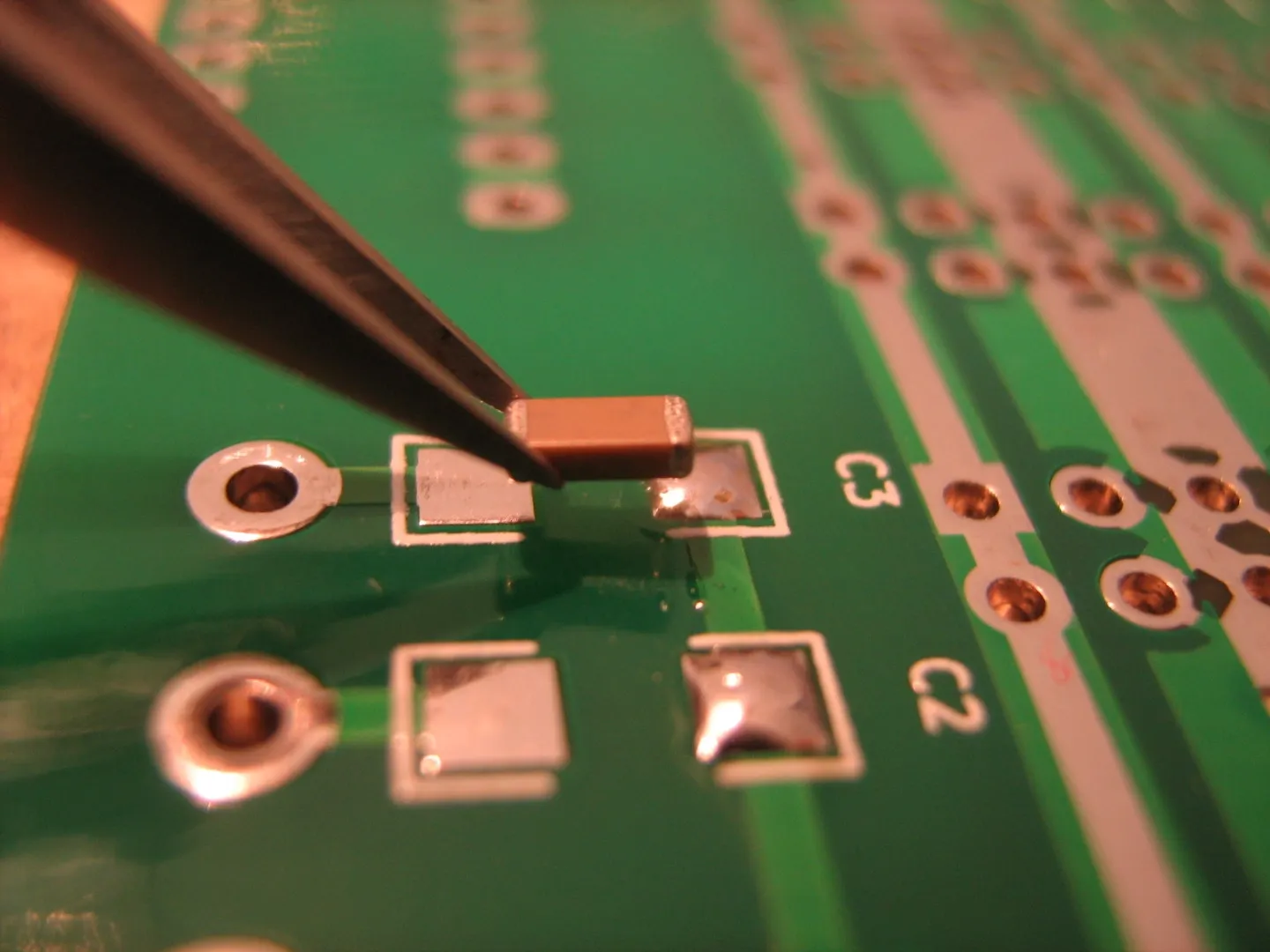
SMD Component Replacement: A Step by Step Rework Tutorial
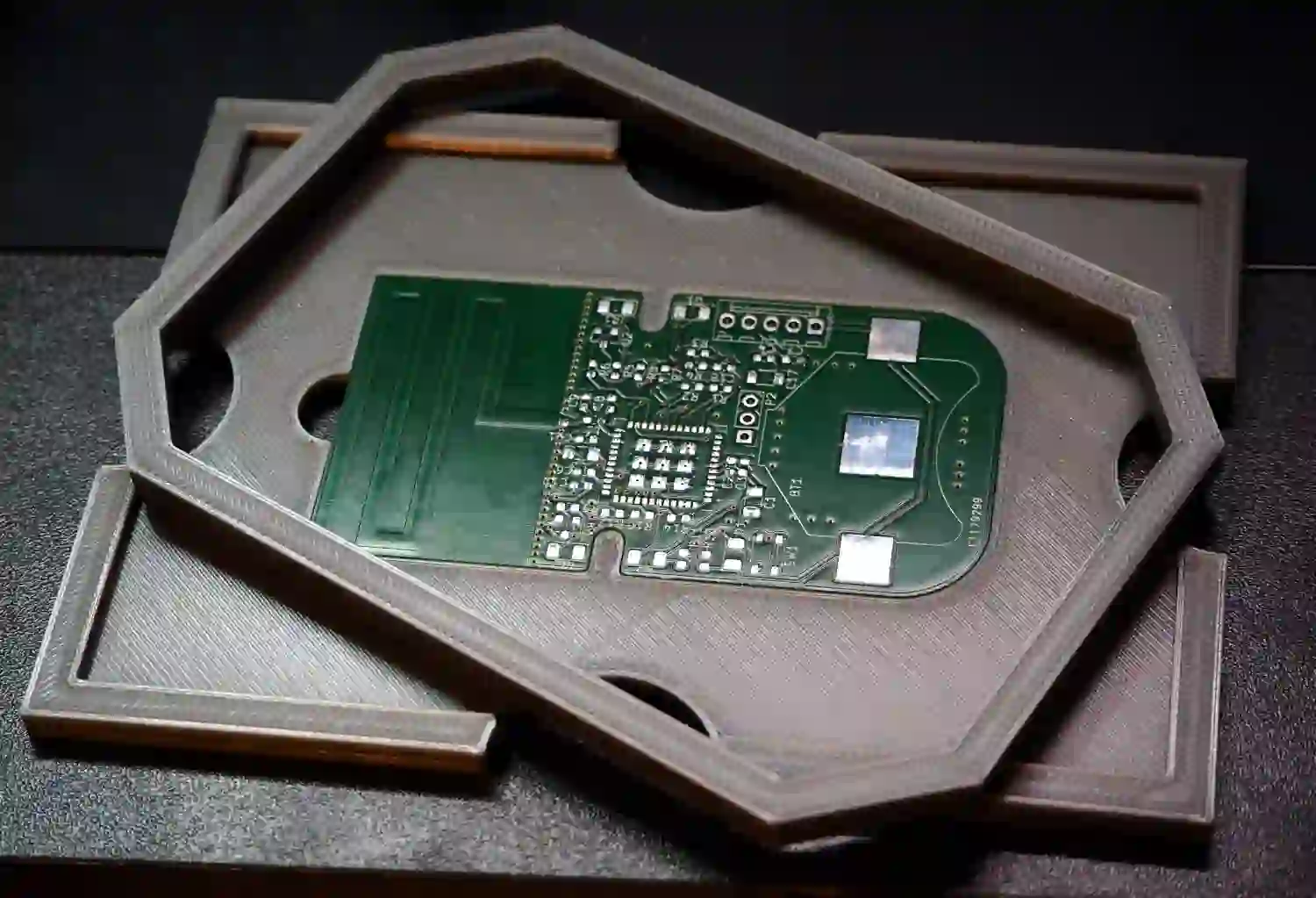
Mastering SMD Soldering on 3D Printed PCBs: A Beginner's Handbook
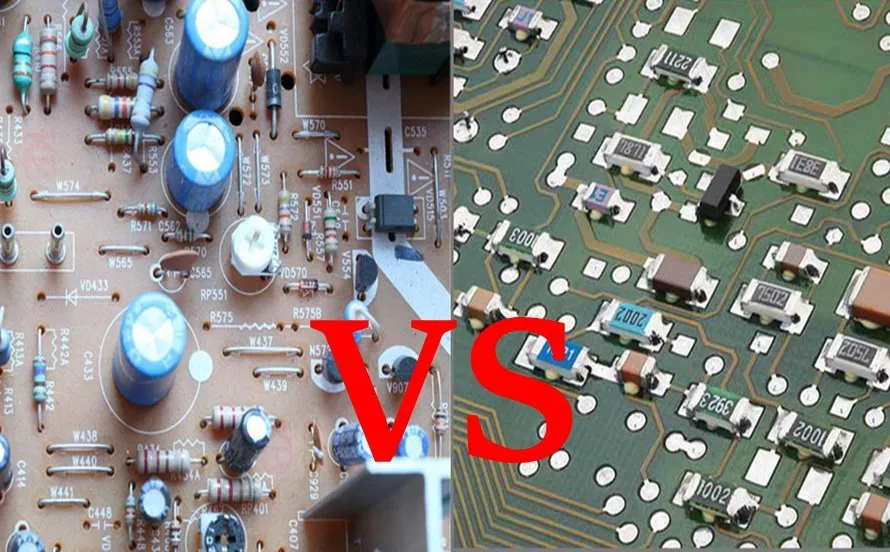
SMD vs. Through Hole: Optimizing Footprint Design for Different Component Types
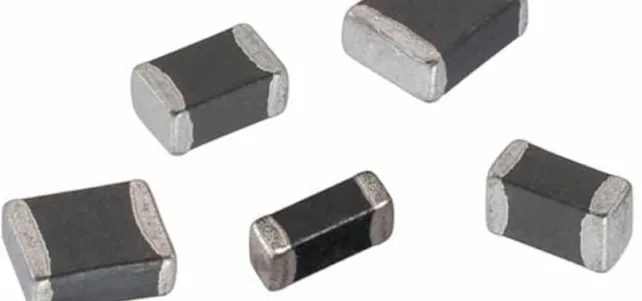
Optimizing SMD Inductor Layouts: A Guide to Enhancing PCB Performance