Vibration Resistance
Vibration resistance is a critical consideration in the design and manufacturing of printed circuit boards (PCBs) and electronic assemblies, particularly in environments where mechanical stress can compromise performance and longevity. For engineers, designers, and hobbyists searching for information on this topic, understanding vibration resistance means addressing real-world challenges in industries such as automotive, aerospace, industrial machinery, and consumer electronics. Devices exposed to constant shaking, impacts, or oscillations—think vehicle engines, aircraft systems, or heavy-duty equipment—must maintain structural integrity to prevent failures like solder joint cracks, component detachment, or signal interruptions. This tag encompasses a range of articles that delve into the principles of mitigating these risks, offering insights into how vibration affects electronic reliability and the strategies to counteract it. At its core, vibration resistance involves selecting appropriate materials, optimizing board layouts, and incorporating damping techniques to ensure PCBs can endure specified vibration profiles without degradation. Users arriving via search intent for vibration resistance often seek practical solutions for testing and validation, such as adhering to standards like IPC-6012 or MIL-STD-810. For instance, employing flexible substrates, reinforced mounting points, or conformal coatings can significantly enhance durability. Articles under this tag provide detailed explorations of these methods, including case studies from high-vibration applications where poor design led to costly downtime, and how targeted improvements restored functionality. By focusing on best practices, such as finite element analysis for simulation or accelerometer-based testing, these resources equip readers with actionable steps to integrate vibration resistance into their projects. Whether you are troubleshooting an existing design or starting a new one, the content here highlights proven techniques to boost resilience and compliance. Browsing through the tagged articles reveals in-depth discussions on emerging trends, like vibration-resistant connectors and advanced soldering alloys, helping you apply these concepts effectively in your work.
Technical Articles
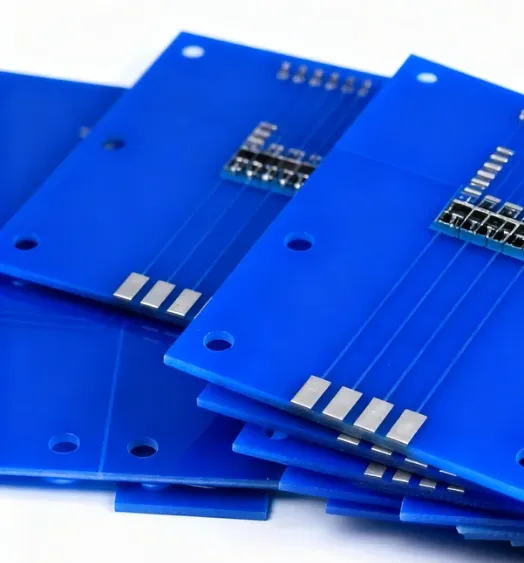
Mechanical Mounting with Non-Plated Through-Holes: Best Practices for PCBs
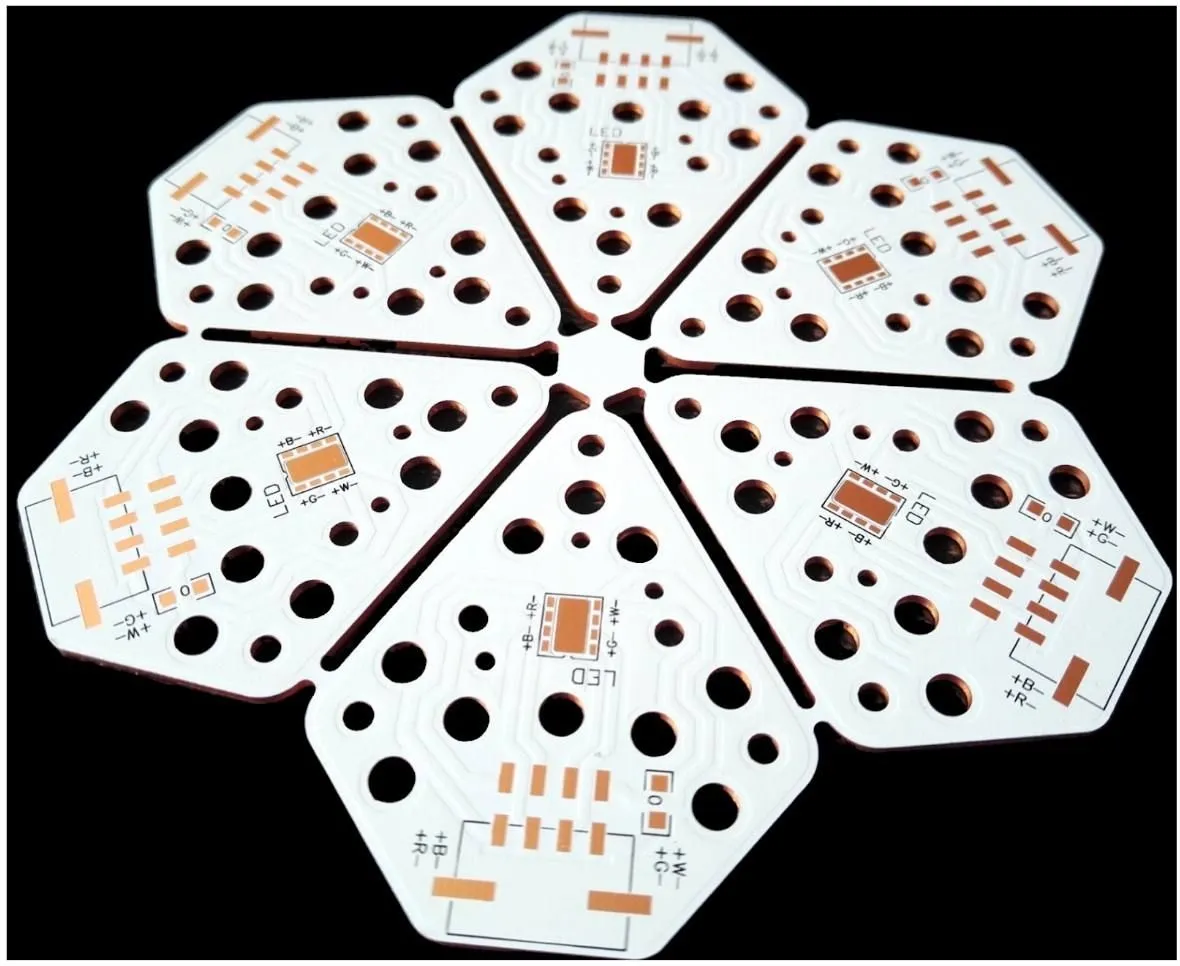
Utilizing Aluminum PCBs for Enhanced Thermal Management in Mining Equipment
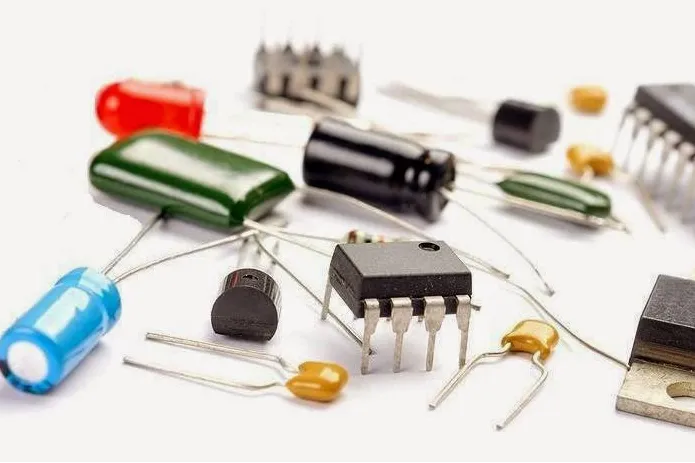
Ensuring Reliability: Vibration Analysis for Electronic PCB Components

Integrating Sensors on Navigation System PCBs: A Design Guide
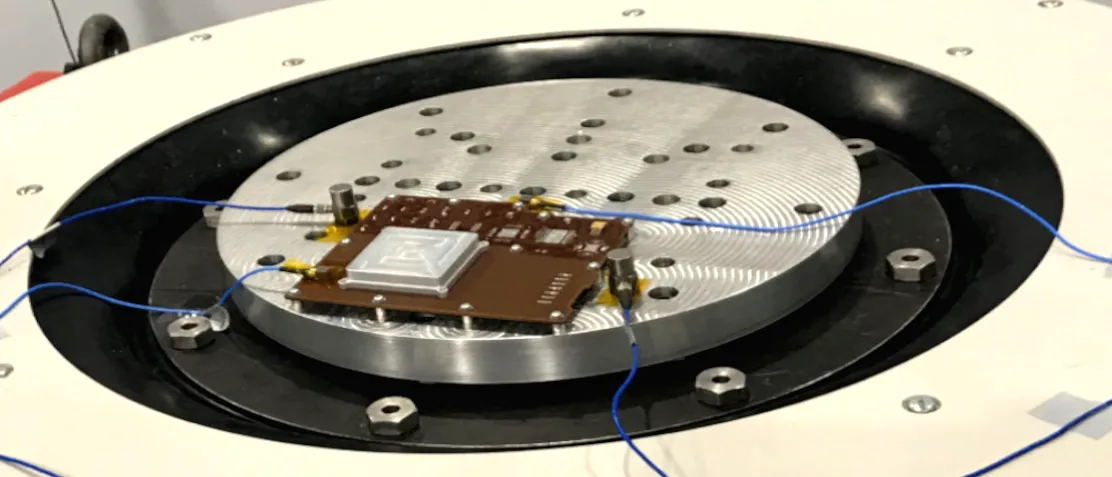
The Impact of Layer Thickness on PCB Mechanical Stability and Reliability
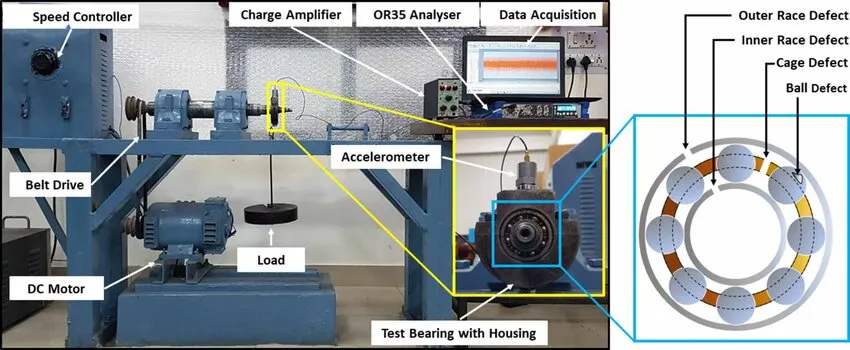
Bearing Fault Diagnosis Methods: Vibration Analysis & Predictive Maintenance in Industrial Systems
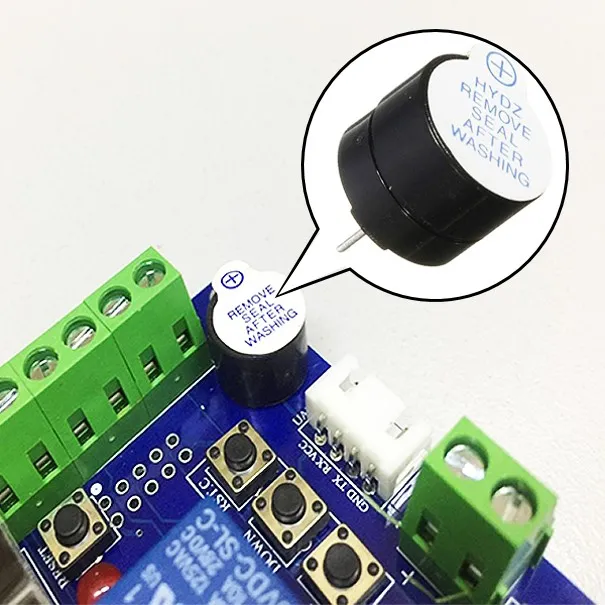
Extend Buzzer Life: Essential Tips for Engineers on Minimizing Failures
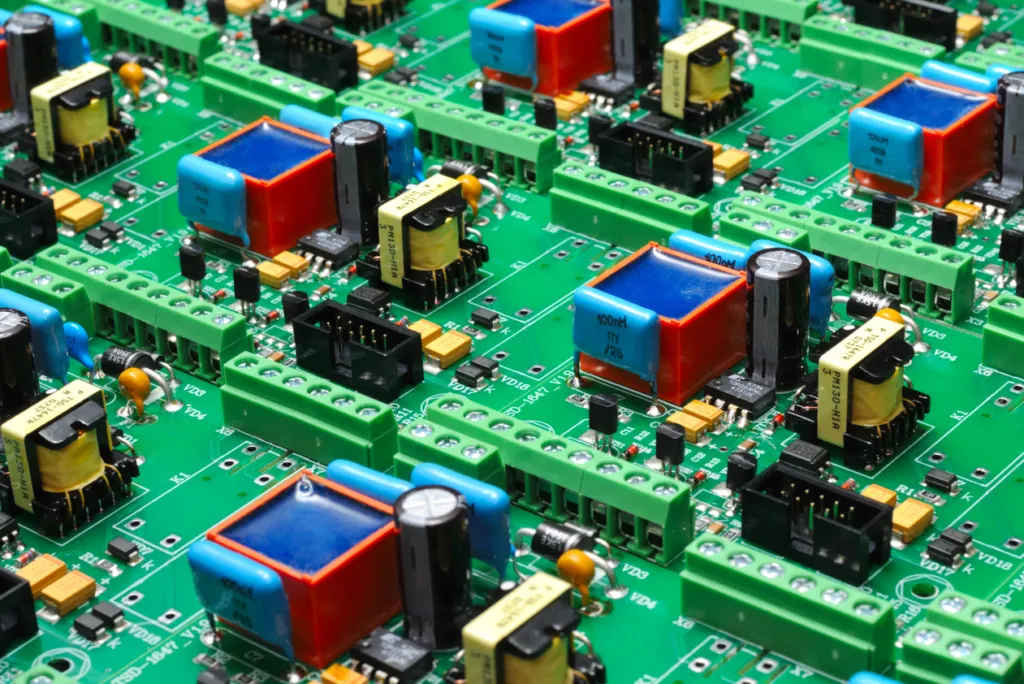
Component Selection for Robotics Control PCBs: Reliability and Performance
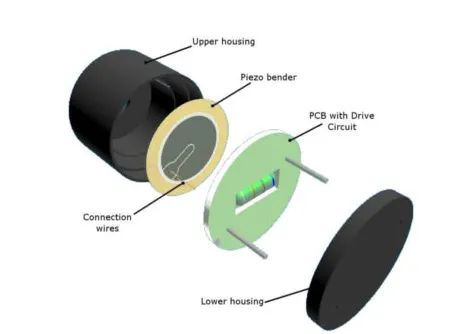
Buzzers in Automotive Electronics: Applications and Reliability Requirements
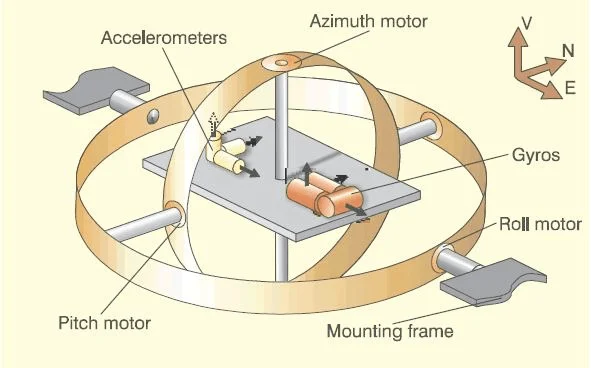
Inertial Navigation Technology: Principles, Systems, and Electronics Integration
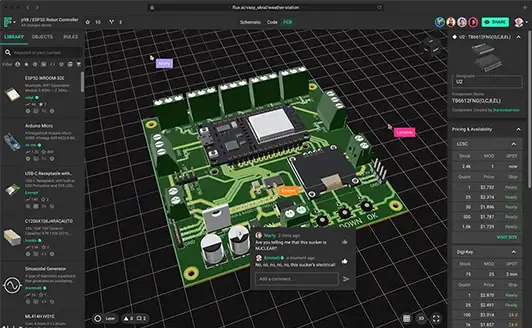
AI Accelerator PCBs in Edge Computing: Design Considerations for Harsh Environments
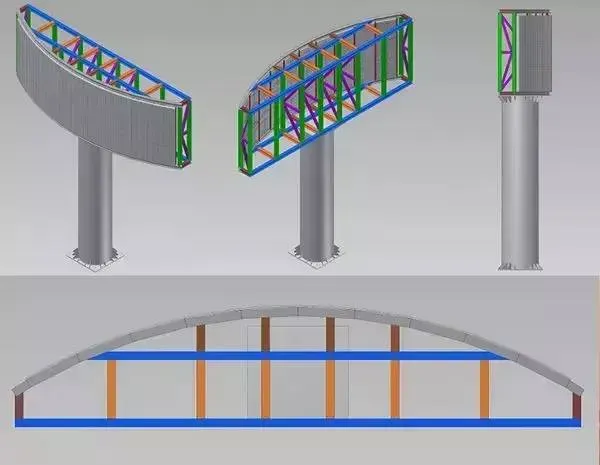
LED Display Installation Methods for Different Applications
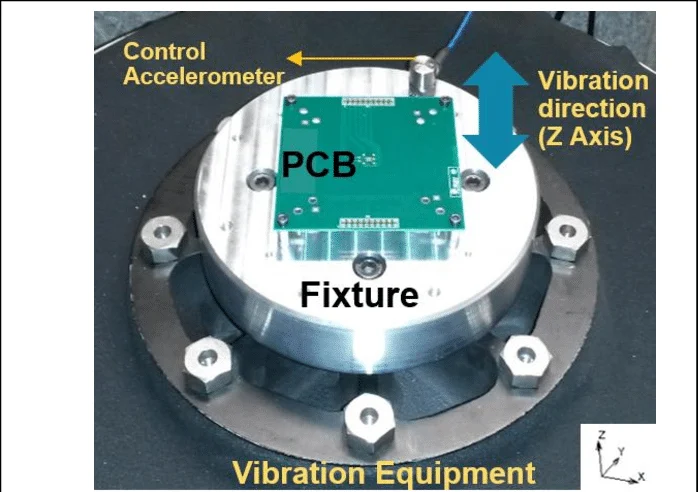
Designing for Reliability: Best Practices for ECU PCBs in Harsh Environments
The Ultimate Guide to Railway Signaling PCB Design Standards (EN 50129)
How Servo Sensors Work

Principles of Servo Pressure Sensor Operation
MEMS Gyroscopes: Operating Principles, Electronic Integration, and PCB Manufacturing Requirements
What Is an IMU Sensor and Its Role in Autonomous Vehicles