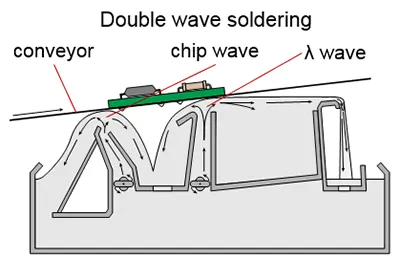
Wave Soldering
Wave soldering stands as a cornerstone technique in electronics manufacturing, particularly for assembling printed circuit boards (PCBs) with through-hole components. This automated process involves passing the PCB over a molten solder wave, which selectively adheres to exposed metal areas, creating reliable electrical connections. For engineers, technicians, and hobbyists searching for insights on wave soldering, this tag serves as a comprehensive resource, covering everything from fundamental principles to advanced troubleshooting. Understanding wave soldering is essential for optimizing production efficiency, reducing defects, and ensuring high-quality solder joints in mass-produced electronics. In practice, wave soldering excels in high-volume scenarios where speed and consistency matter most. Key considerations include proper flux application to prevent oxidation, precise control of solder temperature typically around 250 to 260 degrees Celsius, and conveyor speed adjustments to avoid bridging or insufficient wetting. Best practices emphasize preheating the PCB to minimize thermal shock, which can lead to component damage or warped boards. Users often seek guidance on common challenges like solder skips or excess dross formation, and the articles here provide actionable solutions, such as selecting the right solder alloy or implementing nitrogen inerting for cleaner results. These insights help streamline workflows in industries ranging from consumer electronics to automotive systems. For those integrating wave soldering into their operations, exploring the tagged content reveals real-world applications, including comparisons with reflow soldering for surface-mount technology. Detailed case studies illustrate how fine-tuning parameters can enhance yield rates and comply with standards like IPC-A-610. Whether you are scaling up production or diagnosing assembly issues, the resources under this tag offer practical knowledge to elevate your PCB manufacturing expertise.
Technical Articles

Wave Soldering Fixture Design Essentials for Process Engineers
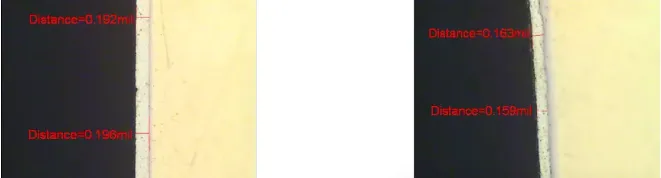
SMT Failure Case Study: Abnormal Plating on Fan Connector Pins After High-Temperature Wave Soldering

Key Control Points for the Wave Soldering Process
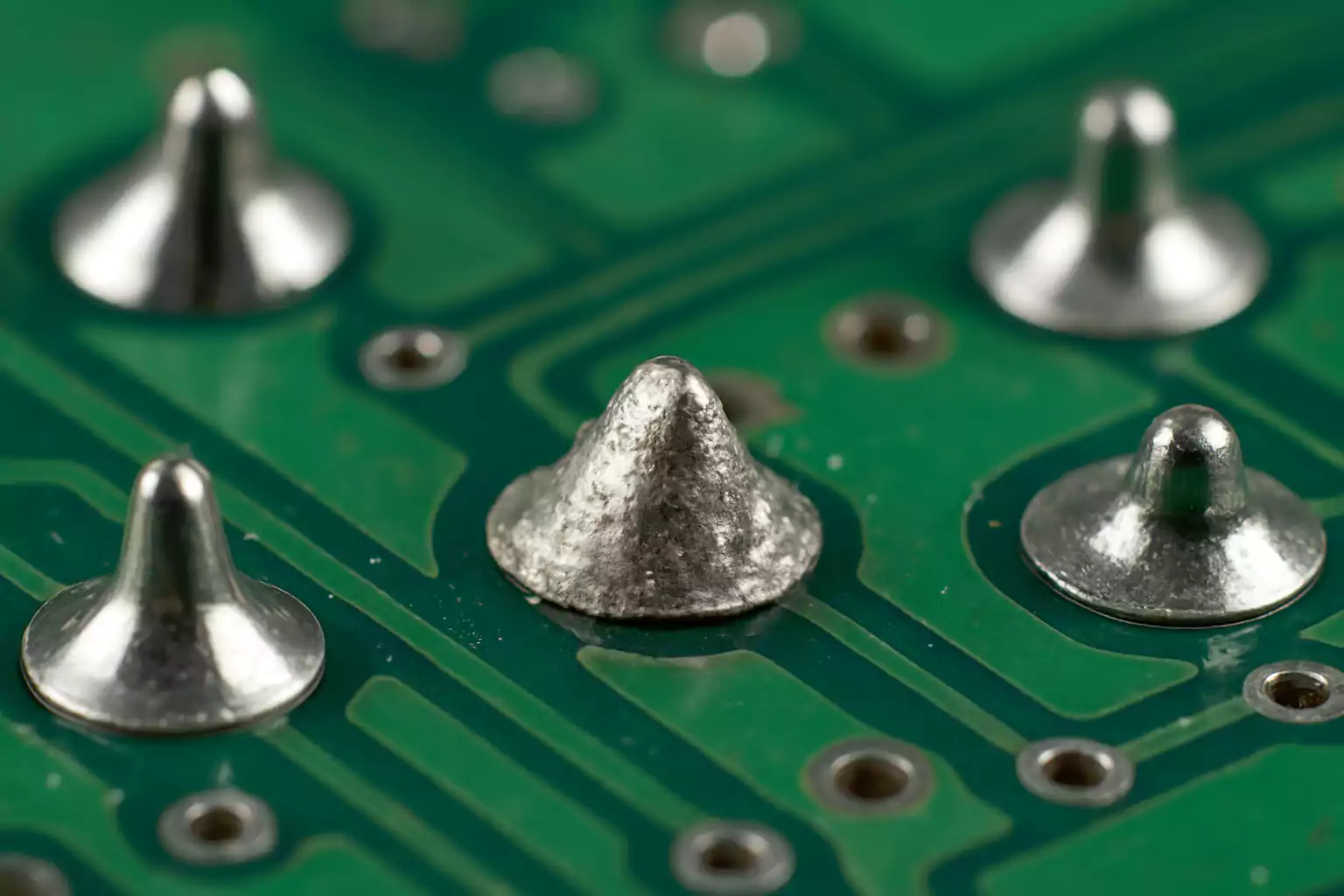
Wave Soldering Fundamentals: Flux Mechanisms, Defect Diagnostics, and a Performance Evaluation Framework
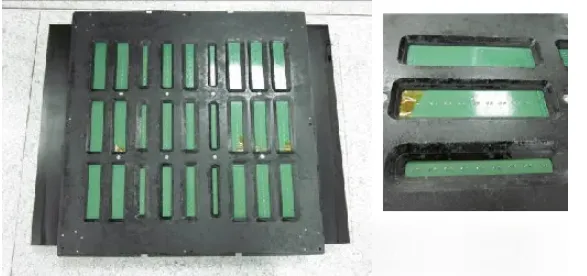
Improving DIP Solder Fill: A DOE on Thermal Relief Pads and PTH Clearance

Wave Soldering in Through-Hole Assembly: Practical DOE Case Studies for Yield Improvement

Key Process Controls for Wave Soldering in PCBA
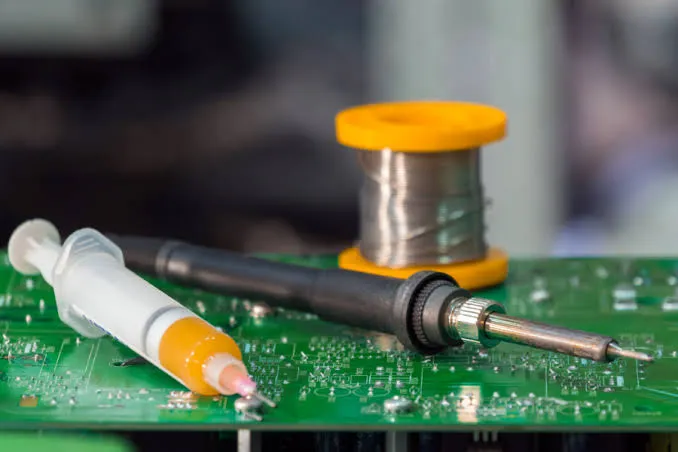
Flux Acid Value Testing for Wave Soldering: Procedure and Acceptance Criteria

IPC-9501 Explained: Simulation-Based Evaluation of Electronic Components for PWB Assembly

Analysis of 20 Common Defects in Wave Soldering and Their Causes

Causes and Prevention of Solder Balls in Wave and Selective Soldering
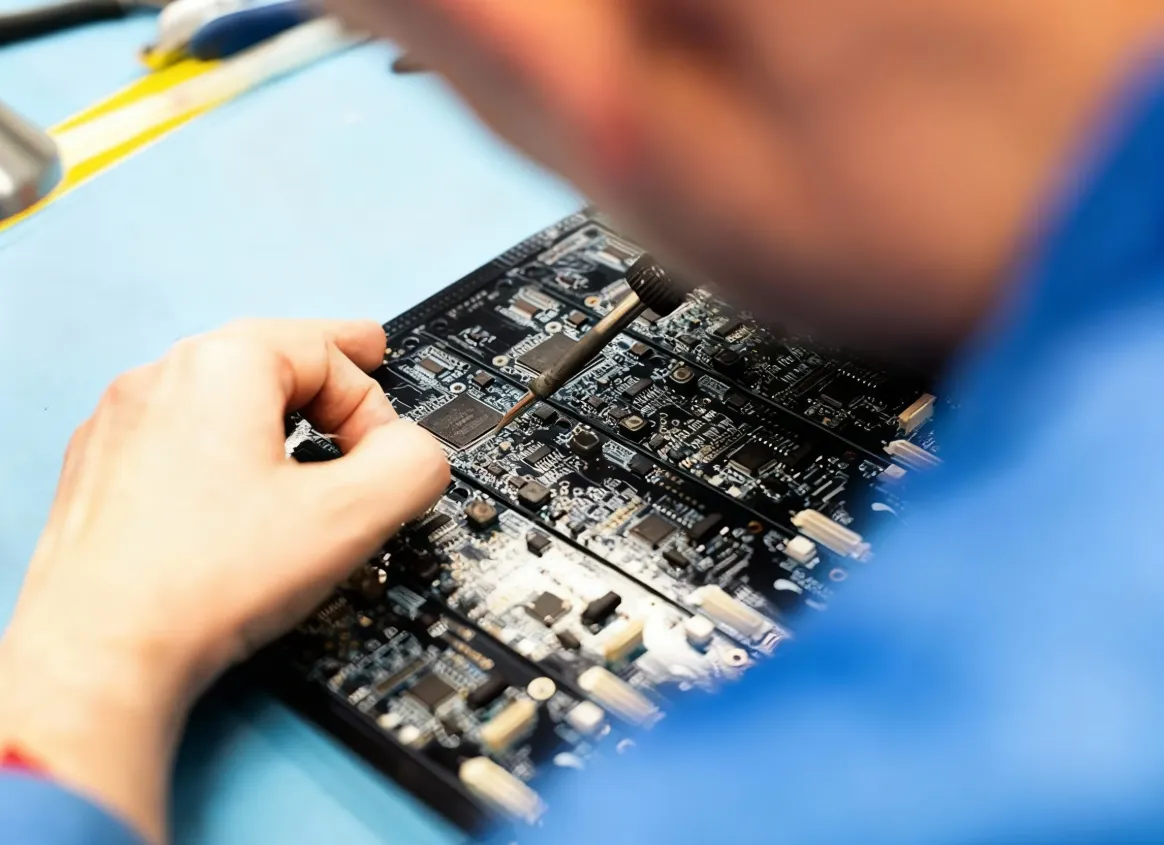
Achieving Precision in PCB Assembly: A Guide to Selective Soldering
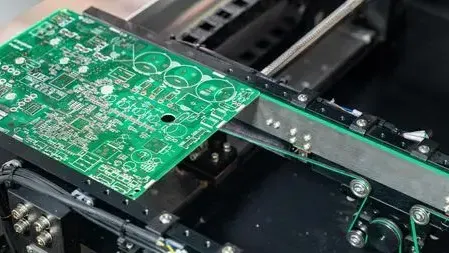
Essential Techniques for Soldering Through-Hole Components on Double-Sided PCBs
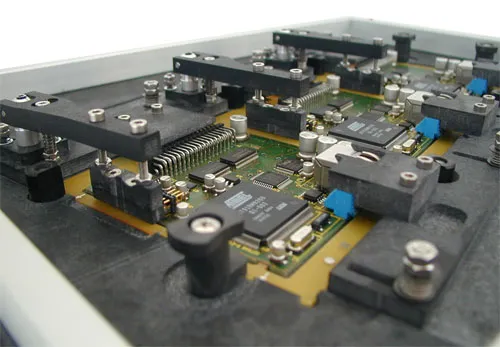
Manufacturing Best Practices for Infotainment System PCBs
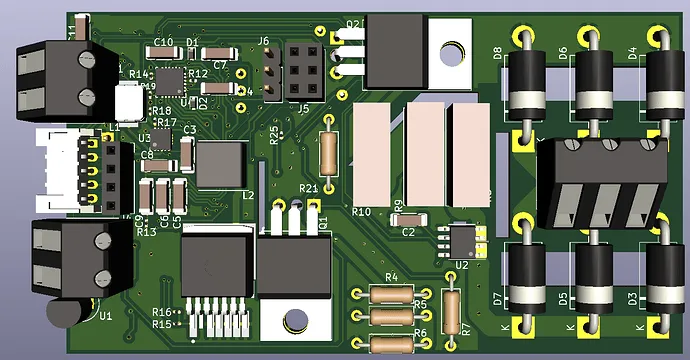
Advanced SMT Assembly Techniques for Wind Turbine Control PCBs
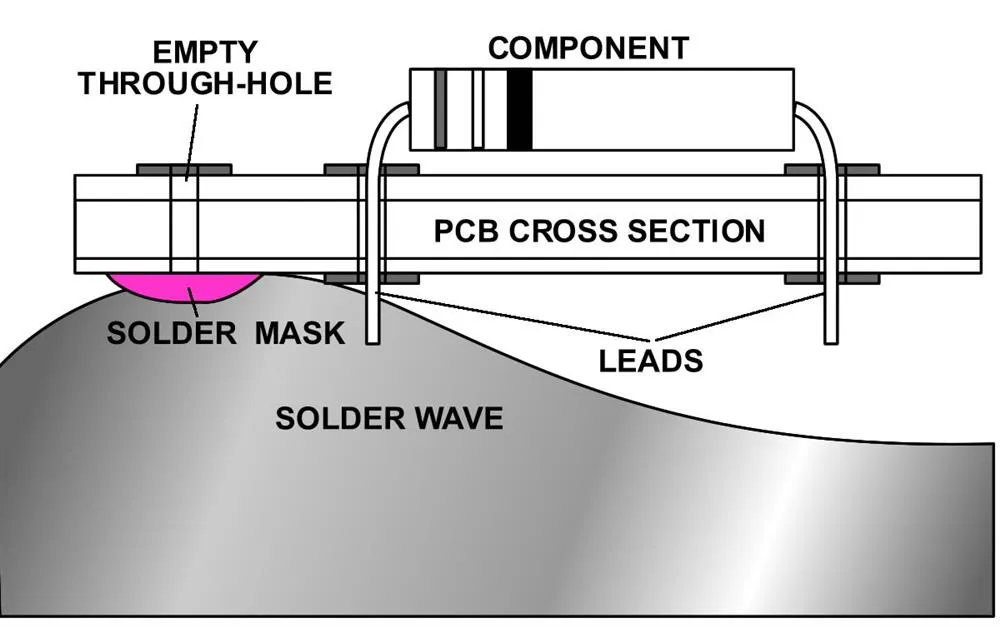
Solder Mask for Through Hole Assembly: Unique Challenges and Solutions

PCB Wave Soldering for Hobbyists: A Beginner's Guide to Through-Hole Assembly
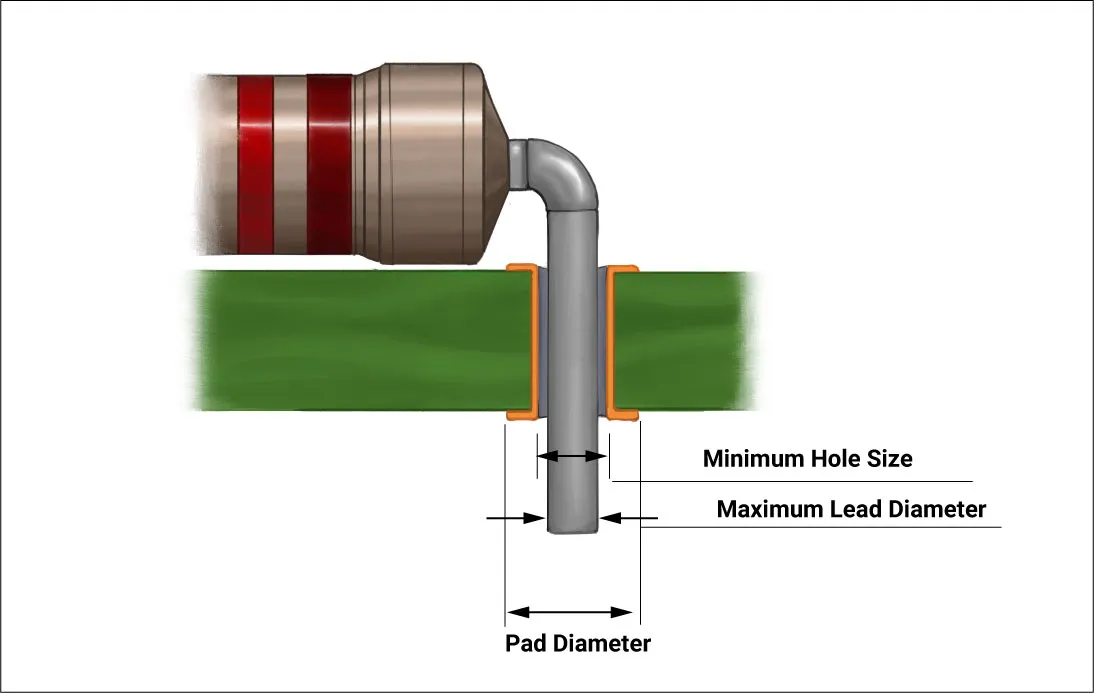
Achieving Consistent Hole Fill in PCB Wave Soldering: Tips and Techniques