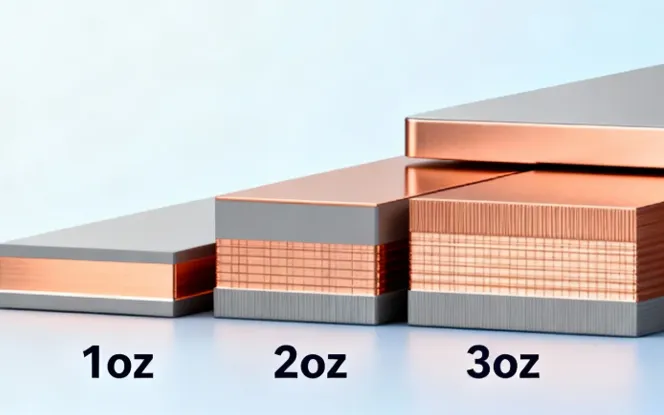
01:27
3 oz Copper PCB
3 oz Copper PCBs represent a specialized category in printed circuit board design, featuring copper layers with a thickness of 3 ounces per square foot. This heavier copper weight enhances the board's ability to handle high current loads and improve thermal dissipation, making it an ideal choice for demanding applications where standard 1 oz copper might fall short. Engineers and designers often turn to 3 oz Copper PCBs when working on power electronics, such as inverters, motor controllers, or high-power LED systems, as the increased copper thickness reduces resistance and minimizes voltage drops. For those searching for information on this tag, it serves as a valuable resource for understanding how to optimize PCB performance in scenarios requiring robust electrical and thermal properties. In practical terms, incorporating 3 oz copper into your designs involves several key considerations to ensure reliability and manufacturability. Start by evaluating your project's current requirements using tools like trace width calculators to determine if this weight is necessary, as it can increase board thickness and cost. Best practices include selecting appropriate substrates like FR-4 or high-Tg materials to support the heavier copper, and accounting for potential challenges in etching and plating during fabrication. Applications extend to industries like automotive, renewable energy, and telecommunications, where these PCBs enable efficient power distribution and heat management. For instance, in electric vehicle charging systems, 3 oz Copper PCBs help prevent overheating and ensure long-term durability. This tag aggregates articles that delve into these topics, offering detailed guides on design specifications, comparison with lighter copper options, and real-world case studies. Whether you are troubleshooting thermal issues or planning a high-current prototype, the content here provides the insights needed to make informed decisions and advance your electronics projects.
Video Guide
-
01:27
Technical Articles
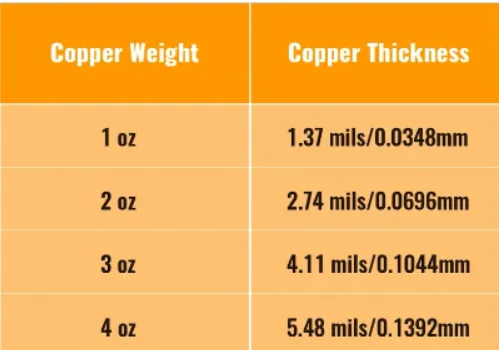
How PCB CAM Balances Copper Thickness, Trace Spacing, and Impedance Requirements

PCB Design for UAV Flight Controllers, ESCs, and RF Links
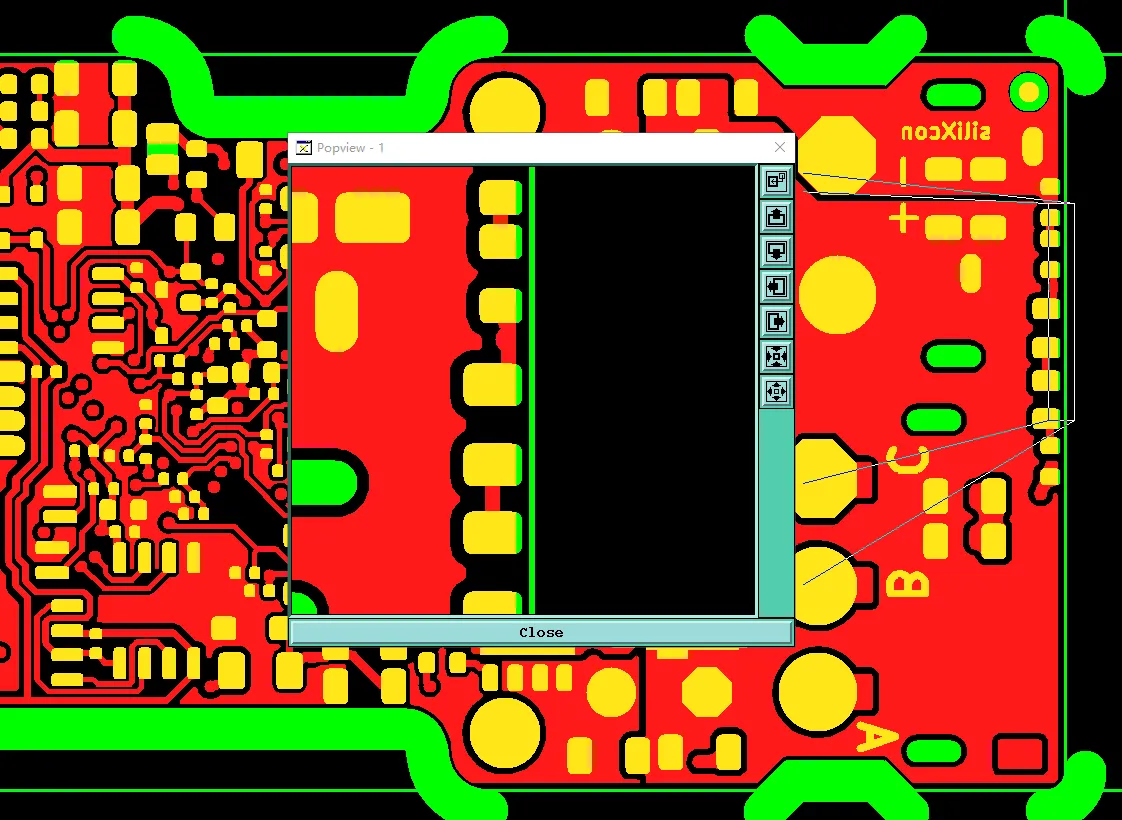
4-Layer 3oz Heavy Copper PCB DFM Case: V-CUT Pad Damage Risk and Plated Slot Clarifications
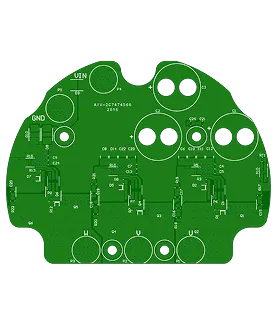
DFM Challenges in 2-Layer 3oz Aluminum PCB: Real CAM Engineering Case Study
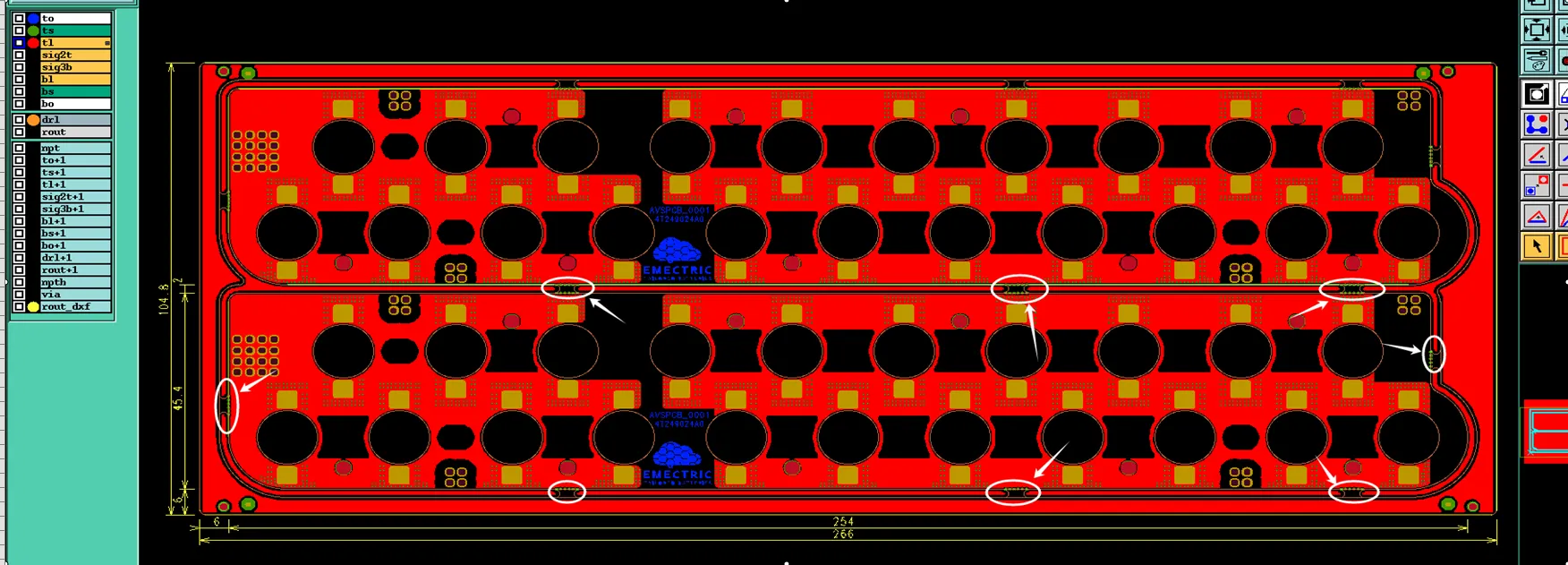
PCB Press-Fit Hole Design Rules for Heavy Copper Boards
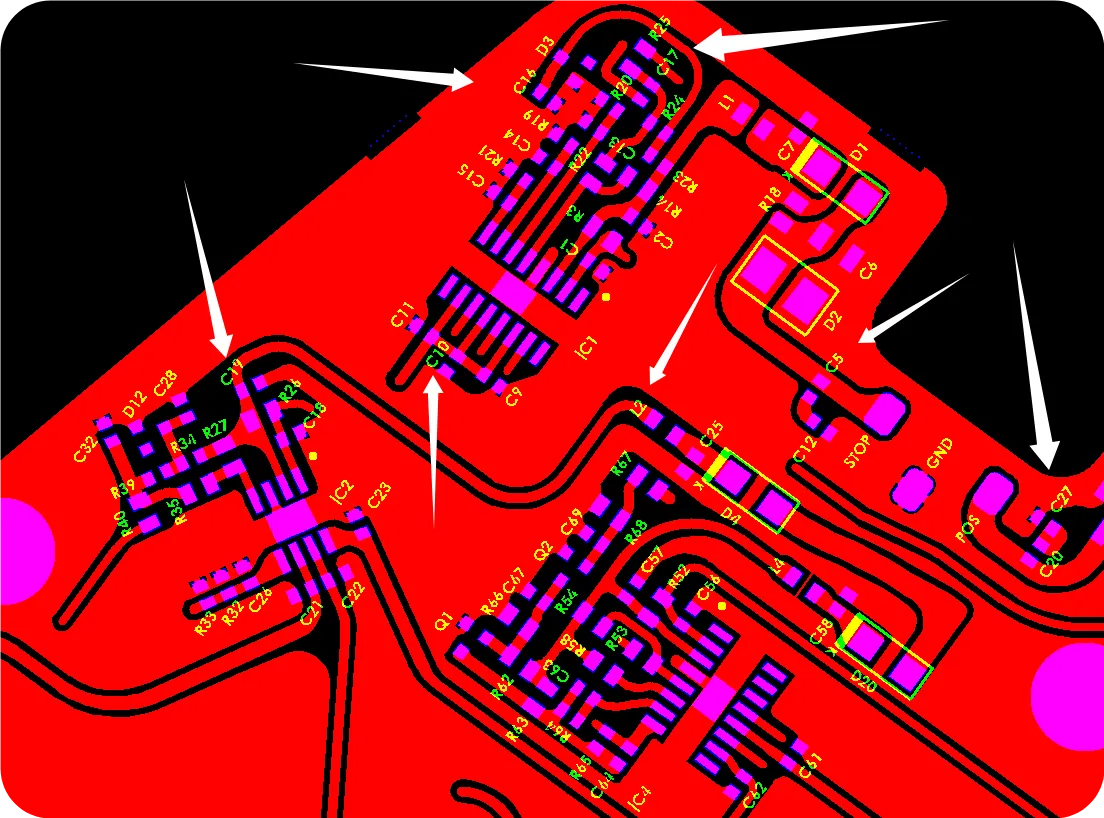
3 oz Heavy Copper PCB Production Solving Slot and V Cut Design Issues
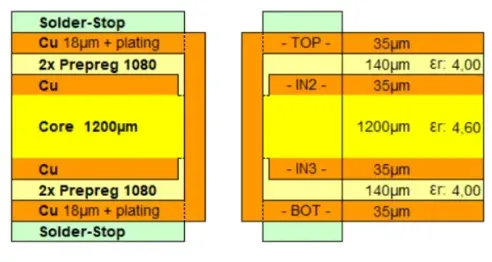
Signal Integrity in High Speed Designs: Leveraging 3 oz Copper PCBs
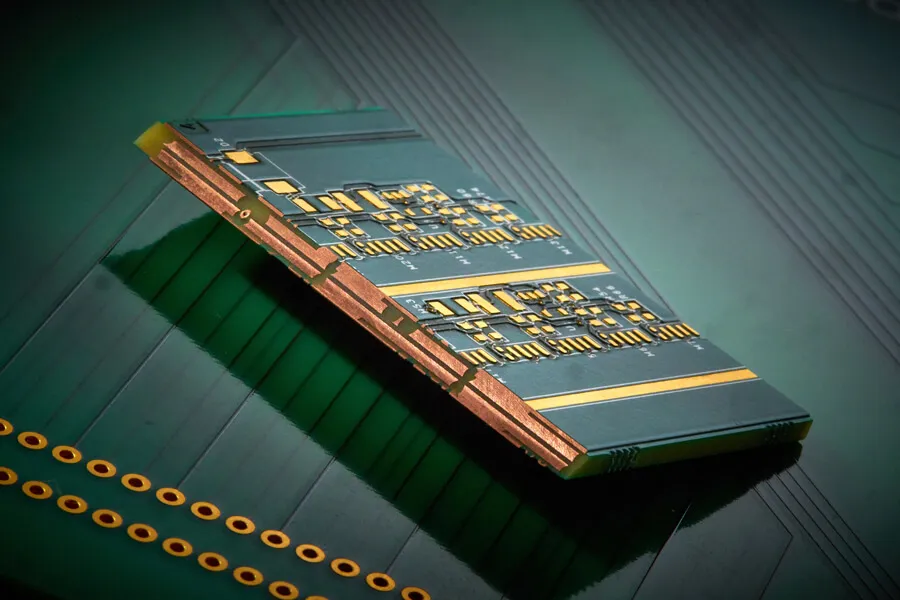
Thermal Management in High Power Electronics: The Role of 3 oz Copper PCBs
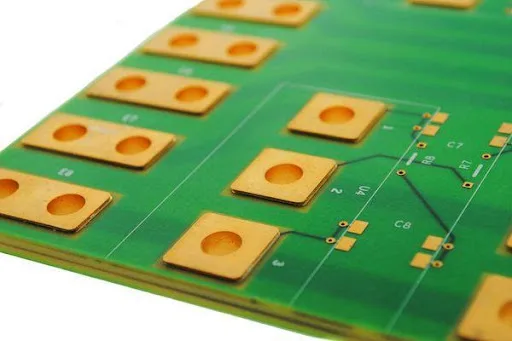
Manufacturing Challenges and Solutions for 3 oz Copper PCBs
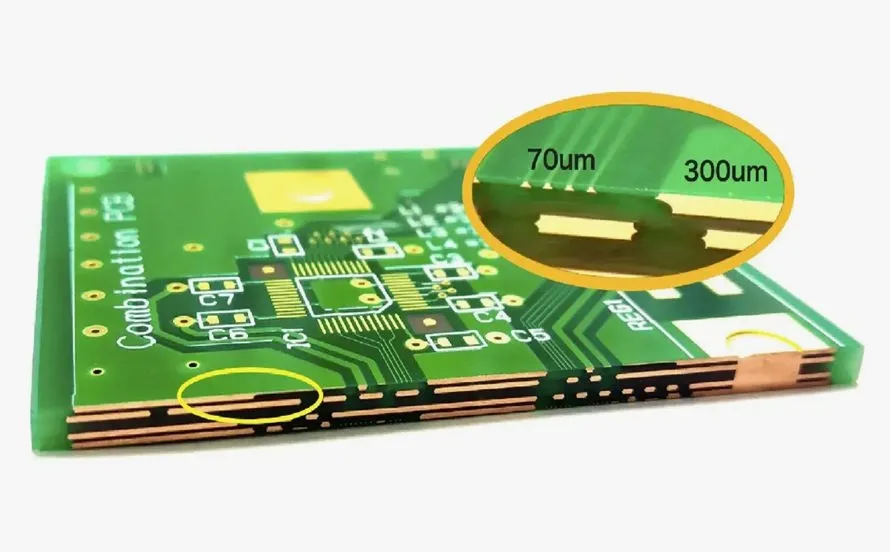
What You Need to Know About Copper Weight in PCB Design
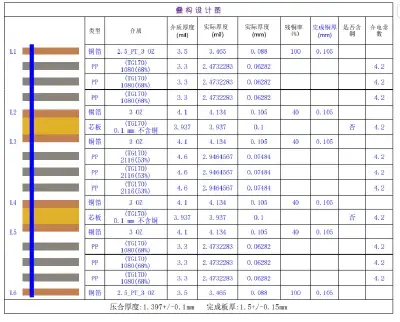
How a 0.1 mm Stackup Mismatch and Material Shortage Halted a 6-Layer 3 oz PCB Order