




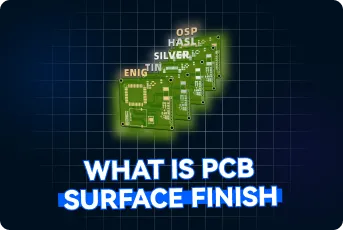
 00:47
Enig Finish
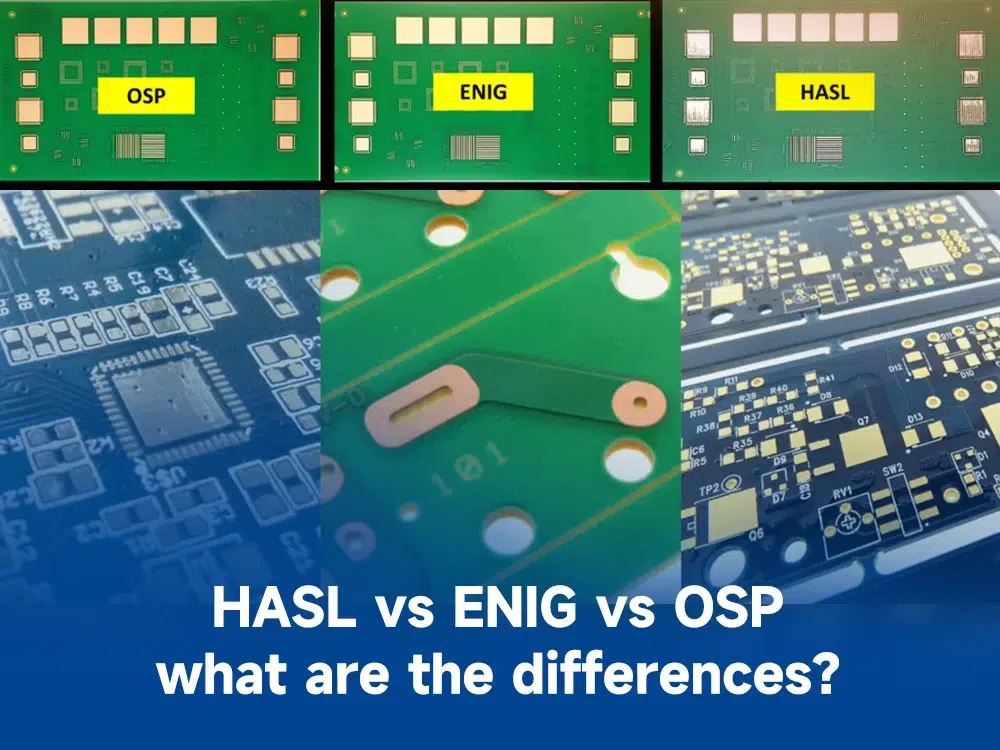
ENIG finish, or Electroless Nickel Immersion Gold, is a widely adopted surface treatment for printed circuit boards (PCBs) that enhances solderability, corrosion resistance, and overall reliability in electronic assemblies. This tag page gathers articles and resources focused on ENIG finish, offering in-depth insights for engineers, designers, and manufacturers seeking to optimize PCB performance in demanding applications. By applying a thin layer of nickel followed by immersion gold, ENIG provides a flat, uniform surface that excels in high-density interconnects and fine-pitch components, making it ideal for industries such as telecommunications, automotive electronics, and consumer devices where long-term durability is essential. For those searching for information on ENIG finish, understanding its practical advantages can guide better decision-making in PCB fabrication. Unlike other finishes like HASL (Hot Air Solder Leveling), ENIG avoids issues such as uneven surfaces or thermal stress, ensuring consistent soldering results during assembly. Key benefits include excellent shelf life, resistance to oxidation, and compatibility with lead-free soldering processes, which are critical for meeting RoHS compliance standards. In practice, designers should consider factors like board thickness, via types, and environmental exposure when specifying ENIG; for instance, it performs exceptionally well in humid or corrosive environments but may require careful masking to prevent gold migration in certain designs. Professionals often turn to ENIG for its balance of cost and performance, particularly in prototypes and high-volume production runs. Best practices include selecting reputable fabricators with precise control over immersion processes to minimize defects like black pad syndrome, and conducting thorough testing for intermetallic compound formation. Through the articles linked here, you can delve into case studies, troubleshooting tips, and comparisons with alternatives like OSP or immersion tin, helping you apply these insights directly to your projects for improved outcomes.
Video Guide
-
00:47
Technical Articles
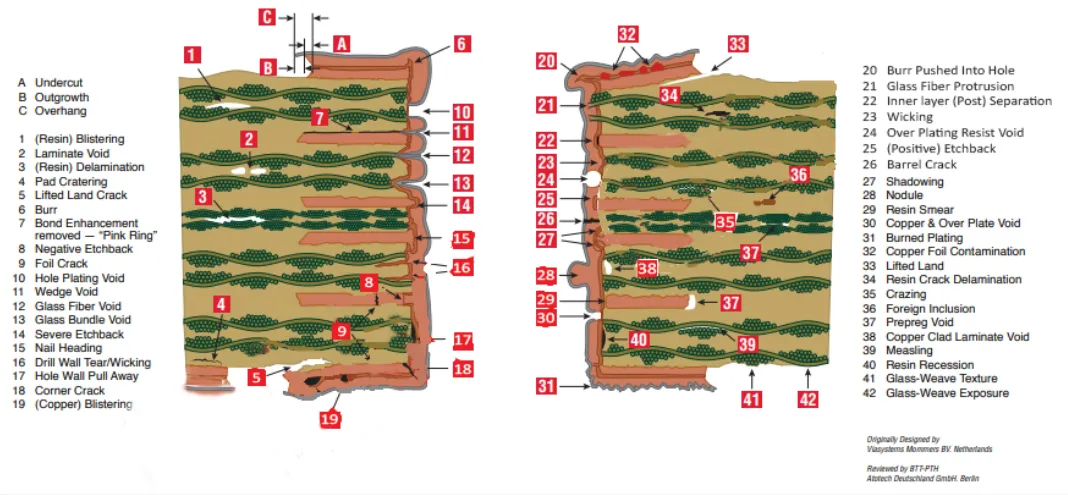
Choosing the Right Plating Material for Your Plated Through-Holes
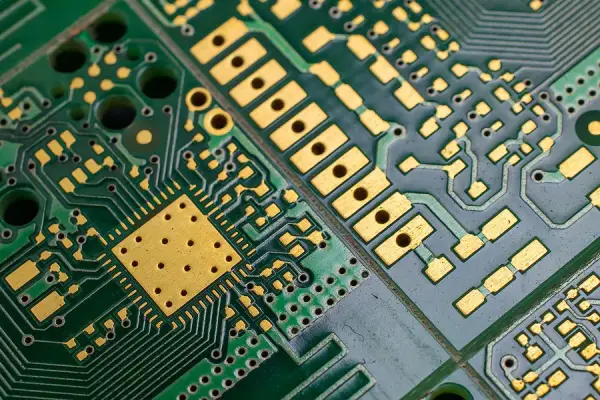
The Impact of Surface Finish on Thick PCB Reliability and Solderability
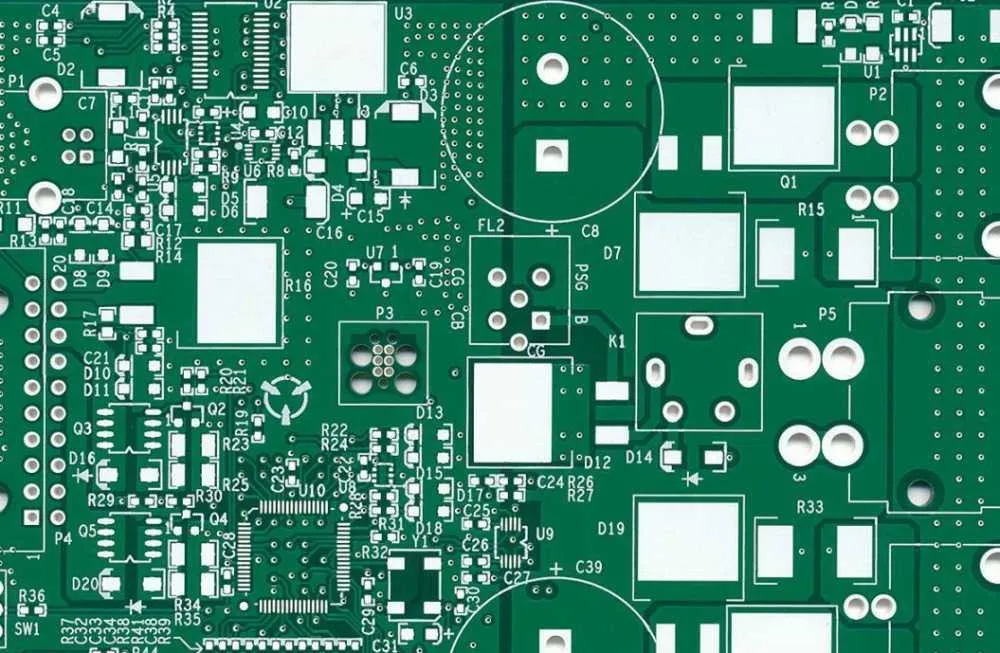
Troubleshooting and Repairing Common PCB Surface Finish Defects
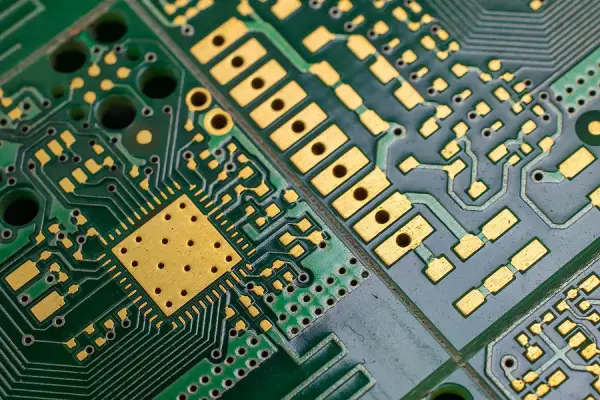
The Impact of PCB Surface Finish on Railway Electronics Reliability
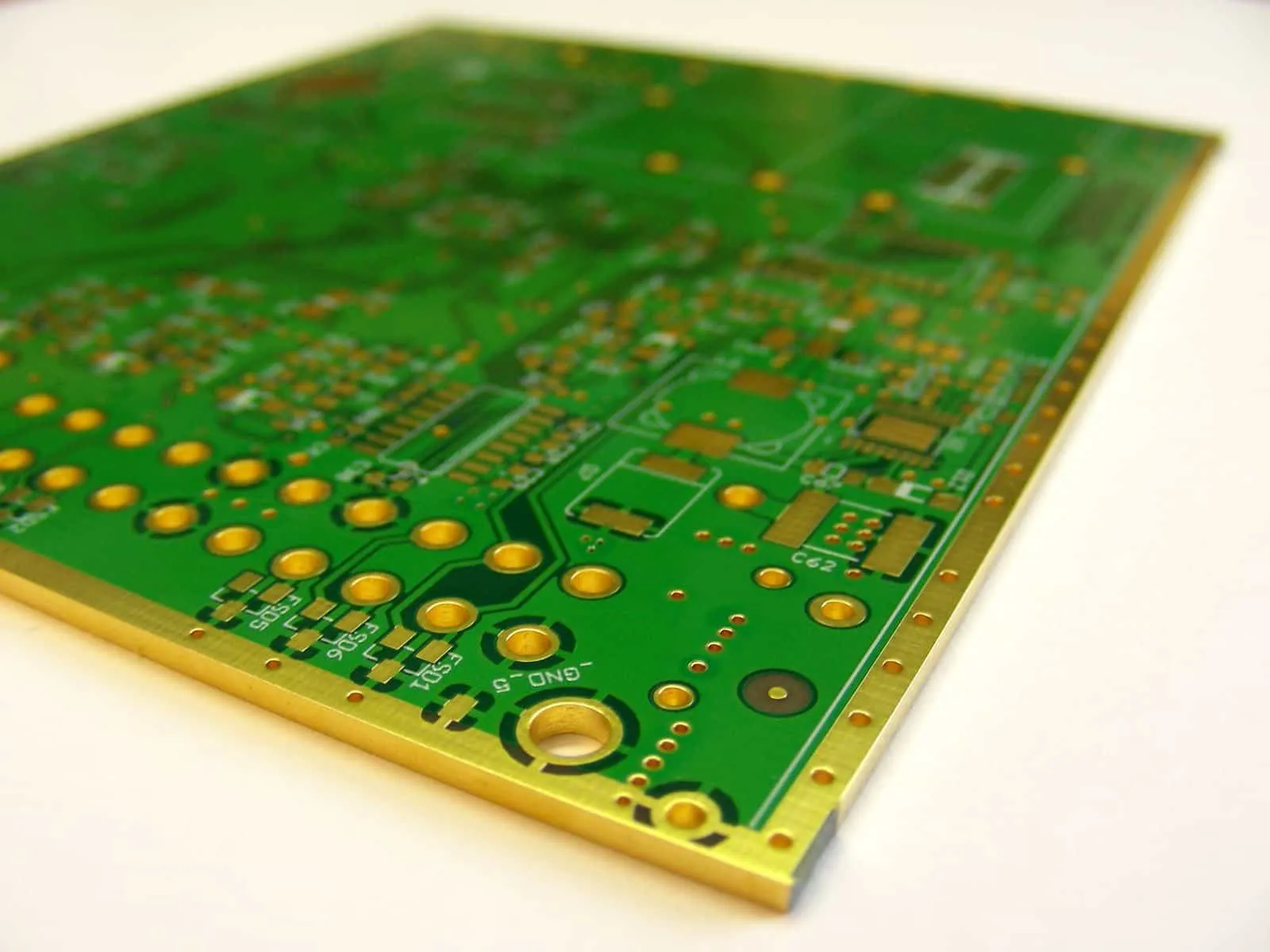
Choosing the Right Materials for PCB Edge Plating
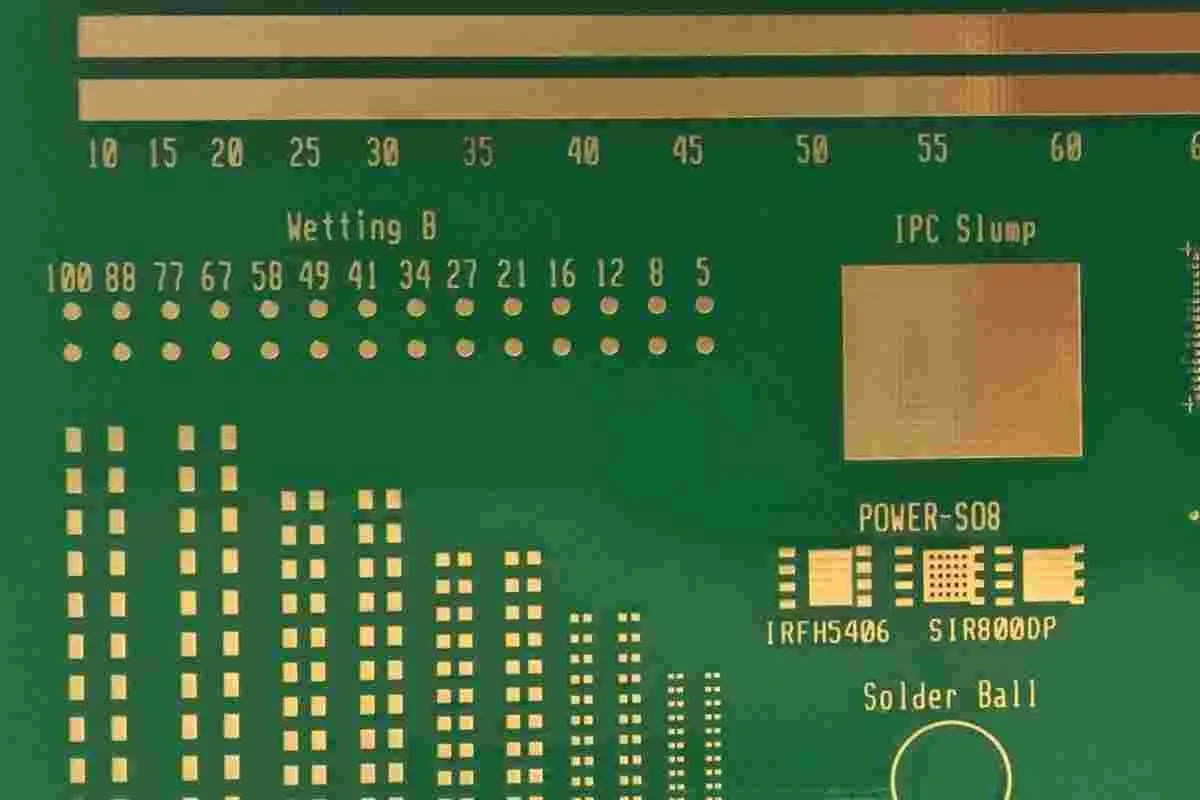
ENIG IPC 4552: Ensuring Quality in PCB Surface Finishes
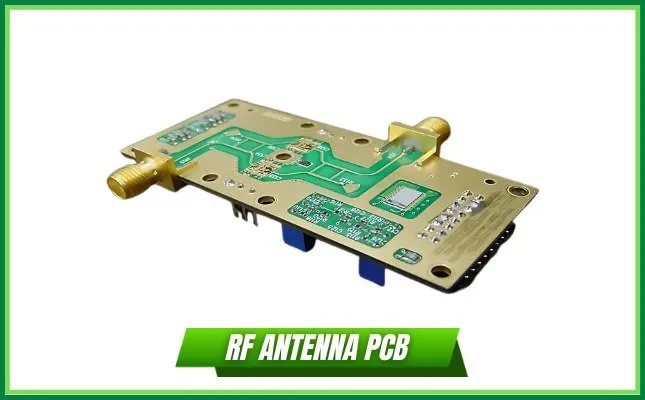
Optimizing RF PCB Performance: The Crucial Role of Surface Finish Selection
Troubleshooting & Repairing Common PCB Surface Finish Defects

Maximizing ENIG PCB Shelf Life: Storage and Handling Best Practices
Advanced Surface Finishes: Choosing the Right Option for PCB Mass Production
The Complete Guide to FR-4 Material Finishes for Optimal Performance
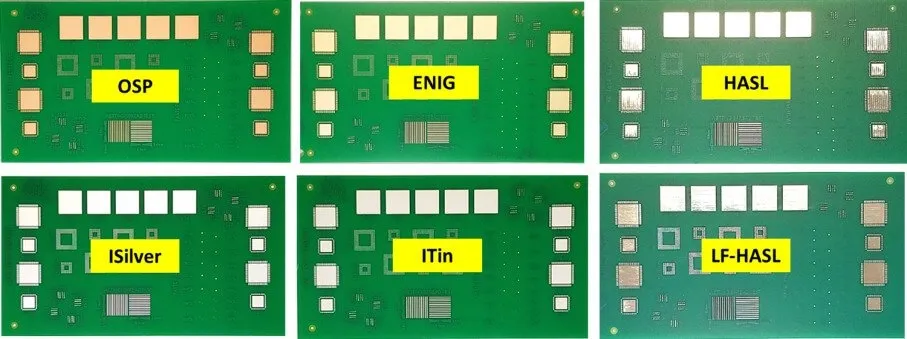
Exploring Different Finishes for FR 4 PCBs: HASL, ENIG, and More

Troubleshooting ENIG: Resolving Common Solderability Issues on PCBs
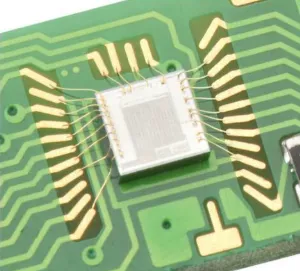
ENIG and Wire Bonding: Ensuring Robust Connections in Modern Electronics
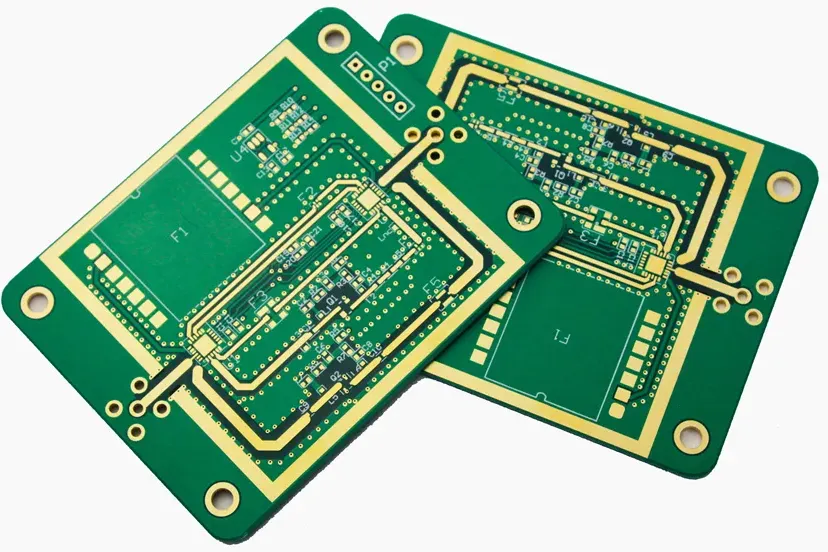
ENIG Surface Finish for High-Frequency PCBs: Impact on Signal Integrity
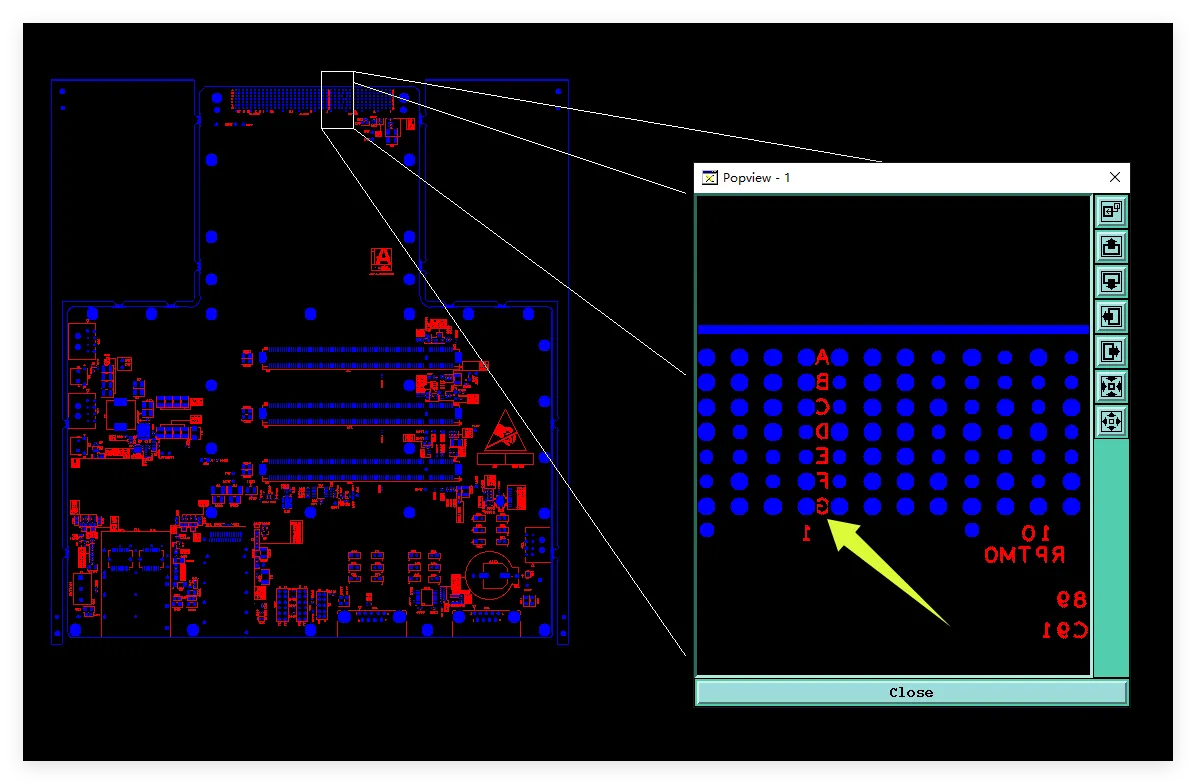
How DFM Prevented Back Drill Dimples in 12-Layer PCB
FPC Surface Finish: Types, Selection, and Design Considerations
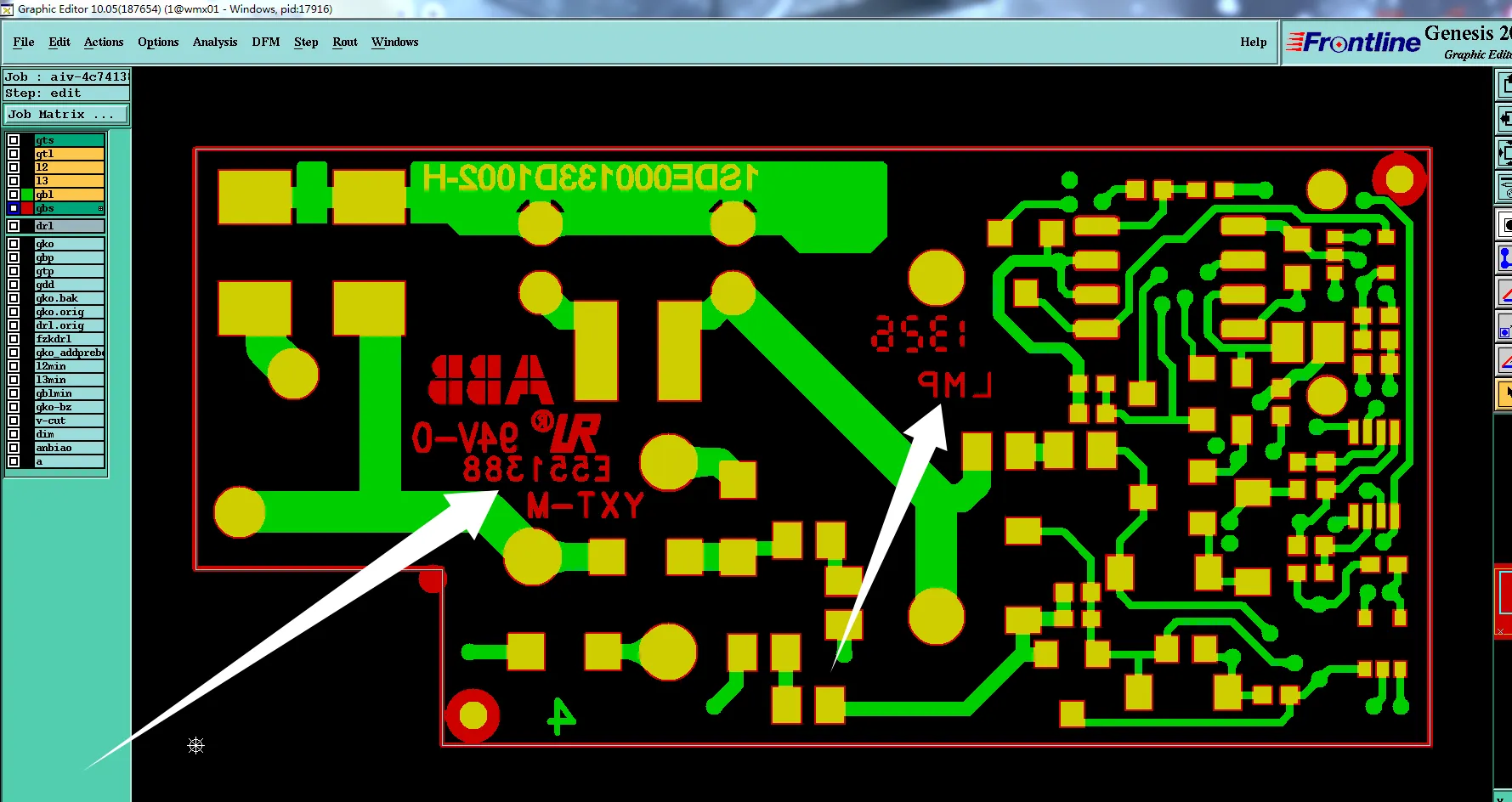
How We Resolved Serial ID Marking on 4-Layer ENIG PCB
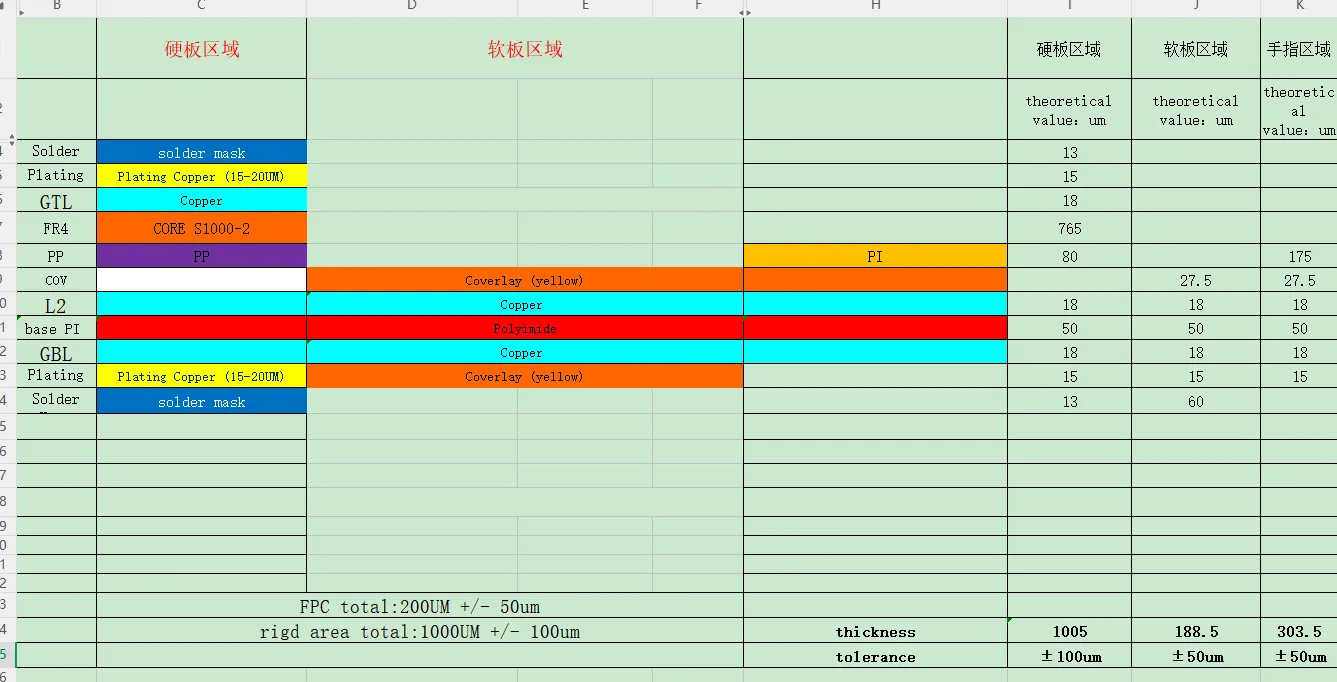
Rigid-Flex PCB Stackup Design: Balancing for Warpage Control