




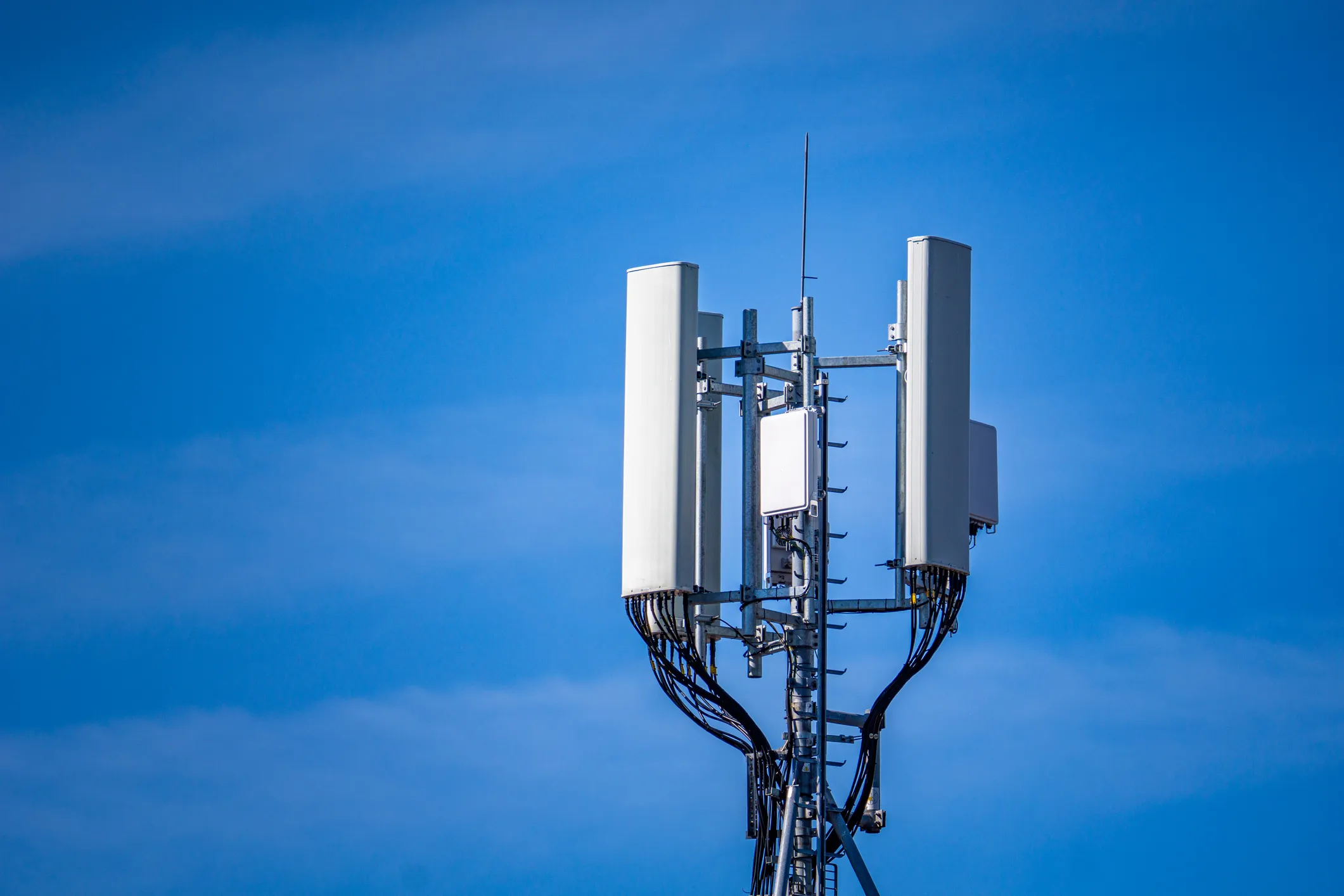
High-Frequency PCB
High-frequency PCBs are essential components in modern electronics, enabling reliable performance in applications where signals operate at gigahertz levels or higher. These specialized printed circuit boards are designed to handle rapid signal transitions, minimizing issues like signal attenuation, crosstalk, and electromagnetic interference that can degrade system efficiency. Engineers and designers often turn to high-frequency PCB resources to address challenges in fields such as telecommunications, radar systems, wireless networks, and high-speed computing. Understanding the fundamentals of high-frequency PCB design starts with selecting appropriate materials, such as low-loss dielectrics like PTFE or Rogers laminates, which maintain signal integrity over extended distances. Key best practices include controlled impedance routing, where trace widths and spacing are precisely calculated to match the characteristic impedance of the transmission lines. Ground planes and via structures must be optimized to prevent unwanted resonances, while simulation tools like HFSS or CST can validate designs before prototyping. Practical applications extend to 5G infrastructure, where these PCBs support faster data rates, and in automotive radar for advanced driver-assistance systems, ensuring low latency and high reliability. For those troubleshooting common pitfalls, such as skin effect losses or parasitic capacitances, detailed guides on multilayer stackups and shielding techniques offer actionable solutions. By delving into these topics, professionals can enhance their designs to meet stringent performance standards, reducing time to market and improving overall product quality. Browsing through the articles tagged under High-Frequency PCB provides in-depth explorations of these concepts, equipping you with the knowledge to tackle real-world engineering demands effectively.
Technical Articles
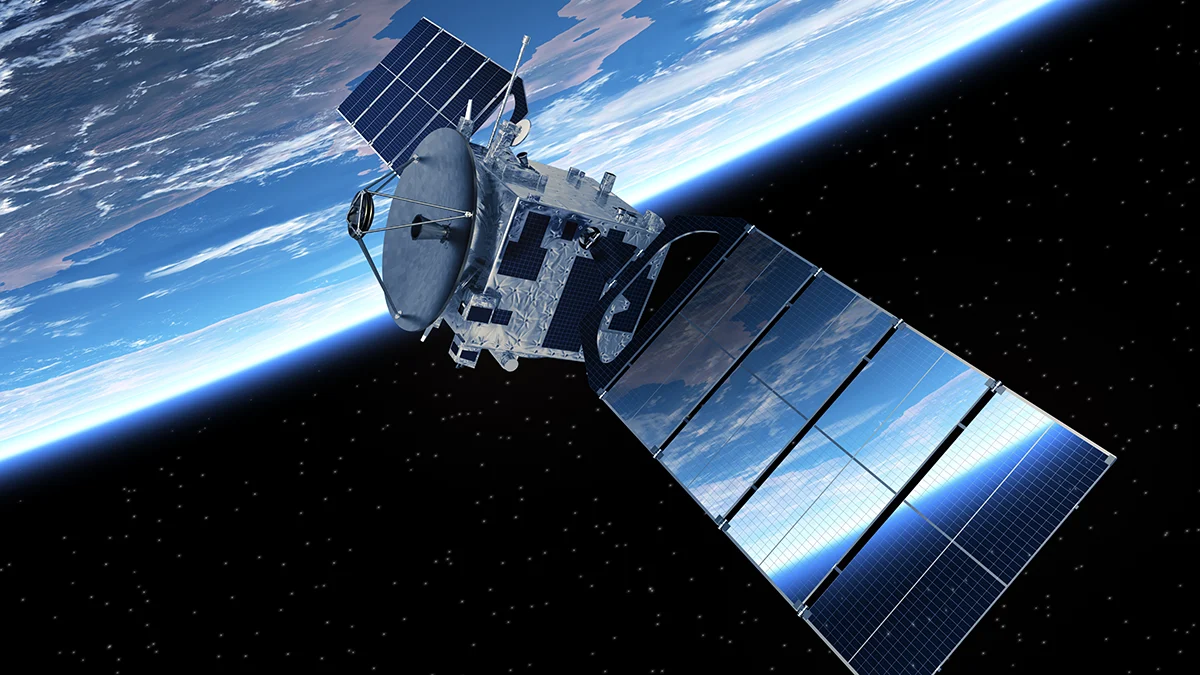
Protecting Satellite Data Links with Post-Quantum Cryptography
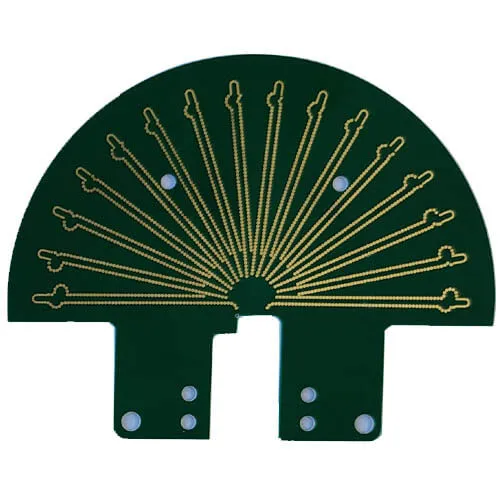
Rogers PCB Design: The Comprehensive Engineering Guide to High-Frequency Solutions
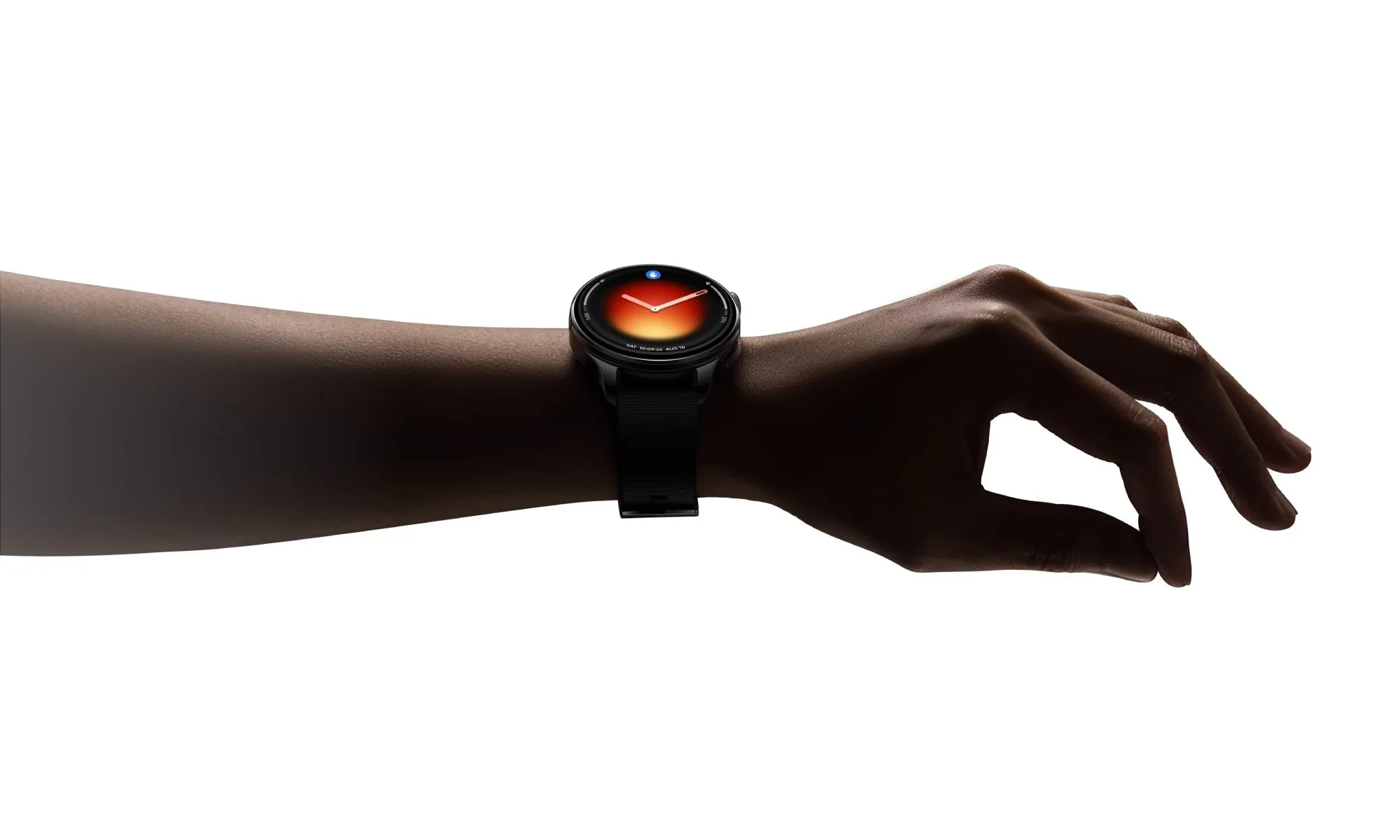
Inside Gesture-Controlled Smartwatches

Heart Rate Sensor Technologies for Wearables
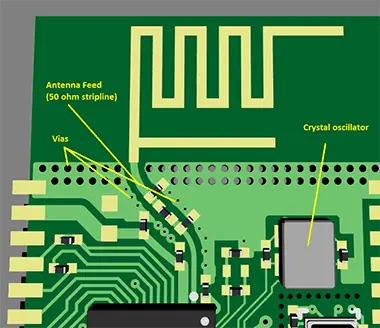
High-Frequency PCB Design Considerations for High-Reliability
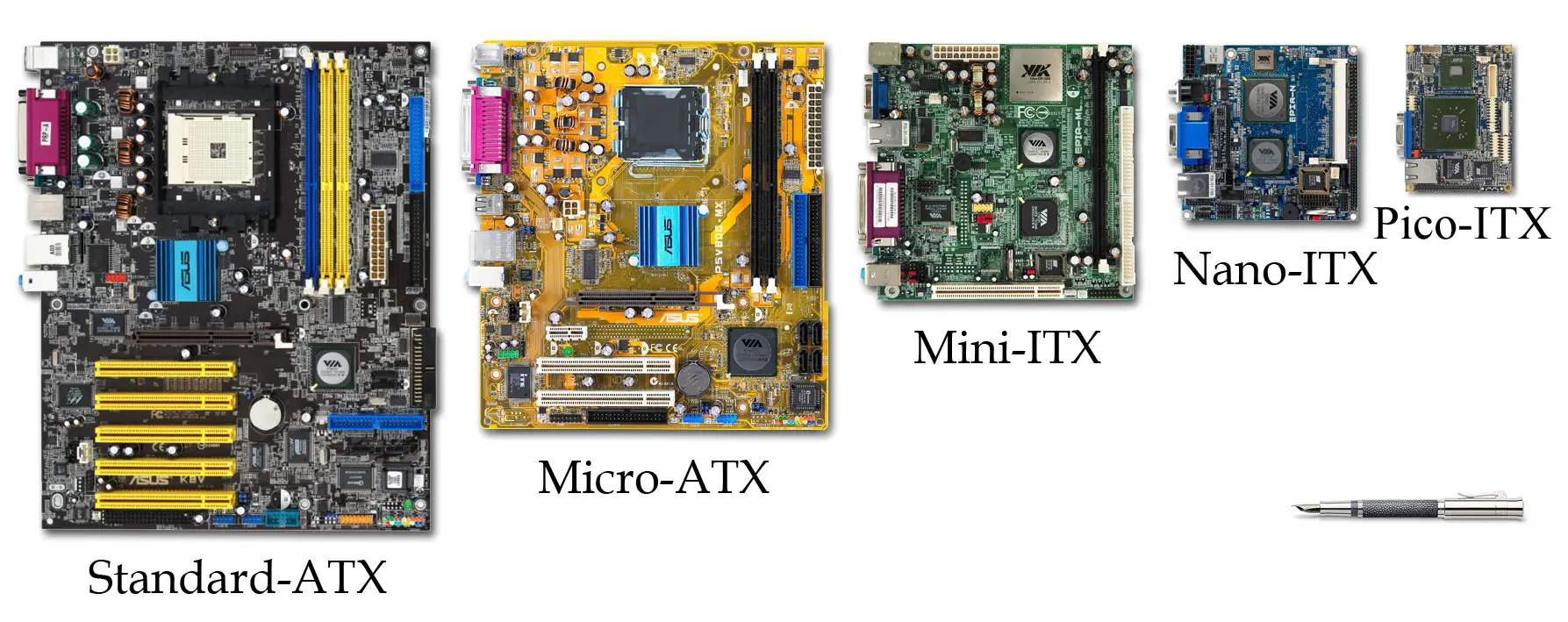
Stack-Up Secrets: How PCB Form Factor Influences Layer Selection and Performance
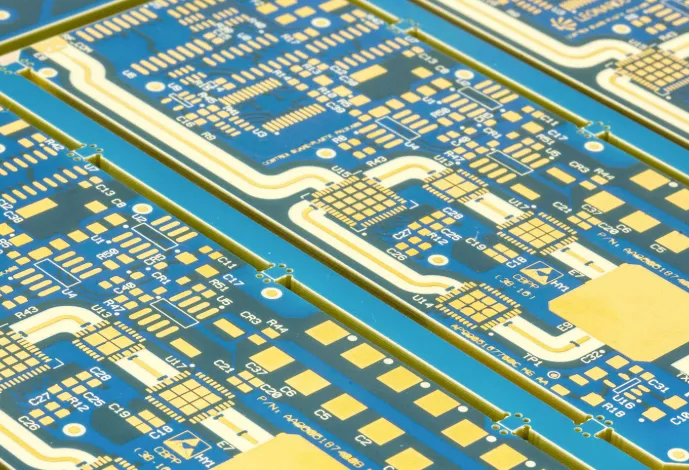
Beyond FR-4: Exploring Advanced Low Dk PCB Laminates for RF Applications
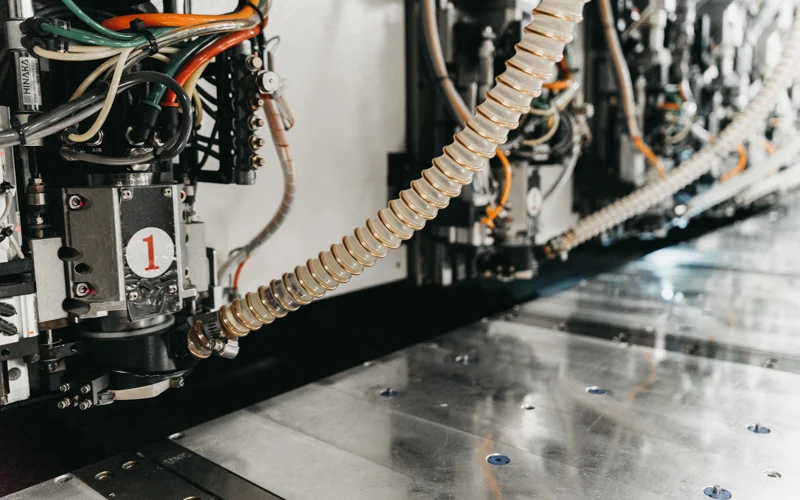
The Cost-Benefit Analysis of Controlled Depth Drilling in PCB Production
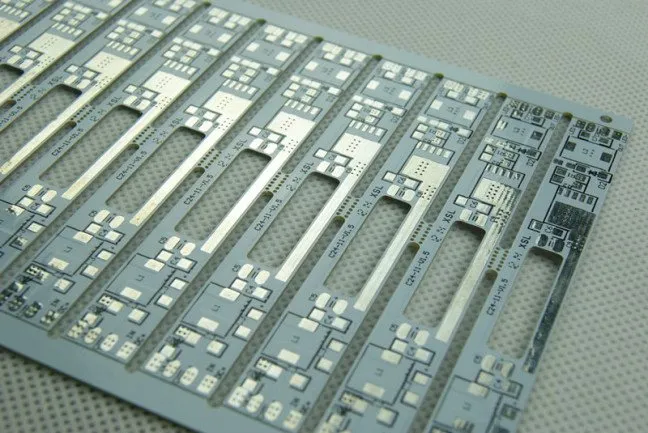
The Ultimate Guide to Aluminum PCB Application in Modern Electronics
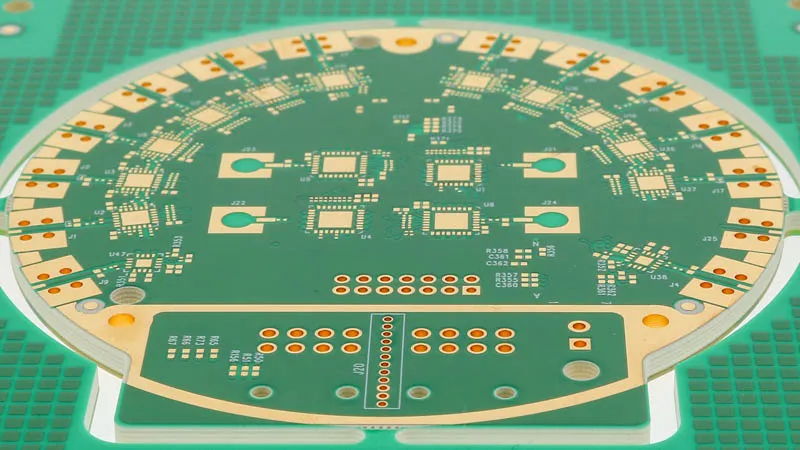
Epoxy Resin PCBs in High-Frequency Applications: Design Considerations and Material Selection
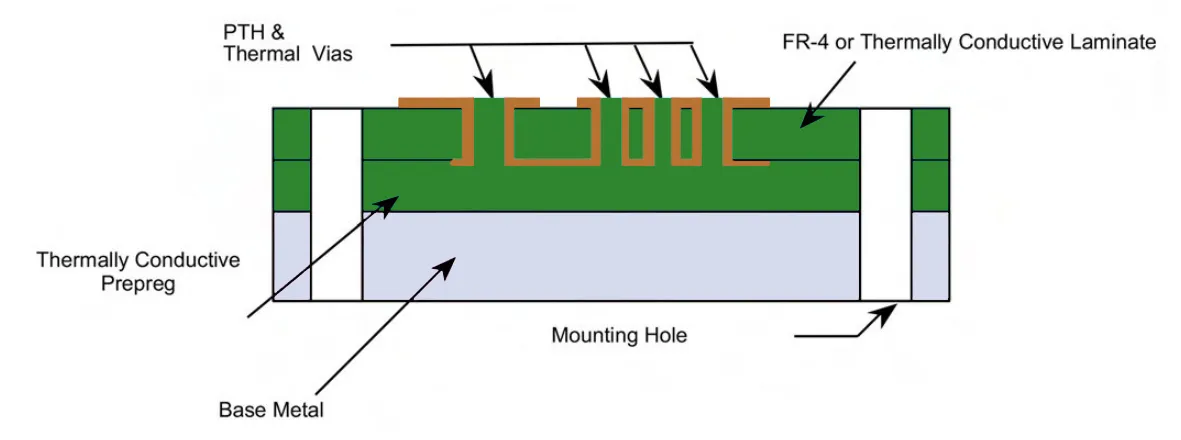
Metal-Backed PCBs for High-Frequency Applications: Signal Integrity and Performance
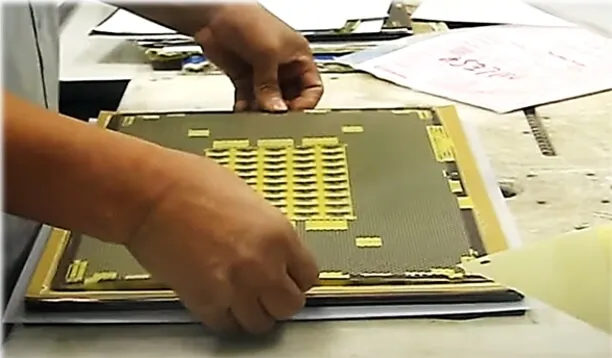
Sequential Lamination for High-Speed Designs: Minimizing Signal Loss and Maximizing Performance