PCB Impedance
PCB impedance refers to the opposition to alternating current flow in printed circuit boards, a critical factor in ensuring signal integrity and performance in high-speed electronic designs. For engineers and designers searching for information on PCB impedance, this tag serves as a comprehensive resource that delves into the principles, calculations, and real-world implications of impedance control. Understanding impedance is essential for preventing issues like signal reflections, crosstalk, and electromagnetic interference, which can degrade the functionality of circuits in applications such as telecommunications, computing, and automotive electronics. By maintaining controlled impedance, designers can achieve reliable data transmission at gigabit speeds, making it indispensable for modern PCB layouts involving differential pairs, transmission lines, and multilayer boards. In practice, achieving optimal PCB impedance involves selecting appropriate trace geometries, dielectric materials, and stackup configurations. For instance, tools like impedance calculators help determine trace width and spacing based on target values, typically 50 ohms for single-ended signals or 100 ohms for differential pairs. Best practices include simulating designs with software such as Altium or KiCad to verify impedance before fabrication, and collaborating with manufacturers to specify tolerances that align with industry standards like IPC-2141. This approach not only minimizes prototyping iterations but also enhances overall board reliability, reducing costs and time to market for projects ranging from consumer gadgets to industrial systems. The articles gathered under the PCB Impedance tag provide in-depth guidance on these topics, from beginner-friendly explanations of characteristic impedance to advanced techniques for mitigating impedance mismatches in RF and high-frequency circuits. Whether you are troubleshooting a design flaw or optimizing a new prototype, these resources offer practical strategies to apply impedance concepts effectively in your work.
Technical Articles
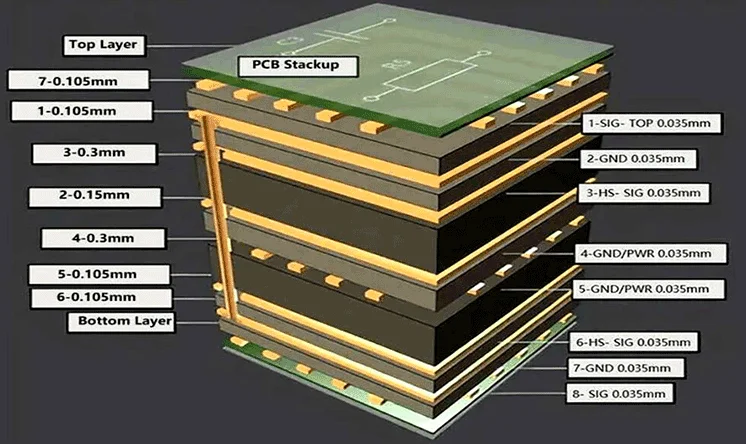
Signal Integrity for Hobbyists: Simple Tips for Better 8 Layer PCB Designs
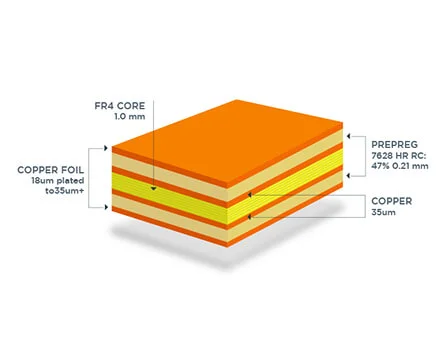
Optimizing Signal Integrity in Rigid PCB Design: Techniques and Best Practices
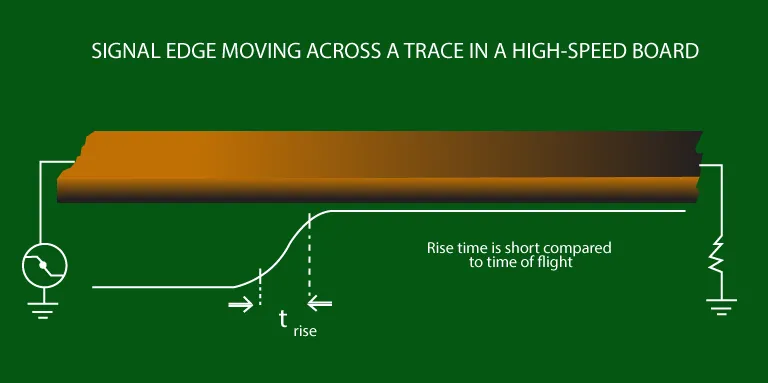
Demystifying PCB Impedance: A Beginner's Guide to Controlled Impedance Design
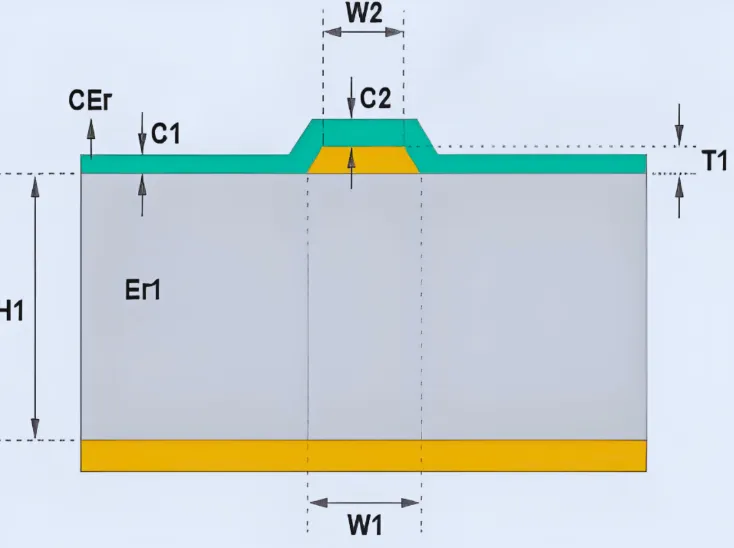
Designing for Signal Integrity: Mastering 50 Ohm PCB Impedance Control
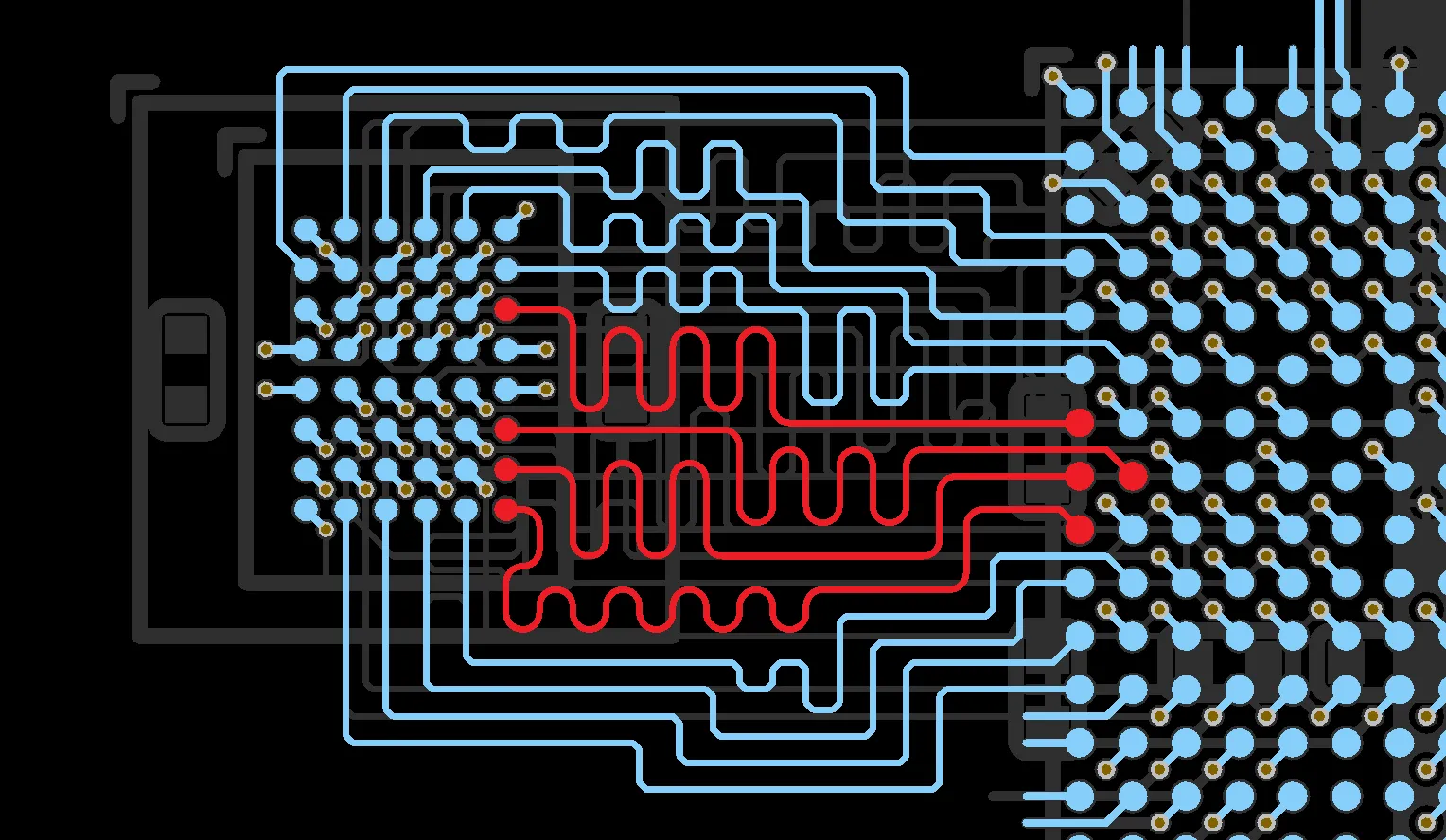
How Does PCB Trace Width Affect Impedance?
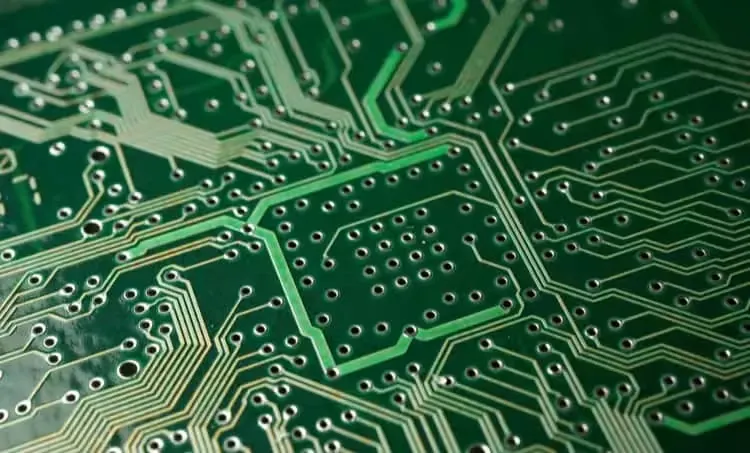
Mastering PCB Impedance Simulation for High-Speed Designs
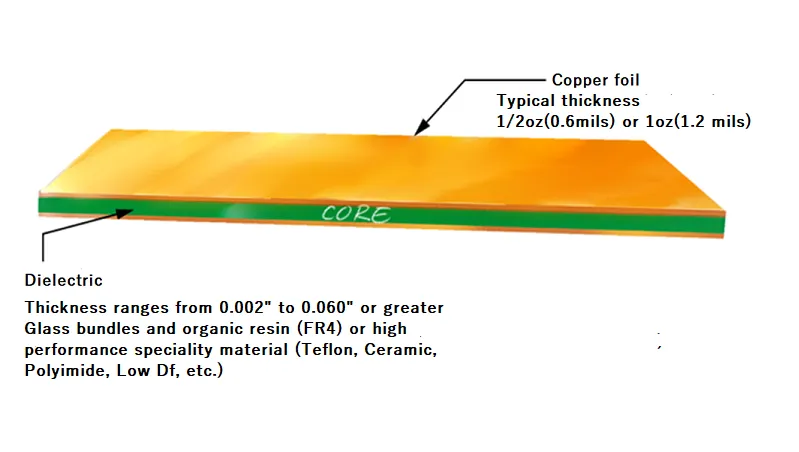
Dielectric Thickness and Impedance: A PCB Design Essential
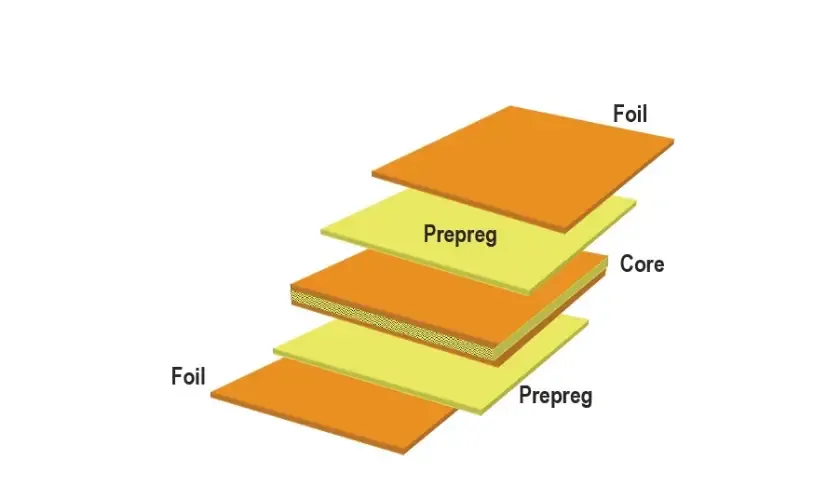
Optimizing High-Speed PCB Performance: A Guide to Prepreg Thickness Selection
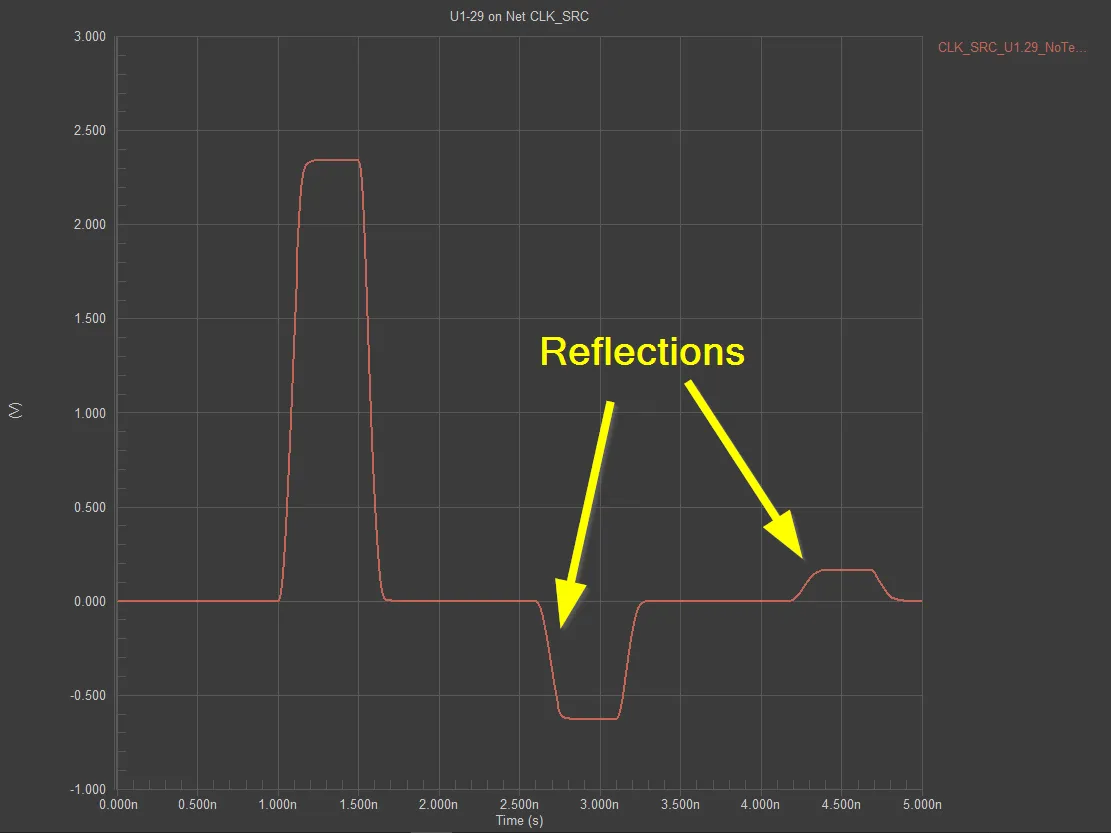
How to Reduce Signal Reflection on PCBs with Proper Impedance Design
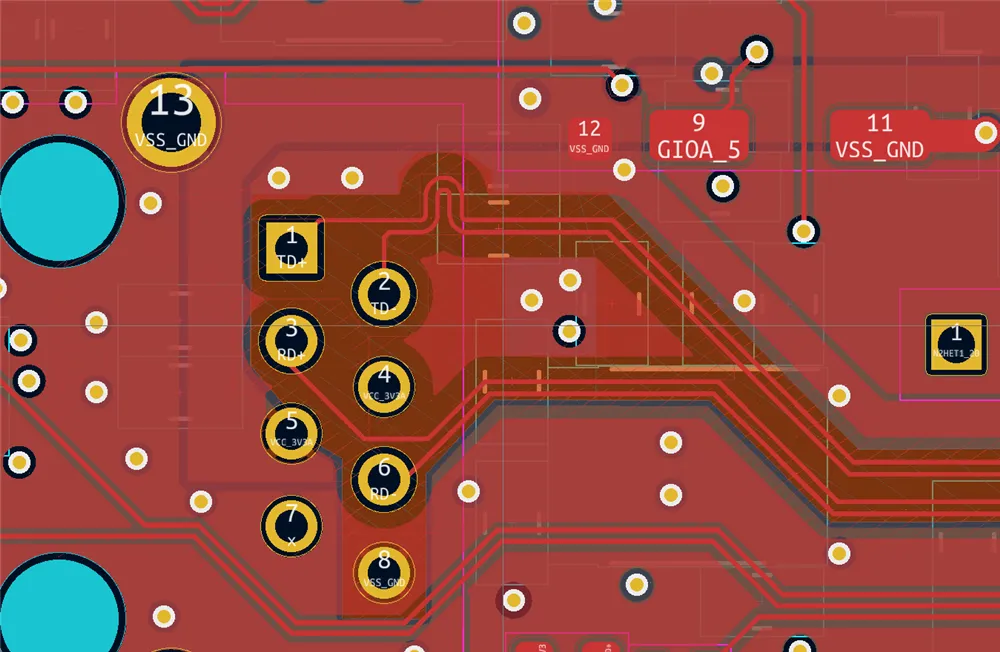
Optimizing Via Placement in 4-Layer PCBs: A Design Guide
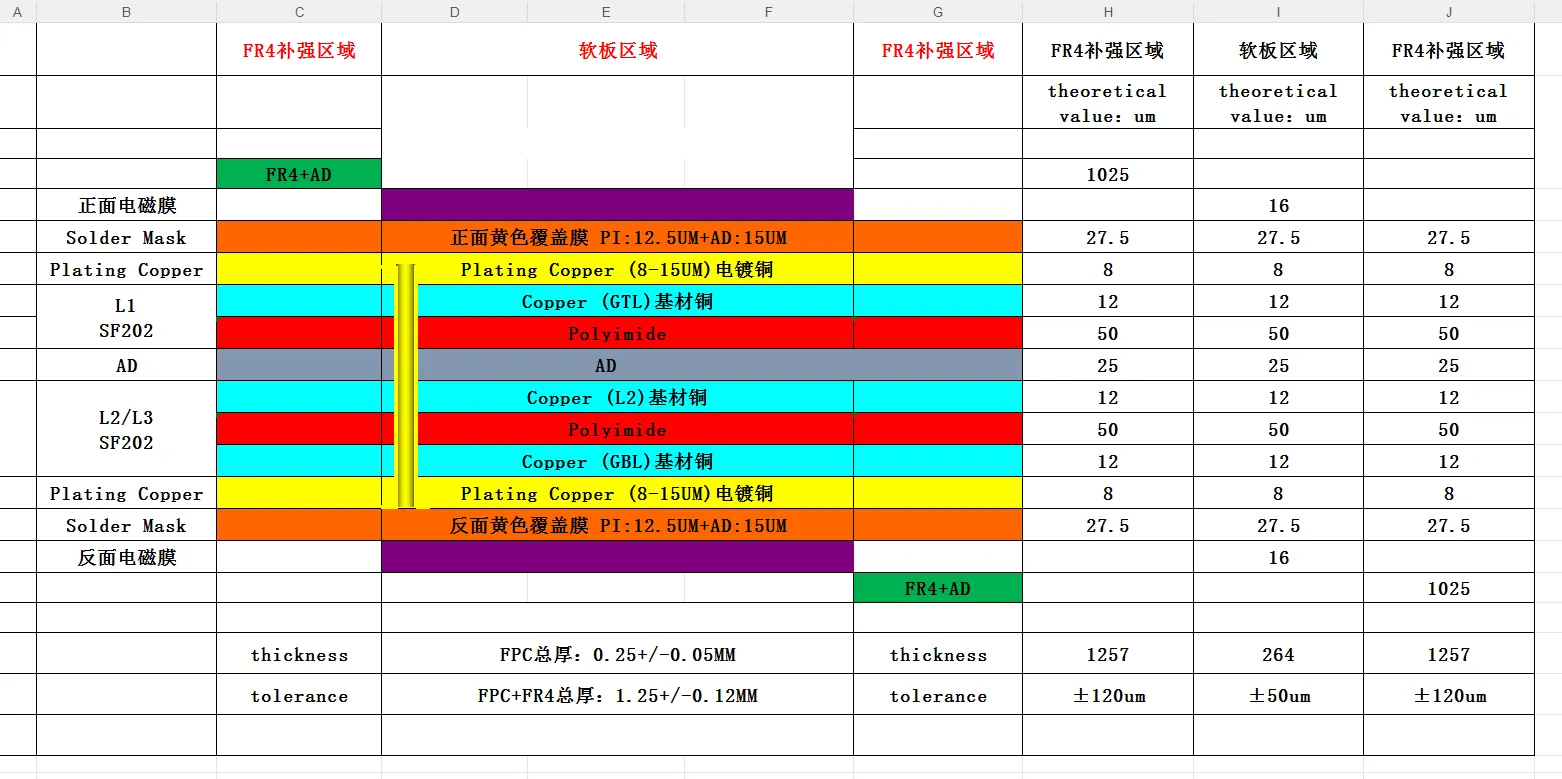
PCB Stackup, Impedance and Thickness Issues in CAM Review
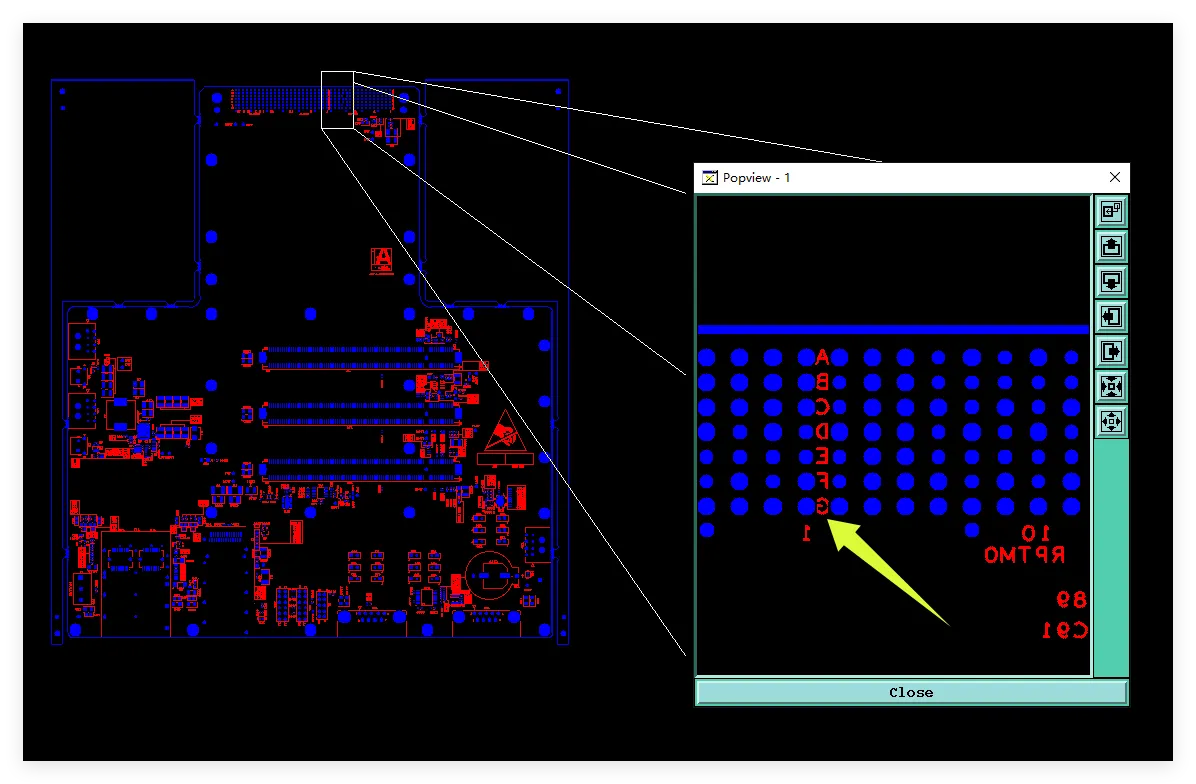
How DFM Prevented Back Drill Dimples in 12-Layer PCB
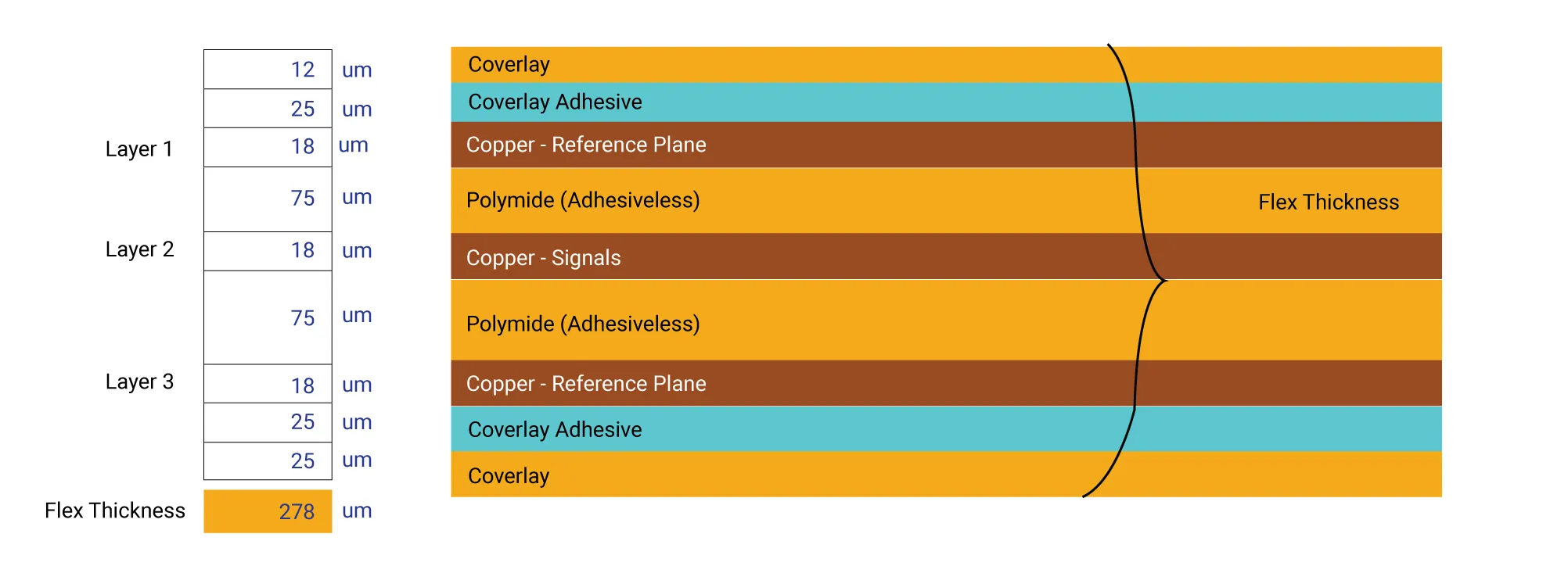
Why Does FPC Impedance Control Fail During Manufacturing?