00:53
Power Integrity
Power Integrity is a critical aspect of PCB design and electronics engineering, focusing on the stable delivery of power to integrated circuits and components within a system. It encompasses techniques to minimize noise, voltage fluctuations, and signal interference that can degrade performance or cause failures in high-speed and high-density boards. For engineers and designers searching for insights on Power Integrity, this tag serves as a comprehensive resource, covering fundamental concepts like power distribution network (PDN) analysis, impedance control, and decoupling strategies. Understanding these elements is essential for ensuring reliable operation in applications ranging from consumer electronics to automotive systems and data centers, where even minor power anomalies can lead to costly redesigns or product recalls. In practice, maintaining Power Integrity involves best practices such as optimizing layer stackups, selecting appropriate capacitors for bypassing, and employing simulation tools to predict and mitigate issues like ground bounce or electromagnetic interference. Articles under this tag delve into real-world case studies, offering actionable guidance on tools like SPICE simulations or frequency-domain analysis to validate designs before prototyping. Whether you are troubleshooting voltage droop in a new PCB layout or seeking ways to enhance power efficiency in embedded systems, the content here provides step-by-step approaches to achieve robust power management. By exploring the articles linked to this tag, you can gain deeper knowledge on advanced topics such as thermal considerations in power planes or integration with signal integrity principles. This collection equips you with the expertise to tackle common challenges and implement effective solutions, ultimately improving the overall quality and longevity of your electronic designs.
Video Guide
-
00:53
Technical Articles

Electronic Control Modules in Industrial Robots
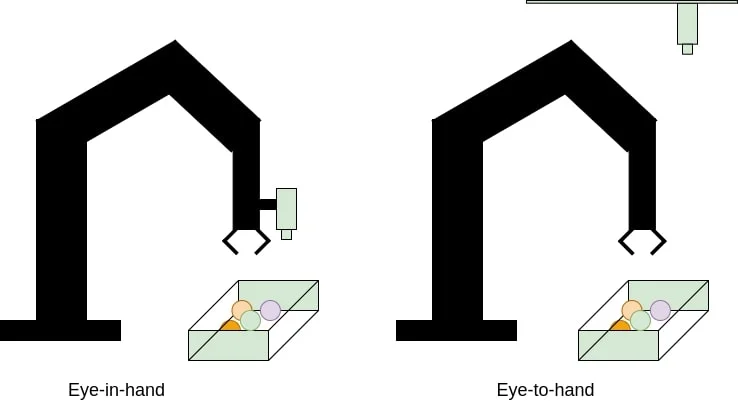
Categories of Robot Visual Servoing Systems: PBVS, IBVS, and Electronics Integration
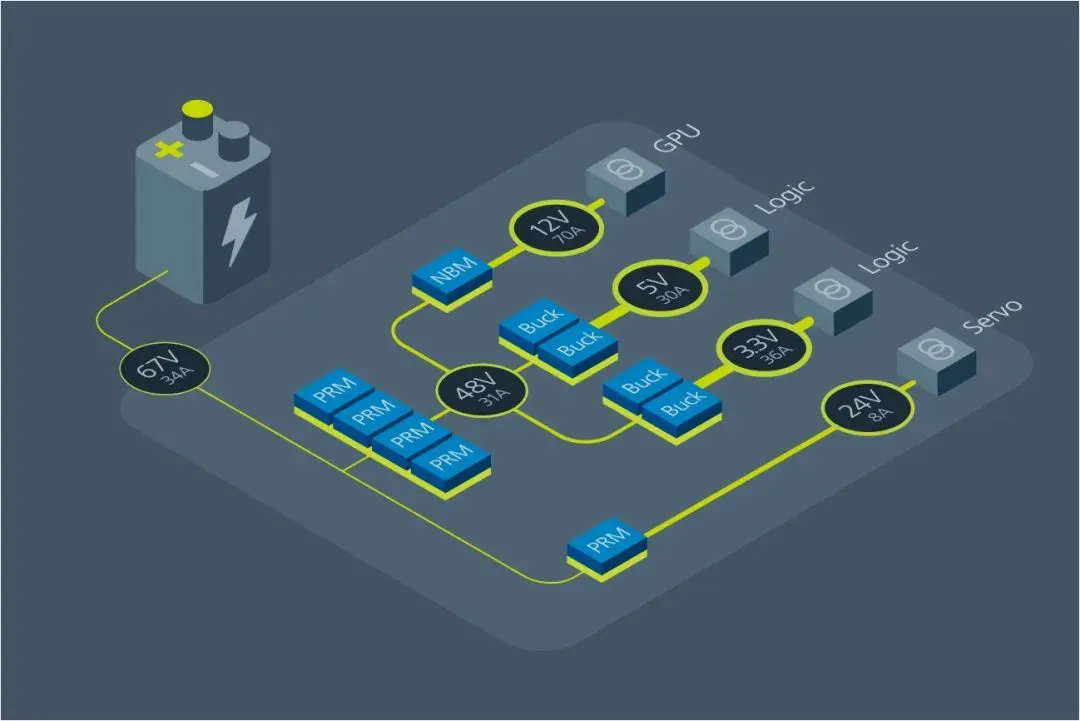
Robot Power Architecture Design: 6 Key Considerations for PDN and Electronics
Fundamentals and Types of AI Foundation Software

China's AI Development: Status and Challenges

PCB Design and Manufacturing for Artificial Intelligence Systems: Principles, Model Development, and Real-World Applications
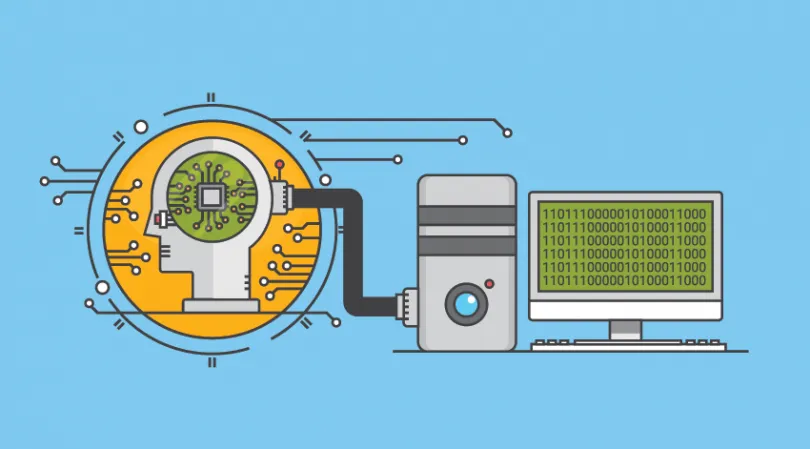
Top 10 Common Machine Learning Algorithms

Patterns and Challenges in AI Chip Design
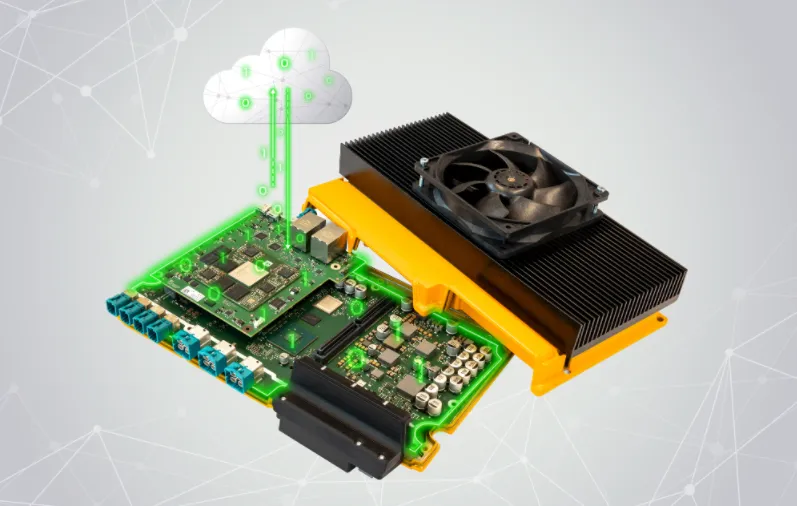
Key Technologies of the CAEdge Framework for Automotive Software
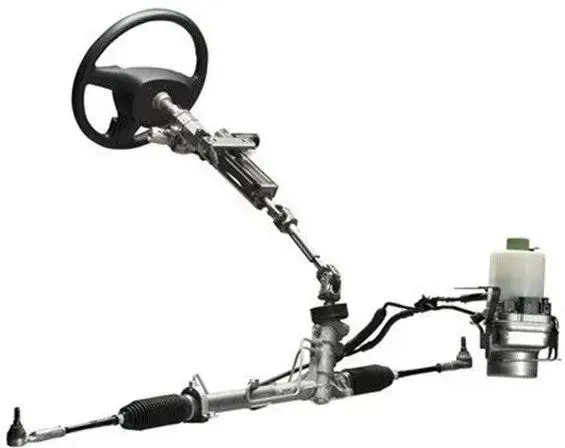
Steer-by-Wire and Intelligent Chassis Systems: PCB Design, Redundancy, and High-Reliability Challenges for Next-Generation Vehicles
PCB Design for Electric Vehicle Drive Motors: Inverter Control, High-Power Integration, and Thermal Management Challenges
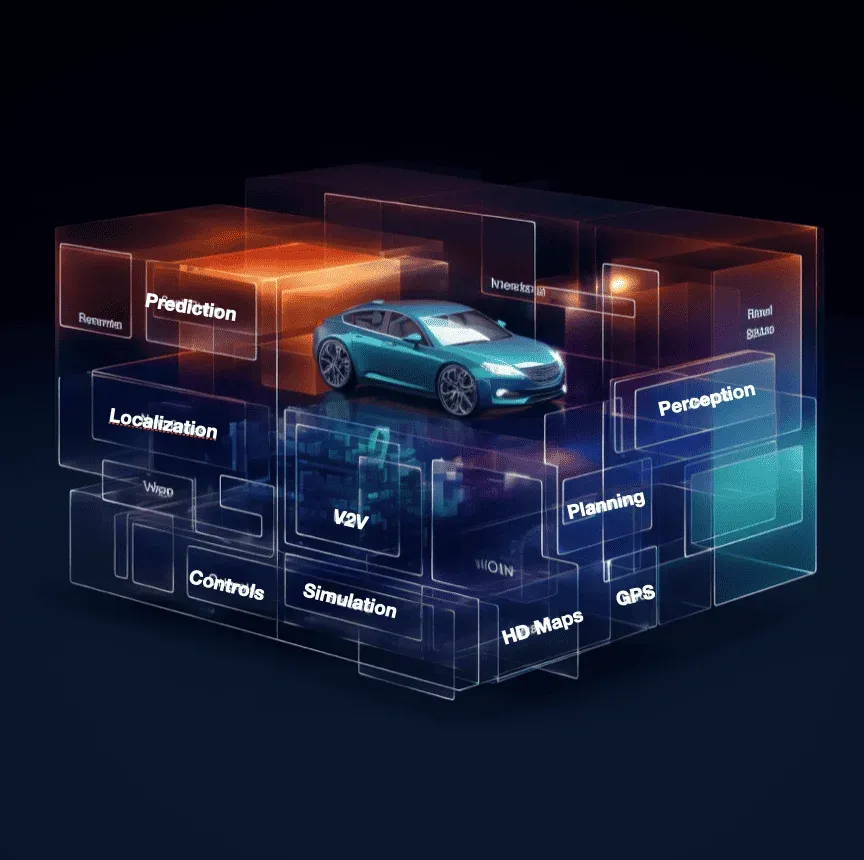
Two End-to-End Autonomous Driving Architectures
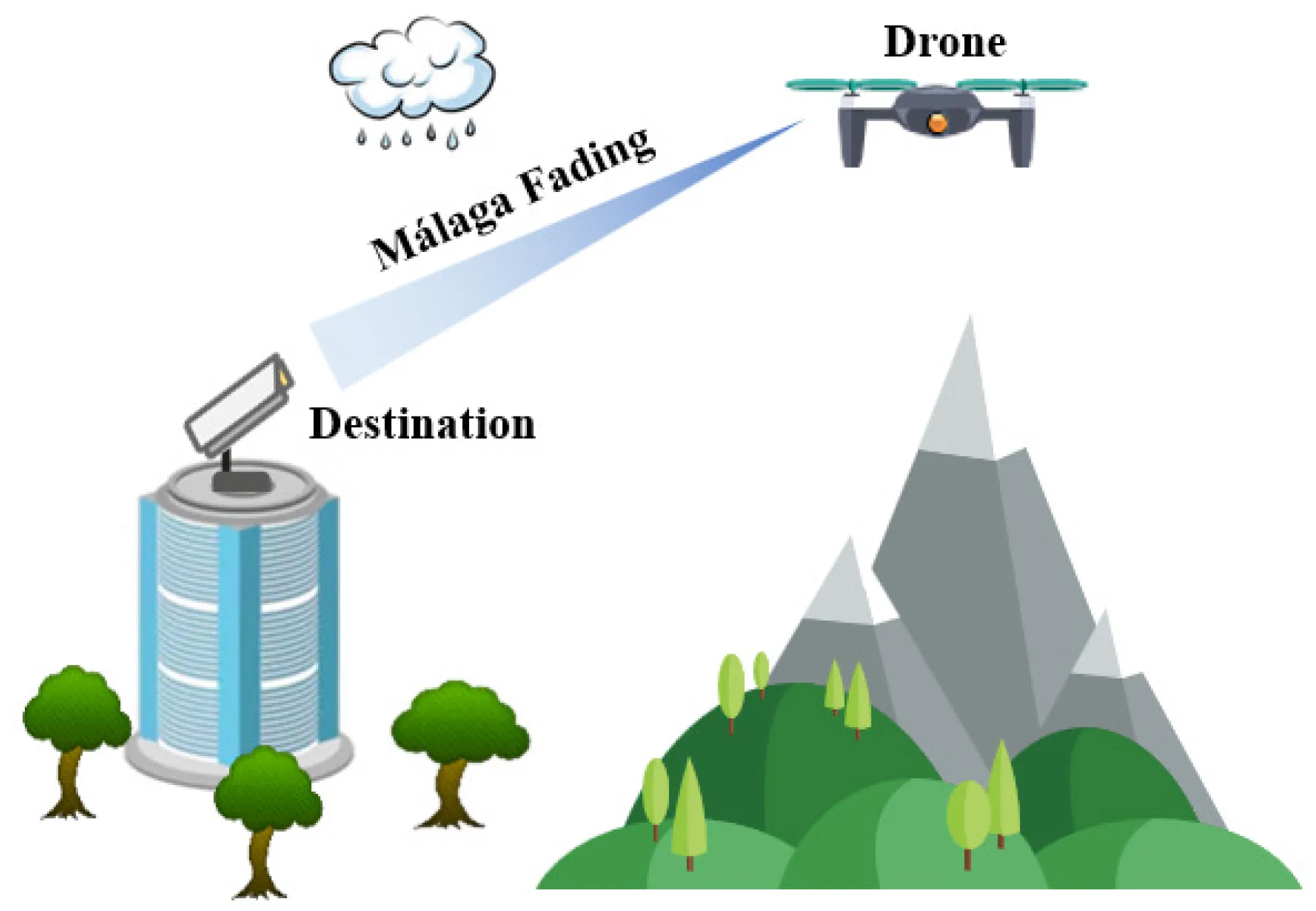
How Drone Communication Differs from Traditional Systems: RF, Modulation, and PCB Insights
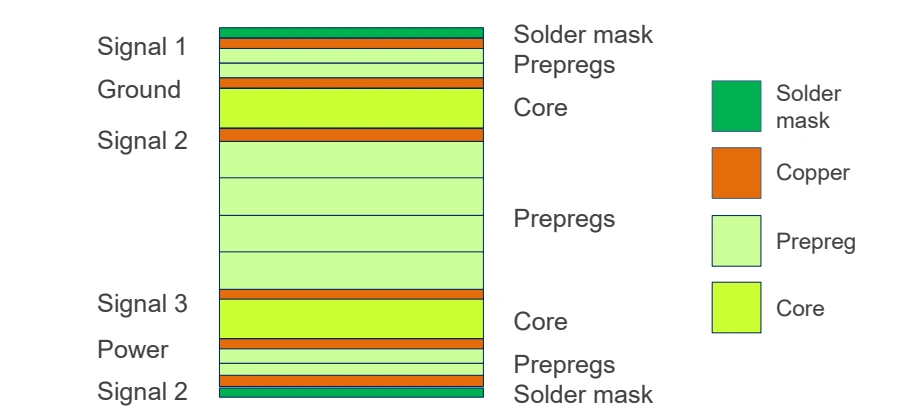
Power Plane and Capacitor Placement Strategy

The Ultimate Guide to CT Scanner PCB Design
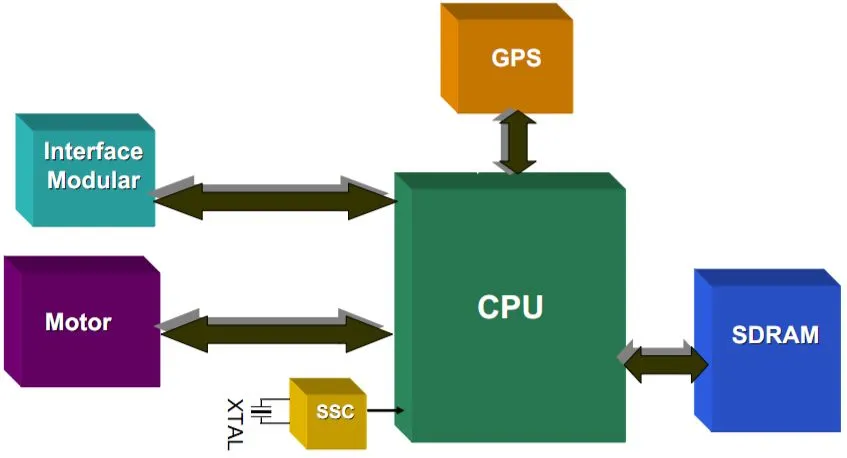
Near-Field EMI Testing for Drone Platforms: EMC Strategies and PCB Design Insights

DARPA DRACO Nuclear Rocket Systems: Propulsion Technology and Aerospace Electronics Challenges
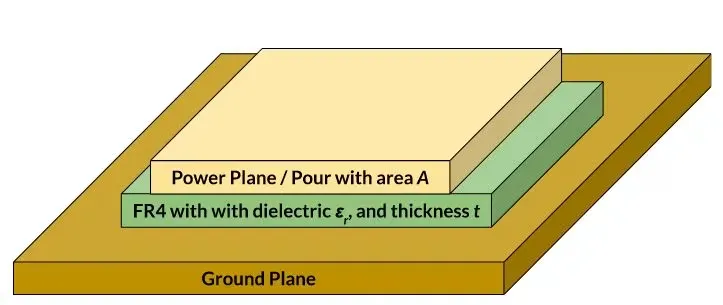
Effective Decoupling Techniques for Multi Layer PCBs: Reducing Noise
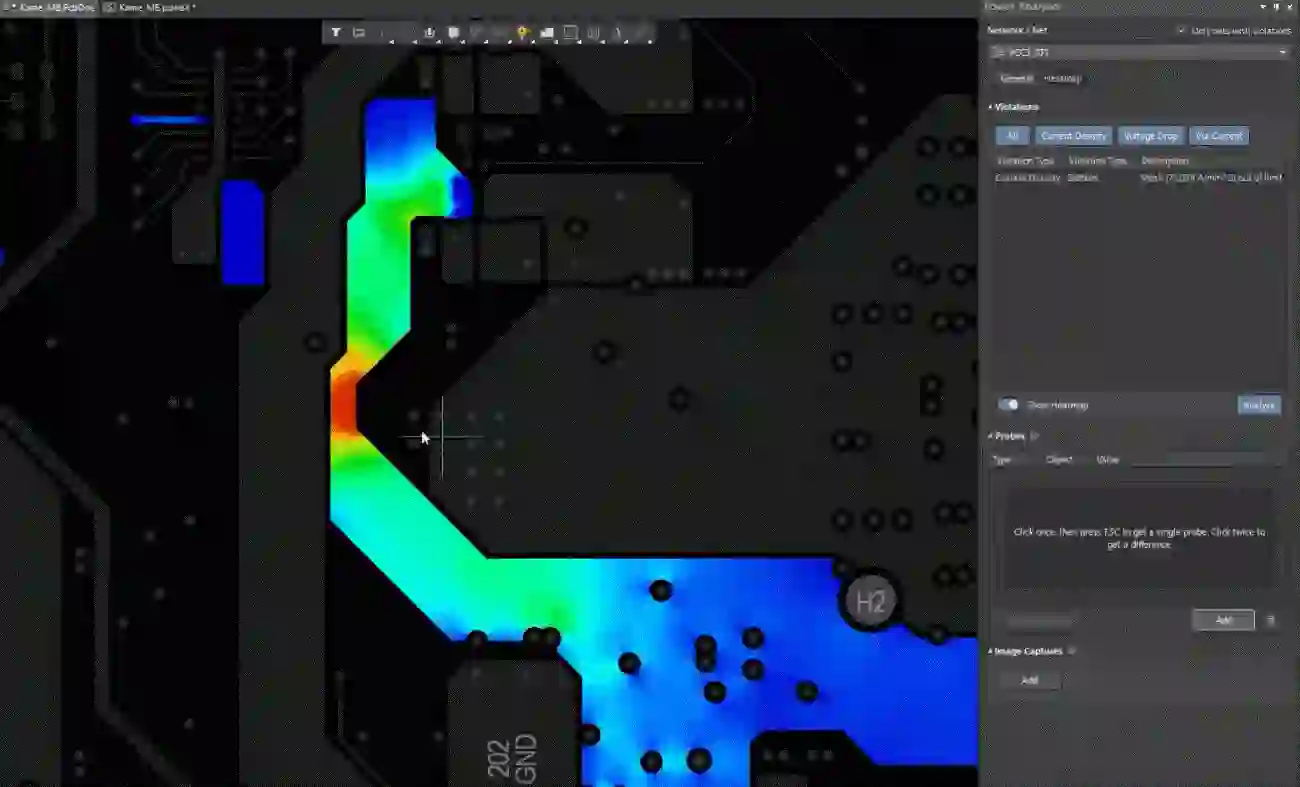
Designing with Power Integrity in Mind: Construction PCB Strategies