 03:18
03:18
Reflow Soldering
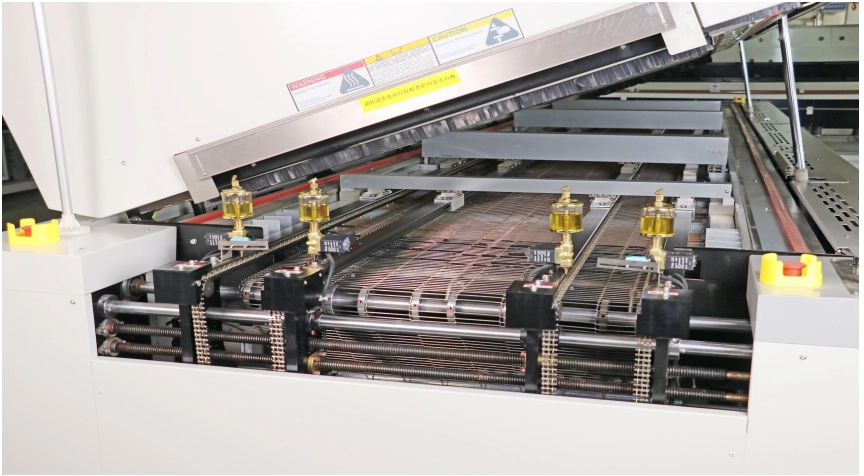
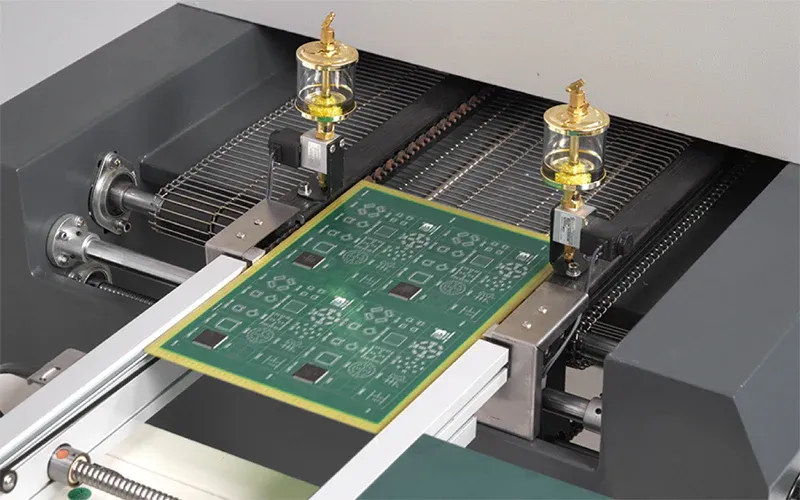
Reflow soldering is a fundamental technique in modern electronics manufacturing, particularly for surface-mount technology (SMT) assemblies. This process involves applying solder paste to a printed circuit board (PCB), placing components, and then heating the assembly in a controlled oven to melt the solder, creating strong electrical and mechanical bonds. For engineers, hobbyists, and manufacturers searching for information on reflow soldering, this tag serves as a comprehensive resource, offering in-depth articles that demystify the method and its applications. Understanding reflow soldering is crucial for achieving reliable PCB production, as it enables high-volume assembly with precision and efficiency. Key aspects covered include the thermal profile stages—preheat, soak, reflow, and cooling—which must be optimized to prevent defects like tombstoning, bridging, or component damage. Practical insights from our articles highlight best practices such as selecting appropriate solder pastes, designing effective reflow ovens, and troubleshooting common issues in both prototype and mass production environments. Whether you are integrating complex ICs, LEDs, or sensors, these resources emphasize techniques to enhance yield rates and ensure compliance with industry standards like IPC-610. For those tackling DIY projects or scaling up professional operations, exploring the nuances of reflow soldering can significantly improve outcomes. Articles under this tag delve into real-world applications, from consumer electronics to automotive systems, providing step-by-step guidance on equipment setup and process validation. By reviewing these materials, users can gain actionable strategies to refine their soldering workflows, reduce errors, and innovate in electronics design. This collection equips you with the knowledge to master reflow soldering, fostering better results in your next PCB assembly endeavor.
Video Guide
-
03:18
Technical Articles
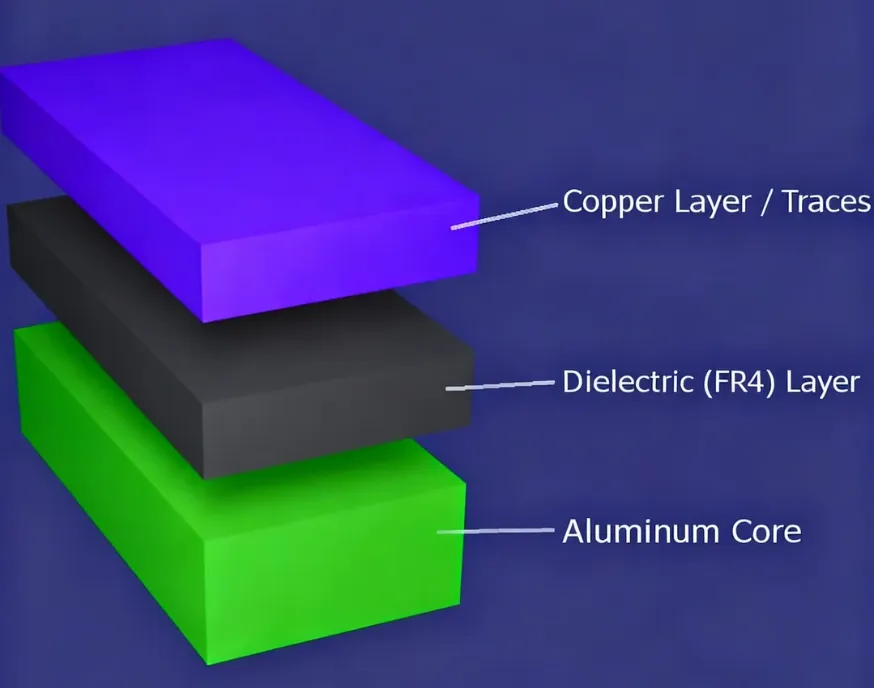
Effective Soldering for Aluminum PCBs: A Guide for Reliable Connections
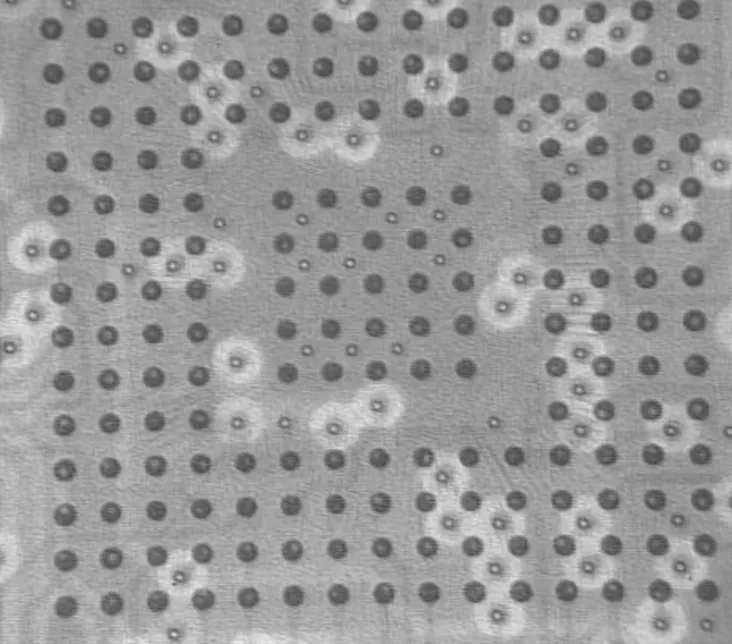
Ensuring PCB Reliability: A Deep Dive into Solder Joint Voids
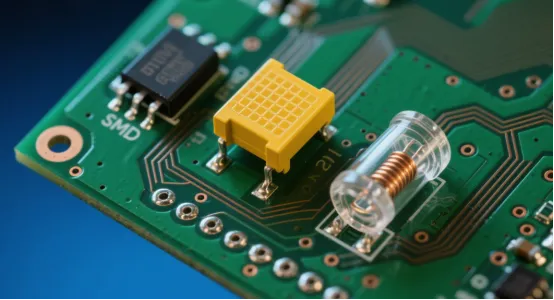
SMD Fuses: Compact Circuit Protection for High Density PCBs
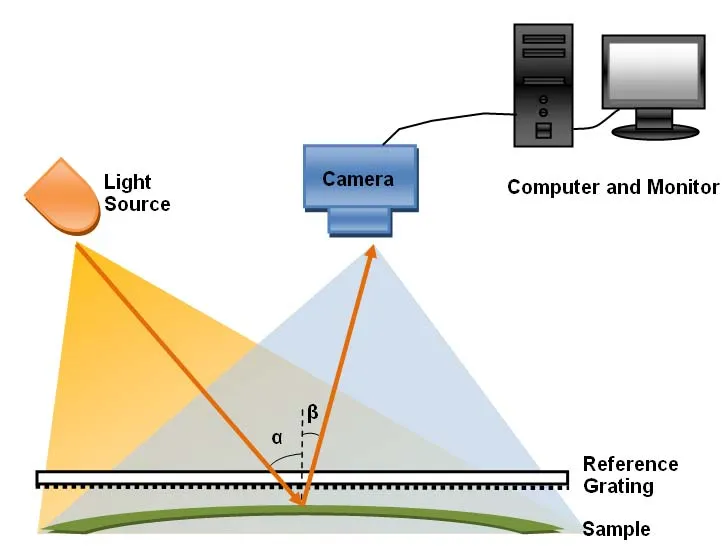
Router and Switch PCB Manufacturing: Overcoming Assembly Challenges
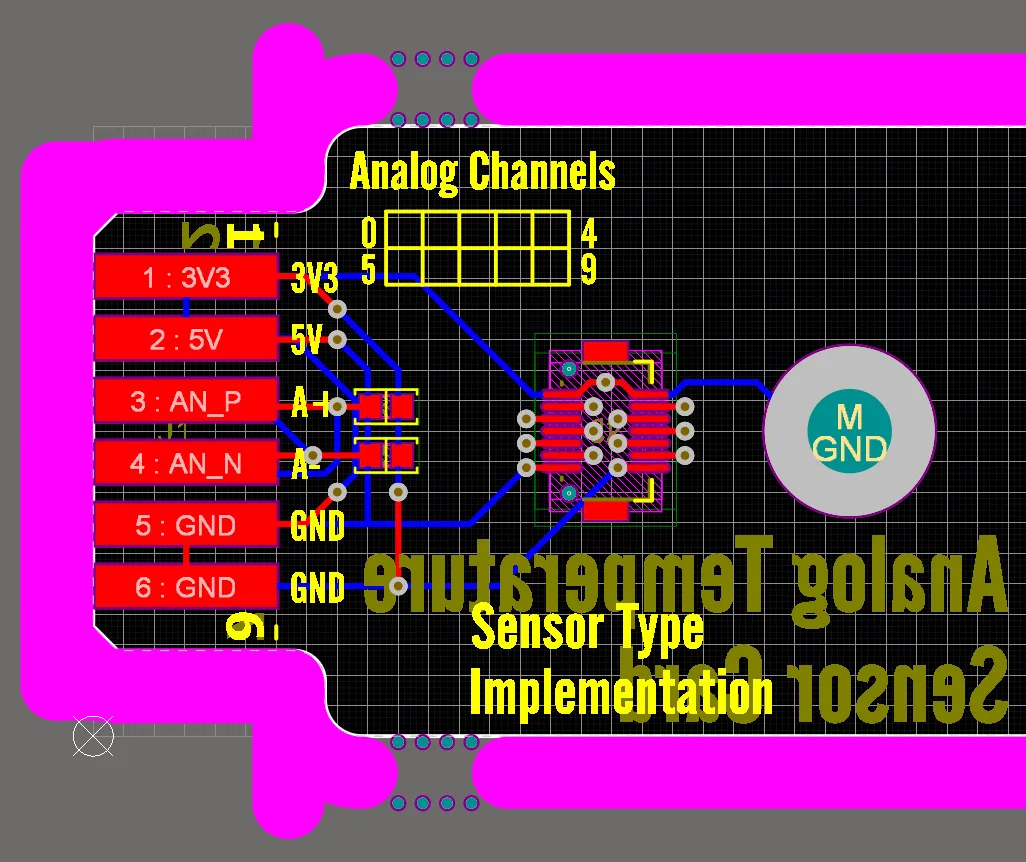
A Comprehensive Guide to Industrial Sensor PCB Assembly
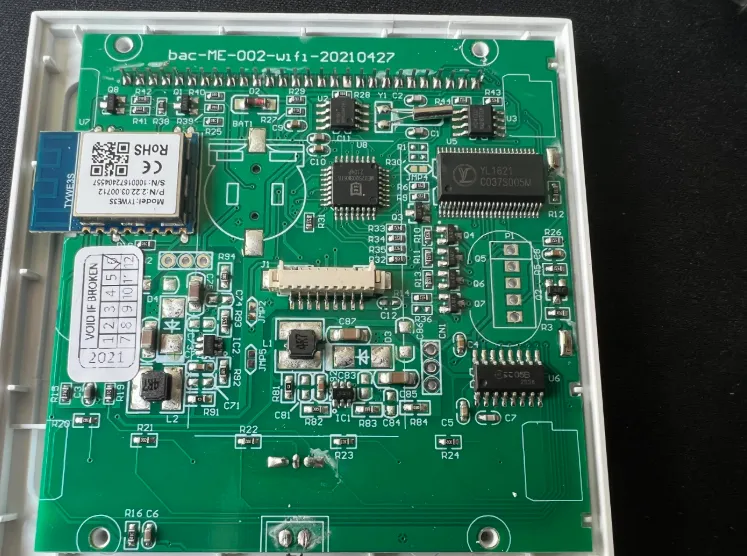
Surface Mount Current Sensors: Miniaturization Strategies for High Density PCB Assemblies
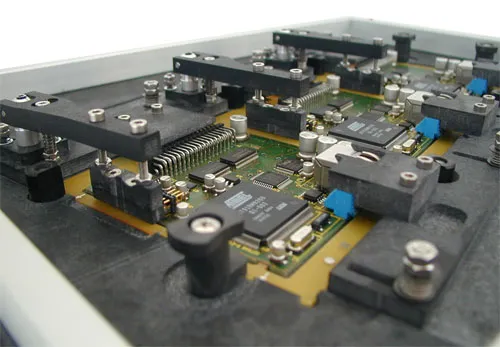
Manufacturing Best Practices for Infotainment System PCBs
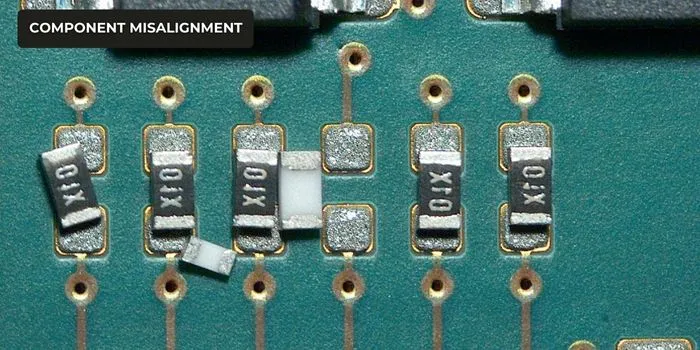
Troubleshooting Component Misalignment in PCB Manufacturing: A Practical Guide

Choosing the right Copper Foil Thickness for SMT assembly
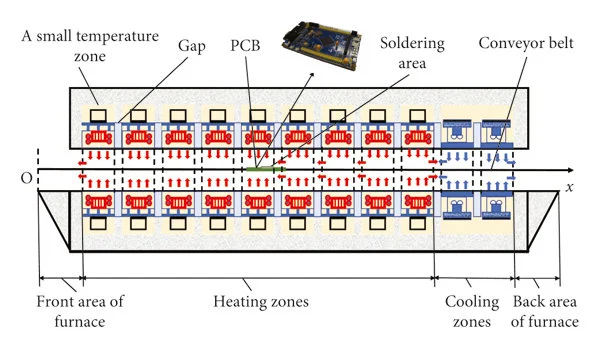
Advanced PCB Reflow Soldering Techniques: Convection vs. Vapor Phase

Thermal Relief: Optimizing Pad Connections for Soldering and Heat Dissipation

PCB Reflow Soldering and Component Orientation: Minimizing Defects
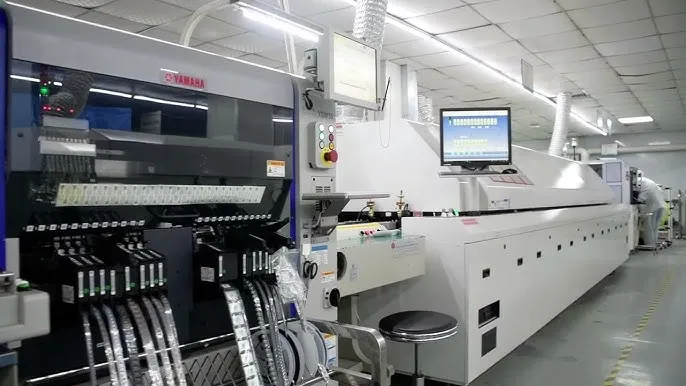
High Volume SMT Assembly: Best Practices for Reliable PCB Manufacturing
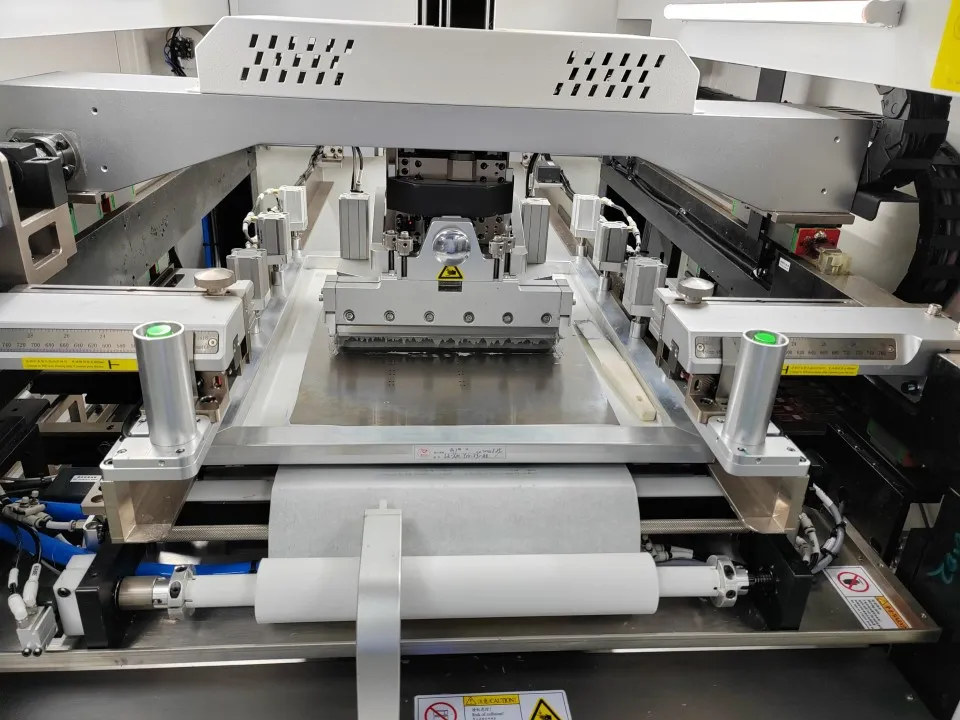
Mobile Phone PCB Assembly Process: SMT and Reflow Soldering Explained
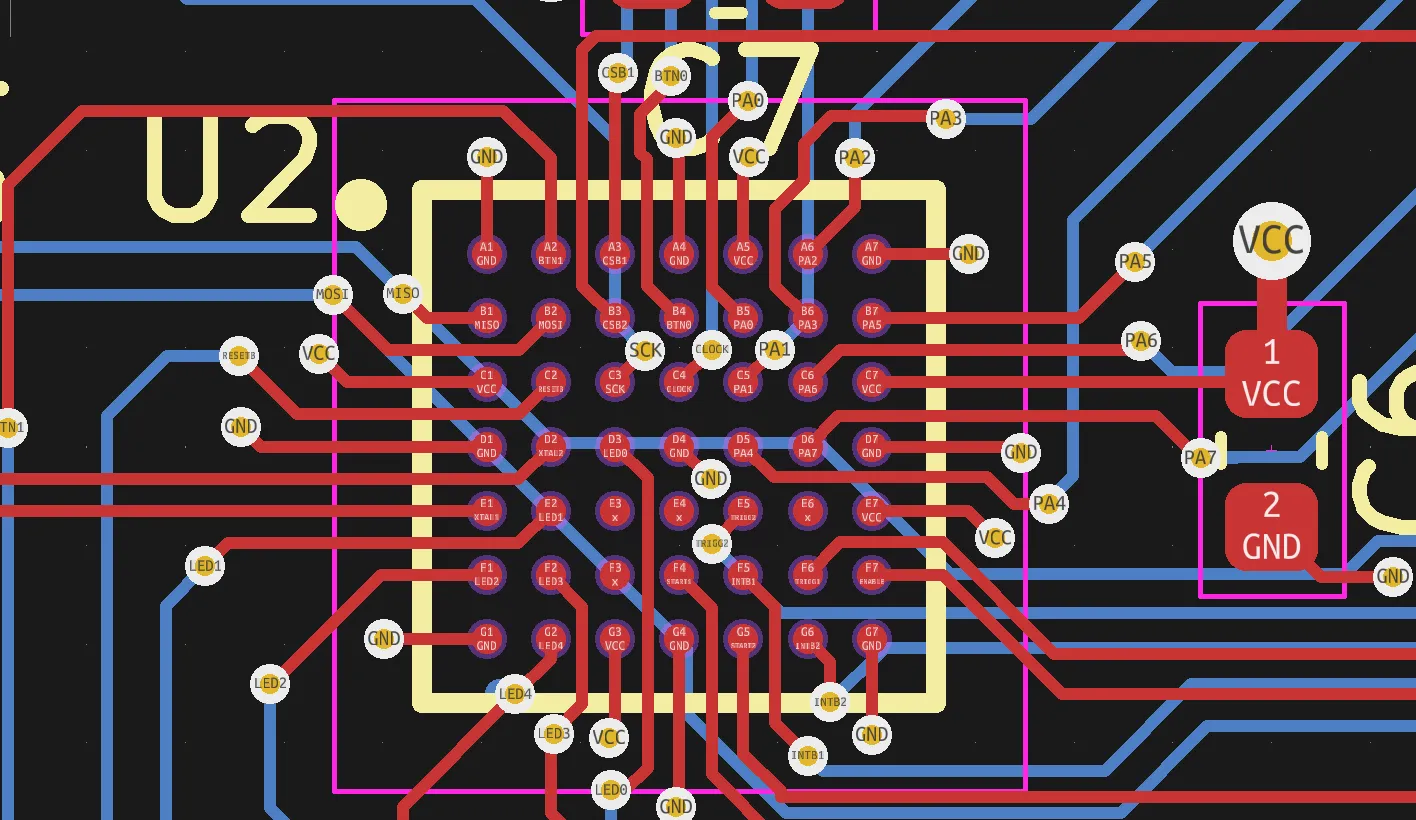
PCB Component Placement: Optimizing for Manufacturing and Assembly
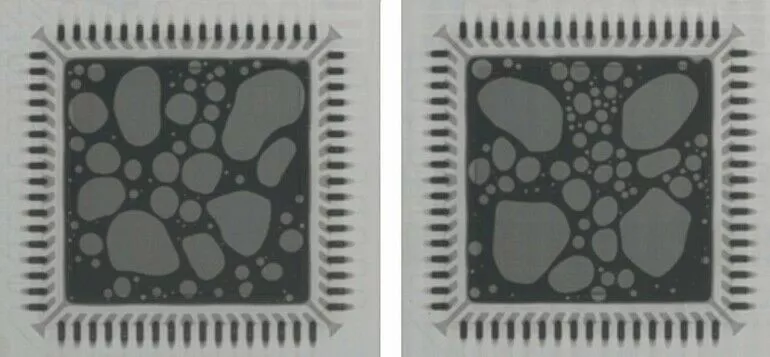
Thermal Pad Design for QFN Packages: Best Practices for Void Reduction
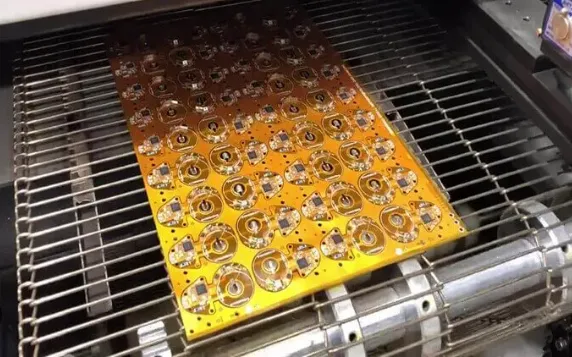
Flexible PCB Assembly Techniques: A Comprehensive Guide
Mastering Electromechanical Component Soldering: Techniques and Best Practices for PCB Assembly
PCB Assembly and Soldering: Choosing the Right Soldering Technique