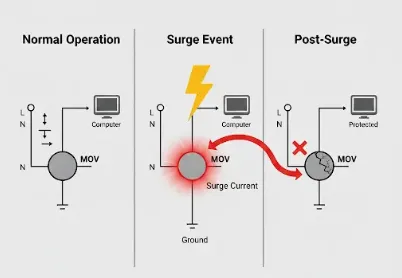
 00:50
00:50
SMT Components
Surface-mount technology (SMT) components represent a cornerstone of modern electronics design and manufacturing, enabling compact, efficient, and high-performance circuit boards. These components, which include resistors, capacitors, integrated circuits, and diodes, are soldered directly onto the surface of printed circuit boards (PCBs) without the need for drilled holes. This approach contrasts with traditional through-hole methods and offers significant advantages in terms of space savings, automated assembly, and improved signal integrity. For engineers, hobbyists, and manufacturers searching for insights on SMT components, this tag serves as a comprehensive resource that delves into their selection, implementation, and optimization in various applications. Understanding SMT components is essential for achieving reliable PCB designs, particularly in industries like consumer electronics, automotive systems, and telecommunications where miniaturization and speed are critical. Key benefits include reduced board size, lower production costs through automated pick-and-place machines, and enhanced thermal management. Practical applications range from prototyping small-scale devices to scaling up for mass production, with best practices focusing on proper solder paste application, reflow soldering techniques, and inspection methods to prevent defects like tombstoning or bridging. By exploring topics such as component footprints, material compatibility, and assembly workflows, users can gain actionable strategies to minimize errors and boost efficiency in their projects. This SMT Components tag gathers in-depth articles that address common challenges and emerging trends, from choosing lead-free options for regulatory compliance to integrating advanced packages like ball grid arrays (BGAs). Whether you are troubleshooting assembly issues or seeking guidance on transitioning from through-hole to surface-mount designs, the content here provides authoritative explanations and real-world examples to support your work. Readers often find value in related discussions on PCB layout software and testing protocols, which can further refine your approach to electronics development.
Video Guide
-
00:50
-
 00:55
00:55
PCB Capacitors Explained: Decoupling, Filtering and Power Stability in Multilayer Designs
-
 00:38
00:38
PCB Component Installation in SMT Assembly
-
 00:53
00:53
PCB Component Packages: QFP vs QFN vs BGA Tradeoffs Explained
-
 00:58
00:58
SMT vs THT PCB Assembly: Why Both Technologies Remain Essential
-
 00:48
00:48
PCB Placement: Beginner Checklist Before Routing
Technical Articles

Preventing Tombstoning and Cold Solder Joints in 0603-and-Smaller SMT Chips with Thermal Relief

Lead-Free Component Terminal Plating Materials and Processes: A Practical Guide for SMT Process Engineers
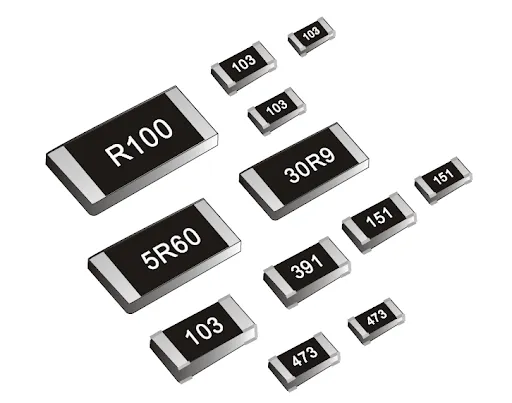
SMD Resistor Codes and Resistance Value Calculations
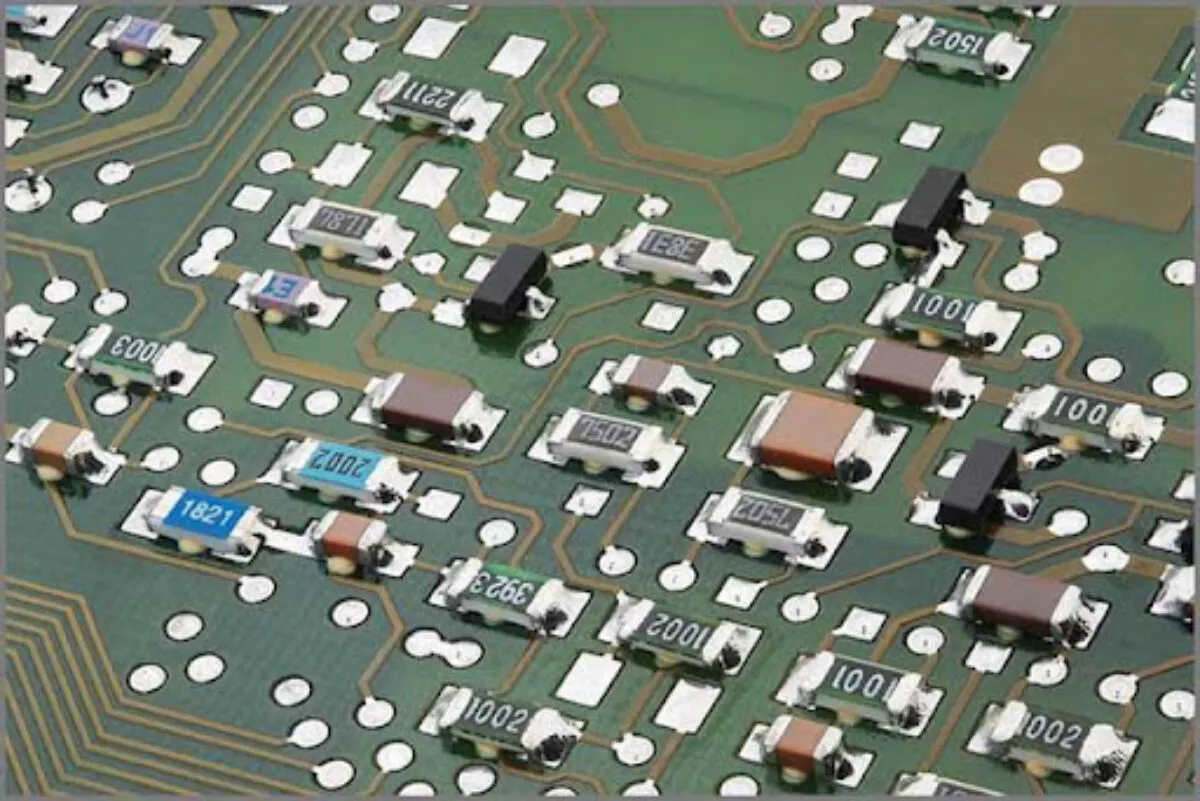
SMD Resistors Explained: Sizes, Markings, and Applications in Electronics
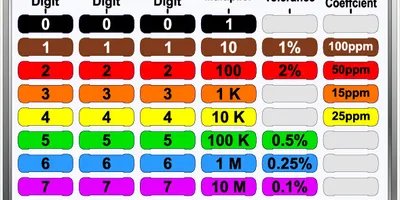
Guide to Common Resistor Selection
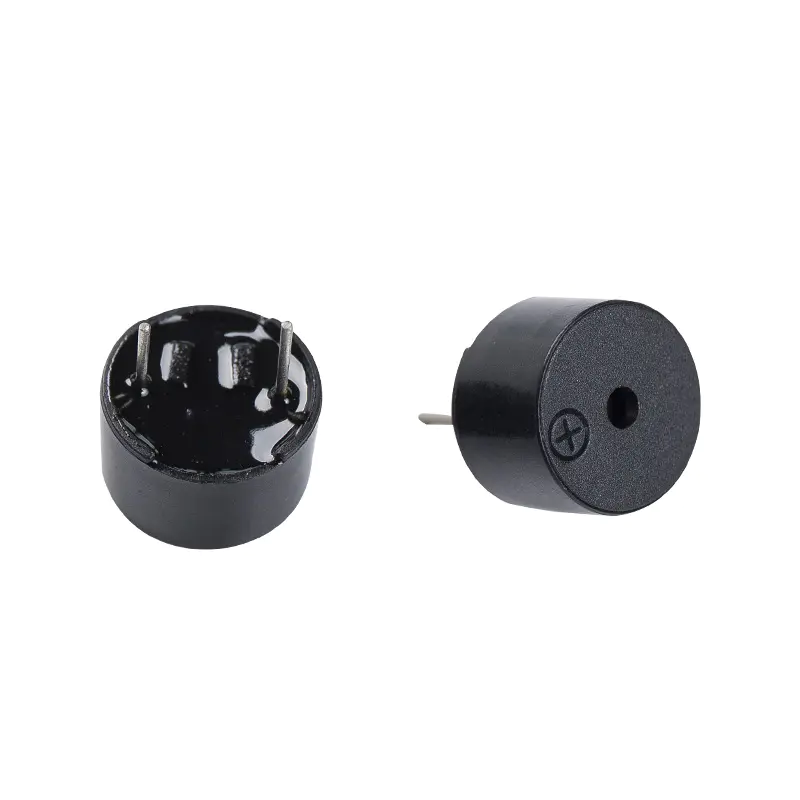
The Engineer's Guide to Piezo vs. Magnetic Buzzers: Choosing the Optimal Technology
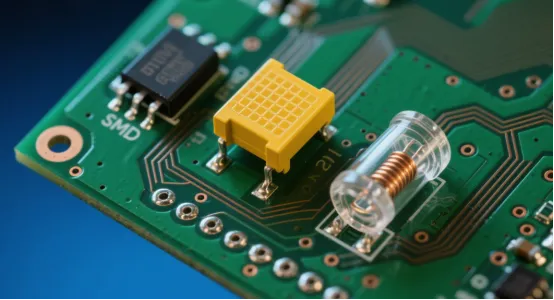
SMD Fuses: Compact Circuit Protection for High Density PCBs
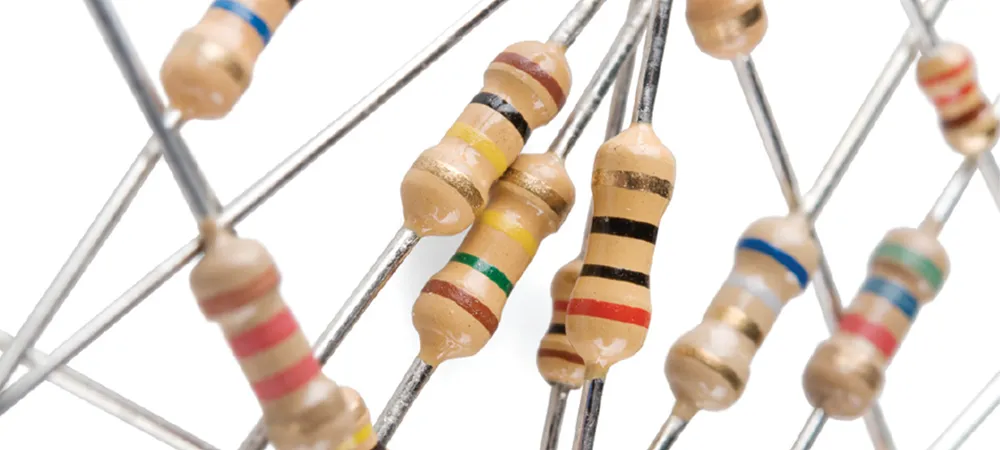
Common Resistor Types and Characteristics
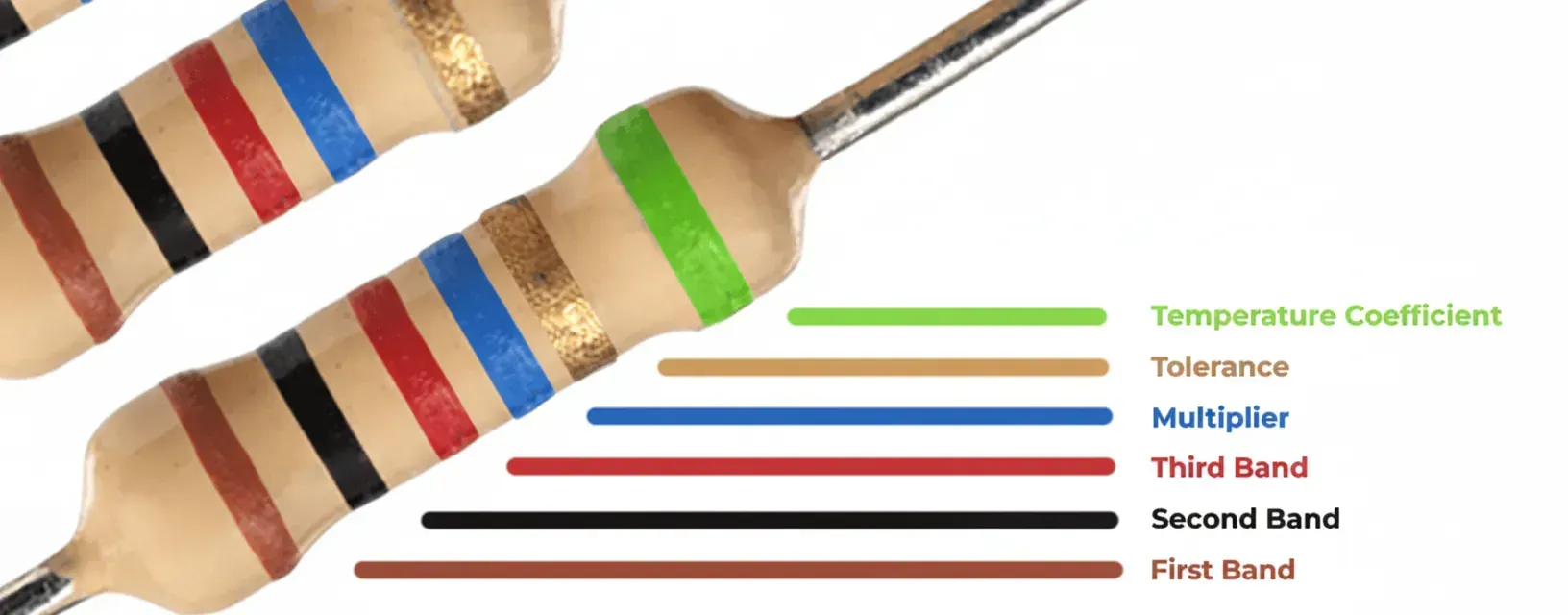
What Resistor Color Bands Mean
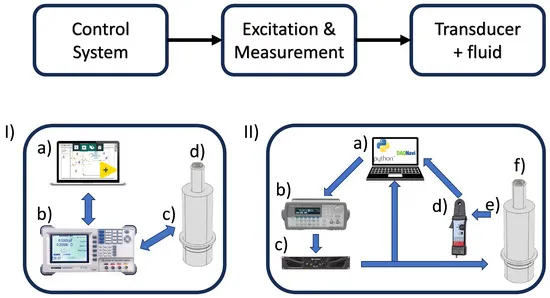
Self-excited and Externally-excited Ultrasonic Sensor Drivers
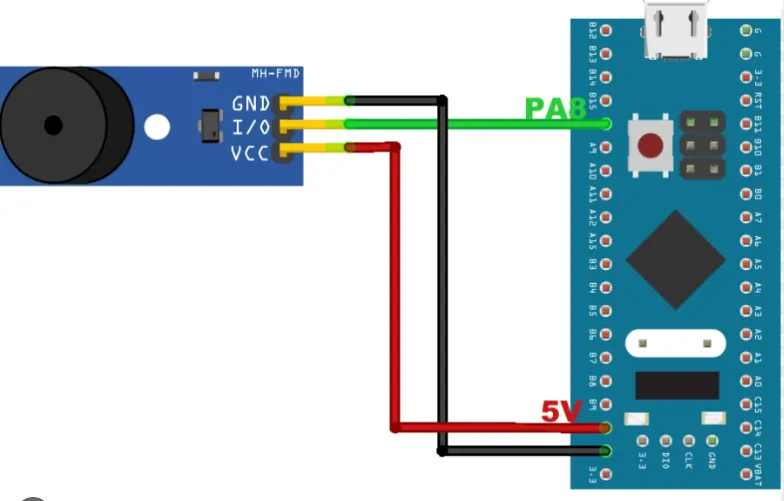
STM32 Buzzer Music Playback Example
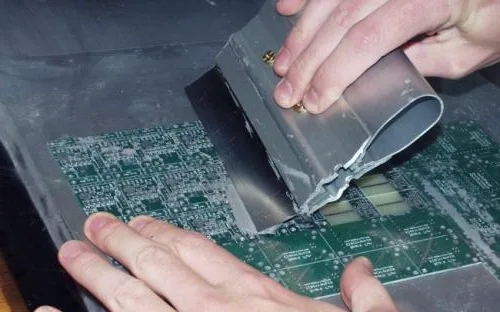
Step by Step: Reflowing SMT Components on Aluminum PCBs for Beginners

Designing an EEPROM I2C Driver
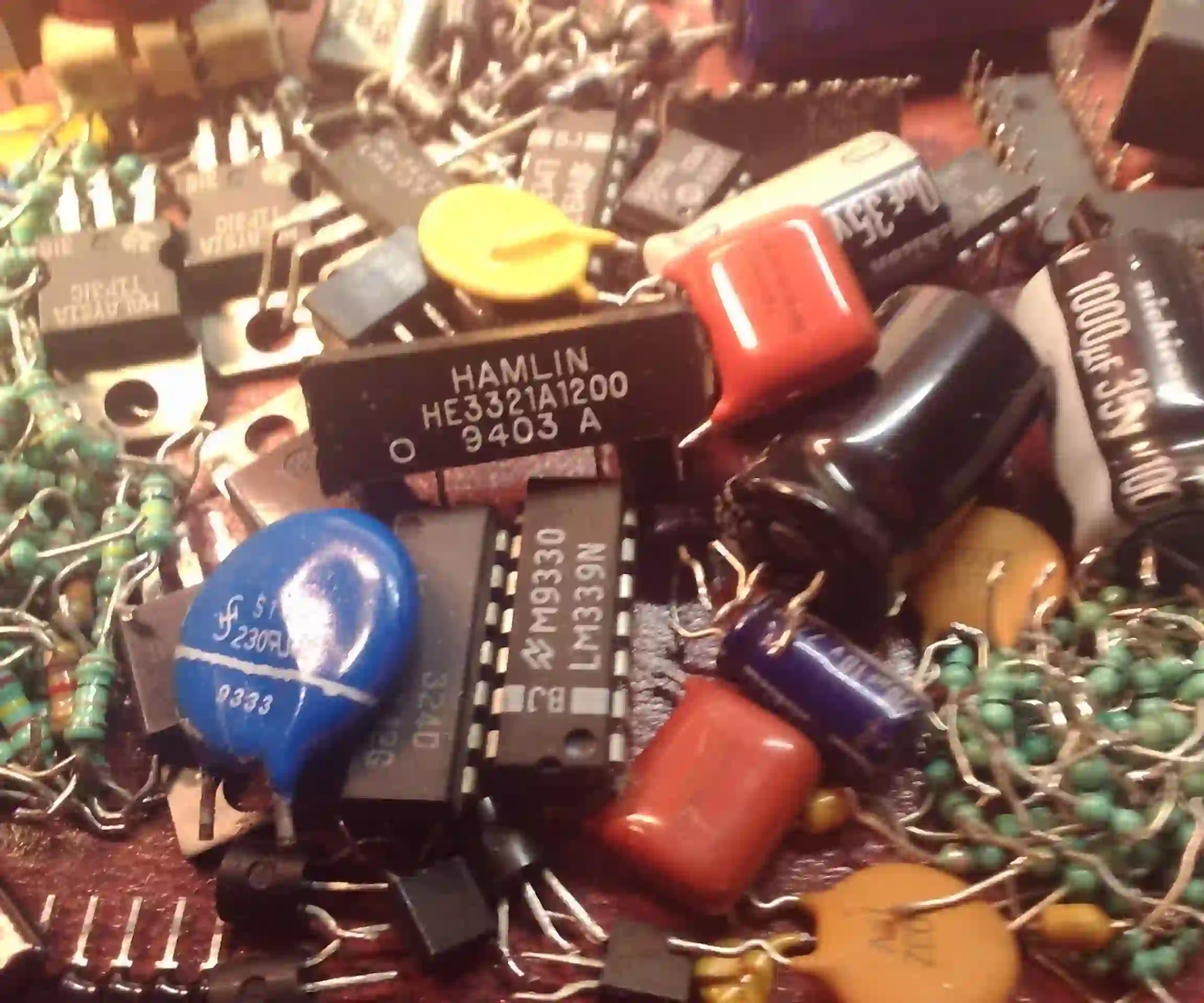
Salvaging SMT Components: A Guide to Reclaiming Parts from Old Electronics
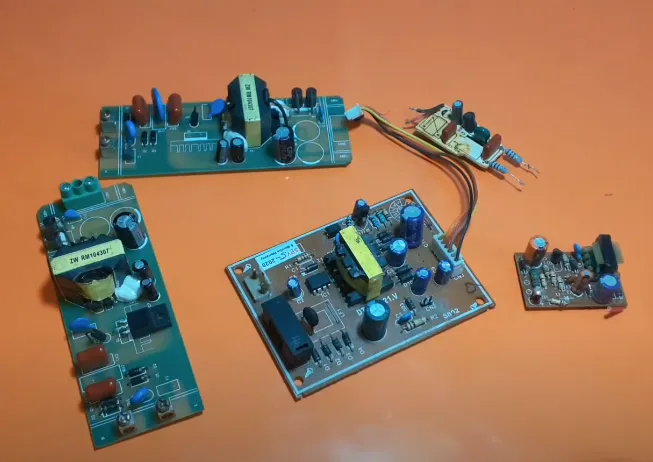
A Comprehensive Guide to Selecting PCB Fuses for Overcurrent Protection