


PCB Assembly
Printed circuit board (PCB) assembly represents a critical phase in electronics manufacturing, where components are mounted onto a board to create functional circuits. This process bridges design and production, ensuring that electronic devices perform reliably in diverse applications. From soldering techniques to component placement, PCB assembly encompasses the methods and technologies that transform bare boards into operational systems. Understanding these elements is essential for engineers, hobbyists, and industry professionals aiming to optimize production efficiency and product quality. Within this category, readers will find a comprehensive collection of guides that detail step-by-step assembly processes, tutorials on advanced tools like surface-mount technology and automated pick-and-place machines, and insights into troubleshooting common issues such as solder joint defects or thermal management challenges. Best practices are highlighted to promote reliability, including strategies for minimizing defects through quality control measures and adhering to industry standards like IPC guidelines. These resources draw from real-world expertise to address both fundamental concepts and cutting-edge innovations in the field. The practical value of mastering PCB assembly extends to numerous sectors, including consumer electronics, automotive systems, medical devices, and aerospace engineering. By applying the knowledge shared here, professionals can reduce manufacturing costs, accelerate time-to-market, and enhance device durability. For instance, effective assembly techniques ensure that circuits withstand environmental stresses, leading to longer-lasting products in demanding conditions. Delving into the articles in this PCB assembly category provides a pathway to deeper technical proficiency. Whether refining prototyping skills or scaling up production, the content equips readers with actionable strategies to tackle real-world challenges and stay ahead in an evolving industry.
Latest Blogs

Key Control Points for the Wave Soldering Process
Guide to wave soldering process control: equipment setup, flux spray and solder pot parameters, thermal profile, dwell time, pre-line checks, and maintenance.

Improving SMT Solder Joint Reliability Through Design and Process: From IMC Growth to HALT/HASA
Explains quality vs reliability, linking solder joint IMC kinetics to system HALT/HASA; covers reflow profiling, connector contacts, and polymer compatibility.

Preventing Mechanical Stress Damage to SMT BGA Solder Joints: PCA Line Control Essentials
Practical, risk-based controls for PCA lines to prevent mechanical-stress BGA solder joint cracks: handling, depaneling, ICT fixtures, strain gage verification.

Using SPC to Stabilize and Improve SMT Reflow Soldering
SPC for SMT reflow soldering: monitor true board heat, use control charts to detect drift, and maintain narrow lead-free windows for consistent solder quality.

SMT Reflow Soldering Temperature Profile: A Practical Guide for Process Engineers
Technical overview of SMT reflow temperature profiles: preheat, soak, time above liquidus, and cooling, with guidance on IMC control and defects like slump and HIP.

PTH Plated-Through-Hole Performance Metrics: The Hidden Lifeline of SMT Reliability
Technical overview of PTH reliability metrics: local minimum copper thickness and ductility to improve SMT yield and long-term PCB reliability.
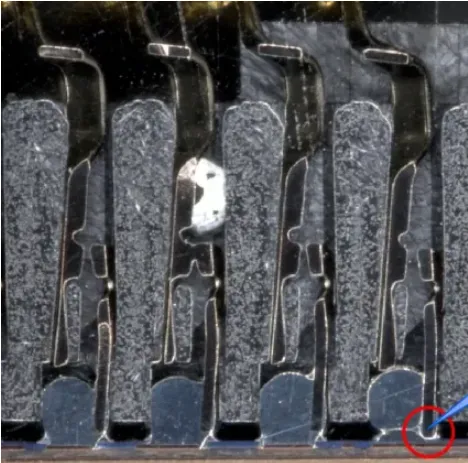
SMT CPU Socket Functional Test Failures: Root Cause and Corrective Action
SMT CPU socket case: intermittent functional test opens from ball-to-pin separation due to pin coplanarity. Oblique X-ray, microsection, and date code analysis confirm root cause.
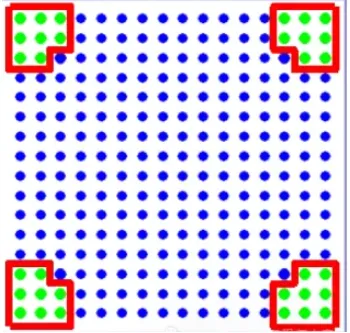
Key PCB Pad Design Guidelines for BGA SMD Components
Lead-free reflow BGA pad design: corner pad reinforcement, SMD vs NSMD solder mask choices, escape routing guidance, and 2.0 mm perimeter keep-outs.

Complete Guide to Pad Design for Through?Hole Parts in SMT (Pin-in-Paste, PIP)
Pin-in-Paste (PIP) SMT design guide: PH ratio targets, pin/hole sizing and shapes, paste-print keepouts, solder mask dams, and board lock and guide pin rules.
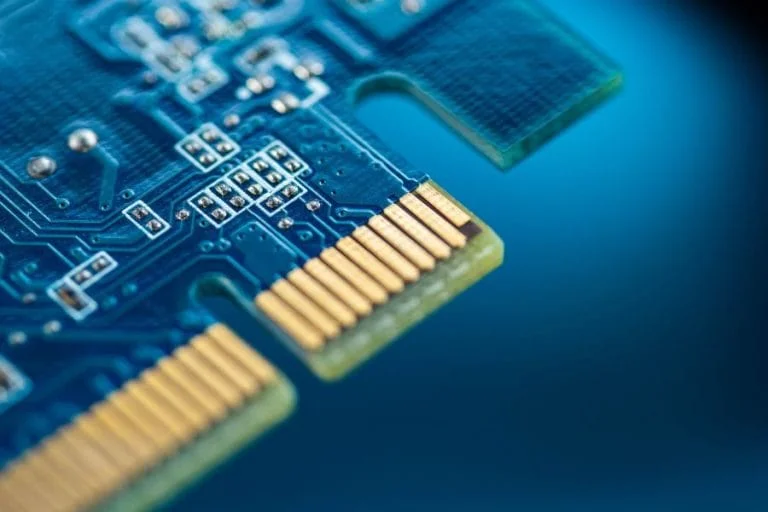
PCB Reliability Testing for SMT: Methods, Criteria, and Process Controls
Engineering guide to PCB reliability testing for SMT: gold-finger nitric acid vapor, solder float vs reflow, CAF 85/85 50V, DWV/IR, thermal shock, IST.
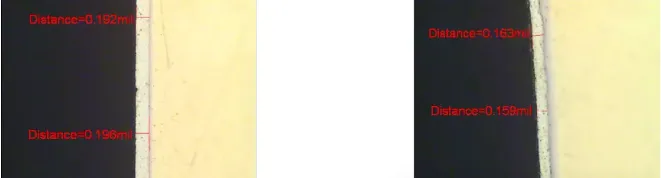
SMT Failure Case Study: Abnormal Plating on Fan Connector Pins After High-Temperature Wave Soldering
CN2 fan connector contact failures after wave soldering: tin plating oxidation formed a white film. Masking, thicker plating, or a gold finish resolved the issue.
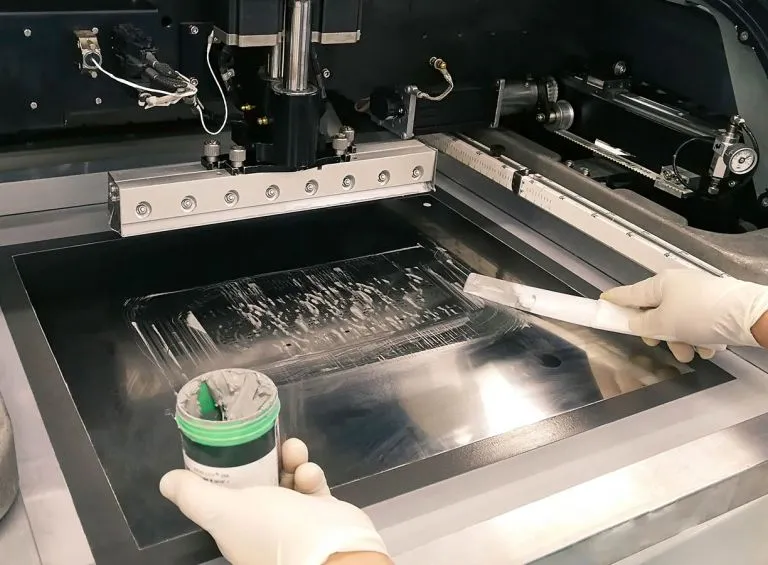
IPC J-STD-005A Explained: Technical Requirements for SMT Solder Paste
Overview of IPC J-STD-005A solder paste: composition, viscosity, particle size, chemical limits, test methods, and acceptance criteria for consistent SMT assembly.


