


PCB Assembly
Printed circuit board (PCB) assembly represents a critical phase in electronics manufacturing, where components are mounted onto a board to create functional circuits. This process bridges design and production, ensuring that electronic devices perform reliably in diverse applications. From soldering techniques to component placement, PCB assembly encompasses the methods and technologies that transform bare boards into operational systems. Understanding these elements is essential for engineers, hobbyists, and industry professionals aiming to optimize production efficiency and product quality. Within this category, readers will find a comprehensive collection of guides that detail step-by-step assembly processes, tutorials on advanced tools like surface-mount technology and automated pick-and-place machines, and insights into troubleshooting common issues such as solder joint defects or thermal management challenges. Best practices are highlighted to promote reliability, including strategies for minimizing defects through quality control measures and adhering to industry standards like IPC guidelines. These resources draw from real-world expertise to address both fundamental concepts and cutting-edge innovations in the field. The practical value of mastering PCB assembly extends to numerous sectors, including consumer electronics, automotive systems, medical devices, and aerospace engineering. By applying the knowledge shared here, professionals can reduce manufacturing costs, accelerate time-to-market, and enhance device durability. For instance, effective assembly techniques ensure that circuits withstand environmental stresses, leading to longer-lasting products in demanding conditions. Delving into the articles in this PCB assembly category provides a pathway to deeper technical proficiency. Whether refining prototyping skills or scaling up production, the content equips readers with actionable strategies to tackle real-world challenges and stay ahead in an evolving industry.
Latest Blogs
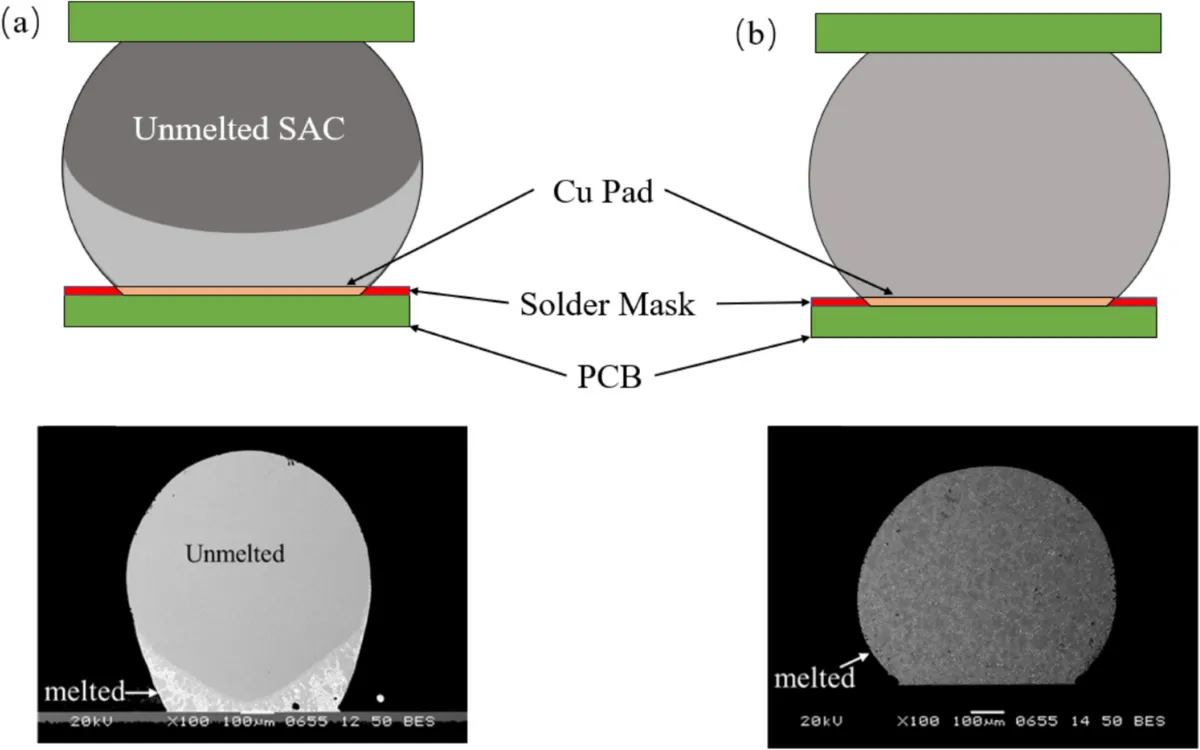
Multiscale Factors Governing the Reliability of Sn-Ag-Cu Solder Alloys
Technical review of Sn-Ag-Cu solder reliability: alloy composition, IMC growth kinetics, thermo-mechanical fatigue, and process controls (reflow, surface finish, underfill).

SMT Solder Open and Tombstoning Improvement Guide: Root Cause Analysis, Countermeasures, and Case Review
SMT solder opens and tombstoning explained: thermal mass imbalance drives asynchronous wetting; mitigations include thermal relief and reflow profile tuning.
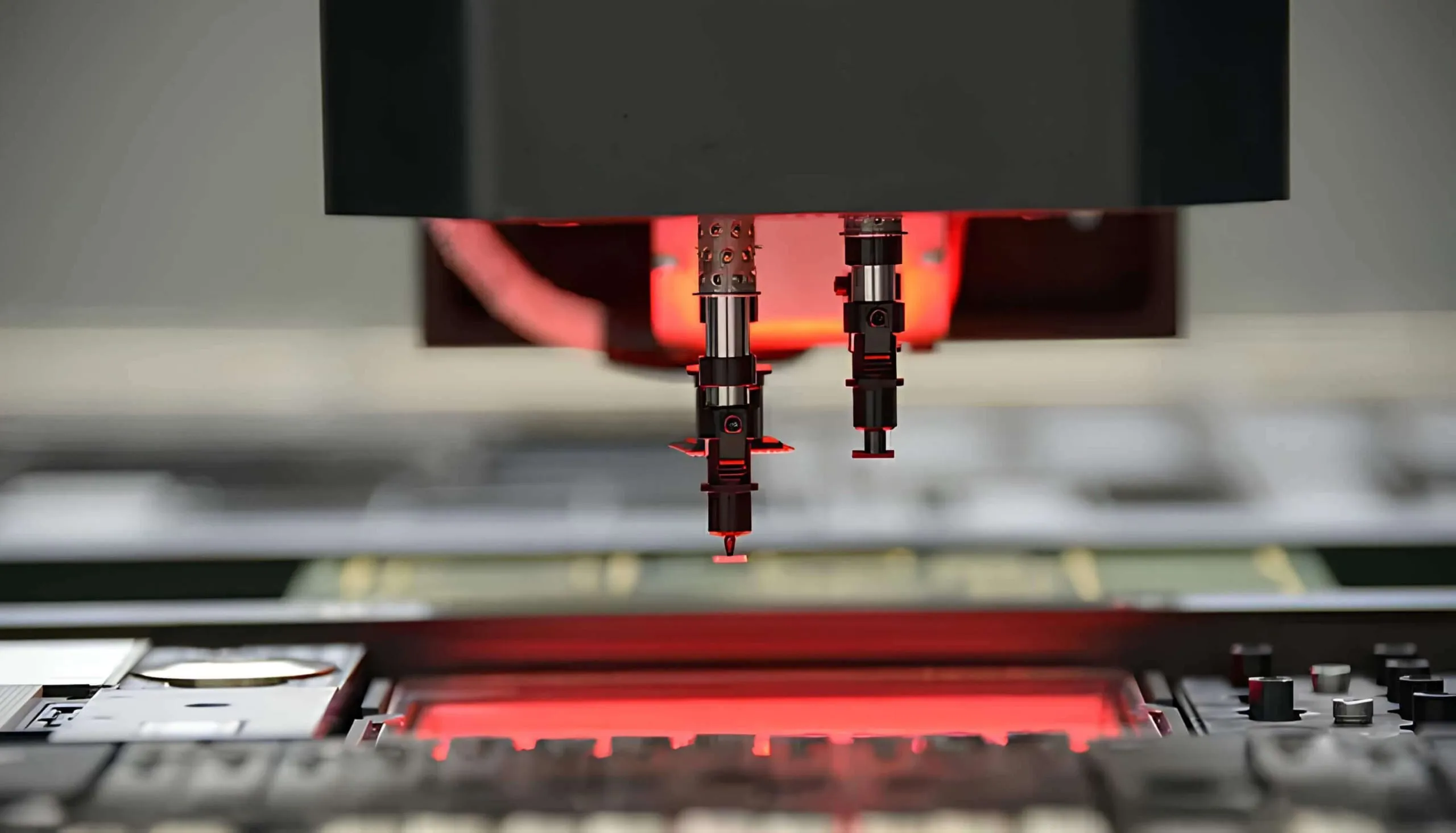
Using Cpk to Reveal the Real Accuracy of SMT Pick-and-Place Machines
Technical guide to validating SMT pick-and-place accuracy using Cpk: test vehicle design, data measurement, analysis, DFM decisions, and preventive maintenance.

DEK Stencil Printer Level/Height Calibration and Solvent Spray Mechanism Upgrade to Prevent Wiping Clogs
DEK stencil printer table level and print height calibration procedures, plus solvent spray-bar redesign and maintenance to prevent clogs and ensure under-stencil cleaning.
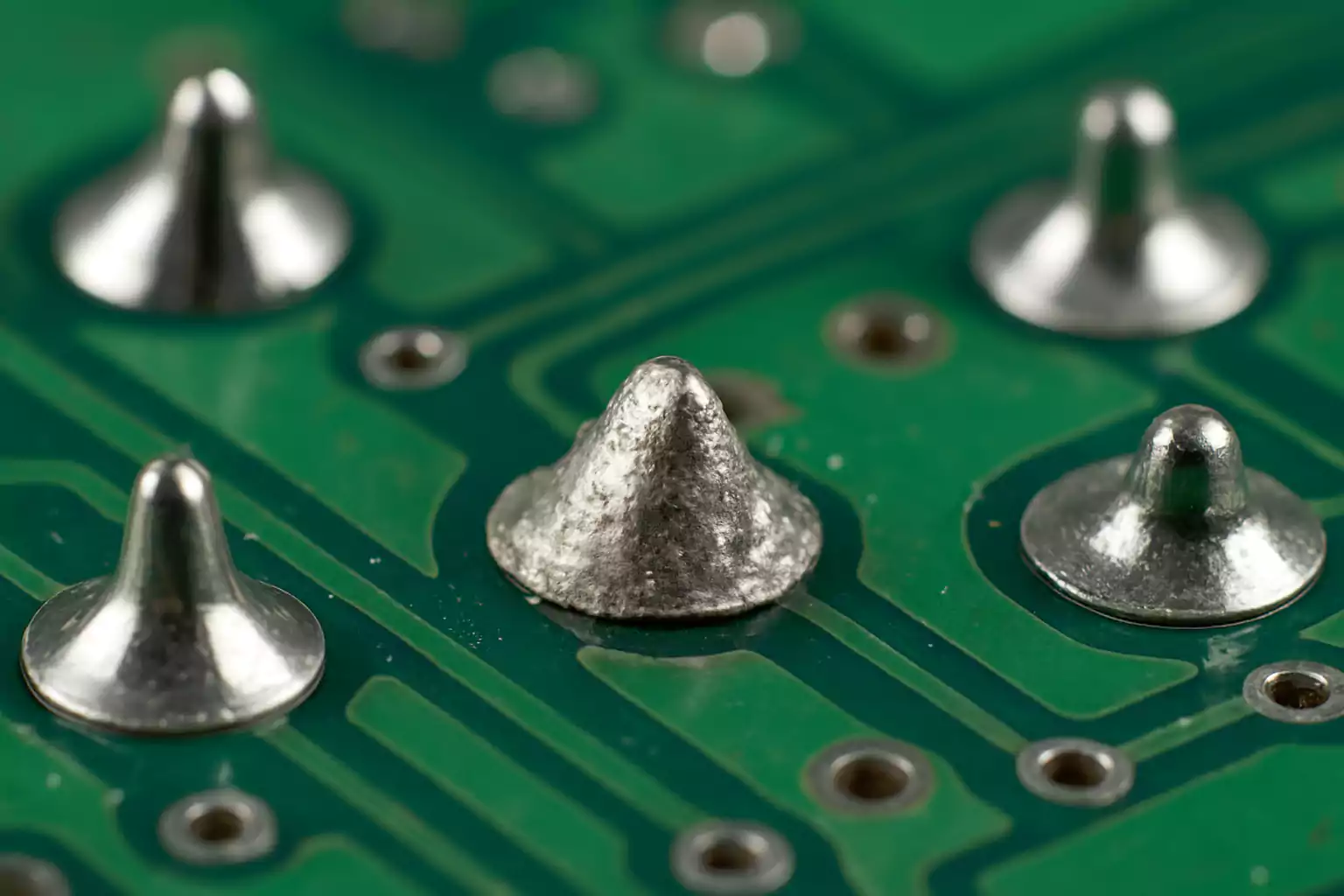
Wave Soldering Fundamentals: Flux Mechanisms, Defect Diagnostics, and a Performance Evaluation Framework
Flux in wave soldering: mechanisms for wetting, heat transfer, oxidation control; diagnosing non-wetting, poor through-hole fill, bridging; evaluation and selection framework
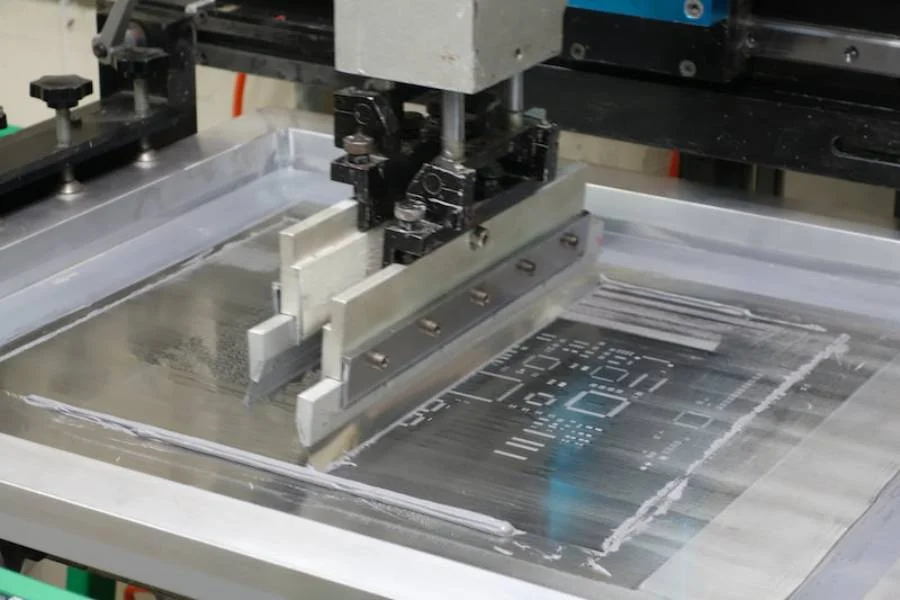
Why SMT Yield Often Stalls: Solder Paste Printing Controls That Directly Impact Quality
Technical guide to solder paste printing control for SMT: FIFO storage, warm-up, stencil tension/cleaning, squeegee and PCB support, with controls tied to higher reflow yield.
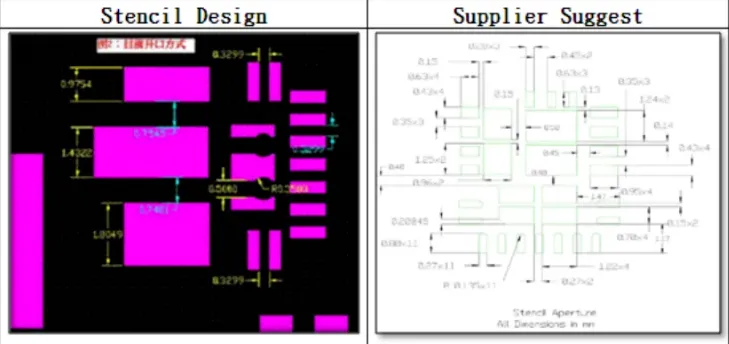
SMT QFN Ground Pad Failure Analysis and Process Improvement Case Study
QFN soldering case study: diagnosing ground pad failures and Vin/SW/PGnd shorts, and optimizing stencil design to improve reflow yield and reliability.

Handling PCB Warpage Out-of-Tolerance Alarms on Fuji NXT Pick-and-Place Machines: Board Height Measurement and Exception Handling
Fuji NXT board height measurement detects PCB warpage; handle reference read failures, out-of-tolerance alarms, and export logs for analysis.
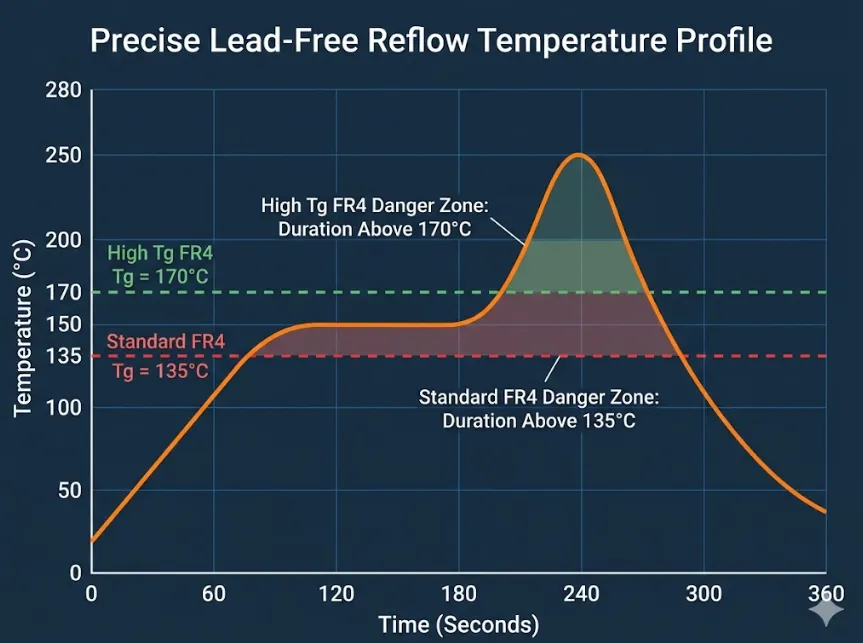
How PCB Tg Affects the SMT Reflow Soldering Process
Explains how PCB glass transition temperature (Tg) impacts SMT reflow: CTE, warpage, coplanarity, interconnect reliability, plus measurement and material selection.
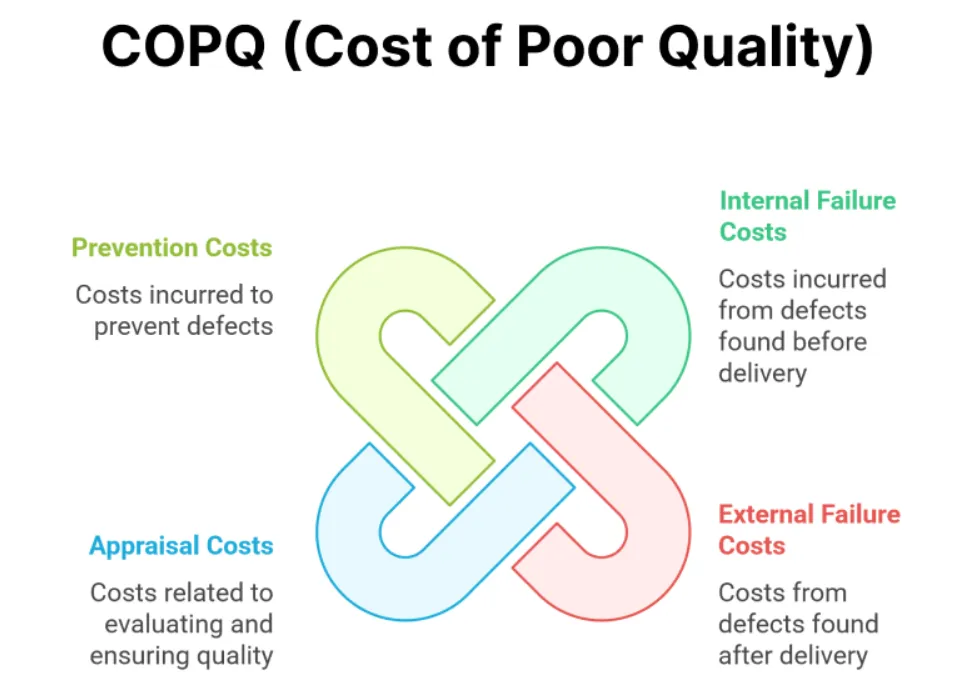
Unmasking the Invisible Killer in SMT Factories: Understanding Cost of Poor Quality (COPQ)
Cost of Poor Quality (COPQ) in SMT manufacturing: definition, categories, measurement steps, and how process capability reduces failure, rework, and escapes.

Lead-Free Component Terminal Plating Materials and Processes: A Practical Guide for SMT Process Engineers
Technical overview of lead-free component terminal finishes and plating: reflow temperature impacts, MSL risks, SAC compatibility, thickness and process control.

Illustrated BGA Soldering Defects and Failure Analysis for SMT Process Engineers
In-depth analysis of BGA soldering defects, causes, and corrective actions, covering SMD vs NSMD pads, solder collapse, voids, and warpage.


