


PCB Assembly
Printed circuit board (PCB) assembly represents a critical phase in electronics manufacturing, where components are mounted onto a board to create functional circuits. This process bridges design and production, ensuring that electronic devices perform reliably in diverse applications. From soldering techniques to component placement, PCB assembly encompasses the methods and technologies that transform bare boards into operational systems. Understanding these elements is essential for engineers, hobbyists, and industry professionals aiming to optimize production efficiency and product quality. Within this category, readers will find a comprehensive collection of guides that detail step-by-step assembly processes, tutorials on advanced tools like surface-mount technology and automated pick-and-place machines, and insights into troubleshooting common issues such as solder joint defects or thermal management challenges. Best practices are highlighted to promote reliability, including strategies for minimizing defects through quality control measures and adhering to industry standards like IPC guidelines. These resources draw from real-world expertise to address both fundamental concepts and cutting-edge innovations in the field. The practical value of mastering PCB assembly extends to numerous sectors, including consumer electronics, automotive systems, medical devices, and aerospace engineering. By applying the knowledge shared here, professionals can reduce manufacturing costs, accelerate time-to-market, and enhance device durability. For instance, effective assembly techniques ensure that circuits withstand environmental stresses, leading to longer-lasting products in demanding conditions. Delving into the articles in this PCB assembly category provides a pathway to deeper technical proficiency. Whether refining prototyping skills or scaling up production, the content equips readers with actionable strategies to tackle real-world challenges and stay ahead in an evolving industry.
Latest Blogs

IPC-9501 Explained: Simulation-Based Evaluation of Electronic Components for PWB Assembly
Technical overview of IPC-9501: preconditioning and simulations (wave/reflow, flux, cleaning), evaluation criteria, workflow, and related standards for PWB assembly reliability.

IPC-9701A: Performance Test Methods and Qualification Requirements for SMT Solder Joints
Technical overview of IPC-9701A test methods for SMT solder joints, covering reliability assessment, standardized procedures, and reporting requirements.
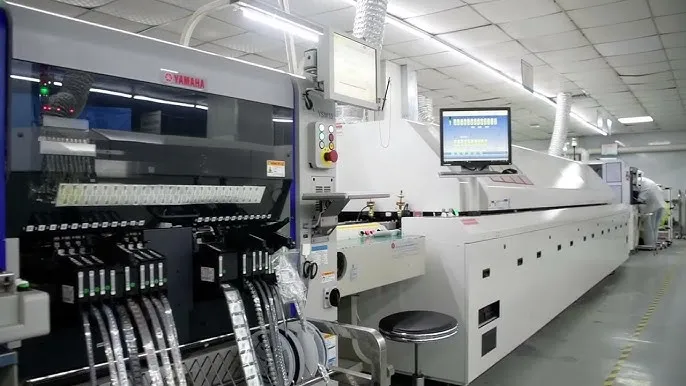
Why SMT Assembly Has Become Increasingly Difficult to Run Profitably
SMT assembly faces tight margins from market saturation, rapid tech shifts, and supply chain volatility; process control practices help stabilize yield.
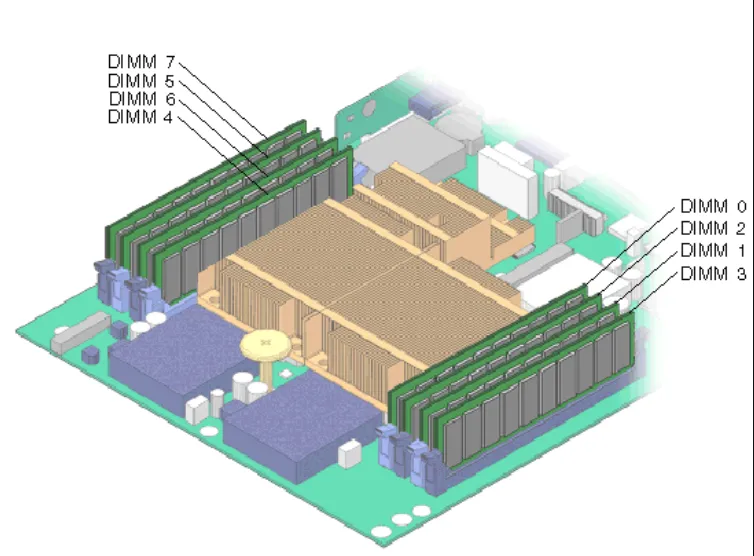
Why You Should Not Place Components Larger Than 3216 Directly Under a BGA
DFM rules for BGA rework: keep components 3216 or larger off the bottom-side footprint and maintain 1/2/4 mm same-side clearance; thermal rationale and PCB checks.
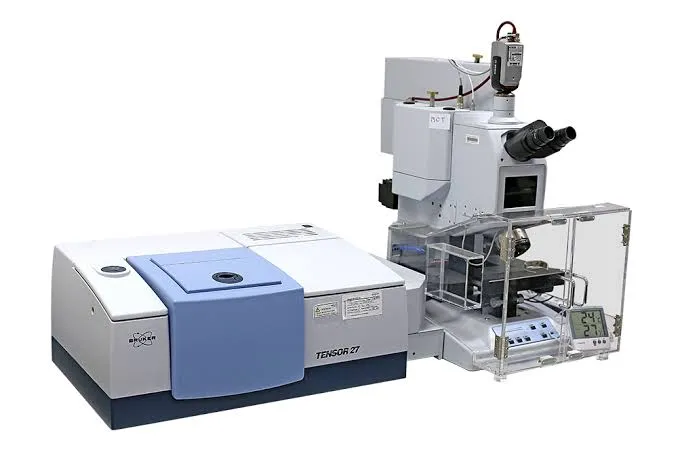
What Is FT-IR Spectroscopy and How Is It Applied in SMT Process Analysis?
FT-IR in SMT: principles and interferometry, with applications in solder paste analysis, solder quality assessment, contamination detection, and process control.
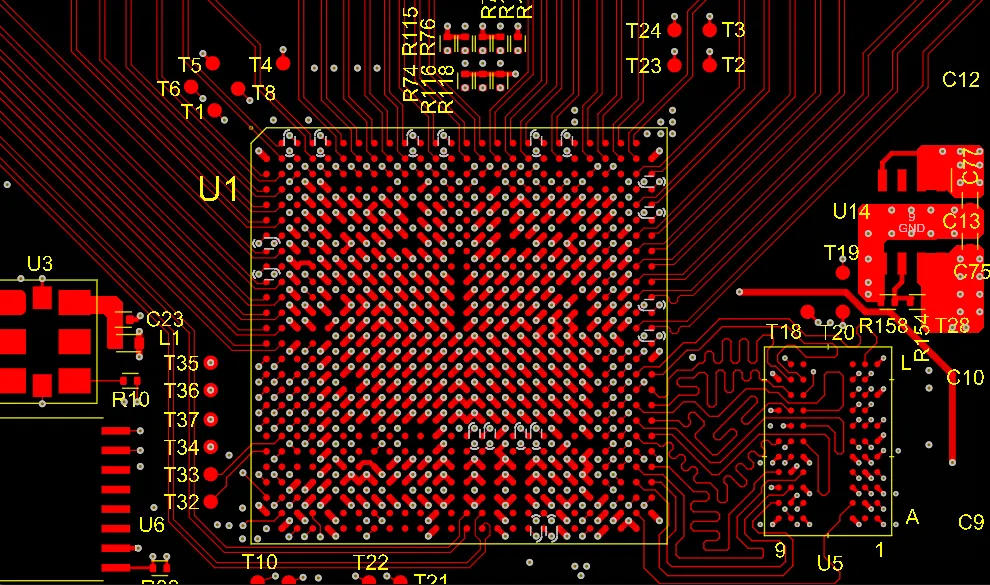
Preventing Missing Print and Insufficient Solder on Micro Pads in SMT as Products Shrink
Root cause of missing print and insufficient solder on SMT micro pads: solder mask topography creates stencil stand-off; mechanism, evidence, and design/process fixes.
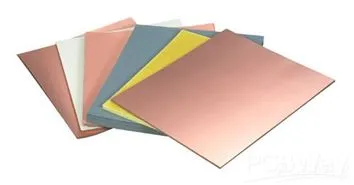
Emergency Substitution Strategies for SMT PCB Laminates: From Performance Matching to Manufacturing Implementation
Guide to substituting SMT PCB laminates during shortages: match Tg and Dk/Df, validate with trial builds and reliability tests, and reinforce supply chain risk controls.
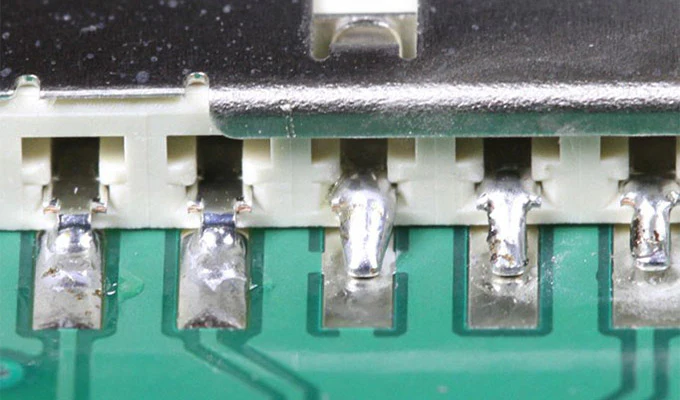
SMT Resistor Array Open Solder Defect Analysis and Corrective Actions: A Practical Case Study
SMT case study: 8-pin resistor array misplacement and open solder traced to carrier tape tolerance and stencil area ratio; aperture optimization implemented, yield stabilized.

SMT Reflow Soldering Process Control: Key Points Every Engineer Should Know
SMT reflow soldering process control essentials: temperature profiling, thermocouple placement, oven parameters, oxygen control, and leaded/lead-free profile specifications.

Side-Wetting Soldering of QFN Packages and Solder Joint Reliability Analysis
Technical overview of QFN side-wetting and board-level reliability, covering package structure, singulation, paste/printing controls, wettable flanks, and PCB design.
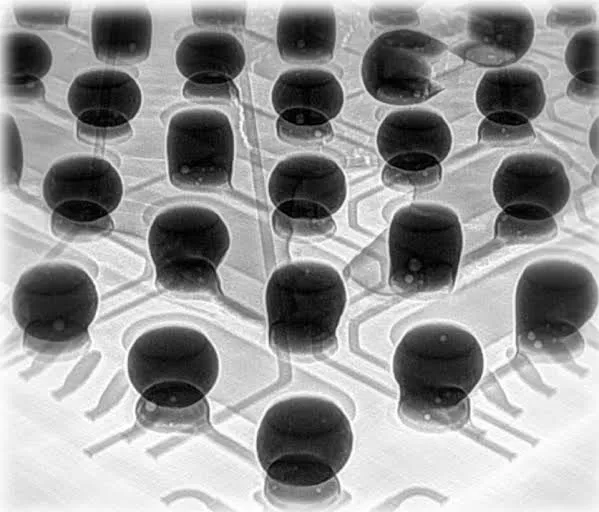
SMT BGA Head-in-Pillow (HIP) Defect: Mechanism, Detection, and Process Solutions
Technical guide to Head-in-Pillow (HIP) in BGA/CSP reflow: mechanisms (warpage/oxidation), detection (3D X-ray, dye), and process fixes in stencil, paste, and reflow profile.
Flux Acid Value Testing for Wave Soldering: Procedure and Acceptance Criteria
Acid value testing for wave soldering flux: purpose, incoming inspection, titration steps, mg KOH/g calculation, acceptance criteria, and lab precautions.


