







PCB Knowledge
Printed circuit boards (PCBs) form the backbone of modern electronics, enabling everything from smartphones to industrial machinery. In our PCB Knowledge category, we delve into the essential principles, techniques, and innovations that drive this field forward. Whether you are an engineer refining your designs or a hobbyist embarking on your first project, this collection offers valuable resources to enhance your understanding and skills. The scope of PCB Knowledge spans foundational concepts such as circuit layout and component selection, extending to advanced topics like high-speed signal integrity and thermal management. We provide detailed guides that walk through design software usage, manufacturing processes, and quality assurance methods. Tutorials offer hands-on instructions for prototyping and assembly, while insights from industry experts share real-world case studies and emerging trends. Best practices emphasize reliability, cost efficiency, and compliance with standards like IPC, ensuring your projects meet professional benchmarks. The practical value lies in its direct applicability to everyday challenges. For instance, articles on troubleshooting common PCB failures can save time and resources in product development cycles. Discussions on materials science reveal how choices in substrates and coatings impact performance in harsh environments, such as automotive or aerospace applications. By addressing these elements, PCB Knowledge equips you with tools to innovate and optimize electronic systems that power renewable energy solutions, medical devices, and consumer gadgets. As you read through the articles here, you will gain a comprehensive perspective that connects theoretical knowledge with tangible outcomes. This category serves as a hub for ongoing learning, where each piece builds on the others to foster expertise in PCB technology. Stay informed on the latest advancements, from flexible PCBs to sustainable manufacturing, and apply these insights to your work for superior results.
Latest Blogs
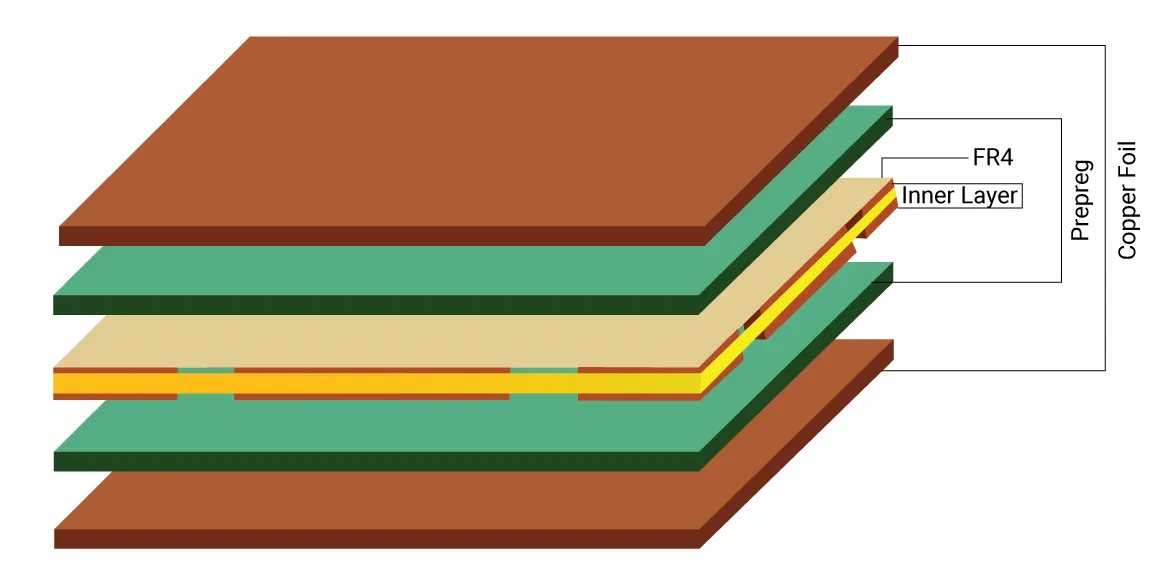
Copper Foil Thickness: What Every Electronic Hobbyist Needs to Know
Copper foil thickness matters for DIY PCB etching and electronic hobby projects. This guide covers copper clad board thickness options, best picks for Arduino builds, etching tips, experiments, and fixes for common issues. Build reliable prototypes with practical advice on standards and testing.
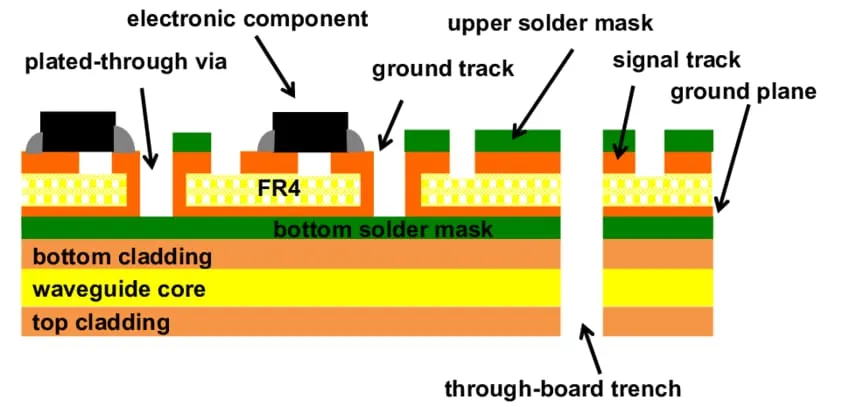
How to Calculate the Ideal Copper Foil Thickness for Your PCB Project
Calculate ideal copper foil thickness for PCBs with this practical guide. Use PCB trace width calculators, copper thickness calculators, and current carrying capacity tools based on IPC-2152 charts for accurate trace sizing, thermal management, and reliable high-current designs without excess costs.
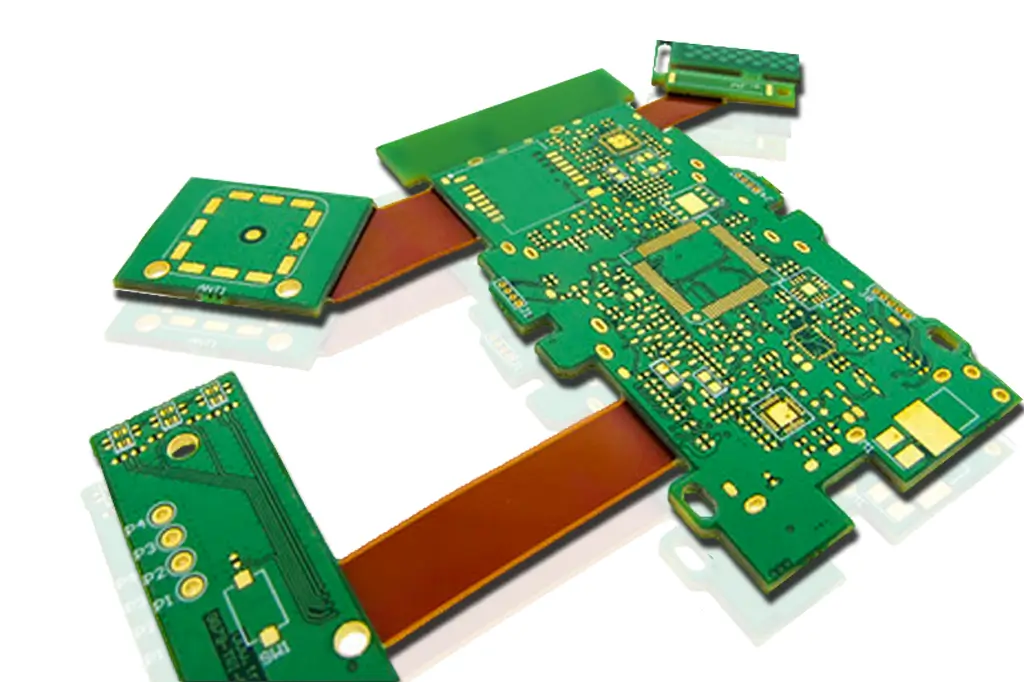
The Role of 1 oz Copper in Flexible PCBs: Benefits and Challenges
Flexible PCB 1 oz copper delivers conductivity and cost benefits for flex circuits in electronics. It handles currents well but limits bending radius in tight designs. Review flex PCB design tips, material selection strategies, and applications for wearables and sensors to ensure reliability.
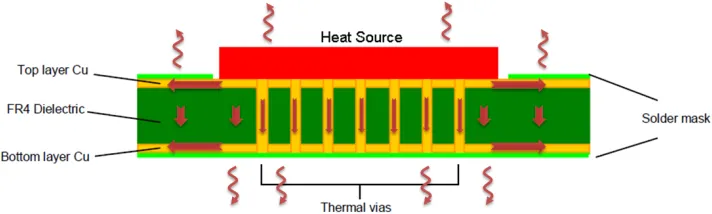
Thermal Management in Surgical Robot PCBs: Preventing Overheating and Ensuring Performance
Surgical robot PCB thermal management prevents overheating and ensures reliable performance. Key techniques cover thermal vias, component placement for heat reduction, PCB heat dissipation strategies, and high-power PCB design principles for precision in demanding applications.

Precision Motion Control: Optimizing Surgical Robot PCB Design for Enhanced Accuracy
Surgical robot PCB motion control demands precision design for accurate robotic movements. This guide covers stackup strategies, signal integrity, feedback systems, robotic arm layouts, and latency reduction in surgical robot PCBs. Electric engineers gain actionable insights for reliable high-performance boards.

Medical Device PCB Design Considerations
Medical device PCB design demands strong signal integrity, EMI/RFI management, and power management for safety and performance. Electric engineers get practical stackup strategies, layout tips, mitigation techniques, testing protocols, and FAQs to build compliant boards meeting IPC and IEC standards.
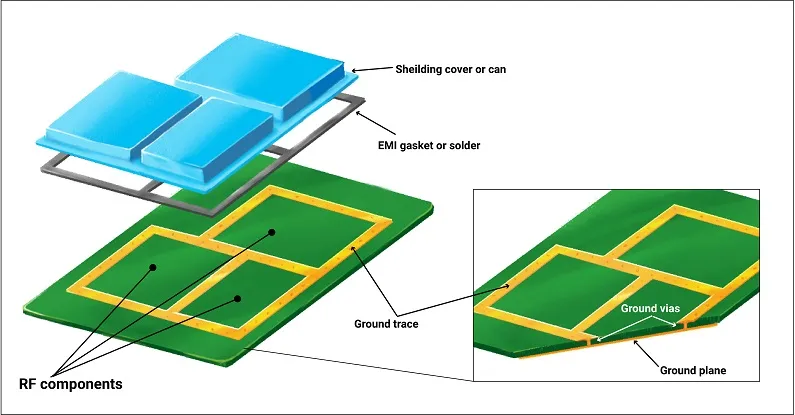
Advanced Techniques for Optimizing Power Supply PCB Layout
Power supply PCB layout best practices cover grounding techniques and EMI reduction for reliable designs. Optimize component placement, trace widths, layer stackups, and thermal management to cut noise, boost efficiency, and meet standards in high power applications. Ideal for electric engineers.

Conformal Coating: Protecting Industrial Automation Controller PCBs from Harsh Environments
PCB conformal coating types deliver moisture protection, chemical resistance, and environmental safeguards for industrial automation controller PCBs. This guide details coating application techniques, best practices, troubleshooting, and standards compliance to boost reliability in demanding factory conditions.

PCB Traceability in MRI Machine Manufacturing: Ensuring Quality and Compliance
In MRI machine manufacturing, PCB traceability provides full visibility from materials to final tests. It enables lot tracking, quality control, and medical PCB documentation to meet regulatory compliance for MRI PCBs. Electric engineers use it for fast defect analysis and reliable production.
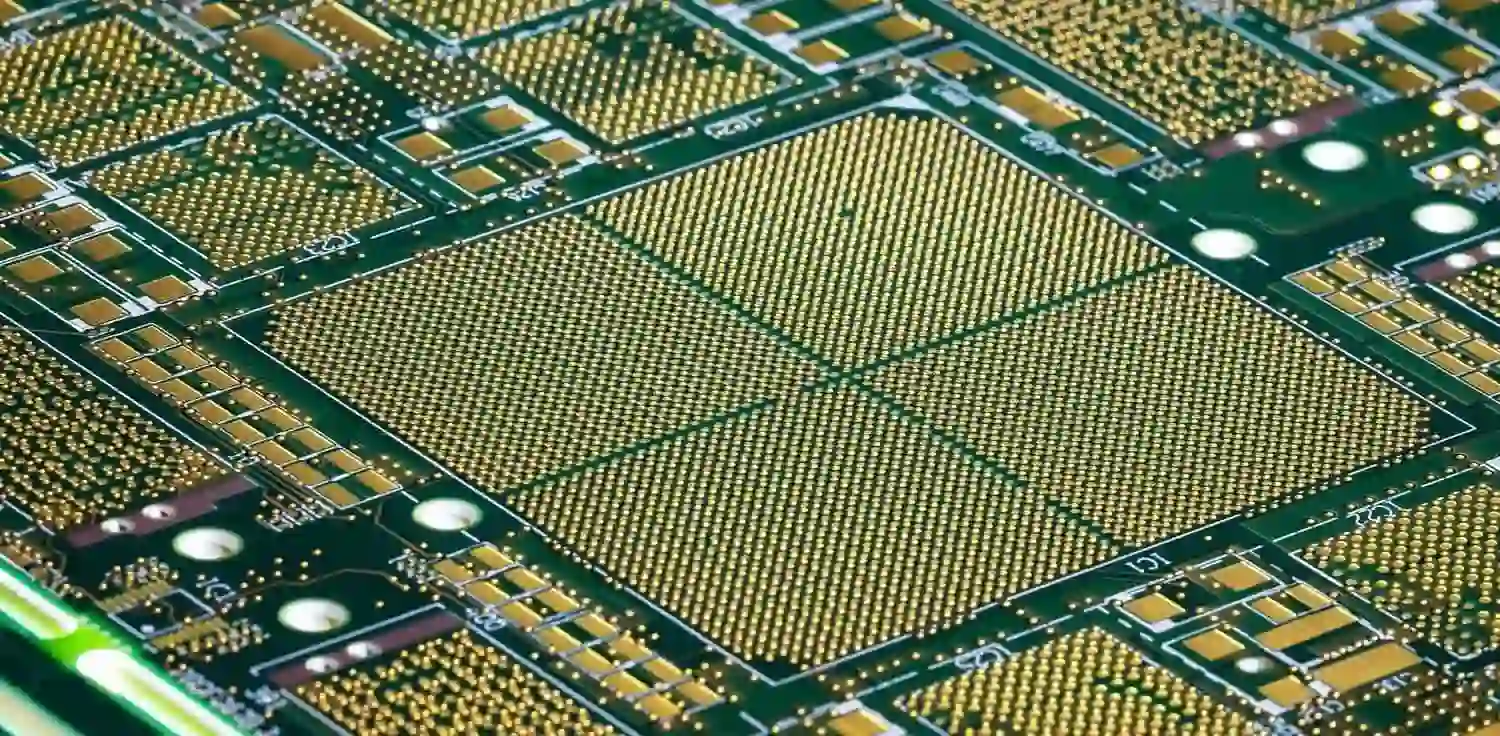
High Density Interconnect (HDI) PCBs in MRI Machines: Advantages and Challenges
HDI PCB for MRI machines pack more components into smaller spaces for superior signal integrity and reduced EMI in high-field scanners. Key advantages include density gains and reliability improvements. Challenges cover manufacturing costs microvias reliability and thermal issues. Review HDI PCB design rules and production best practices for electric engineers.
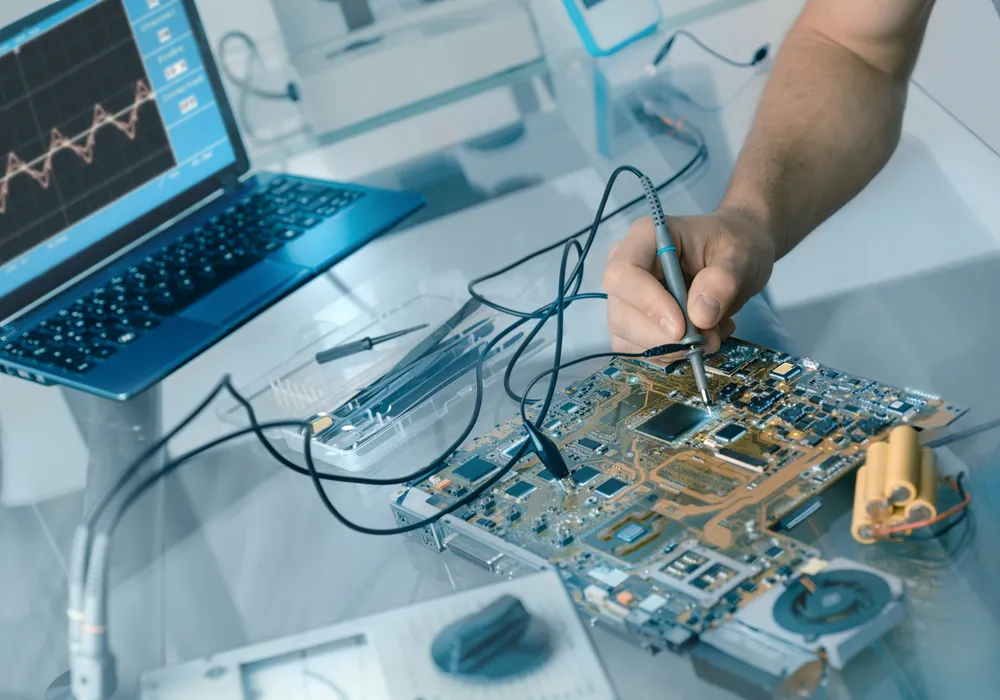
EMC/EMI Considerations for MRI Machine PCBs: Ensuring Regulatory Compliance
MRI PCB EMC design tackles EMI challenges in MRI machines using shielding techniques, grounding strategies, and EMC testing for regulatory compliance. Electric engineers find practical solutions for emissions control, immunity, and reliable performance in high-field settings. Includes standards and FAQs.

The Role of Multi Layer PCBs in Battery Charger Design: Advantages and Considerations
Multi-layer PCB design offers key benefits for battery chargers, including signal integrity multi-layer control, power distribution multi-layer efficiency, and EMI reduction multi-layer shielding. This article details PCB stack-up strategies, design considerations, best practices, and FAQs for electric engineers building reliable systems. (198 characters)


