







PCB Knowledge
Printed circuit boards (PCBs) form the backbone of modern electronics, enabling everything from smartphones to industrial machinery. In our PCB Knowledge category, we delve into the essential principles, techniques, and innovations that drive this field forward. Whether you are an engineer refining your designs or a hobbyist embarking on your first project, this collection offers valuable resources to enhance your understanding and skills. The scope of PCB Knowledge spans foundational concepts such as circuit layout and component selection, extending to advanced topics like high-speed signal integrity and thermal management. We provide detailed guides that walk through design software usage, manufacturing processes, and quality assurance methods. Tutorials offer hands-on instructions for prototyping and assembly, while insights from industry experts share real-world case studies and emerging trends. Best practices emphasize reliability, cost efficiency, and compliance with standards like IPC, ensuring your projects meet professional benchmarks. The practical value lies in its direct applicability to everyday challenges. For instance, articles on troubleshooting common PCB failures can save time and resources in product development cycles. Discussions on materials science reveal how choices in substrates and coatings impact performance in harsh environments, such as automotive or aerospace applications. By addressing these elements, PCB Knowledge equips you with tools to innovate and optimize electronic systems that power renewable energy solutions, medical devices, and consumer gadgets. As you read through the articles here, you will gain a comprehensive perspective that connects theoretical knowledge with tangible outcomes. This category serves as a hub for ongoing learning, where each piece builds on the others to foster expertise in PCB technology. Stay informed on the latest advancements, from flexible PCBs to sustainable manufacturing, and apply these insights to your work for superior results.
Latest Blogs

Troubleshooting Common Issues in Battery Charger PCBs: A Practical Guide
Master battery charger PCB troubleshooting with expert strategies for short circuit PCB, open circuit PCB, and component failure problems. Learn visual inspections, multimeter tests, thermal imaging, and repair methods aligned with IPC standards for safer, longer-lasting chargers.
Optimizing Component Selection for Battery Charger PCBs: A Deep Dive
This article details battery charger PCB components selection, covering MOSFET selection, capacitor selection, inductor selection, diode selection, and component sourcing. Engineers find practical tips on efficiency, thermal management, and reliability for robust charger designs.

Improving Power Integrity in Your Power Supply PCB: A Comprehensive Guide
Follow best practices for power supply PCB power integrity including voltage regulation, noise reduction, and decoupling capacitors. Optimize PDN design, stackups, layout, and troubleshooting for stable voltage, low impedance, and reliable power in electronic boards. Essential for electric engineers.

Troubleshooting Common Issues in Power Supply PCBs: A Practical Guide
Discover how to troubleshoot common power supply PCB problems like overheating, voltage drops, capacitor failure, and erratic output. This practical guide walks engineers through visual inspection, multimeter tests, oscilloscope analysis, and proven repair techniques to quickly restore reliability and minimize downtime in power-critical systems.
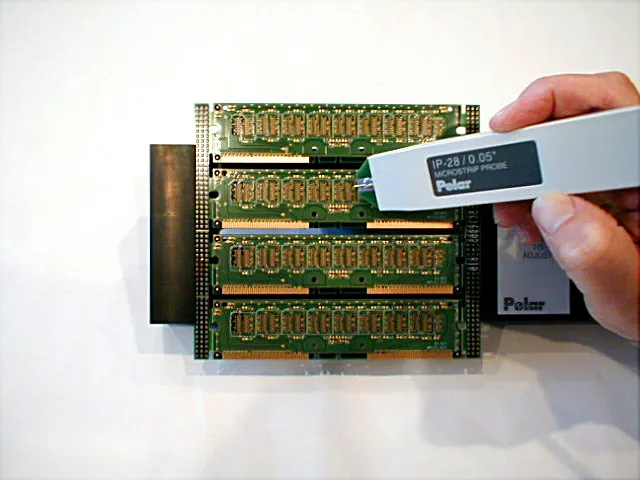
Test and Measurement PCB: Techniques for Optimizing Performance and Reducing Errors
Practical PCB testing techniques address signal distortion, inaccurate voltage, and power issues in test and measurement PCBs. Electric engineers minimize PCB errors and optimize PCB performance through TDR, Kelvin probing, PDN analysis, and best practices for reliable results.
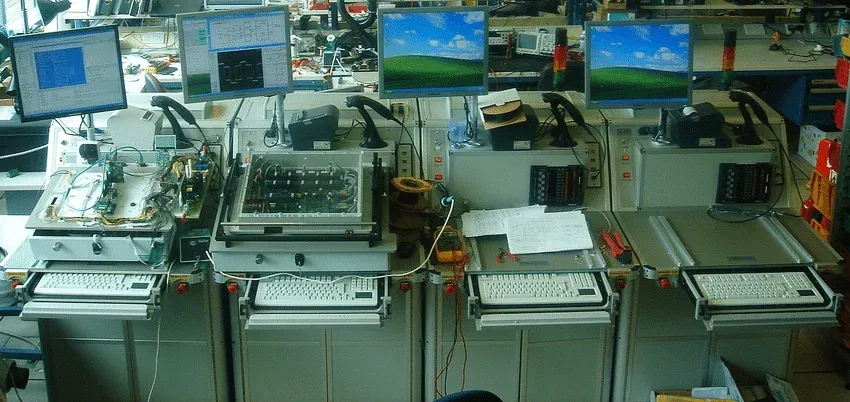
The Ultimate Guide to Test and Measurement in PCB Design: Ensuring Quality and Reliability
This guide details PCB design for testability (DFT), signal integrity testing in PCB design, impedance testing for PCB, in-circuit testing (ICT) explained, and functional testing of PCBs. Electrical engineers get structured methods to verify quality, catch defects early, and achieve reliable production outcomes.
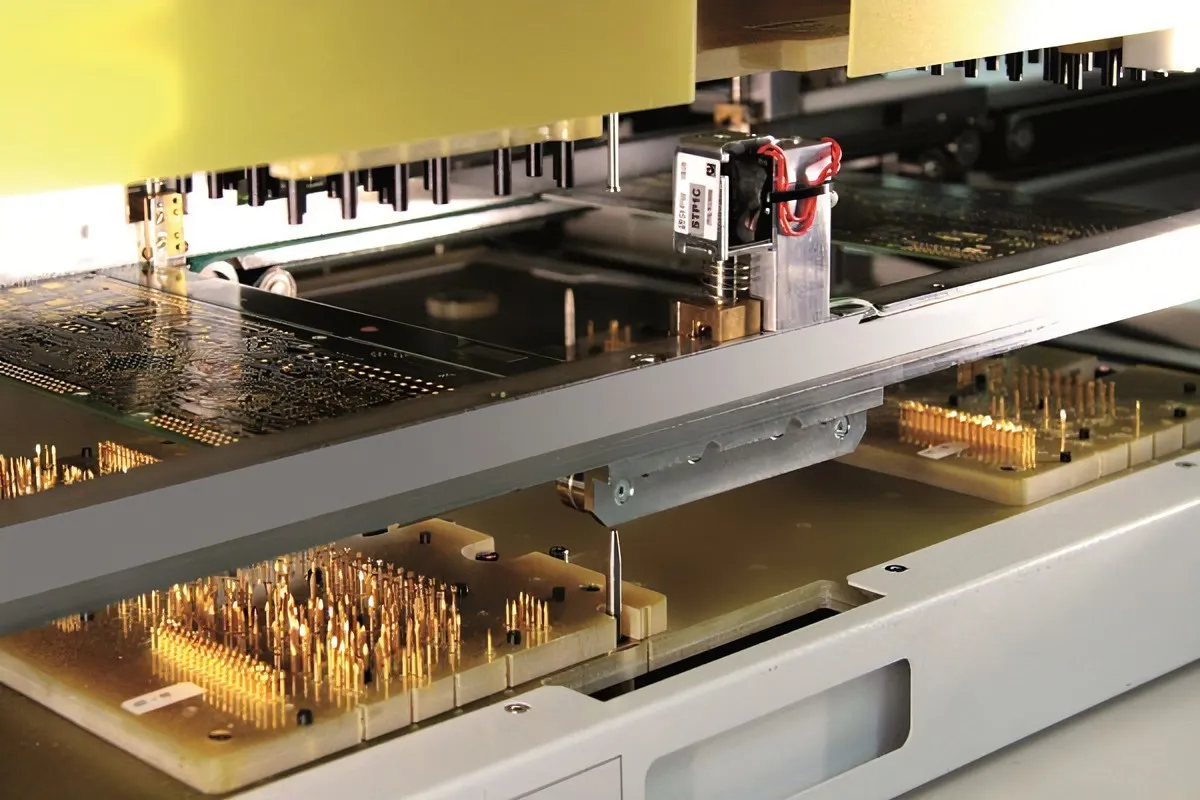
Demystifying Test and Measurement PCBs: A Comprehensive Guide for Electrical Engineers
Compare PCB testing methods, explore measurement equipment options, and apply best practices for standards compliance. This guide equips electrical engineers with advanced techniques to validate PCBs, boost reliability, and minimize production defects effectively.
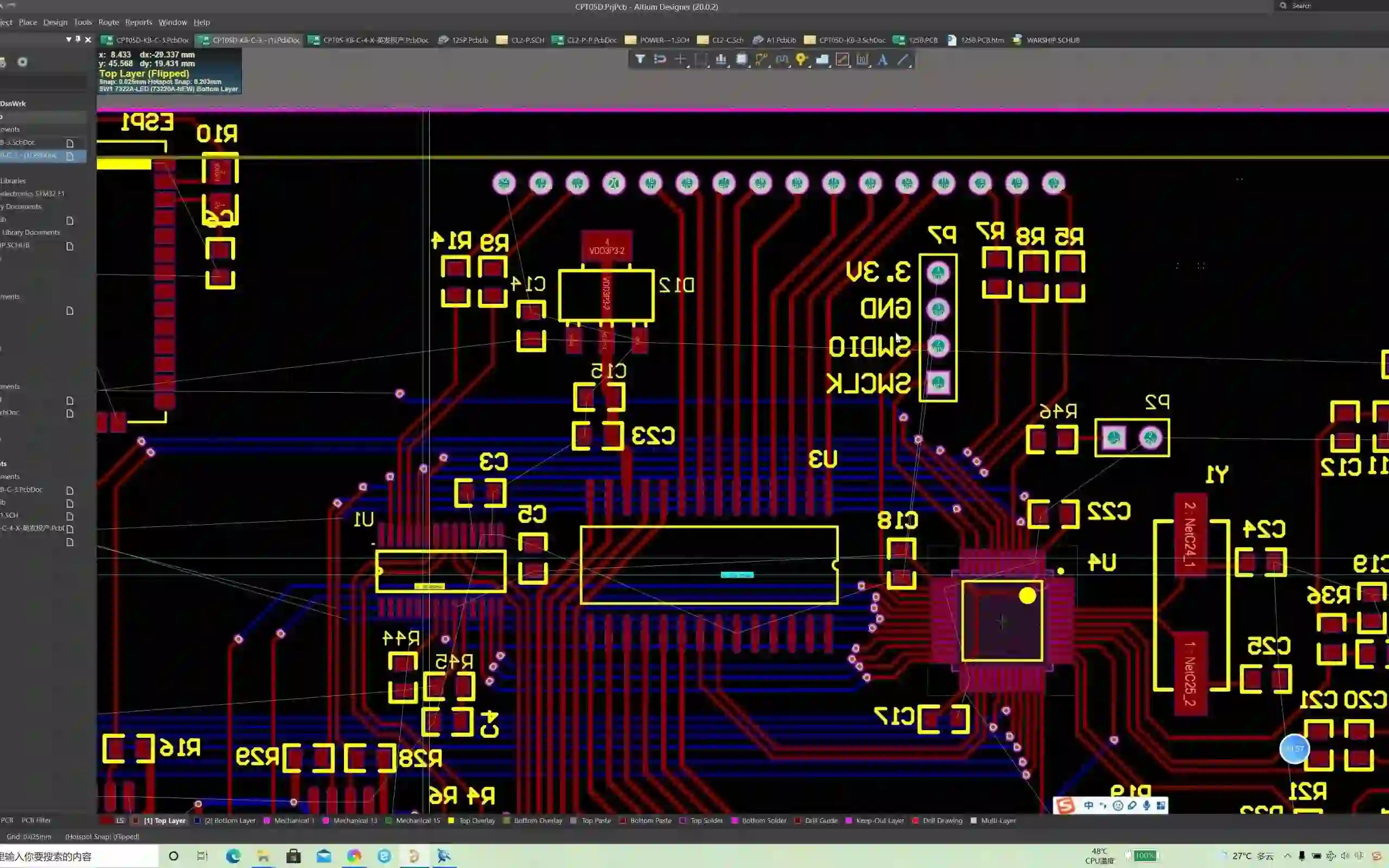
Mastering Double Sided PCB Assembly: Techniques and Best Practices
Double-sided PCB assembly techniques cover SMT placement, reflow and wave soldering for through-hole parts, sequencing steps, inspections, and defect fixes. Follow these PCB assembly best practices to cut rework, raise yields, and build reliable boards for electronics projects.
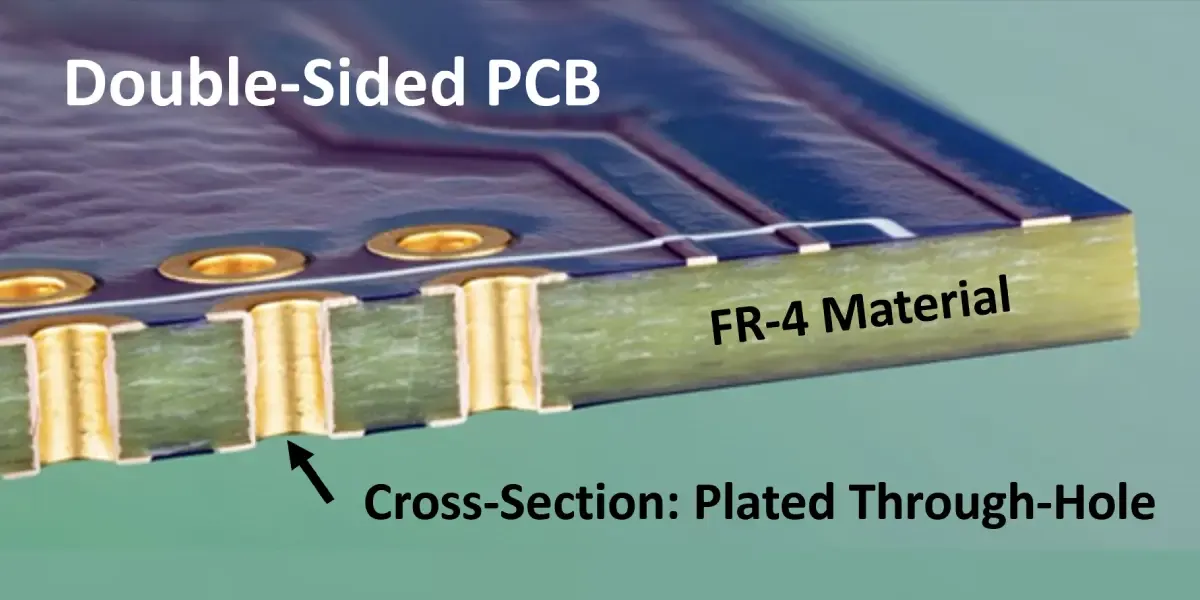
Unlocking Compact Designs: A Deep Dive into Double Sided PCBs
Double-sided PCB advantages deliver higher component density and flexible routing options for space-saving PCB design. Electrical engineers find practical details on applications in electronics, technical principles, manufacturing aligned with IPC standards, and troubleshooting methods. Ideal for optimizing board layouts in consumer and industrial products.
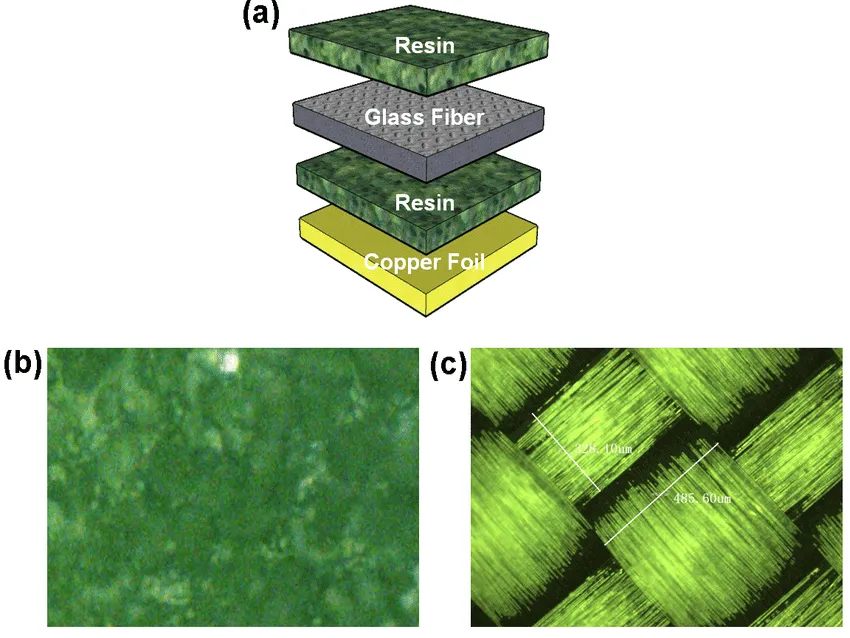
The Role of Substrates in Single Sided PCB Design
Single-sided PCB substrate materials like FR4 and CEM-1 define board reliability strength and cost. This guide details their properties thickness impacts technical principles best practices and troubleshooting tips for engineers ensuring stable performance in simple circuits.
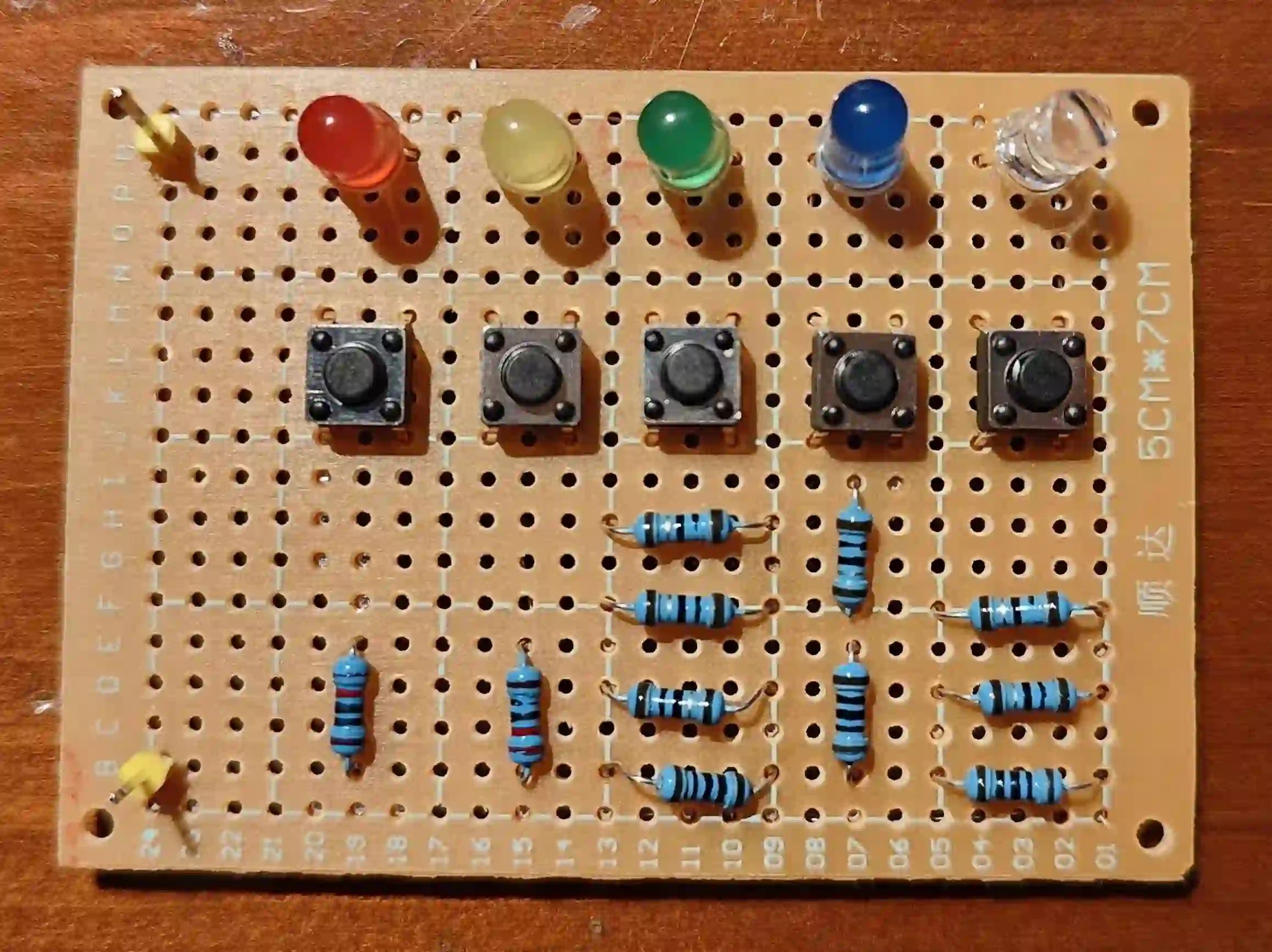
Single Sided PCB Assembly: A Step by Step Guide
Follow this detailed step by step guide to the single sided PCB assembly process for electronic hobbyists. It covers component mounting, soldering techniques, required equipment, best practices, and troubleshooting to build reliable simple circuits at home.
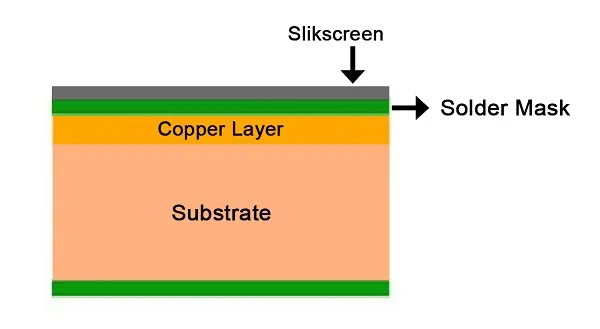
Designing for Manufacturability: Single Sided PCB Best Practices
Follow single sided PCB design rules and best practices for reliable manufacturability. Includes free design software options, tutorials, checklists, and standards for electric engineers to create production ready boards with higher yields and fewer defects.


