 00:58
00:58
Copper Traces
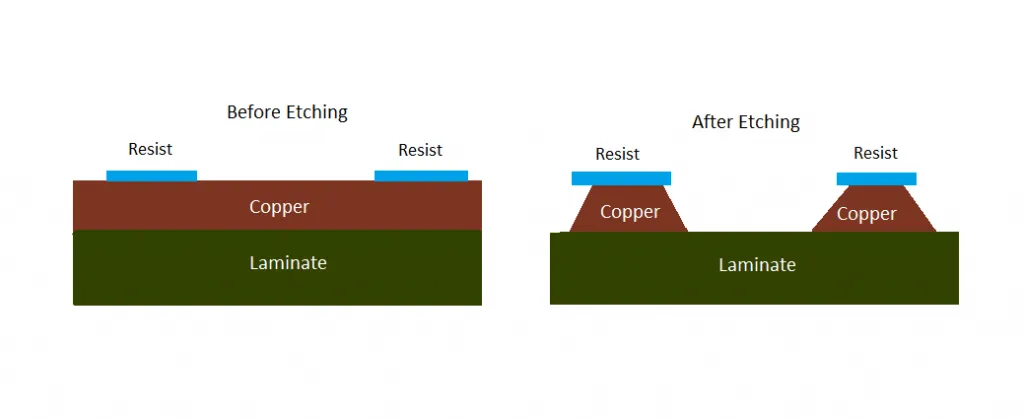
Copper traces form the essential conductive pathways on printed circuit boards (PCBs), enabling the flow of electrical signals between components. These thin lines of copper, etched onto insulating substrates, are fundamental to the functionality of virtually all electronic devices, from simple gadgets to complex systems in aerospace and telecommunications. Understanding copper traces is crucial for engineers, hobbyists, and designers who need to ensure reliable performance, minimize signal interference, and optimize board layouts. This tag page gathers in-depth resources on copper traces, addressing common questions and challenges faced by those working in electronics design and manufacturing. For practical applications, copper traces must be designed with considerations such as trace width, thickness, and spacing to handle specific current loads and prevent overheating or voltage drops. Best practices include calculating trace impedance for high-speed circuits to maintain signal integrity, especially in multilayer boards where traces route through vias and layers. Professionals often use tools like PCB design software to simulate trace behavior under various conditions, helping to avoid issues like electromagnetic interference or crosstalk. By following standards such as those from IPC, designers can achieve durable traces that withstand environmental stresses, including thermal cycling and mechanical vibrations. This collection of articles provides actionable insights into selecting copper foil types, implementing ground planes for better noise reduction, and troubleshooting common trace failures like opens or shorts. Whether you are optimizing traces for power distribution in automotive electronics or refining layouts for compact IoT devices, these resources offer guidance based on real-world examples and industry expertise. Browsing through the tagged content can help refine your approach to PCB design, leading to more efficient and robust electronic assemblies.
Video Guide

Technical Articles
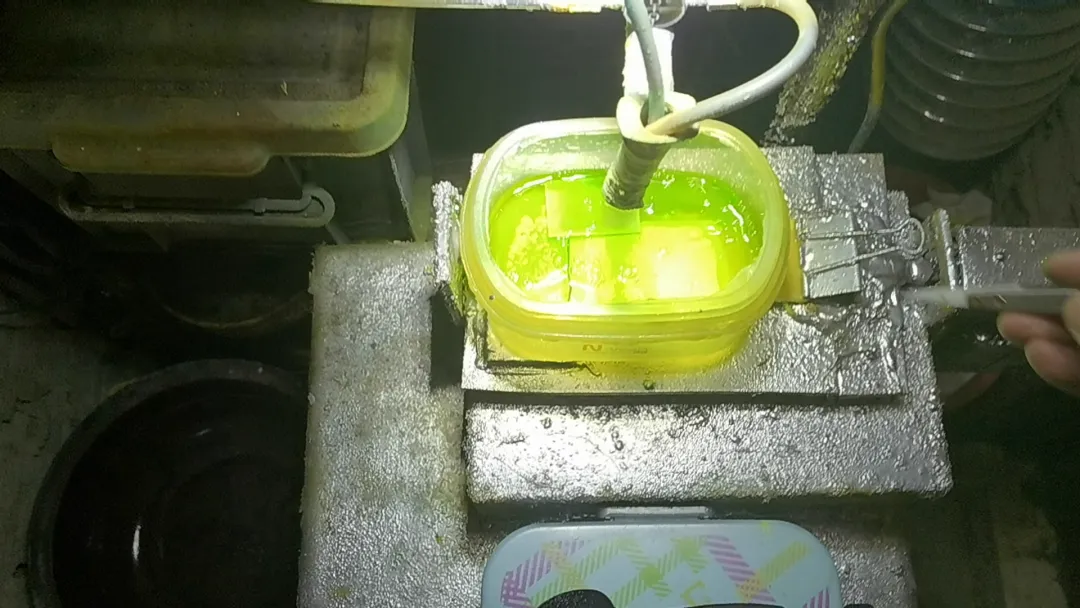
Using a Glass Fiber Mesh to Improve PCB Etching Speed and Uniformity
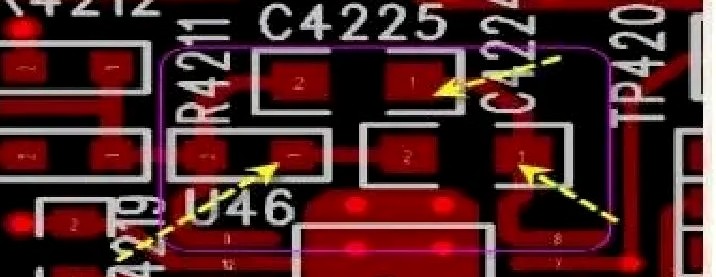
Power Module PCB Design: From Theory to Practice
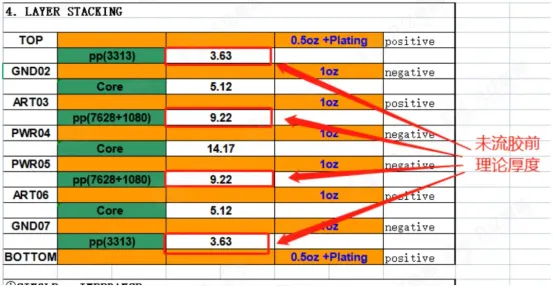
How PCB Copper Thickness Affects Current, Heat, and Strength
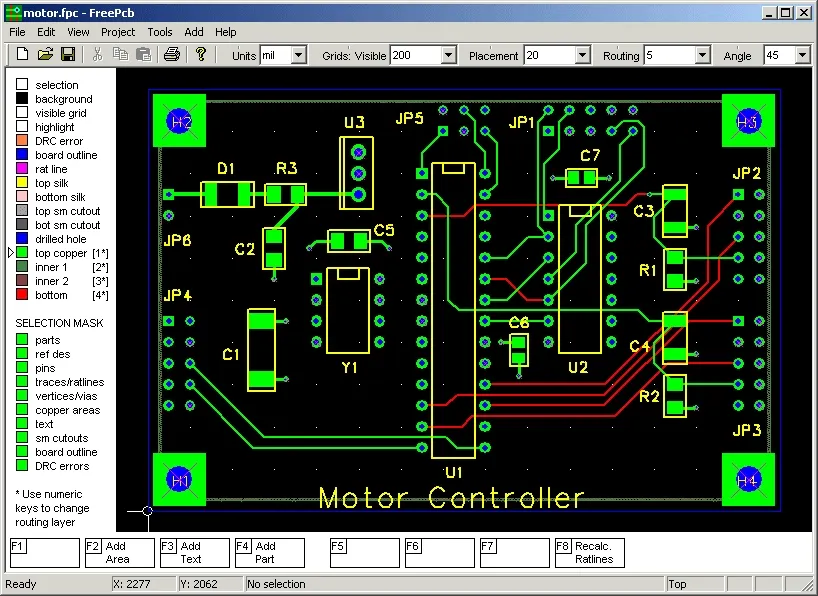
PCB Board Design for Beginners
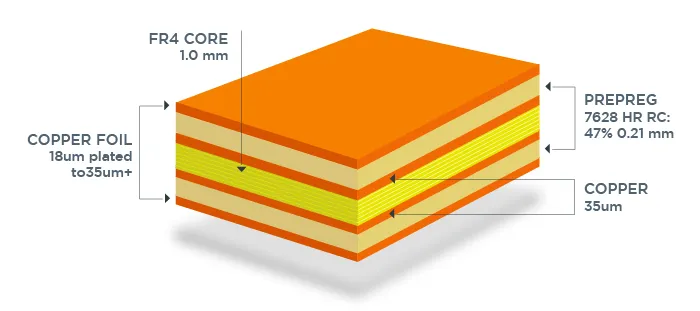
Copper Thickness in Mils: A Comparison of Different PCB Standards (IPC vs. Others)