EMI
Electromagnetic interference, commonly known as EMI, poses a significant challenge in the design and operation of printed circuit boards and electronic systems. This tag encompasses a range of topics related to understanding, mitigating, and managing EMI to ensure reliable performance in various applications. For engineers, hobbyists, and professionals searching for EMI solutions, the content here provides essential knowledge on how electromagnetic waves from sources like power lines, radio frequencies, or nearby devices can disrupt signal integrity, leading to malfunctions or compliance failures. Key aspects covered include the fundamentals of EMI sources, such as radiated and conducted interference, and their impact on sensitive components like microcontrollers, sensors, and communication modules. Practical strategies for EMI reduction are highlighted, including effective PCB layout techniques such as multilayer stackups, proper trace routing to minimize loop areas, and the use of ground planes for better shielding. Best practices also extend to component selection, like choosing low-EMI capacitors or ferrite beads, and implementing filtering methods to suppress noise at the source. In real-world scenarios, addressing EMI is crucial for industries ranging from consumer electronics to automotive and aerospace, where regulatory standards like FCC or CISPR must be met to avoid costly redesigns or product recalls. By applying these insights, designers can enhance system robustness, improve signal quality, and accelerate time-to-market. The articles associated with this EMI tag delve into case studies, simulation tools, and troubleshooting guides that offer step-by-step approaches to diagnose and resolve interference issues, helping you implement effective solutions tailored to your projects.
Technical Articles
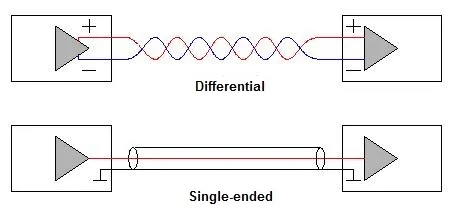
Differential vs Single-Ended Outputs in PCBs: Design, Signal Integrity & Manufacturing Considerations
Types of Radar Jamming Techniques
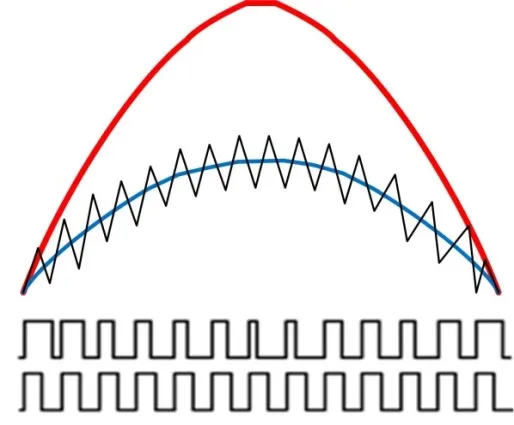
PFC BCM vs CCM Modes Explained: Power Factor Correction in Power Supplies
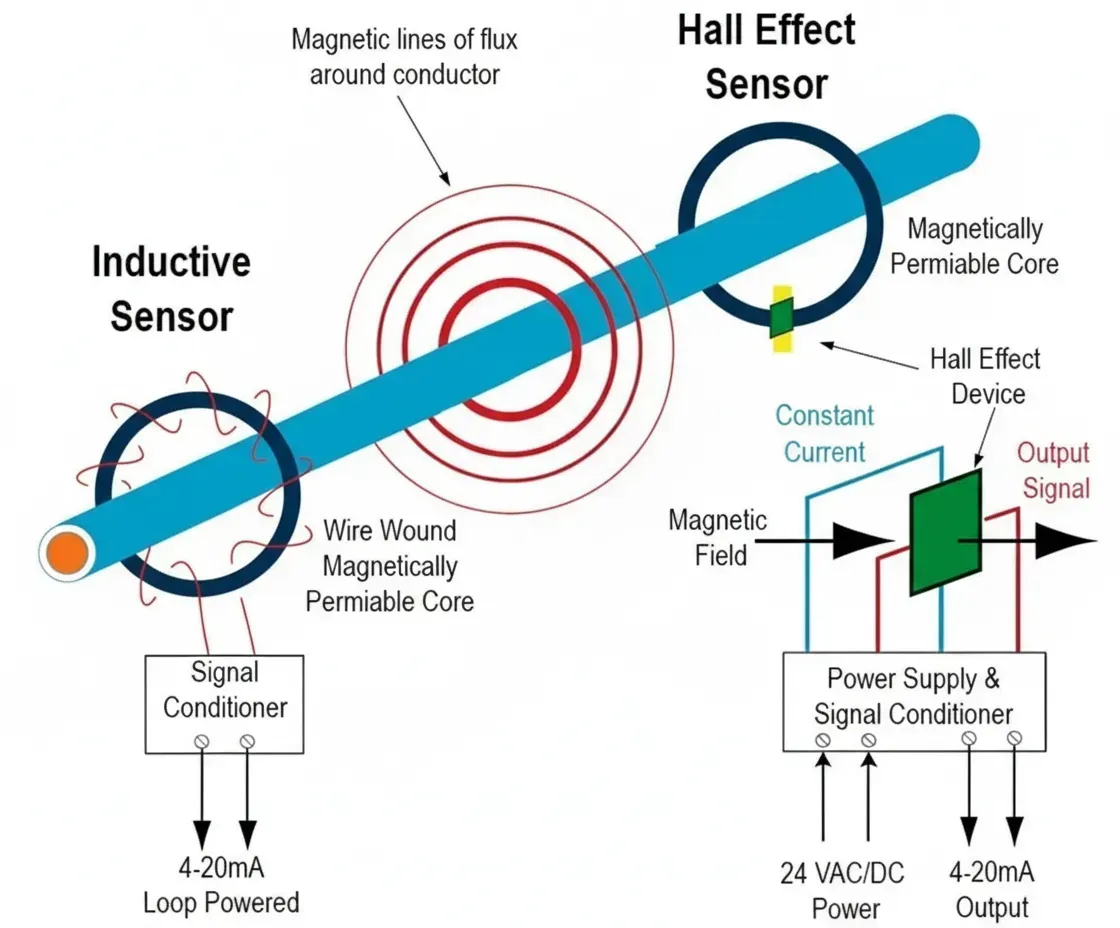
Hall Effect Sensor PCB Design Guide: Principles, Differential Types & Magnetic Circuit Integration
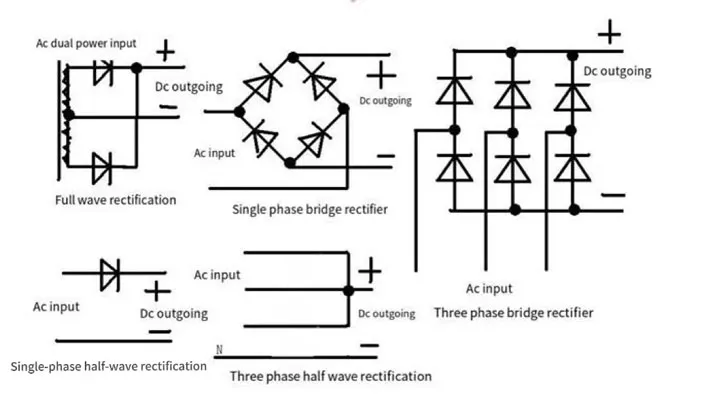
Optimizing Rectifier Circuits and Overvoltage Protection in PCB Design
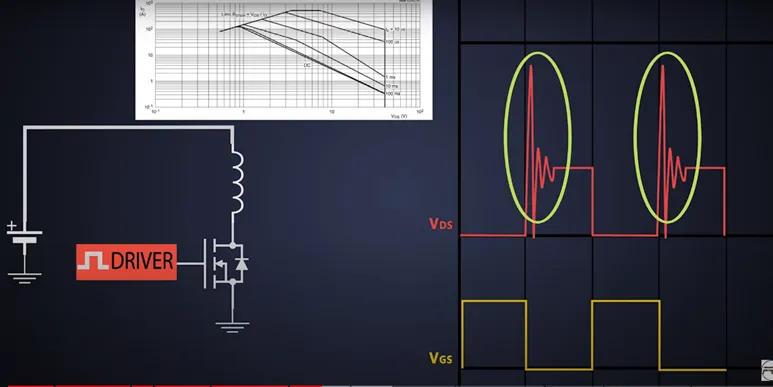
RCD snubber circuits for switching power supply EMI
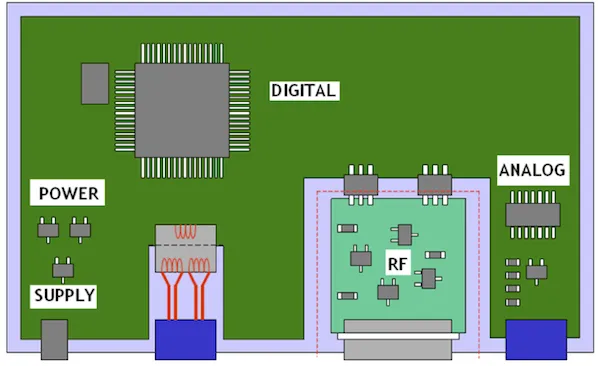
EMC and Protection Design for Modular Power Peripheral Circuits
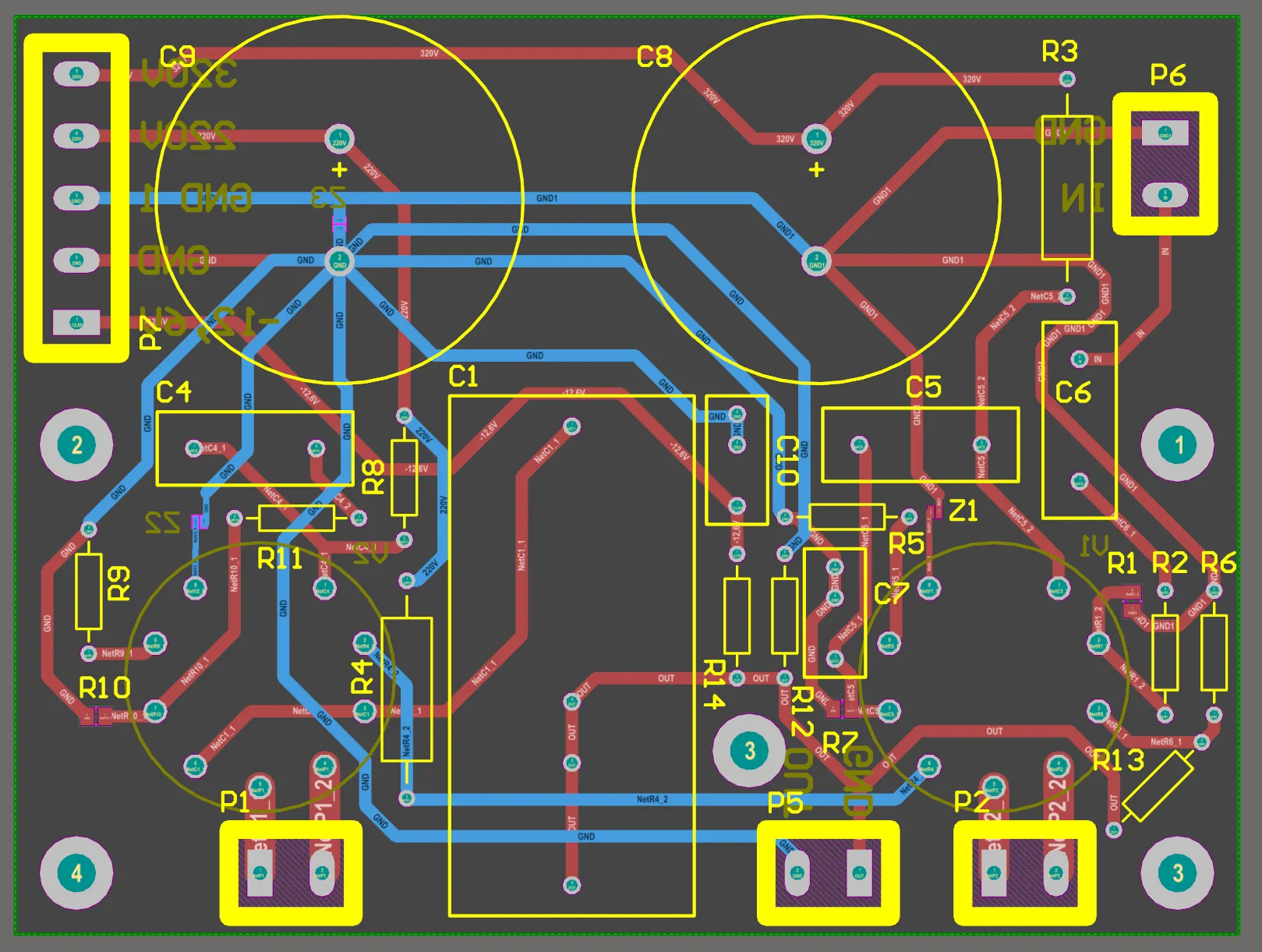
Improve Your Designs with the Best PCB Grounding Techniques
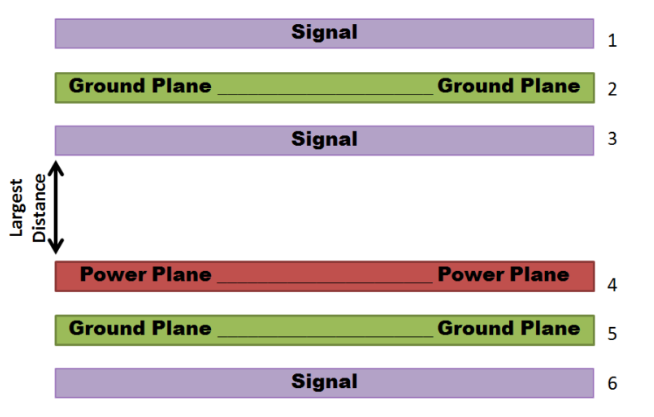
The Art of Layering: Signal Layer Strategies for PCB Success
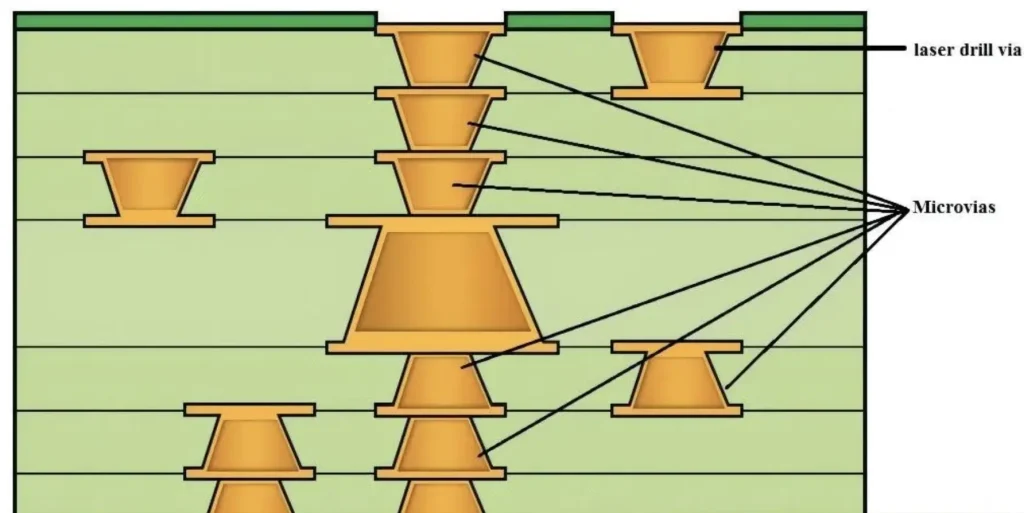
Microvia Design for EMI Reduction
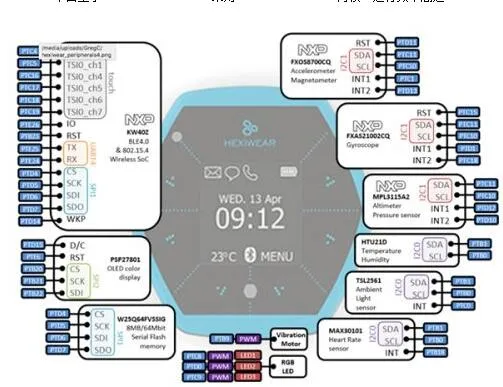
Advanced PCB Design & Manufacturing for Medical Electronics: Reliable Wearable, Portable, and IoT Solutions
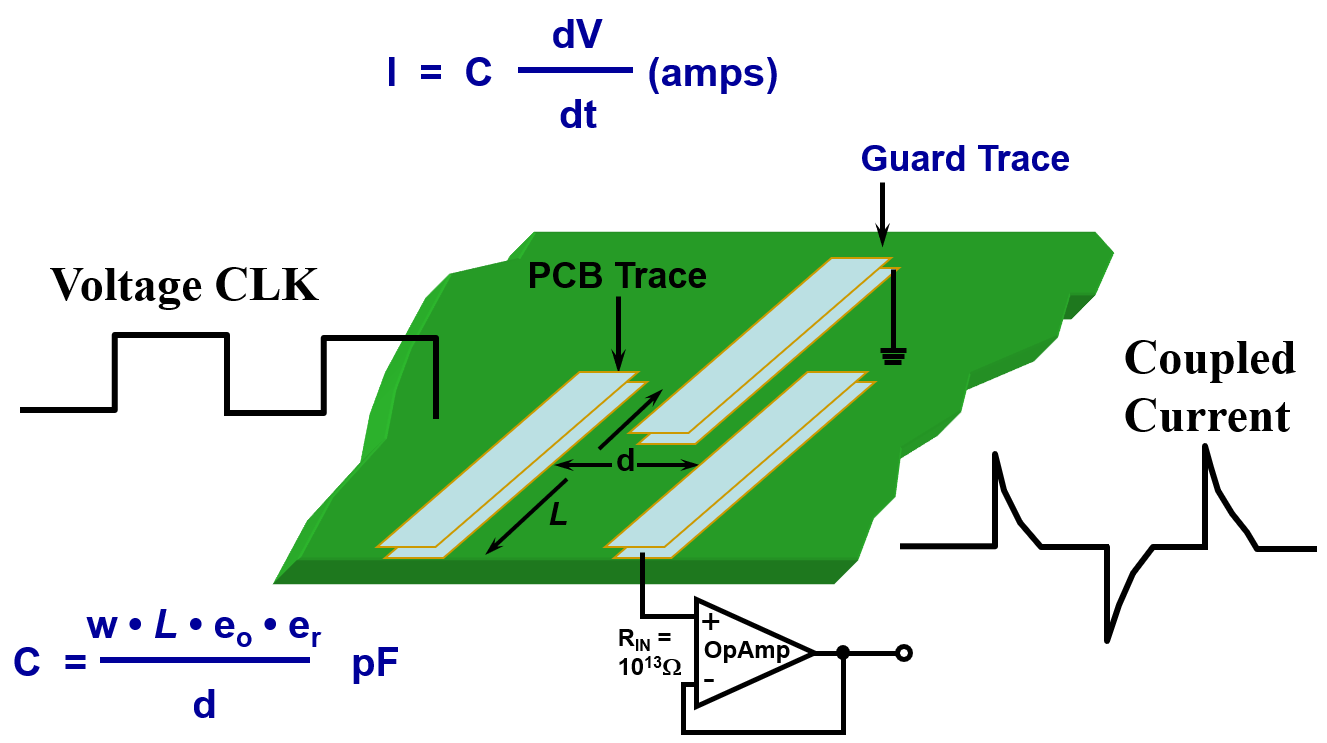
Reducing EMI in PCB Prototyping: Shielding Techniques and Grounding Strategies
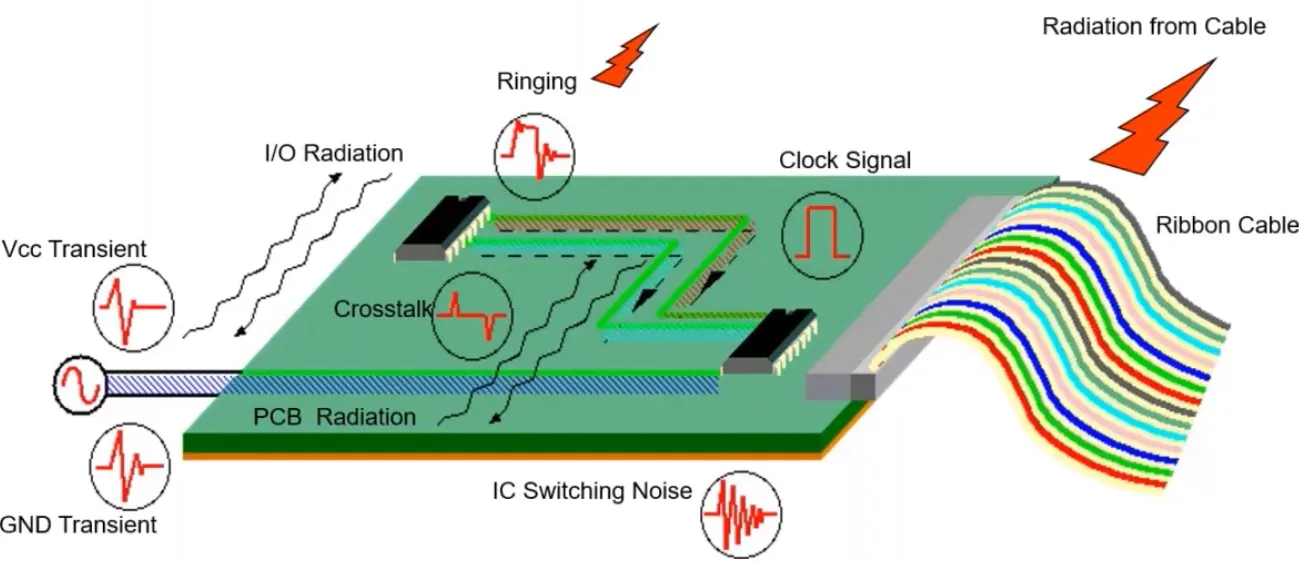
EMI and EMC Compliance 101 for PCB Designers
CS114 Calibration and Test Methods
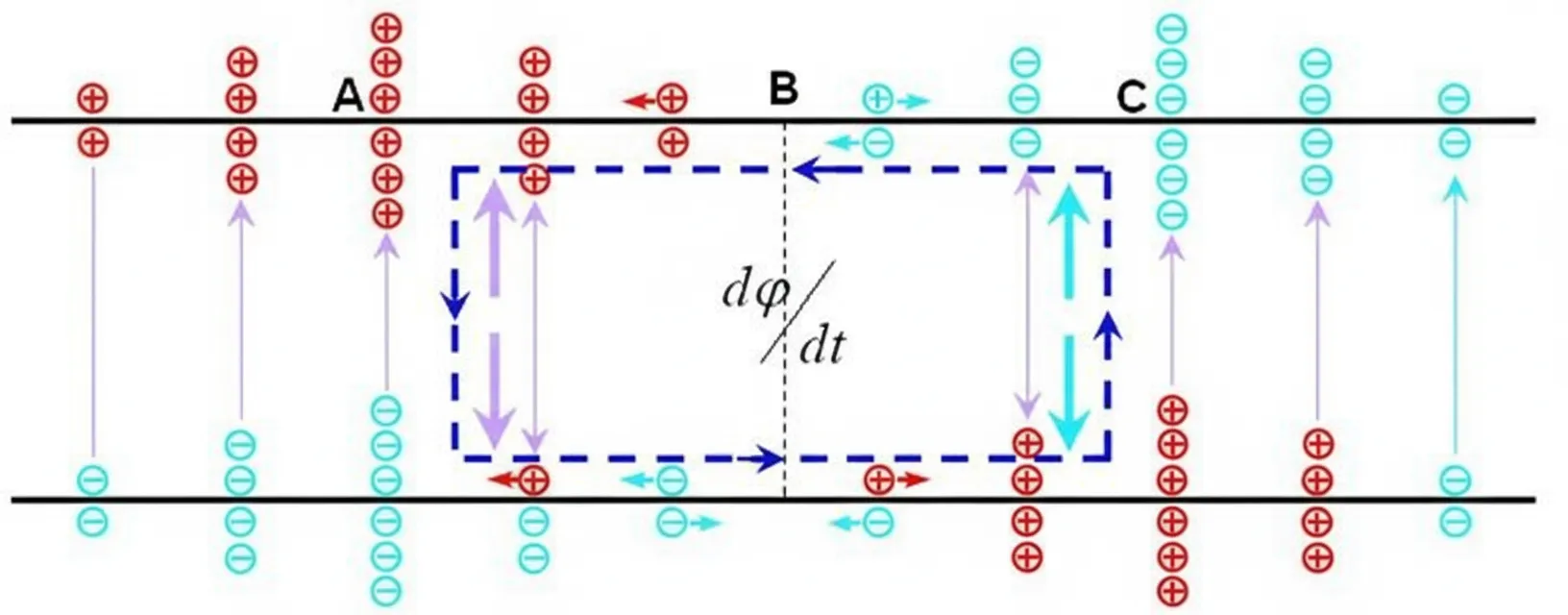
Analyzing Antennas from Oscillator Equations
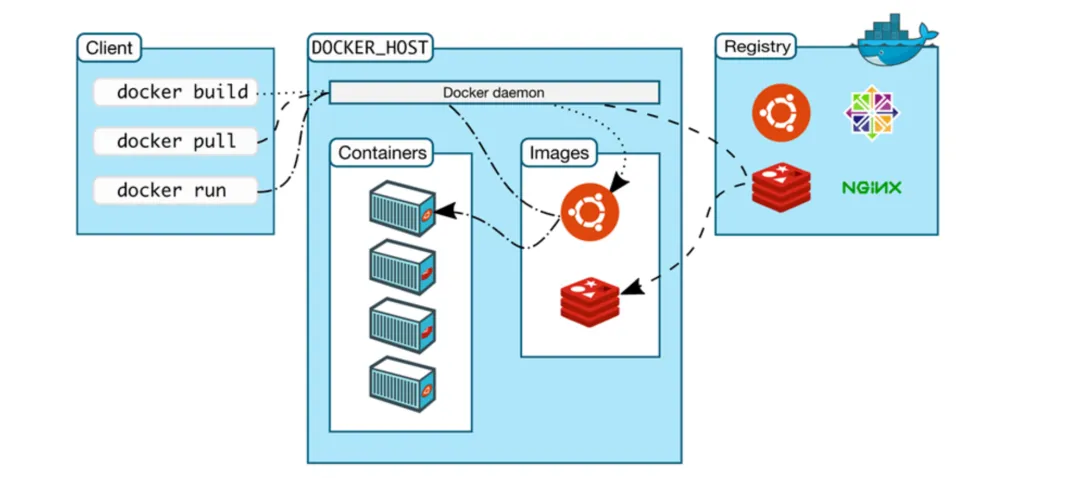
How Cloud Security Differs from Traditional Security
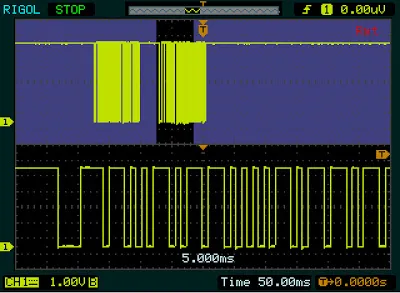
100 Oscilloscope Basics Q&A

Common Network Information Security Attributes
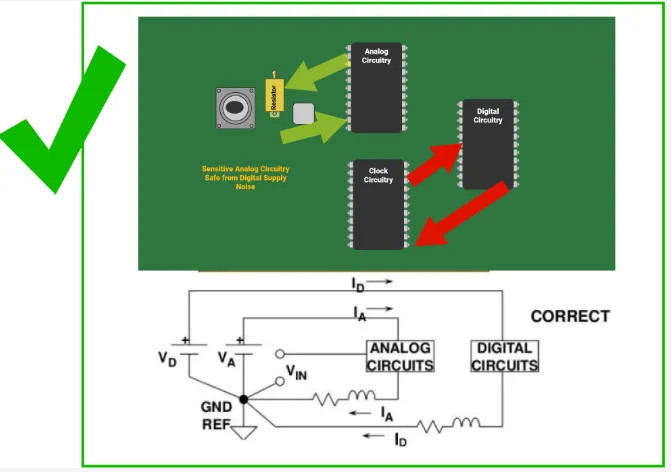
The Impact of Component Orientation on PCB Signal Integrity and Performance
Get in Touch
Send Message
- Products & Service
- Company
- About AIVON
- Contact
- News
- Blog
- Certification
-


- Payment
-


2026 AIVON.COM All Rights Reserved